
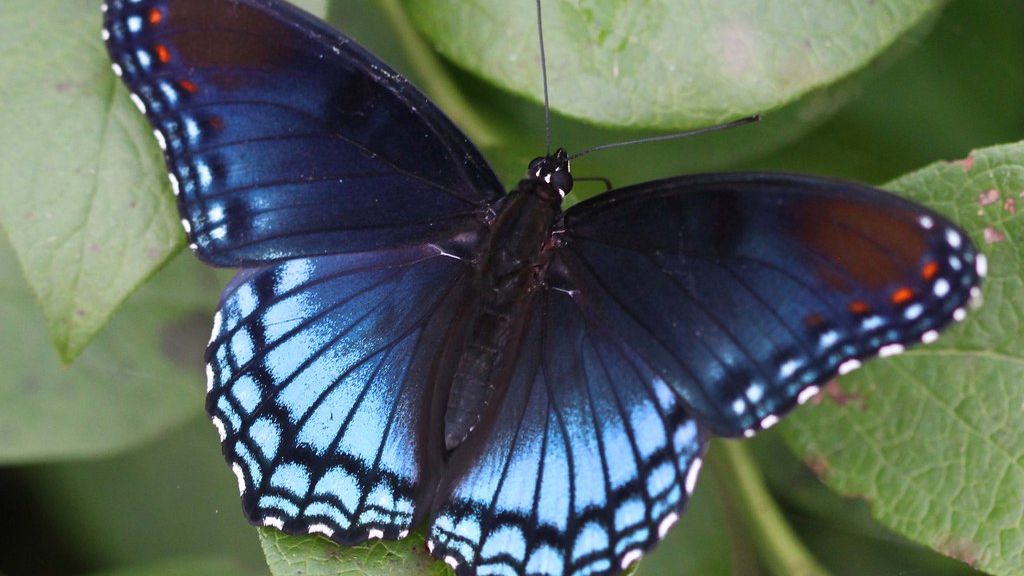
There is something almost magical about watching a butterfly drift past you on a warm afternoon. Wings painted in orange, cobalt, deep black, and gold – creatures so delicate they seem barely real. Honestly, most people walk past them every single day without giving a second thought to the staggering variety hiding in plain sight.
The United States is home to well over 700 butterfly species, and yet they are not evenly spread. Some states are almost barren of them, while others are so explosively rich in species that lepidopterists – people who study butterflies professionally – travel thousands of miles just to visit them. The question is: which states truly deliver the goods? Let’s find out.
1. Texas – The Undisputed Butterfly Capital of the Nation
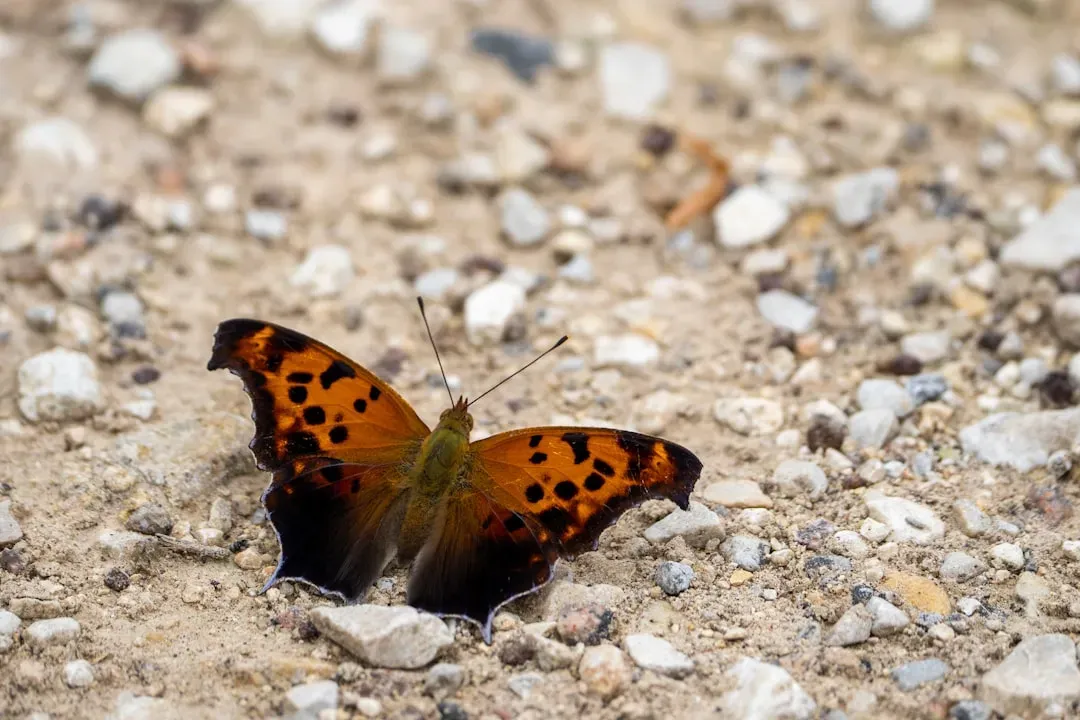
Let’s be real – Texas plays in a completely different league when it comes to butterflies. Over 442 species of butterflies have been recorded in Texas, making it the most diverse state for butterflies in the entire nation. That is not a small margin. That is a domination.
Texas owes its extraordinary butterfly diversity to the fact that the state straddles a massive number of habitats. It has moist forests in the east, dry desert landscapes to the west, flower-filled prairies in the north and center, and subtropical scrublands to the south. Think of it like a buffet table that never ends.
There are more species of butterflies recorded in three counties of South Texas – Cameron, Hidalgo, and Starr – than there are in the entire eastern North America. That alone should make your jaw drop. One corner of one state, outperforming half a continent.
Approximately 70 species of butterflies have been found nowhere north of southernmost Texas. The principal reasons for South Texas’ rich butterfly fauna are its mild winters, plant diversity, and close proximity to Tamaulipas, Mexico’s most biologically diverse northern state.
2. Arizona – Desert Jewels and Sky Island Wonders
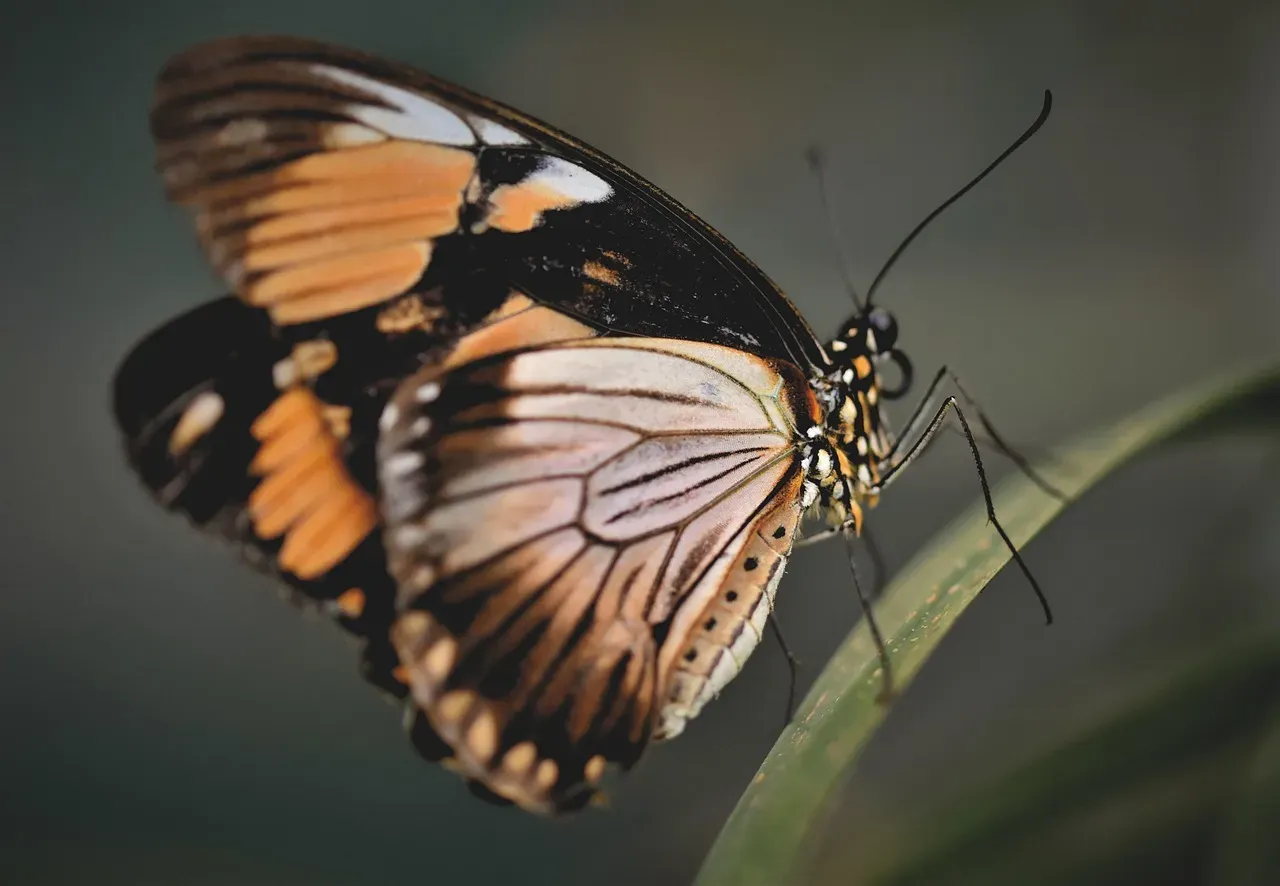
There are 28,000 butterfly species around the world, and Arizona is home to a whopping 334 species, second in diversity of butterfly species only to the state of Texas. For a desert state, that number is genuinely surprising to most people.
Arizona’s secret weapon is its so-called “sky islands” – mountain ranges that rise dramatically from desert floors and create entirely separate micro-ecosystems stacked on top of each other. Single canyons near the Arizona-Sonora border may harbor as many as 100 to 120 butterfly species. That is an extraordinary concentration of diversity packed into one canyon.
An interesting array of species are influx species, entering the Sonoran Desert yearly from other deserts, thornscrub habitats, and mountain ranges in northwestern Mexico. The strength, time of onset, and duration of the summer rainy season are thought to be responsible for the intensity of this influx phenomenon. Many of these visitors breed in the Sonoran Desert and comprise a significant or even dominant portion of the summer butterfly fauna.
3. California – Where Plant Life Drives Wing Life
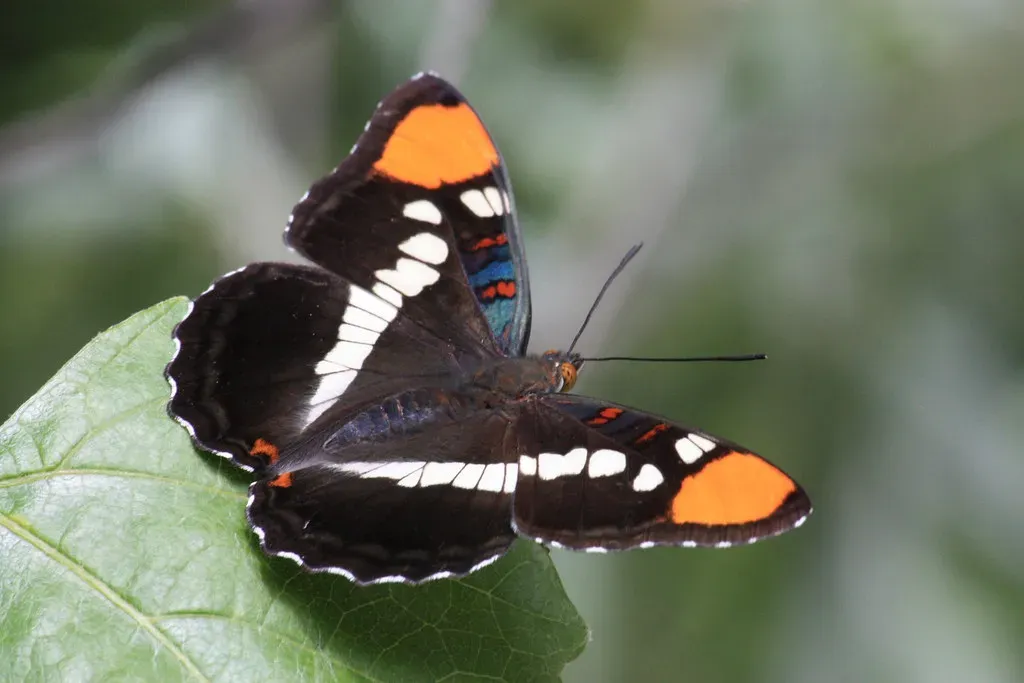
California is third in butterfly species with 250. That still makes it one of the richest states in the country, even trailing far behind Texas and Arizona. California is enormous, and its butterfly diversity matches its sheer ecological range.
California is a remarkable state biologically, ranking highly in biodiversity categories. Often referred to as an ecological island, separated by high mountains from the rest of the continent, California’s diversity is the product of the state’s variability of landforms, climate, and soil types.
Plant and butterfly diversities are positively correlated, and primary productivity and topographical variability are key factors in determining where butterfly richness concentrates. In other words, the more dramatic California’s terrain gets, the richer the butterfly life tends to be. Think of the coastal ranges versus the high Sierra Nevada – two completely different butterfly worlds sitting within the same state.
The biggest culprit in declining butterfly numbers is loss of habitat. A diversity of wild plants supports a diversity of butterflies, and when native food plants that butterfly larvae must have to survive are replaced, the chain breaks. California is fighting that battle harder than almost any other state.
4. Pennsylvania – An Eastern Surprise Powerhouse
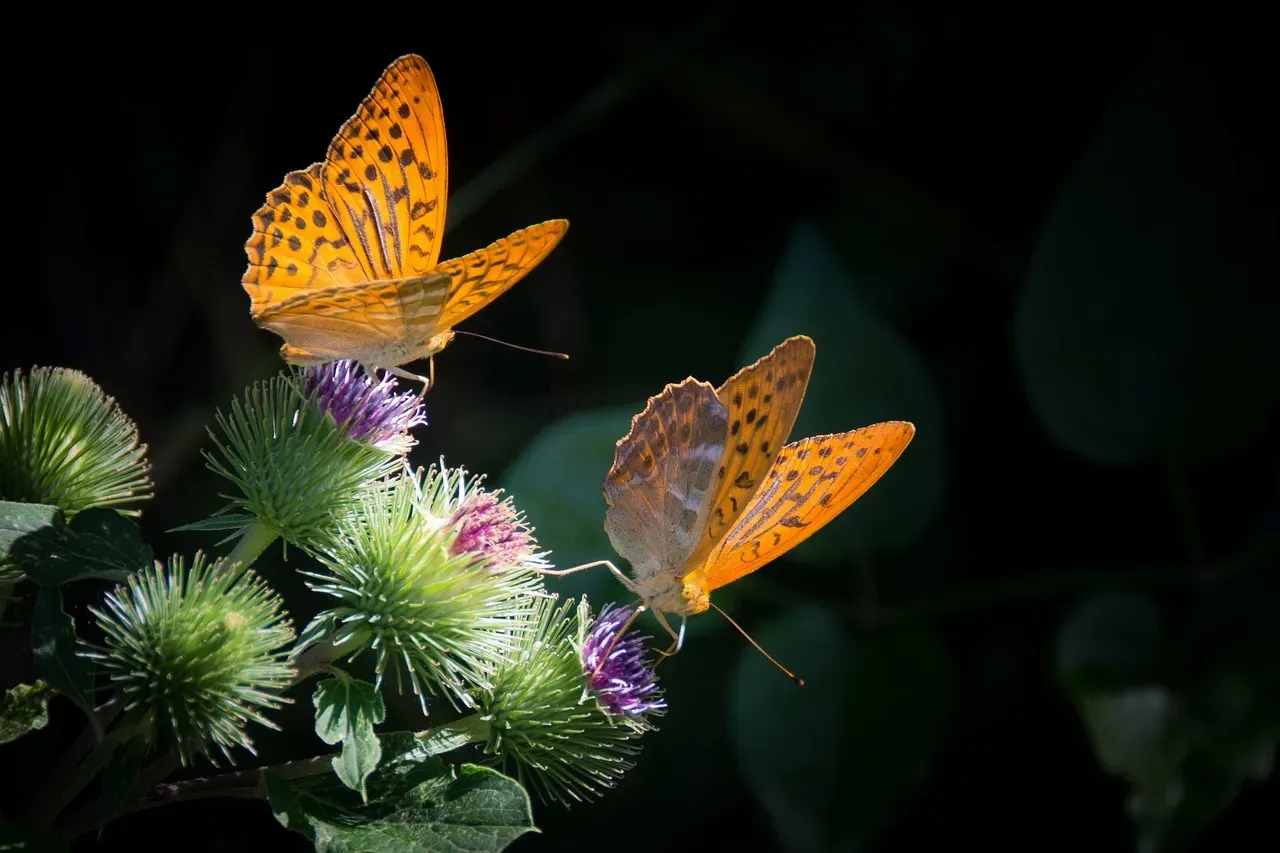
Here is something most people would never guess. Pennsylvania, that northeast state most famous for cheesesteaks and autumn foliage, is one of the top butterfly states in the country. The best states to find butterflies include Pennsylvania, Texas, Virginia, and West Virginia, each of which is home to 54 species of native butterflies.
Pennsylvania sits at a geographic crossroads. Species from the north and south overlap here in surprising ways. The Regal Fritillary colony at Fort Indiantown Gap military facility is the largest population of the species remaining east of Indiana. That population is about 1,000 adults, and it has been secure since monitoring began in 1998. A military base, of all places, serving as a butterfly sanctuary. I love that.
Pennsylvania’s rolling hills, mixed forests, and farmland edges create those layered edge habitats that butterflies absolutely thrive in. It is one of those places where going out with a field guide on a warm June morning will reward you far more than you ever expected.
5. Virginia – Blue Ridge Beauty and Appalachian Riches
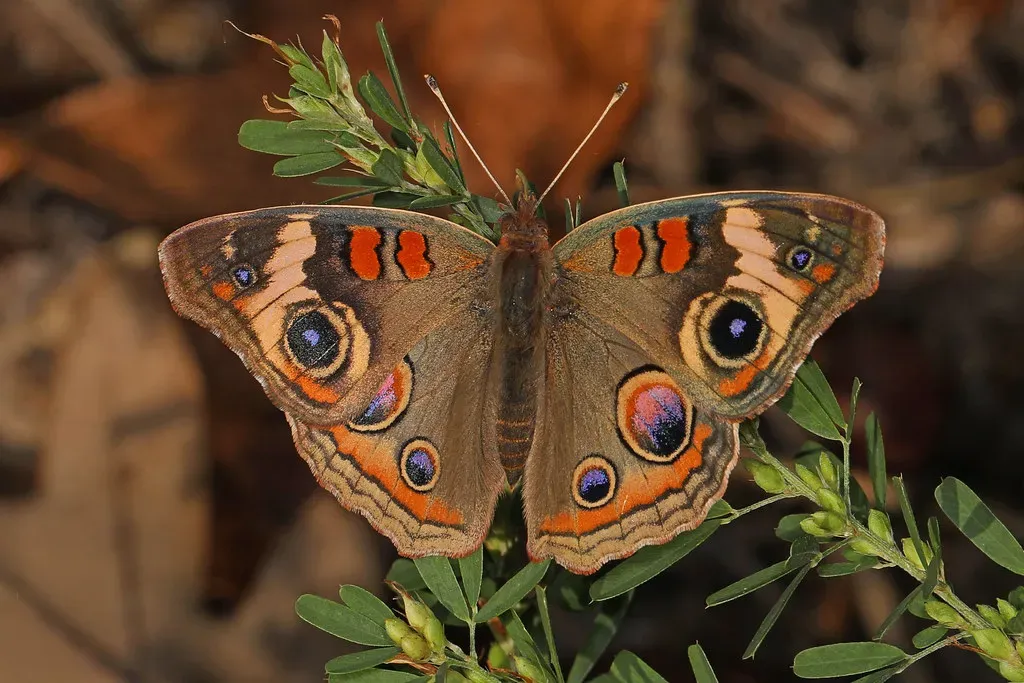
Butterflies are among the most common in Virginia, and there is a very good geographic reason for that. Virginia stretches from Atlantic coastline all the way up into the Appalachian highlands, and that range of elevation and habitat creates spectacular butterfly diversity.
The Shenandoah Valley alone is a remarkable corridor for butterfly movement. Species that breed in the mountains drift down into lower valleys, and coastal species push inland along river systems. It is like a constant, slow-motion exchange program between ecosystems.
Virginia also holds some rarer Appalachian specialists that simply do not appear anywhere else in the mid-Atlantic region. The Virginia population of the Regal Fritillary is on the grounds of the Radford Army Ammunition Plant – another case of conservation happening in the most unexpected of places. It is hard to say for sure whether Virginia gets enough credit, but in the butterfly world, it absolutely deserves a spot at the top table.
6. West Virginia – Surprisingly Rich and Deeply Underrated
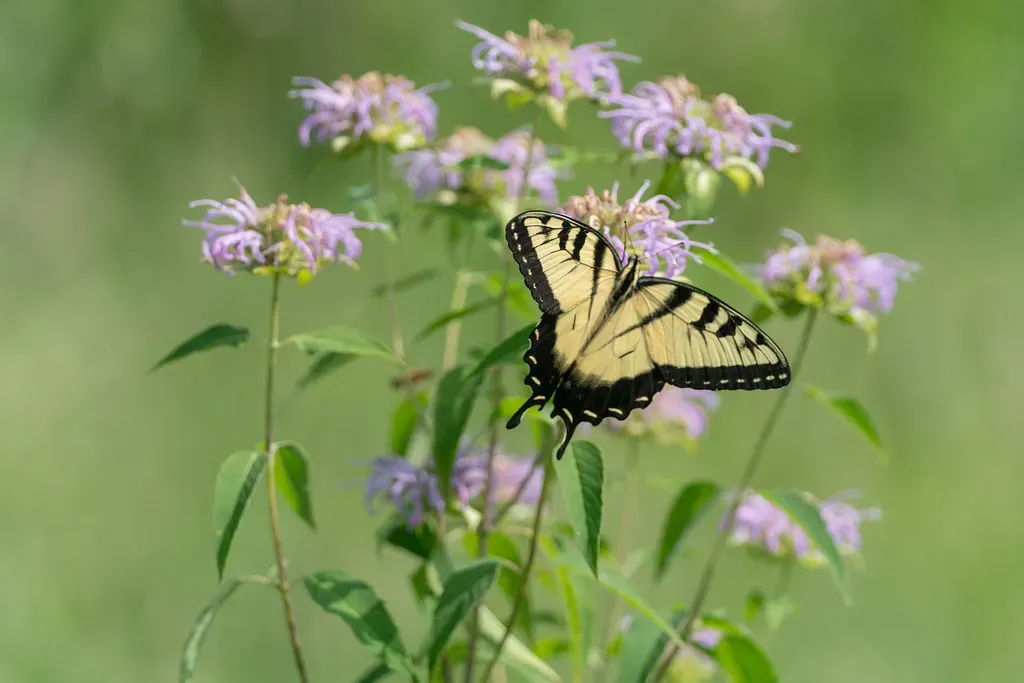
West Virginia rarely makes anyone’s list of top nature destinations, which is honestly a shame. West Virginia is among the best states to find butterflies, home to 54 species of native butterflies – tying with Pennsylvania and Virginia at the top of the eastern states rankings.
The Mountain State is blanketed in forest, and its rich Appalachian terrain provides extraordinary habitat. Deep hollows, ridge-top meadows, and rushing streams create a patchwork of microhabitats that support a remarkable range of species. There is an isolated population of the Atlantis Fritillary in the West Virginia highlands, a species that tells the story of the state’s cool, mountain-adapted ecological niche.
West Virginia also benefits from relatively low development pressure compared to neighboring states. Less pavement means more wildflowers, and more wildflowers means more butterflies. It is a simple equation, and the math works beautifully here.
7. Florida – The Subtropical Gateway to Caribbean Species
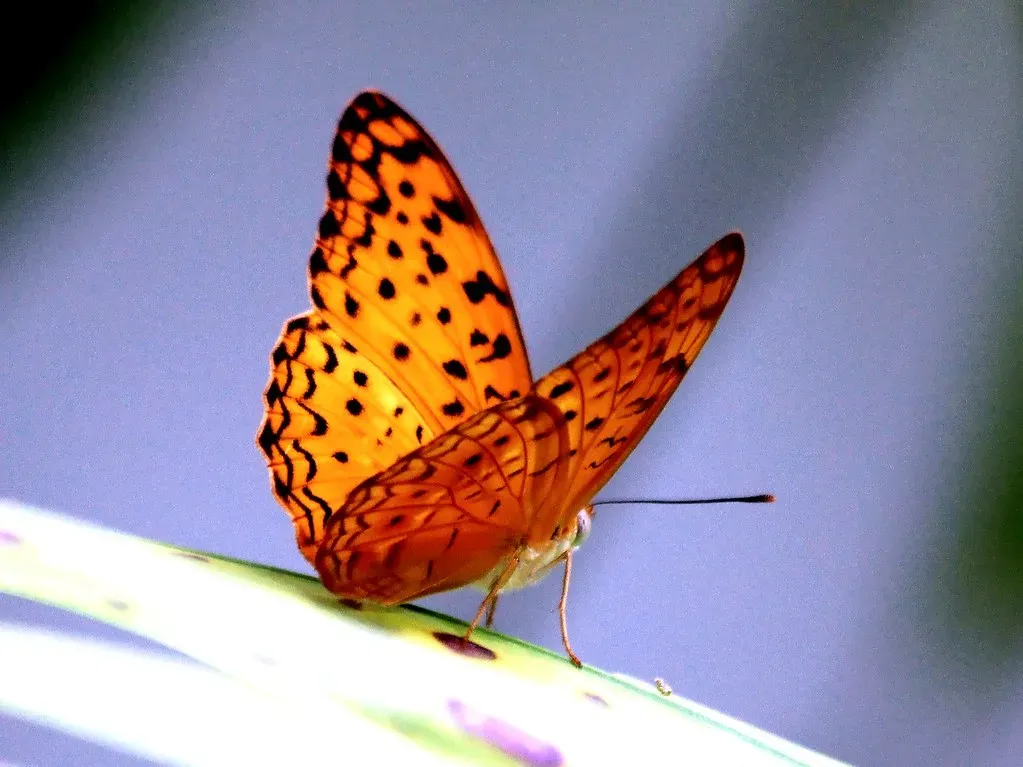
Florida is a genuinely unique case. Its subtropical climate in the south, particularly in the Everglades and the Florida Keys, draws in species that simply do not exist anywhere else in the continental United States. Florida acts as a biological bridge between North America and the Caribbean.
The Cassius Blue Butterfly can be found in Texas and Florida – it is one of the rarest butterfly species found in the country, appearing in only two states. That alone makes Florida a destination for serious butterfly enthusiasts.
While only some butterflies can be found in all 50 states, like the Monarch, the Painted Lady, and the Red Admiral, most have more limited ranges. Florida catches many of those limited-range tropical species as they drift north from the Caribbean. The Painted Lady is the only butterfly that mates year-round, and Florida’s warm winters make it an ideal location to spot this species even when other states have gone cold and quiet.
8. New Mexico – Where Desert Meets Mountain in Explosive Color
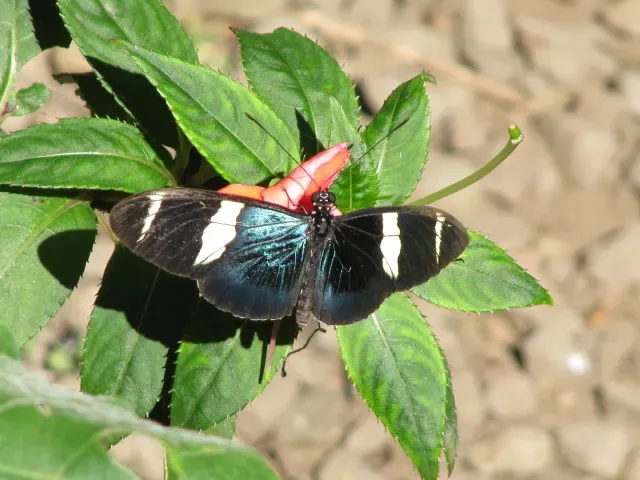
New Mexico is one of those states that consistently surprises butterfly watchers. It sits at the intersection of the Chihuahuan Desert, the southern Rocky Mountains, and the vast grasslands of the Great Plains. That three-way collision of ecosystems creates remarkable butterfly richness.
The Rusty-tipped Page butterfly can be found in New Mexico and Texas – one of the rarest butterflies in the entire country, appearing in only those two states. New Mexico’s proximity to Mexico means it occasionally receives vagrant tropical species that drift north on warm air currents. It is like getting surprise guests that nobody expected.
Cities like Albuquerque in New Mexico form part of an important Southwest butterfly corridor, and even urban botanical gardens in the state serve as critical butterfly refuges. While botanical gardens represent less than one percent of metropolitan landscapes, these urban green areas have disproportionately high butterfly species richness and diversity.
9. Colorado – Alpine Specialists and Prairie Wanderers
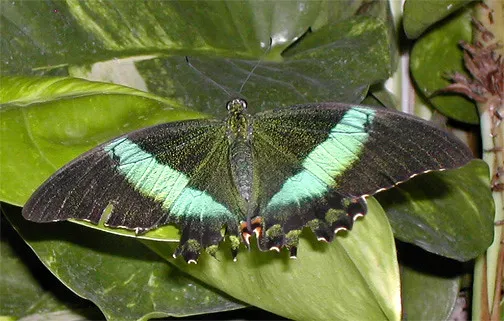
Colorado is a state of dramatic contrasts, and its butterfly life reflects that perfectly. From the shortgrass prairies of the eastern plains all the way up to alpine tundra above 12,000 feet, Colorado hosts an extraordinary range of specialized species. The alpine zones alone hold butterflies found nowhere else in North America.
Insects are led to various regions by mating habits, environmental factors, and food supplies, which influence which states they may or may not reside in. Colorado’s vertical complexity essentially mimics a continent compressed into a few hundred miles. Go up a mountain in Colorado and you pass through multiple entire climate zones, each with its own butterfly community.
The Rocky Mountain populations of fritillaries, blues, and alpine skippers are some of the most beautiful and specialized butterflies in all of North America. Honestly, if you ever get a chance to hike a Colorado mountain meadow in July, take a close look around your feet. You will see things that look like living stained-glass windows scattered across the wildflowers.
10. Georgia – Southern Diversity Meets Atlantic Coastal Plain
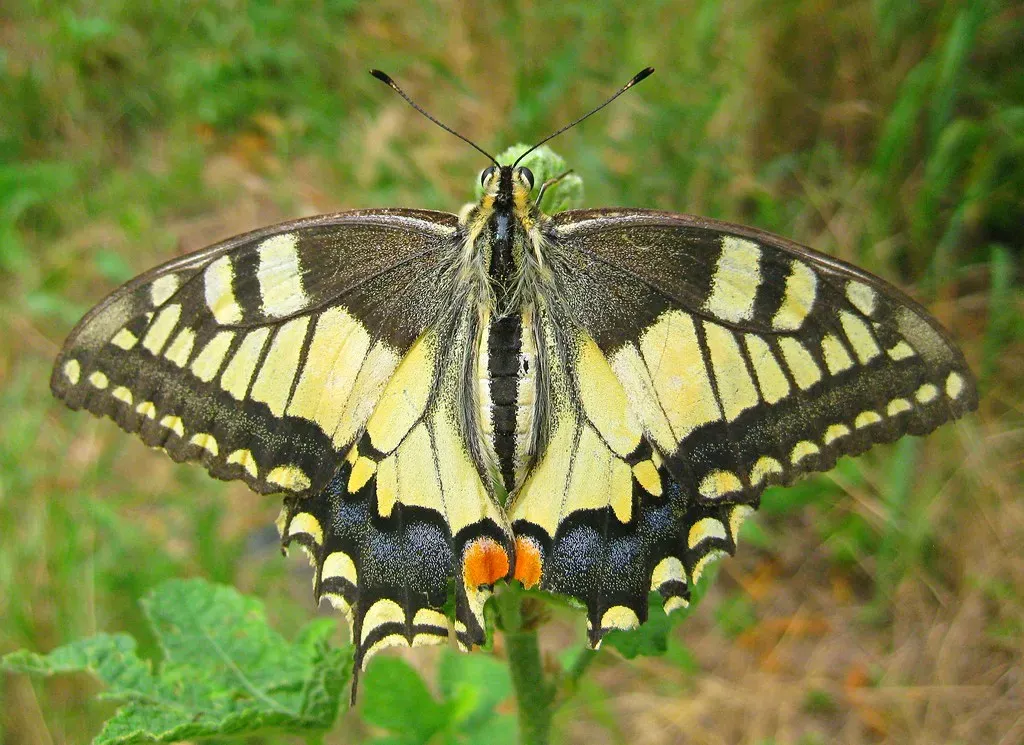
Georgia often gets overlooked in butterfly discussions, but its position in the Deep South gives it access to a rich mix of species. The state spans from the Atlantic coast through the Piedmont plateau and up into the southern Appalachians, creating a layered habitat tapestry that supports impressive diversity.
Georgia’s long, warm growing season means butterflies are active for more months of the year than in northern states. Several swallowtail species thrive in the state’s abundant forests and flowering roadsides, and the coastal plain supports species with strong connections to subtropical Florida. Think of Georgia as Florida’s northern extension when it comes to butterfly range.
Comparisons of butterfly count results across years can be used to monitor changes in butterfly populations and study the effects of habitat loss, climate change, and pesticides on North American butterflies. Georgia’s data consistently shows it as a standout state for southern butterfly richness, particularly during the long spring and summer flight seasons when meadows are ablaze with wildflowers.
11. North Carolina – Mountain Meets Coast in Perfect Butterfly Harmony
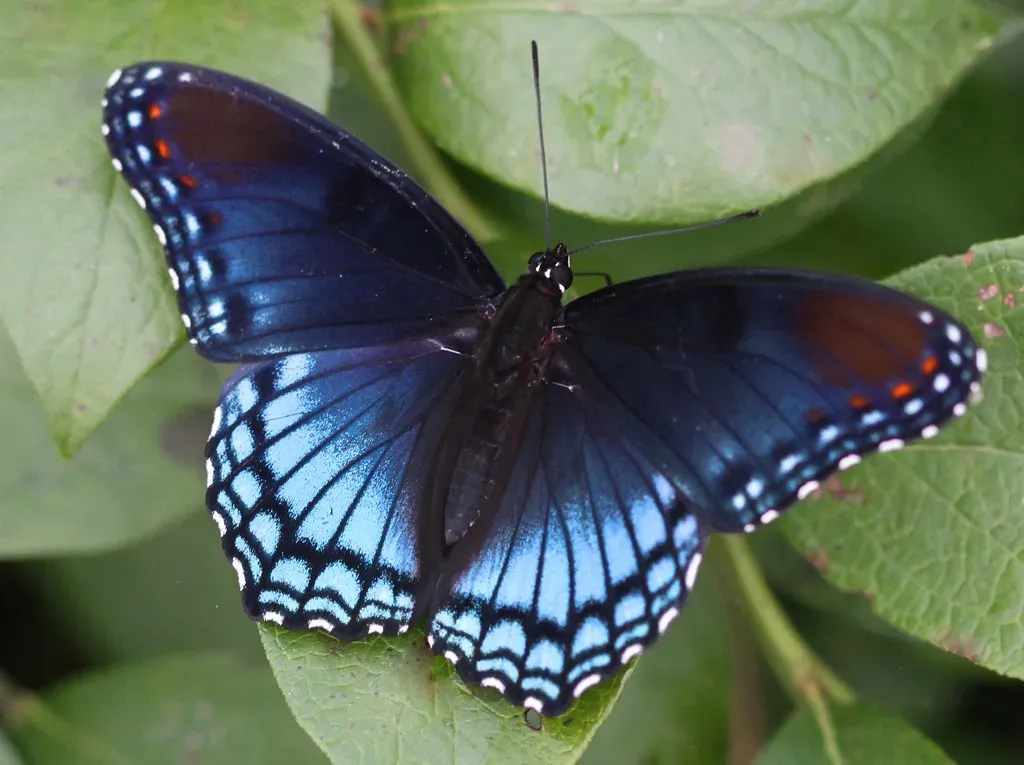
North Carolina might just be the most geographically gifted state on this list for butterfly diversity. The distance from the Outer Banks on the Atlantic coast to the Great Smoky Mountains in the west spans an incredible range of climates, elevations, and habitats. Few states pack that kind of ecological contrast into one boundary.
The Great Smoky Mountains themselves are legendary for biodiversity. The old-growth forests and diverse flowering plants of the southern Appalachians support a remarkable number of butterfly species. A diversity of wild plants supports a diversity of butterflies, and the botanical richness of the Smokies is virtually unmatched in the eastern United States.
North Carolina also lies in the heart of a major butterfly migration corridor. Species like the Monarch, the Painted Lady, and the Red Admiral move through the state during seasonal migrations, adding temporary explosions of diversity on top of the already rich resident population. Spring and fall in North Carolina are genuinely extraordinary times to go butterfly watching.
A Final Thought on Wings, Wild Places, and Why It Matters
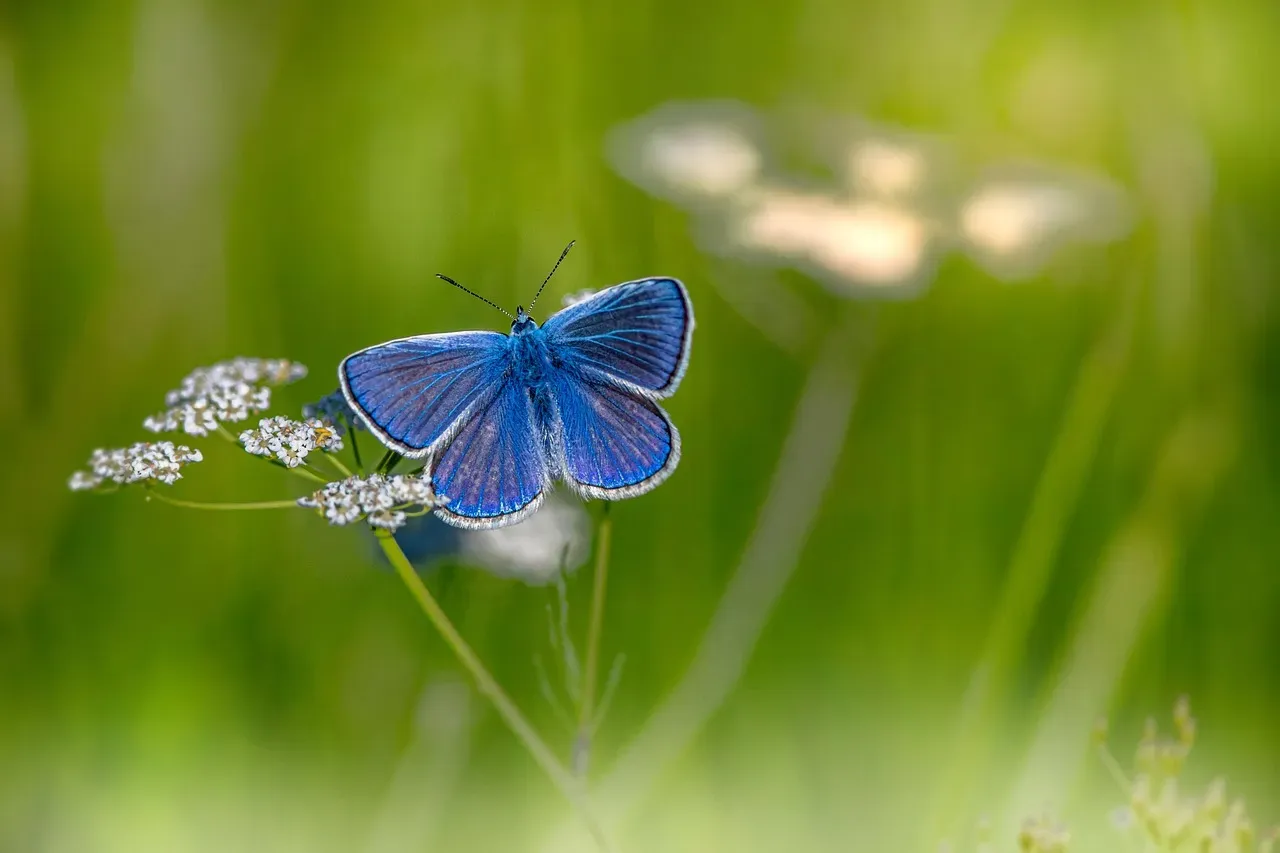
In March 2025, a major dataset provided the primary source of butterfly count data for a landmark study published in Science: Rapid Butterfly Declines across the United States during the 21st Century. That headline should give every one of us pause. These states are extraordinary precisely because of the biodiversity they still hold – and that richness is not guaranteed to last.
It is estimated that there are about 20,000 species of butterflies in the world. In North America, there are 725 species north of Mexico, with about 575 of these occurring regularly in the lower 48 states. That is a stunning heritage. Protecting it means protecting the wild plants, the undisturbed meadows, and the native landscapes that make states like Texas, Arizona, and the Appalachian corridor so extraordinary.
Every one of these 11 states holds something remarkable and irreplaceable. The next time you are in any of them, slow down. Look past the usual. You might just spot something with wings that stops you completely in your tracks. Which of these states would you most want to visit for butterfly watching? Let us know in the comments.

- 10 Remarkable Facts About the African Cheetah: The Lightning of the Grasslands - July 29, 2026
- 10 Most Heroic Horses in History - July 29, 2026
- Why You Should Never Play Dead When Attacked by a Black Bear - July 29, 2026