

Picture the vast African savanna at midday. The sun is relentless, the insects are swarming, and the heat shimmers off the cracked earth. Now imagine standing there without sunscreen, without bug spray, and without a single sweat gland doing its job. That is precisely the daily reality for the world’s largest land animal. Yet elephants have been thriving in these conditions for millions of years.
Their secret? A cloud of dust and a trunk full of cleverness. What looks like a messy, almost childlike ritual is actually one of the most sophisticated self-care routines in the animal kingdom. There is far more going on beneath that dusty exterior than most people ever stop to consider. Let’s dive in.
The Skin Problem Nobody Talks About
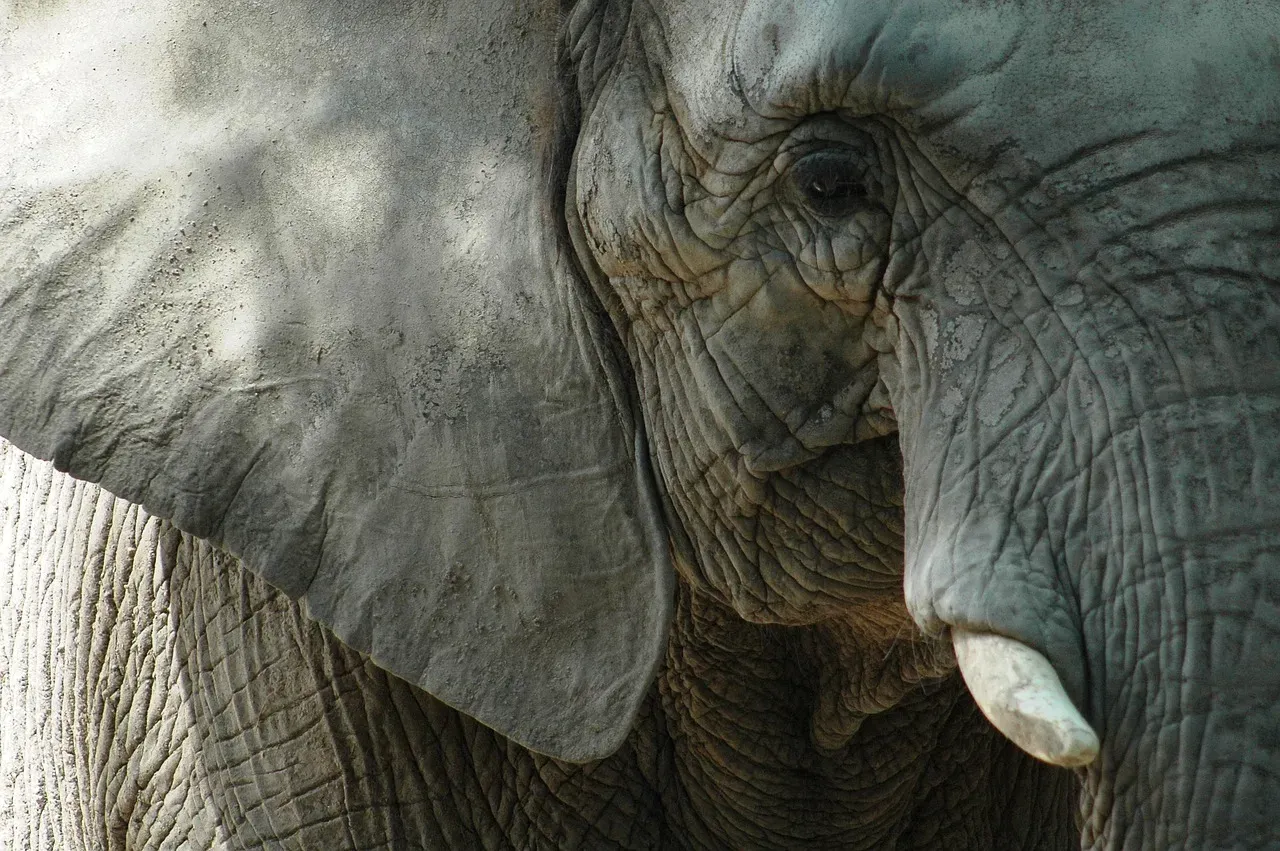
Here’s the thing about elephant skin: it looks tough, but it is surprisingly vulnerable. Despite their massive size and seemingly tough exterior, elephants possess surprisingly sensitive skin. At approximately 2.5 cm (one inch) thick, elephant skin is actually quite delicate and prone to various issues if not properly maintained.
Think of it like a leather shoe left in the sun for too long. It cracks, dries out, and becomes damaged. Unlike most mammals, the elephant’s skin is not covered with hair or fur. However, they have a very thick outer skin layer which is said to be fifty times thicker compared to that of humans.
Due to the lack of hair and sweat glands, their skin is exposed to the sun’s harmful UV rays, making it crack. That is a serious problem when you live under the equatorial sun every single day with no shade to duck into for hours at a time.
On top of that, elephants do not perspire like humans, so they must adapt when temperatures soar. There is no easy, built-in cooling system. Every day is a physical challenge that requires creative, instinctive solutions.
Nature’s Own Sunscreen and Cooling System
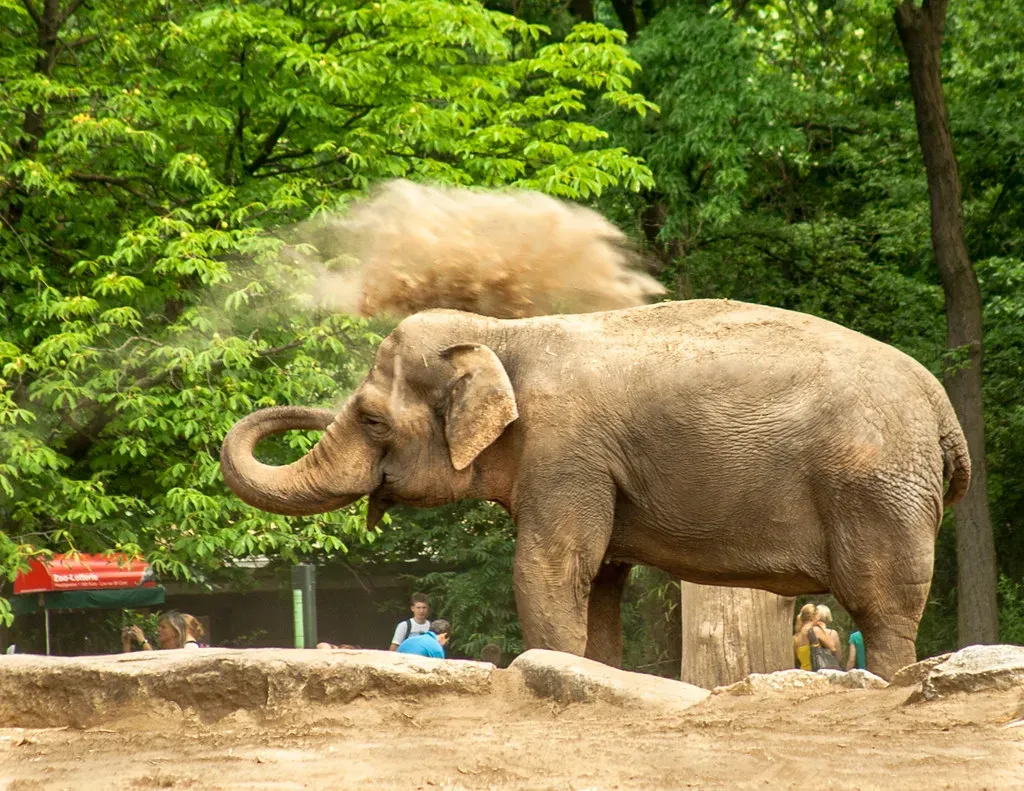
Honestly, when you think about what dust actually does for an elephant, it is nothing short of genius. To protect their vulnerable skin from the scorching sun, elephants scoop and throw significant amounts of soil using their trunks onto their bodies. The dirt covers their skin, providing a protective layer that minimizes the UV rays’ penetration. In other words, dirt acts similar to how sunscreen gels protect human skin from the sun.
In elephants, dust bathing involves throwing dry soil onto the body using the trunk, a practice observed in both African and Asian species. This behavior increases in response to elevated environmental radiation, aiding in ultraviolet protection and preventing sunburn on sensitive skin. Dust application also forms a barrier against ectoparasites and assists in thermoregulation by reflecting sunlight and promoting evaporative cooling.
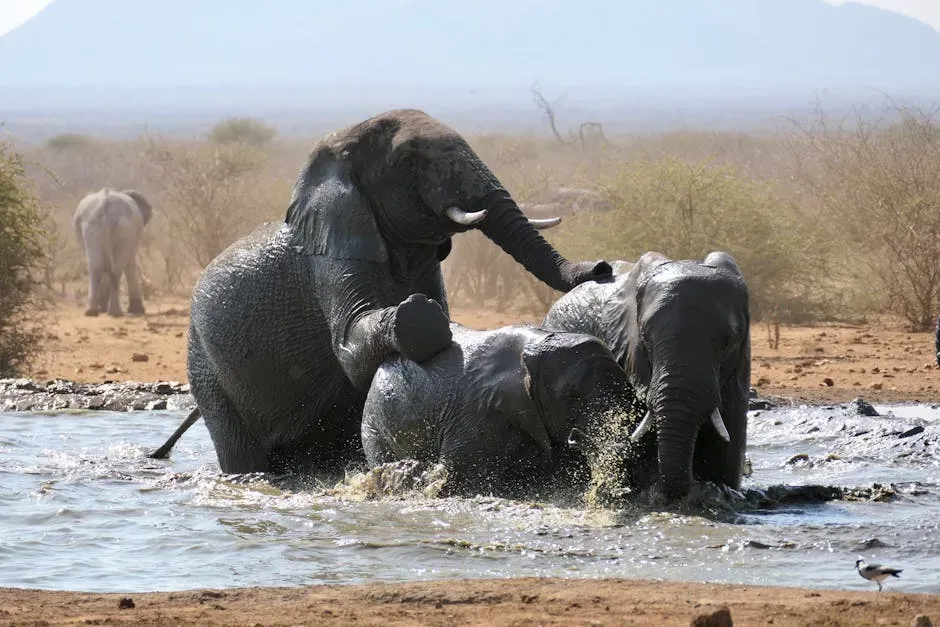
The cooling element is just as fascinating. In addition to providing sun protection, the dirt and mud baths help elephants cool down. During the hottest parts of the day, elephants seek water sources where they can bathe in mud, which then evaporates like sweat, aiding in the cooling process as it dries. This evaporative cooling is crucial for maintaining a stable body temperature, particularly given the large size of elephants, which makes them more susceptible to overheating.
Sand helps dry and warm their skin in the cooler months, while mud helps to keep them cool in the hotter months. It is almost like they have worked out a seasonal skincare regime without ever reading a beauty magazine.
The Ultimate Bug Repellent and Parasite Trap
If you have ever been in the African bush during dusk, you know what relentless insects feel like. Now multiply that by ten and imagine being an animal the size of a small truck with no hands to swat them away. That is the elephant’s reality.
Mosquitoes, flies, ticks, and other biting insects can cause significant discomfort and transmit diseases. The thick layer of dried mud or dust creates a physical barrier that insects struggle to penetrate with their mouthparts. When the mud dries and cracks, it also falls off, taking attached parasites with it. This natural pest control mechanism is particularly important in regions where insect-borne diseases are prevalent.
The dust and soil particles create a layer that makes it hard for the insects to reach the elephant’s skin. The dirt essentially acts like bug spray. A completely chemical-free, zero-cost, infinitely renewable bug spray, at that.
Studies have observed that elephants increase their mud-bathing behavior during peak insect seasons, suggesting a deliberate strategy to combat these pests. Some elephants even appear to target specific body areas that are most vulnerable to insect attacks, such as the sensitive skin around their eyes, ears, and trunks. That level of targeted behavior suggests something close to self-awareness. I think that detail alone is worth pausing on.
Skin Exfoliation, Wound Healing, and the Surprising Spa Effect
Let’s be real, this is where it gets genuinely surprising. Elephants are not just throwing dust around for protection. They are essentially running a full-service skincare operation from the ground up.
A general skin care function has also been proposed since sand and gravel particles in soil may act as abrasives and promote the shedding of the hard keratinised flakes in the skin. In plain terms, the gritty texture of the soil works like a natural exfoliant, sloughing off dead skin cells and keeping the pores clean. That is surprisingly sophisticated for a creature often described as simply “large and grey.”
The dirt baths also help moisturize elephants’ skin. Elephants naturally have very dry skin because they do not make much oil. The natural moisture in mud and wet dirt helps add needed moisture to their skin. This prevents their skin from painful cracking and irritation.
There is even a medicinal dimension to this behavior. The mud can form a protective barrier over wounds, preventing further contamination while the minerals work to combat existing bacteria. As the mud dries, it also helps to reduce inflammation and soothe irritated skin. This medicinal use of mud represents a remarkable example of self-medication in the animal kingdom.
Researchers have documented cases where elephants with skin conditions or injuries deliberately seek out specific mud sources with higher mineral content. This behavior suggests an innate knowledge of which substances will provide healing benefits, highlighting the sophisticated health management strategies these intelligent animals have developed over millennia of evolution. That is not random rolling in dirt. That is intentional self-treatment.
A Social Ritual Hidden in Plain Sight
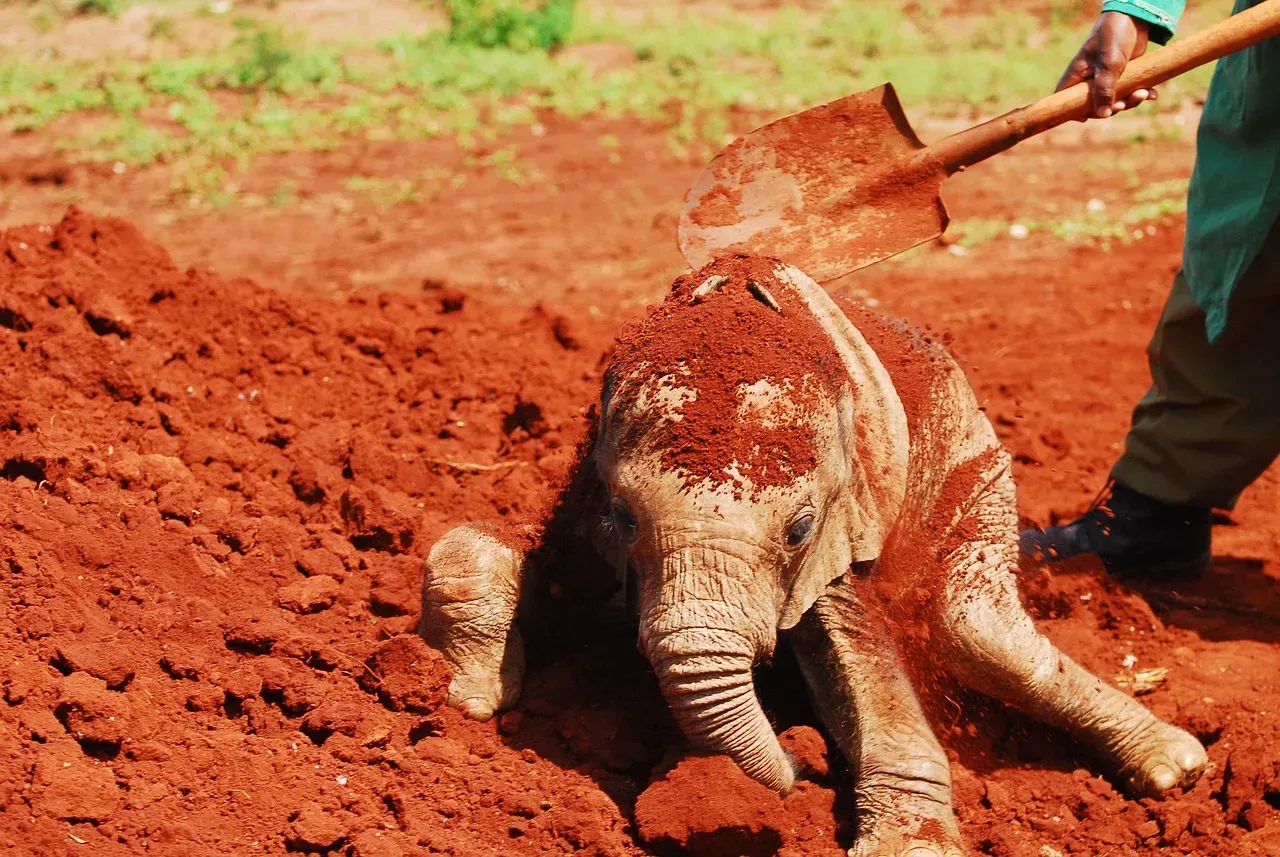
What happens when the whole herd joins in? Something quite beautiful, actually. Dust bathing is not always a solo activity, and the social dimension of this behavior is one of the most emotionally compelling aspects of elephant life.
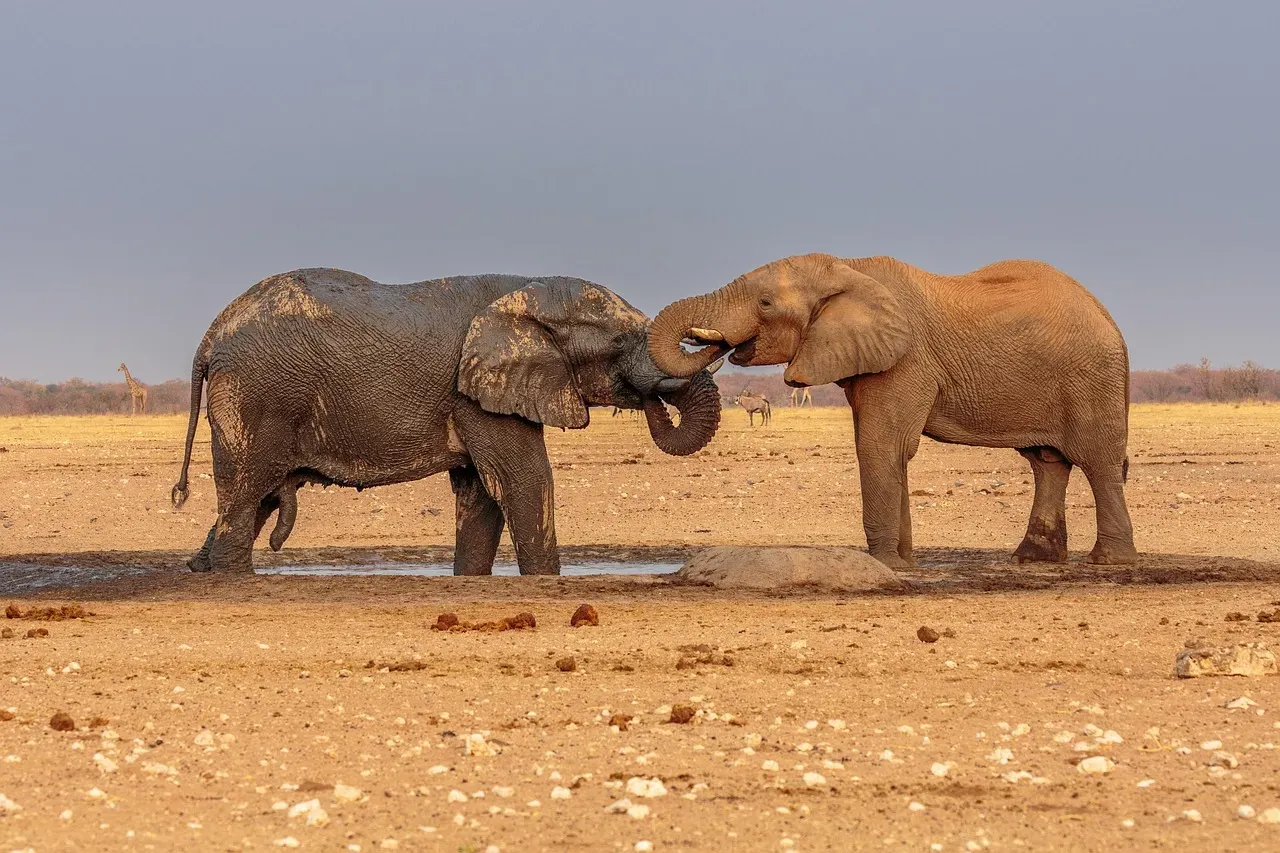
When elephants bathe together in muddy waterholes or dust baths, they’re engaging in bonding rituals within their herds. These moments foster relationships among family members and friends, a vital aspect of elephant society where strong familial ties are paramount.
Calves learn from adults, as young elephants observe and mimic dust-bathing behaviors. Mothers care for their calves, with adult females often dusting their young ones, ensuring they are properly protected. Herd members assist each other, with elephants helping to dust one another, reinforcing social bonds within the group.
Synchronisation in the timing of dusting behaviour within the herd suggests that it may have a function in the maintenance of social cohesion. Think of it like a shared morning routine that brings the family together. Same principle, just on a much grander, dustier scale.
Researchers studying elephant behavior have noted that mud bathing activities often coincide with increased vocalizations and tactile interactions, suggesting these sessions serve as important social gatherings beyond their practical benefits. It is part spa day, part family reunion.
Conclusion
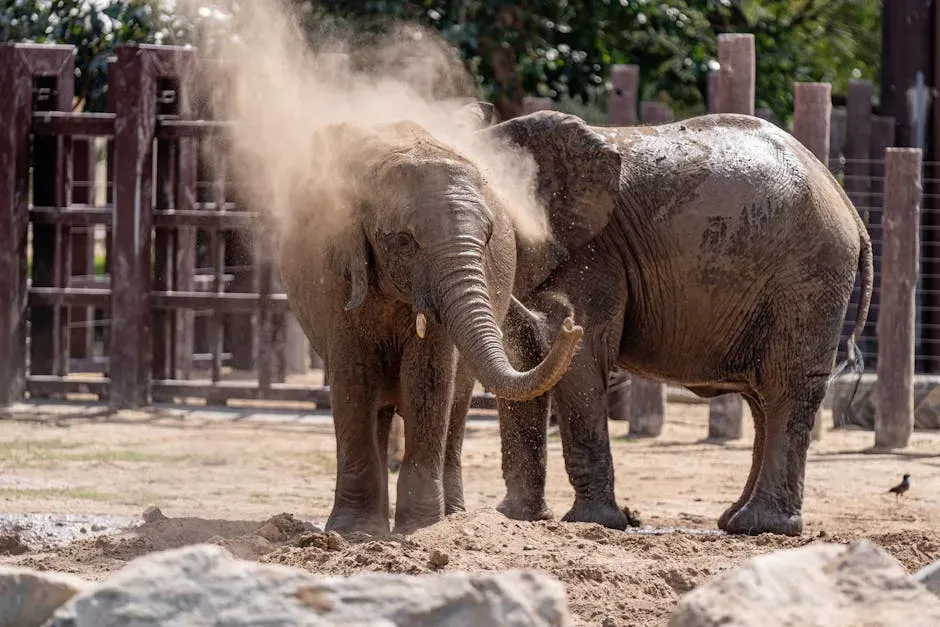
What appears to be a simple, almost comical act of throwing dirt in the air is really one of nature’s most elegant survival blueprints. Elephants have evolved a multi-purpose, zero-waste, all-natural self-care system that covers sun protection, temperature regulation, insect defense, skin exfoliation, wound healing, and social bonding, all in one instinctive behavior.
This adaptive behavior demonstrates the elephants’ remarkable ability to adjust their self-maintenance routines to changing environmental conditions, optimizing the benefits according to current needs. There is a quiet genius in how these animals read their world and respond to it.
Next time you see footage of an elephant tossing a trunkful of red dust over its back and standing contentedly in a golden cloud, know that you are watching millions of years of evolution at work. Not messiness. Not play. Strategy.
What would you have guessed was the real reason behind this dusty ritual? Tell us in the comments below.

- 10 Remarkable Facts About the African Cheetah: The Lightning of the Grasslands - July 29, 2026
- 10 Most Heroic Horses in History - July 29, 2026
- Why You Should Never Play Dead When Attacked by a Black Bear - July 29, 2026