

There is something almost magical about the moment a hummingbird darts into your garden. That tiny, shimmering creature, wings beating faster than the eye can follow, hovering perfectly still in the air like it was invented just to make you smile. If you have ever tried to coax one into your yard with a bright red plastic feeder, you already know the routine – filling, cleaning, refilling, scrubbing off mold, and wondering why you only see a bird every now and then.
Here is the thing nobody tells you: those feeders are mostly for your benefit, not the bird’s. There is nothing wrong with putting out a hummingbird feeder, as long as it is maintained properly, but they are really more for our benefit because they bring the birds to a centralized location that is easy for us to observe, rather than truly benefiting the hummingbirds themselves. The real secret to turning your garden into a buzzing, fluttering hummingbird paradise? Native plants. Let’s dive in.
Why Native Flowers Beat Feeders Every Single Time
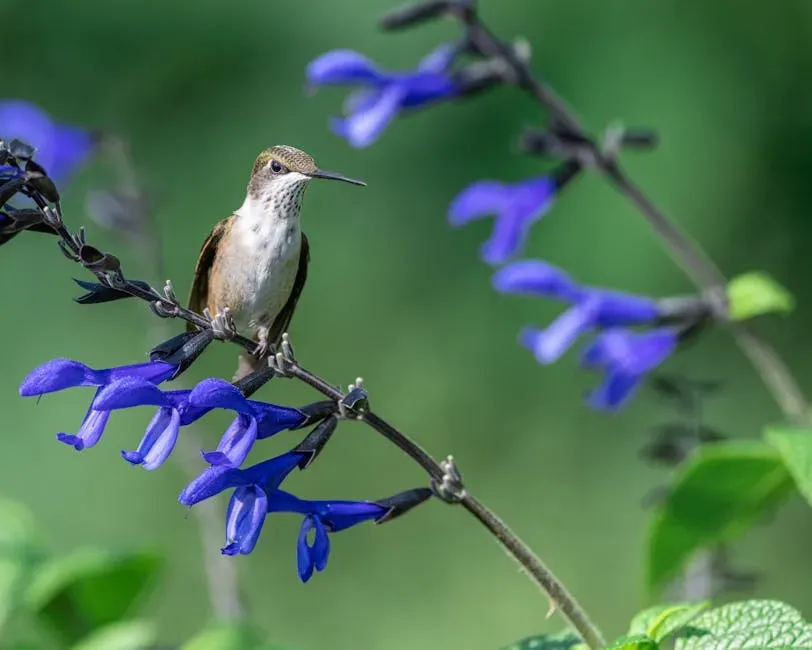
Honestly, once you understand why native flowers work so much better, it is hard to ever look at a plastic feeder the same way again. The best way to not only attract, but also truly support hummingbirds is to plant lots of native plants. In fact, nesting hummingbirds seem to prefer natural nectar from flowers over sugar water in feeders. That alone should make you put the feeder down.
Native plants provide another crucial food source for hummingbirds beyond just nectar – the small insects attracted to those plants. Think about it this way: a feeder is like offering someone a vitamin pill instead of a full meal. Native plants serve up the whole feast. Perennials that are native to your growing location are often the best choice for hummingbird gardens, as native plants are up to four times more appealing to pollinators than non-natives.
1. Cardinal Flower (Lobelia cardinalis) – The Ultimate Hummingbird Magnet
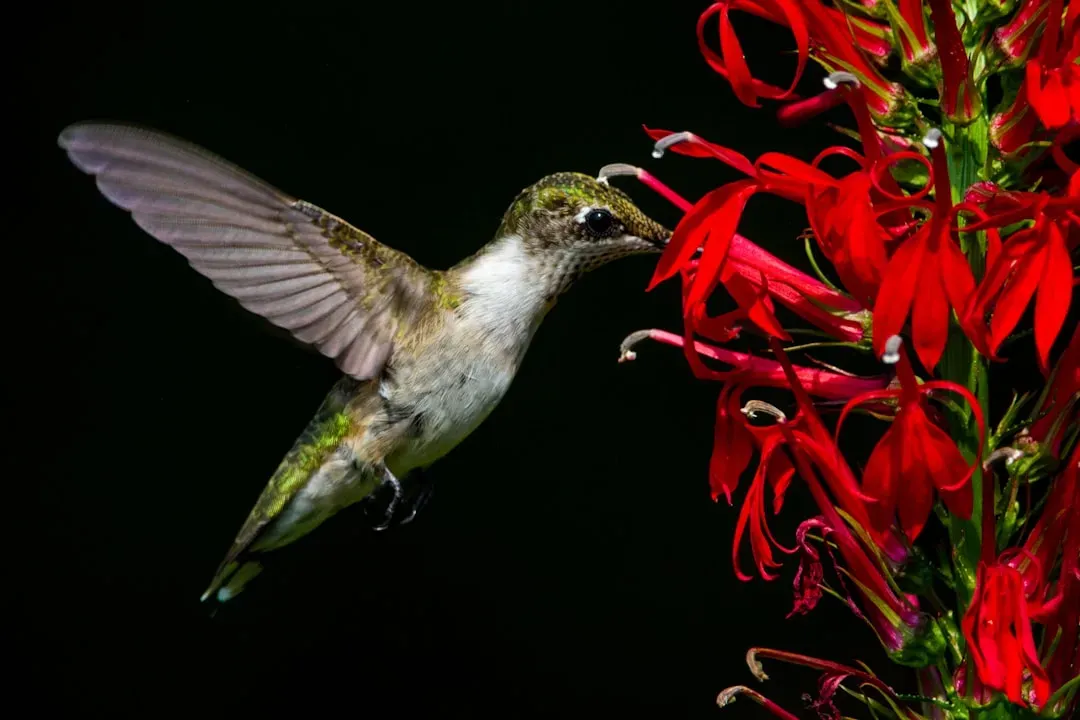
If you could design the perfect flower for a hummingbird, you would probably end up with the Cardinal Flower. The intense scarlet blooms are perfectly shaped for hummingbird bills and contrast dramatically against dark green foliage, while these native perennials create vertical interest with flower spikes reaching up to four feet tall in ideal conditions.
Unlike many bright-blooming perennials, cardinal flower thrives in partial shade and moist conditions, making it perfect for boggy areas, rain gardens, or pond edges, and its late summer blooming period provides vital energy when many hummingbirds begin preparing for migration. That timing is no accident. This plant has co-evolved with hummingbirds over thousands of years, and the relationship between them is one of nature’s most beautiful partnerships. From Alaska to Patagonia, about 7,000 plant species rely on hummingbirds for pollination, and cardinal flower is one of them.
2. Trumpet Vine (Campsis radicans) – The Big, Bold Show-Stopper
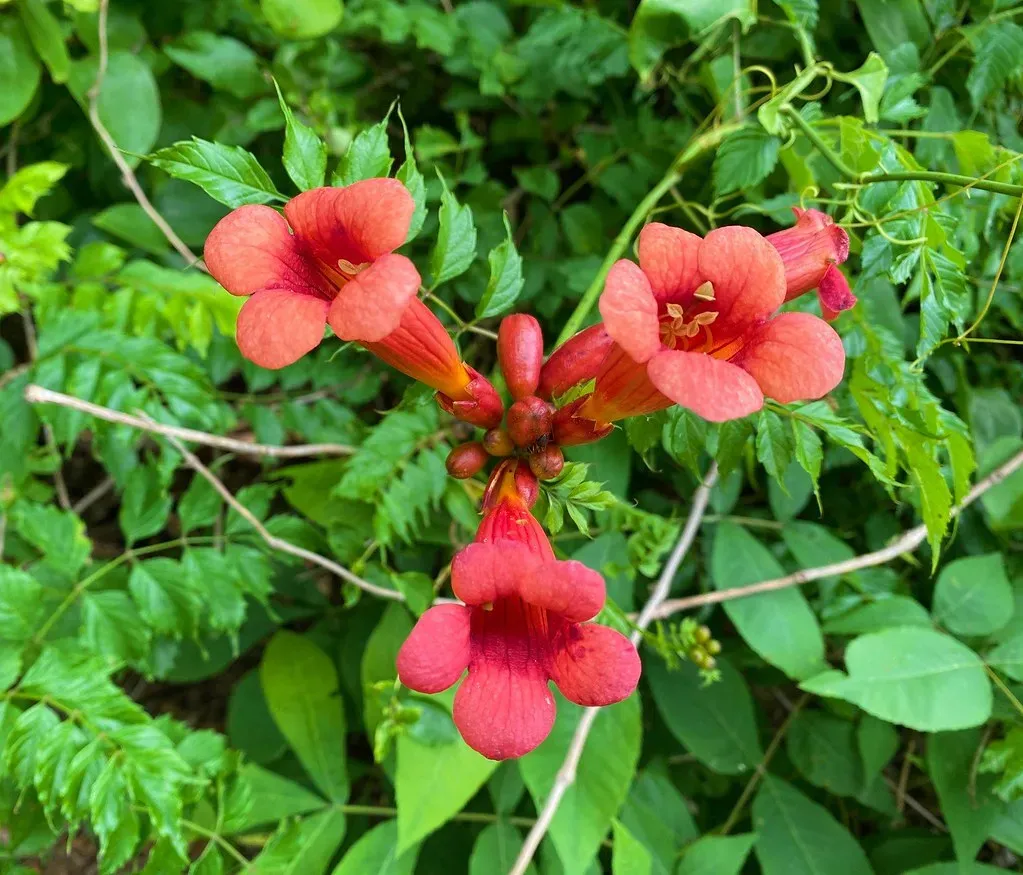
Few native plants make as dramatic an entrance in the garden as trumpet vine. Trumpet vine is a native vine that brings instant drama to any yard, with bright trumpet-shaped blooms that quickly cover fences and trellises, making it one of the easiest ways to add color and attract hummingbirds.
The flowers bloom in the summer for about three months and are very attractive to hummingbirds such as the ruby-throated hummingbird, while many types of birds like to nest in the dense foliage. One word of honest warning though: this plant is vigorous. Really vigorous. Even in its native areas, trumpet creeper can quickly become unruly in smaller gardens or landscapes, taking over a space, and the aerial roots can damage wood and stone, including on buildings, so it may need regular pruning to keep it in check in many landscapes. Give it a strong fence and enough room, and it will reward you generously.
3. Coral Honeysuckle (Lonicera sempervirens) – The Well-Behaved Wonder
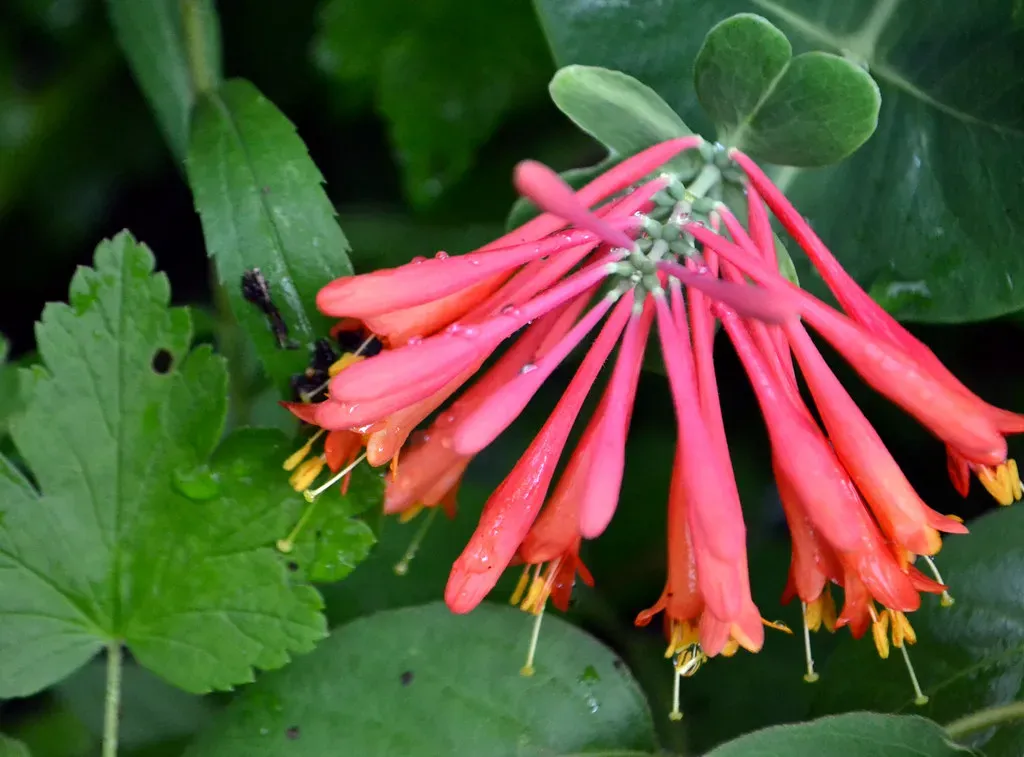
If trumpet vine is the rowdy neighbor who throws epic parties, coral honeysuckle is the charming friend who always brings something thoughtful to the table. Trumpet honeysuckle, also called coral honeysuckle, is one of the very best native vines you can grow for hummingbirds in the eastern United States, its long tubular red or coral flowers are packed with nectar and bloom over a long season, and unlike trumpet vine, this vine is generally well-behaved and easy to use in smaller gardens.
Coral honeysuckle is a semi-evergreen herbaceous vine that produces clusters of small, red, tubular or trumpet-shaped flowers throughout most of the growing season, starting to bloom around the time hummingbirds show up in spring and continuing until the last of the ruby-throated hummingbirds have moved through the region. That extended season is incredibly valuable. Vines also offer perching spots right next to the nectar source, and hummingbirds often sit on the vine to guard their flowers.
4. Bee Balm (Monarda didyma) – The Life of the Garden Party
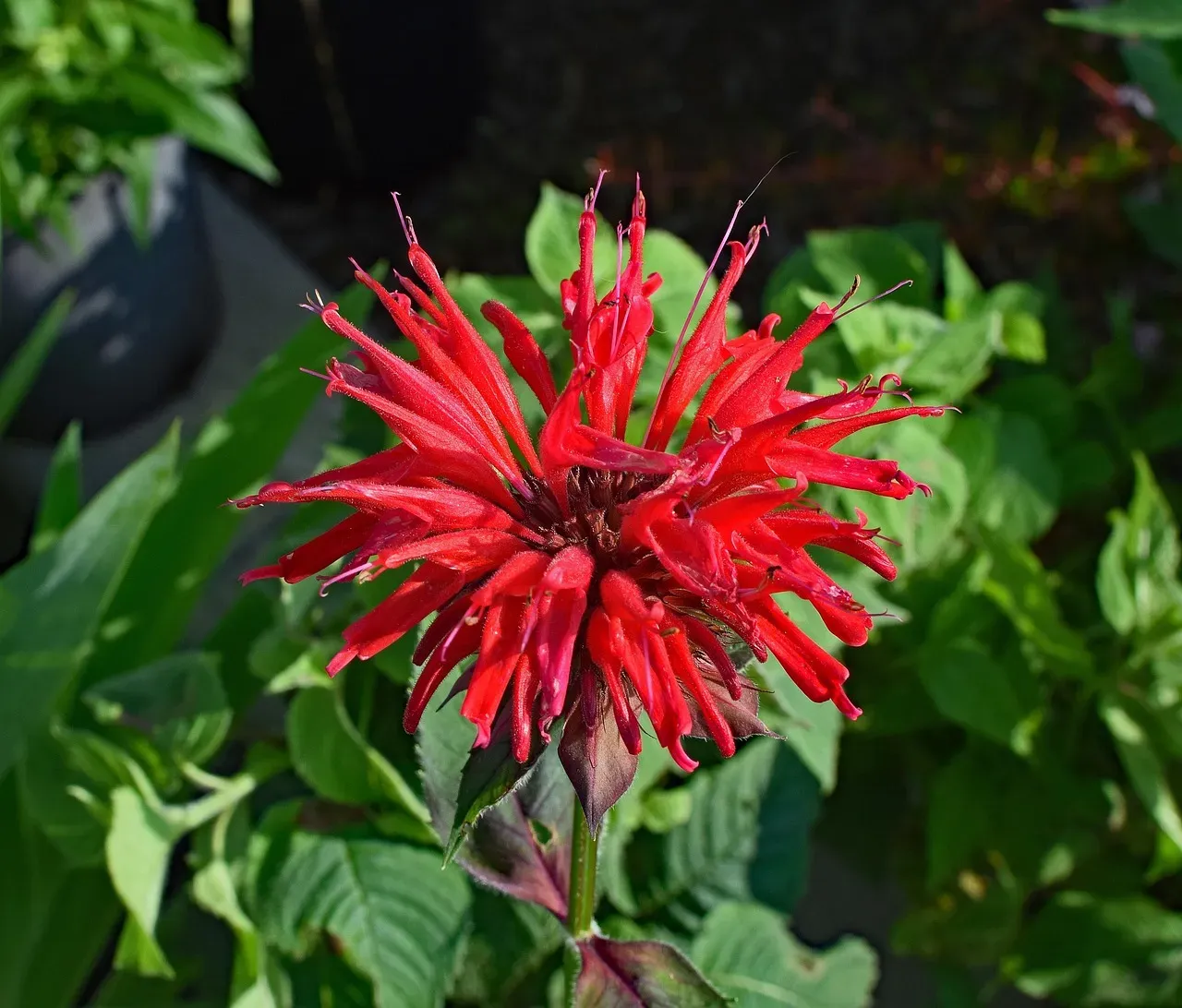
There is a reason bee balm shows up on practically every hummingbird plant list ever written. It simply works. For a surefire way to attract hummingbirds with flowers, grow bee balm, a plant that grows up to four feet tall in full sun and starts flowering in midsummer.
Bee balm needs sun, moist soil, and plenty of air circulation to ward off powdery mildew, but after the tubular pink, red, white, or violet flowers fade, the round seed heads add beauty in fall and winter and may self-sow. What makes bee balm genuinely special is how it supports the whole ecosystem, not just hummingbirds. Wild bergamot has become a staple for wildlife, with butterflies spending long days fluttering from flower to flower, sharing space with hummingbirds, hummingbird moths, and bees who work the petals by day and sleep underneath the flowers at night.
5. Eastern Columbine (Aquilegia canadensis) – Spring’s First Welcome
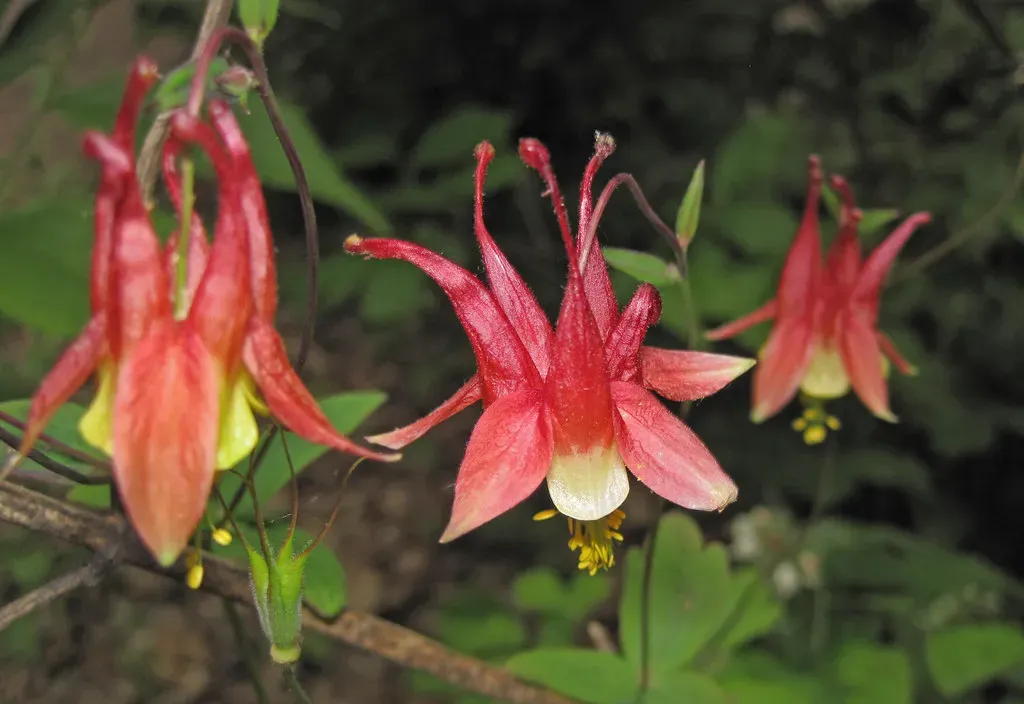
Eastern columbine holds a very special position in the hummingbird calendar. It blooms early, right when the first migrating birds arrive, hungry and exhausted from their long journey north. Eastern columbine has beautiful reddish-orange flowers that bloom in the spring, and the first columbine blooms often appear within a week or so of when you see your first hummingbird of the season. That timing is almost poetic.
Native columbine, with its crimson spurs and bright yellow stamens, is an early-season favorite flower that hummingbirds like. The plant is also refreshingly tough. It can grow in a variety of conditions, including really shallow, rocky ground, and in the wild it is often found growing in rock cracks or on rock ledges. If your garden has a tricky corner where nothing seems to grow, columbine might just surprise you.
6. Wild Bergamot (Monarda fistulosa) – A Prairie Native With Serious Curb Appeal
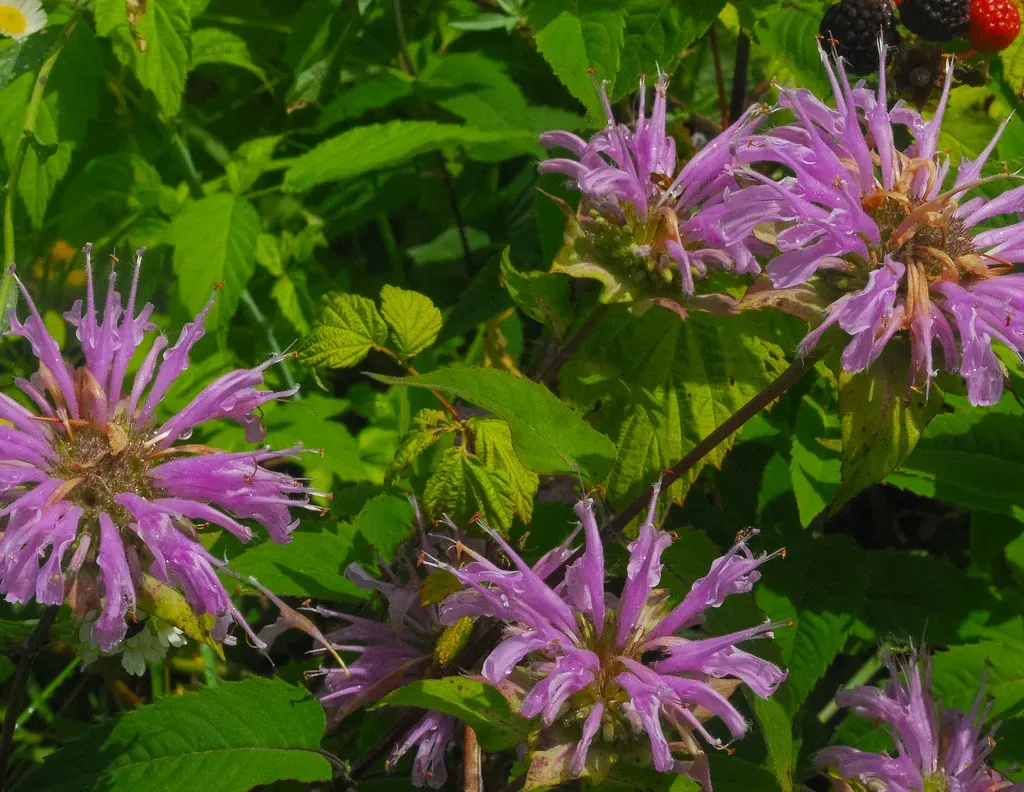
Wild bergamot is the kind of plant that earns its place in any garden through sheer, reliable performance. This tall native perennial has flowers that resemble whimsical pom-poms, and the blooms offer nectar to bumblebees, hummingbirds, and other pollinators, while the plant tends to grow best in moist, well-drained soils and sunny conditions but can tolerate drought, clay, and light shade.
At the beginning of July, wild bergamot begins to bloom, and is one of the favored forage plants for hummingbirds. It fills a mid-season gap beautifully, bridging the early-spring bloomers and the late-summer stars. Though it likes a bit of moisture, the plant withstands drought and keeps on going, feeding the life around it even in the hottest of summers. A plant that keeps thriving when everything else is struggling? Yes, please.
7. Penstemon (Beardtongue) – The Tubular Flower Built for Hummingbirds
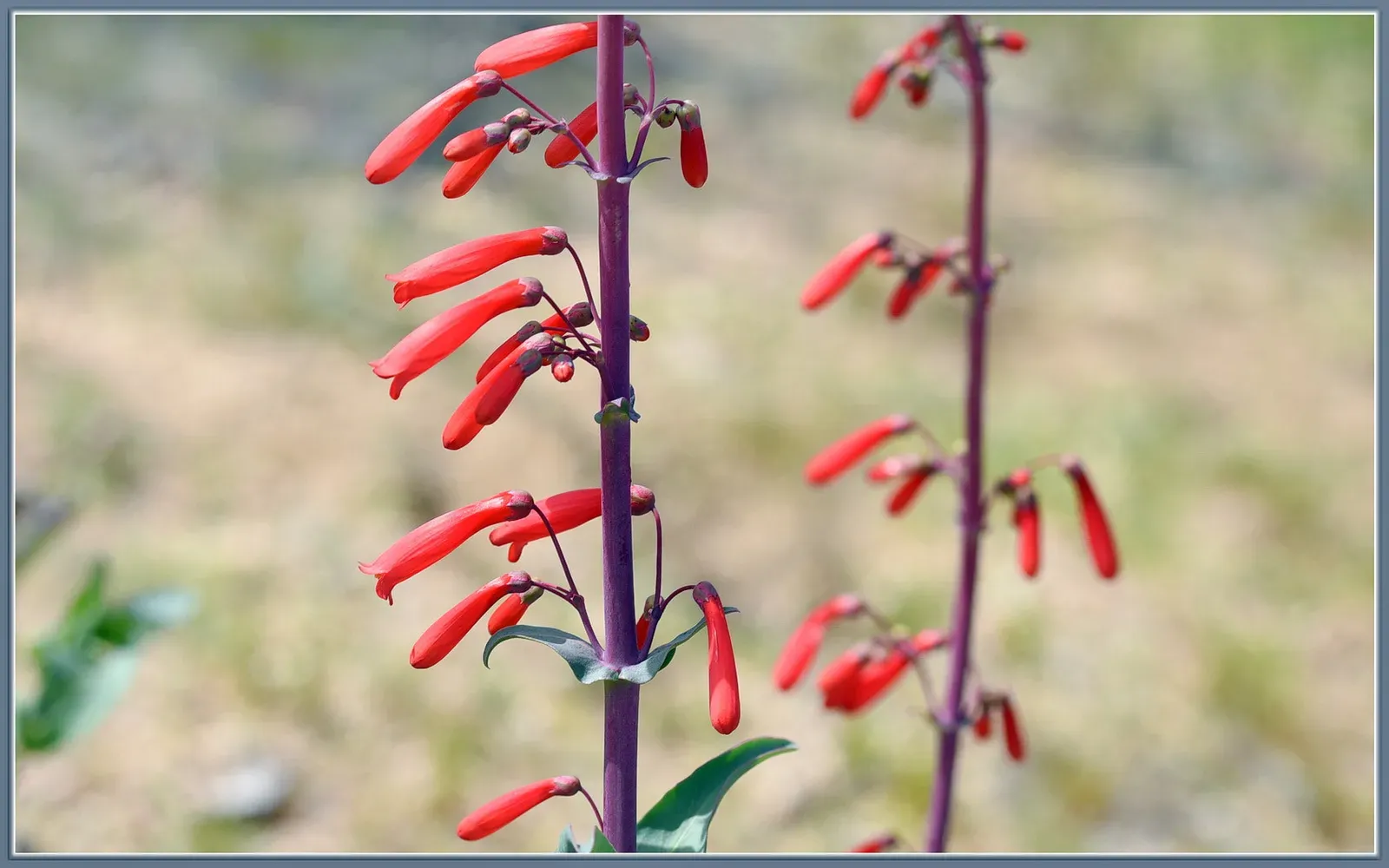
Let’s be real – penstemon looks like it was personally designed by a hummingbird committee. Penstemon, commonly called beardtongue, exemplifies the perfect hummingbird flower, as the tubular blooms make accessing nectar difficult for many insects but ideal for the specialized bill of a hummingbird, and these native perennials produce stunning spikes of flowers in shades of red, pink, purple, and white.
Their extended bloom period, often spanning late spring through summer, provides reliable nectar sources when hummingbirds need it most, and the sturdy stems handle the birds’ quick movements with ease, making them practical additions to hummingbird gardens. There are penstemons native to nearly every region of North America, so it is easy to find one that suits your specific soil and climate. Beardtongue thrives in sunny locations with good drainage and moderate water, making it suitable for xeriscaping and traditional garden beds alike.
8. California Fuchsia (Epilobium canum) – The Autumn Lifeline
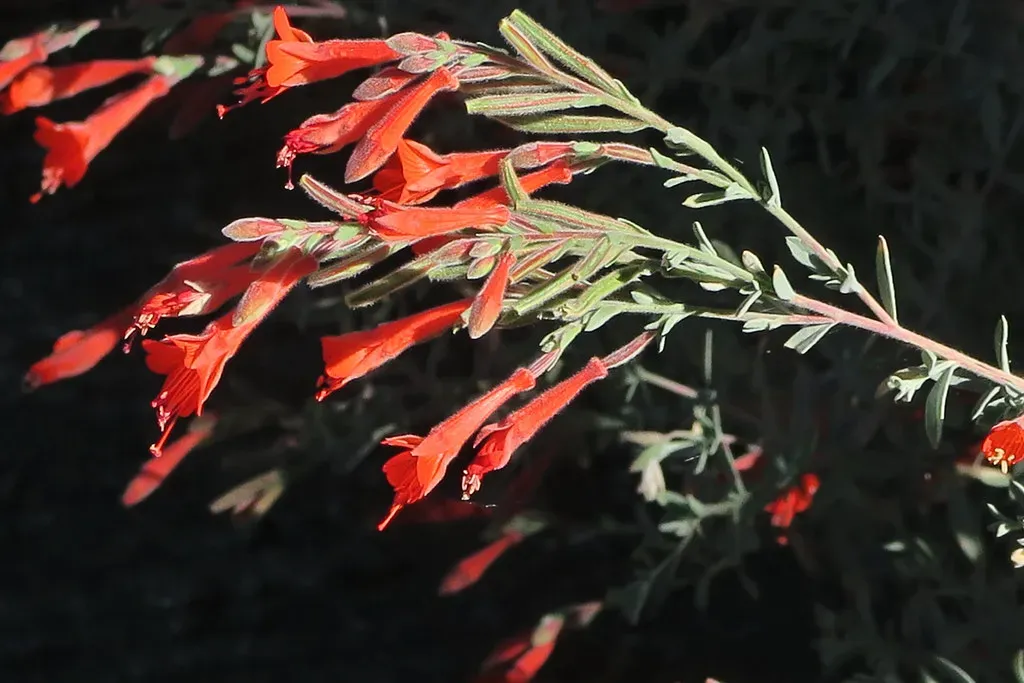
Here is something most gardeners overlook entirely: what happens to hummingbirds in late summer and fall when most flowers have faded? California fuchsia is the answer to that question. The red tubular flowers of California fuchsia are a hummingbird favorite, the plant loves full sun and thrives on neglect, and it should be cut to the ground during winter dormancy.
This plant essentially takes over at the exact moment everything else is winding down. It holds nectar in abundance during the critical pre-migration window, when hummingbirds are fueling up for their extraordinary journeys south. I think it is genuinely one of the most underrated native plants in American gardening. Growing plants that bloom at different times of the year will ensure hummingbirds always find something tasty to eat, no matter when they visit. California fuchsia makes that possible right up until the very last hummer heads home.
9. Native Salvia (Sage) – Tough, Long-Blooming, and Irresistible
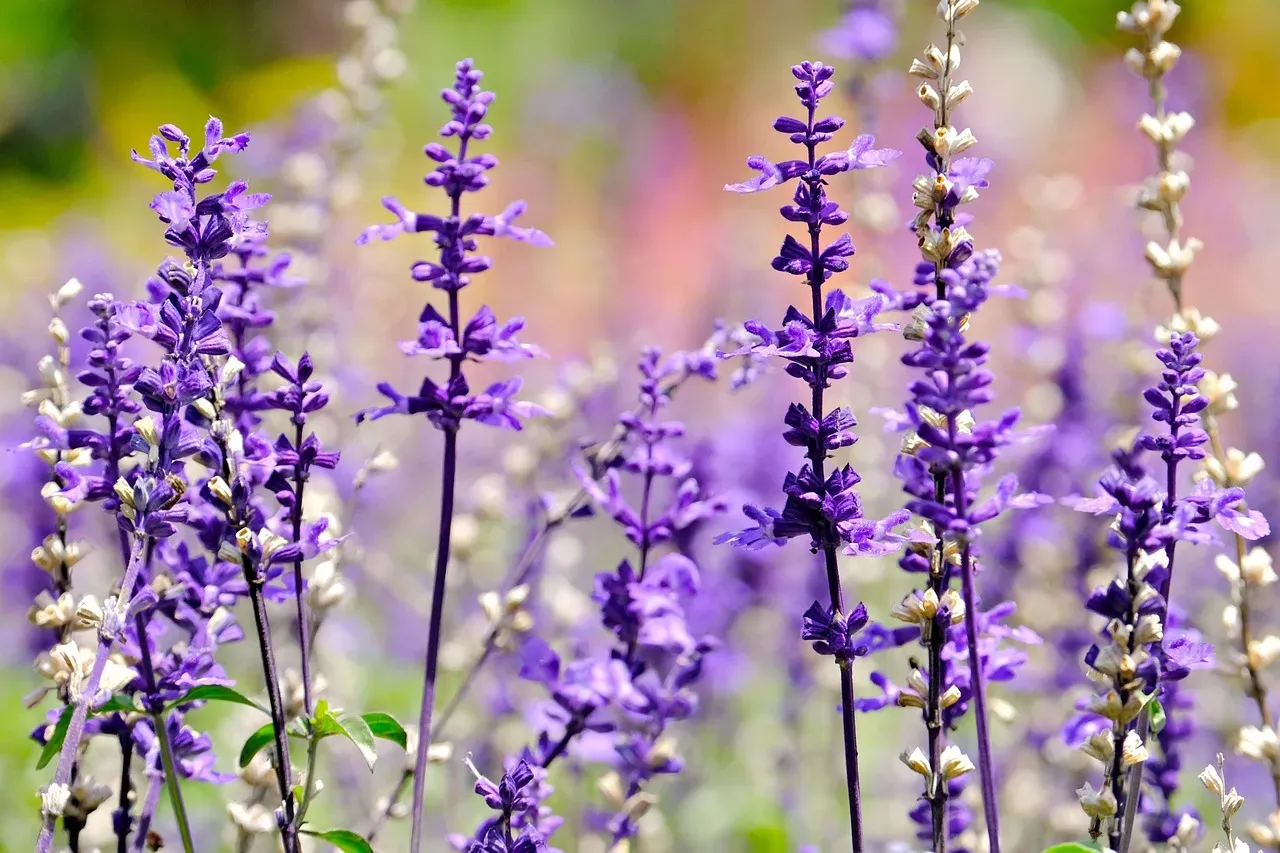
Salvia is not just for the kitchen herb garden. Native species of sage are among the most reliable and long-lasting hummingbird plants you can grow. Their tubular flowers are made for long beaks and tongues, and they come in red, pink, orange, and blue, including natives that handle heat and drought without fuss, with some salvias blooming until frost, so planting a few types provides a steady nectar supply.
Native to the Southwest, western salvias are long-blooming, sun-loving perennials that thrive in the heat, and these woody perennials have nectar-rich flowers that attract hummingbirds and bumblebees. For the eastern gardener, lyre-leaf sage offers similar rewards in a compact, groundcover-style plant. The whole salvia family is basically a hummingbird buffet stretched across every season and region of the country. It is hard to go wrong.
10. Jewelweed (Impatiens capensis) – The Late-Season Secret Weapon
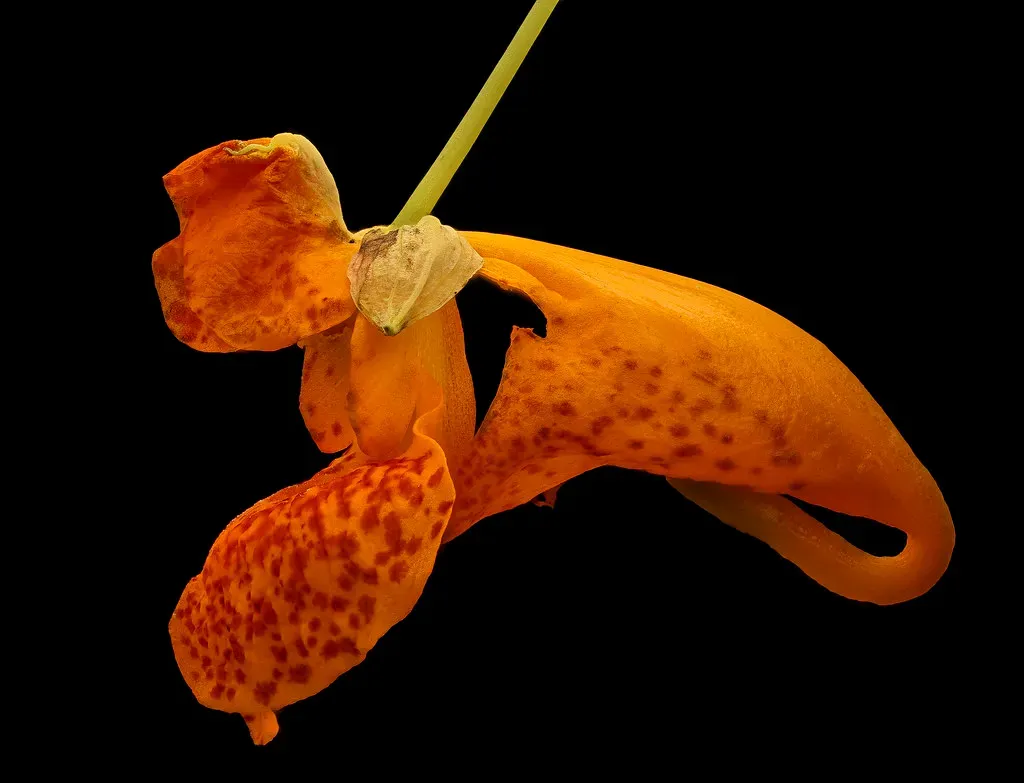
Jewelweed is one of those plants that gets dismissed as a weed by people who do not know better. Those people are missing out enormously. Jewelweed puts out orange, nectar-loaded flowers that are just right for hummingbird feeding, it is a native annual that blooms in late summer, perfect timing when other nectar sources are running low, and the nectar is exceptionally sweet, so hummingbirds hit these flowers again and again.
Later in the season, orange jewelweed stands out as an important hummingbird forage plant, and along with cardinal flower, it is a vital food source as hummingbirds prepare themselves for their migratory flight to wintering grounds in south Florida, southern Mexico, and Central America. If your garden has a shady, moist corner, this is exactly what should be growing there. Jewelweed was one of the first native plants to volunteer in some gardens, and it is one of the only late-season flowers for bees and hummingbirds growing in spots along streams.
11. Hummingbird Sage (Salvia spathacea) – Shade-Loving and Spectacular
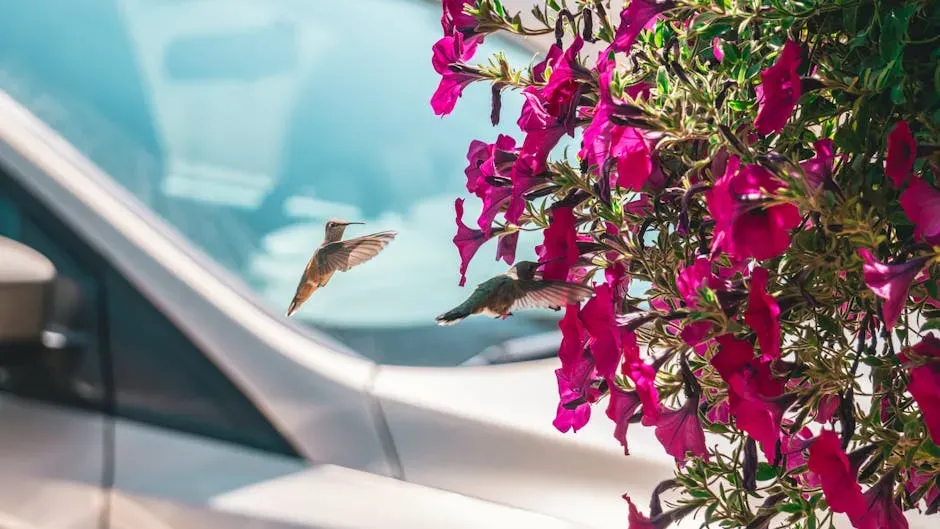
Most hummingbird plants demand full sun, which can make shady gardens feel a little left out of the party. Hummingbird sage is the solution to that problem, and it is gorgeous. In the shade of a tree, hummingbird sage is an herbaceous perennial that spreads by underground rhizomes, and hummers absolutely love its whorled scarlet flowers.
This plant does something rather clever: it increases the “carrying capacity” of your garden – its ability to attract and support hummingbirds sustainably without additional human input – by offering nectar-rich native plants that the hummingbirds have evolved with. That last part matters more than people realize. Hummingbirds and native plants have been co-evolving for millions of years. The relationship is perfectly calibrated in ways no feeder manufacturer can replicate.
12. Native Azalea (Rhododendron periclymenoides) – The Season Opener
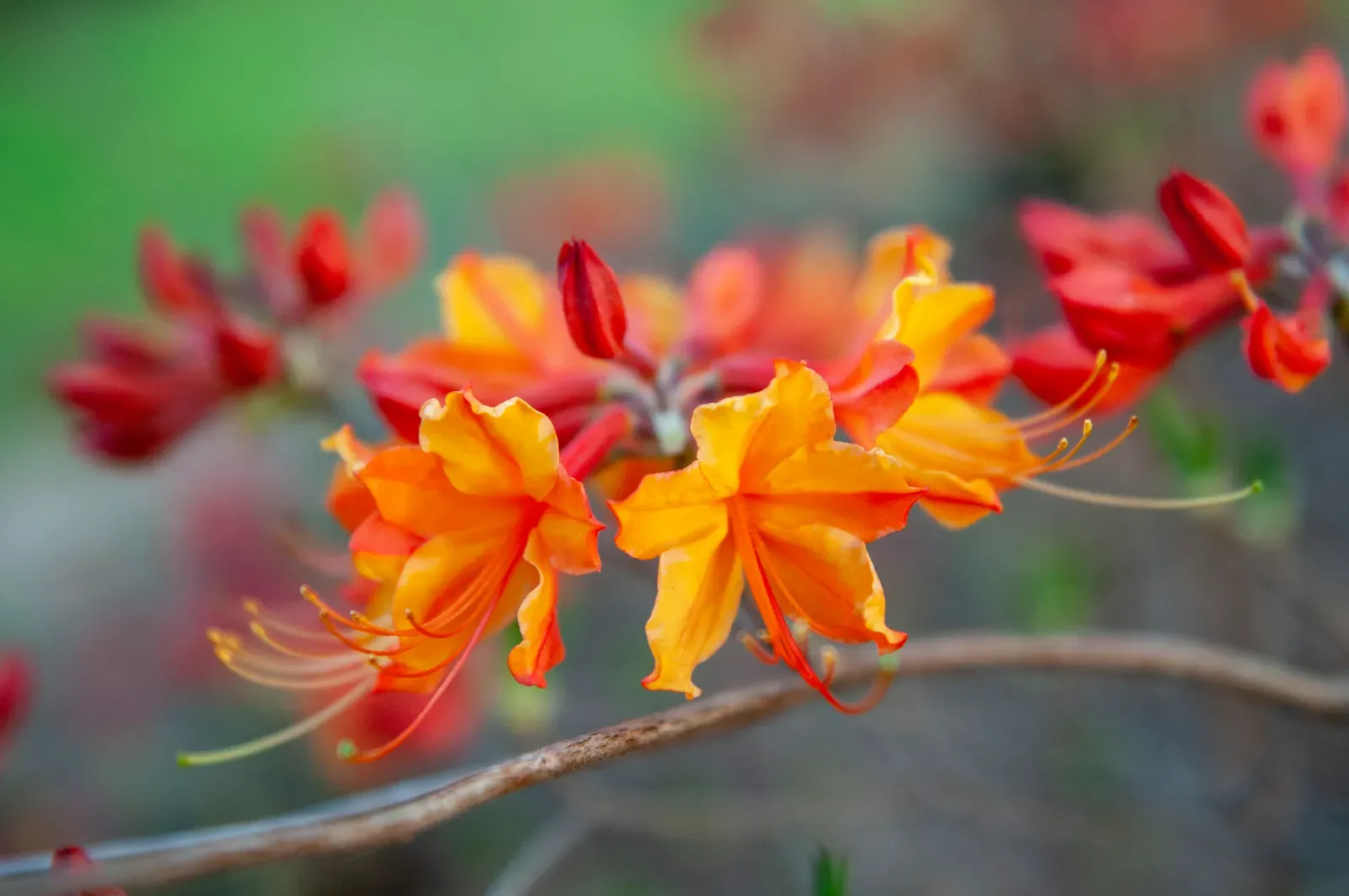
Think of native azalea as the grand opening act, welcoming the very first hummingbirds of the year. Native azaleas, like pinxter flower, feed the earliest hummingbird migrants on their way back from their wintering grounds. That is a beautiful thing to think about – a plant blooming specifically to greet exhausted travelers arriving home.
Starting the season with spectacular color, azaleas create a dramatic backdrop for early hummingbird visits, producing clusters of funnel-shaped blooms in shades ranging from delicate pink to vibrant red, and what makes azaleas especially valuable is their bloom time, often coinciding with the return of migratory hummingbirds in many regions, with the profusion of flowers providing abundant nectar when other food sources may still be scarce. Native azalea varieties tend to be even more attractive to hummingbirds than their hybrid counterparts, so for maximum wildlife benefit, look for species like the flame azalea or the sweet azalea with its fragrant white flowers.
Building Your Own Hummingbird Haven
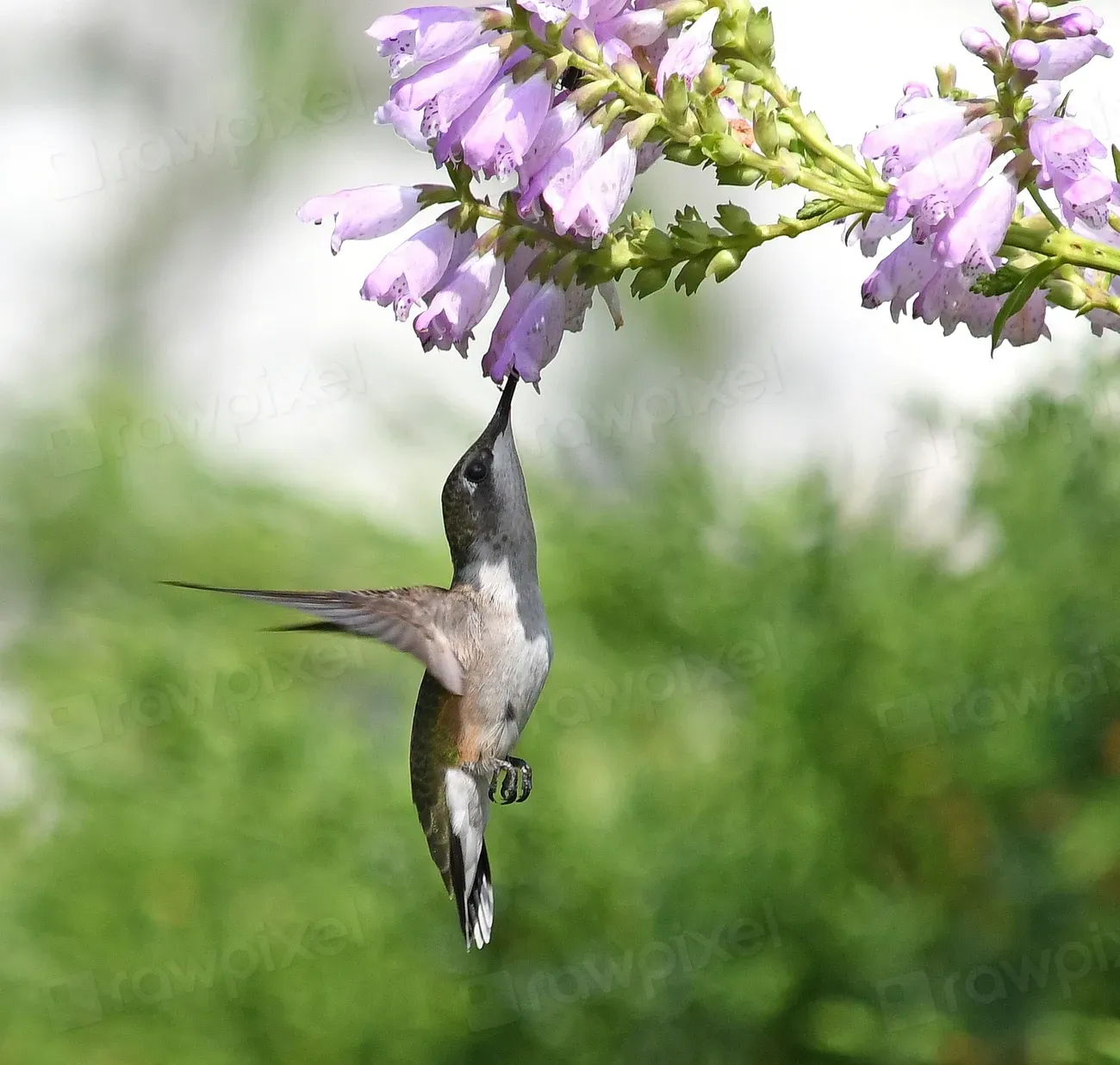
Planting one or two of these beauties is wonderful. Creating a full sequence of bloom from early spring through late autumn, however, is where things get truly extraordinary. Plant native red or orange tubular flowers to attract hummingbirds, in addition to native plants rich in nectar, and group similar plants together while choosing species with different blooming periods so that there will be a steady supply of flowers nearly year-round.
Research has detailed that native plants support a greater concentration of insects and spiders available as prey for hummingbirds and other birds, than do alien ornamentals. This matters because hummingbirds are not purely nectar drinkers – they are omnivores who depend on protein-rich insects, especially during nesting season. A garden built on native plants feeds them completely, from every angle. Hummingbirds may not find your yard for one or two seasons, but once they do, they often come back every year. Patience is the only tool you really need.
Conclusion: Trade the Plastic for Petals
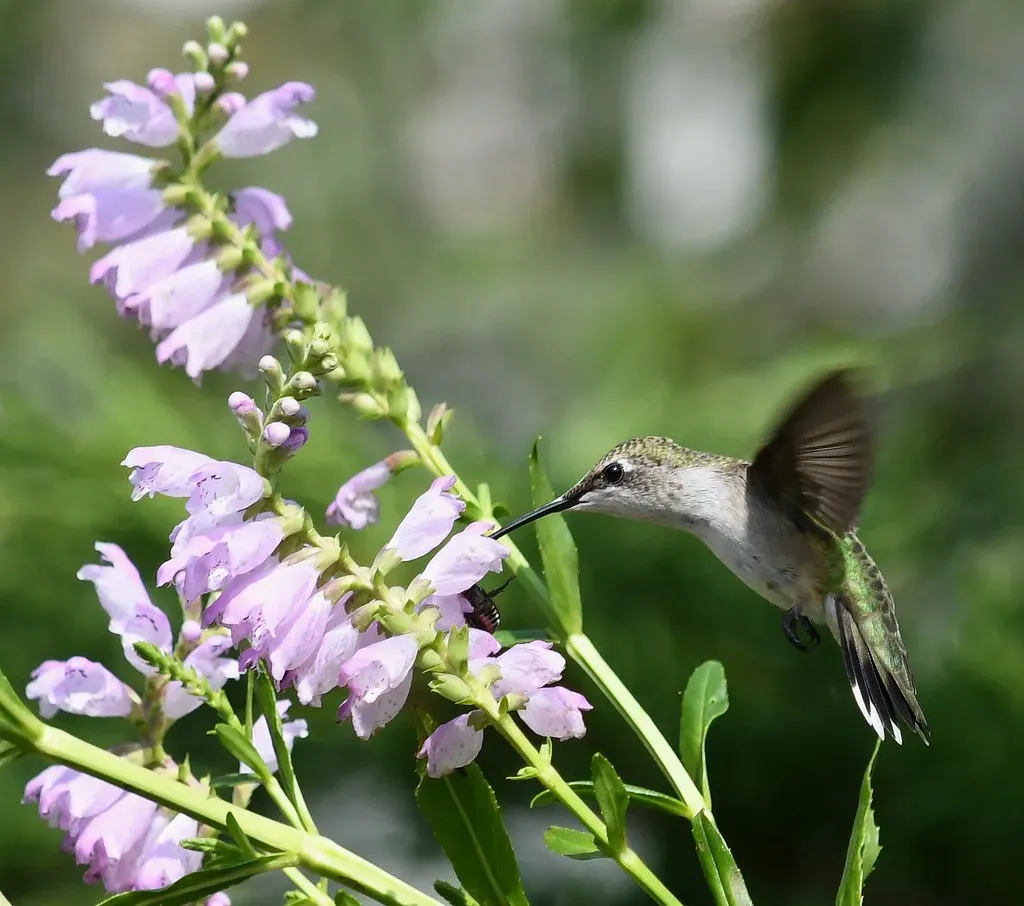
There is something deeply satisfying about replacing a store-bought shortcut with something living, breathing, and genuinely beautiful. Plants are natural hummingbird feeders, having nourished these diminutive birds long before containers filled with sugar water came onto the scene, and they also provide places to perch, nest, and forage for insects. No scrubbing, no mold, no refilling in the summer heat.
A native flower garden does not just attract hummingbirds – it holds them, sustains them, and gives them everything they need to thrive through an entire season and beyond. As they feed, the birds also perform a vital function for some native plants that depend on hummingbirds for pollination. It is a relationship built over millennia, and you get to be part of it just by deciding what to plant this spring.
Start with two or three of the flowers on this list. Watch what happens. Then add a few more the following season. Before long, your garden will be less of a yard and more of a sanctuary. And the hummingbirds? They will find you. So, which of these 12 native beauties are you planting first?
