
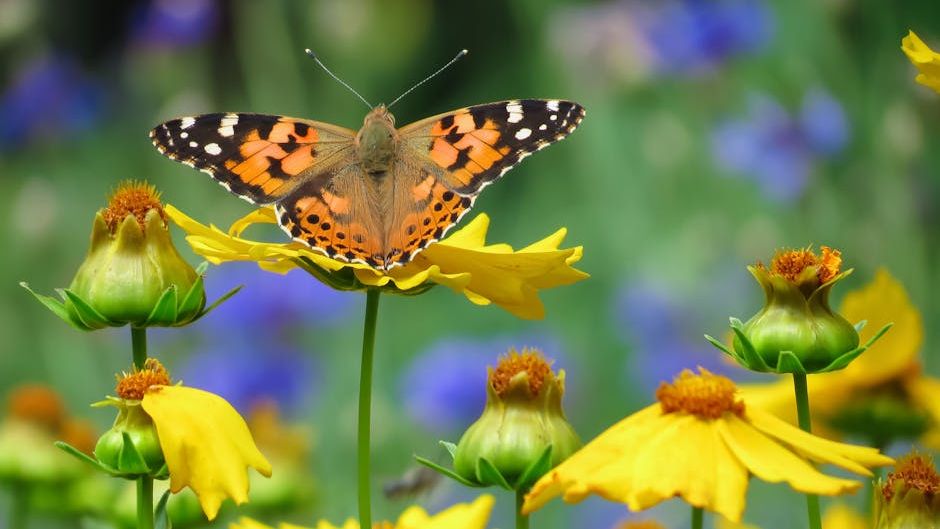
There is something quietly extraordinary happening every time a bee lands on a flower. It is not just a charming garden moment. It is the backbone of our food supply, our ecosystems, and honestly, much of the natural world as we know it. Most people walk past it without a second thought.
Birds, bats, bees, butterflies, beetles, and other small mammals that pollinate plants are responsible for bringing us one out of every three bites of food we eat. They also sustain our ecosystems and produce our natural resources by helping plants reproduce. That is a staggering amount of responsibility sitting on some very tiny wings.
The good news? You do not need a farm or a biology degree to make a real difference. Whether you have a sprawling backyard or just a single sunny windowsill, there are meaningful actions available to you right now. Let’s dive in.
Plant Native Flowers and Watch the Magic Happen
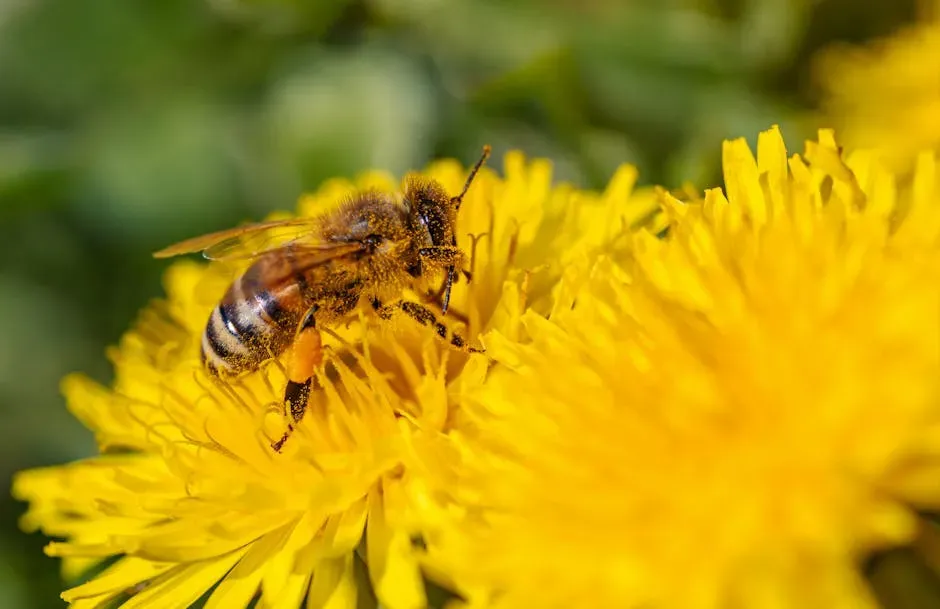
Native plants occur naturally in a specific region and evolve there. They are important to gardens because those plants have co-evolved with native pollinators. In other words, they just work better together. It is a bit like serving a home-cooked meal versus fast food. One genuinely nourishes; the other is just filler.
Local plants match the needs of nearby pollinators. Those modern hybrids you find at plant nurseries, on the other hand, may have pollen, nectar, and even scent bred out of them. So that perfectly shaped hybrid bloom in the garden center? It might look stunning, but to a bee, it is essentially an empty store.
Native plants often provide good sources of nectar and pollen for native pollinators, so be sure to include native wildflowers, shrubs, and trees in your landscape. The Xerces Society and Pollinator Partnership both offer free, region-specific plant guides that make it easy to find the right species for your exact area.
For individuals with small outdoor spaces like balconies or courtyards, pollinators are one of the most accessible wildlife to support and attract. Simply by planting native blooming species, you will likely find bees, butterflies, and even hummingbirds visiting your plants. Honestly, few things beat that first morning you spot a bumblebee working your freshly planted coneflowers.
Create a Bloom Season That Never Quits
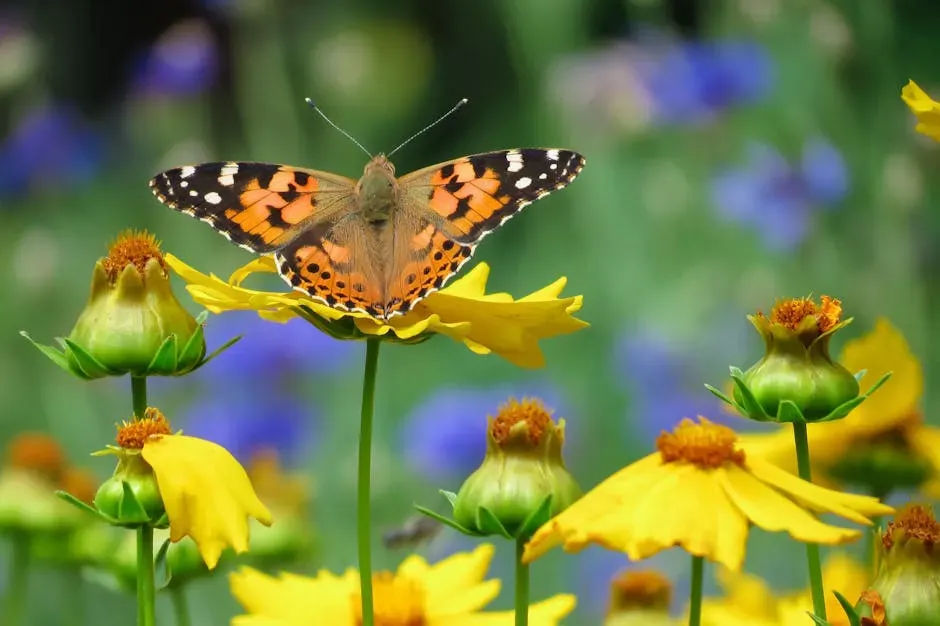
Here is the thing many gardeners overlook. A garden that only blooms in summer is like a restaurant that only opens for lunch. Bees and other pollinators cannot collect pollen year-round, so it is very important for them to use flowering plants in the warmer months as best they can. To reach full potential with a pollinator garden, plan to have blooming flowers from early spring to late fall. Planting a diverse array of flowering plants will have the most positive impact on pollinators throughout the seasons.
Remember to think about more than just the summer growing season. Pollinators need nectar early in the spring, throughout the summer, and even into the fall. Choosing plants that bloom at different times will help you create a bright and colorful garden that both you and pollinators will love for months.
The beauty of fall bloomers is not always the first thing gardeners think of, but late-season nectar is incredibly important. These plants provide critical energy for migrating butterflies and late-season pollinators preparing for winter. Think of goldenrod, asters, and native sunflowers as a last, generous meal before a long journey.
Ditch the Pesticides (Or at Least Cut Way Back)
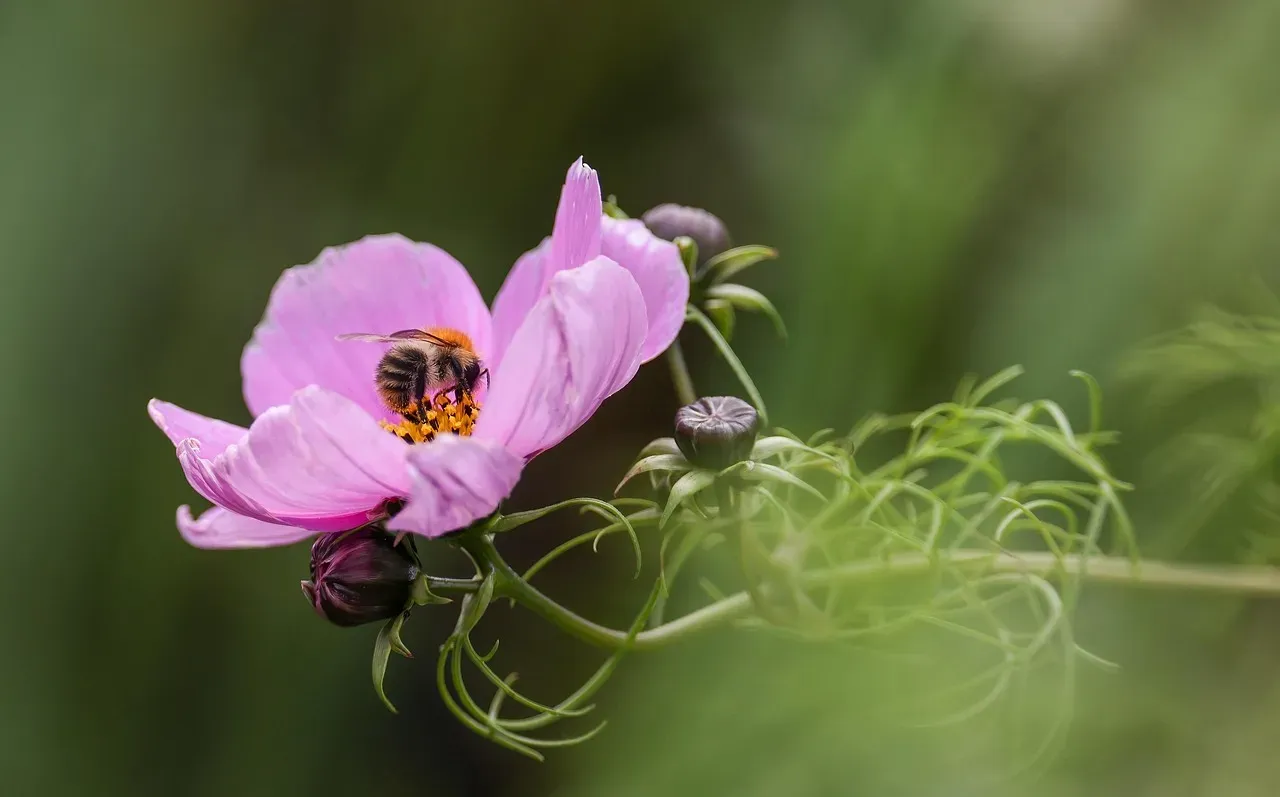
I know it sounds dramatic, but this one might be the most urgent change you can make. The number one threat to pollinators is neonicotinoid pesticides. Not only are they most toxic to bees, butterflies, and other insects, but they are also systemic. When applied, these poisons make their way throughout the entire plant, including the pollen and nectar. That means even a bee visiting a seemingly healthy flower can be harmed.
Many pesticides, even organic ones, are toxic to bees and other beneficial organisms. There is no need to use powerful poisons to protect your garden from insects and diseases. In the short term they may provide a quick knock-down to the attackers, but they also kill beneficial organisms. In the long term, you expose yourself, family, pets, and wildlife to toxic chemicals and risk disrupting the natural ecosystem.
Providing a safe place for pollinators to live, eat, reproduce, and take refuge from predators and adverse weather is the first step in pollinator conservation. In other words, pollinator conservation begins with organic management of their environment. That starts right in your own yard.
Give Pollinators a Drink of Water
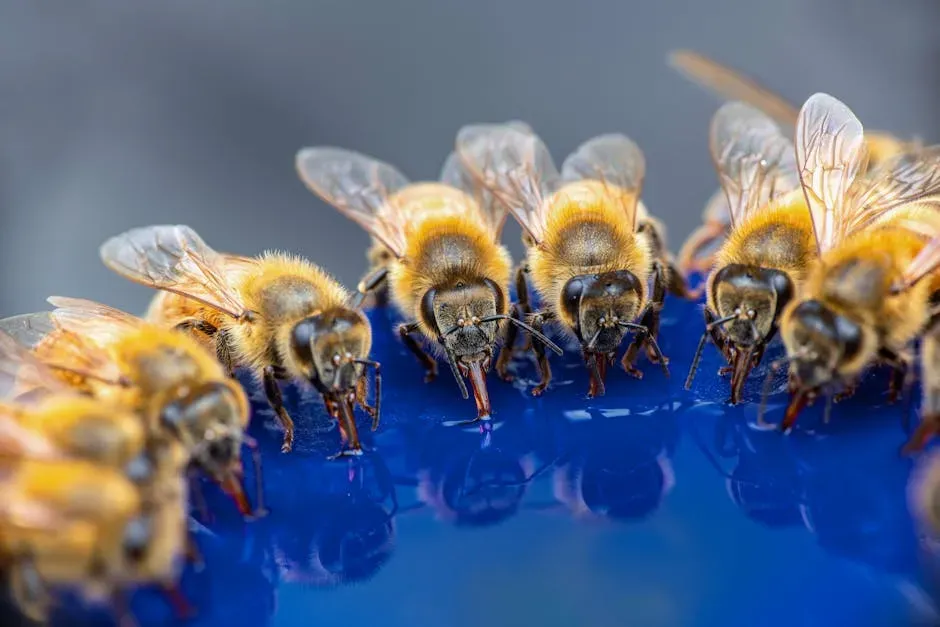
This one is so simple it almost feels too easy. Bees, butterflies, and birds all need water. A birdbath, shallow saucer, or an intentional mud puddle will help. Think of it as setting out a welcome mat that actually gets used every single day.
Many pollinators are looking for clean sources of water from early spring until fall. Offer a bee watering station with a shallow bowl filled with rocks and water. This will allow bees and butterflies to easily access water. Just be sure to clean it often. Stagnant, dirty water defeats the purpose and can even become a breeding ground for mosquitoes, so a quick rinse and refill every couple of days does the trick.
Butterflies get salts and nutrients from moist soil and puddles. So if you have ever seen a butterfly seemingly just sitting in the mud and wondered what on earth it was doing, now you know. It was having lunch.
Leave Some Ground Bare and Let the Mess Stay
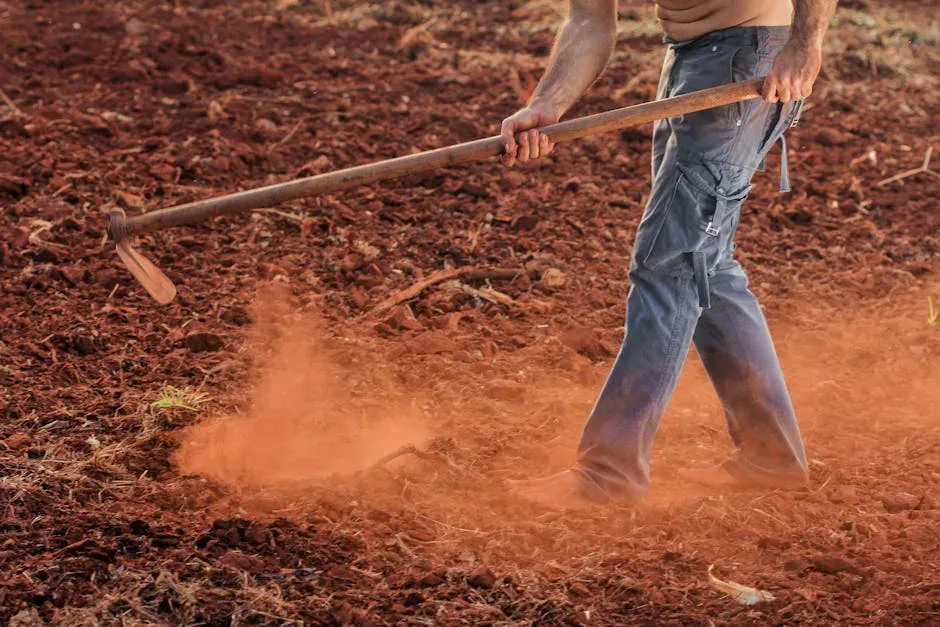
This one requires perhaps the biggest mindset shift. We are conditioned to see a tidy, mulched, weed-free garden as the gold standard. Turns out, pollinators disagree entirely. Allow some areas of unmulched, bare ground. More than three-quarters of our native bees need these areas for nesting. That is a remarkable number of species that simply cannot survive without a patch of exposed soil.
All that plant material we automatically clean up in the fall is actually very important for insects and birds to survive the winter. Consider leaving flower stalks and leaves to provide critical shelter and food for butterflies, bees, bugs, and native birds.
In the spring, wait for night temperatures to be consistently over 50 degrees to clean up the garden and lay mulch. This gives insect eggs time and warmth to hatch and butterfly and moth larvae to emerge. Less work for you, more life in your garden. It is hard to argue with that trade-off.
Plant in Clusters, Not Scattered Singles
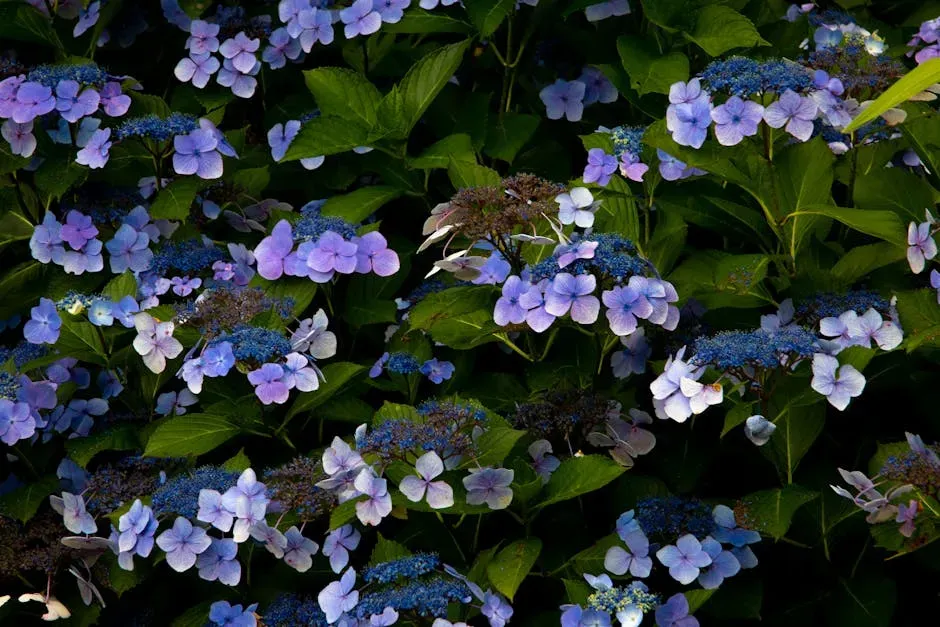
Imagine being a bee and having to travel enormous distances between individual flowers spread randomly around a yard. Exhausting. Clumping flowers together in groups not only looks great in a garden, but it is preferred by pollinators as well. Even just a small clump of the right flowers is helpful for the local pollinator community. A cluster of flowers is much easier for pollinators to spot and feast on rather than having to travel all the way across a garden for a single flower.
Plant lots of them. Make sure there are at least three by three feet of each plant species. This is not about creating a cluttered look. It is about creating a landing strip instead of a single dot. The difference in pollinator visits is, I think, genuinely surprising once you see it firsthand.
Choose single flowers, those with one ring of petals, over double flowers. These are easier for pollinators to reach the inner flower parts. Those lush, frilly double roses may look gorgeous in a vase, but they are effectively closed doors to a hungry bee.
Spread the Word and Become a Citizen Scientist
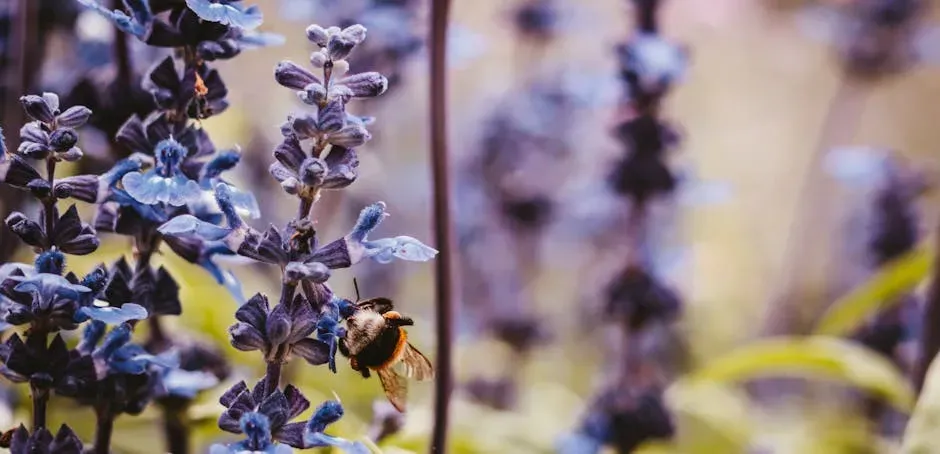
Supporting pollinators does not stop at your garden gate. One of the most powerful things you can do is become part of a broader community of people paying attention. Send data about the pollinators observed in your garden and report it to iNaturalist or The Great Sunflower Project. These platforms rely on everyday people to build the kind of large-scale data that scientists simply cannot collect on their own.
The pollinator protection pledge is based on four simple principles: grow pollinator-friendly flowers, provide nest sites, avoid pesticides, and spread the word. These core values apply equally to urban community gardens, suburban yards, city parks, and farms, making them possible to implement anywhere, anytime.
Any size garden can attract and support pollinators, from a wildflower meadow to a planter with a few well-chosen species. Researchers have found that communities of bees can sustain themselves for long periods of time in small vacant city lots. A patchwork of pollinator gardens in neighborhoods, cities, and rural areas around the country could provide enough habitat to restore healthy communities of beneficial insects and pollinators. That means every single garden, no matter how small, is a piece of something larger.
A Final Thought Worth Sitting With
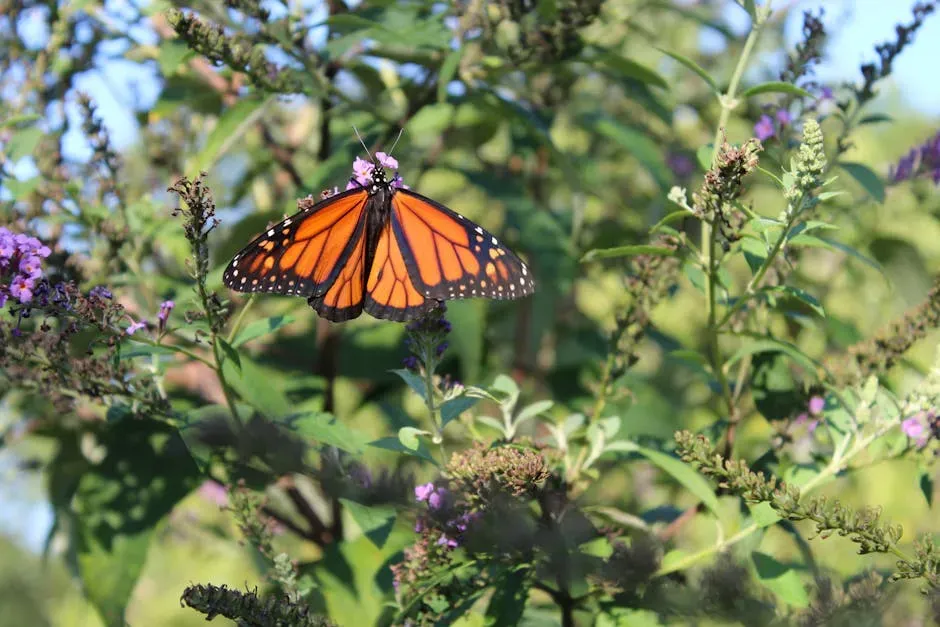
Pollinators face a growing crisis of declining populations with serious implications for our natural ecosystems, our agricultural security, and our economy. Habitat loss and degradation, pesticide use, and changing climate conditions are increasing species vulnerabilities and declines, leading to less resilient systems. The scale of the problem can feel overwhelming when you read it like that.
Yet here is the hopeful part. Every native plant you add, every pesticide you skip, every bare patch of soil you leave untouched is a genuine act of conservation. The difference between a world with thriving pollinators and one without them is being decided right now, in millions of individual garden choices.
The most recent Western Monarch Count revealed a historically low population for the second year in a row. Approximately 12,260 monarchs were recorded overwintering across 249 sites, the third-lowest tally since the count began in 1997. Numbers like these sting. They are also a call to action, not a reason for despair.
You do not need to solve the entire crisis today. You just need to start somewhere. A pot of lavender on a balcony, a shallow dish of water in the yard, a decision to skip the pesticide spray this season. Small actions, multiplied across communities, genuinely move the needle. What small change will you make first?

- The Ancient River System Hidden Beneath the Sahara of North America - June 22, 2026
- The one city in the US sinking under its own weight. - June 22, 2026
- 10 Fascinating Nocturnal Animals You Never Knew Existed - June 22, 2026