
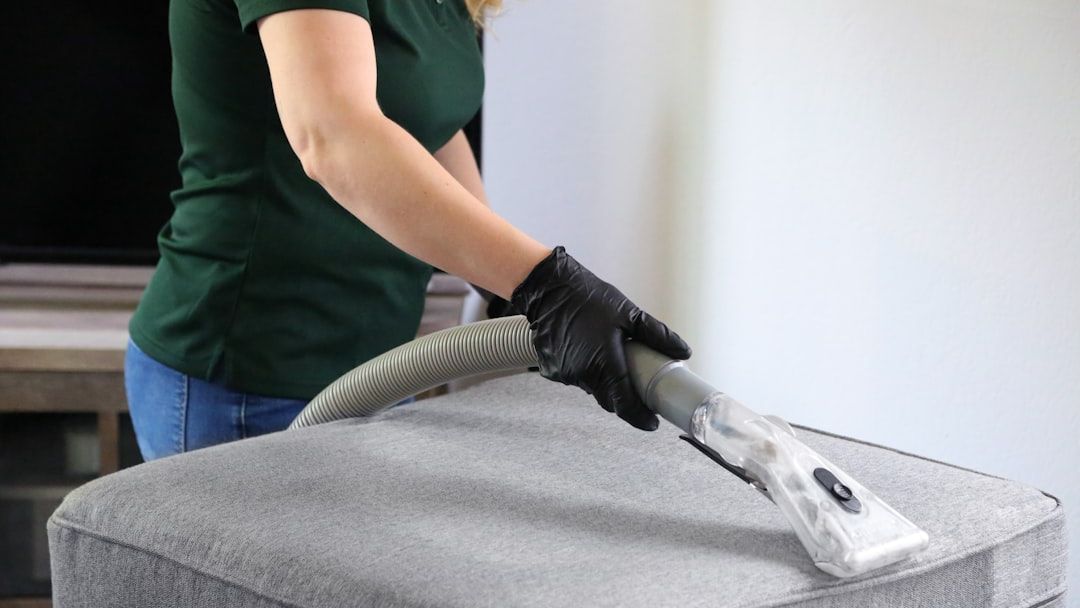
Few things are quite as unsettling as the thought of tiny insects feeding on you while you sleep. are resilient, crafty, and frankly, a nightmare to get rid of once they’ve set up camp in your home. Most people assume they only show up in grimy, neglected spaces, but that’s only half the story.
are genuinely equal-opportunity pests. Dirt and grime don’t appeal to them at all. What really draws them in is the carbon dioxide and body heat released by living humans. Still, certain unhygienic habits create the perfect conditions for them to thrive, multiply, and become almost impossible to manage. Here are six of the worst offenders. Let’s dive in.
Skipping Regular Bedsheet Changes

Here’s something most of us have been guilty of at some point: letting the same sheets stay on the bed for weeks on end. It feels harmless. It rarely is.
Consider upping how often you change your bedsheets. Experts suggest changing your sheets once every one to two weeks, and vacuuming vigorously around the bed, including the mattress and frame. The reason is simple. Infrequent sheet changes mean you’re far less likely to notice the early warning signs of an infestation. Washing your sheets regularly gives you the opportunity to look for and remove any possible bed bug infestations. When you strip your bed to wash the sheets, take the time to give your mattress a quick once-over and flip it over while checking the corners, nooks, and zipper for . Think of laundry day as your personal bed bug inspection. Skip it, and you’re essentially turning the lights off on an early warning system.
Letting Clutter Build Up Around the Bedroom

Clutter is basically a welcome sign for . Piles of clothes on the floor, stacks of books near the bed, bags tossed in every corner. It all looks cozy to them.
A cluttered home provides more places for to hide and makes locating and treating them harder. Honestly, this is one of the most underestimated factors in a bed bug infestation. The misconception that chaotic spaces are related to probably stems from the fact that they provide more hiding places, which makes it much more difficult to find and get rid of an infestation. So while clutter doesn’t attract them the way food scraps attract cockroaches, it absolutely supercharges their ability to hide, breed, and survive. A neat bedroom is a harder battlefield for them to win.
Tossing Outdoor Clothes and Bags Directly Onto the Bed

This one is shockingly common. You walk through the door after a long day, fling your jacket on the bed, drop your bag on the mattress, and collapse beside them. It feels innocent. It really, really isn’t.
The most common way get from place to place is by clinging onto materials. If you’re not careful, you could end up delivering straight to your mattress. Consider that are picked up from public transport, cinemas, hotels, and offices every single day. Don’t put anything you brought in from outside on your bed, including bags, suitcases, and purses. Once are inside your bags, they seek out the darkest and most confined areas, making them extremely difficult to find. They’ll remain perfectly motionless until they have the opportunity to sneak into more permanent accommodations. It’s like unknowingly walking a bed bug right up to its dream address.
Neglecting to Vacuum Regularly
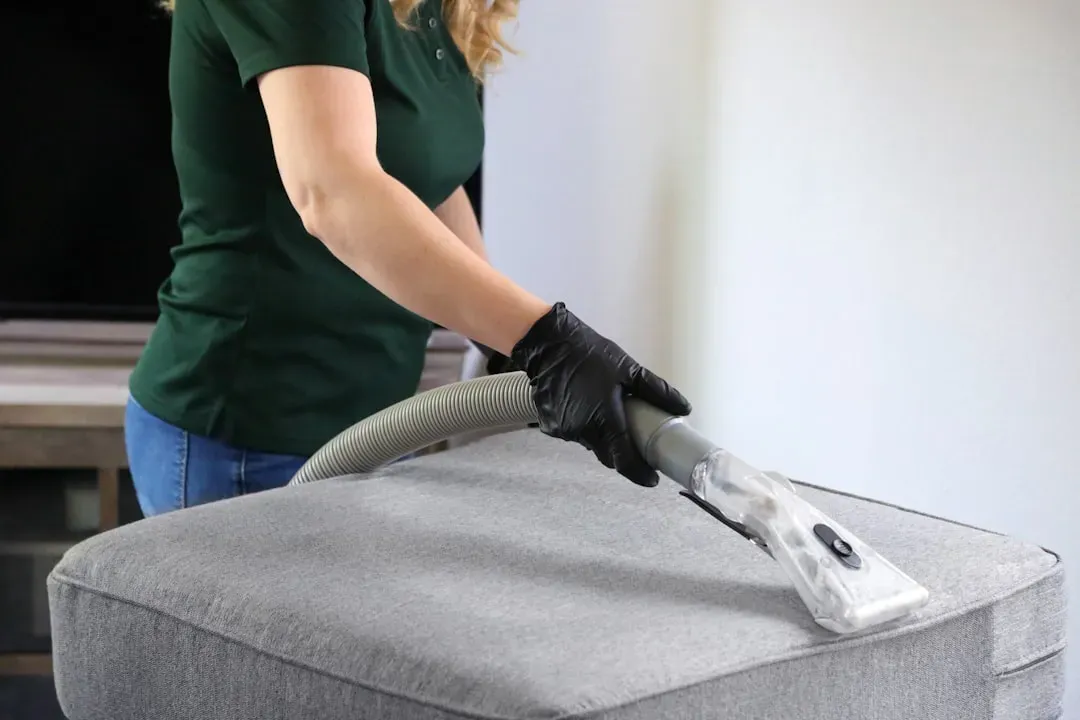
Vacuuming feels like one of those chores we endlessly postpone, especially in the bedroom. I get it. But skipping it consistently is one habit that genuinely creates ideal conditions for a bed bug problem to spiral.
The simplest way to prevent and other pests from infesting the home is to vacuum regularly. Rather than leaving cleaning to a designated day, get into the habit of doing small bits of cleaning every single day. This reduces the likelihood of anything carried inside the home reproducing rapidly. More than just cleaning, regular vacuuming keeps you familiar with all the spots where love to nest. If you vacuum frequently, you become more familiar with spaces bedbugs like to nest, which are tight, small, and dark spaces. Frequent cleaning allows you to catch a bed bug infestation faster if there is one, meaning it is then easier to treat. The earlier you catch them, the better. Waiting until a full infestation blooms is a far more costly and exhausting battle.
Washing Clothes and Bedding at Low Temperatures

In the age of energy saving and eco-conscious living, washing everything on a cold cycle has become the norm. Totally understandable. However, it’s a habit that can work against you when are in the picture.
die when their body temperature reaches 45°C (113°F). That means a cool or lukewarm wash does almost nothing to kill them. Washing clothes, bedding, and other fabrics at lower temperatures is better for the environment and necessary for some types of clothing. However, if you have reason to suspect bedbugs, increase the temperature of washes. The practical fix is straightforward. For bedding, towels, and garments you’ve worn outside, prioritize hot washes whenever possible. Particularly, towels and bedding should be washed at the highest withstandable temperatures, especially if a friend’s home has recently had an outbreak. A slightly higher electricity bill is a far more pleasant problem to have than a full-scale infestation.
Failing to Inspect and Clean Laundry Hampers
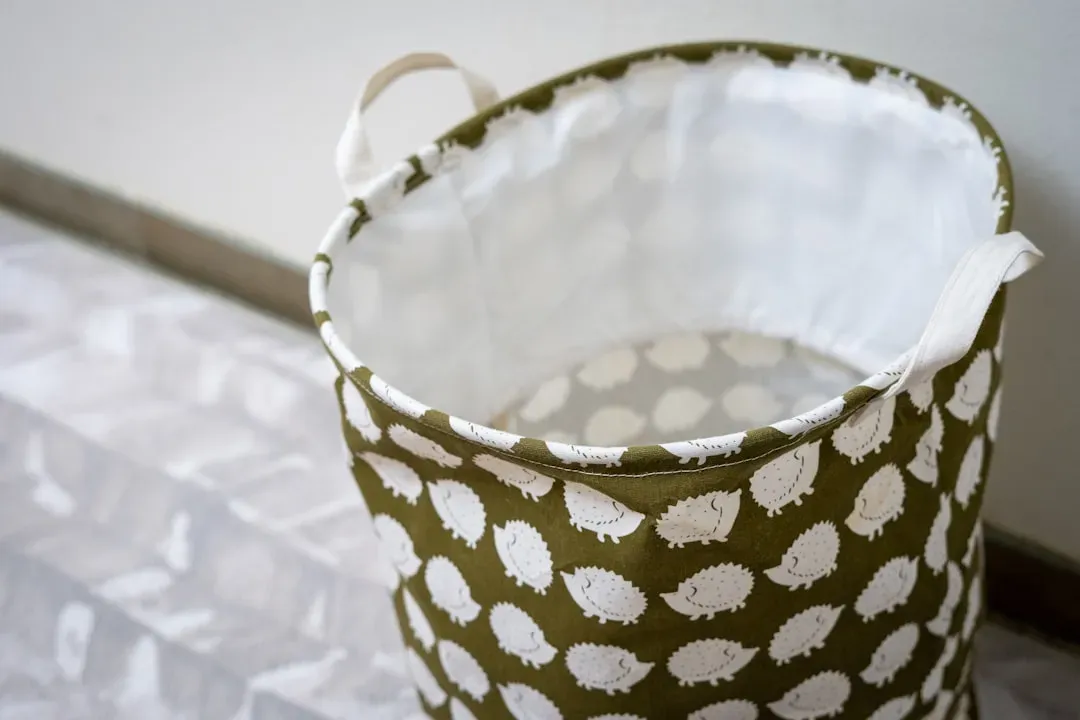
Here’s one that most people don’t even think about. The laundry basket. We toss dirty clothes in, drag it to the machine, and call it done. Rarely does anyone think about what might be living inside that hamper itself.
and their eggs can hide in laundry containers and hampers, so it’s important to remember to clean them when you do the laundry. A hamper full of worn clothes is practically paradise for . Warm, dark, smelling of humans, and rarely disturbed for days at a time. When folding clean clothes or putting away dirty ones, hang them all up. Keeping clothes off the ground stops from crawling onto them and clinging to your items. Clothing is one of the primary ways move from place to place. Swap plastic hampers for ones that are easy to wipe down, and give them a clean at least once a month. It sounds minor, but it closes off one more entry point in a very sneaky pest’s playbook.
Conclusion: Small Habits, Big Consequences
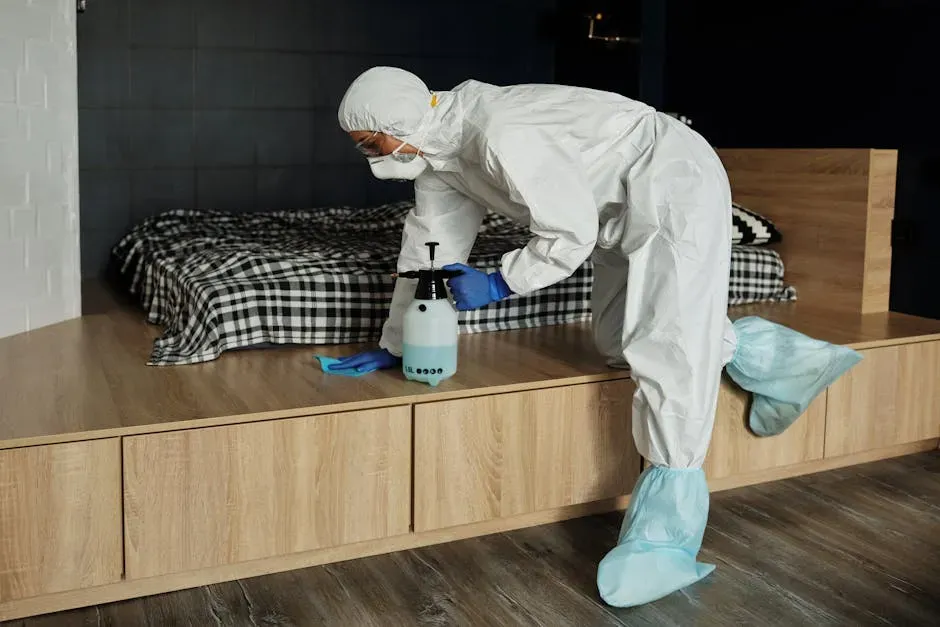
Eliminating from the home is often difficult, partly because can survive up to approximately 300 days without feeding. That statistic alone should be enough to make anyone reconsider a few daily habits.
The good news is that the fixes aren’t complicated. Hot washes, regular vacuuming, keeping clutter to a minimum, and checking what you bring into your bedroom can all make a dramatic difference. A dirty home and poor hygiene habits may not cause , but keeping a clean home and practicing good hygiene habits can help prevent from growing in numbers and causing an infestation. Prevention really is everything here. Once are established, the road to getting rid of them is long, expensive, and deeply frustrating.
So, take a look around your bedroom tonight. Which of these habits sounds a little too familiar? Sometimes the smallest changes to your daily routine are what stand between you and a very unwelcome midnight visitor. What would you change first?

- 10 Ancient Indian Temples With Engineering Marvels No One Can Explain - July 26, 2026
- 10 Most Expensive US Cities to Celebrate Christmas - July 26, 2026
- 10 Dog Breeds That Thrive in America’s Mountain States - July 26, 2026