
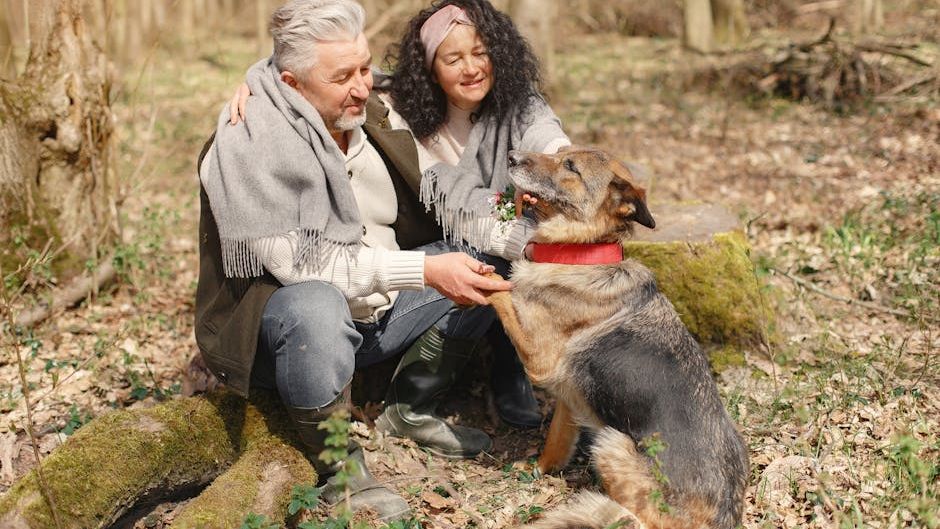
There is something quietly heartbreaking about walking through a shelter and watching a silver-muzzled dog sit patiently in the corner while everyone else rushes past to the puppies. Older pets are the shelter’s best-kept secret, and honestly, one of the most overlooked decisions any pet lover can make is bypassing them entirely.
The truth is, senior cats and dogs bring something to the table that no puppy or kitten ever could. A kind of depth. A gratitude you can feel without words. If you have ever wondered whether adopting an older pet is worth it, brace yourself – what you are about to read might just change your mind for good. Let’s dive in.
The Shocking Reality: Senior Pets Are Being Left Behind

Let’s start with something that should genuinely stop you in your tracks. While roughly three in five puppies and younger dogs get adopted, only about one in four senior dogs ever finds a new home. That gap is staggering, and it reflects a massive misconception about what older pets actually offer.
Senior dogs are one of the most at-risk groups in shelters, often spending up to four times longer waiting for a home than a younger dog. For cats, the picture is equally tough. About four in five kittens get adopted, but once a cat passes around 18 months old, that rate drops sharply.
While senior pets end up in shelters for many of the same reasons as younger animals, they are often surrendered simply as a function of their age – their previous pet parents may be ill or elderly themselves and no longer able to care for them. None of this is the pet’s fault. Not even a little.
What You See Is What You Get – No Guesswork Required

Here is the thing about puppies that nobody tells you upfront: they are essentially a mystery box. You have no idea how big they will get, what personality quirks will emerge, or whether they will turn out to be a destructive little chaos agent for the next two years.
Senior pets, on the other hand, often have well-defined personalities, so adopters know exactly what they are getting in terms of behavior, temperament, and habits. Since older pets have already reached their full size and weight, it takes a lot of the guesswork out of choosing the right pet. This predictability makes for a smoother transition into a new home, with far fewer surprises.
When you adopt a senior pet, what you see is what you get. They are already at their full size, so it is easier to visualize whether they will be the perfect fit for your home and family. Think of it like test-driving a car you already know runs perfectly, versus buying a mystery vehicle off a lot.
Skip the Chaos – Senior Pets Come Pre-Trained
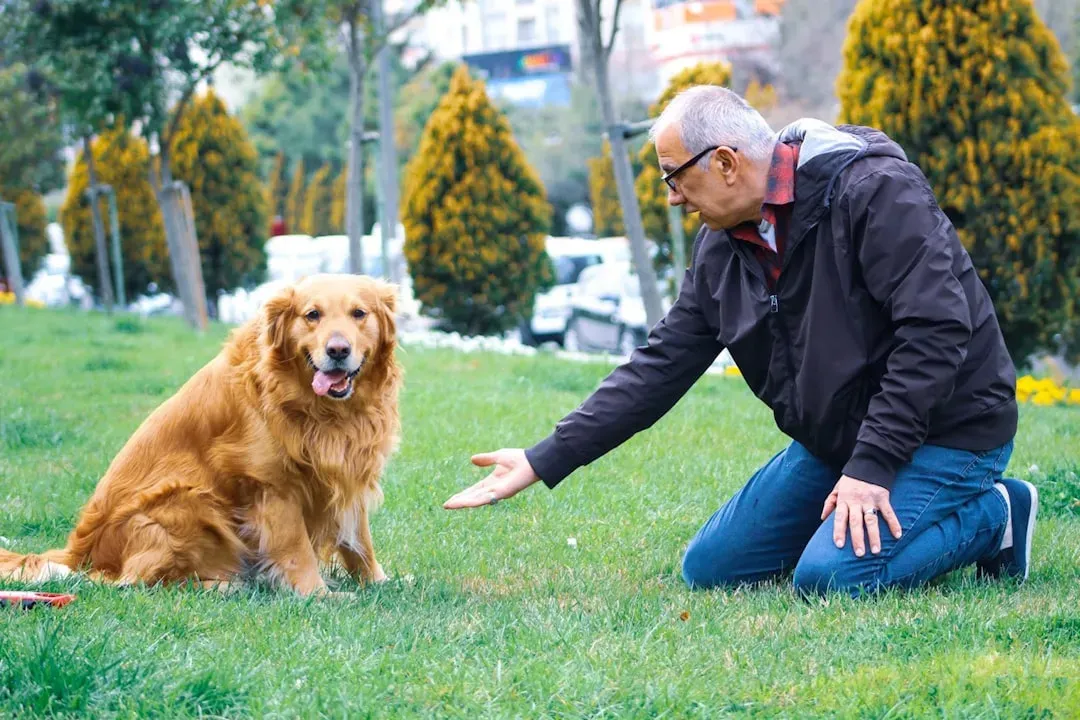
Honestly, the training phase of owning a young pet is exhausting. Months of accidents on the carpet, chewed-up furniture, and sleepless nights. With a senior pet, you often skip all of that entirely.
Many older pets come with years of experience, either from living in a home or from professional training provided in their shelter environment. This means they are already familiar with basic rules and routines. Older pets are less destructive, and more disciplined and focused. Senior dogs, in particular, are often housetrained and may know basic commands, while senior cats are likely experienced with litter boxes.
A senior animal may already know some basic commands and will be responsive to learning more. They have more focus and attention than puppies or kittens, and may have undergone obedience training with their previous guardians or shelter staff. That is not a small thing. That is months of hard work, already done for you.
A Calmer, More Relaxed Energy That Suits Almost Any Home

Senior pets are typically much calmer than their younger counterparts. They have left behind the high-energy phases of puppyhood or kittenhood and settled into a steady, manageable rhythm. For adopters seeking a companion who is more inclined to relax by their side than to race around the house, seniors are an ideal fit.
Older animals already have their routines. While they still love to play, they love to relax, cuddle, and nap as well. They are emotionally mature and more mellow than younger pets. Although they require exercise like any pet, it does not need to be as frequent or vigorous as with a younger animal. As a result, older dogs and cats tend to fit more easily into your daily routines.
Think about it this way. If your life already runs at a certain pace, a senior pet is far more likely to match it effortlessly. They offer immediate companionship without the exhausting demands of puppyhood and are perfect for apartment living, ideal for retirees or remote workers, and wonderful for families seeking a calmer pet experience.
They Bond Deeply – Sometimes More Than You Would Expect
I think this might be the most underrated reason of all. Senior dogs typically bond closely with their adopters, and while puppies may be cute, older dogs often form deeper, more meaningful connections with their humans. There is something incredibly moving about that.
Senior dogs often show an immense sense of gratitude toward their adopters, especially if they have spent a lot of time in a shelter or experienced previous hardship. The loyalty and appreciation they demonstrate can be profoundly heartwarming, forging a bond unlike any other.
Older animals will adapt to a new family given love and time. While you might not be your senior dog’s or cat’s first family, once you adopt and shower your pet with love, you will be their only family. That thought alone is enough to make anyone emotional.
You Are Literally Saving a Life
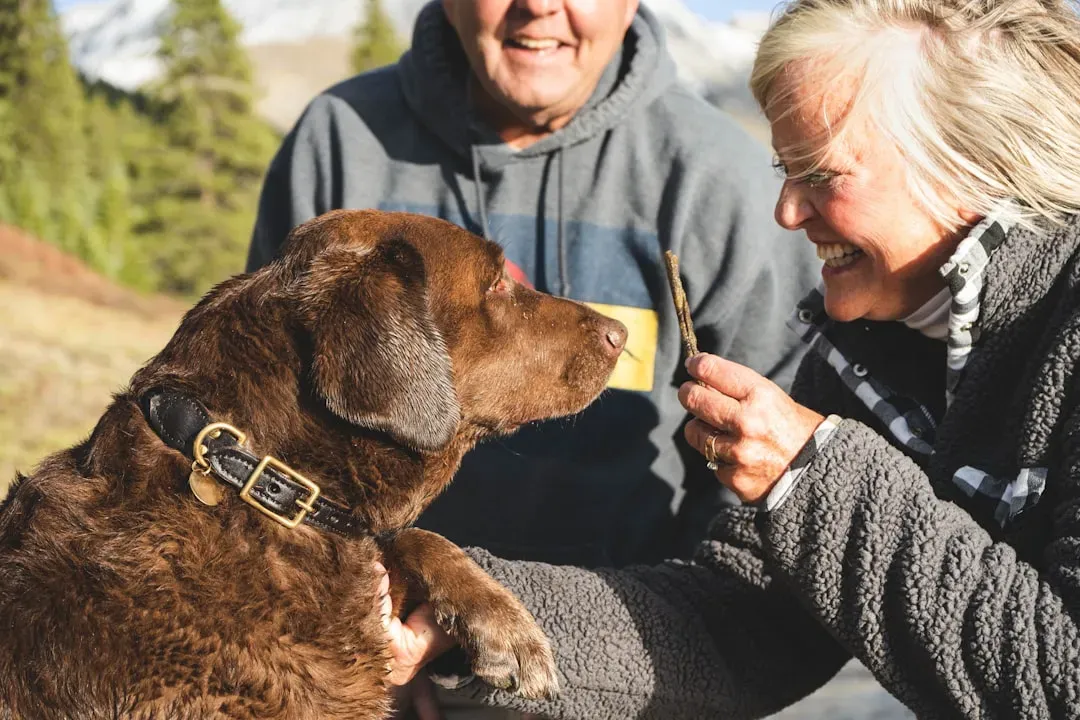
Let’s be real – this one carries serious weight. Animal welfare organizations, including shelters, rescues, and humane societies, have many animals in desperate need of adoption, and older dogs and cats face the highest rates of euthanasia.
According to the ASPCA, approximately 390,000 shelter dogs are euthanized each year, and senior animals are usually the last to be adopted. Choosing to adopt a senior dog can be a life-saving gift – and a life-changing one for you as well.
By adopting a senior, you are making a life-changing difference for an animal who might otherwise be left behind. This compassionate choice not only gives an older pet a safe, happy home in their golden years, but it also frees up shelter resources to help other animals in need. That ripple effect is genuinely powerful.
It Can Actually Be More Affordable Than You Think

One of the biggest myths about adopting an older pet is that it will cost you a fortune in vet bills. That is not necessarily true, and it is worth pushing back on this idea firmly.
Because these animals have typically already been spayed or neutered, adopters often save on initial veterinary expenses. Ultimately, bringing home a senior companion can be less financially demanding while still providing all the warmth and affection a loyal pet offers.
Some shelters charge less money for older dogs, and your vet bills upon adoption might be less expensive than with a puppy, as rescues and shelters often spay or neuter all dogs before they can be adopted. Of course, long-term care matters too – but the upfront costs are often far more manageable than people assume.
Health Transparency That Puppies Simply Cannot Offer
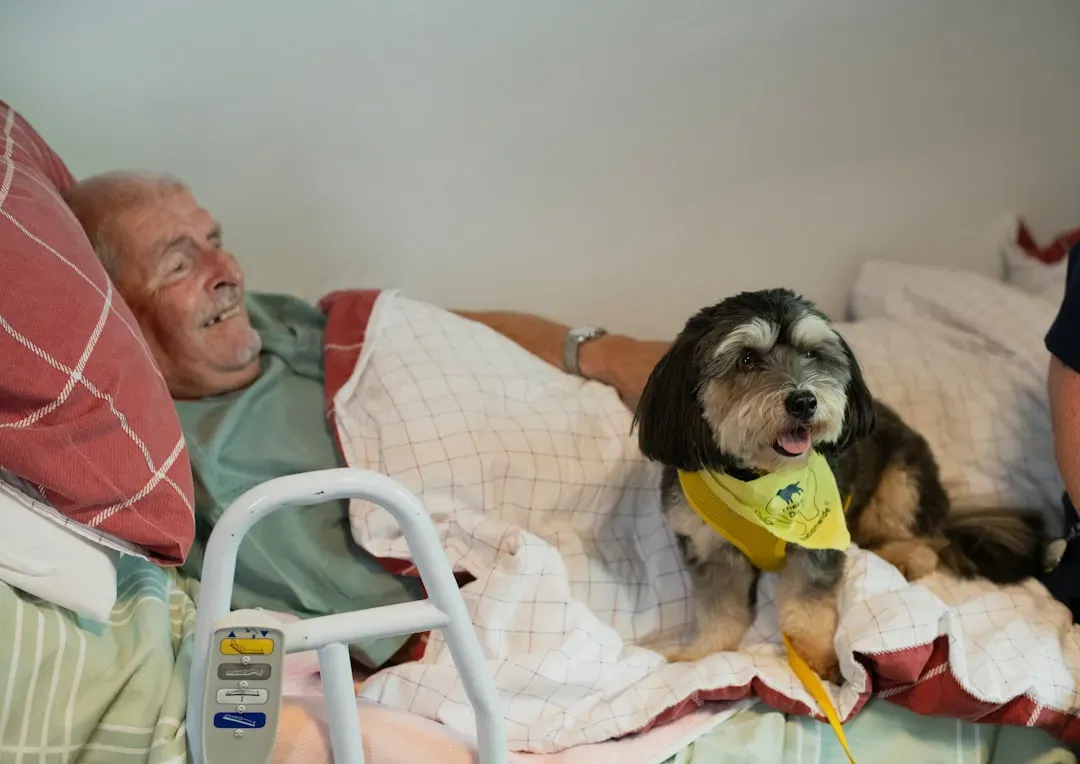
Here is something genuinely surprising: adopting an older pet can actually give you more medical clarity than a young one. With a puppy, you are rolling the dice on future health outcomes you cannot predict.
Many senior pets come with training and medical histories, making them easier to integrate into your life. Shelters can often tell you exactly what conditions to expect, what medications may be needed, and what the pet’s daily energy levels look like.
Age does not necessarily equate to illness. The biggest misconception is that adopting a senior dog means immediately taking on massive medical expenses or imminent end-of-life planning. While it is true that some seniors have age-related issues, many are in excellent health and have had regular or updated wellness care by the rescue group. That kind of transparency is something a 10-week-old puppy simply cannot give you.
They Are Wonderful Companions for All Ages – Including Older Adults
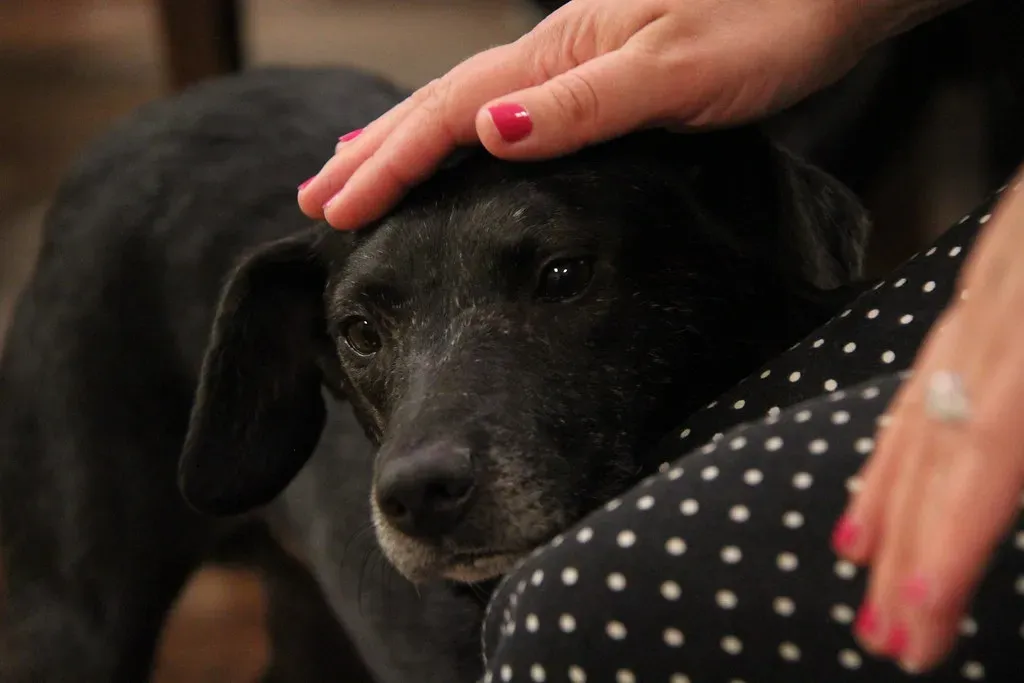
Senior pets’ more relaxed temperaments make them excellent companions for the young and elderly alike. More mature people benefit from a four-legged companion who is more aligned with their energy level and lifestyle. It is a match that just makes sense on a practical level.
Children can also benefit from an animal who is more tolerant and who may already have been well socialized with younger members of the family. So the idea that senior pets are only for quiet households is actually a myth. They adapt beautifully to families of all shapes and sizes.
It is well-proven that owning a pet is relaxing and calming – it even lowers blood pressure. Senior pets tend to have a calmer, mellow attitude, meaning your time together is a relaxing experience from the beginning, with no need to expend energy wearing them down first.
They Can Even Step Into Therapy and Emotional Support Roles
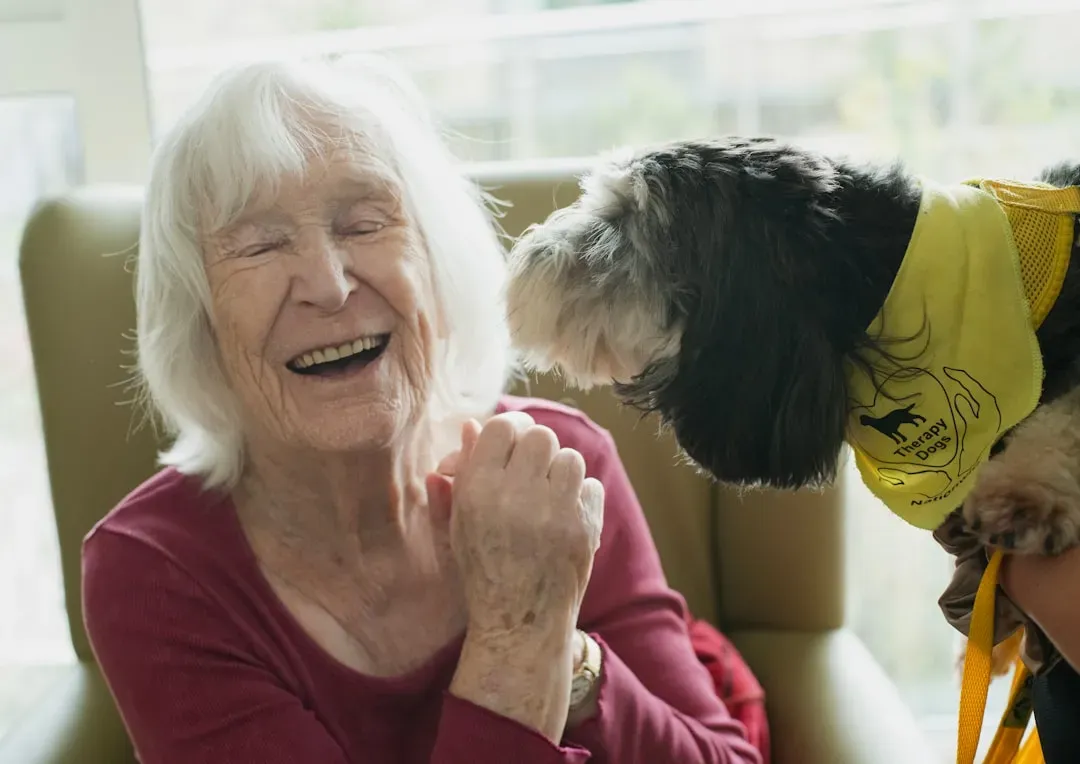
It sounds a little surprising, but senior pets have real potential beyond just being family companions. Senior pets can become therapy animals if they exhibit calm, gentle temperaments, have a relatively healthy condition, and enjoy human interaction. They often adapt well to structured visits that require less physical exertion, making them comforting companions in hospitals and care facilities. Because of their mellow nature and life experience, older animals are adept at creating a soothing environment, building trust, and offering emotional support.
Think about what that means in practice. A calm, gentle senior dog visiting a hospital ward, offering a paw and a warm presence to someone having a hard day. It is hard to think of a more genuinely good use of a second chance.
With loving homes and supportive training, senior animals can flourish in therapy roles that benefit both pets and people. That is a legacy worth something.
The Emotional Reward of Giving a Pet Their Golden Years

There is a kind of quiet, profound satisfaction that comes with this specific choice. The bond you will form with a senior dog is unlike any other. There is something special about giving an older dog the loving retirement they deserve, and while the time you have together might be shorter than with a puppy, the quality of that time and the difference you make in their life is immeasurable.
Adopting a senior dog is not just a gift to the animal but also to yourself. The love, warmth, and companionship they offer can be incredibly fulfilling, and the experience of giving an older pet a happy final chapter is unlike any other.
Ask anyone who has adopted a more mature dog or cat and they will tell you that they are convinced their pets know they have been saved. When you save the life of a pet who faces near certain death, or who may languish for months or years if not adopted, your life will change for the better. That is not just sentiment. That is real.
Conclusion: The Best Decision You Never Knew You Were Ready to Make

Here is the honest truth. Most people walk into a shelter looking for a puppy and walk past the senior section without a second glance. It is understandable. Puppies are irresistible. However, the pets sitting quietly in those back kennels, with their grey faces and patient eyes, have just as much – if not more – to offer.
They are trained, calm, grateful, and ready to love you completely. They will not chew your couch or howl at 3 a.m. They will simply be there, offering something rare and genuine: unconditional presence. The kind that costs nothing and means everything.
Adopting a senior pet will not just change their story. It will quietly, unexpectedly, change yours. So the next time you visit a shelter, slow down as you pass that grey-muzzled dog or that blinking older cat in the corner. They have been waiting – perhaps just for you. What would you have done if you had known sooner?

- 10 Remarkable Facts About the African Cheetah: The Lightning of the Grasslands - July 29, 2026
- 10 Most Heroic Horses in History - July 29, 2026
- Why You Should Never Play Dead When Attacked by a Black Bear - July 29, 2026