

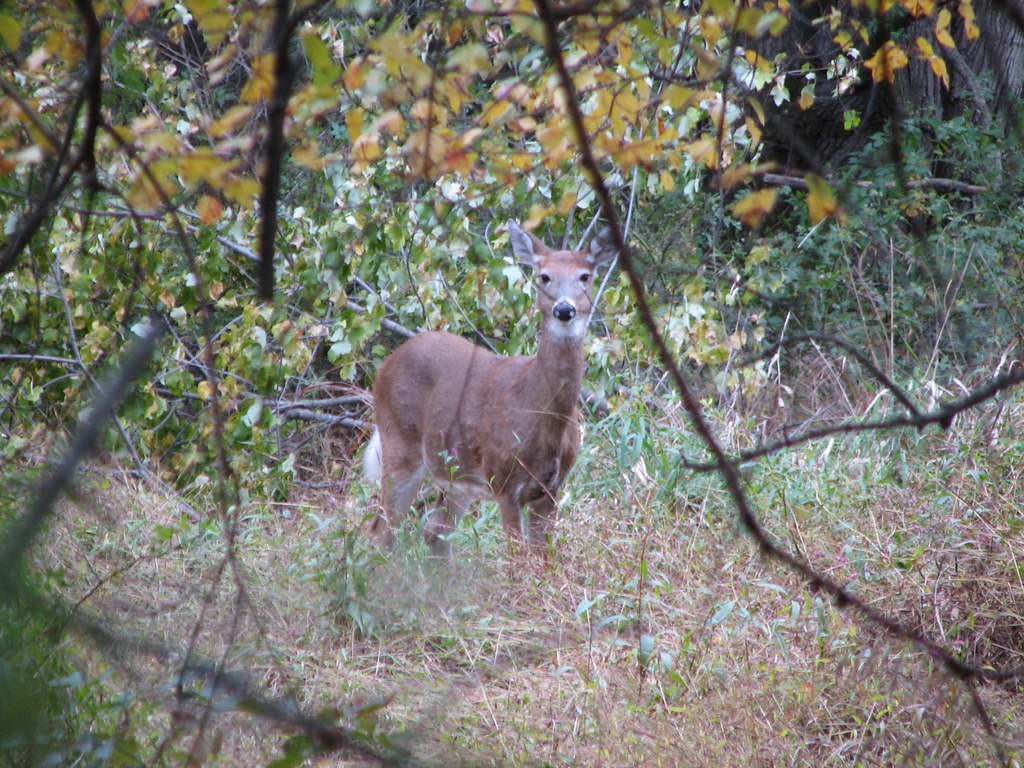
Trail of Sightings Ignites Citywide Alert (Image Credits: Flickr)
Osaka – A sika deer that roamed city streets for days drew crowds and concern before authorities captured it and relocated the animal to a spacious campground on March 27. Sightings began earlier in the week, sparking speculation about its origins from nearby Nara Park amid an overcrowding crisis there. Officials prioritized resident safety throughout the ordeal, ensuring the deer found a secure, natural environment without risk to urban life.[1][2]
Trail of Sightings Ignites Citywide Alert
The deer’s unexpected appearances started on March 21 in residential neighborhoods of Tsurumi and Joto wards. Residents reported the animal wandering parks and streets, uncharacteristically bold around humans. By Sunday, it moved to Miyakojima Ward, then returned to Joto on Tuesday, prompting police to monitor its movements closely.
Experts noted the deer’s short antlers and lack of fear, traits matching those trimmed at Nara Park. That site recorded a record 1,465 deer last July, fueling theories of young animals seeking new territory. No established wild deer populations exist between Osaka and Nara, making a 30-kilometer trek plausible yet remarkable.[3]
Capture Operation Ensures Swift Resolution
Police contained the deer overnight on March 24 at a training facility in Joto Ward by closing gates after it entered the grounds. City workers then lured it into a cage with bait the next morning, March 25. The operation unfolded without incident, and officials confirmed the animal remained in good health.
Temporary custody followed at an animal control center. Osaka Mayor Hideyuki Yokoyama emphasized public safety as paramount. He stated the city welcomed visitors but drew a firm line at wildlife risks in dense urban zones.[1]
Diplomatic Hurdles in Finding a Home
Authorities first inquired with Nara Prefecture about return options. Governor Makoto Yamashita declined, explaining that deer outside park boundaries lose protected status under cultural and wildlife laws. He likened them to bears or boars, treatable as standard wild animals once they stray.
Osaka searched for alternatives to avoid culling. Without a dedicated urban deer policy, relocation emerged as the humane choice. The process highlighted gaps in handling such incursions, especially with multiple sightings reported recently.[4]
- March 21: First sightings in Tsurumi and Joto wards.
- March 22: Appears in Miyakojima Ward.
- March 24: Enters police facility.
- March 25: Captured and transferred to shelter.
- March 27: Relocated to campground.
New Life at Nose Onsen Campground
On March 27, the deer arrived at Nose Onsen in Nose Town, northern Osaka Prefecture. Staff prepared a 2-meter-high fenced enclosure spanning about 50 tsubo of grassy terrain, complete with shelter and bedding. The site, surrounded by mountains, sees 20-30 local deer daily, offering a familiar habitat.
Facility manager Nishiyama Tatsuya observed the deer’s lively hops upon arrival and hoped to ease its street-worn anxiety. Feedings include rice bran, vegetables, and fruits, drawing on past experience with intruding wildlife. Mayor Yokoyama’s SNS poll named it “Shika-yan,” a moniker now shared with caretakers. Updates will appear on the facility’s Instagram.[5][6]
Key Takeaways
- The deer’s journey underscores Nara Park overcrowding pressures.
- Urban wildlife demands balanced safety and conservation approaches.
- Relocation to Nose Onsen provides a model for future cases.
This resolution turns a potential hazard into a story of adaptation. As “Shika-yan” settles into its wooded retreat, it reminds urban dwellers of nature’s proximity. What do you think about wildlife wandering into cities? Tell us in the comments.

- Urban Coyotes Show Remarkable Adaptability, Learning to Thrive in City Environments - July 22, 2026
- Beavers Are Nature’s Engineers, Creating Vital Habitats for Other Wildlife Species - July 21, 2026
- The Recovery of the California Condor Offers Hope for Other Critically Endangered Birds - July 21, 2026