
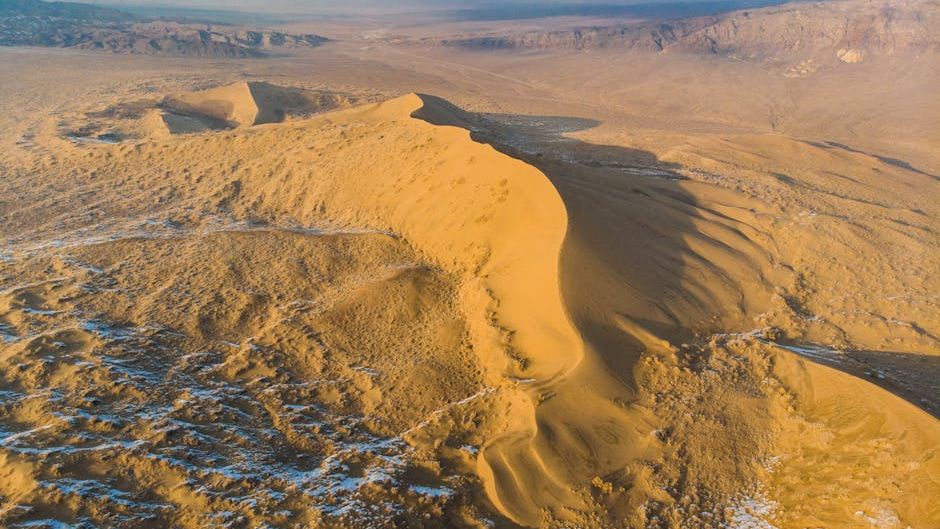
Imagine standing in the middle of a vast, scorching desert. No traffic. No music. Not another soul in sight. Then, out of nowhere, the ground beneath you begins to hum. A deep, resonant groan rolls across the dunes like something between a cello and distant thunder. You look around. Nothing. Just sand.
This is not a ghost story, though it might as well be. Singing sand dunes are one of nature’s most baffling acoustic phenomena, and America has more than a few of these geological musicians hiding in plain sight. The science behind them is surprisingly unresolved, the locations are jaw-dropping, and the history is rich with legends, explorers, and a healthy dose of wonder. Curious yet? Let’s dive in.
A Sound That Has Puzzled Humans for Over a Thousand Years
Here’s the thing: people have been hearing these sounds for an extraordinarily long time, and nobody could explain them for most of that history. Explorers from Marco Polo in the thirteenth century to Charles Darwin in the nineteenth century documented their astonished experiences with “singing,” “whistling,” or “booming” sands. That’s nearly eight centuries of collective bewilderment.
Marco Polo, traveling through China’s Lop Desert, was convinced the sounds were supernatural. Scientists today call it “singing sand,” but they’re all referring to the same thing: as sand grains shuffle down the slopes of certain sand dunes, they produce a deep, groaning hum that reverberates for miles. That description barely does the experience justice.
Some accounts compare the sounds with distant kettle drums, artillery fire, thunder, low-flying propeller aircraft, bass violins, pipe organs and humming telegraph wires. Honestly, the sheer variety of descriptions tells you just how otherworldly this phenomenon truly sounds. It’s no wonder ancient travelers were terrified.
There are only about three dozen places on Earth where sand dunes sing, emitting loud, deep tones that last for minutes and can be heard from miles away, and some dunes blast out sounds at more than 105 decibels, louder than a lawn mower, motorcycle, car horn, or rock concert. That’s not a gentle whisper. That’s a wall of sound.
The Remarkable Physics Behind the Hum
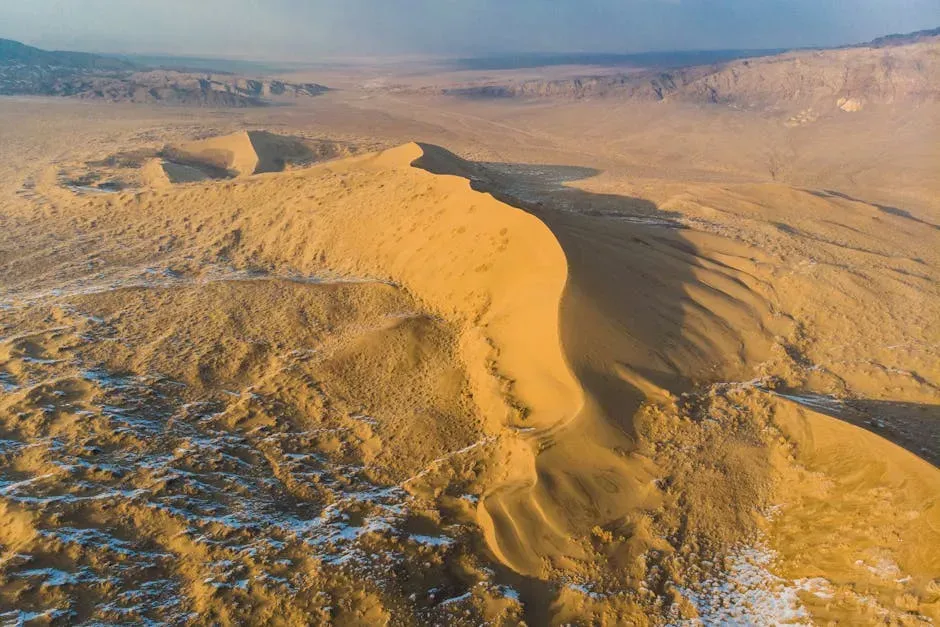
So what is actually going on? The answer involves a surprisingly elegant combination of grain size, dryness, shape, and dune structure. Think of a singing dune less like a pile of sand and more like a finely tuned musical instrument built by nature over thousands of years.
In the desert, singing sand is caused by a certain type of avalanche, in which a flat area of sand near the top of a dune shears away, then slides down the face of the dune more or less intact, kind of like a plate sliding off an uneven table. At that interface, something remarkable happens. Individual sand grains jump back and forth between the two masses of sand, creating a noisy vibration, and the size and consistency of the grains, and how smooth or rough they are, all help determine the type of sound a sand dune will make, or whether it will sing at all.
Dunes that sing are built differently from silent dunes. They’re topped with an even layer of dry sand about five feet thick on top of all the damp sand below, and that layer of dry sand is like the body of an instrument. It traps and amplifies certain frequencies more than others. Think of it like the wooden body of a guitar. The body doesn’t make the sound. It shapes and amplifies it.
Booming only occurs when the sand is extremely dry. Moisture disrupts grain movement and dampens vibrations, preventing the resonance necessary for sound production. Even a small overnight humidity spike can silence a dune completely. Nature, apparently, is a very fussy musician.
The Secret Ingredients: What Makes Sand “Singable”
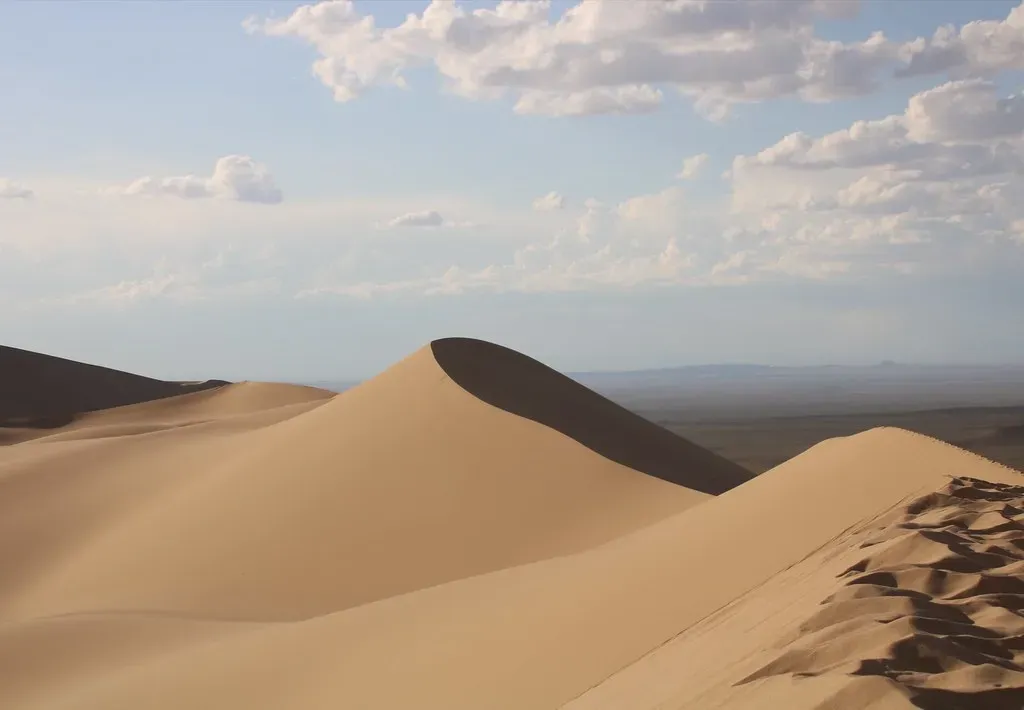
Not every dune can sing. Not even close. Not all dunes are good singers. The dunes must satisfy certain conditions for them to produce these rolling sounds. There is a fairly strict checklist, and most sand on Earth simply doesn’t make the cut.
Singing sands are caused by vibrations in the sand and require a combination of round sand grains, silica content, and humidity, and emit a variety of sounds. The grain shape matters enormously. The sand particles must be spherical and smooth, and quartz sand is known for its rounded, polished structure, so booming has been observed predominantly in dunes containing a large amount of quartz.
Size uniformity is equally critical. The sand particles must have a uniform size, and this condition is met by the wind, which always tends to lift particles within a certain size range, acting as a sieve for the sand. Nature’s own quality control system, if you will. Wind essentially hand-picks the grains that are allowed to stay.
Research has also revealed that grain size directly controls pitch. It’s not necessarily the motion of the sandy ocean that determines the pitch of the note. It’s the size of the grains, though why the size matters is still unknown. I think that last part is the most fascinating of all. Scientists understand the “what” but are still wrestling with the “why.” That’s rare in modern science, and honestly, kind of thrilling.
America’s Most Famous Singing Dunes: Where to Hear Them
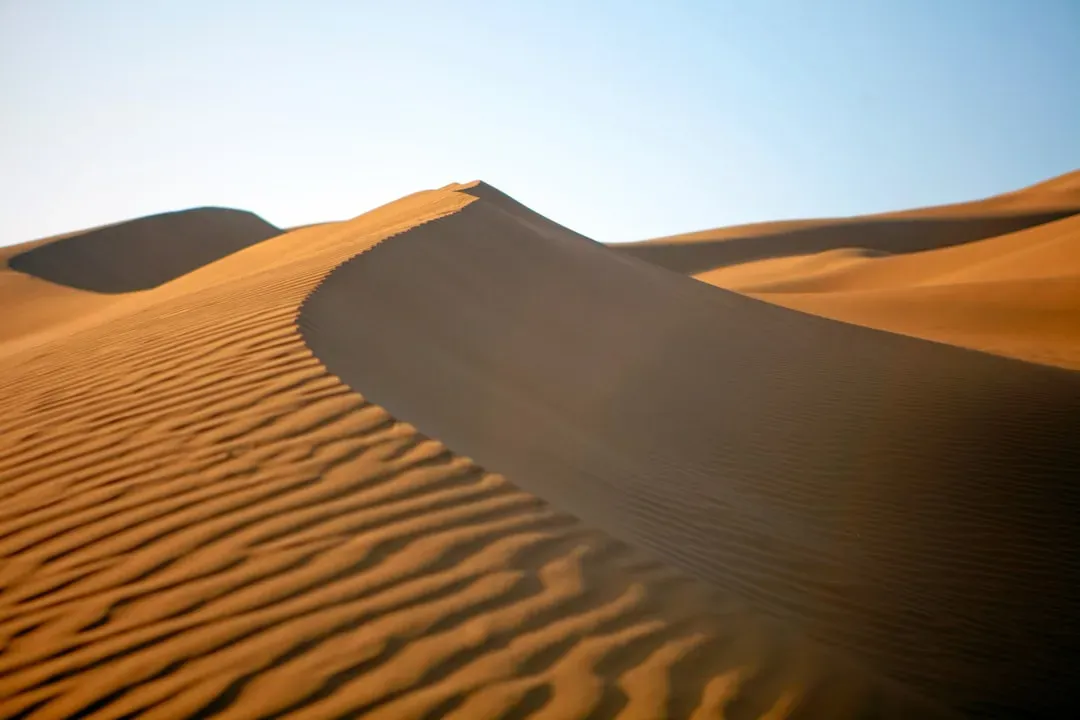
You don’t need to travel to the Sahara or the Gobi Desert to experience this. America is home to several remarkable singing dune locations, scattered across the desert Southwest and beyond. Some are easily accessible. Others require real effort to reach, which somehow makes hearing them sing even more rewarding.
California has at least two documented areas with booming dunes: the massive Kelso Dunes of San Bernardino County and the scenic Eureka Dunes of Inyo County. One of the best places to observe booming dunes in the western United States is Sand Mountain, about 16 miles southeast of Fallon, Nevada.
The Kelso Dunes are notable for the phenomenon known as singing sand, or “booming dunes,” and enthusiasts sometimes climb to the top of the dunes and slide down slowly, generating a low-frequency rumble that can be both felt and heard. Felt and heard. That’s the part that gets me. It’s not just an auditory experience. It vibrates through your feet and up through your body.
Other locations where singing dunes can be found in North America include Utah’s Coral Pink Sand Dunes State Park, White Sands National Park in New Mexico, Idaho’s Bruneau Dunes State Park, Nevada’s Sand Mountain, and the Warren Dunes in Michigan. The geographic range of that list is surprising. Michigan isn’t exactly what most people picture when they think of singing desert dunes. Yet there it is.
Even cold-climate fields produce the sound, including the Killpecker Dunes in Wyoming and the Great Sand Dunes in Colorado. So the phenomenon isn’t strictly limited to hot desert environments. That alone challenges some of the older assumptions scientists held for decades.
Legends, Lore, and the Science Still Being Written
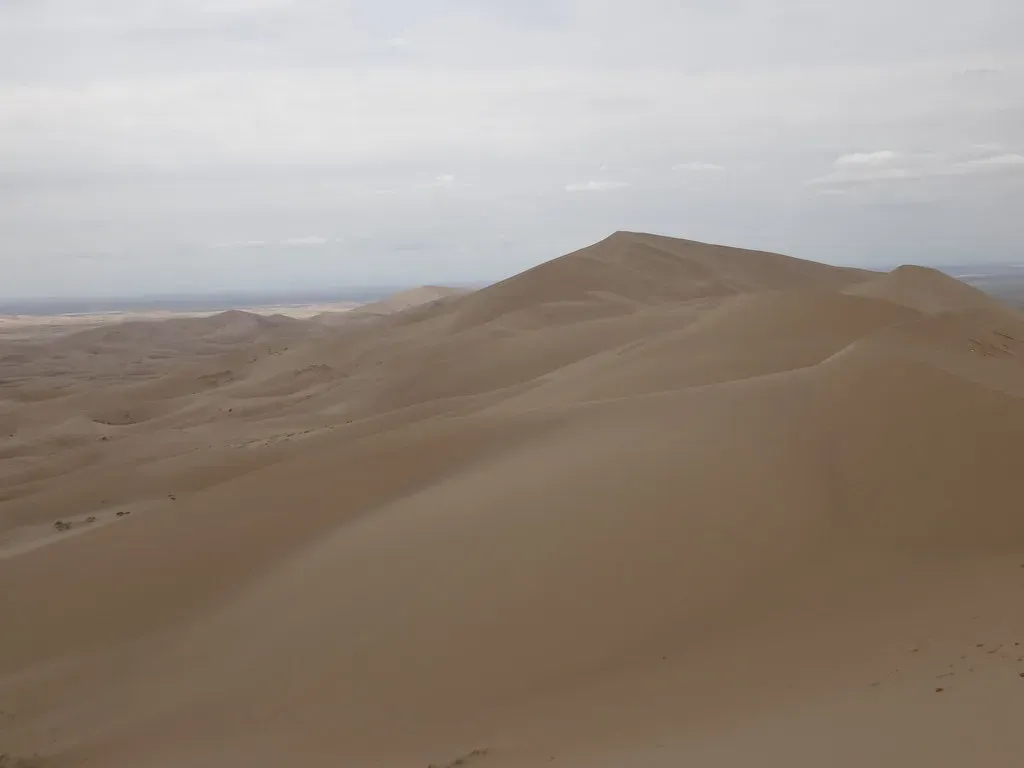
Perhaps the most captivating dimension of singing dunes isn’t the physics at all. It’s what people have believed about them across centuries and cultures. Every singing dune, it seems, comes with its own mythology. The legends of Sand Mountain in Nevada make it particularly poignant, including stories of the Singing Mountain where Kwasee, the ancient benefactor of the Shoshone Paiute, still sings for his mate.
Besides Marco Polo, many explorers including Charles Darwin and Babur have reported hearing humming spirits and ominous chants in the deserts. When you hear something that sounds like it’s coming from deep underground with no visible source, folklore is honestly a reasonable first response.
Avalanching sand from dune faces in Death Valley National Park and the Mojave Desert can trigger loud, rumbling “booming” or short bursts of “burping” sounds, behaving as a perfectly tuned musical instrument. Researchers at Caltech spent roughly twenty-five individual summer field days on blazing California dunes, using geophones to measure seismic vibrations within the sand. Since the group’s study revealed that burping and booming emissions are different acoustic phenomena, governed by different physical principles, it may also help explain some differences in measurements and interpretations regarding singing sand dunes made during the past decade.
It’s worth noting that the science here is genuinely still evolving. How these dunes produce their “music” remains a much debated mystery, and another vexing question is why different dunes sing different tunes, and how some can even sing more than one note at a time. For a world where we’ve mapped the surface of Mars, the fact that a pile of sand on our own planet can still confound top physicists is, I think, quietly wonderful.
Some authors even conclude that although booming sand is relatively uncommon on Earth, it may be common in the waterless or near-waterless environments of the Moon and Mars. So singing dunes may not just be an Earth story. They might be a cosmic one.
Conclusion: Nature’s Most Unlikely Symphony
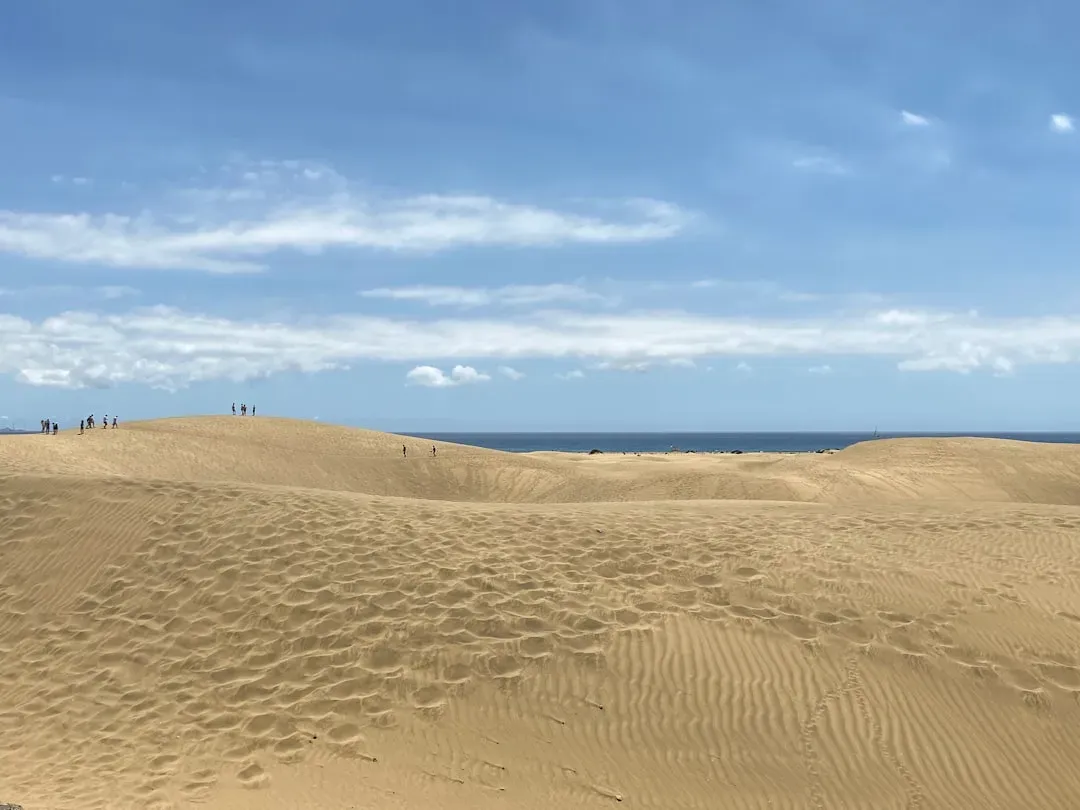
There’s something deeply humbling about singing dunes. In a world obsessed with screens, noise, and constant stimulation, here is a stretch of ancient desert that has been producing its own music for thousands of years without anyone asking it to. The singing dunes are essentially giant musical instruments created and played by nature.
From the booming Kelso Dunes of California’s Mojave to the rumbling sands of Nevada’s Sand Mountain, America holds some of the most acoustically spectacular desert landscapes on the planet. The science behind them is still being untangled, which makes them all the more extraordinary.
These booming noises can be heard as far as 6 miles away and last as long as 15 minutes. Stand on one of these dunes long enough, and you’ll understand why ancient civilizations reached for myth to explain what they were hearing. Sometimes, the real world is stranger and more beautiful than any legend.
If you ever find yourself near one of these remarkable sites, climb the dune. Slide down slowly. Let the sand speak. Then ask yourself: would you have guessed that a simple pile of sand could produce something that rivals a concert hall?

- 10 Remarkable Facts About the African Cheetah: The Lightning of the Grasslands - July 29, 2026
- 10 Most Heroic Horses in History - July 29, 2026
- Why You Should Never Play Dead When Attacked by a Black Bear - July 29, 2026