

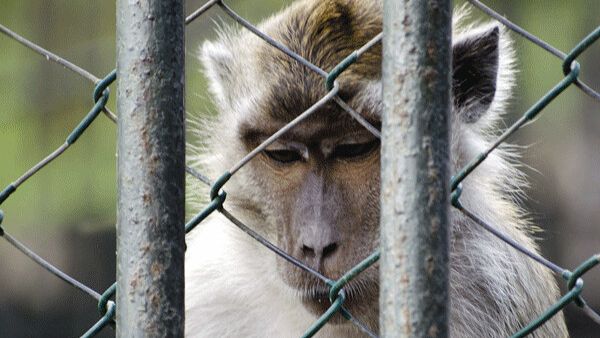
There’s something quietly unsettling about the idea that stress doesn’t just affect you in the moment. It lingers. It accumulates. It rewires things deep inside you that you might never fully notice until the damage is already done.
New research using lab animals is now shining a harsh light on just how far-reaching that damage can be. Scientists are finding that chronic, lifelong stress exposure doesn’t just cause temporary anxiety or behavioral quirks. It can fundamentally alter how an organism thinks, moves, and responds to the world. If that sounds a little too close to home, well, it probably should. Let’s dive in.
The Experiment That Changes How We Think About Stress
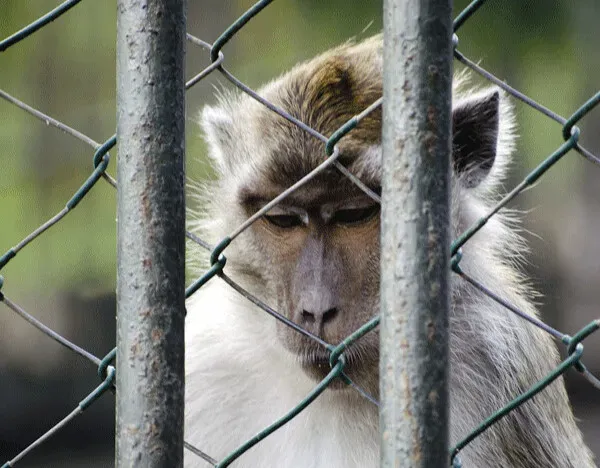
Here’s the thing about stress research: most of it has focused on short bursts of stress, the kind you experience before a job interview or during a difficult week. What’s far less studied, and far more alarming, is what happens when that stress simply never stops. This new research did exactly that, exposing lab animals to prolonged, cumulative stress over the course of their entire lives rather than in isolated episodes.
The results were striking. Animals exposed to lifetime stress began exhibiting behaviors that were genuinely abnormal, not just “a little off.” We’re talking about compulsive patterns, erratic responses to stimuli, and deeply disrupted social interactions. Honestly, if you mapped these findings onto a human context, it would make you rethink a lot of things about how modern life is quietly breaking people down.
What “Abnormal Behaviors” Actually Looks Like in the Lab
When researchers say “abnormal behaviors,” it’s easy to picture something vague or abstract. It’s not. In these studies, the animals showed measurable, repeatable behavioral deviations that stood out clearly against the control groups. Things like repetitive movements, avoidance of normally appealing environments, and reduced interaction with peers.
These aren’t trivial observations. Compulsive and avoidance behaviors in animal models are widely used as proxies for understanding anxiety disorders, depression, and even early markers of conditions like obsessive-compulsive disorder in humans. The fact that these behaviors emerged through lifetime stress exposure, rather than a single traumatic event, tells a very different story about how mental health deteriorates. It’s slow. It’s cumulative. It’s almost invisible until it isn’t.
The Brain Under Siege: Neurological Changes Linked to Chronic Stress
Stress doesn’t just mess with your mood. It physically alters brain structure and chemistry over time. Research in this area consistently points to the hippocampus, the brain region critical for memory and emotional regulation, as one of the most vulnerable targets of long-term stress exposure. Prolonged cortisol elevation, the hallmark of chronic stress, can literally shrink this region.
In the lab animals showing abnormal behaviors, researchers observed neurological markers consistent with this kind of structural disruption. The stress response systems that are meant to switch on and then switch back off appeared to be stuck in a kind of permanent activation mode. Think of it like an alarm system with a broken off-switch. Eventually, the constant noise stops being a warning and just becomes the background of everything.
Lifetime Exposure Versus Short-Term Stress: Why the Difference Matters
There’s a reason scientists specifically designed this study around lifetime exposure rather than a few weeks of induced stress. Short-term stress, as unpleasant as it feels, actually serves a biological purpose. It sharpens focus, accelerates reaction time, and helps survival. It’s practically useful in small doses.
Lifetime exposure is an entirely different animal, literally and figuratively. When stress becomes the default state of existence rather than an occasional response, the biological machinery meant to handle it gets worn down and eventually dysregulated. The lab findings suggest this isn’t just a matter of degree; it’s a qualitative shift. The organism stops adapting and starts deteriorating. That’s a crucial distinction, and it has enormous implications for how we understand stress-related illness in both animals and humans.
The Role of Early Life Stress in Shaping Long-Term Outcomes
One of the more sobering elements of this research is the attention it draws to early life stress. It’s hard to say for sure exactly how much of the behavioral damage seen in these animals was locked in during critical developmental windows versus accumulated gradually over time. However, the evidence leans heavily toward early exposure being disproportionately damaging.
Young brains are plastic and adaptive, but that same plasticity makes them extremely vulnerable to environmental stressors. Stress during key developmental periods can essentially recalibrate what counts as a “normal” baseline for the stress response system, setting up an individual for lifelong hyperreactivity. Let’s be real, this has profound implications for conversations about childhood adversity, socioeconomic hardship, and the long-term costs of environments where stress is inescapable.
What Lab Animal Research Can and Cannot Tell Us About Humans
It’s always worth pausing here to be honest about the limits of animal model research. Lab animals, typically rodents, share a remarkable amount of neurological and physiological architecture with humans, which is exactly why they’re used. Still, translating findings from a mouse model to human experience is never a straight line.
That said, the behavioral and neurological patterns observed in this research align strongly with what we already know from human stress research. Epidemiological data on people living in chronically high-stress environments, such as those experiencing poverty, conflict zones, or relentless workplace pressure, consistently shows elevated rates of anxiety disorders, cognitive decline, and compulsive behaviors. The animal research doesn’t prove a human parallel, but it offers a controlled, mechanistic window into why those patterns might exist. I think that’s genuinely valuable, even with the caveats attached.
A Conclusion That’s Hard to Ignore
This research lands like a quiet gut-punch. We’ve known for a long time that stress is bad for you. What this work underscores is that the timeline and continuity of stress exposure matter enormously, perhaps more than we’ve given credit for. A single bad year is recoverable. A lifetime of low-grade, unrelenting stress may not be, at least not without serious intervention.
The implications stretch well beyond the laboratory. Public health, urban design, workplace policy, education systems, even parenting philosophies, all of these are domains where the cumulative burden of stress is either being created or could be meaningfully reduced. Honestly, it’s a little overwhelming to sit with. The science is pointing at something big, and the question now is whether the systems that shape human lives will pay attention.
What do you think? Is modern life structurally designed to push people toward lifelong stress exposure, and if so, what would actually need to change? Drop your thoughts in the comments.

- Urban Coyotes Show Remarkable Adaptability, Learning to Thrive in City Environments - July 22, 2026
- Beavers Are Nature’s Engineers, Creating Vital Habitats for Other Wildlife Species - July 21, 2026
- The Recovery of the California Condor Offers Hope for Other Critically Endangered Birds - July 21, 2026