


Dogs have been our companions for thousands of years, but where exactly did that extraordinary bond begin? Scientists have been wrestling with this question for decades, and honestly, the answers keep shifting in ways nobody fully expected.
New ancient DNA research is rewriting the origin story of our best friends in a pretty dramatic way. The findings point to a location that challenges earlier theories and forces us to rethink everything we thought we knew about early dog domestication. Let’s dive in.
The Big Discovery That Changed Everything
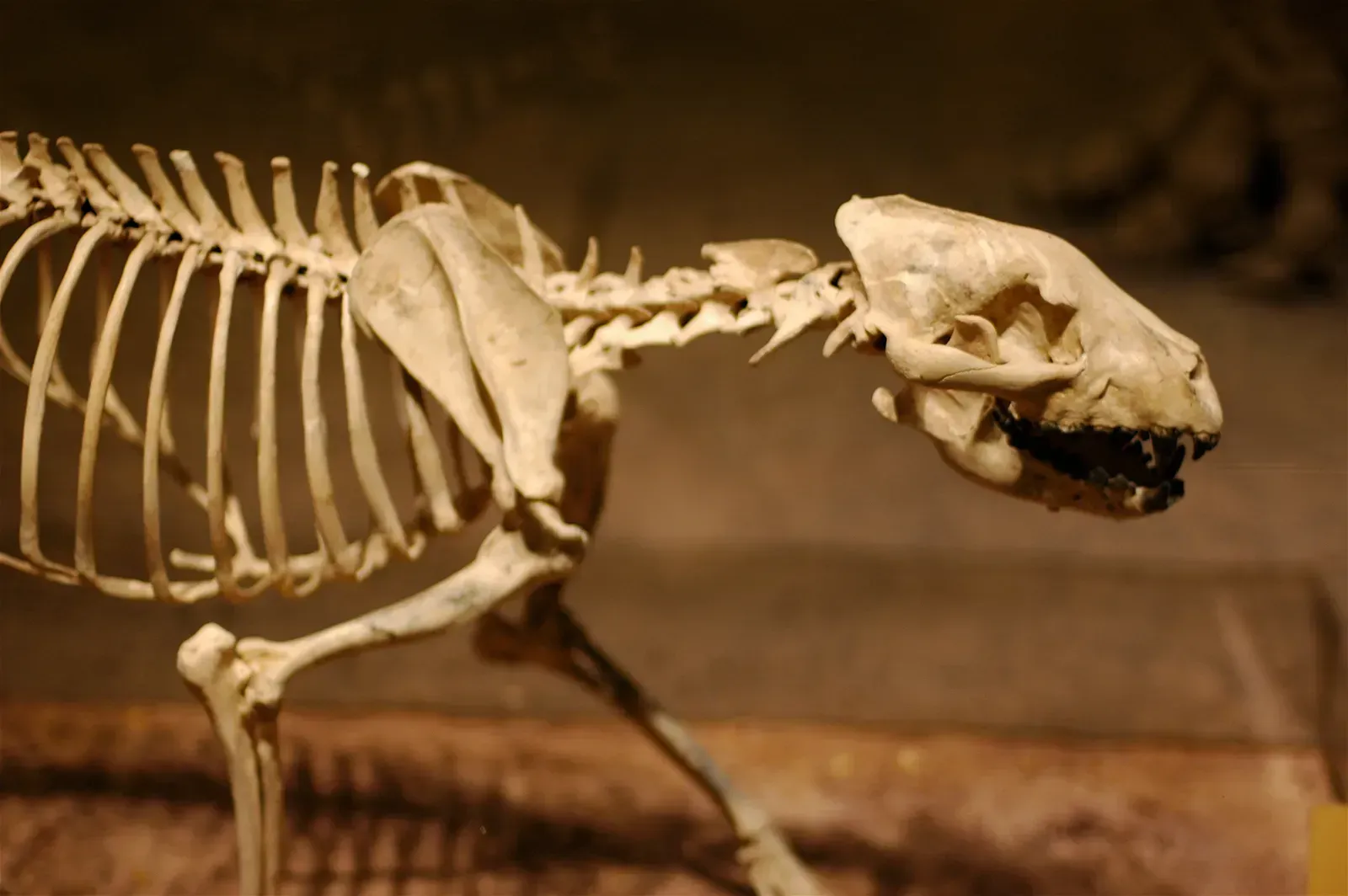
Here’s the thing about ancient DNA research: it has a habit of blowing up long-held assumptions almost overnight. A major new study has pinpointed the earliest known domesticated dogs to a region in the Near East, with genetic evidence suggesting the process happened remarkably early in human prehistory. This is not a minor adjustment to the timeline. It’s a full-scale rethink.
The researchers analyzed ancient dog genomes from archaeological sites across a wide geographic range, and the signals were surprisingly consistent. The oldest lineages trace back to a specific ancestral population that predates the spread of agriculture. That detail alone is huge, because it means dogs and humans were forming bonds long before farming even existed.
How Scientists Traced the Ancient Genetic Trail
Ancient DNA work is painstaking, almost absurdly so. Researchers extract genetic material from thousands-of-years-old bones, often working with fragments so degraded they require highly specialized laboratory techniques just to read. Think of it like trying to reconstruct a novel from confetti.
In this study, the team compared ancient dog genomes with those of modern dogs and wolves, mapping out how populations diverged over time. By identifying specific genetic markers shared across early dog remains, they were able to trace a lineage back to a founding population that lived in the Near East region. The precision of modern genomic sequencing made connections visible that simply weren’t detectable even ten years ago.
When Exactly Did Domestication Happen
The timing here is genuinely jaw-dropping. Genetic estimates place the initial domestication event at somewhere between roughly fourteen thousand and twenty thousand years ago, potentially even earlier depending on how you interpret the divergence data. That’s deep in the Paleolithic, when humans were still hunter-gatherers following herds across vast landscapes.
It’s hard to say for sure exactly when the first proto-dog chose a campfire over the wilderness, or whether ancient humans encouraged it, but the DNA evidence suggests this wasn’t a single moment. It was likely a gradual process. Wolves that were less fearful of humans may have lingered near camps, feeding on scraps, and over many generations that proximity shaped both behavior and biology in ways that eventually produced something distinctly dog-like.
Where the Ancient Dogs Actually Came From
Previous theories spread the possible origins of domesticated dogs across a wide geographic canvas, from East Asia to Europe to Central Asia. Some researchers even argued it happened more than once, in multiple locations independently. The new findings narrow that picture considerably.
The ancient DNA points most strongly toward the Near East, roughly the region spanning parts of modern-day Iran, Iraq, and surrounding areas, as the cradle of dog domestication. This aligns with an area that was also critical in the development of early human civilization, which is fascinating in itself. Whether that geographic overlap is a coincidence or reflects something deeper about human behavior during that era is an open question that researchers are clearly excited to explore further.
The Relationship Between Early Humans and Early Dogs
Let’s be real: the idea of a Paleolithic human forming a bond with a wolf-like animal is almost cinematic. Yet the archaeological and genetic evidence increasingly supports exactly that kind of relationship forming in the ancient Near East thousands of years before the pyramids, before writing, before agriculture. These were people who moved constantly, lived in small groups, and somehow found a mutual understanding with a wild predator.
What makes this research emotionally resonant is the implication that the human-dog relationship is even older and more foundational than we realized. Dogs may have helped early humans hunt more efficiently, provided warmth during brutal winters, or served as early warning systems against predators. The bond wasn’t just companionship. It was likely survival.
What Happened as Dogs Spread Across the World
Once domesticated, dogs didn’t stay put. The genetic evidence shows ancient dogs spreading alongside human migrations across an enormous geographic range, from the Near East outward into Europe, Asia, and eventually the Americas. They moved with people the way tools and language moved with people. Integrated, essential, part of the package.
What’s striking is how dogs adapted genetically as they moved into new environments and bred with local wolf populations in certain regions. This created the remarkable diversity we see in dog breeds today, from Arctic sled dogs to desert coursing hounds. The genomic research traces these divergences like a road map of ancient human migration, with dogs essentially serving as a biological diary of where people went and when.
Why This Research Matters Far Beyond Dog History
I think it’s easy to dismiss ancient dog DNA as a niche obsession, a fun science curiosity. In reality, understanding dog domestication has broad implications for how we understand early human behavior, social organization, and even cognitive evolution. The willingness to form interspecies bonds may reflect something fundamentally important about how Homo sapiens interacted with the natural world.
There’s also a deeply practical dimension here. Tracing the origin and spread of ancient dogs helps scientists understand patterns of ancient human migration that are otherwise invisible in the archaeological record. Dogs are, in a strange way, a proxy for tracking our own ancestors. The more we learn about where they came from, the more we learn about ourselves.
Conclusion: Our Oldest Friendship Just Got Even Older
The picture emerging from ancient DNA research is one of a relationship between humans and dogs that stretches back further, and originates from a more specific place, than most scientists previously believed. The Near East, already central to so many chapters of human history, now appears to hold the first chapter of one of the most remarkable interspecies relationships ever formed.
Honestly, there’s something moving about that. Somewhere in the ancient Near East, probably around a fire, in the dark, a human and a wolf-descended animal made a kind of peace with each other. And that moment echoes forward into every dog sitting at a kitchen door waiting to be let in today. What do you think that original encounter actually looked like? Tell us in the comments.

- Urban Coyotes Show Remarkable Adaptability, Learning to Thrive in City Environments - July 22, 2026
- Beavers Are Nature’s Engineers, Creating Vital Habitats for Other Wildlife Species - July 21, 2026
- The Recovery of the California Condor Offers Hope for Other Critically Endangered Birds - July 21, 2026