

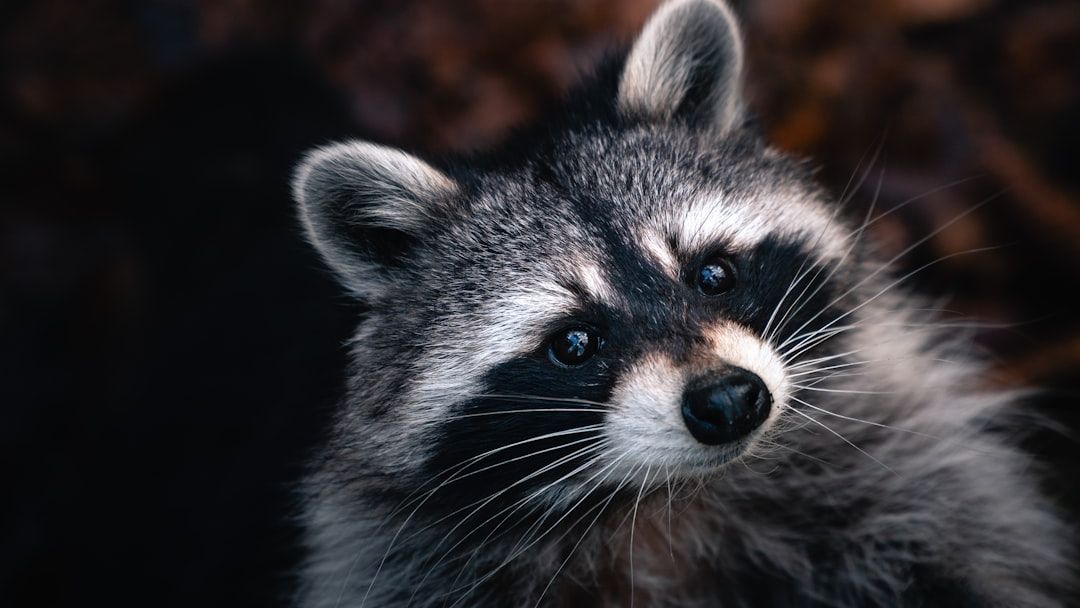
Raccoons have long had a reputation as clever, mischievous little bandits. You’ve probably seen one topple a trash bin in record time, or watched in mild horror as it figured out your supposedly “raccoon-proof” latch. But there’s always been a nagging question lurking behind all that chaos: are they actually smart, or just opportunistic?
A new study is throwing some fascinating fuel onto that fire. Researchers have been digging into raccoon cognition in ways that go far beyond what most of us ever imagined, and the results are genuinely surprising. Buckle up, because what follows might just make you look at your neighborhood trash-raider in a completely different light. Let’s dive in.
The Puzzle That Started It All
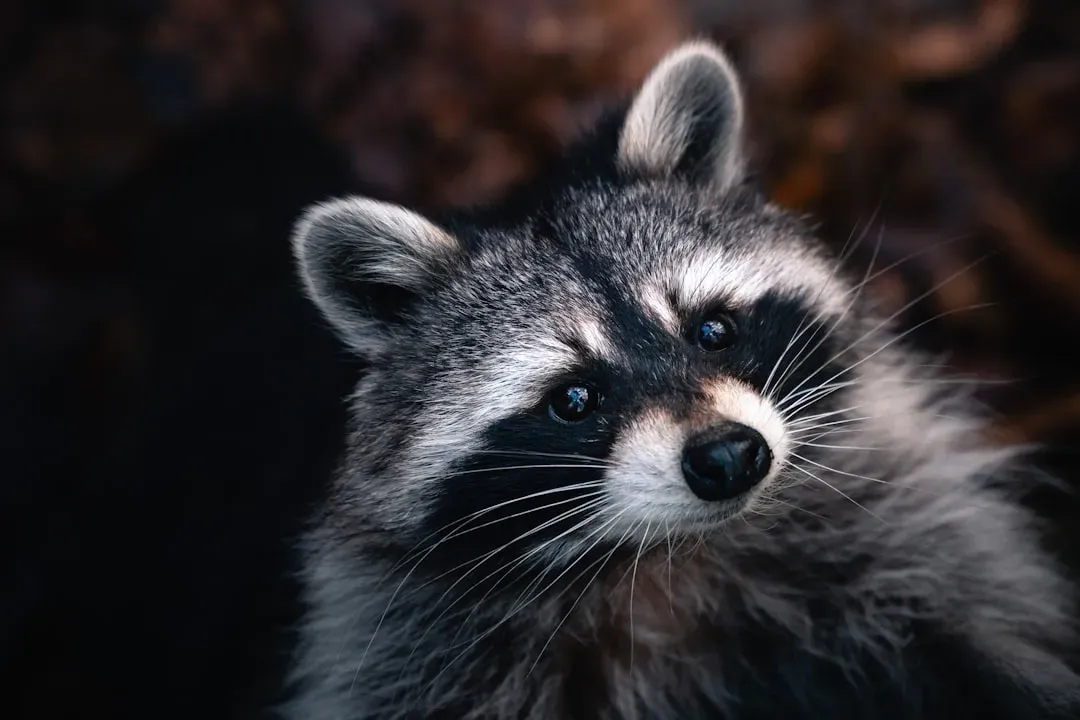
Here’s the thing about raccoons: scientists have known for decades that they’re adaptable. They thrive in cities, suburbs, forests, and basically anywhere humans leave food lying around. But adaptability and raw problem-solving intelligence are two very different things, and researchers wanted to know which one was really driving those famous trash-can raids.
To test this, scientists presented raccoons with a specially designed puzzle box. It wasn’t a simple latch. It involved multiple steps, requiring the animal to manipulate different components in sequence to access a food reward inside. The kind of challenge, honestly, that would frustrate a toddler.
What happened next was remarkable. Several raccoons cracked the puzzle, and more interestingly, they did it in different ways. There wasn’t one single “raccoon method.” Each animal approached the problem from its own angle, which tells researchers something genuinely exciting about individual cognitive differences within the species.
What the Puzzle Actually Revealed About Raccoon Brains
Let’s be real: most animal cognition studies focus on primates or birds. Raccoons have historically been an afterthought in behavioral science, despite living so close to humans. This study is part of a growing push to take non-traditional subjects seriously, and the findings are making a strong case for that shift.
The raccoons demonstrated what researchers describe as flexible problem-solving. Rather than relying purely on instinct or repetitive trial-and-error, some individuals appeared to pause, observe, and then act. That deliberate quality is a hallmark of higher-order thinking, the kind you’d associate with animals like crows or chimpanzees.
It’s hard to say for sure whether raccoons are “planning” in the way humans understand that word. Still, the evidence that they’re doing something more sophisticated than blind fumbling is becoming increasingly difficult to ignore.
Individual Differences: Not All Raccoons Are Created Equal
One of the most genuinely surprising takeaways from the research is how much variation exists between individual raccoons. Some animals solved the puzzle quickly. Others struggled. A few gave up entirely. Sound familiar? It should, because that spread of ability looks a lot like what you’d see in a classroom of students tackling a new math problem.
This matters scientifically because it suggests raccoon intelligence isn’t just a species-wide trait, like fur color or body shape. It appears to exist on a spectrum, shaped by individual experience, environment, and possibly even personality. Yes, raccoon personality. That’s a real thing researchers are now taking seriously.
Think of it like this: not every raccoon rummaging through your neighborhood bins is working with the same mental toolkit. Some are genuinely clever. Others are just… persistent.
The Role of Urban Life in Shaping Raccoon Smarts
Here’s where things get really interesting. Urban raccoons, those living in cities surrounded by humans, traffic, and complex environments, appear to outperform their rural counterparts on certain cognitive tasks. This raises a provocative question: is city life actually making raccoons smarter?
The theory is that navigating a dense urban environment demands more mental flexibility. A raccoon in the woods has to find food in predictable places. A raccoon in Chicago or Toronto has to contend with locks, schedules, waste management systems, and the unpredictable behavior of humans. That’s a cognitively demanding lifestyle, and it seems to leave a mark.
I think this is one of the most underappreciated stories in urban ecology right now. We spend so much time thinking about how cities harm wildlife that we rarely ask what cities might be doing to accelerate the cognitive evolution of animals living alongside us. That’s a mind-bending thought.
Memory and Learning: Raccoons Don’t Forget
Another dimension of the research touches on memory, and this is where raccoons really start to look impressive. Studies have shown that raccoons can retain solutions to problems for remarkably long periods, in some cases years after first encountering the challenge. That kind of long-term memory is not common across the animal kingdom.
In the context of the puzzle box experiment, raccoons that had been exposed to similar challenges before performed noticeably better. Experience transferred. Skills accumulated. That’s not just instinct. That’s learning in a meaningful sense of the word.
It also explains, by the way, why once a raccoon figures out your particular trash can setup, it will keep exploiting that weakness forever. It’s not stubbornness. It’s memory. Very efficient, very inconvenient memory.
Why Scientists Think We’ve Been Underestimating Raccoons
Part of the reason raccoon intelligence has been overlooked is a bias in how we measure animal smarts. Traditional cognitive tests were designed with primates in mind, using visual cues and grip-based manipulation that primates naturally excel at. Raccoons experience the world differently, relying heavily on their extraordinarily sensitive front paws, which contain a dense concentration of nerve endings.
When researchers design tasks that play to raccoon strengths, particularly tactile challenges, the animals perform far better. It’s a bit like judging a fish by its ability to climb a tree. The testing framework itself was limiting our perception of what raccoons were capable of.
Honestly, this is a broader lesson about animal cognition research. The animals we call “smart” are often just the ones we’ve built the right tests for. Raccoons may have been quietly brilliant this whole time, waiting for someone to ask the right question.
What This Means for How We Treat Urban Wildlife
Understanding raccoon intelligence has real practical consequences. If these animals are capable of flexible problem-solving, memory-based learning, and individual variation in ability, then managing human-raccoon conflict becomes a much more nuanced challenge. Deterrents that work once may not work twice. Strategies need to evolve just as the raccoons do.
There’s also an ethical dimension worth sitting with. If an animal demonstrates cognitive complexity, that has implications for how we think about its welfare. Not in an alarmist way, but in a considered, thoughtful one. Cities are full of cognitively capable creatures navigating a world built entirely without them in mind.
This research is a timely reminder that intelligence isn’t a uniquely human trait, and it certainly isn’t limited to the animals we’ve traditionally celebrated for it.
Conclusion: The Trash Can Was Never the Point
The raccoon raiding your bins at midnight isn’t just hungry. It’s problem-solving. It’s remembering. It might even, in some limited sense, be thinking. That’s an extraordinary reframe for an animal most people dismiss as a nuisance.
What this research ultimately pushes us toward is a more honest reckoning with animal cognition. We’ve drawn the line between “smart” and “not smart” in places that were convenient for us, not necessarily accurate. Raccoons, as it turns out, didn’t get that memo.
So next time one of them cracks your supposedly secure bin lid, maybe give it a grudging nod of respect. What animal do you think might be next to surprise us? Drop your thoughts in the comments.

- Urban Coyotes Show Remarkable Adaptability, Learning to Thrive in City Environments - July 22, 2026
- Beavers Are Nature’s Engineers, Creating Vital Habitats for Other Wildlife Species - July 21, 2026
- The Recovery of the California Condor Offers Hope for Other Critically Endangered Birds - July 21, 2026