
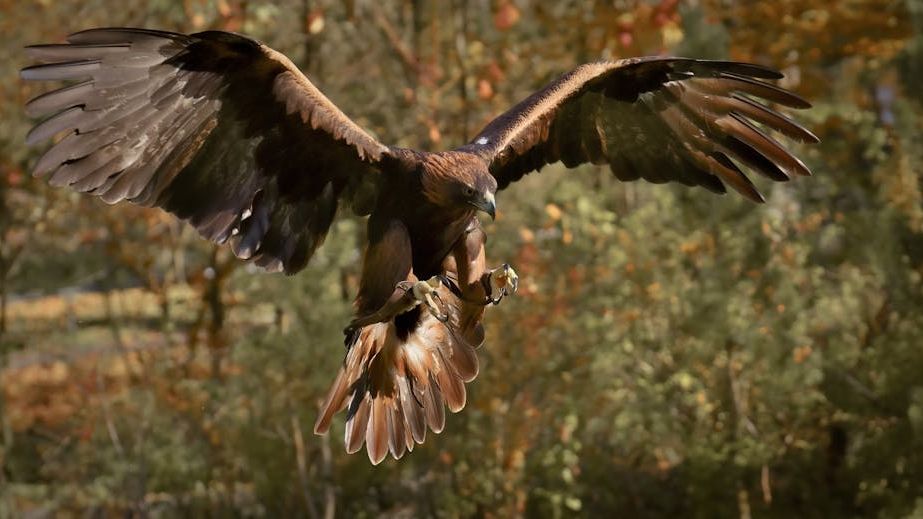
There is something undeniably electric about watching an eagle ride a thermal current high above the earth, scanning the ground with eyes sharper than any lens ever crafted. These birds are not just impressive to look at. They are among nature’s most precisely engineered killing machines, built across millions of years of evolution into aerial predators without equal.
Eagles are powerful predators and important cultural and societal symbols, and there are nearly 70 eagle species in the world. Yet most people can name only a handful. The variety hiding within that number is genuinely astonishing, from colossal sea giants that tip the scales like a small dog, to agile forest hunters that vanish into the canopy like shadows. Buckle up, because this is one wild ride through the raptor world.
1. Harpy Eagle – The Undisputed King of Power
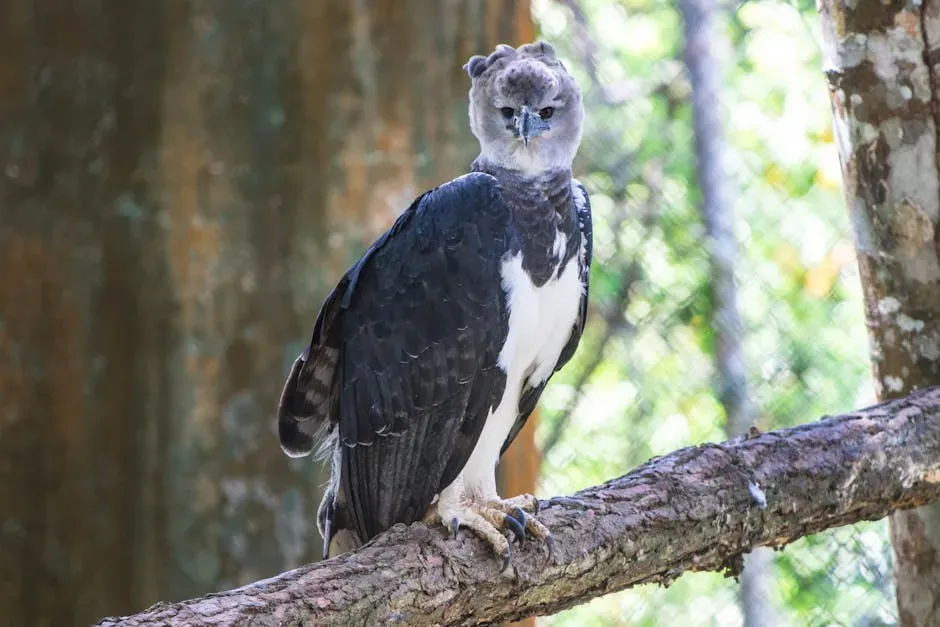
Let’s be real, when the conversation turns to the most powerful eagle alive, one name dominates every serious discussion. The harpy eagle ranks among the world’s largest living eagles and is widely considered to be the most powerful eagle in the world, living in lowland tropical forests in the Americas. That title is not handed out lightly.
Harpy eagles can lift animals that weigh as much as 7.7 kg (17 pounds), and adults of both sexes have talons powerful enough to crush the bones of their prey. Honestly, when you think about that, it’s hard not to feel a little unsettled. The harpy and Philippine eagles both reach a metre or more from bill to tail tip, with wingspans double that, and their legs are armed with curved, dagger-like talons up to 7 cm long, comparable to those of a large brown bear.
Harpy eagle numbers have declined since the start of the 21st century as a result of habitat loss, hunting, poaching, and collisions with power lines, with studies reporting that between 110,000 and 250,000 adult birds remain. A sobering reminder that even the most powerful can be vulnerable.
2. Steller’s Sea Eagle – The Heavyweight Champion
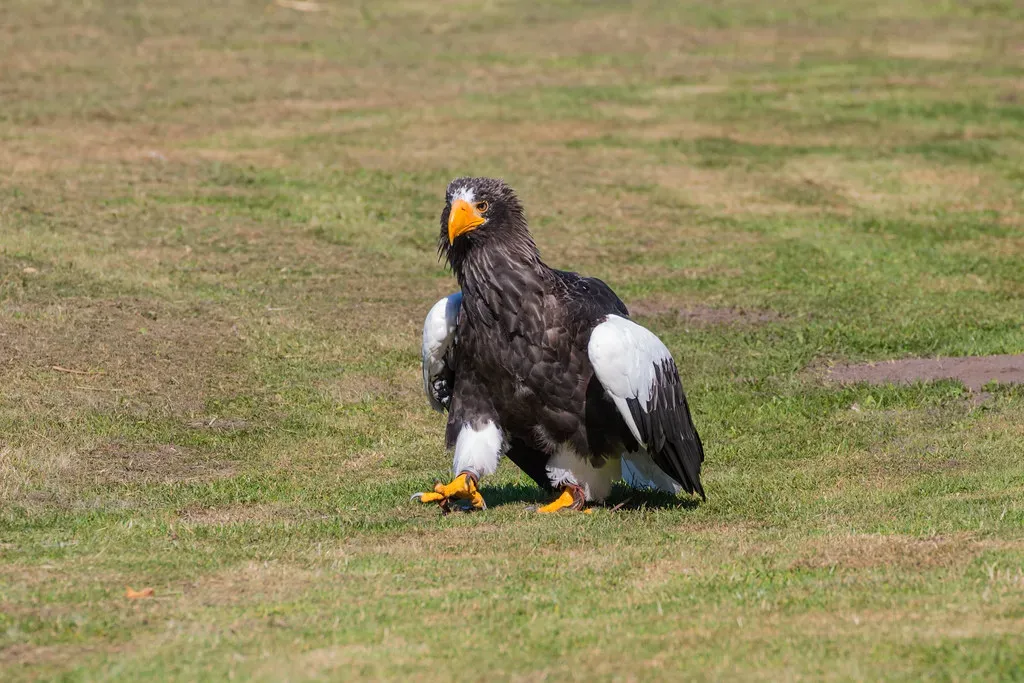
If power were measured purely by weight, this species would give the harpy a serious run for its money. Steller’s sea eagles are the largest eagles in the world by weight, with most of these powerful birds having between an 8.2 and 8.5-foot wingspan and easily weighing upwards of 20 pounds. Think about that for a moment. That’s the weight of a standard bag of dog food, soaring through the sky.
The largest sea eagle is Steller’s sea eagle, found along the coasts of Korea, Japan, and Russia’s Far East, particularly the Kamchatka Peninsula, with a wingspan surpassing 2 metres and the capacity to weigh up to 9 kg. They also have bright orange beaks and are common sightings in the coastal areas of northeastern Asia, especially the Kamchatka Peninsula in Russia, with some also spotted in Japan and Korea.
3. Philippine Eagle – A Critically Endangered Giant
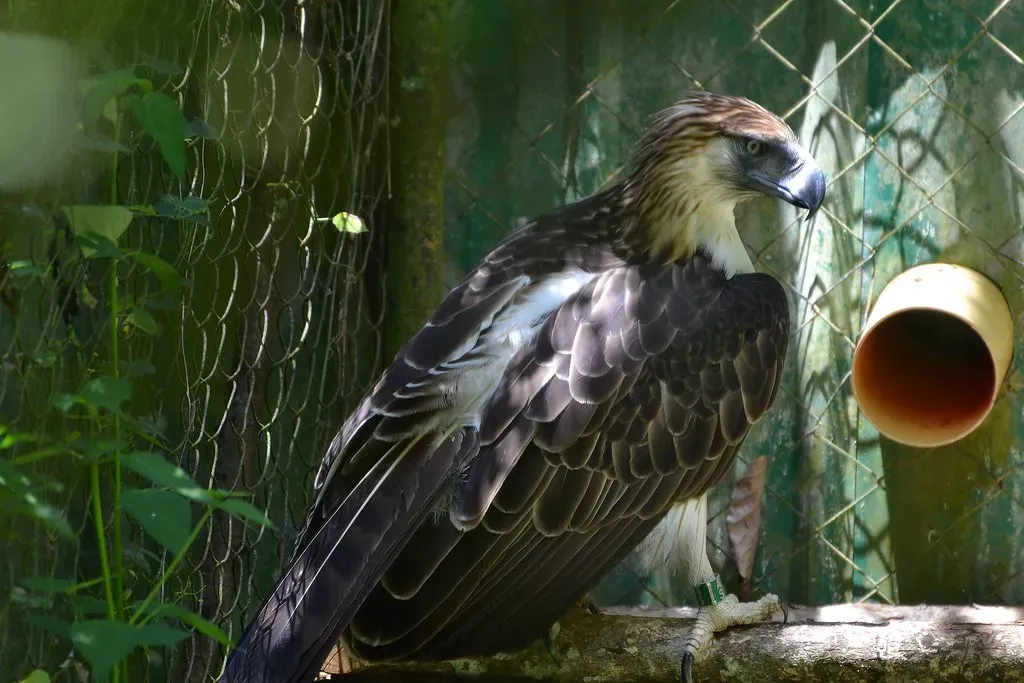
Here is one that deserves far more attention than it typically gets. The Philippine eagle is considered the largest of the extant eagles in the world in terms of length and wing surface area, with only Steller’s sea eagle and the Harpy Eagle being larger in terms of weight and bulk. That’s a remarkable standing for a bird clinging to survival.
It is one of the most endangered bird species in the world, with fewer than 500 pairs believed to survive in the wild, and it has a 6.5-foot wingspan. Philippine eagles, which are the national bird of the Philippines, dine on a diet of monkeys, bats, civets, flying squirrels, other birds, snakes, and lizards, and most live on the island of Mindanao. Losing this species would be nothing short of a tragedy.
4. Golden Eagle – The Sky’s Most Celebrated Hunter
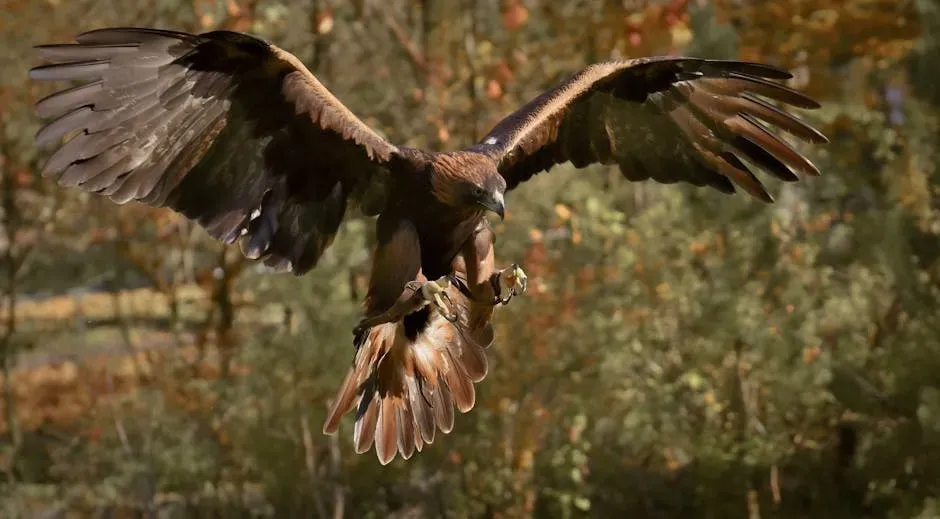
Few birds have captured human imagination the way the golden eagle has. The golden eagle is the largest eagle in North America and one of the most widespread predatory birds in the world. It is an icon across cultures, featured on national emblems and revered for millennia. Think of it as the athlete who shows up everywhere and wins.
Golden eagles are known for their agile flight capabilities, as well as their excellent hunting skills and powerful endurance, preying on a variety of animals including geese, ducks, pheasants, roe deer, deer, goats, foxes, marmots, and hares. This species has a vast distribution, ranging from North America through Europe and Asia to North Africa, occupying landscapes from sea level to alpine zones, favoring open terrain such as grasslands, deserts, and mountain slopes. Few eagles are this adaptable.
5. Bald Eagle – America’s Iconic Symbol
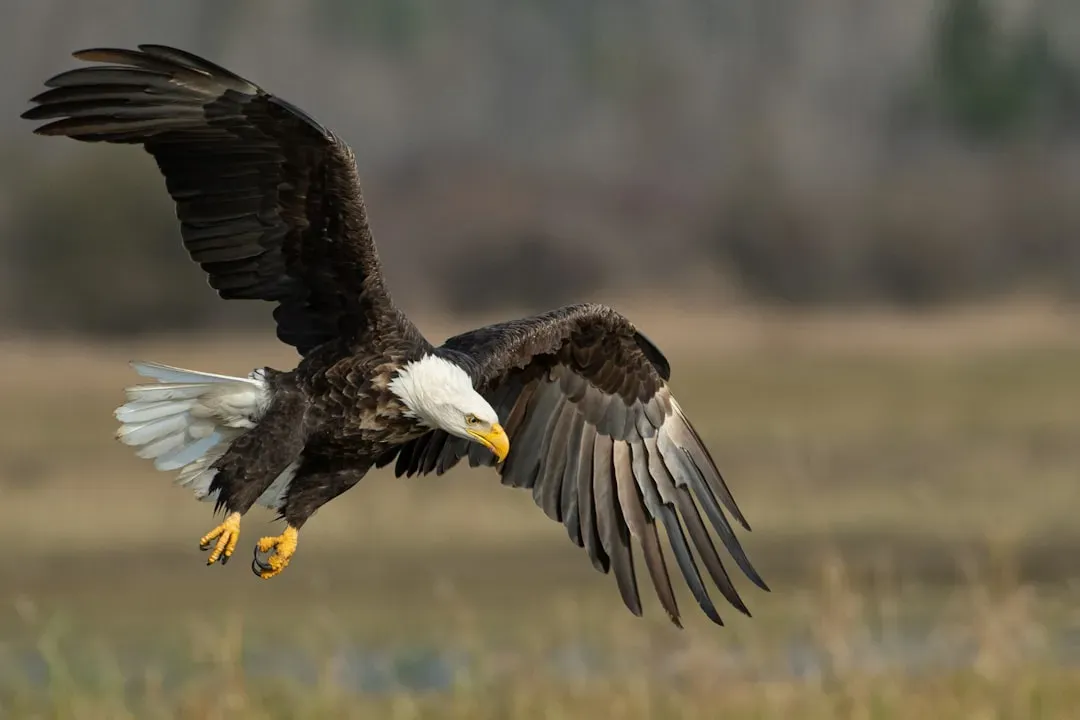
The bald eagle is the world’s most recognizable large eagle, famed as the national symbol of the United States. It’s one of those birds that practically everyone on the planet knows, mostly because America put it everywhere, from dollar bills to government seals. But there’s a surprising story behind how it earned that spot.
Benjamin Franklin was opposed to the idea of choosing the bald eagle as the national bird of the United States, possibly because of their scavenging nature, and favored the wild turkey instead, but the bald eagle was declared the national bird in 1782 despite his argument. Although protected by several laws including the Endangered Species Act, the bald eagle once faced extinction, but trends were reversed, populations recovered, and it was officially removed from the Endangered Species List in 1999. What a comeback story.
6. African Crowned Eagle – Africa’s Most Lethal Aerial Predator
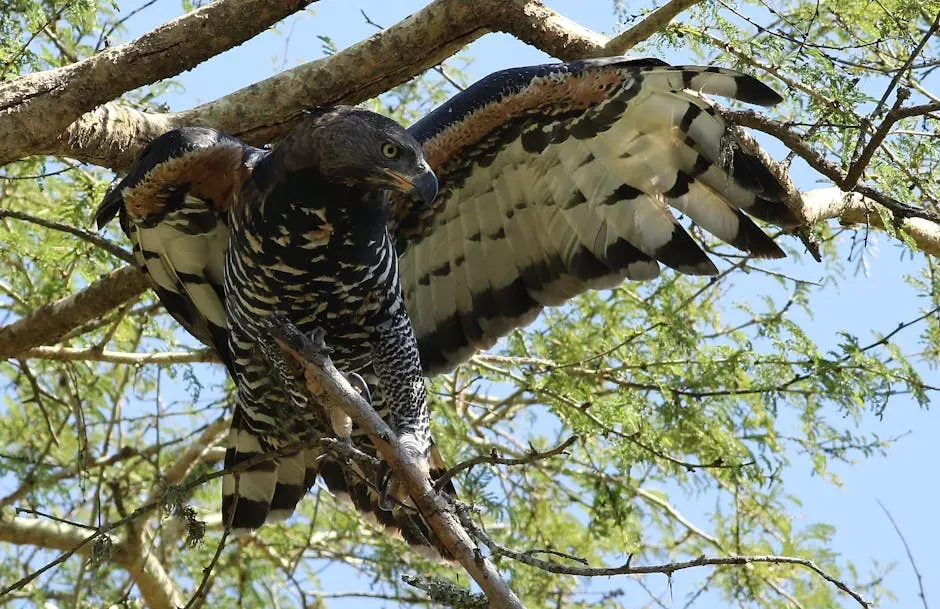
Do not be fooled by the relatively modest size of this bird. Crowned eagles hunt similarly to leopards, relying on stealth to get close before accelerating toward their prey, feeding on monkeys, rocky hyraxes, mongoose, snakes, monitor lizards, duikers, and chevrotains, and can kill animals weighing up to 20 kilograms. That last statistic is frankly mind-bending.
Although the talons of the crowned eagle are four-fingered like other eagles, what is different is that its thumb is unusually thick and its nails are extremely sharp, and when preying on primates such as baboons, it can use its claws to penetrate the skull of its prey. The African crowned eagle is now listed by the IUCN as Near Threatened, making its protection increasingly urgent.
7. Martial Eagle – Africa’s Largest Eagle
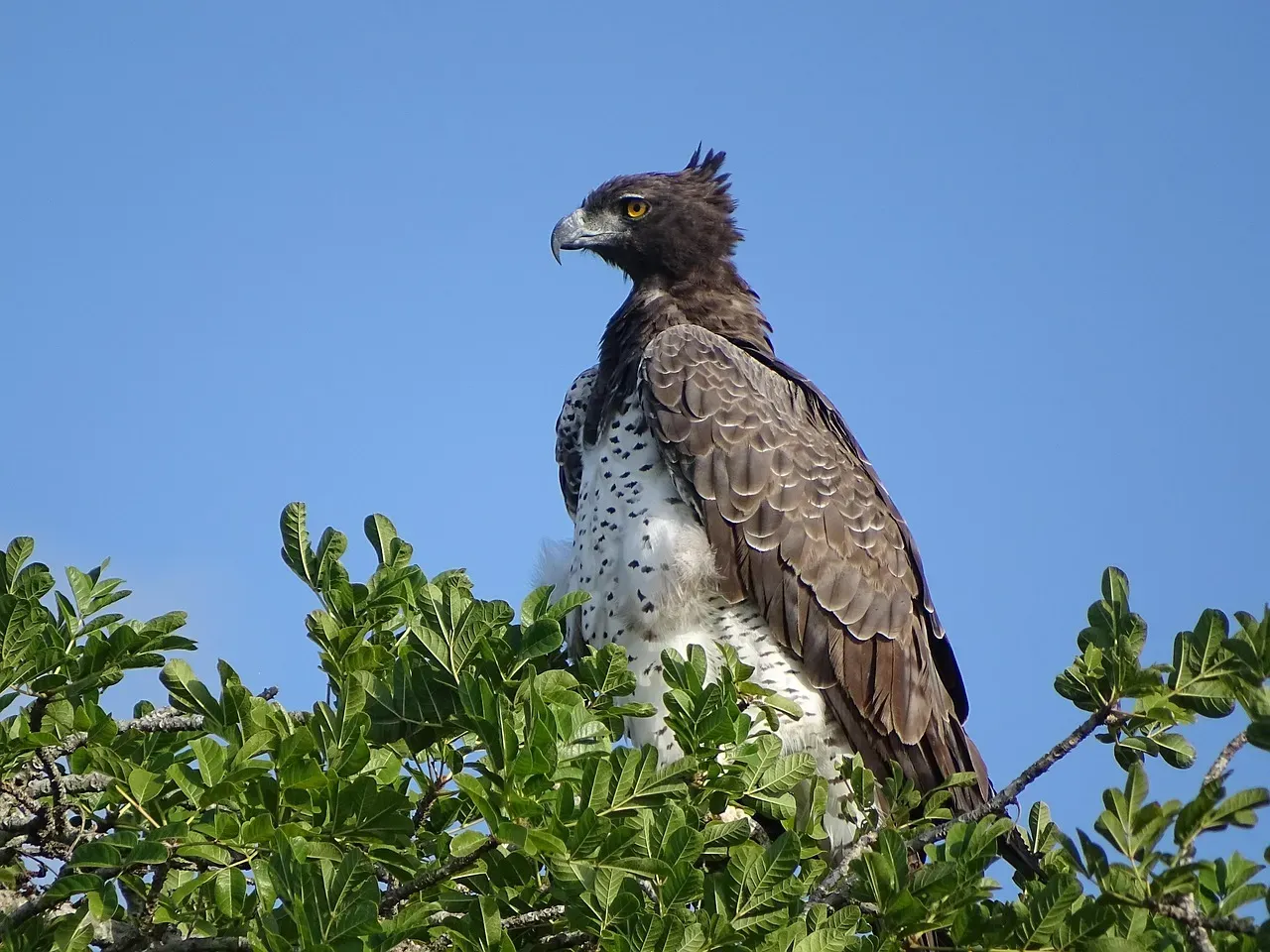
Africa’s largest eagle will swoop down to hunt venomous snakes, jackals, and antelope, and this majestic hunter can fly for hours, cruising on the thermals before descending to make a kill. It’s the kind of performance that sounds almost cinematic, until you realize it happens in real African skies every single day.
Martial eagles have impressive eyesight that is three times better than that of humans, and they can spot prey over distances of around five kilometers. These birds almost always build their nests in areas where they hunt, and it is not unusual for the martial eagle to have two nests, rotating between them in alternate years. Smart and strategic, this eagle plays a long game.
8. White-Tailed Eagle – Europe’s Wingspan Wonder
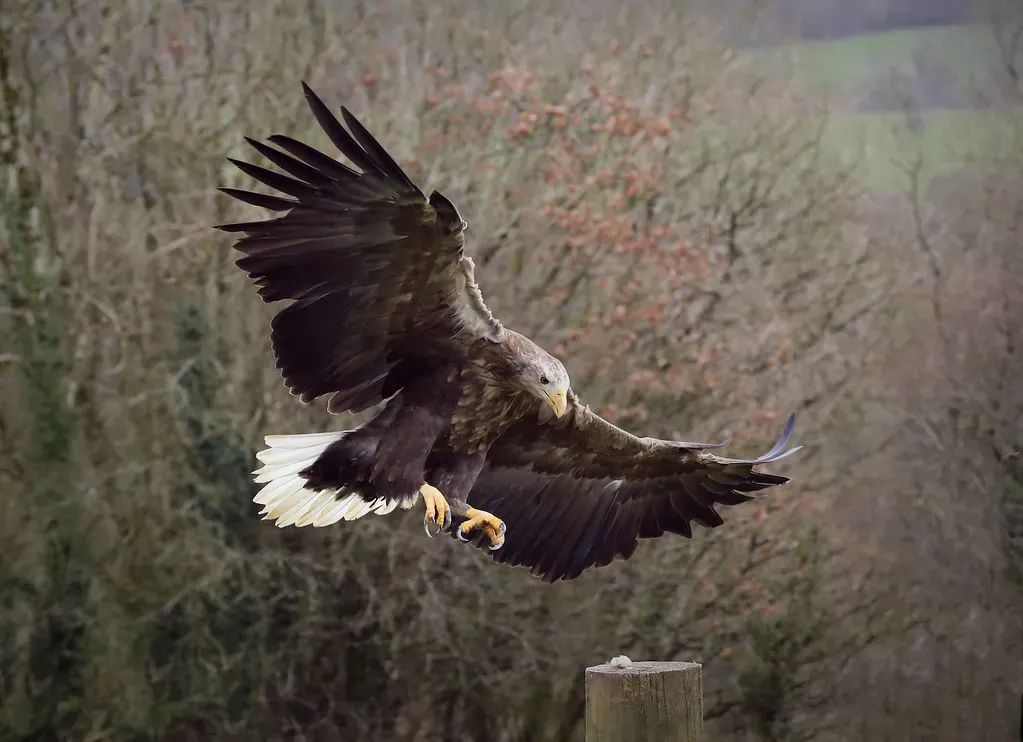
Imagine seeing a bird with wings that stretch wider than a full-grown man is tall, soaring above a Scottish loch. That’s what encountering a white-tailed eagle feels like. This sea eagle has a wingspan of up to 8 feet and likes to spread its wings across Greenland, Russia, and even parts of China. It is essentially the aerial equivalent of a flying barn door.
White-tailed sea eagles, native to Europe and beyond, had disappeared from the British Isles by 1918 and from most of southern Europe by the 1950s, but by the early 21st century, more than 5,000 breeding pairs could be found across northern Europe as a result of systematic reintroduction programs begun in the 1980s. That recovery is one of conservation’s great success stories, and I think it deserves far more celebration.
9. Wedge-Tailed Eagle – Australia’s Apex Avian
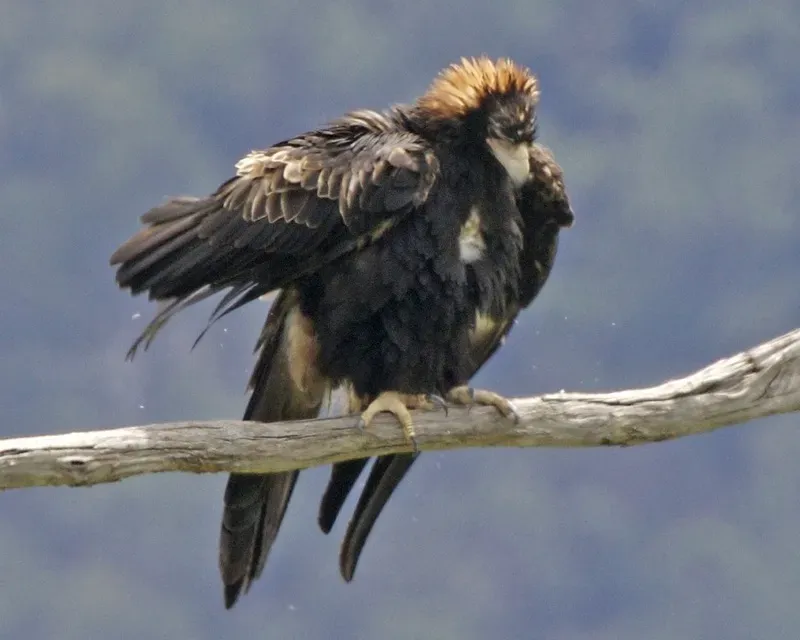
Despite an impressive 7.5-foot wingspan, wedge-tailed eagles are fairly small compared to global rivals, weighing only up to 12 pounds, but they are the biggest birds of prey in Australia. In a land already famous for its deadly animals, these eagles sit confidently at the top of the bird food chain.
This eagle is born featherless and pale pink, and throughout the first 10 years of its life, it progressively darkens to a near black shade. It’s like watching a dramatic character transformation in slow motion, stretched over a decade. They build nests in the tallest tree in their environment, even if those trees are dead, and commonly hunt rabbits, which they often scoop up alive.
10. African Fish Eagle – The Voice of Africa
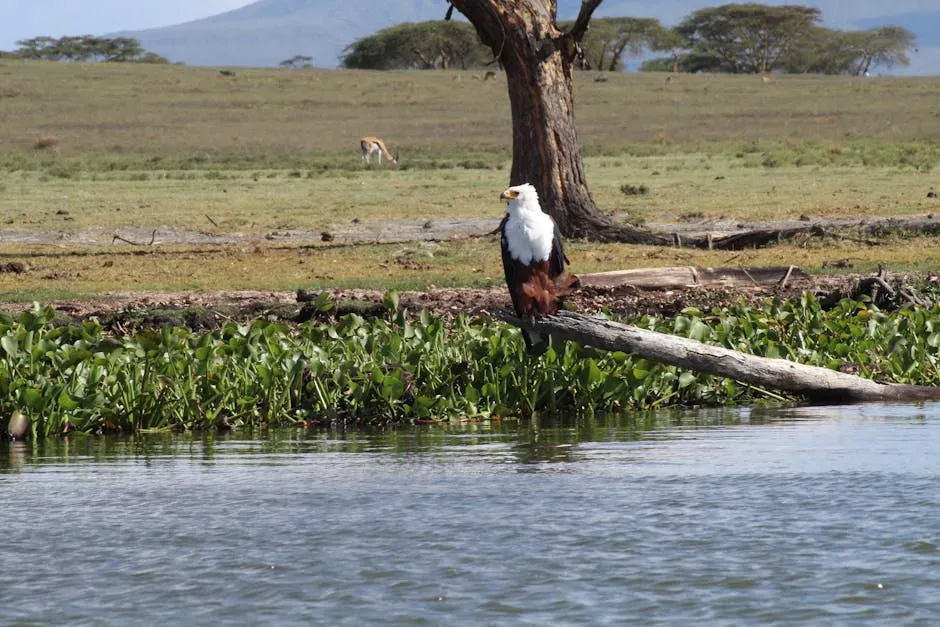
If you’ve ever watched a nature documentary set in Africa, chances are you’ve heard this eagle before you saw it. The stunning African fish eagle, with its milk-white head and tail, dark eyes, yellow cere, and chocolate brown back, has become synonymous with Africa’s inland waters, and its loud, piercing calls are a characteristic sound around African waterways. It is basically the soundtrack of an entire continent.
This species is still quite common near freshwater lakes, reservoirs, and rivers, and is indigenous to sub-Saharan Africa, ranging over most of continental Africa south of the Sahara Desert. The world’s most populous eagle may in fact be the African fish eagle, which has a stable total population estimated at 300,000 and is found solely in Africa. Abundance is its gift, and long may it last.
11. Verreaux’s Eagle – The Rock Hyrax Specialist
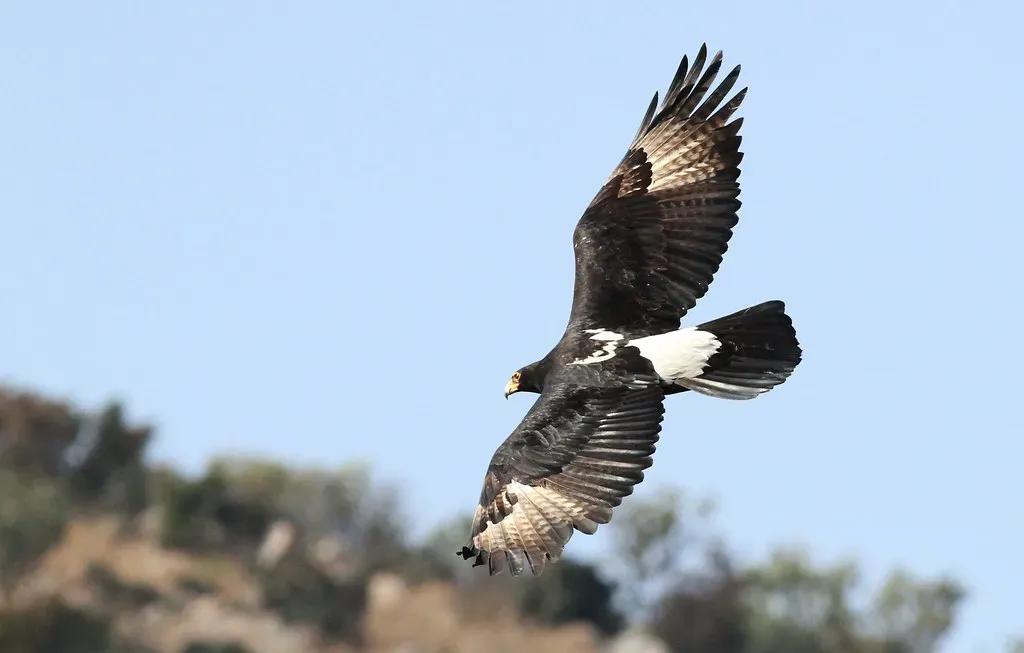
This one is fascinating because it represents something almost unheard of in the predator world: extreme specialization. Verreaux’s eagle is one of the most specialized species of accipitrid in the world, with its distribution and life history revolving around its favorite prey species, the rock hyraxes, though when hyrax populations decline, the species have been shown to survive on other prey such as small antelopes, gamebirds, hares, and monkeys.
Adult Verreaux’s eagles are mostly jet-black in color, with the yellow coloration of the cere and eye-ring standing out in contrast to the black plumage, and a prominent white V-shaped patch on the back, rump, and upper-tail coverts visible when seen from above in flight. They are usually seen in mated pairs and often hunt together with their partners, frequently hunting in low-level quartering flight before catching rock hyraxes after a rapid, somewhat twisting dive.
12. Crested Eagle – The Forest Phantom
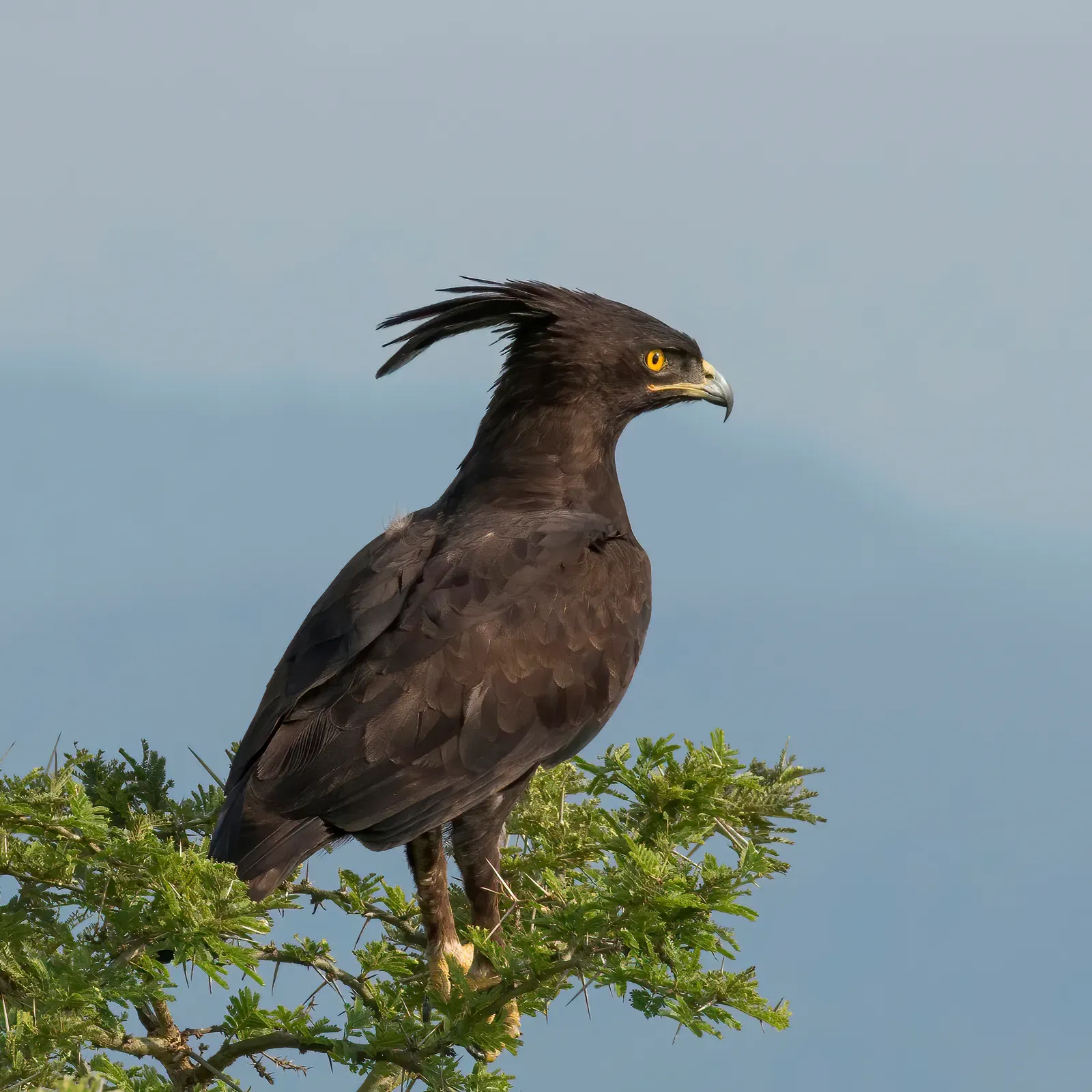
A neotropical forest eagle with a distinctive crest, the crested eagle is found in tropical forests across Central and South America, where both males and females have dark brown plumage with lighter underparts, though females are larger and more robust, and this secretive raptor preys on monkeys, birds, and reptiles, often ambushing from dense canopy cover.
Its elongated crest feathers and striking pale facial markings make it one of the most visually unique eagles in its range. It is the kind of bird that wildlife photographers dream about spotting. It’s hard to say for sure how many remain, but its secretive lifestyle in dense, shrinking forest makes monitoring a genuine challenge.
13. Solitary Eagle – The Mystery Bird
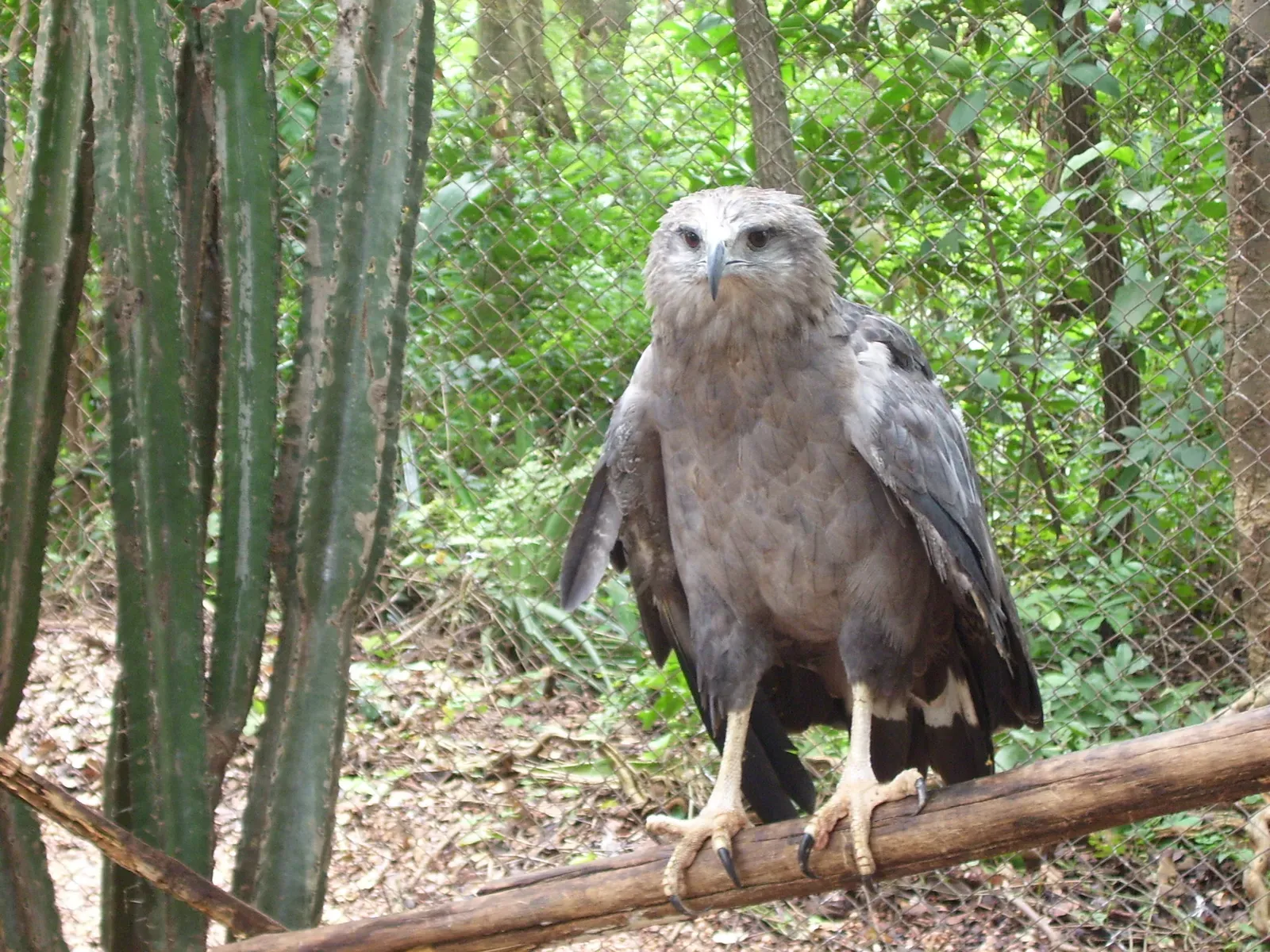
Some eagles command attention through power or size. The solitary eagle commands it through sheer rarity and mystery. A rare forest eagle with striking dark gray plumage, the solitary eagle inhabits forests and mountains in Central and South America, where males and females share similar coloration but females are slightly larger, and this species preys on reptiles, birds, and small mammals, often hunting from high perches, rarely seen in groups, with its secretive nature and rarity leaving much about its behavior and ecology a mystery.
There’s something poetic about an eagle that remains largely unknown to science even now, in 2026. It’s a humbling reminder that nature still holds secrets we haven’t unlocked. This might just be the most intriguing bird on this entire list.
14. Booted Eagle – Small but Perfectly Formed
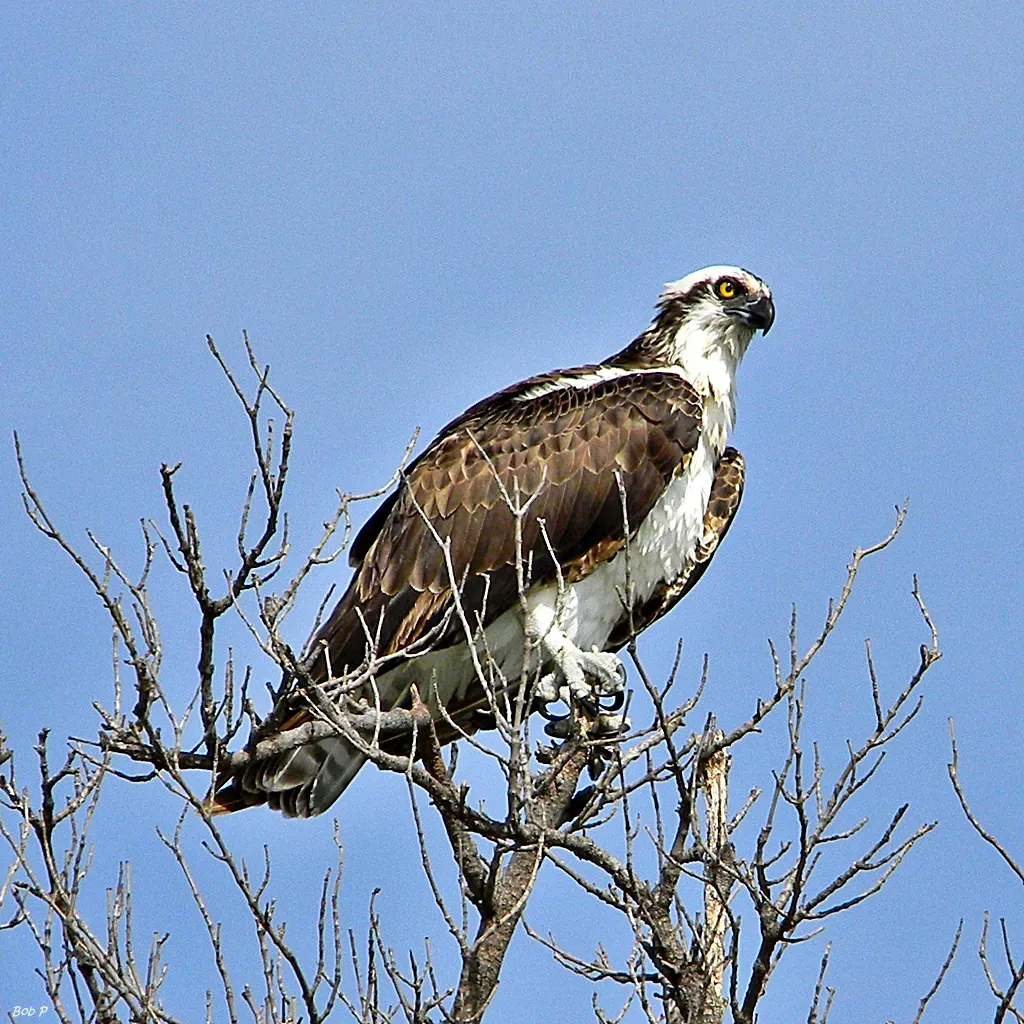
Don’t let the small size fool you. Even the booted eagle, which is comparable in size to a common buzzard or red-tailed hawk, has relatively longer and more evenly broad wings and more direct, faster flight, despite the reduced size of its aerodynamic feathers. Size, it turns out, isn’t everything in the raptor world.
All eagle species, including the small-sized booted eagle, have relatively longer, more evenly broad wings compared to hawks and buzzards, a characteristic that helps in faster, more direct flight, and they have larger, heavier, and sharper beaks than other predatory birds that help in biting and tearing the flesh of prey with more force. This compact little predator punches well above its weight class.
15. Tawny Eagle – The Opportunistic Wanderer
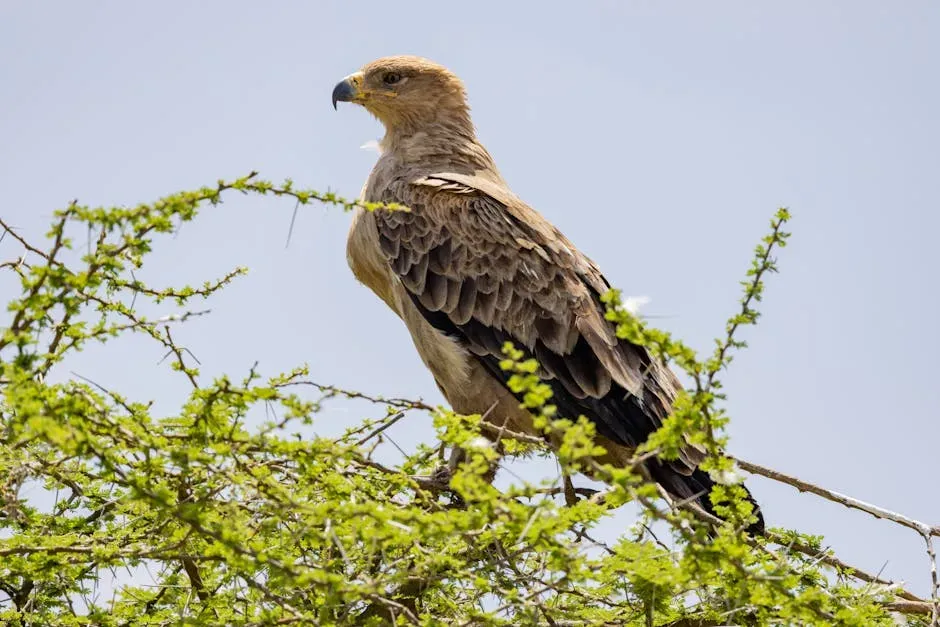
The tawny eagle is a magnificent bird of prey widespread across Africa and parts of the Middle East, and like many eagles, it is a formidable hunter, with a hooked beak and large, powerful talons providing the means to strike prey ranging from small mammals and birds to reptiles and insects. It adapts its menu to whatever opportunity presents itself, which is actually a brilliant survival strategy.
The tawny eagle is also an opportunistic scavenger and will not think twice about feeding on the kills of other predators, and its heavily feathered legs suggest it is part of the Aquilinae subfamily, known as booted eagles. Think of it as the eagle world’s consummate opportunist, never too proud to take advantage of a free meal.
16. Bateleur Eagle – Africa’s Acrobatic Marvel
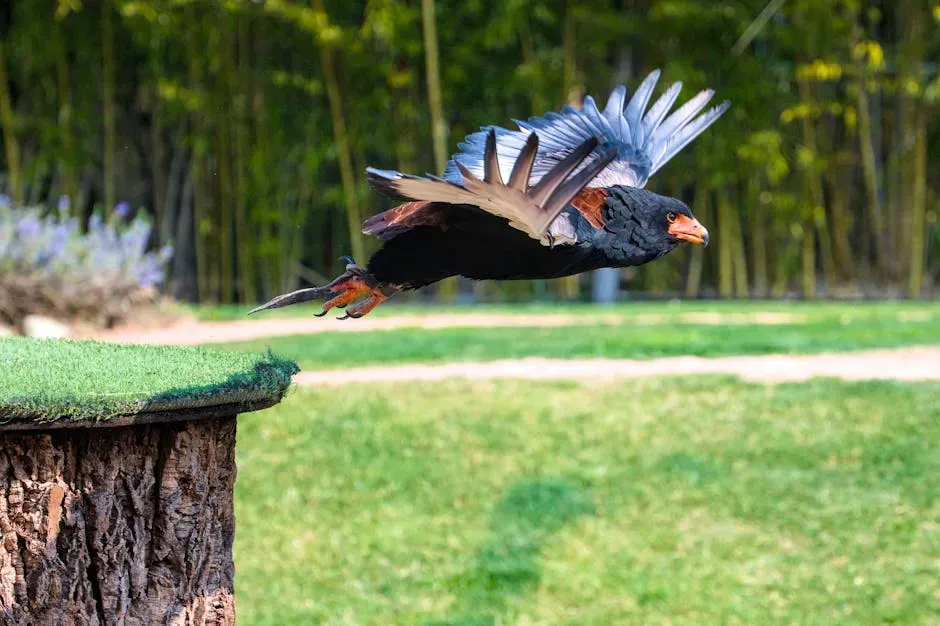
The bateleur is genuinely one of Africa’s most visually stunning birds of prey, and it moves through the sky differently from almost any other eagle. Its name literally comes from the French word for “street performer” or “juggler,” which tells you everything you need to know about how it flies. Snake and serpent eagles of the relevant genera predominantly prey on the great diversity of snakes found in the tropics of Africa and Asia.
The bateleur is known for its almost tail-less appearance and rocking, tilting flight style that makes it look like an acrobat rather than a predator. It spends an enormous portion of its day airborne, covering vast distances across African savanna. Watching one in flight is honestly like watching something that shouldn’t be physically possible.
17. Mountain Hawk-Eagle – Asia’s Powerful Forest Dweller
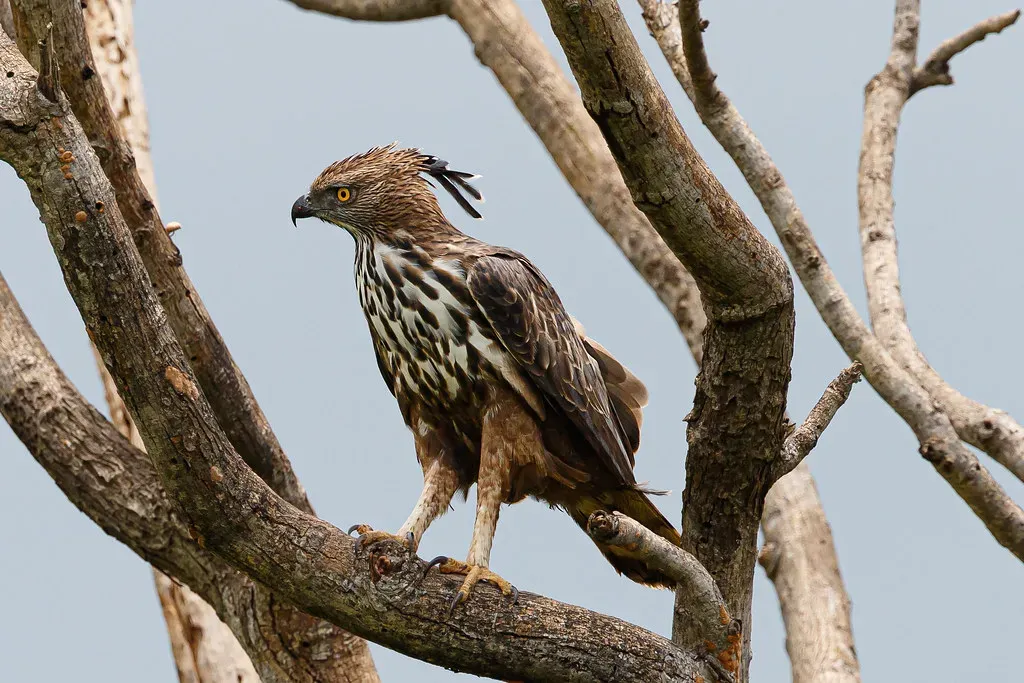
The mountain hawk-eagle is a powerful, goshawk-like eagle with a crest and longish gray tail with a few black bands, long rounded wings with black barring on their flight feathers, and adults are dark brown above and can have pale or barred underparts. It is the kind of eagle that seems designed specifically to navigate the most challenging terrain on earth.
These powerful eagles live in montane, densely forested habitats where they hunt a wide variety of animals, usually waiting on a perch and then swooping down to catch birds like pheasants, jays, chickens, and other medium-sized species. Patience is the mountain hawk-eagle’s greatest weapon, and in the dense forests of Asia, patience pays off handsomely.
18. Short-Toed Snake Eagle – Europe’s Reptile Specialist
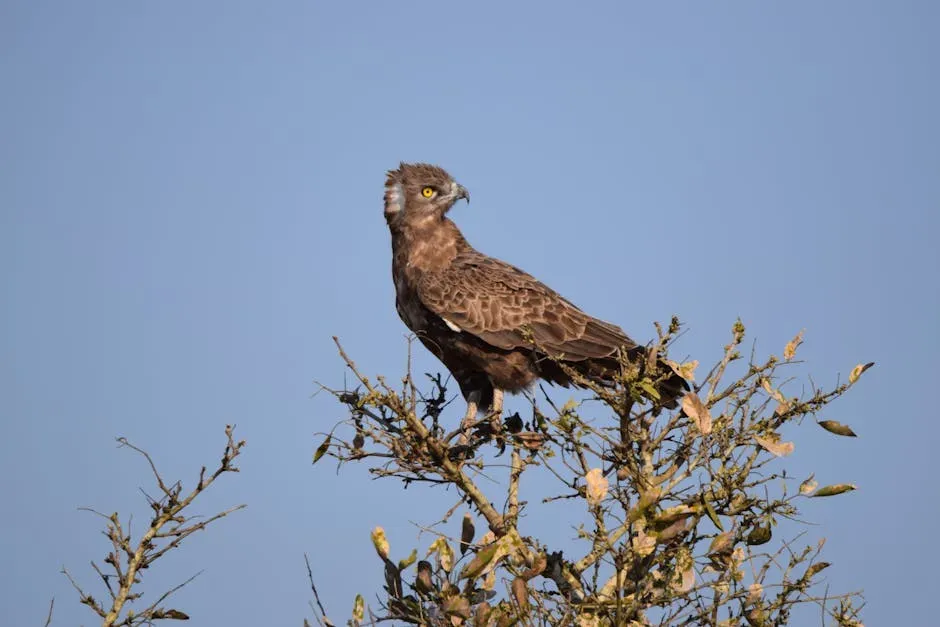
Here is a bird that has carved out an impressively specific ecological niche. Most snake or serpent eagles, as the name suggests, primarily prey on snakes. The short-toed snake eagle takes this to a remarkable extreme, hunting venomous snakes across Europe, the Middle East, and parts of Asia with calm, methodical precision. It’s essentially a flying snake-catching machine.
What makes this eagle remarkable is its fearlessness when confronting prey that could kill most other animals. The harrier eagles, belonging to the serpent eagle group of Europe, Asia, and Africa, are about 60 cm long and have short unfeathered legs – an adaptation perfectly suited to grabbing snakes without getting bitten. Nature’s engineering at its most elegant.
19. Bonelli’s Eagle – The Mediterranean Phantom
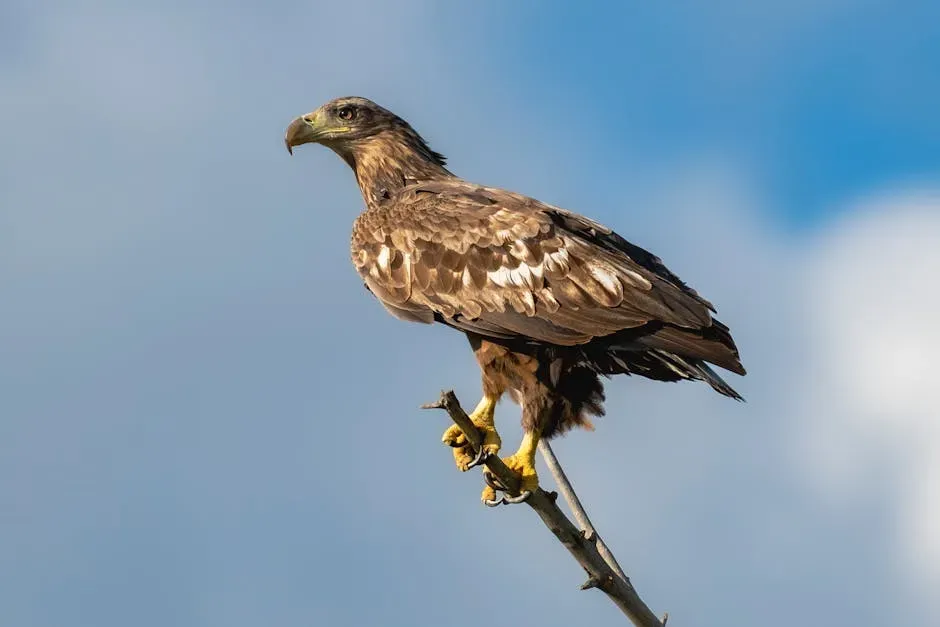
Bonelli’s eagle, found in Mediterranean areas and parts of southern Asia, is about 60 cm long, is dark above and light below, has a broad tailband, and usually shows a white patch on the back. It is a bird of sun-baked rocky hillsides and ancient forests, slipping between the world of large falcons and true eagles with unusual grace.
The Bonelli’s eagle is a fair-sized raptor that lives in rocky, sunny habitats with brushy vegetation, with adults being pale and gray-brown above with a pale patch on their back and fine streaking on their pale underparts, and also having dark marks on their thighs and a thick black line on the underside of their wings. This eagle is a true specialist of rugged, dramatic landscapes.
20. Spanish Imperial Eagle – A Conservation Triumph
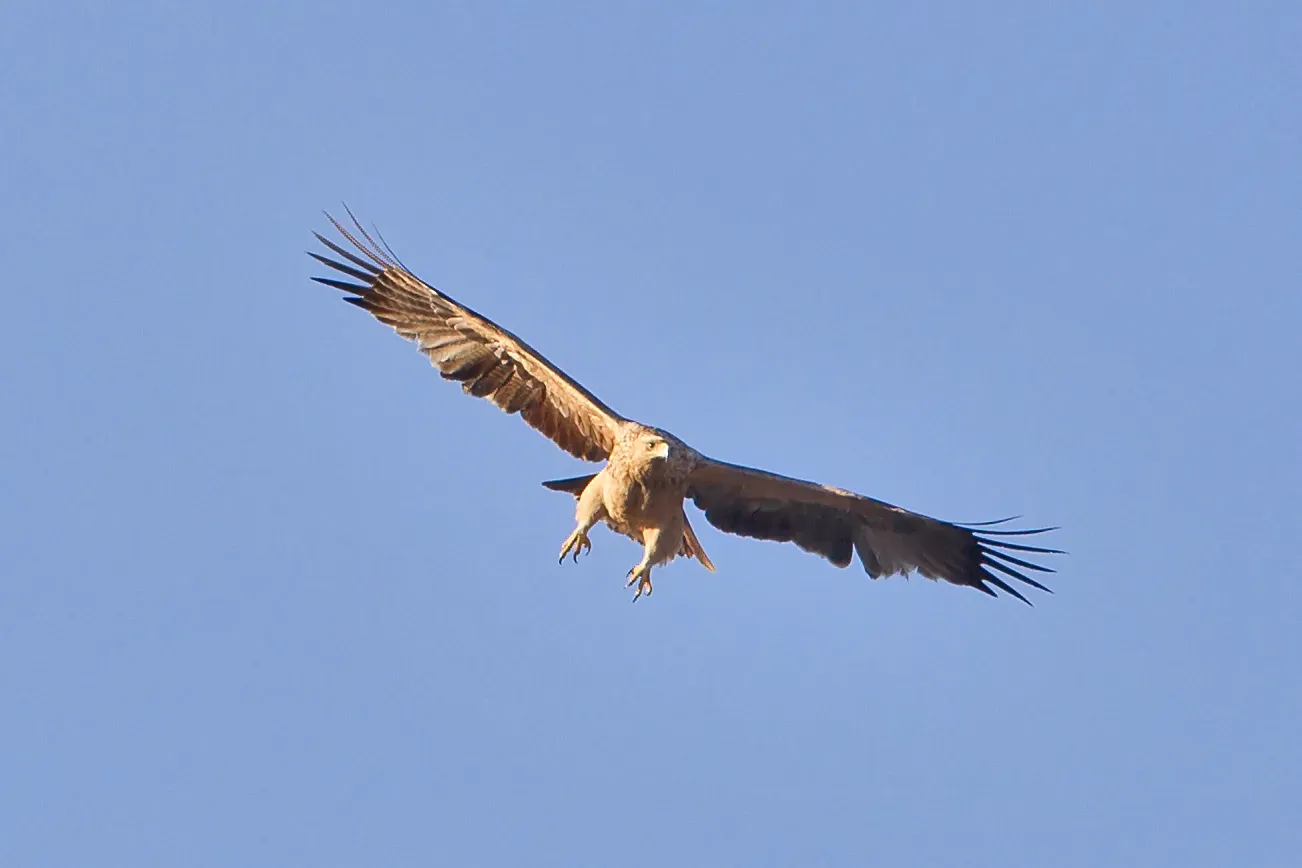
Few eagle stories demonstrate the power of determined human conservation effort better than this one. Spanish eagles live in Mediterranean woodlands and other, more open habitats in central and southern Spain and in parts of eastern Portugal, and during the 20th century, this special bird nearly went extinct from poisoning, flying into power lines, and a huge reduction in the rabbits it preys on, but thankfully, local conservationists worked hard to make changes that saved this magnificent bird.
This species hunts rabbits, some reptiles, and a variety of medium to large birds, and can catch them by swooping down from a perch or from high soaring flight. The Spanish imperial eagle’s recovery from near extinction is genuinely one of Europe’s proudest conservation wins. It’s living proof that when humans choose to act, real change is possible.
The Final Verdict: Which Eagle Reigns Supreme?

After exploring 20 remarkable species, the question everyone really wants answered is this: which eagle is truly the most powerful? The harpy eagle, considered to be the most powerful eagle in the world, lives in lowland tropical forests in the Americas. That verdict is supported by virtually every credible scientific source, and it’s not hard to understand why.
The harpy eagle is the heaviest of all living eagles, with large females reaching up to 10 kilograms, and although slightly shorter in wingspan than some rivals, its sheer bulk and strength set it apart, as it can lift prey equal to or even exceeding its own body weight, making it arguably the strongest eagle in terms of lifting power. No other eagle combines mass, talon strength, and hunting aggression quite so completely.
Still, raw power alone doesn’t tell the whole story. Despite the strength and intelligence of these birds, eagles are also exceptionally vulnerable to different risks due to their long reproductive cycles and slow population growth, and over half of all species of eagles are considered Critically Endangered, Endangered, Vulnerable, or Near Threatened. The real question worth sitting with is this: what kind of world do we want to live in, one that still has harpy eagles ripping through the Amazon canopy, or one that only remembers them in photographs? That answer is entirely up to us. What do you think? Share your thoughts in the comments below.

- 10 Most Famous Ghost Towns in The USA - July 28, 2026
- Why Gardening Is an Ideal Hobby for Zodiac Earth Signs - July 28, 2026
- The 12 Deadliest Animals in Minnesota - July 28, 2026