

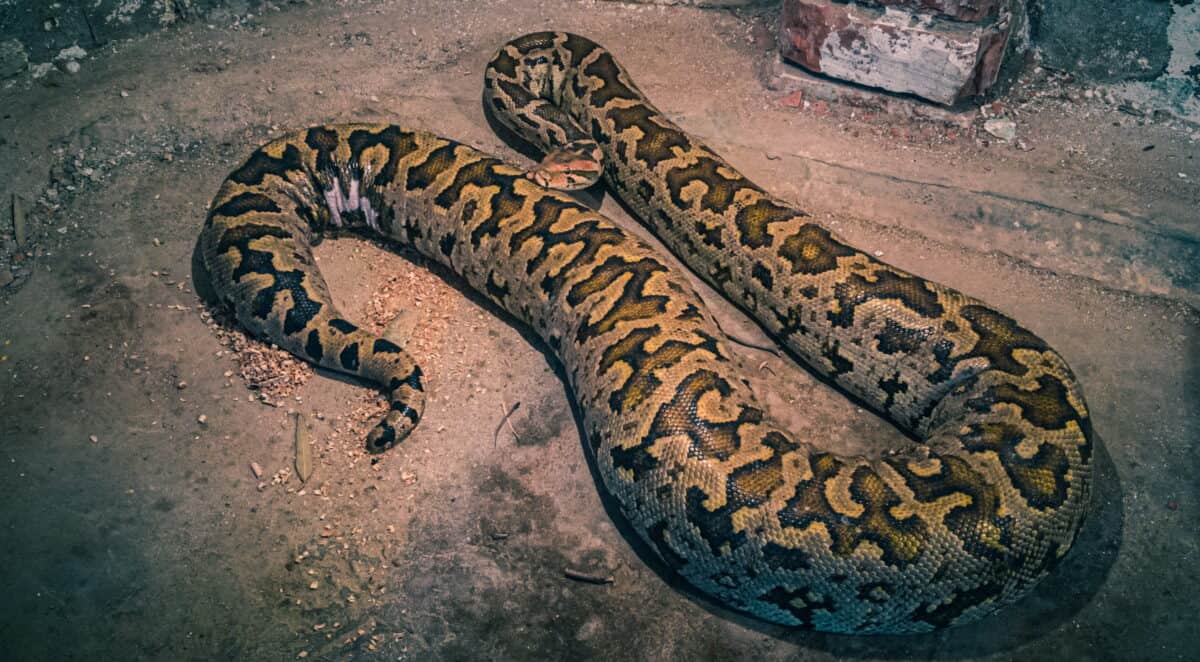
Florida’s wild landscape has always been home to some remarkable creatures, but nothing quite prepared wildlife officials for what they discovered in December 2022. Deep in the Everglades, a team of researchers stumbled upon a serpent so massive that it would rewrite the record books forever. This wasn’t just another big snake – this was a discovery that would shake the scientific community and capture the attention of wildlife enthusiasts worldwide.
The snake in question weighed an astounding 215 pounds and stretched over 18 feet in length, making it the heaviest Burmese python ever documented in Florida’s history. But this record-breaking capture tells a much larger story about Florida’s ongoing battle with invasive species and the incredible dedication of those working to protect the state’s native ecosystem.
The Record-Breaking Discovery
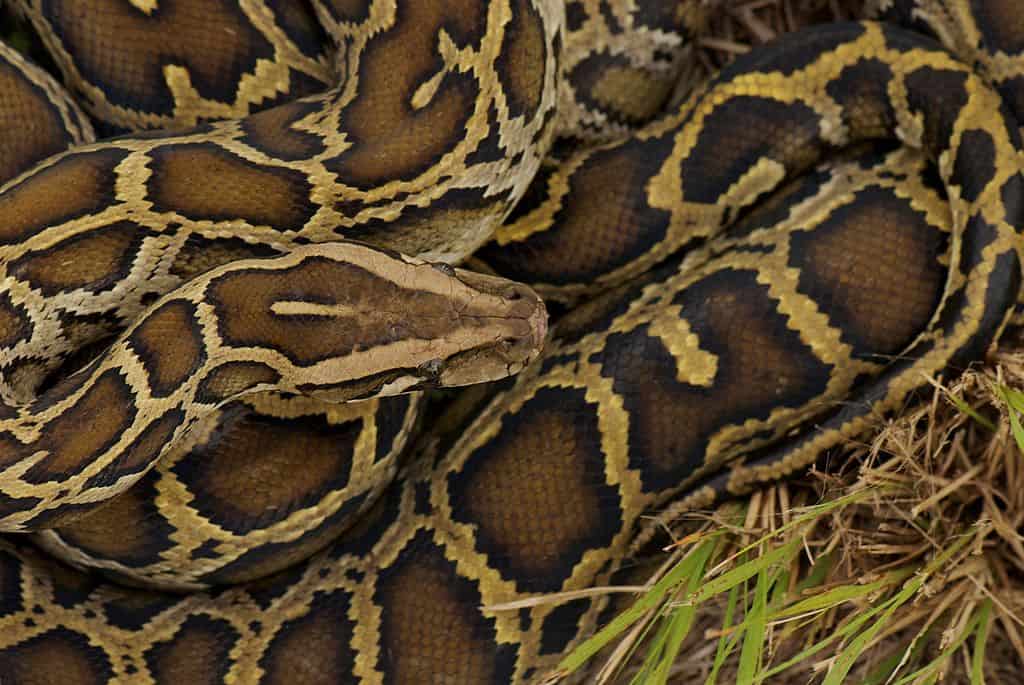
On a humid December morning in 2022, wildlife biologist Ian Bartoszek and his team were conducting routine python tracking in the western Everglades when they made the discovery of a lifetime. Using radio telemetry to follow a male python, they were led to an enormous female that dwarfed anything they had encountered before.
The massive serpent measured 18 feet and weighed an incredible 215 pounds, instantly earning the title of Florida’s heaviest captured python. To put this in perspective, this snake was heavier than most adult humans and longer than a full-sized car. The sheer size of this animal left even experienced researchers speechless.
What made this discovery even more remarkable was that the snake was found to be carrying 122 developing eggs, highlighting the reproductive threat these invasive species pose to Florida’s native wildlife. The capture took place in the Big Cypress National Preserve, an area known for its dense python population.
The Burmese Python Invasion
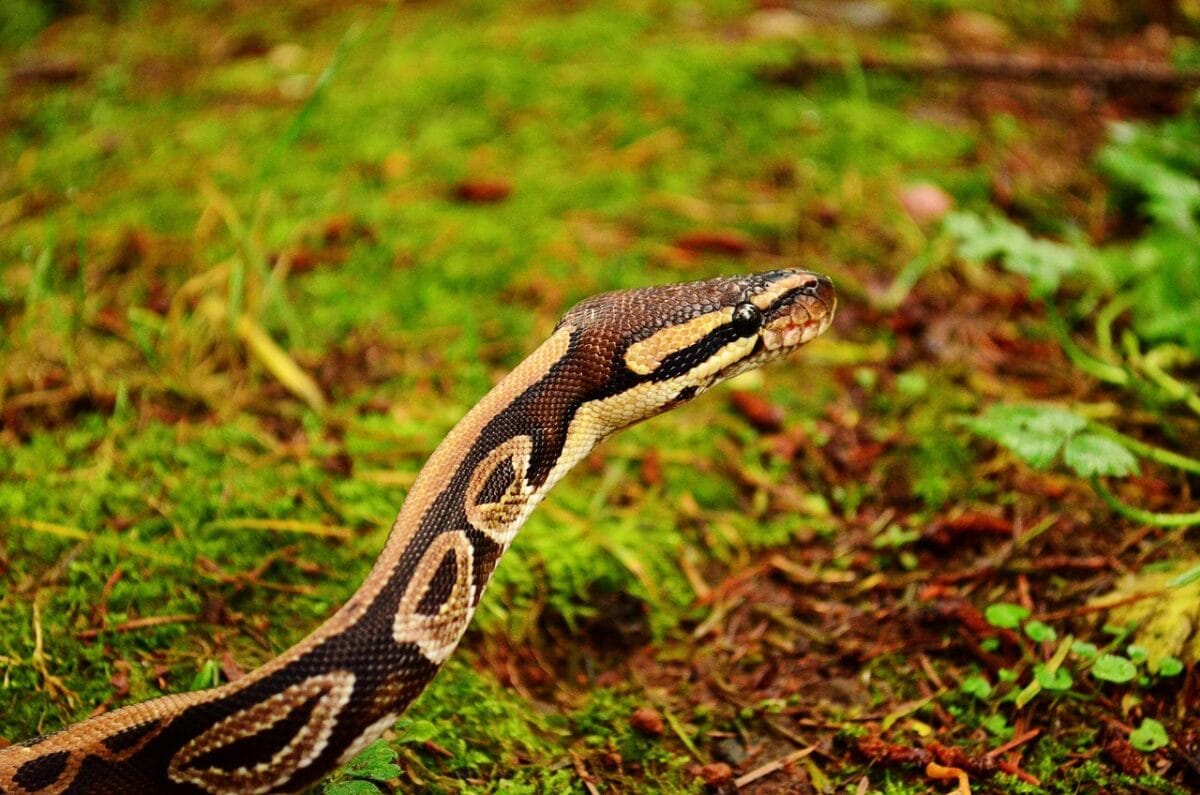
Burmese pythons aren’t native to Florida – they’re actually from Southeast Asia, where they naturally inhabit tropical forests and grasslands. These massive constrictors were first introduced to the Everglades in the 1980s, likely through the exotic pet trade and accidental releases during Hurricane Andrew in 1992.
What started as a few escaped pets has now become one of the most significant ecological disasters in Florida’s history. The warm, humid climate of the Everglades proved to be the perfect habitat for these Asian giants, allowing them to establish a thriving population that now numbers in the tens of thousands.
The lack of natural predators in Florida has allowed these pythons to grow to sizes that would be impossible in their native habitat. Without the tigers, leopards, and other large predators that would normally keep python populations in check, these snakes have essentially become the apex predators of the Everglades.
Physical Characteristics That Break Records
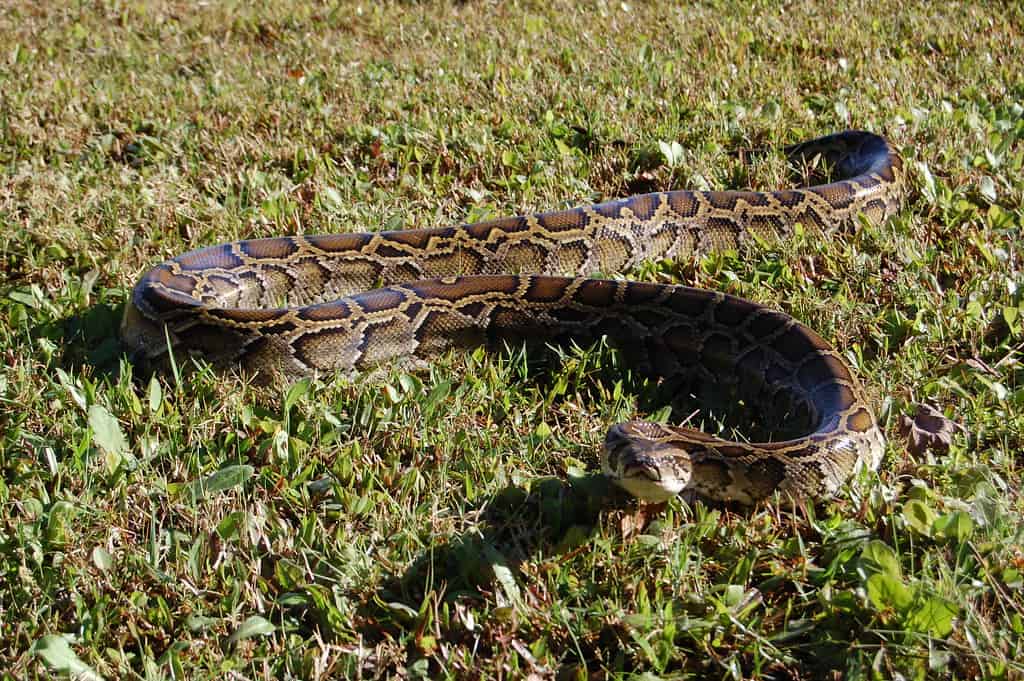
The record-holding python’s massive size wasn’t just impressive – it was scientifically significant. At 215 pounds, this female was carrying an enormous amount of reproductive potential, with 122 developing eggs discovered during the necropsy. This reproductive capacity is precisely why these invasive species pose such a threat to native ecosystems.
The snake’s girth measured over 35 inches at its widest point, making it as thick as a large tree trunk. Its head alone was the size of a football, equipped with hundreds of needle-sharp teeth designed to grip prey. The distinctive brown and tan pattern that covered its massive body served as perfect camouflage in the Everglades’ murky waters and dense vegetation.
What’s particularly fascinating is that this snake was still growing when captured. Burmese pythons continue to grow throughout their lives, and based on her size and condition, researchers estimated this female could have lived for several more decades, potentially reaching even more staggering dimensions.
The Tracking Technology Behind the Discovery

The capture of Florida’s heaviest python wasn’t a matter of luck – it was the result of sophisticated tracking technology and years of scientific research. The Conservancy of Southwest Florida has been using radio telemetry since 2013 to track these elusive giants through the vast Everglades ecosystem.
Researchers implant small radio transmitters in male pythons, which they then release back into the wild. These “scout snakes” are essentially biological tracking devices that lead scientists directly to breeding females during mating season. This technique has proven incredibly effective, as male pythons can travel miles to find females ready to breed.
The technology allows researchers to monitor python movements 24/7, providing crucial data about their behavior, preferred habitats, and breeding patterns. This information has been instrumental in developing more effective removal strategies and understanding the full scope of the python invasion.
The Capture Team and Their Heroic Efforts

The team responsible for capturing Florida’s heaviest python was led by Ian Bartoszek, a wildlife biologist with the Conservancy of Southwest Florida. Bartoszek and his team have dedicated their careers to python removal, often working in dangerous conditions deep in the Everglades where alligators, venomous snakes, and unpredictable weather pose constant threats.
The actual capture required multiple team members working together to safely handle the massive serpent. Given the snake’s size and strength, it took several people to restrain it without causing harm to either the animal or the researchers. The team’s expertise and specialized equipment were crucial in making this historic capture possible.
These researchers often work long hours in challenging conditions, wading through swamps and dense vegetation in pursuit of these elusive giants. Their dedication to protecting Florida’s native wildlife has made them modern-day conservation heroes, with each capture representing a small victory in the ongoing battle against invasive species.
The Ecological Impact of Giant Pythons
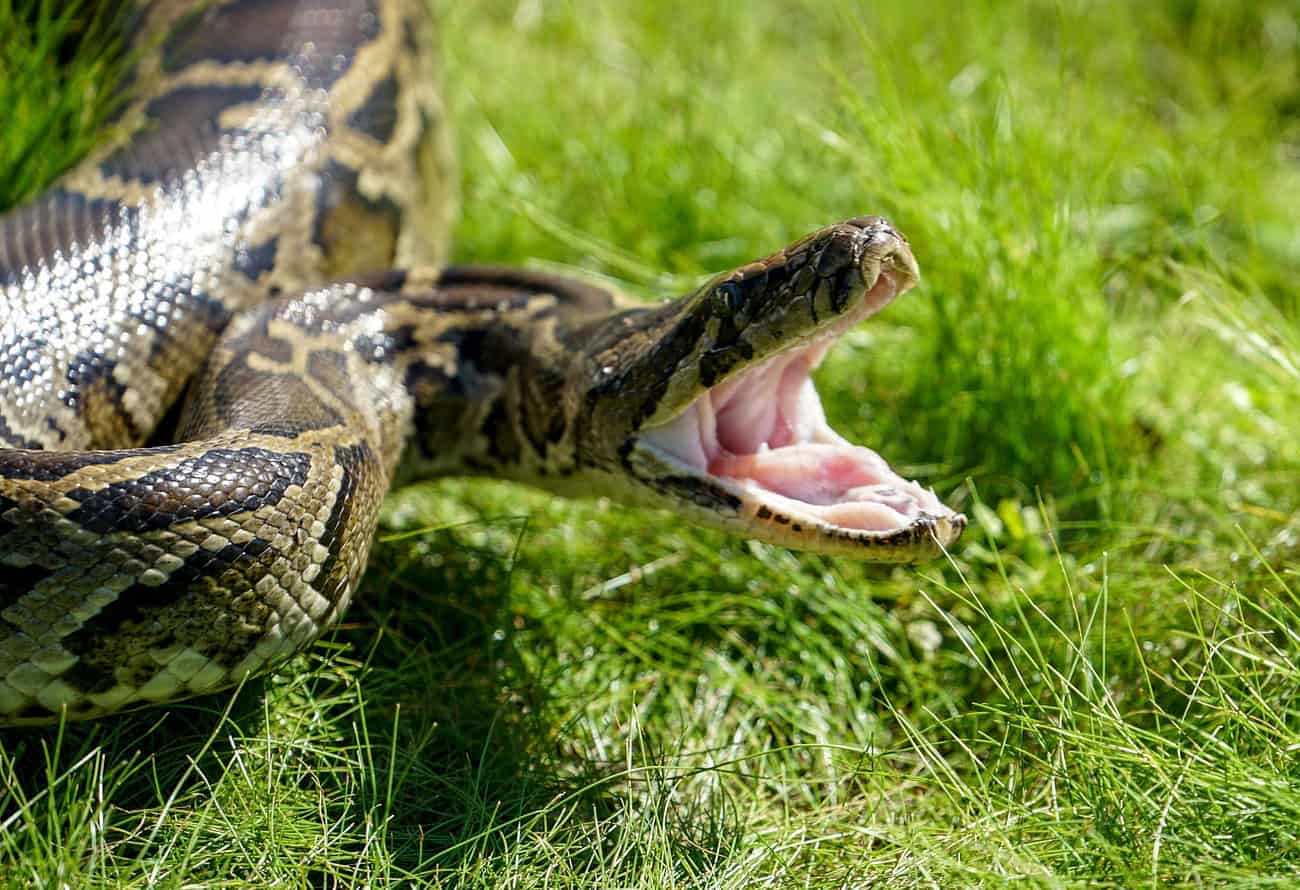
The discovery of such a massive python highlights the devastating impact these invasive species have on Florida’s native wildlife. Burmese pythons are apex predators capable of consuming animals as large as deer, alligators, and even small panthers. Their presence has led to dramatic population declines among native species throughout the Everglades.
Studies have shown that populations of rabbits, foxes, and bobcats have declined by up to 99% in areas with established python populations. Birds, small mammals, and even young alligators are all at risk from these powerful constrictors. The ecological balance that took thousands of years to establish is being disrupted by these foreign invaders.
The reproductive potential of a snake like the record-holder is particularly concerning. With 122 developing eggs, this single female could have produced over 100 offspring, each capable of growing to enormous size and consuming countless native animals throughout their lifetime.
Hunting Strategies of Record-Breaking Pythons
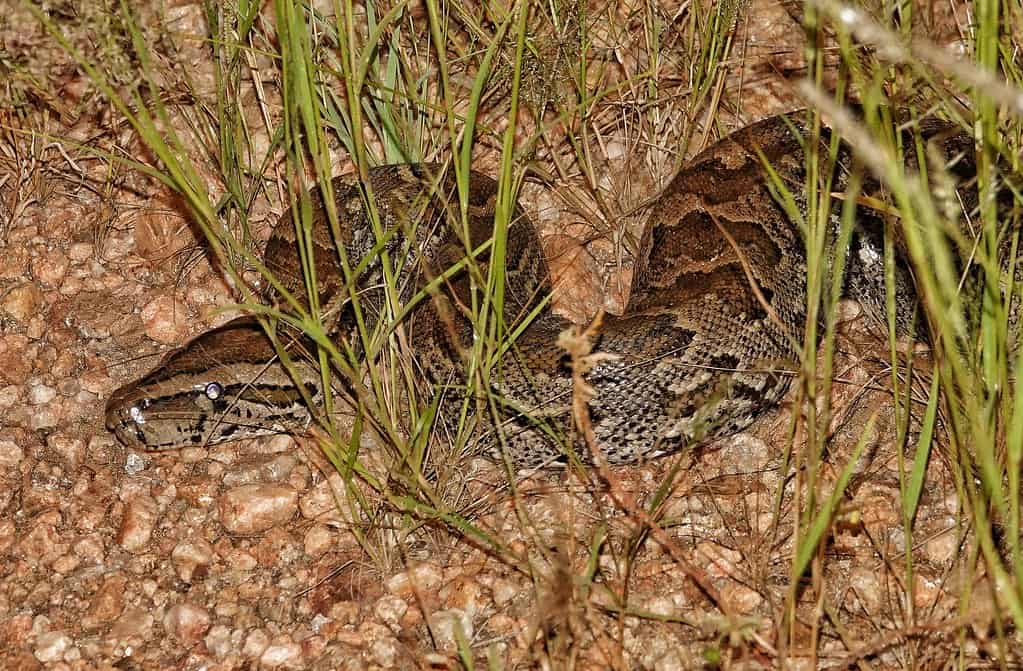
The sheer size of Florida’s heaviest python reveals the incredible hunting capabilities of these apex predators. Large pythons like this record-holder don’t need to hunt frequently – a single large meal can sustain them for months. This ability to go long periods without food makes them incredibly efficient predators and difficult to track.
These massive snakes are ambush predators, lying motionless for hours or even days waiting for the perfect opportunity to strike. Their heat-sensing pits allow them to detect warm-blooded prey in complete darkness, while their powerful muscles can exert crushing pressure of up to 90 pounds per square inch.
The hunting success of such large pythons has contributed significantly to the decline of native wildlife populations. A snake of this size is capable of consuming prey that would be safe from smaller predators, including young deer, large birds, and even medium-sized mammals that have no evolutionary defense against these foreign invaders.
Reproductive Capabilities and Population Growth
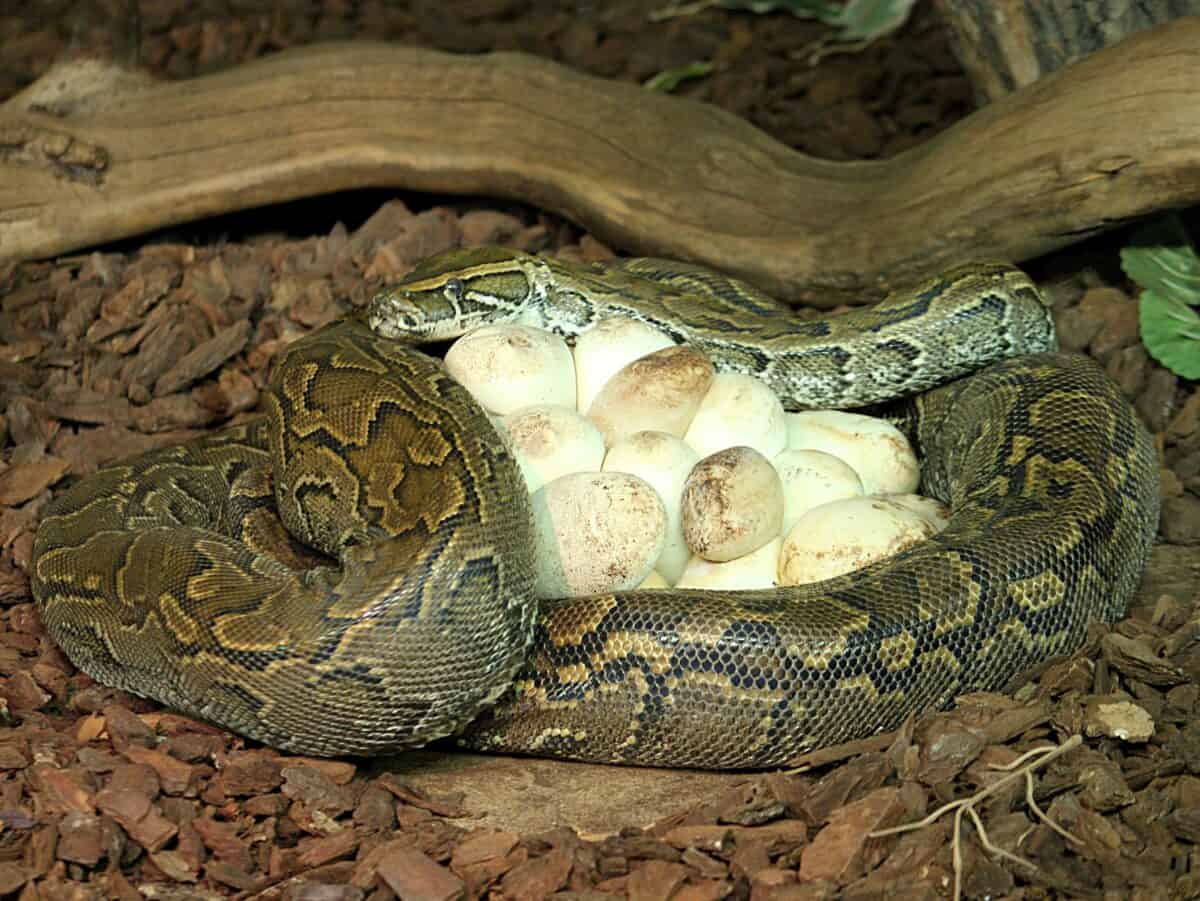
The discovery of 122 developing eggs inside the record-breaking python illustrates the explosive reproductive potential of these invasive species. Female Burmese pythons can lay between 20 and 100 eggs per clutch, with larger females typically producing more offspring. This means a single breeding female can significantly impact local ecosystems.
Python reproduction follows a fascinating pattern where females can store sperm for extended periods, allowing them to fertilize multiple clutches from a single mating event. This reproductive strategy ensures high success rates and contributes to the rapid population growth observed in Florida’s python populations.
The eggs themselves are remarkably resilient, with thick leathery shells that protect the developing pythons from environmental threats. The incubation period lasts approximately 60 days, during which the mother python coils around her eggs to regulate temperature and provide protection from predators.
Comparison with Other Record-Holding Snakes
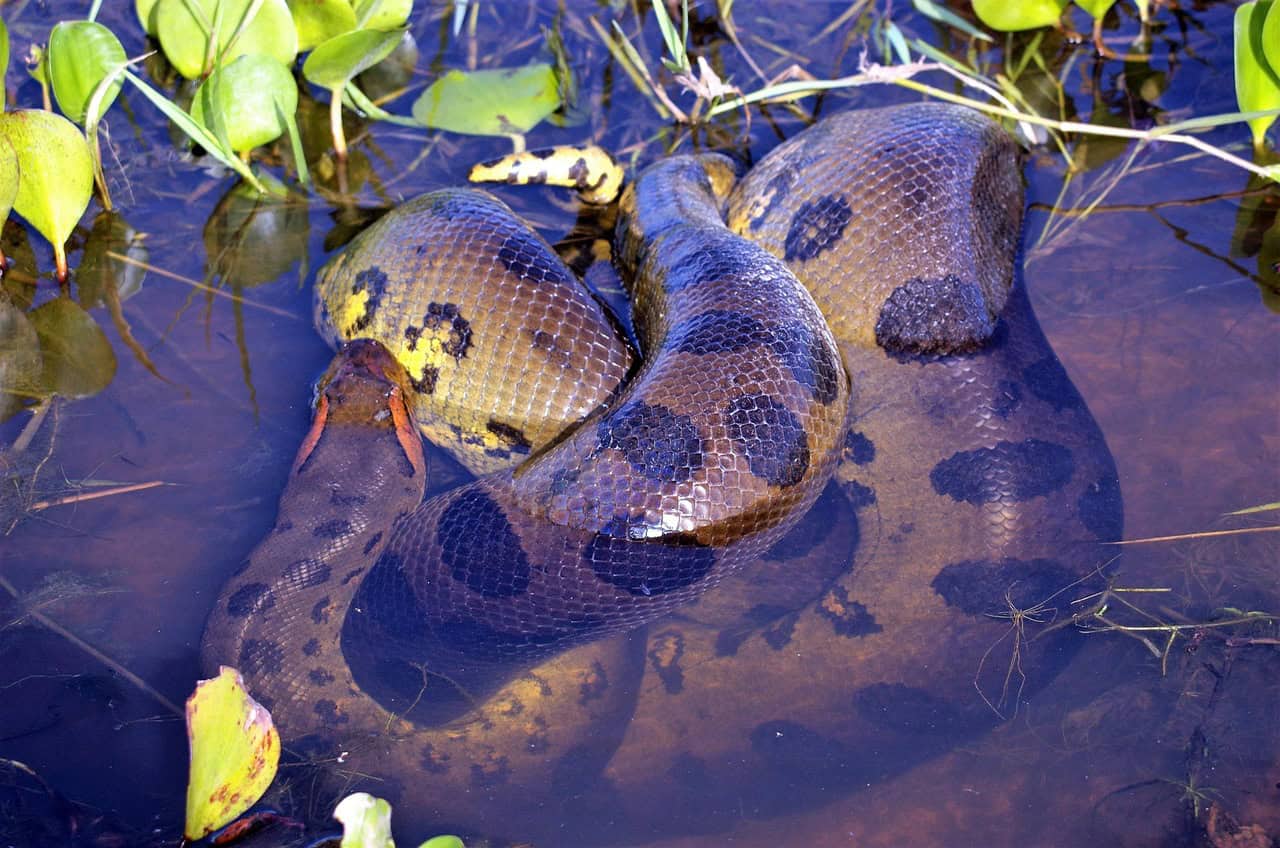
While Florida’s 215-pound python holds the state record, it’s fascinating to compare this giant with other record-holding snakes from around the world. The longest snake ever recorded was a reticulated python from Southeast Asia measuring over 32 feet, though it weighed significantly less than Florida’s heaviest python.
In terms of weight, the Florida python rivals some of the heaviest snakes ever documented globally. Green anacondas from South America can reach similar weights, but they’re typically shorter and thicker than Burmese pythons. The Florida record-holder’s combination of length and weight makes it truly exceptional.
What makes the Florida python particularly significant is that it achieved this record size as an invasive species in a non-native habitat. This suggests that the Florida environment may actually be more suitable for python growth than their native Southeast Asian habitats, which is both fascinating and concerning from an ecological perspective.
The Removal Process and Scientific Study
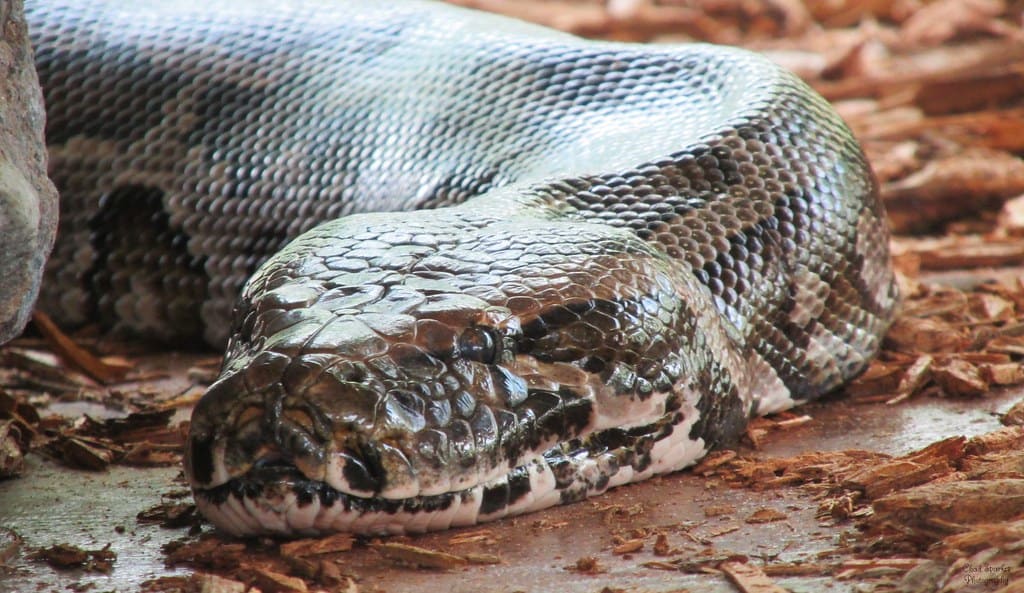
Once captured, the record-breaking python underwent extensive scientific examination to gather valuable data about python biology and behavior. The necropsy revealed not only the 122 developing eggs but also crucial information about the snake’s diet, health, and reproductive history.
Researchers carefully documented every aspect of the snake’s anatomy, from its massive skull to its powerful muscular structure. Tissue samples were collected for genetic analysis to better understand the population dynamics of Florida’s python invasion. This scientific approach ensures that each captured python contributes to our understanding of these remarkable but destructive animals.
The removal process itself requires specialized techniques and equipment. Large pythons like this record-holder must be handled with extreme care to prevent injury to both the snake and the research team. The goal is always to gather as much scientific data as possible while safely removing the threat to native wildlife.
Conservation Efforts and Python Control Programs

The capture of Florida’s heaviest python represents just one success story in the ongoing battle against invasive species. The state of Florida has implemented numerous programs aimed at controlling python populations, including the Florida Python Challenge, which encourages public participation in python removal efforts.
Professional python hunters and researchers work year-round to locate and remove these invasive species. The use of tracking technology, like the radio telemetry that led to the record-breaking discovery, has proven to be one of the most effective methods for locating breeding females and their associated males.
These conservation efforts require significant funding and public support to be effective. The collaboration between government agencies, research institutions, and private organizations has been crucial in developing comprehensive strategies for dealing with the python invasion.
Native Wildlife Recovery and Protection
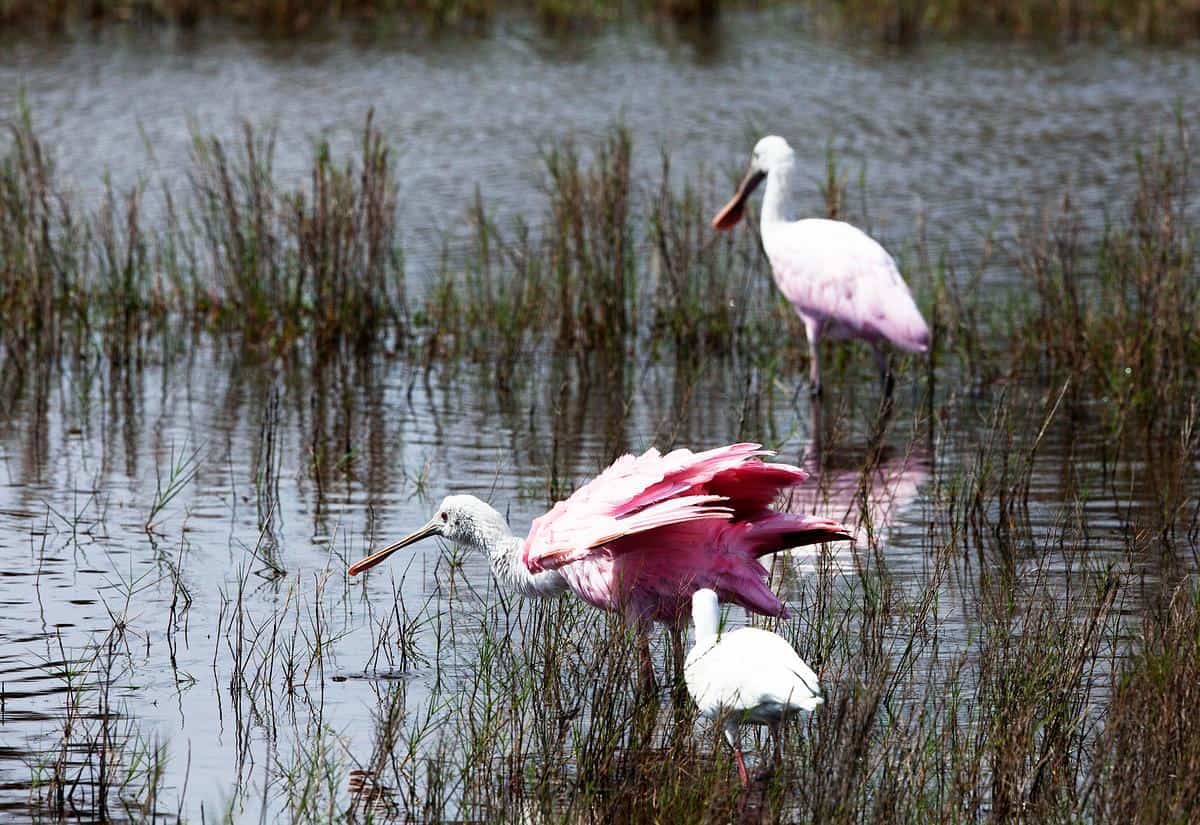
The removal of large breeding females like the record-holding python is crucial for protecting Florida’s native wildlife populations. Each captured female represents hundreds of potential offspring that will never threaten native species. This impact multiplies over time, as prevented python births mean thousands fewer predators in the ecosystem.
Conservation efforts are also focused on protecting and restoring habitats for native species that have been impacted by python predation. This includes creating python-free zones where native wildlife can recover and establishing breeding programs for severely impacted species.
The success of these recovery efforts depends heavily on continued python removal and public education about the importance of preventing future invasive species introductions. Every capture brings hope for the recovery of Florida’s unique and irreplaceable native wildlife.
Public Education and Awareness Campaigns
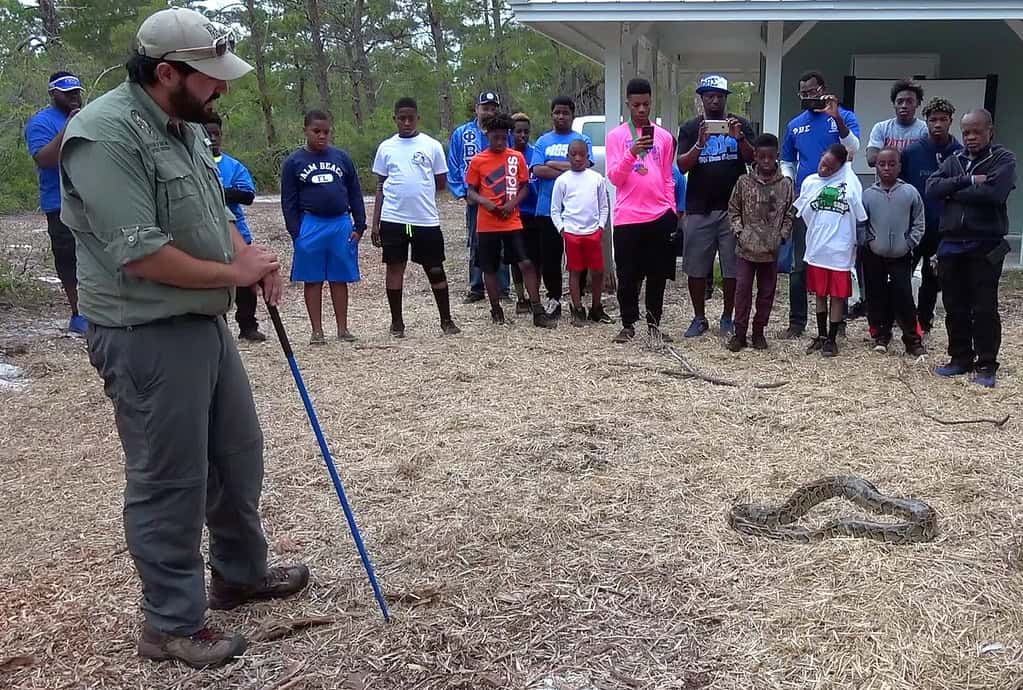
The discovery of Florida’s heaviest python has served as a powerful tool for educating the public about the dangers of invasive species. The dramatic size and weight of this record-breaking snake capture people’s attention and help illustrate the serious threat these animals pose to native ecosystems.
Educational programs emphasize the importance of responsible pet ownership and the devastating consequences of releasing non-native species into the wild. Many people are unaware that seemingly innocent actions, like releasing a pet python, can lead to ecological disasters that persist for decades.
These awareness campaigns also highlight the incredible work being done by researchers and conservationists to address the python invasion. By sharing stories of successful captures and the science behind python removal efforts, these programs inspire public support for conservation initiatives.
Future Implications and Research Directions
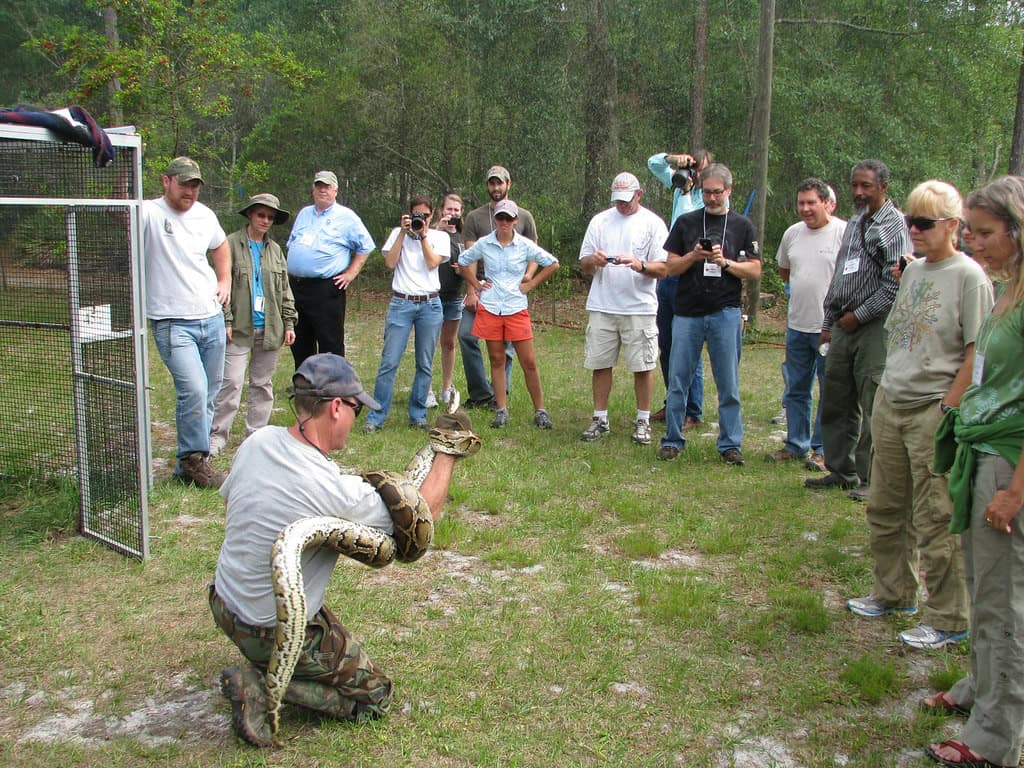
The capture of such a massive python raises important questions about the future of Florida’s ecosystems and the potential for even larger pythons to exist in the wild. As the python population continues to establish itself, researchers are concerned about the possibility of even more record-breaking discoveries in the coming years.
Future research will focus on developing more effective removal techniques, improving tracking technology, and understanding the long-term ecological impacts of python invasion. Scientists are also exploring biological control methods that could help manage python populations without harming native species.
The data collected from the record-breaking python and others like it will be crucial for developing predictive models about python population growth and distribution. This information will help guide future conservation efforts and policy decisions related to invasive species management.
Climate Change and Python Expansion
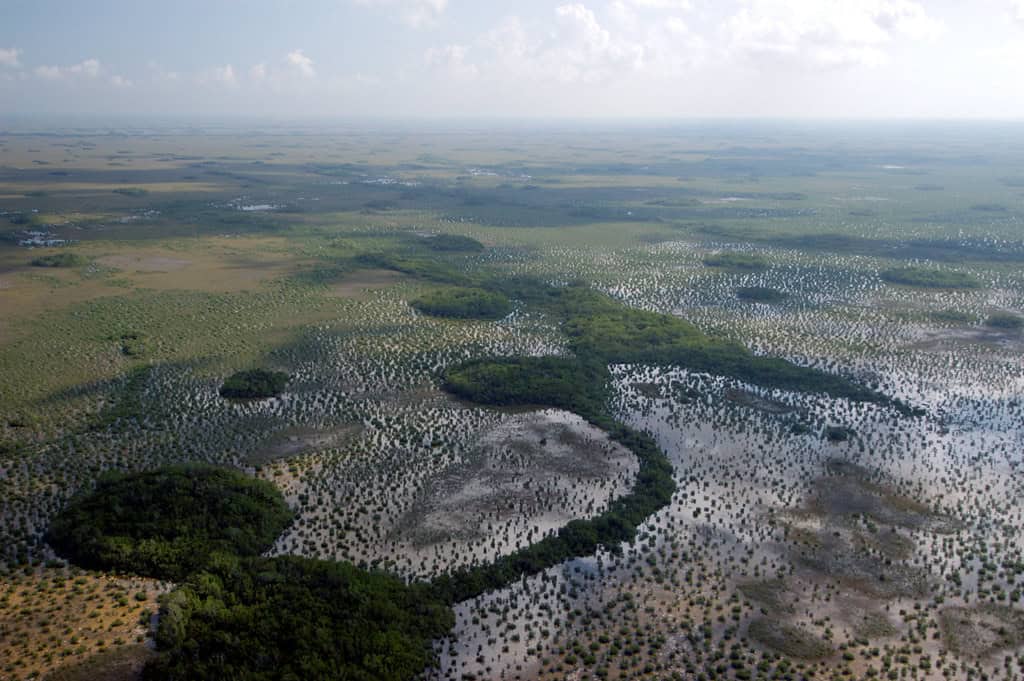
Climate change adds another layer of complexity to the python invasion story. As temperatures rise and weather patterns shift, the suitable habitat for Burmese pythons may expand beyond the current boundaries of the Everglades. This could potentially allow these massive snakes to establish populations in new areas throughout the southeastern United States.
The record-breaking python’s size and reproductive success demonstrate how well-adapted these animals are to Florida’s environment. If climate change creates more suitable habitats further north, the ecological impact of python invasion could spread well beyond Florida’s borders.
Researchers are closely monitoring python movement patterns and population dynamics to better understand how climate change might affect their distribution. This information is crucial for developing proactive management strategies and preventing further expansion of python populations.
Economic Impact of Python Invasion
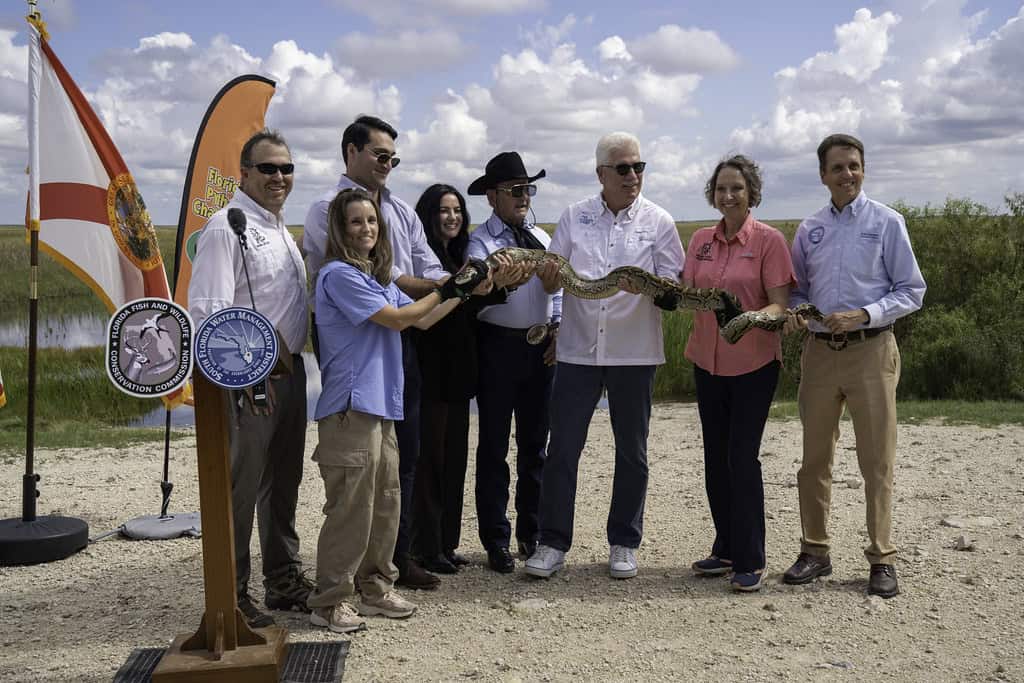
The presence of massive pythons like the record-holder has significant economic implications for Florida. The cost of python removal programs, research efforts, and habitat restoration runs into millions of dollars annually. Tourism, hunting, and fishing industries also suffer when native wildlife populations decline due to python predation.
On the positive side, python removal efforts have created new job opportunities and economic incentives. The Florida Python Challenge offers cash prizes for python captures, and some individuals have turned python hunting into profitable ventures. Python leather and meat markets have also emerged as ways to generate revenue from removed snakes.
The long-term economic impact of python invasion extends beyond direct costs to include lost ecosystem services and reduced biodiversity. The value of healthy ecosystems in terms of water filtration, flood control, and habitat provision is difficult to quantify but represents billions of dollars in natural capital.
Technology and Innovation in Python Detection
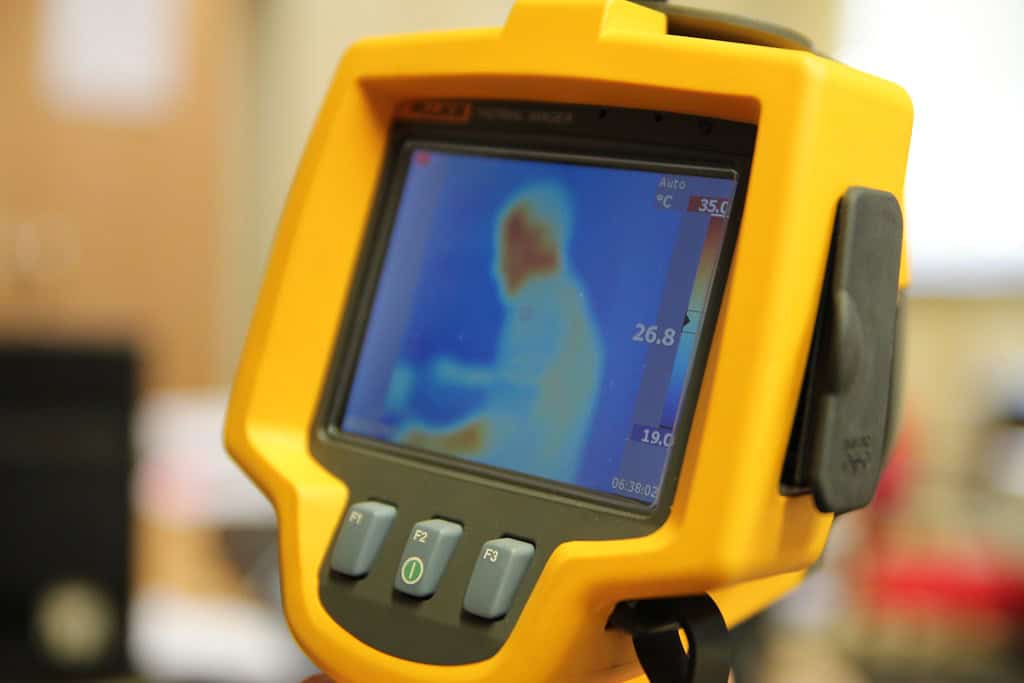
The successful capture of Florida’s heaviest python was made possible by advanced tracking technology, but researchers are constantly developing new methods for detecting and capturing these elusive giants. Thermal imaging, drone surveillance, and improved radio telemetry are all being explored as ways to enhance python removal efforts.
Artificial intelligence and machine learning are being applied to analyze python behavior patterns and predict where large individuals might be found. Environmental DNA sampling allows researchers to detect python presence in water bodies even when the snakes themselves cannot be observed.
These technological advances hold promise for making python removal more efficient and effective. The goal is to develop methods that can detect pythons at low population densities, preventing the establishment of new populations before they become ecological disasters.
International Cooperation and Research

The python invasion in Florida has attracted international attention and cooperation from researchers worldwide. Scientists from Southeast Asia, where Burmese pythons are native, have provided valuable insights into python biology and behavior that help inform management strategies in Florida.
International collaboration has also helped identify the genetic origins of Florida’s python population, providing clues about how these animals first arrived and established themselves in the Everglades. This information is crucial for understanding population dynamics and developing effective control measures.
Research partnerships with institutions in other countries facing similar invasive species challenges have led to the development of new techniques and strategies that benefit global conservation efforts. The Florida python invasion serves as a case study for invasive species management worldwide.
The Role of Citizen Science
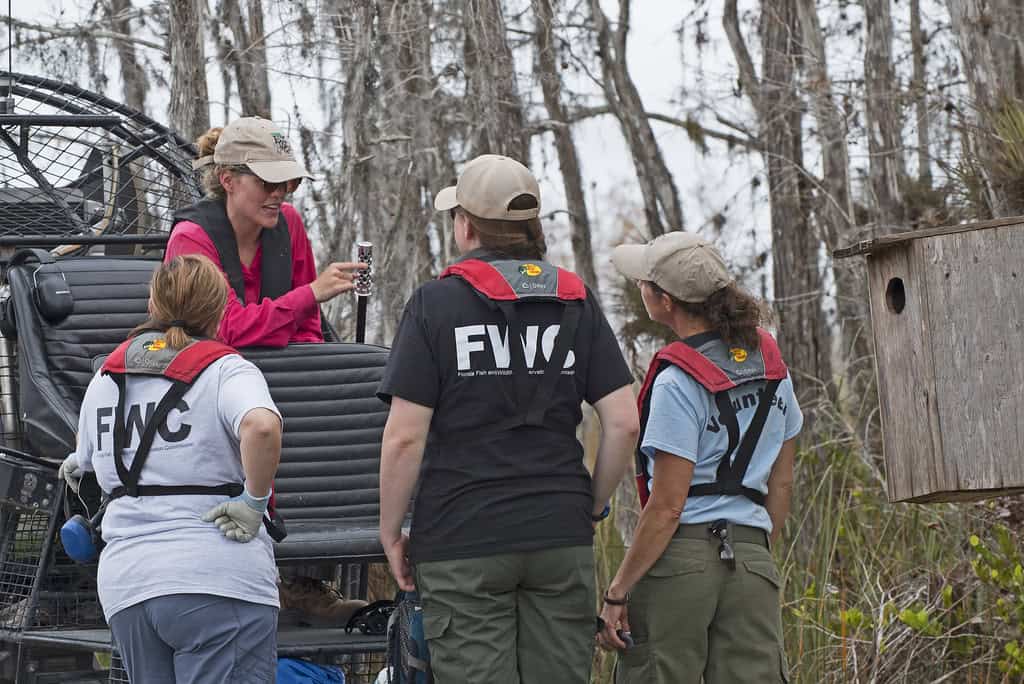
The discovery of record-breaking pythons like Florida’s heaviest snake has highlighted the important role that citizen scientists can play in invasive species management. Public participation in python removal efforts has led to thousands of captures and provided valuable data for researchers.
Citizen science programs train volunteers to safely identify and report python sightings, contributing to our understanding of python distribution and behavior. These programs also engage the public in conservation efforts and build support for invasive species management initiatives.
The success of citizen science efforts depends on continued education and training programs that ensure public safety while maximizing conservation benefits. The enthusiasm generated by record-breaking discoveries helps maintain public interest and participation in these important programs.
Looking Forward: Hope for Recovery

While the discovery of Florida’s heaviest python underscores the serious threat posed by invasive species, it also represents hope for the future of Florida’s ecosystems. Each captured python, especially large breeding females, brings the ecosystem one step closer to recovery.
The dedication of researchers, conservationists, and citizen scientists working to address the python invasion demonstrates the power of human determination in the face of environmental challenges. Their efforts are already showing results, with some native species beginning to recover in areas where python removal has been most intensive.
The lessons learned from Florida’s python invasion will inform future efforts to prevent and manage invasive species introductions. By understanding how these ecological disasters develop and spread, we can better protect our native ecosystems from future threats.

- How Accurate Is the Wolf Behavior in Twilight and Game of Thrones? - July 28, 2026
- Spiders of the Amazon Rainforest: Fierce and Fascinating - July 28, 2026
- From Babe to Babe 2: What’s Life Like for Real Farm Animals? - July 27, 2026