
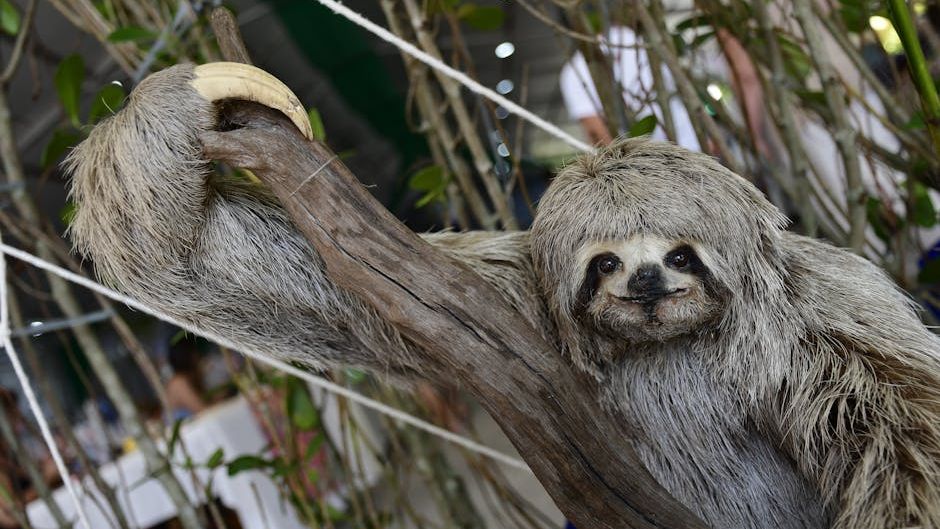
You probably think you know sloths. Slow, sleepy, hanging from trees with that goofy permanent grin on their face. They show up in memes, they make celebrities cry on talk shows, and they’ve somehow become the internet’s unofficial mascot for lazy Sundays. But here’s the thing – sloths are far stranger, far smarter, and far more fascinating than their laid-back reputation gives them credit for.
Honestly, the more you dig into sloth biology, the more your jaw drops. These animals have been quietly perfecting some of the wildest survival tricks on the planet for millions of years. So if you’ve ever looked at a sloth and thought “cute, but boring,” get ready to have your mind changed. Let’s dive in.
1. Slowness Is Actually Genius-Level Survival Strategy
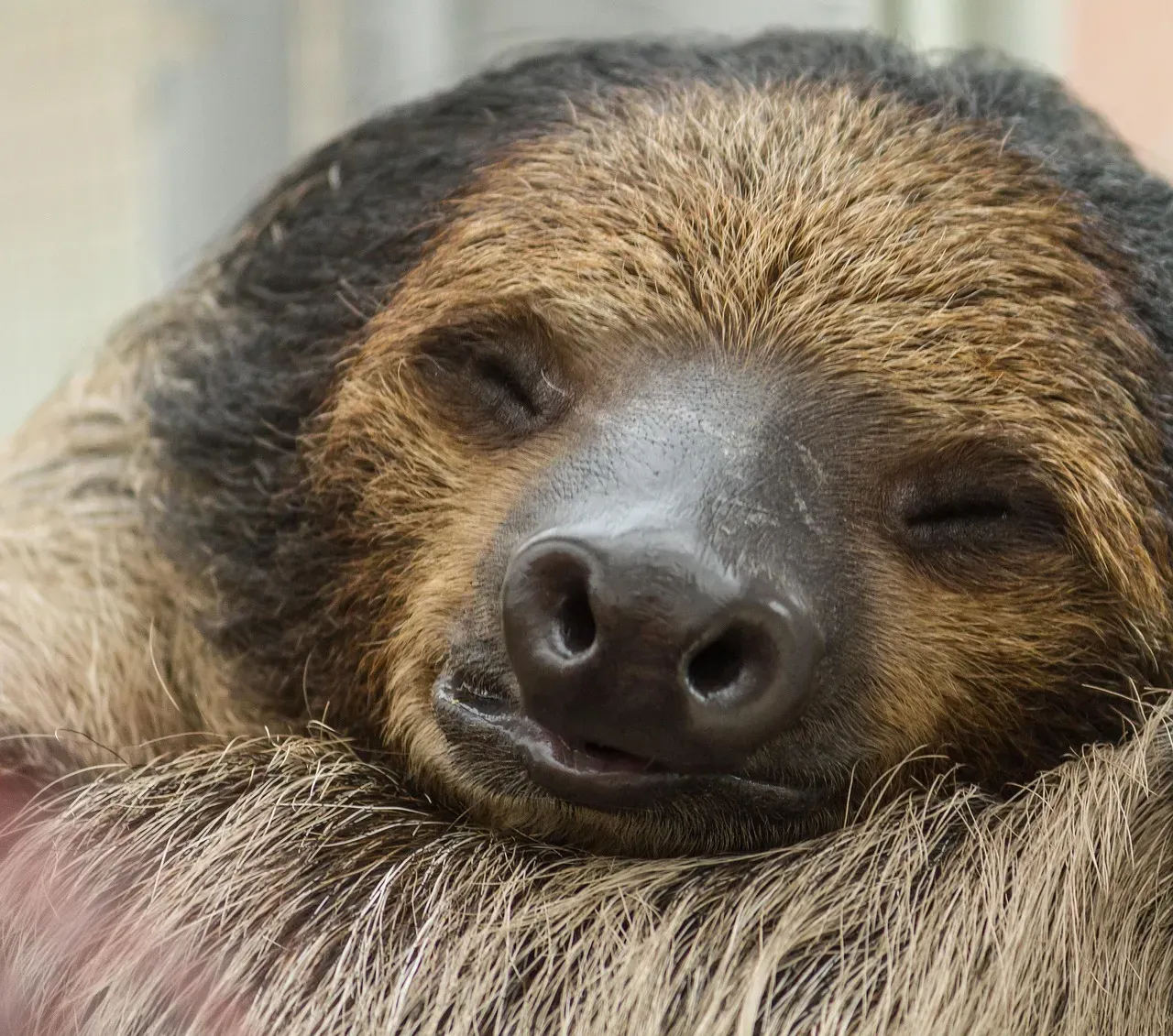
Far from the cartoonish stereotype of simple laziness, sloths are actually highly evolved survival machines perfectly adapted to the high canopies of Central and South America. Their famous sluggishness is not a flaw, but rather a brilliant metabolic strategy designed to conserve energy in an environment where calorie-dense food is scarce.
Sloths have leafy, low-calorie diets and very slow metabolisms to match. Their metabolic rate is only about 40 to 45 percent of what would be typical for their body weight. Because of this specialized metabolism, sloths need to be frugal with their energy use.
Sloths have been around for 65.5 million years – just before dinosaurs disappeared – which shows that a slow-paced lifestyle can be a good survival strategy in the wild. Think of it this way: while other animals are burning calories sprinting away from danger, the sloth simply… doesn’t move, and predators walk right past it.
2. Their Permanent Smile Is Totally Fake
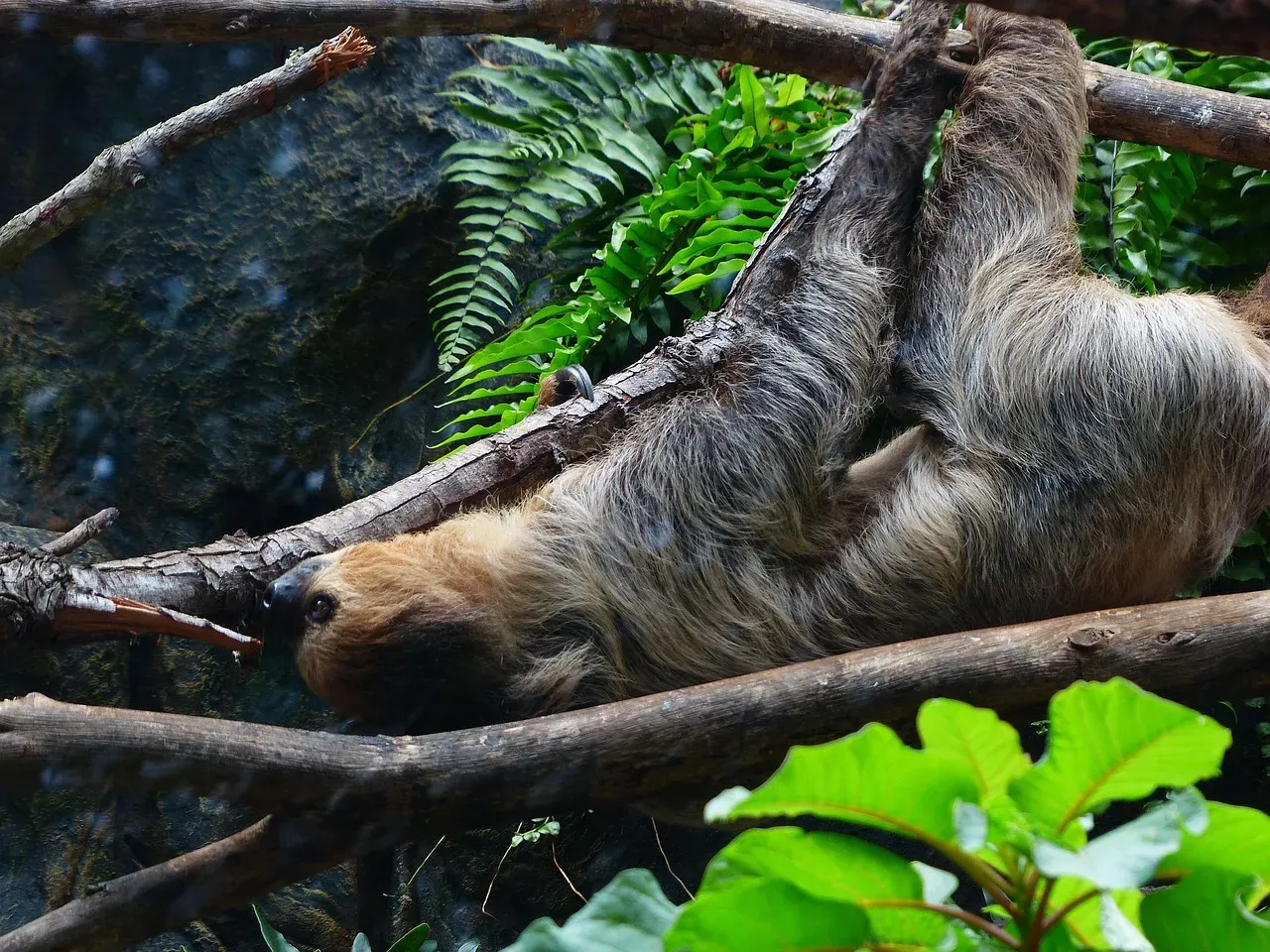
The facial structure of a sloth gives the appearance that they are constantly smiling, even if they’re experiencing pain, stress, or anxiety. That cheerful face you’ve been melting over? Pure anatomy. There’s no actual joy behind it – or maybe there is, we honestly can’t tell.
It’s a bit like those dogs that always look like they’re laughing. The expression is baked in. Still, I think there’s something oddly comforting about an animal that looks perpetually content, even when it’s having a tough day. The sloth is basically the patron saint of positive vibes.
3. They Are Surprisingly Powerful Swimmers
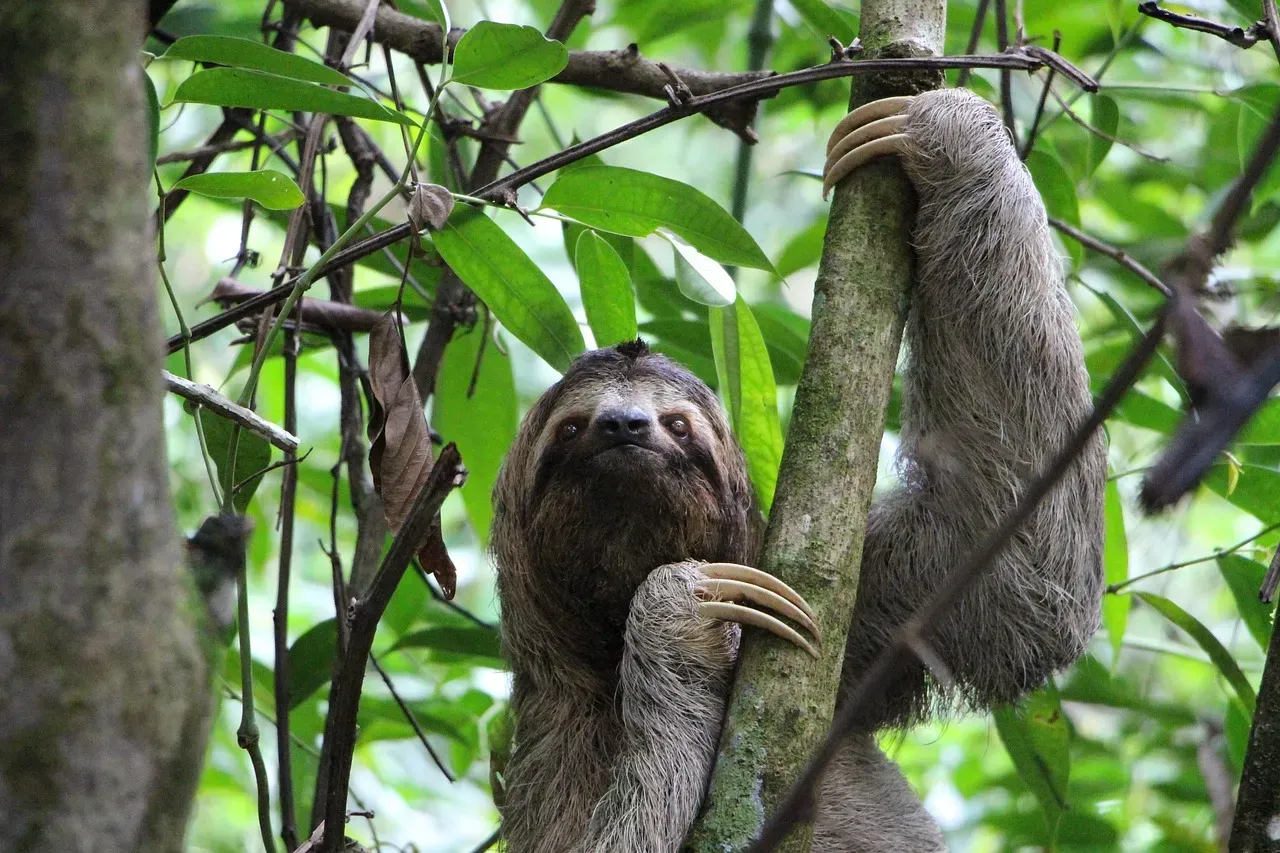
Here’s a fact that stops most people cold: sloths can swim. Not just paddle a little, either. Although they spend most of their time in the trees, sloths are surprisingly good swimmers. Sloths can swim through water three times faster than they can move on the ground.
Sloths are surprisingly strong swimmers and can reach speeds of 13.5 meters per minute. They use their long arms to paddle through the water and can cross rivers and swim between islands. Sloths can reduce their already slow metabolism even further and slow their heart rate to less than a third of normal, allowing them to hold their breath underwater for up to 40 minutes.
That last part is jaw-dropping. Forty minutes underwater. That’s longer than most humans can hold their breath even with training. The sloth, once again, proving that underestimating them is a serious mistake.
4. Their Fur Grows Upside Down – On Purpose
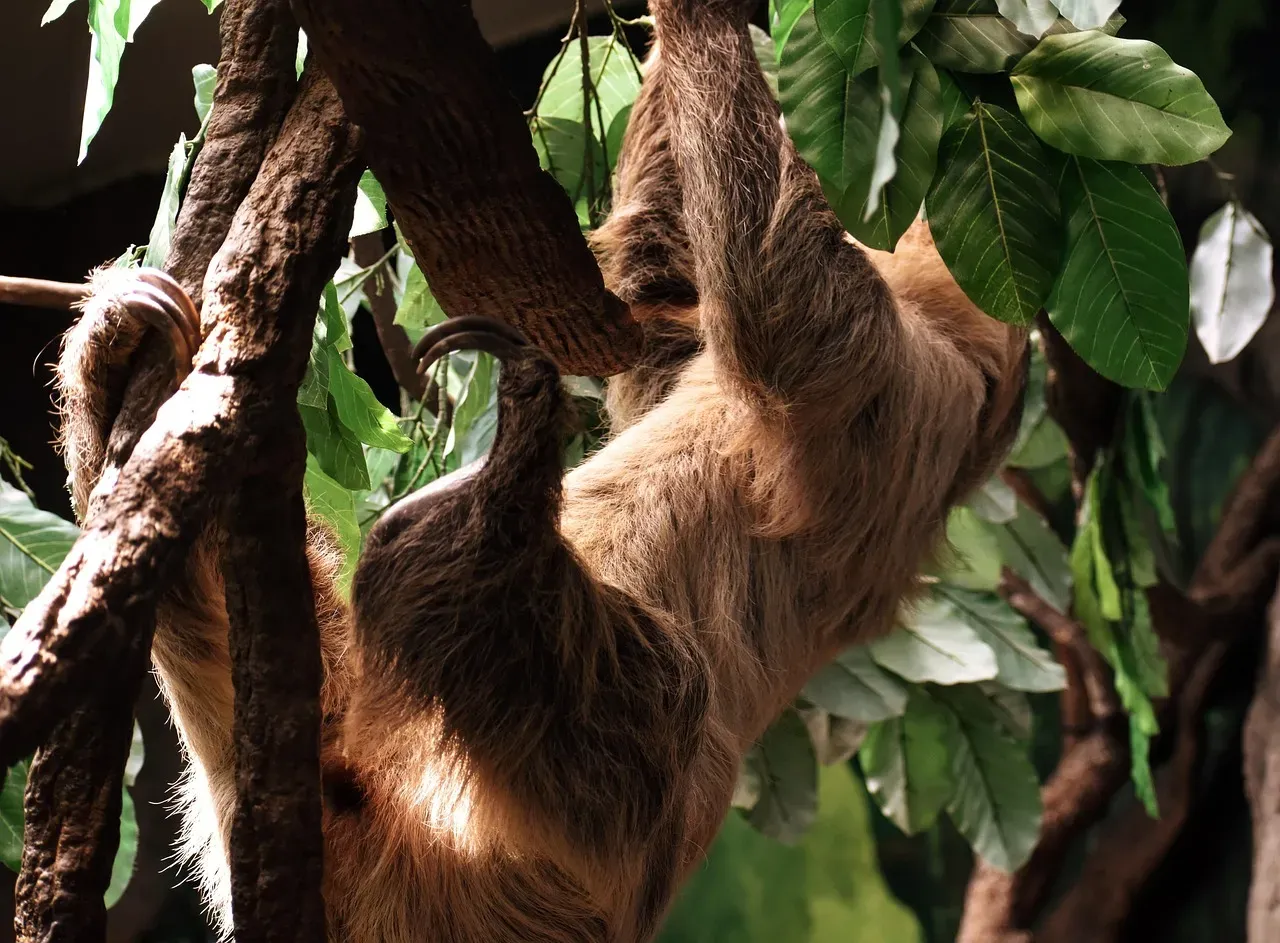
The outer hairs of sloth fur grow in a direction opposite from that of other mammals. In most mammals, hairs grow toward the extremities, but because sloths spend so much time with their limbs above their bodies, their hairs grow away from the extremities to provide protection from the elements while they hang upside down.
This makes perfect sense because sloths hang upside down. When it rains, the water runs off their fur instead of soaking in. It’s like having a built-in raincoat tailored by millions of years of evolution. Every single detail of a sloth’s body has been engineered for one specific lifestyle: hanging upside down in the canopy, barely moving, staying alive.
5. A Sloth’s Fur Is a Living, Breathing Ecosystem
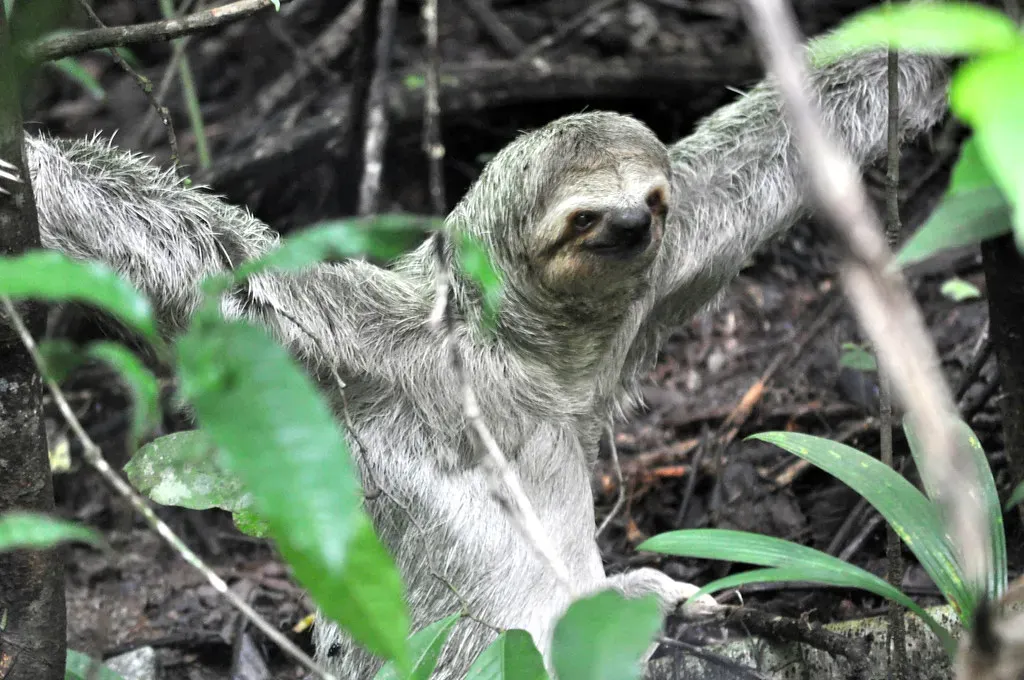
Besides the green algae and fungi living in the sloth’s hair, the sloth’s fur also provides a home to an entire ecosystem of invertebrates, some species of which are found nowhere else on earth, like the sloth moths. A single sloth can host up to 950 moths and beetles within its fur at once.
Each strand of a sloth’s coarse fur has grooves that run from top to bottom where two types of blue-green algae grow. The green tint of the algae helps sloths blend into their leafy surroundings, but it also invites ticks, mites, beetles, moths and other creepy crawlies to the party. This little ecosystem created by the algae is so unique that some species, like the sloth moth, live exclusively on sloth fur.
Think about that. An entire species of moth exists solely because of the sloth. That relationship is more committed than most human partnerships. Let’s be real – the sloth’s back is basically a tropical apartment complex.
6. Their Claws Can Lock Without Using Any Muscle
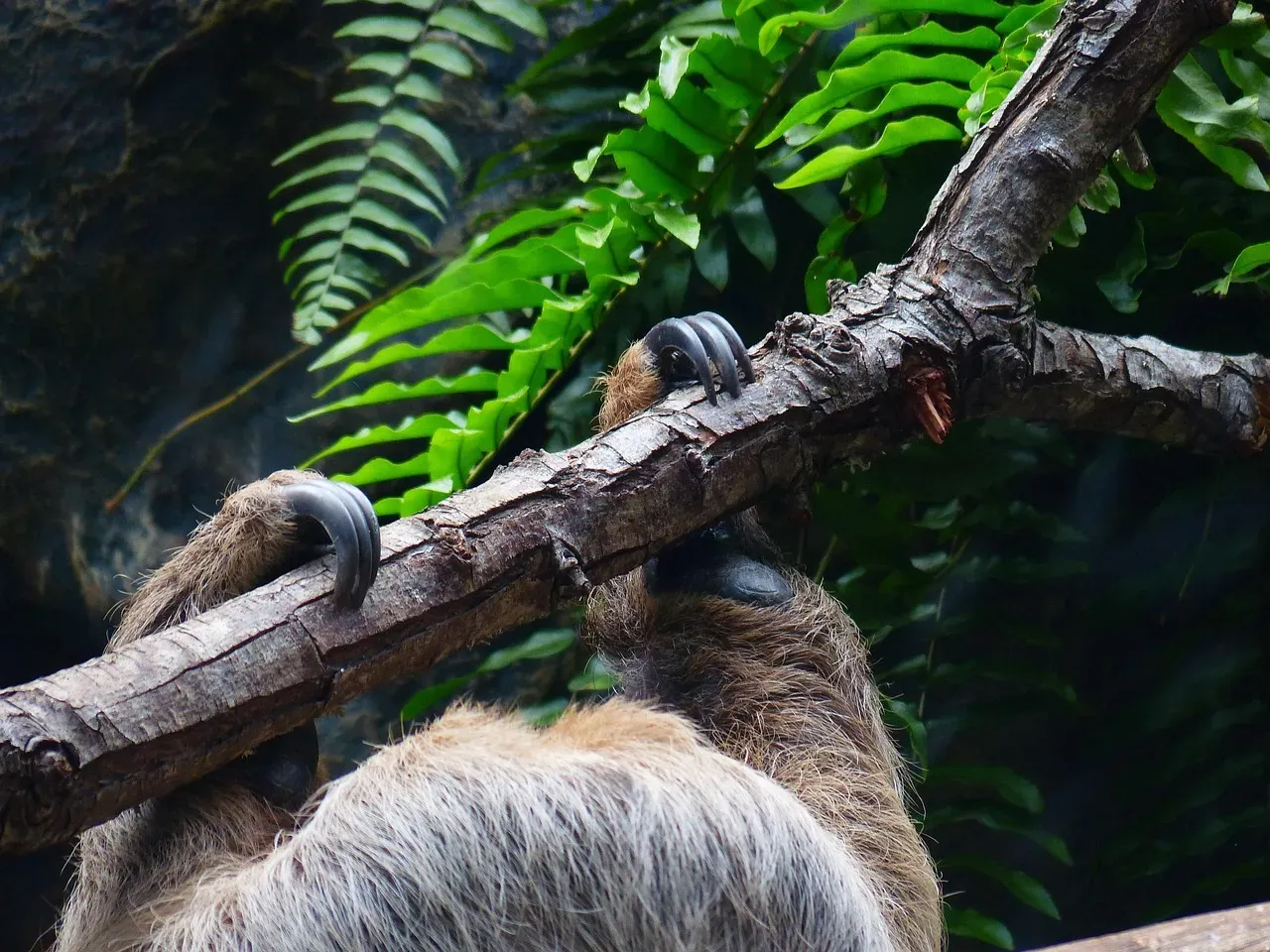
Their claws are biologically engineered to function like heavy-duty grappling hooks. Unlike human hands that require muscle tension to grip an object, a sloth’s claws naturally lock into place at rest, allowing them to hang completely effortlessly from a branch without expending a single ounce of energy.
Specialized tendons in the sloth’s hands and feet lock into place, allowing them to hang upside down for long periods of time without wasting any energy. This unique locking mechanism is also how sloths are able to sleep while hanging from a tree branch. They have even been known to remain suspended upside down after death.
That’s both incredible and a tiny bit unsettling. But it perfectly illustrates how deeply every part of the sloth’s body is adapted to this one extraordinary way of living.
7. Their Internal Organs Are Literally Taped to Their Ribs
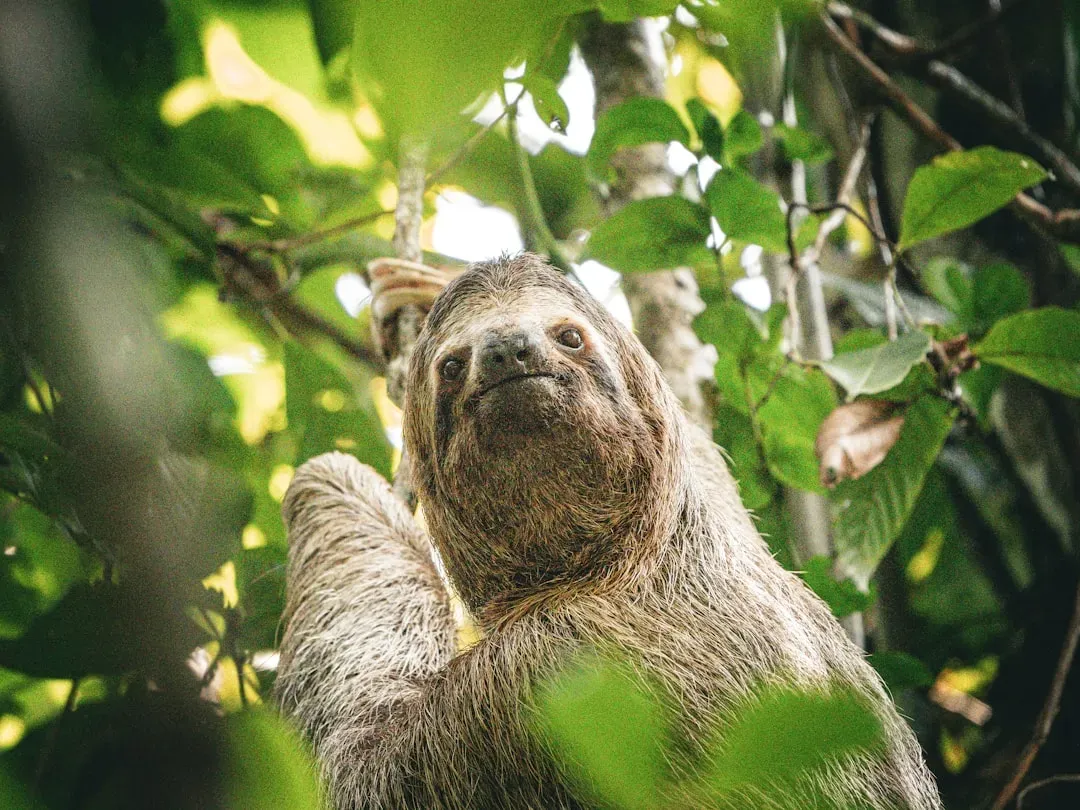
Internal connections keep them from suffocating while hanging upside down. To prevent their heavy stomach and liver from crushing their lungs when suspended by their feet, they evolved specialized fibrinous adhesions that physically anchor their internal organs securely to their lower rib cage.
Sloths can spend 90 percent of their lives hanging upside down thanks to their impressive biology. Studies show this is possible because their organs are attached to their rib cage, so they don’t weigh down on their lungs. Unlike us, a sloth can hang upside down without affecting their breathing.
For context, if you tried hanging upside down for a prolonged time, your organs would press on your diaphragm and you’d struggle to breathe. Sloths solved that problem with internal anchors. Evolution is, honestly, astonishing.
8. Three-Toed Sloths Can Rotate Their Heads Nearly All the Way Around
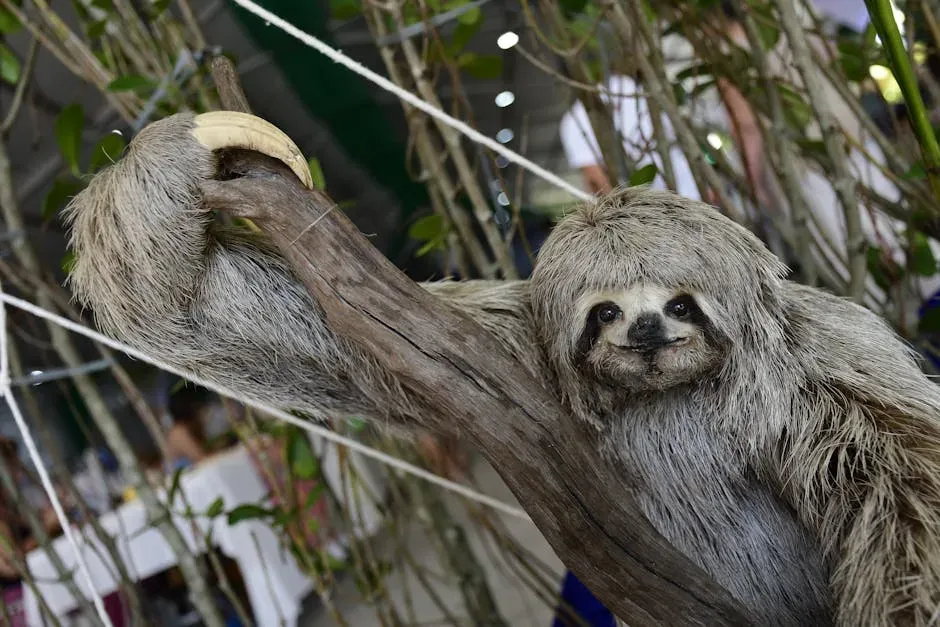
Three-fingered sloths have two more neck vertebrae than any other mammal. This allows them to turn their heads through 270 degrees and effortlessly keep their nose above water when swimming.
This lets them look in almost every direction without moving their body. They can scan for predators and food while staying perfectly still on their branch. It’s a bit like having a built-in security camera that covers nearly the full circle around you, all without twitching a single muscle. Predators don’t stand much of a chance sneaking up on these guys.
9. Sloths Poop Once a Week – and It’s a Big Deal
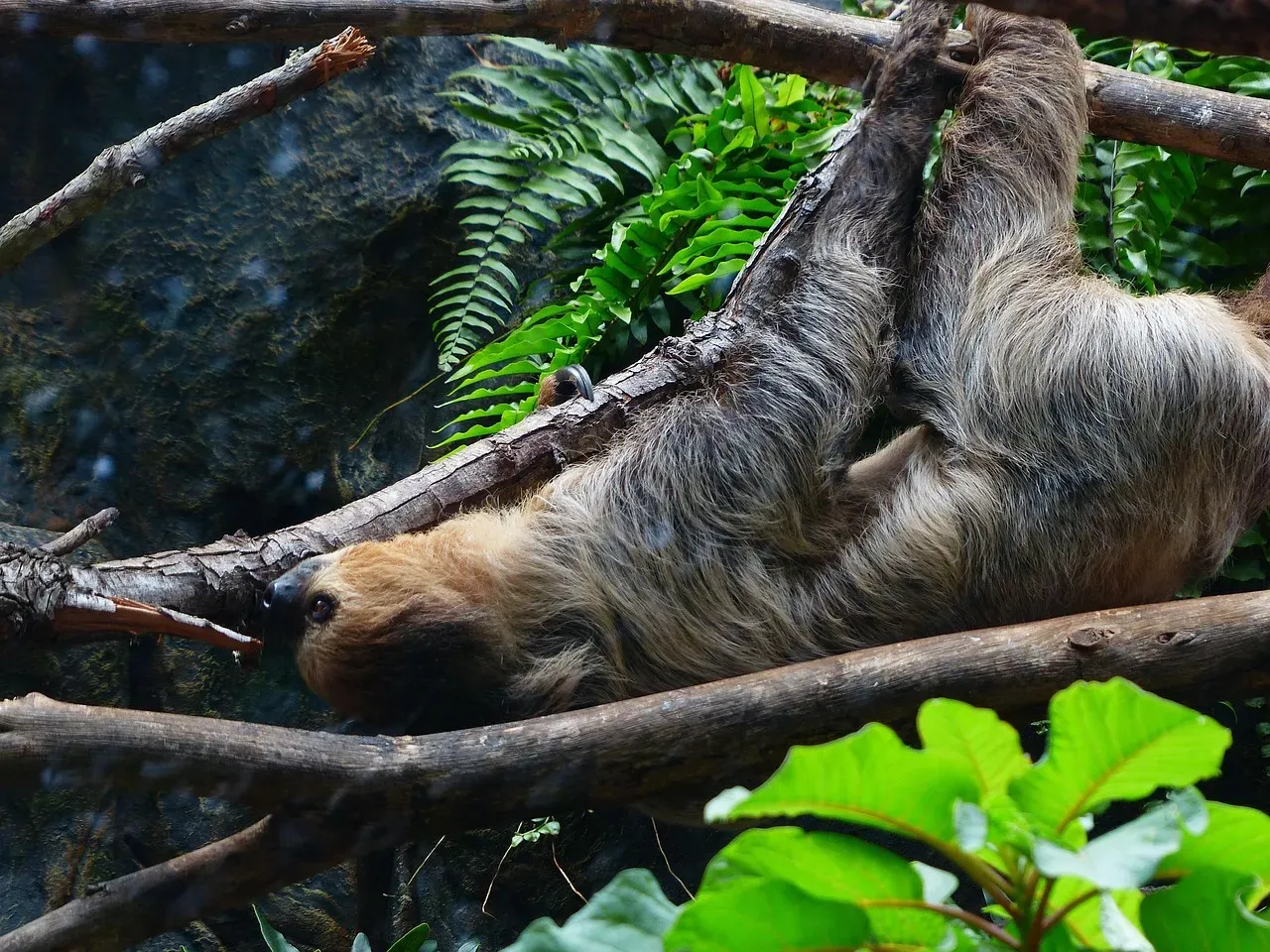
Sloths have a very slow metabolism, which means they digest food extremely slowly. As a result, they only need to defecate once a week, and they lose up to roughly a third of their body weight each time. That is a staggering number. Imagine losing a third of your bodyweight every time you visited the bathroom. Wild.
They go to the same spot each time and are vulnerable to predation while doing so. Considering the large energy expenditure and dangers involved in the journey to the ground, this behavior has been described as a mystery. Scientists have long debated why three-toed sloths bother making the risky trip down at all, when they could simply go from the treetops.
Recent research shows that moths, which live in the sloth’s fur, lay eggs in the sloth’s feces. When they hatch, the larvae feed on the feces, and when mature fly up onto the sloth above. These moths may have a symbiotic relationship with sloths, as they live in the fur and promote the growth of algae, which the sloths eat. So even the weekly bathroom trip serves the greater good of the sloth’s fur ecosystem. Everything is connected.
10. Their Ancestors Were the Size of Elephants
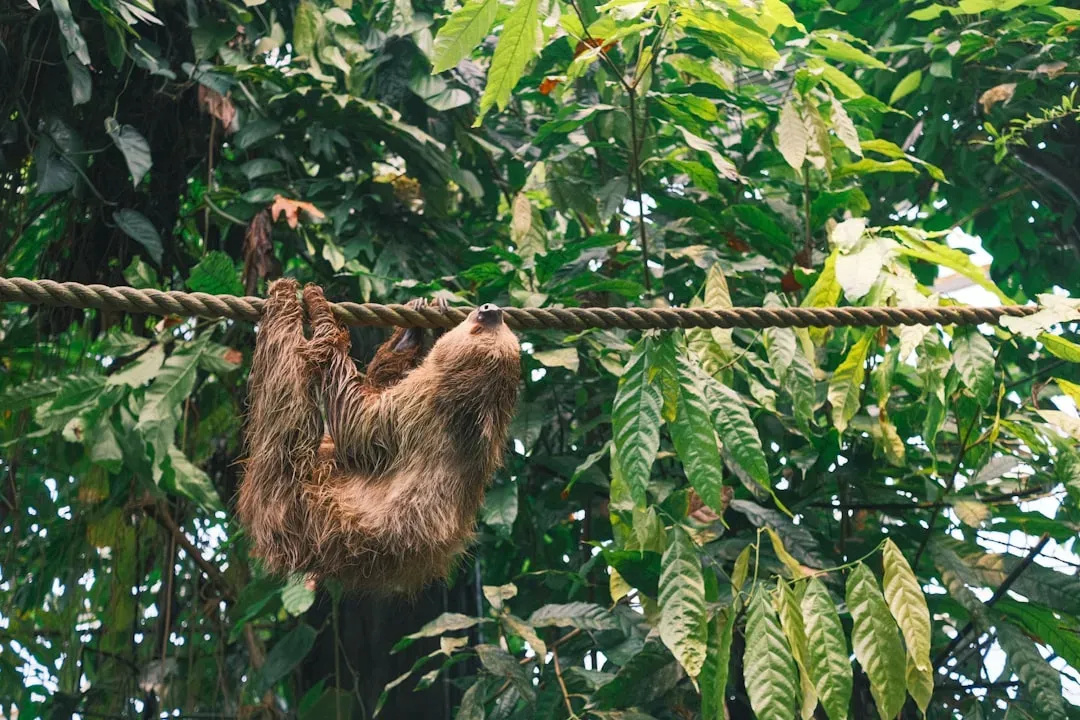
Their ancient ancestors were massive, earth-shaking giants. Millions of years ago, the prehistoric Megatherium roamed the plains of South America, a towering ground sloth that grew to the size of a modern elephant and weighed up to four tons before going extinct at the end of the last ice age.
Several species of aquatic sloths also existed, the most important ones belonging to the genus Thalassocnus, which fed on sea grass and seaweed in shallow water. Even sloths like the Mylodon had armored skin, similar to that of modern armadillos. The sloth family tree is wilder and more diverse than you’d ever imagine from looking at a modern, sleepy tree-hugger.
Conclusion: The Sloth Is Nature’s Most Underrated Genius
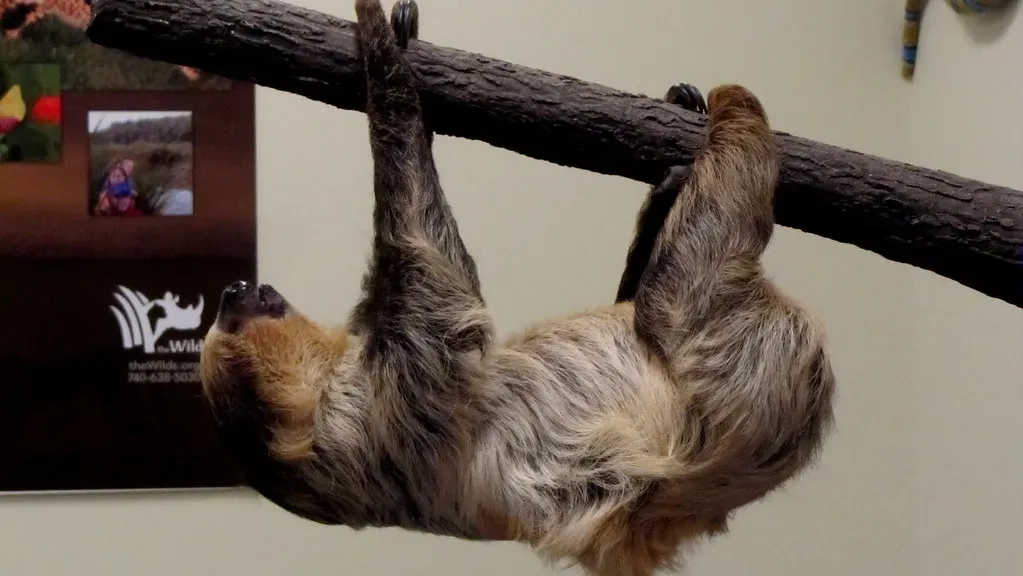
Sloths don’t just survive in the rainforest – they absolutely thrive there. Although their habitat is limited to the tropical rainforests of Central and South America, in that environment sloths are successful. On Barro Colorado Island in Panama, sloths have been estimated to constitute roughly 70 percent of the biomass of arboreal mammals. That is the definition of thriving.
Every quirky, seemingly bizarre detail about sloths – the upside-down organs, the algae fur, the once-a-week bathroom routine, the surprise swimming talent – turns out to be a perfectly tuned adaptation. Sloths are far from being simple, lazy creatures that just sleep all day. They are complex, mysterious animals with an evolutionary history, features, and characteristics so weird that you might accuse someone of making them up.
The sloth is proof that slow and steady doesn’t just win the race – it wins millions of years of evolutionary history. Next time you see one hanging there with that effortless smile, know that you’re looking at one of nature’s most quietly brilliant creatures. What other animal do you think deserves more credit than it gets? Drop your thoughts in the comments – we’d love to hear it.

- 10 Remarkable Facts About the African Cheetah: The Lightning of the Grasslands - July 29, 2026
- 10 Most Heroic Horses in History - July 29, 2026
- Why You Should Never Play Dead When Attacked by a Black Bear - July 29, 2026