

There is a moment most dog owners know all too well. Your dog pads slowly to the corner of the room, curls up beside the empty bed of the companion who is no longer there, and just… stays. No whining. No playing. Just stillness. It stops you in your tracks. Is that grief? Is your dog actually feeling something? Or are we, as devoted humans, projecting our own emotions onto our beloved pets?
These are questions that have fascinated scientists, philosophers, and dog lovers alike for decades. The answers, it turns out, are far more moving, complex, and scientifically grounded than most people realize. So let’s dive in.
The Science Has Spoken: Animals Do Experience Grief
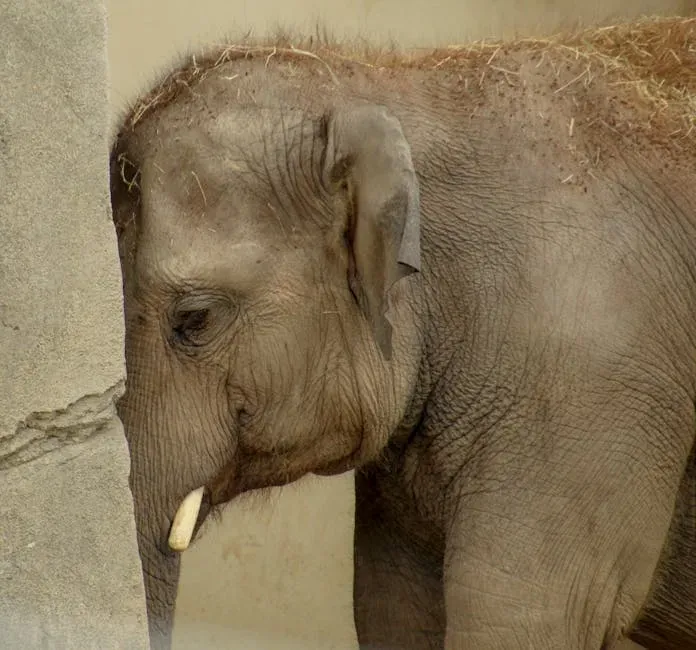
For a long time, suggesting that animals could grieve was dismissed as sentimental, even unscientific. Tradition dictated that it was soft-hearted and unscientific to project human emotions such as grief onto other animals. That view has shifted dramatically. A growing body of scientific evidence supports the idea that nonhuman animals are aware of death, can experience grief, and will sometimes mourn for or ritualize their dead.
Research in evolutionary biology, cognitive biology, and social neuroscience supports the view that many diverse animals have rich and deep emotional lives. Honestly, for any dog owner who has watched their pup search the house for a lost companion, this feels less like a revelation and more like a long-overdue confirmation.
How Dogs Show Grief: The Behavioral Signs You Should Know

Here’s the thing: dogs cannot tell you they are heartbroken. They show you. When a dog loses a companion, whether animal or human, he grieves and reacts to the changes in his life. Dogs alter their behavior when they mourn, much like people do. They may become depressed and listless.
Depression is the most common sign your dog is mourning, and it can cause a decrease in appetite, problems sleeping, loss of energy, increased anxiety, regular panting, pacing, and destructive behavior. Think of it like this: imagine waking up one day and your closest friend, the one you ate with, slept beside, and played with every single day, simply never came back. That disorientation is real for your dog too.
Your dog simply knows that their friend is no longer present and may exhibit one or more symptoms of grief, including withdrawal from people and other pets, unusual vocalizations, or constant searching, presumably for the person they miss. Many people account for their animals spending time right after a tragic loss looking for their companion in their favorite places, sleeping in areas that smell like them, waiting by the door, and attaching to meaningful objects.
Dogs Grieve Humans, Too: A Bond That Runs Bone-Deep
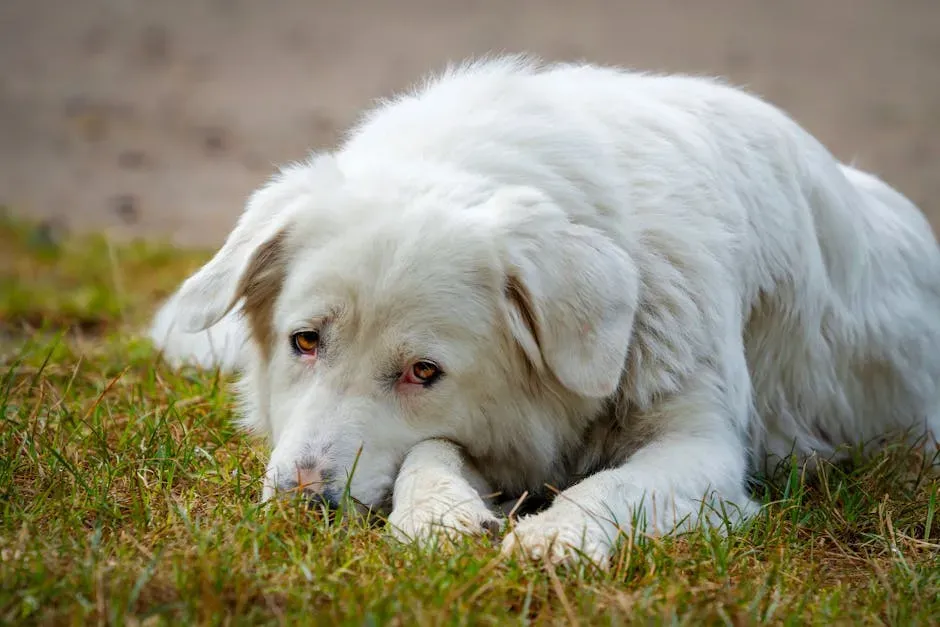
It is not just other dogs that trigger grief in your pup. The human-animal bond runs profoundly deep. It’s not unusual for dogs to grieve the loss of a person they’ve bonded with. While dogs might not understand the full extent of human absence, dogs do understand the feeling of missing a human or dog who’s no longer a part of their daily lives.
A landmark study explored the behaviors of dogs following the death of a human or animal companion. The study included 150 dogs who had experienced the death of their primary caregiver. The scientists found that a significant number of dogs displayed grief-like behaviors, such as reduced appetite, increased lethargy, and seeking comfort from other family members.
One real-world example cuts right to the heart of it. In June 2014, Constable Dave Ross, a Canadian general duty officer and police dog handler, lost his life in the line of duty. His service dog, a German Shepherd named Danny, stood alongside him during his time on the force. Throughout Ross’ funeral, the loyal canine whimpered next to his owner’s casket. If that doesn’t tell you something, I’m not sure what will.
Your Grief Affects Your Dog More Than You Think
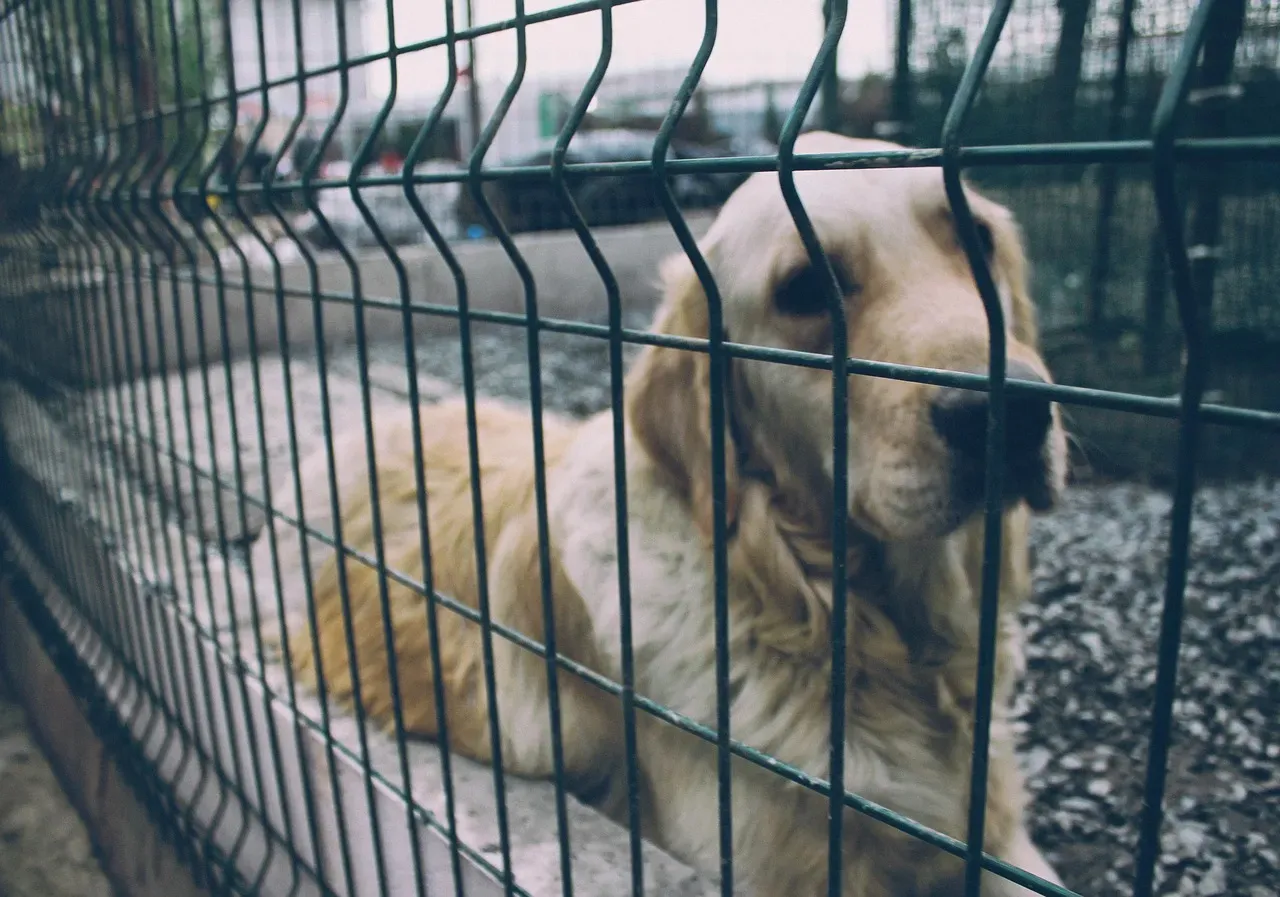
This is the part people rarely talk about. When you are deep in your own sorrow after losing a pet or a person, your dog is quietly absorbing every bit of it. When you lose a furry family member, not only will your dog experience behavioral changes, but you will undoubtedly feel the devastating loss and behave differently as well. Dogs pick up on our mood, odors, facial expressions, and even read our postures. They read differences in us and can feed off our own feelings, including sadness and grief.
A surviving dog may perceive a potential threat deriving from a companion dog’s death and seek the owner’s help to deal with this situation; if the owner herself is angry or grieving, she or he may be less able to give the dogs the help they are seeking, resulting in increased anxiety and fear in the dog. It’s a loop of sadness that can deepen for both of you if you’re not careful. Be kind to yourself, and in doing so, you will be kind to your dog too.
How Long Does Canine Grief Last, and When Should You Worry?

Every dog is different. Let’s be real, some dogs bounce back in weeks, while others seem to carry the weight of loss for months. The duration of grief depends on the dog and how they process the loss. It also depends on the relationship with the deceased. However, on average, dogs can mourn for two to six months.
Watch your dog’s eating habits closely. A survey study focused on common signs associated with mourning found that roughly a third of dogs experienced a decreased appetite following the loss of a canine companion. Approximately eleven percent refused to eat at all. That’s not a small number. Changes in appetite should be temporary. However, if there is dramatic weight loss, consult your veterinarian.
If symptoms do not subside after two weeks, you may consider taking your grieving pet to a veterinarian. There is no shame in that. Think of it as getting your dog the same kind of support you would seek for yourself.
How to Help Your Dog Heal: Practical, Compassionate Steps
Supporting a grieving dog is not about dramatic gestures. It is about presence, routine, and patience. Most animals sleep in pairs; if this routine is changed, they may sleep in different areas and become restless where they once slept peacefully. Making time for more exercise, walks, hikes, and play can all help. When there is an opportunity to go for a drive, be spontaneous. Creating new memories will help heal the grief and allow the pack to naturally reorganize.
Long walks, playing, and engaging in favorite activities, especially those done with the companion that passed, can help build confidence and stimulate mental enjoyment. Environmental enrichment techniques such as puzzle toys help keep them busy during the day.
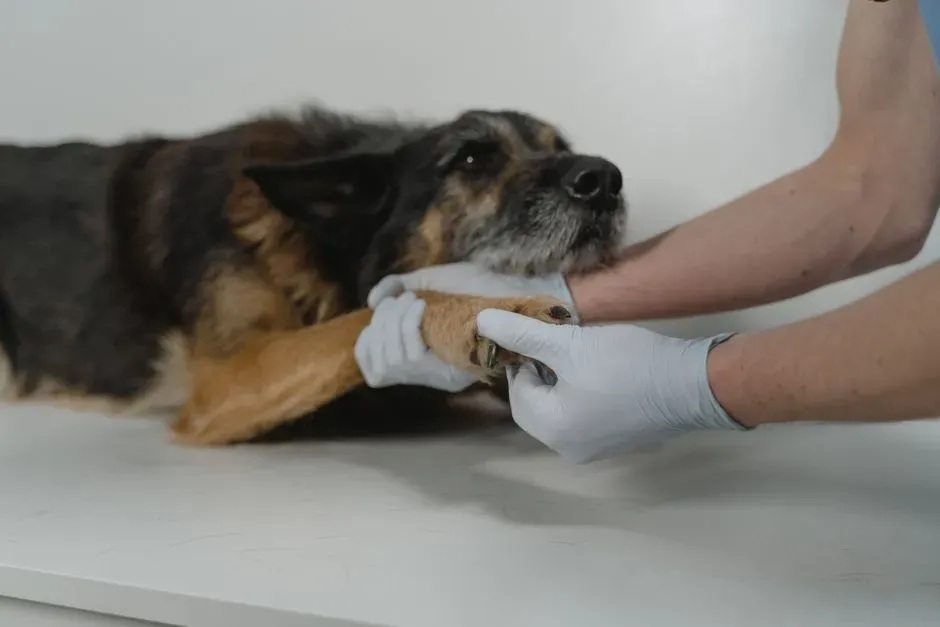
If your pet is not eating well, call your veterinarian, as there could be a physical cause. Cats and small dogs cannot afford to miss meals and, in some cases, medication may stimulate their appetite and avoid a major health problem. Healthy pets with persistent signs of emotional depression or anxiety should be evaluated by a veterinary behaviorist who can provide medical and behavioral treatment to help your pet through grief. Grief, in all its forms, deserves to be taken seriously.
Conclusion: Their Hearts Break, Just Like Ours
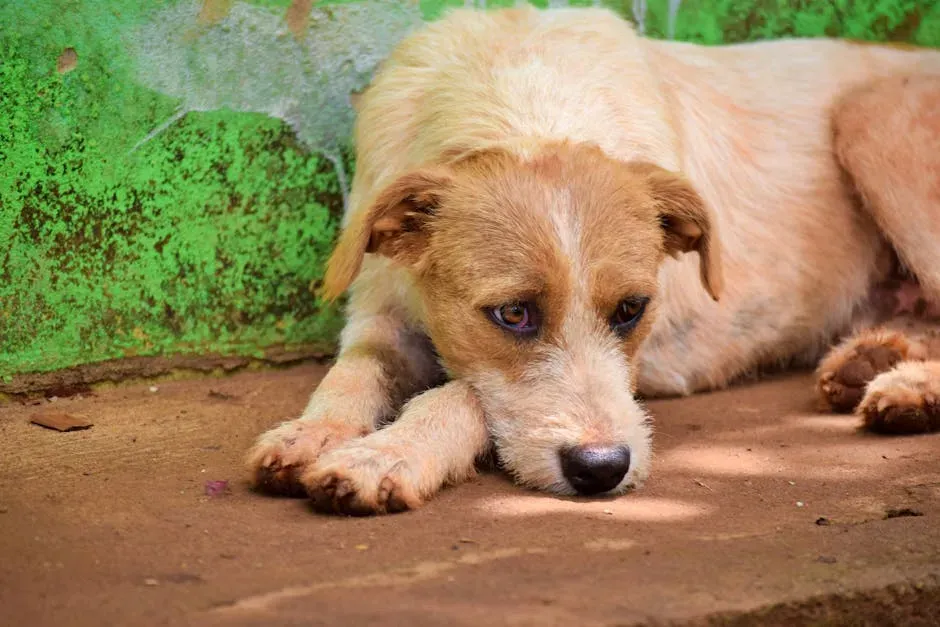
The question was never really whether animals mourn. The question is not “Do animals grieve?” but “How do animals grieve?” And for our dogs, the answer is clear. They feel the absence. They search for what is gone. They carry a quiet sadness that shows in every skipped meal, every sleepless night, every hopeful glance at the door.
Because dogs process everything emotionally and intuitively, their grieving process is often very difficult for them because their sense of loss is so profoundly emotional. As the humans lucky enough to share our lives with them, we owe it to our dogs to see that grief, honor it, and gently walk them through it. They do the same for us every single day, without being asked.
Your dog loves you with everything they have. When they grieve, they need you to love them back with just as much intention. Have you ever watched your dog mourn someone they lost? Tell us about it in the comments.
