
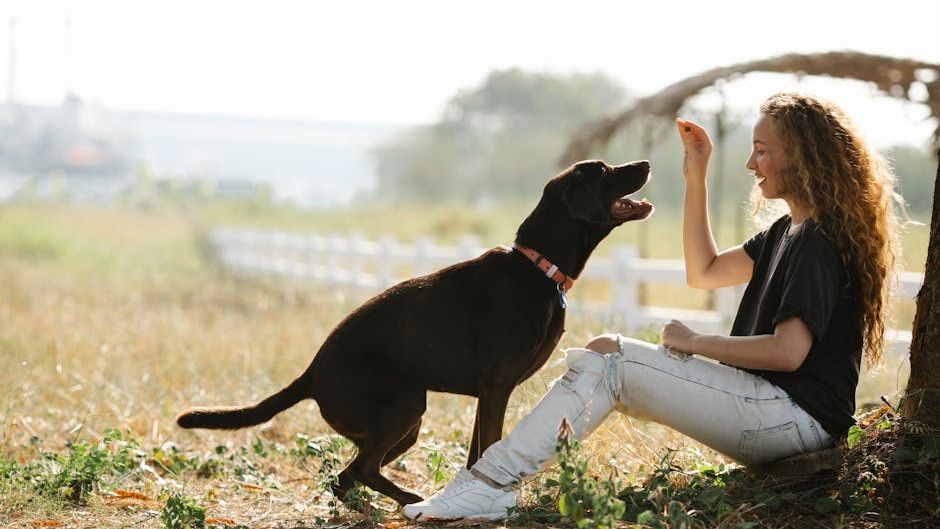
There is something quietly extraordinary about the moment a rescue dog finally looks at you – really looks at you – with soft eyes and a relaxed body. No flinching. No backing away. Just trust. If you have recently brought home a rescue, you already know the early days can feel confusing, sometimes even discouraging.
Many rescue dogs have experienced trauma, abandonment, or neglect, which can make building trust and a strong bond a gradual process. The good news? It is entirely possible, and the journey is one of the most rewarding things a person can do. These seven strategies will help you get there, but the real magic is in the details you will discover along the way. Let’s dive in.
Understand What Your Rescue Dog Has Been Through

Here is the thing – you are not just bringing home a dog. You are inheriting a whole history you may know very little about. Unlike dogs who have been raised in a single, consistent environment, rescue dogs often carry emotional baggage and require time, patience, and a structured routine to truly feel at home.
Rescue dogs often carry experiences from previous homes or shelters that influence their actions, including fear or anxiety around strangers or new environments, separation anxiety triggered by being left alone, and deep-seated trust issues that make them hesitant to approach or interact.
Even a few years or months in a bad situation represents a large portion of a dog’s lifetime, and that time makes a lasting impression. It may be love at first sight for you, but your new rescue dog has no idea who you are or what the future holds.
Honestly, the most transformative thing you can do is shift your mindset. Stop expecting them to act like a dog who has known safety their whole life. Approach them with empathy, and watch what happens.
Create a Safe Space They Can Call Their Own
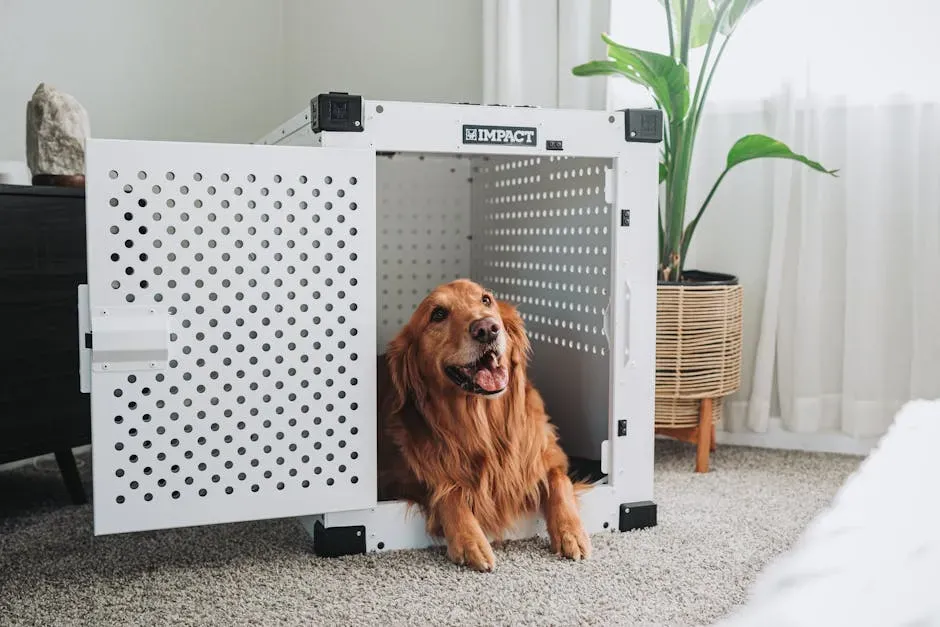
Think of it like this: imagine you were dropped into a stranger’s house with no warning, no context, and no idea whether the people around you were safe. That is essentially what your rescue dog experiences on day one. Every dog needs a place where they can retreat and feel safe, and this is especially important for rescue dogs who might feel overwhelmed in a new environment.
Designating a quiet area with a bed or crate where your dog can relax undisturbed is essential. Respect their space by not forcing interaction if they retreat to their safe spot. Providing comforting items like toys, blankets, or items with familiar scents can also help your dog feel more at ease.
Having your dog sleep in their bed or crate in your room for the first few nights can also help them adapt to a brand new house that may feel intimidating. Sleeping near you will accustom your dog to your scent and associate it with safety and security.
A cozy, predictable corner is not just a physical space. It is a psychological anchor. Give them that anchor, and you give them a reason to start trusting.
Stick to a Consistent Daily Routine

Routine is, without exaggeration, one of the single most powerful tools you have. Trust is built when you act predictably. Dogs thrive on structure, so creating a predictable routine is essential.
Establishing a consistent daily routine covering all major activities is key. Feeding at the same times, walking similar routes at predictable hours, and maintaining regular sleep schedules reduces anxiety by eliminating uncertainty about when needs will be met. Your dog relaxes when they trust the pattern.
Although shelters can be traumatic for some dogs, they do provide stability in feeding and walking schedules. You can ensure that your dog feels safe in your home by following roughly the same schedule as the shelter to ease the transition.
It sounds simple, maybe even boring. But for a dog whose entire world has been unpredictable, knowing that dinner comes at 6pm and the walk happens right after is genuinely life-changing.
Master the Art of Positive Reinforcement
Let’s be real: yelling at a rescue dog, or any dog for that matter, does far more damage than people realize. Punishment-based methods, including yelling, physical corrections, or intimidation, backfire with rescue dogs. These techniques increase cortisol levels, heighten anxiety, and damage the fragile trust you are working to build. Fear-based training may suppress behaviors temporarily but fails to address underlying emotional triggers.
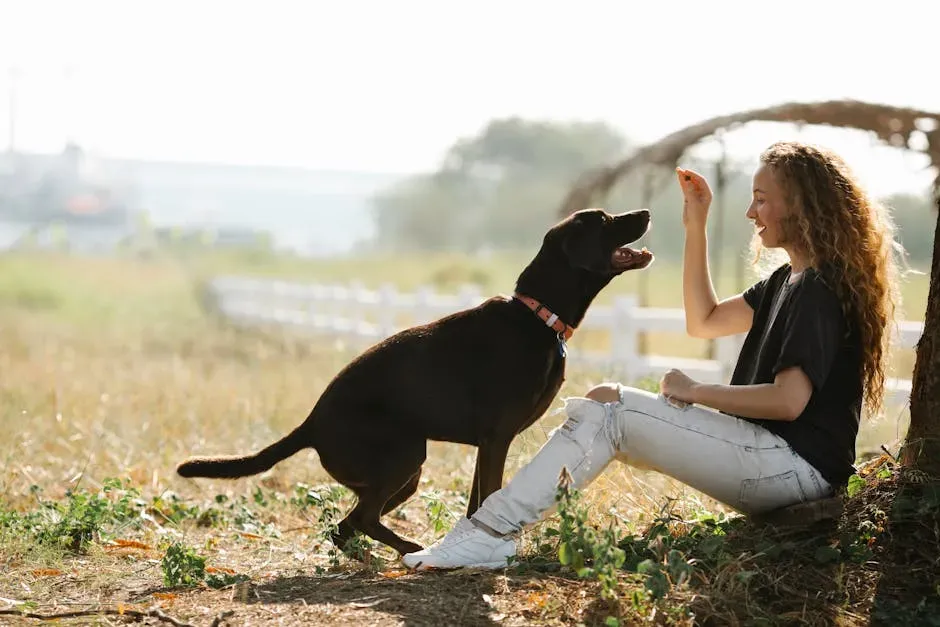
Positive reinforcement is one of the most effective ways to build trust and encourage good behavior. Rewarding your dog with treats, praise, or affection when they exhibit positive behaviors builds that positive association with you.
To form a quick bond with your dog, try feeding by hand at least once a day, adding a little training each time. This is surprisingly effective. It is personal, it is warm, and it essentially tells your dog: “I am the source of good things.”
Reward small victories, such as approaching you voluntarily or following a simple command. Over time, consistent positive interactions strengthen your dog’s confidence and bond with you.
Let Them Lead: Respect Boundaries and Body Language
This one trips up a lot of new rescue dog parents, and I think it is worth being direct about. The urge to smother a rescue dog with love and cuddles is completely natural. Resist it, at least at the start. For many dogs, especially rescues, too much attention and physical contact too soon is really overwhelming. So instead of forcing closeness, invite it.
To foster trust, it is essential to learn to understand how your dog is feeling. Dogs communicate how they feel through their body language, so by learning to read your dog’s signals, you will better understand what they are saying. This is your foundation for building trust and a better bond.
Panting, yawning, tongue flicking, lip licking, turning away, and freezing in place are all common signs that your pup is feeling fearful, anxious, or stressed.
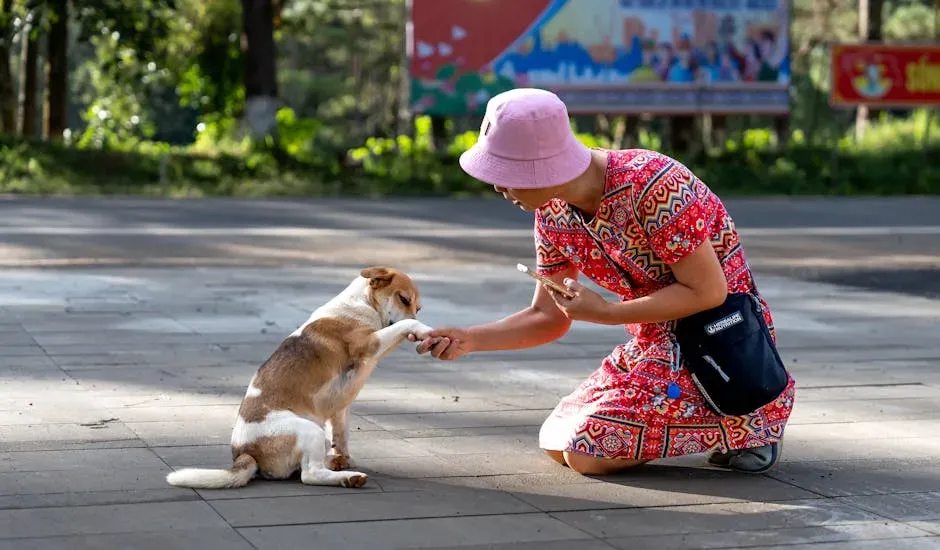
Avoid sudden movements or leaning over your dog, as this may feel threatening. Get down to their level by kneeling or sitting to create a sense of comfort and approachability. Small adjustments like these send enormous signals.
Play Together, Explore Together, Move Together
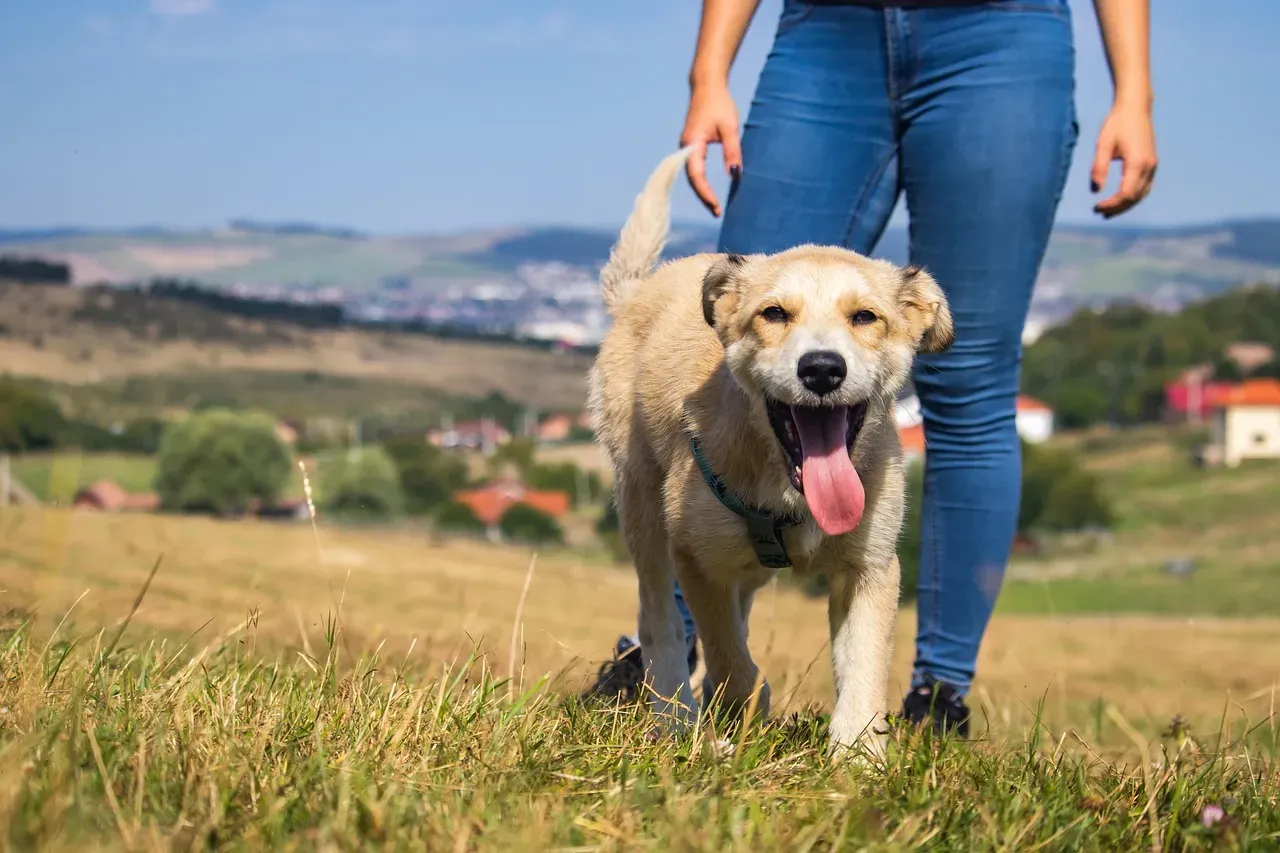
Shared experiences are the glue of any relationship, and your bond with your rescue dog is no different. Play is important not only because it helps reduce restless energy in your dog, but playtime with your pet has also been proven to help reduce your stress hormones too.
Regular play is essential in strengthening your relationship with your dog. Engaging in interactive games like fetch, tug-of-war, or hide and seek helps build trust. Through play, dogs not only exercise but also learn to associate you with fun and happiness.
On walks, your dog can enjoy venturing to new areas and exploring different scents. Walks also build your relationship because they provide one-on-one time and teach your dog how to engage with the world. Your dog will look to you for signals on how to behave when walking.
Scent training games, like hiding treats around the house or yard and encouraging your dog to find them, tap into their instincts and build confidence. Try it once. You will be amazed how quickly a normally hesitant dog lights up. Movement, smell, play – these are their love languages.
Embrace the 3-3-3 Rule and Celebrate Every Small Win
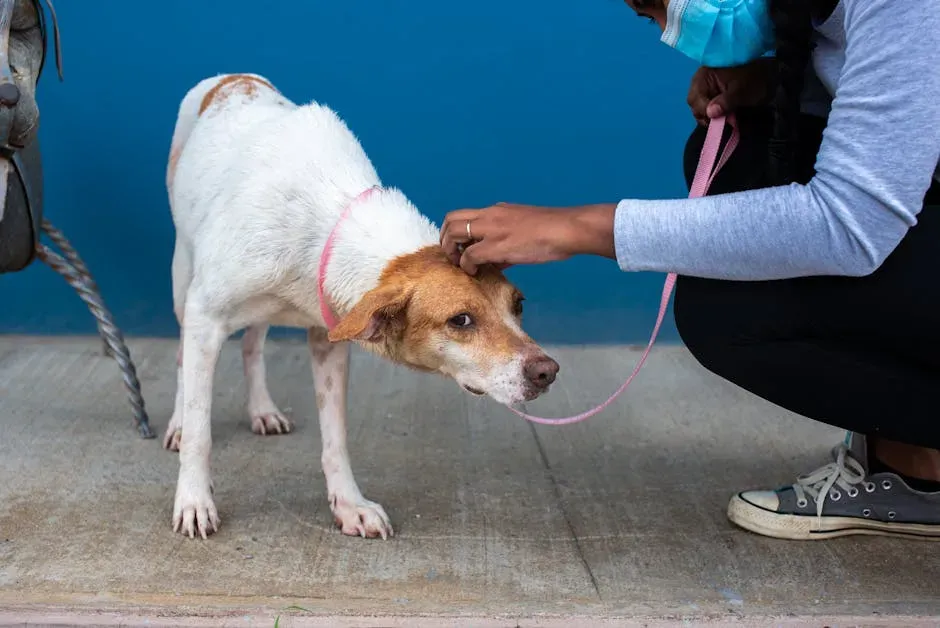
One of the most grounding pieces of knowledge any new rescue dog owner can have is the 3-3-3 rule. It is not a hard science, but it is a beautifully practical framework. The 3-3-3 rule goes as follows: three days to unwind, during which you can expect anxiety, disorientation, and shutdown behavior; three weeks to begin acclimating, when routines form and personality starts to emerge; and three months to feel fully linked and at home.
Research has found that certain aspects of dogs’ behavior improved during the first four months after adoption. For example, training difficulties decreased significantly over this period, suggesting that the dogs became more obedient and less distracted as they adapted to their new environment.
Celebrating each small step forward and acknowledging the progress your rescue dog makes along the way is absolutely vital. The first time they wag their tail at you. The first time they choose to sit beside you. The first time they fall asleep touching your leg. These are not small moments. They are everything.
Setbacks are completely normal and expected with rescue dogs. Stressful events, environmental changes, or even growth phases can trigger temporary regression. Maintaining consistency through these fluctuations rather than abandoning proven techniques is crucial. Progress resumes once your dog’s stress levels normalize again.
Conclusion
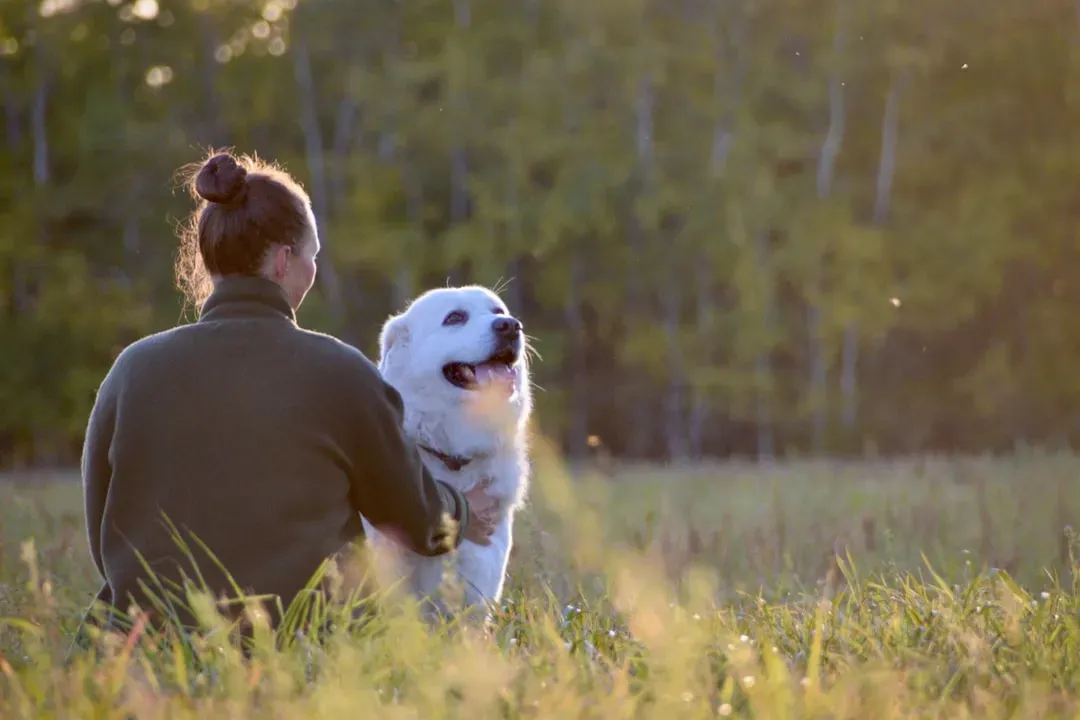
Building an unbreakable bond with a rescue dog is not a destination. It is a slow, sometimes messy, always meaningful process. Some days your dog will surprise you with a burst of joy that knocks you sideways. Other days, you will wonder if you are making any progress at all. Both days are part of the deal.
Over time, the nervousness and uncertainty will fade, replaced by wagging tails, happy greetings, and unwavering loyalty. What starts as careful coexistence quietly becomes something deeper than most people expect – a relationship built on earned trust, which is honestly the strongest kind there is.
I think the most important thing to remember is this: your rescue dog is not broken. They are just waiting to find out if you are safe. Prove to them, one small moment at a time, that you are.
So, have you recently welcomed a rescue dog into your home? What has been the most surprising part of the journey? Share your story in the comments.

- 10 Remarkable Facts About the African Cheetah: The Lightning of the Grasslands - July 29, 2026
- 10 Most Heroic Horses in History - July 29, 2026
- Why You Should Never Play Dead When Attacked by a Black Bear - July 29, 2026