
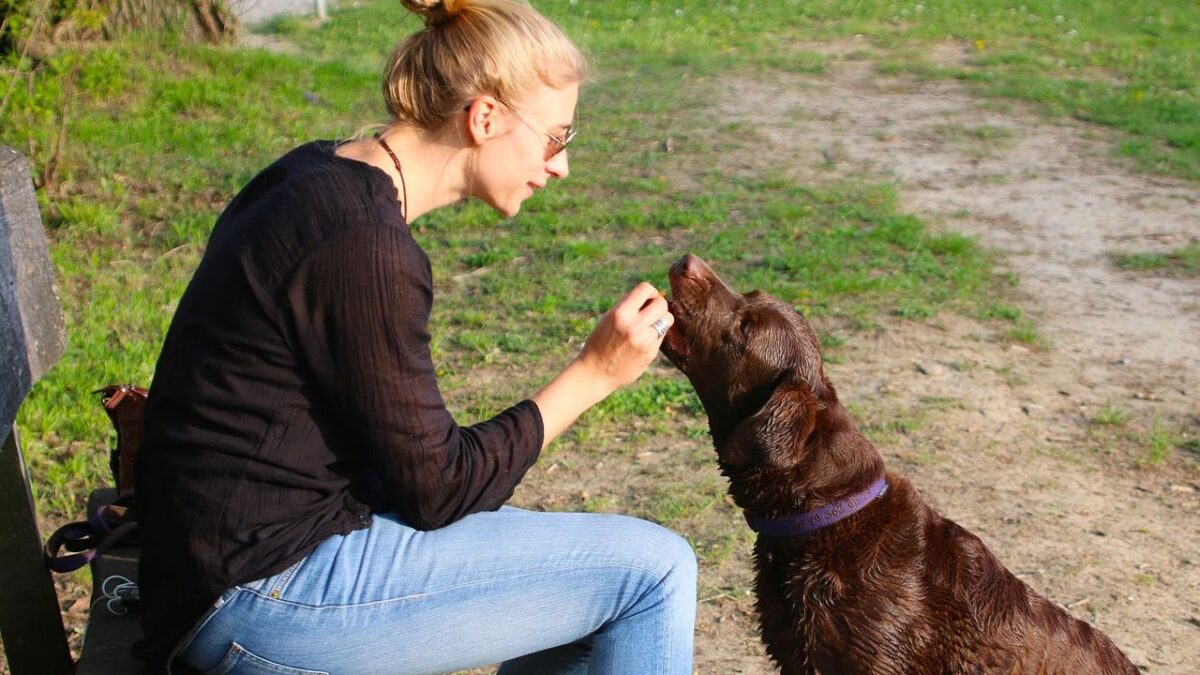
You got a dog, you watched a few YouTube videos, maybe even read a couple of blog posts, and you thought, “How hard can this be?” We’ve all been there. Training a dog feels intuitive at first. Rewarding good behavior, saying “no” to bad behavior, and repeating until it sticks. Simple enough, right?
Wrong. Honestly, some of the most well-meaning dog owners in the world are accidentally making their dog’s behavior worse every single day without even realizing it. The gap between what we think we’re teaching and what our dogs are actually learning is wider than most people expect.
There are five specific mistakes that show up over and over again, across all breeds, all ages, and all experience levels. They are sneaky. They look harmless. Some of them even feel like the right thing to do. So let’s dive in.
Mistake #1: Repeating Commands Until Your Dog Eventually Obeys

Here’s a mistake so common it almost feels like standard practice. You say “come,” your dog ignores you, so you say it again. Then again. Then louder. Sound familiar? This habit, often called “cue nagging,” only teaches your dog they don’t have to listen the first time. Even worse, they’ll start to think the actual command is “come, come, come” and won’t respond if they hear the word said only once.
Think of it like a fire alarm that goes off every Tuesday for no reason. Eventually, you stop running for the exit. Your dog’s brain works the same way with repeated commands.
Cue nagging is when your dog doesn’t respond to a cue and you keep repeating it. This often happens with the word “come.” You say it, your dog doesn’t obey, so you keep saying it. Pretty soon, your dog doesn’t pay attention until you’ve said the word five or six times. By repeating the cue, you’ve essentially taught your dog that he doesn’t have to respond right away.
The fix? Say it once. If your dog doesn’t respond, get their attention first or go back to a quieter environment to practice. Get their attention with their name first, or a cue like “watch me.” If your dog is too distracted to obey, don’t say the cue at all. Find another way to get them to do what you want, then work on building their performance around distractions.
Mistake #2: Using Punishment or Fear-Based Methods

Let’s be real. Punishing a dog when it does something wrong feels instinctive. It’s what many of us grew up seeing. A firm “no,” a tap on the nose, a yanked leash. It looks like it works, at least in the moment. That’s exactly what makes it so dangerous.
Punishing a dog for an unwanted behavior will either make the problem worse or force it to be suppressed. When suppression happens, the behavior often re-emerges as something else later on. That’s not progress. That’s just relocating the problem.
Research shows that using aversive training methods can jeopardize both the physical and mental health of dogs. Although positive punishment can be effective, there is no evidence that it is more effective than positive reinforcement-based training. In fact, there is some evidence that the opposite is true.
An animal punished for using normal threat displays, for example when a dog growls or barks, loses an early communication signal that warns people to stay away. If such displays are punished, the dog will cease warning people. However, the underlying fear causing the behavior remains or may even increase, which can lead to what appears to be unpredictable and sometimes higher intensity aggression. In other words, you don’t fix the fear. You just remove the warning sign.
Mistake #3: Inconsistency in Rules and Expectations

This one is deeply human, and I think it catches us all off guard at some point. You let your dog on the couch on a lazy Sunday, but then scold him for jumping on it Monday morning when you’re wearing clean clothes. To you, the situation changed. To your dog? It’s completely baffling.
Always be consistent with your choices. Don’t allow your dog to sleep in your bed one night and then scold him for it the following one. That will simply teach your dog that it makes no difference whether he obeys you or not. That is definitely not the mindset you want.
Inconsistency essentially tells your dog that the rules are random and unpredictable. Dogs actually crave structure. It calms them down. When the rules shift constantly, anxiety tends to follow.
It’s all too easy to allow a dog’s unfortunate behavior to work for them. One example is allowing a dog to pull while on leash because it gets them what they want. Similarly, reinforcing barking by giving the dog attention in response to it, or laughing and petting a dog when they jump up, makes that behavior more likely to happen. Don’t let the behavior you don’t want work for your dog, or they will keep doing it.
Mistake #4: Training Sessions That Are Too Long
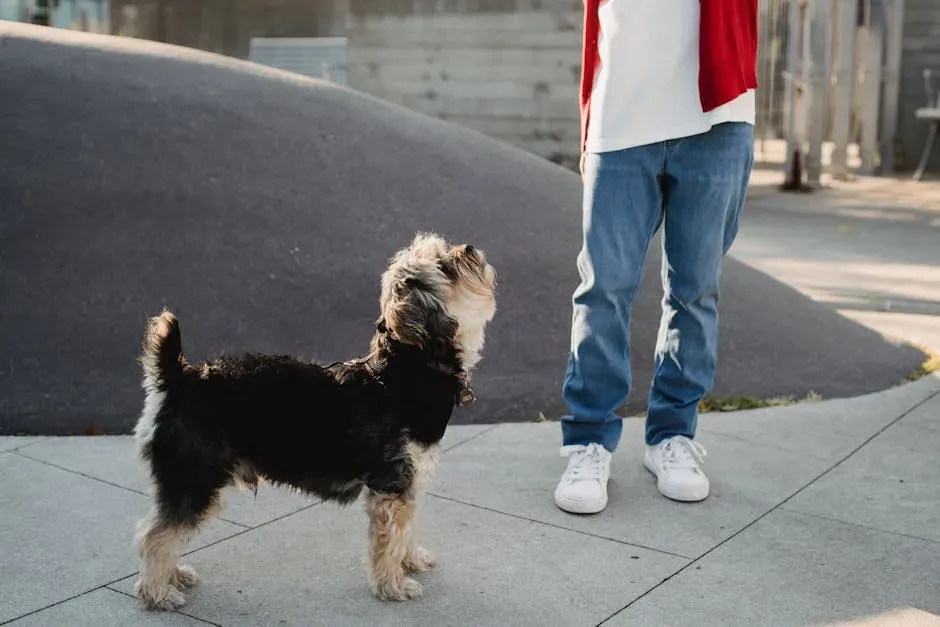
More practice equals better results, right? Not with dogs. This is one of those counterintuitive lessons that trips up even experienced owners. You’re on a roll, your dog is getting it, and you keep going. Thirty minutes later, nothing is working and you’re both frustrated. What went wrong?
Dogs have short attention spans, except when they are watching their humans preparing tasty things. They are likely to lose interest in training after around ten or fifteen minutes. Some dogs may not even make it that long. That’s okay because you can divide your training routine into several short sessions.
Multiple short training sessions are better than one long one, but many novice trainers don’t realize that when trainers say “short sessions,” they mean 30 to 90 seconds, not 20 minutes or more. This surprises many people because weekly training classes are often 45 to 60 minutes long. The difference? In a class, your dog isn’t the center of attention for the whole session.
Seeing your dog catching on and figuring out what you want is exciting, and it’s tempting to keep going to see how much more progress you can make. Learning is a tiring process, and continuing when your dog’s energy is flagging does you no favors. End on a win. Short, sweet, successful.
Mistake #5: Poor Timing When Giving Rewards
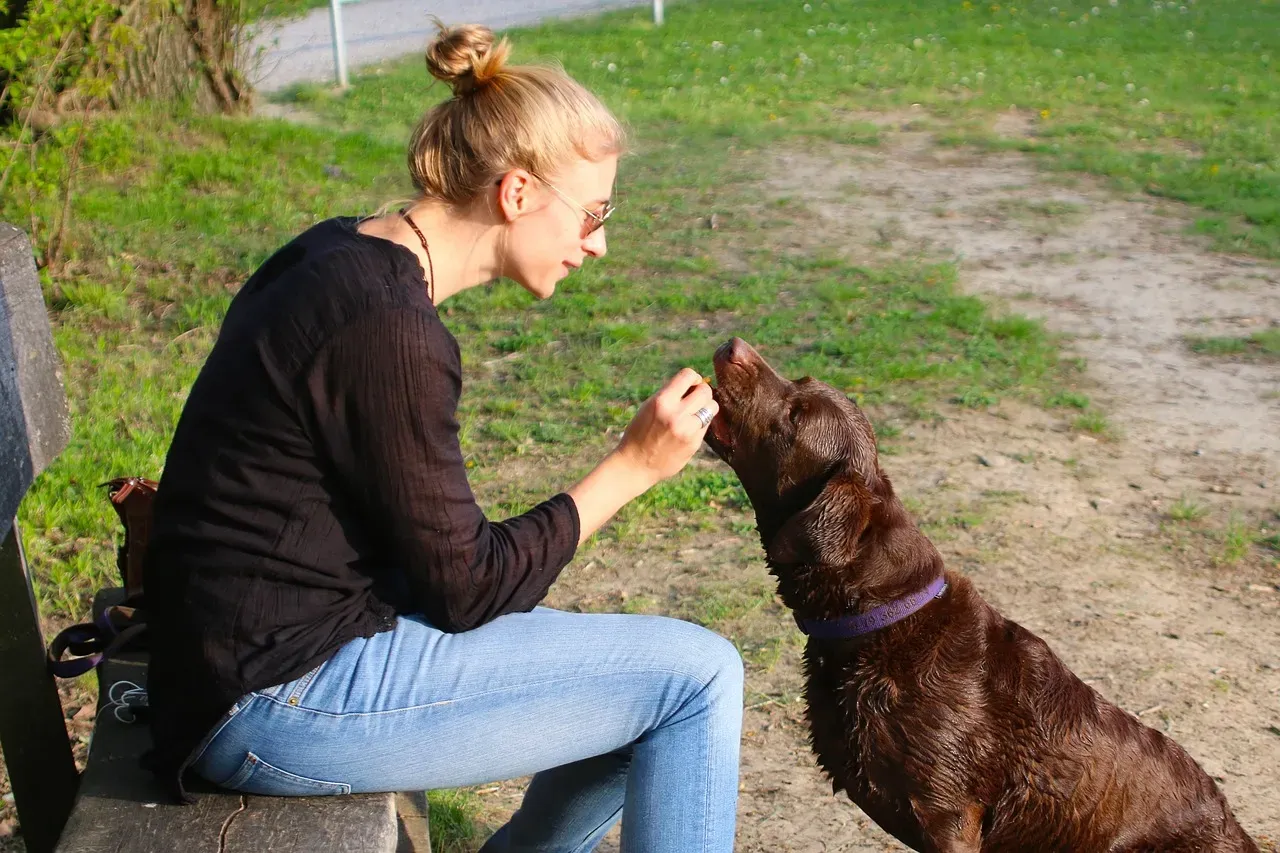
Of all the mistakes on this list, this one might be the most misunderstood. People know they should reward their dog. What they don’t know is that timing matters enormously. We’re talking seconds, not minutes.
Timing is everything in reward-based training. A reward must be given immediately after the desired behavior to create a clear connection in the dog’s mind. Delayed rewards confuse dogs and can inadvertently reinforce the wrong behavior. Praising a dog five minutes after they’ve followed a command fails to create the necessary behavioral link.
Imagine praising someone three minutes after they made a good decision in a meeting. By then, they’ve answered two emails, told a joke, and grabbed a coffee. The feedback means nothing. Dogs work the same way, only even more literally.
The type of reward matters equally. Not all dogs are motivated by the same things. Some respond best to food treats, while others prefer verbal praise, physical affection, or play. It sounds obvious, yet most owners default to food every time without ever experimenting to find what truly lights their dog up.
Research suggests that training using positive reinforcement may improve the learning ability of dogs overall, so getting both the timing and the reward type right is less of a nice-to-have and more of a foundation.
Conclusion: Small Fixes, Big Results
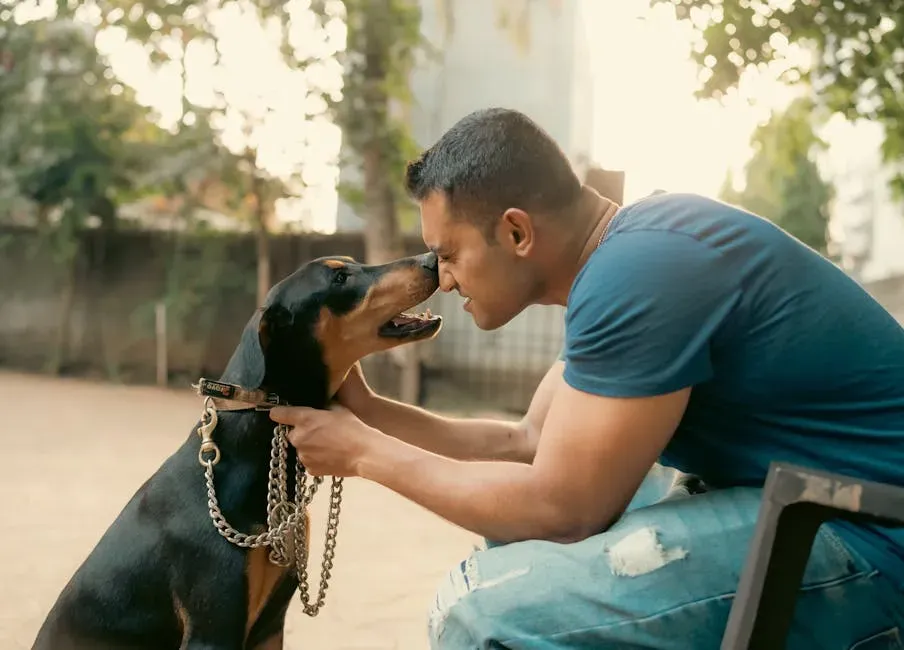
Here’s the thing about these five mistakes: none of them require a professional overhaul to fix. They’re subtle shifts in timing, consistency, tone, and self-awareness. But their compounding effect is enormous.
These common training mistakes can make training more challenging for both you and your dog, but changing just a few details can make a huge difference in your dog’s behavior and in the joy you share during training. The result is that the relationship between the two of you becomes even better.
Training a dog was never meant to feel like a power struggle. It’s a conversation. A partnership built on clarity, patience, and trust. When you stop accidentally undermining that process, something almost magical happens: your dog starts choosing to listen because it feels good to do so.
It’s important to maintain an upbeat attitude, because dogs can read human emotions. If your dog thinks you’re angry or stressed, they’ll shut down and stop learning. So the next time training feels like it’s going sideways, check in with yourself first. Your dog probably already has.
Which of these five mistakes surprised you most? Drop your thoughts in the comments and let’s talk about it.

- 10 Remarkable Facts About the African Cheetah: The Lightning of the Grasslands - July 29, 2026
- 10 Most Heroic Horses in History - July 29, 2026
- Why You Should Never Play Dead When Attacked by a Black Bear - July 29, 2026