
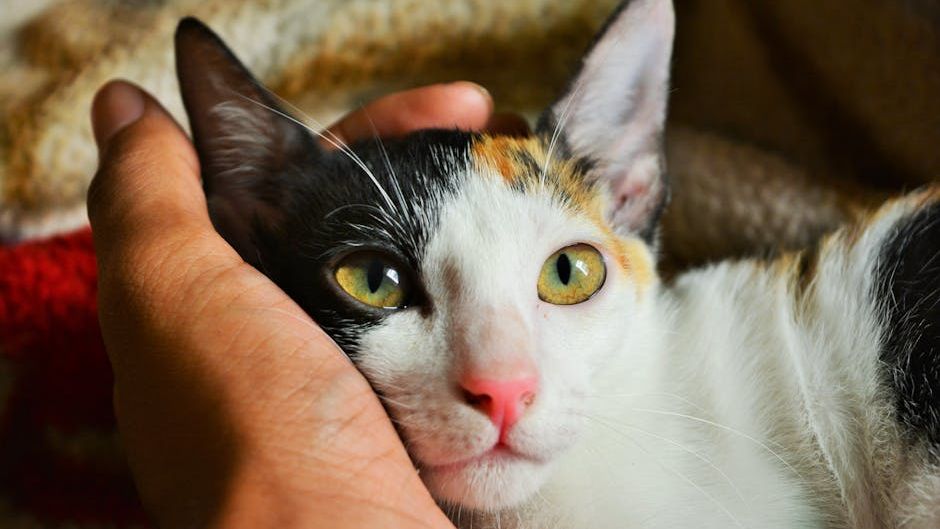
Most people assume that earning a cat’s devotion is basically a lottery. You either get lucky and the cat likes you, or you spend the next decade being politely ignored on your own sofa. Honestly, I used to think the same thing. The truth, though, is far more fascinating and surprisingly within your control.
Cats are not random in who they choose. Cats are often seen as independent, aloof creatures, but many form deep, lasting bonds with their favorite humans. This special connection is known as cat imprinting, a process in which a feline identifies a particular person as a trusted companion and source of comfort. The key word there is “trusted.” Trust is the entire game. Get curious about what you’re about to discover, because some of these will genuinely surprise you. Let’s dive in.
Patience Is Not a Virtue Here, It’s the Foundation
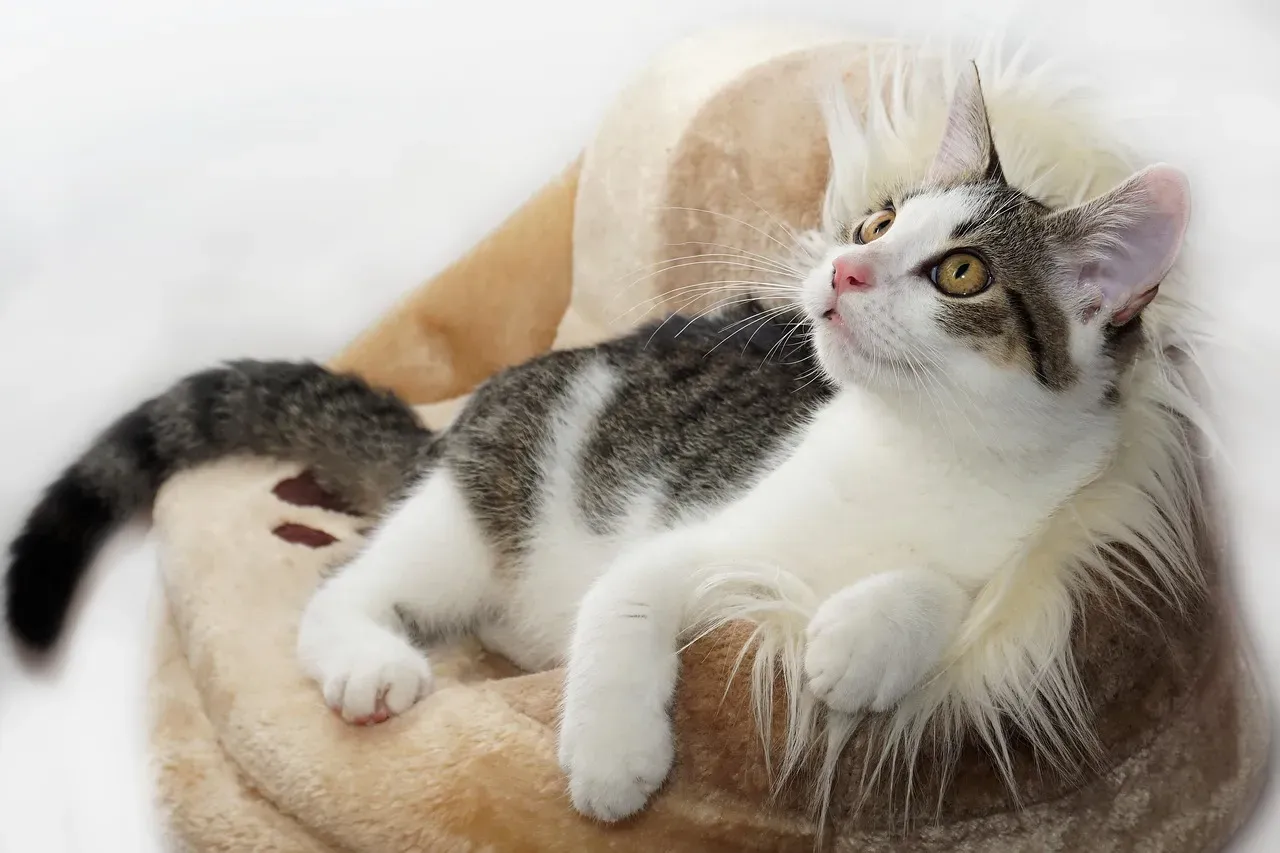
Here’s the thing that no one really warns you about when you bring a cat home: rushing is the fastest way to lose. Trust isn’t something you can rush with a cat. It’s built slowly, through consistent, respectful interactions. Think of it like filling a jar with water, one drop at a time. Every calm, gentle interaction adds a drop. Every forced cuddle or sudden grab drains the jar completely.
Let your cat come to you. Don’t force a friendship. Let your cat decide how comfortable she is and when she wants to interact with you. Cats learn a lot just through observation, so even though you may not be directly interacting with her, she’s learning a lot about you if she’s simply watching you from a window perch or the couch. She is studying you. Every single day. The question is whether what she’s learning is reassuring or alarming.
Master the Language Your Cat Actually Speaks
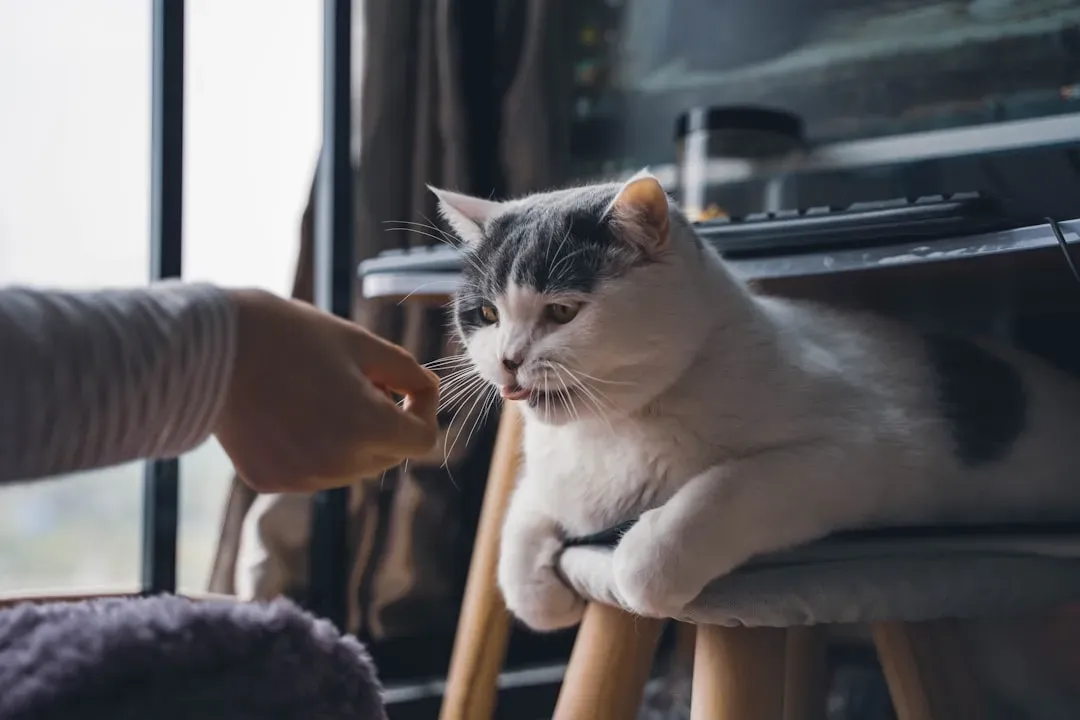
Cats are always talking. The problem is, most people aren’t listening. Cats are constantly communicating, even if they don’t make noise. Signs that seem subtle to you may be strong attempts to communicate in your cat’s world. By learning just a few simple cat “words,” you can usually understand what they’re trying to say and when it’s good to approach and when it’s not.
Take the tail, for example. The tail is one powerful indicator. A tail held high or straight up indicates happiness and confidence. A slowly moving tail means the cat is concentrating. A fast-twitching tail can indicate annoyance or nervousness. A puffy tail means your cat is scared or preparing for a fight. That’s practically a whole conversation happening at the back end of your cat. You must pay attention to and understand your cat’s body language. Since they can’t speak, cats use their bodies, ears, and tail to communicate their feelings. By paying attention to what their body language is telling you, you can understand their needs and how to help them.
Use the Slow Blink Like a Secret Handshake
If you’ve never slow-blinked at your cat, you’ve been leaving trust points on the table. Seriously. This one technique is almost magical in how well it works. Cats often express affection through slow blinking, which is a unique form of cat body language and a cat’s way of talking with their eyes. “Slow blinking is cat language for ‘I trust you and feel safe with you.'”
In the wild, closing one’s eyes can make an animal vulnerable to predators, so a slow blink signals that your cat feels secure and at ease in your presence. When you return the slow blink to your cat, you’re essentially speaking their language and telling them, in the most direct way possible, that you are safe. If you slow blink at your cat, you can communicate the same friendly message to them, and you’re more likely to get an amiable response back. It really works. Combine the slow blink with a seated or squatting position, an extended hand, and a soft, soothing voice, and you’re even more likely to get the cat to approach you.
Become the Source of All Good Things
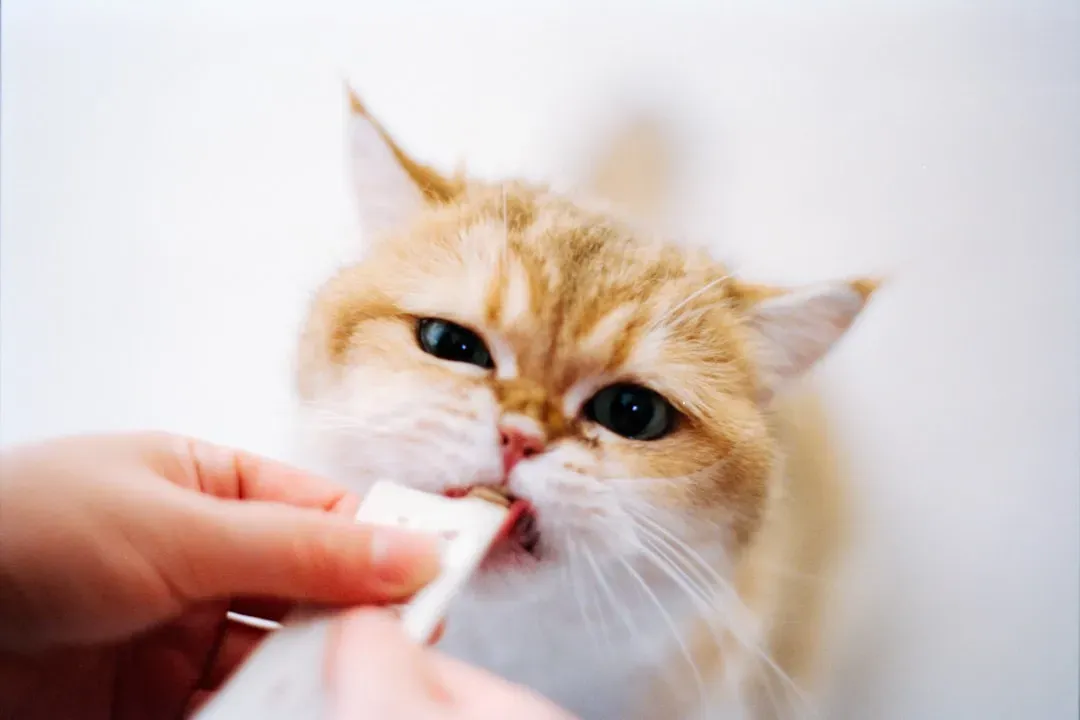
Let’s be real, cats are wired to associate safety with resources. Food, play, warmth. The person who reliably delivers those things becomes someone worth trusting. If you feed your cats meals instead of leaving a bowl of food always available for them, they will learn to come to you for their food. Feeding your cats every time will make your cats associate you with their meals, someone good, worthy of trust and affection.
It sounds almost too simple, right? Like you’re just bribing your cat into loving you. One expert suggests that you “be the source of all good resources.” Instead of leaving food out, serve your cat meals, and call her when it is time. Set aside a little time at least once a day to play with, pet, or groom her if she enjoys those activities. The more your cat connects your presence with positive feelings, the deeper that trust grows. It’s not manipulation. It’s just how feline bonding actually works.
Play With Intention and Play Often
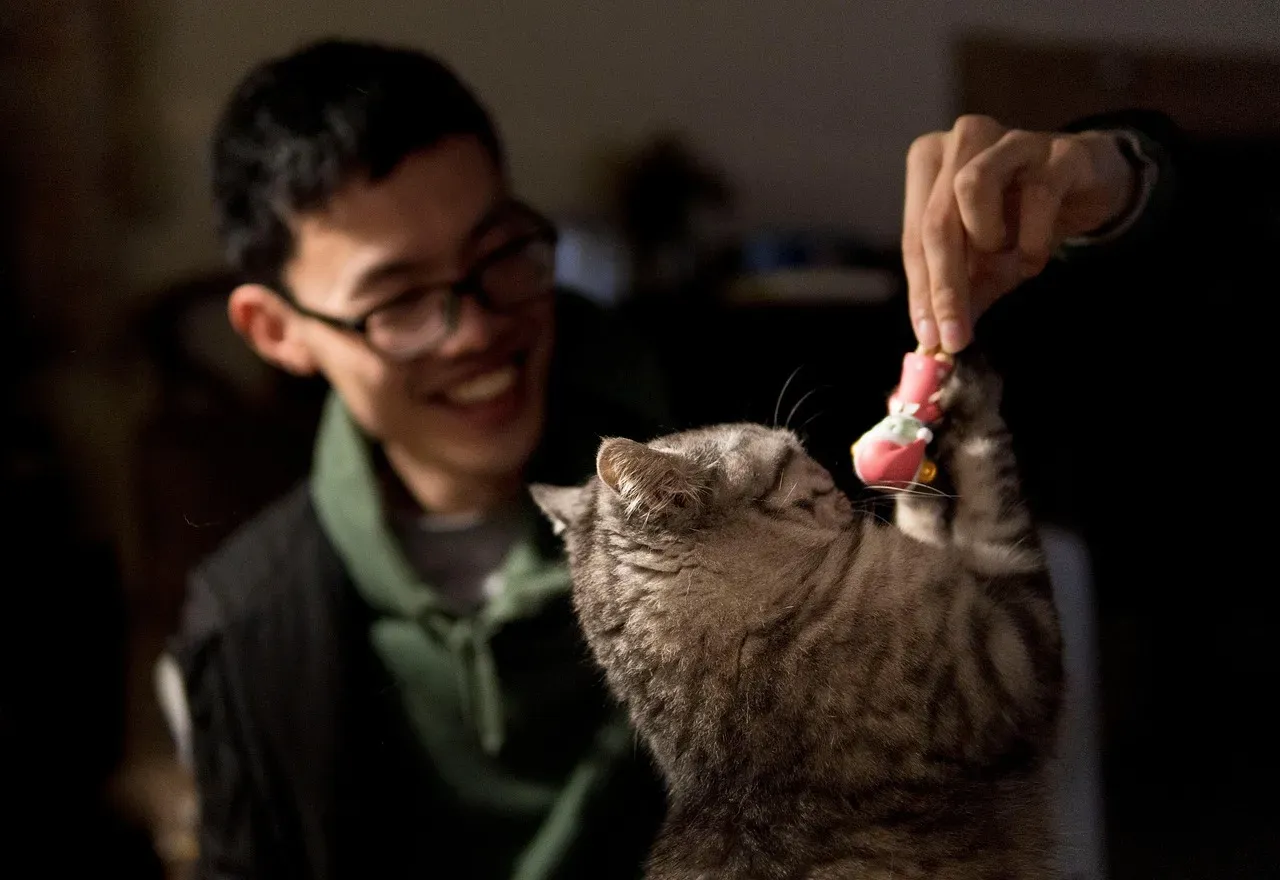
Play isn’t just entertainment. For a cat, it’s one of the most powerful bonding mechanisms in existence. Play regularly and often with your cat. Cats start socializing as kittens with play. They learn to trust each other, define boundaries, and interact mindfully thanks to their hunting instinct. When a cat is playing, it’s in hunting mode, and when in hunting mode, cats are fearless.
That fearlessness is the whole point. A cat that plays with you is a cat that lets its guard down around you. Playing with cats is one of the best ways to establish trust. Use toys they find engaging, best bets are ones that move so they can chase them or jump up to reach them. Let them frequently “catch” the toys they like so they don’t feel as if you are teasing them. Think of yourself as a hunting partner, not an entertainer. That shift in mindset changes everything about how you play together.
Create a Routine Your Cat Can Count On

Cats find unpredictability deeply unsettling. It’s not drama, it’s neurology. Their nervous systems are wired to detect threats, and anything that feels irregular can trigger that alarm. Setting the tone with a consistent routine is crucial when gaining your cat’s trust. For the first several weeks or even months, you should stick to the same routine so your cat can get settled in. If your cat knows what you’re going to do and when you’re going to do it, they’re less likely to be stressed by your actions.
Cats are not usually big on surprises, so keep things predictable. If they are used to you walking by and continuing to move when they are eating, don’t change it up by stopping to offer any affection. If your usual pattern is to let them jump into your lap when you sit on the couch, don’t act differently by rushing it and picking them up to put them there. Consistency is basically a love language for cats. The more predictable you are, the safer you feel to them.
Respect Their Space Like You Mean It
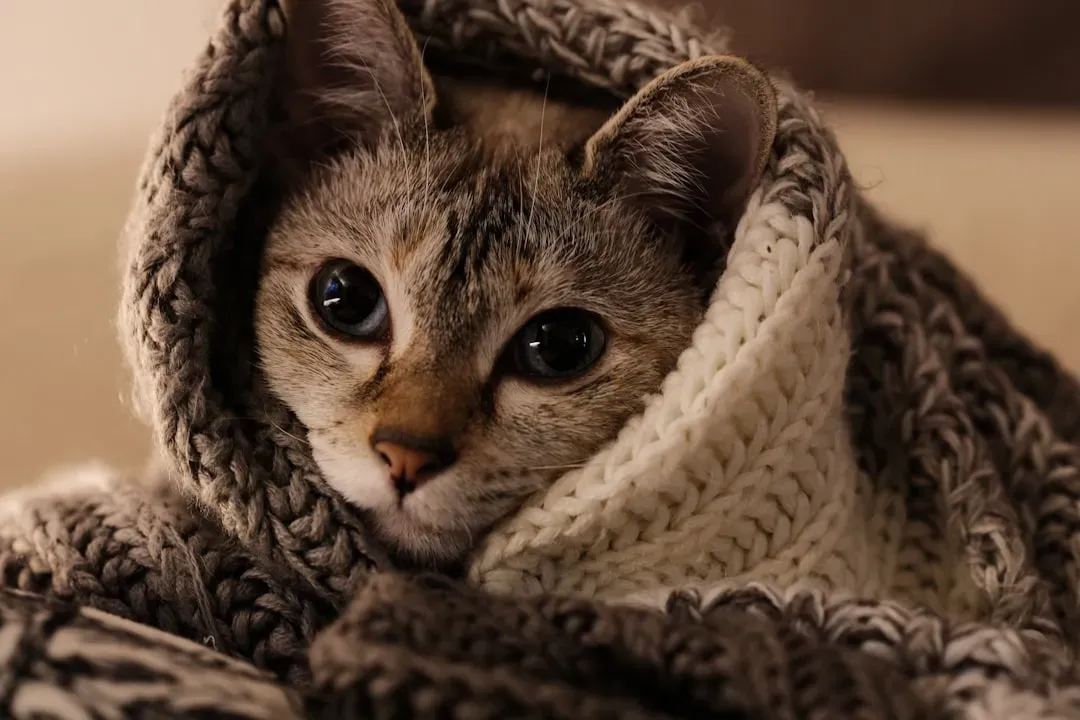
This is probably the most underrated piece of the entire puzzle. Most people think that giving a cat affection and attention is the path to their heart. Honestly, knowing when to step back is just as powerful. Offer your cat places to be where they are guaranteed to be undisturbed by others in the household, such as bookshelves, cat trees, a box, or even a particular cushion. If they know they have an escape route when anything troubles them, and you respect their desire to have a little alone time, that builds trust.
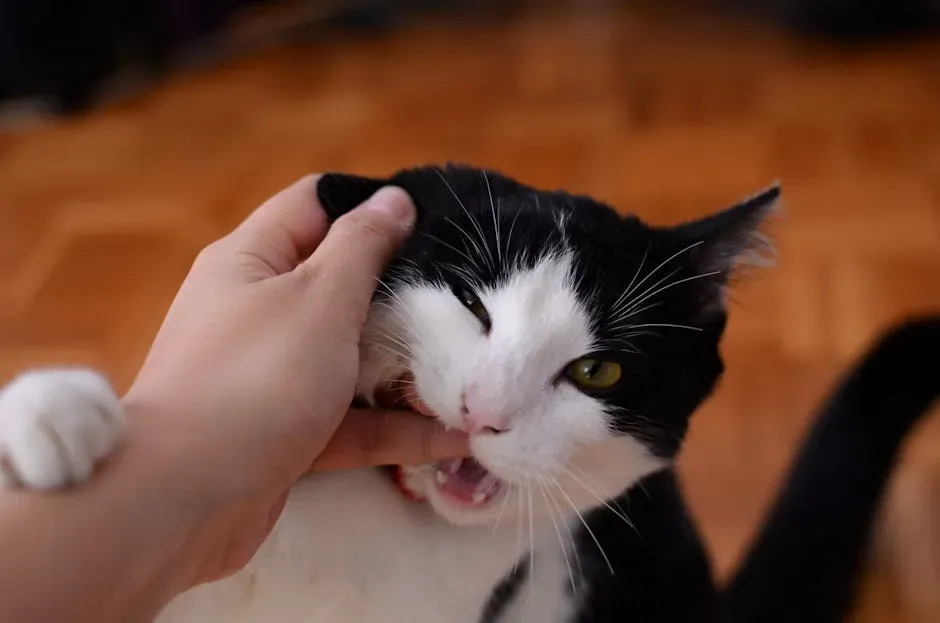
Forcing your cat to do things is the worst enemy of creating a bond and generating trust. Holding your cat against their will, taking them out of a hiding spot, forcing them to play, or petting them when they don’t want to will increase their fear and continue their anxiety around you. It’s a counterintuitive thing: the less you chase your cat’s affection, the more they tend to give it freely. Give them sovereignty over their own space and interactions, and they will reward you with something far more meaningful than compliance. They’ll reward you with genuine, chosen trust.
Conclusion: The Cat You Become For Your Cat
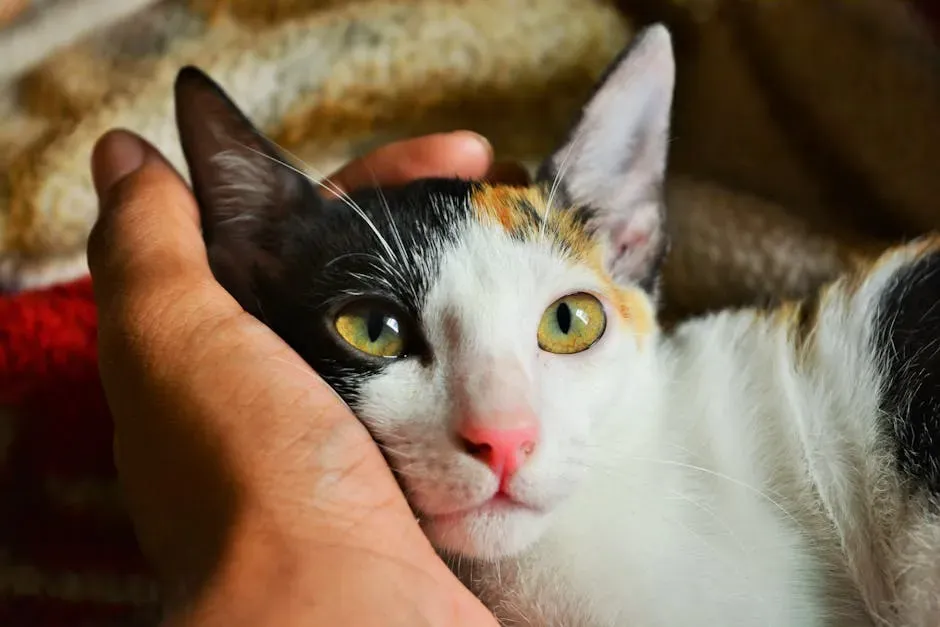
Earning a cat’s deepest trust isn’t about grand gestures or buying the fanciest toys. It’s about showing up the same way, day after day. Quietly. Gently. Predictably. Once a cat feels safe to let their guard down, bonding, affection, and trust can build, resulting in you being part of their chosen family. Cats that feel connected, accepted, and secure with their human family also benefit from reduced stress and anxiety, positive behavior, and improved health.
There is something genuinely moving about a cat choosing you. Not because you happened to be holding the food bowl, but because you took the time to learn their language, honor their boundaries, and simply be someone worth trusting. Fearful cats can integrate into a home and become fulfilling companions. Being a fearful cat does not mean that they are incapable of giving or receiving love. The same is true for every cat. The real question is: are you willing to earn it? Tell us in the comments how your cat shows you they trust you!
