

Most of us love spoiling our pets. A little bite here, a sneaky treat there from the dinner table – it just feels like love. The problem is that what feels loving can sometimes be genuinely life-threatening. And the scariest part? Many of the foods that can seriously harm or kill your dog or cat are the exact foods you eat every single day without a second thought.
Several foods that are perfectly suitable for human consumption can be toxic to dogs and cats. That’s not just a casual warning. It’s a reality that sends thousands of pets to emergency veterinary clinics every year. The poisoning episodes are generally due to a lack of public knowledge of the serious health threat to dogs and cats that can be posed by these products. So let’s fix that, right now. Let’s dive in.
1. Chocolate: The Classic Killer That Still Catches People Off Guard

Let’s be real – most people have heard that chocolate is bad for dogs. Yet it remains one of the most common causes of pet poisoning worldwide. Honestly, the sheer frequency of it is alarming.
Chocolate, coffee, and caffeine are similar in that their toxicity concerns stem from their methylxanthine concentrations. When ingested by pets, methylxanthines can cause vomiting and diarrhea, panting, excessive thirst and urination, hyperactivity, abnormal heart rhythm, tremors, seizures and even death.
The darker the chocolate, or the higher the caffeine content, the greater the risk for toxicity. Think of it like a sliding scale of danger – from milk chocolate at the milder end, all the way up to baking chocolate, which is essentially a concentrated poison for your pet. If your dog ingests any amount of chocolate, no matter how small, call your vet immediately.
2. Grapes and Raisins: Shockingly Dangerous in Tiny Amounts
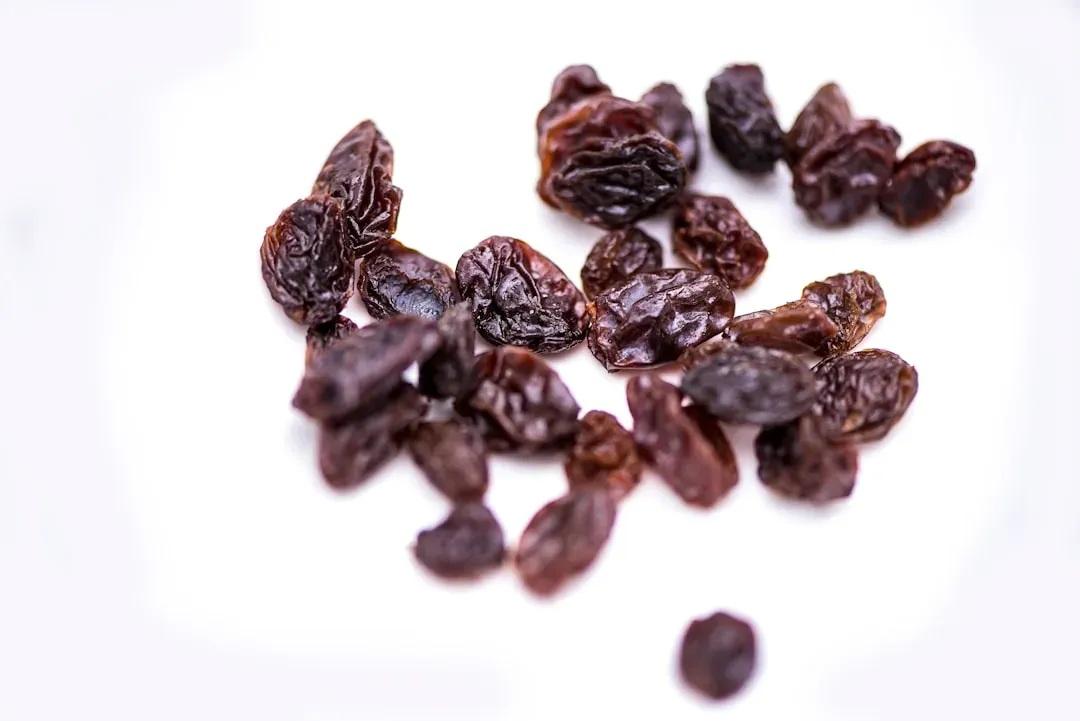
This one surprises people every time. A few grapes? Surely that’s harmless, right? Wrong. Even a few grapes or raisins can cause kidney failure in dogs and possibly cats. That’s an extraordinary level of danger for something so small and seemingly innocent.
Tartaric acid is speculated to be the toxic component in grapes and raisins. Since dogs are not able to process tartaric acid, exposure to grapes and raisins can lead to kidney damage.
Symptoms of raisin or grape poisoning include vomiting and diarrhea, loss of appetite, changes in the amount of urine passed, or not passing any urine. Here’s the thing – raisins often hide inside common foods like fruitcakes, trail mix, and certain breads. These fruits often show up in holiday foods like stuffing, baked goods, and fruitcakes. Keep them and any dishes containing them off your pet’s menu.
3. Onions, Garlic, and Chives: The Entire Allium Family Is a Problem
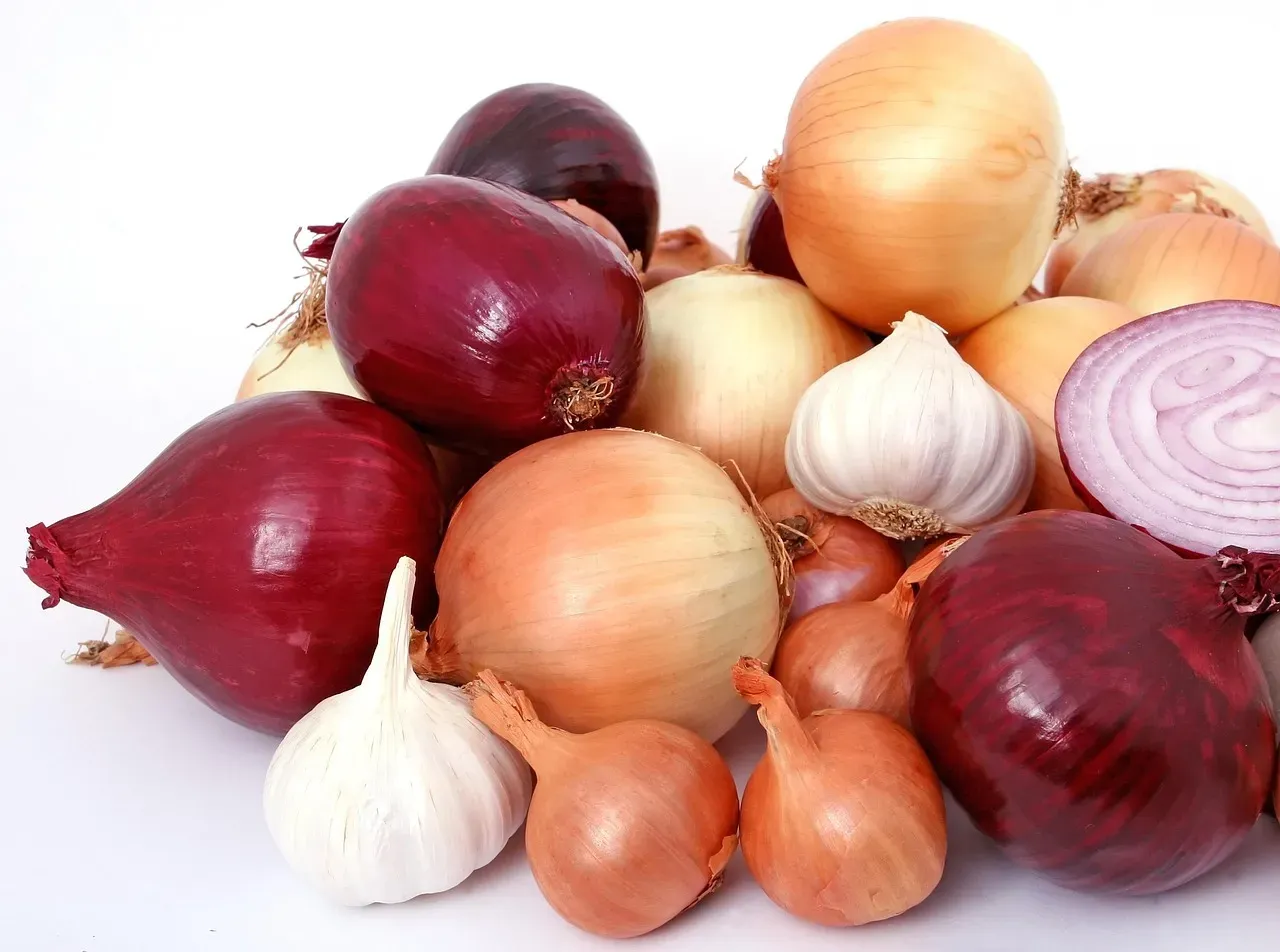
This is probably the most underestimated danger on this entire list. Onions and garlic are in almost everything we cook. Soups, sauces, stir-fries, baby food – the list goes on. Onions and garlic contain sulfoxides and disulfides, which can damage red blood cells and cause anemia in cats and dogs. Onion and garlic powders are found in many prepared foods, so make sure to read labels before serving store-bought food to your pet.
Cooking, drying, and processing do not eliminate the toxic effect of Allium species. That means your leftover stew or garlic bread is just as dangerous as a raw onion. The cooking process changes nothing when it comes to toxicity.
Garlic is considered the most toxic of all plants in the allium family. Certain Japanese breeds of dogs, like Akitas and Shiba Inus, are extra sensitive to allium plants, but the plants are dangerous to all dogs. Cats, meanwhile, are even more susceptible than dogs – making this one to take very seriously.
4. Xylitol: The Hidden Sweetener Lurking in Your Pantry
Here’s one that genuinely shocks people – even devoted, careful pet owners. Xylitol is a five-carbon sugar alcohol primarily used as an artificial sweetener in many products, including sugar-free gum, candy, bread, cookies, and other baked goods. It sounds harmless enough for humans. For dogs, it’s another story entirely.
Dogs are the species at the risk of developing severe, life-threatening clinical signs. In dogs, xylitol is a potent stimulator of insulin release, leading to a dramatic decrease in blood glucose levels.
Xylitol can cause low blood sugar and potentially liver damage depending on the amount ingested. Initial signs of toxicosis include vomiting, lethargy and loss of coordination, which can progress to seizures. What makes this particularly terrifying is how xylitol hides in everyday items – some kinds of peanut butter contain xylitol, so make sure you check those labels.
5. Avocado: The Health Food That Harms Pets
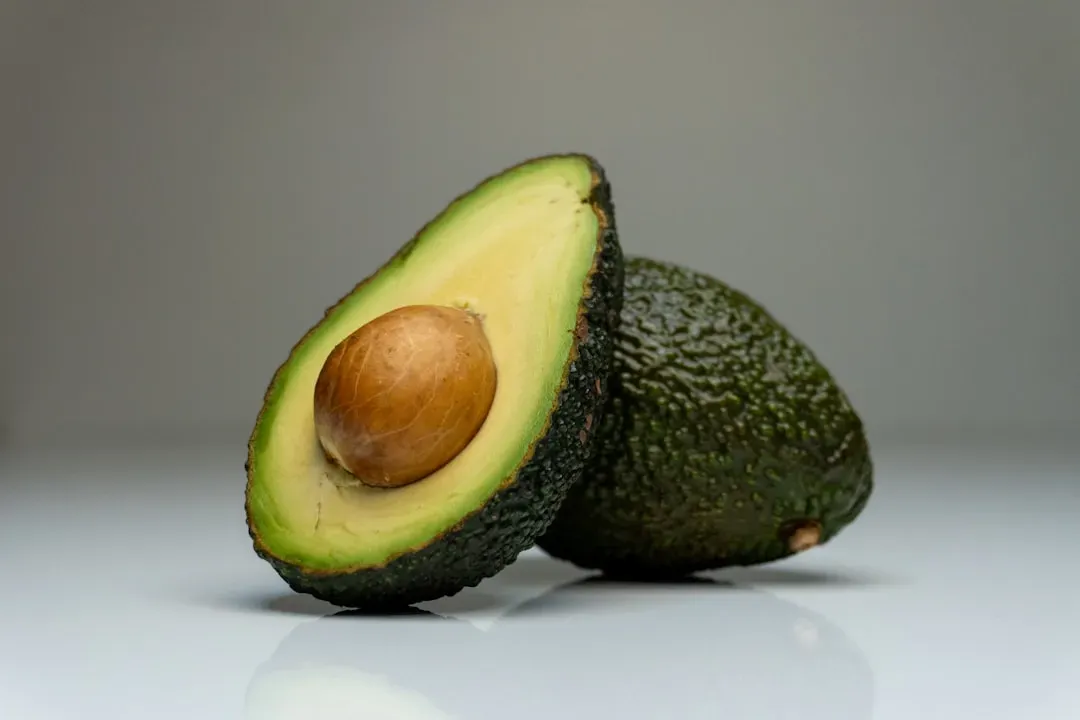
Avocado has become practically a food group for health-conscious humans. Avocado toast, guacamole, salads – it’s everywhere. The problem is that the entire avocado plant carries a real risk for pets. All parts of avocados, including the leaves, fruit, seeds, pit and skin, contain persin, which is a fungicidal toxin.
Avocado contains persin, a substance that can cause respiratory issues, congestion, and fluid accumulation around the heart in certain animals. It’s a bit like inviting a beautiful but dangerous guest into your home without realizing what they’re capable of.
While avocado isn’t as dangerous for dogs and cats in very small quantities, it still poses a risk and is best avoided altogether. I think the safest rule is just to keep avocado completely out of their reach. No exceptions. Why take the risk?
6. Raw Bread Dough: A Surprisingly Deadly Kitchen Hazard

This one catches even experienced bakers off guard. It’s not the baked bread that’s the issue – it’s the raw, yeasted dough sitting on the counter waiting to rise. Yeast dough can rise and cause gas to accumulate in your pet’s digestive system. This can be painful and cause the stomach to bloat, and potentially twist, becoming a life-threatening emergency. The yeast also produces alcohol as a by-product in the stomach environment once ingested, so raw bread dough exposures can develop complications of alcohol toxicity as well.
When a pet eats yeast dough, the yeast ferments in your pet’s stomach, producing alcohol and gas that leads to bloating. Additionally, the dough increases in volume, worsening the bloat. Think of raw dough as a tiny, warm, expanding time bomb sitting inside your pet’s stomach. That visual should be enough to keep the baking counter off-limits.
7. Macadamia Nuts: The Nut That Nobody Expects to Be Dangerous
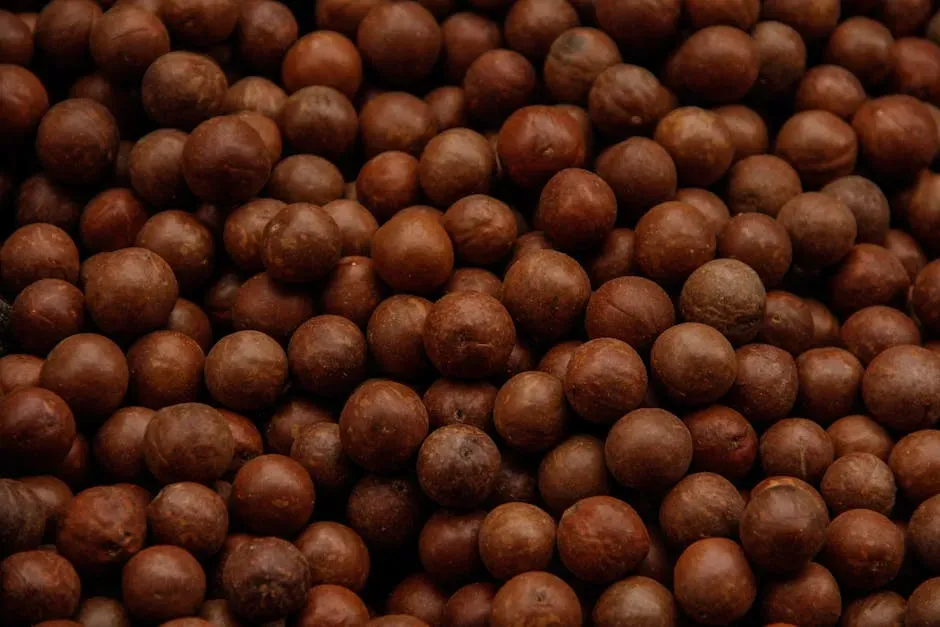
Macadamia nuts might be one of the most surprising items on this list. They look harmless. They’re just a nut. Macadamia nuts can cause weakness, incoordination, depression, vomiting, tremors and hyperthermia in dogs. Symptoms usually appear within 12 hours of ingestion, with recovery expected within 24 to 72 hours.
While veterinary toxicologists know why some foods cause poisoning in pets, they have yet to identify the toxic agent in others, such as grapes, raisins and macadamia nuts. It’s hard to say for sure why macadamias are so problematic, but the clinical evidence is clear – they cause real harm.
Macadamia nuts love to hide inside cookies, trail mixes, and fancy snack bars. Be aware of chocolate-covered nuts as well as salted nuts. Chocolate is highly toxic to dogs and cats alike. So a chocolate-covered macadamia nut is essentially a double threat. Keep them far away from curious snouts.
8. Caffeine: It’s Not Just the Coffee Cup You Need to Watch

Caffeine is toxic to dogs and cats. Most pet owners think about the morning coffee pot and leave it at that. The reality is far more complicated. While we all know coffee, tea and soda contain caffeine, other common food items, such as candy and chocolate, can also have this chemical as an ingredient.
When a pet consumes enough caffeine to harm them, caffeine toxicity is usually seen within 30 to 60 minutes. That’s a frighteningly fast window. Around 9 mg of caffeine per pound of body weight leads to toxicity in dogs; for cats, it takes only 3 to 4 mg of caffeine per pound of body weight. Cats, in other words, need far less caffeine to be seriously affected.
In large enough doses, caffeine can be fatal for a cat or dog. There is no antidote. Energy drinks, caffeine gummies, pre-workout supplements left on the counter – all of these are potential hazards in the modern home. Worth thinking about.
9. Dairy Products: The Beloved Treat That Upsets More Than Just Their Stomach
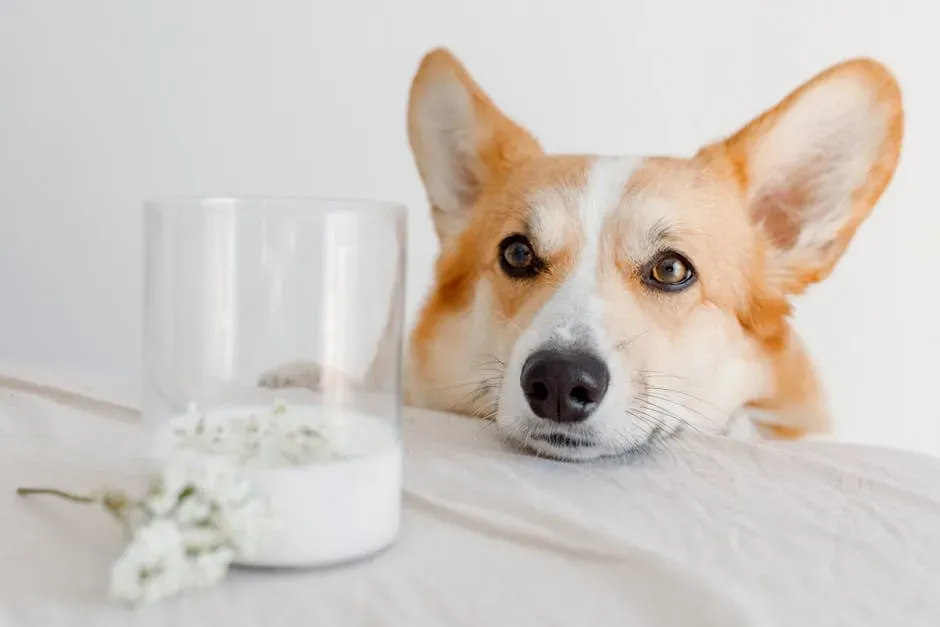
Honestly, I think nearly every pet owner has slipped their dog a little bit of cheese or let the cat lap up some milk. It feels harmless. But because pets do not possess significant amounts of lactase, the enzyme that breaks down lactose in milk, milk and other dairy-based products can cause diarrhea or other digestive upset.
Pets are largely lactose intolerant and cannot properly digest dairy. Some may also have a food allergy to a specific dairy product. Additionally, pets can experience secondary issues like pancreatitis, diarrhea-induced dehydration, and obesity.
Think of your pet’s digestive system like a very selective club – lactose simply does not get in. The result is an uncomfortable, sometimes painful experience for your pet that you could easily prevent. Nuts including almonds, pecans, and walnuts contain high amounts of oils and fats. The fats can cause vomiting and diarrhea, and potentially pancreatitis in pets. So while dairy might not kill your pet outright, it causes real suffering you never intended.
10. Salt and Salty Snack Foods: Way More Dangerous Than You Think
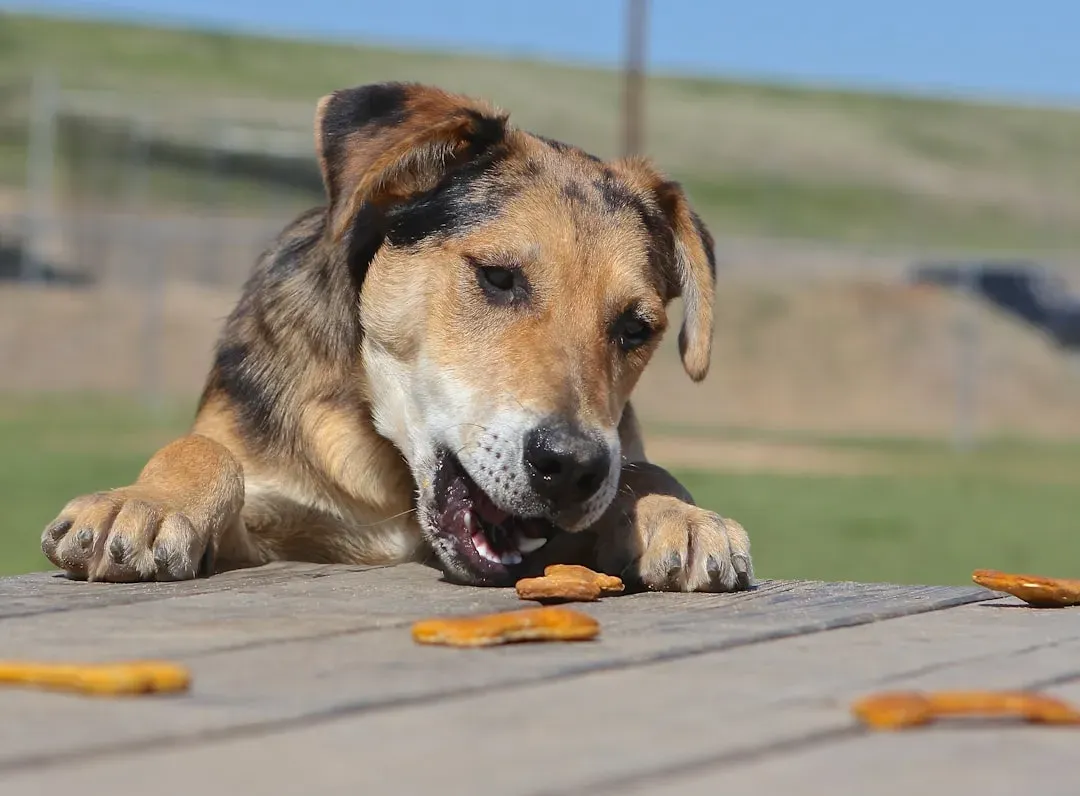
Potato chips. Pretzels. Salted crackers. These are the foods we mindlessly snack on while watching TV, often with a dog at our feet hoping for a crumb. Dog owners in particular need to pay attention to their pets’ salt intake. Dogs with high levels of salt intake may develop salt toxicity, which causes gastrointestinal issues like vomiting and diarrhea, and if the condition isn’t treated, it may cause seizures and death.
Too much salt can cause high levels of sodium in your pet’s bloodstream, affecting cells, the brain, and nervous tissue. Sources of salt poisoning in pets include table salt, rock salt for deicers, homemade play dough or slime, and sea water. Sea water is a particularly sneaky one – worth keeping in mind next time you’re at the beach with your dog.
Large amounts of salt can produce excessive thirst and urination or even sodium ion poisoning in pets. The frightening thing is how quickly small animals can reach a dangerous threshold. A small dog sneaking a bag of salted pretzels is not having a treat – it’s heading toward a medical emergency. Keep those snacks well out of reach.
What to Do If Your Pet Eats Something Toxic
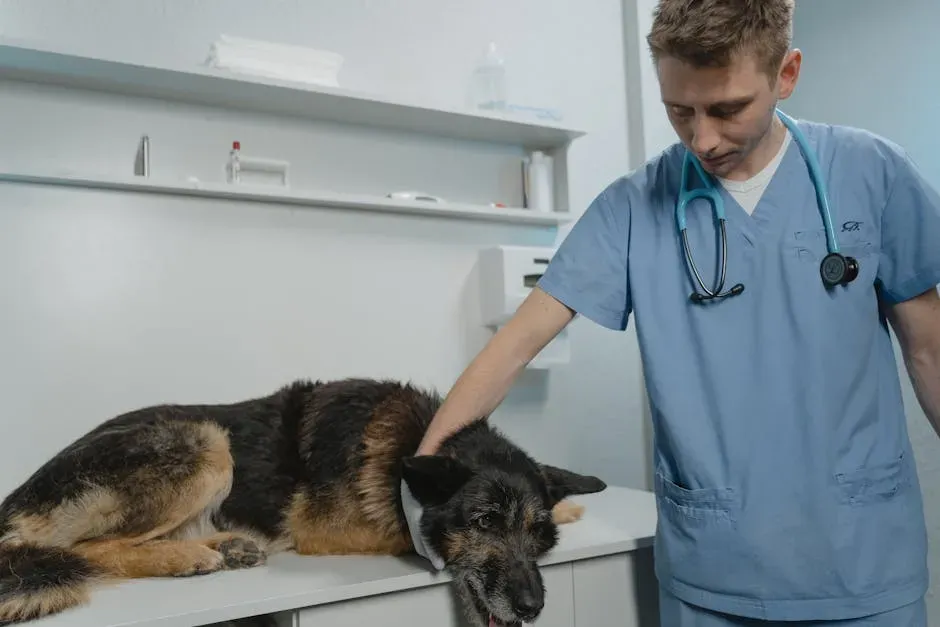
Speed is everything. If you suspect your pet has consumed any of the foods above, do not wait to see if symptoms develop. Obtaining an accurate history of exposure, early recognition of clinical signs, and rapid establishment of appropriate therapy can greatly improve the prognosis of food-related poisoning cases.
Keep the number of your nearest emergency vet on your phone. If ingestion of a potentially toxic substance is suspected, a veterinarian or animal poison control center should be contacted immediately. In the US, the ASPCA Animal Poison Control Center operates around the clock and can guide you through immediate steps.
Large gaps still exist in public knowledge of the hazard that certain foodstuffs may pose to the health of dogs and cats. Preventing exposure is the key to reducing the incidence of these poisoning episodes. Therefore, it is important to increase the knowledge of pet owners with regard to foodstuffs that must not be fed to dogs and cats and should be stored outside their reach. The simplest rule in the world: when in doubt, don’t share it.
The love we have for our pets is real and powerful. Showing that love means knowing what harms them just as much as knowing what makes them happy. A wagging tail and a safe, healthy pet are worth far more than a shared snack. Next time those soulful eyes stare up at you from under the dinner table, remember this list – and choose a pet-safe treat instead.
Did any of these surprise you? Which one did you least expect to be dangerous? Share your thoughts in the comments below.
