

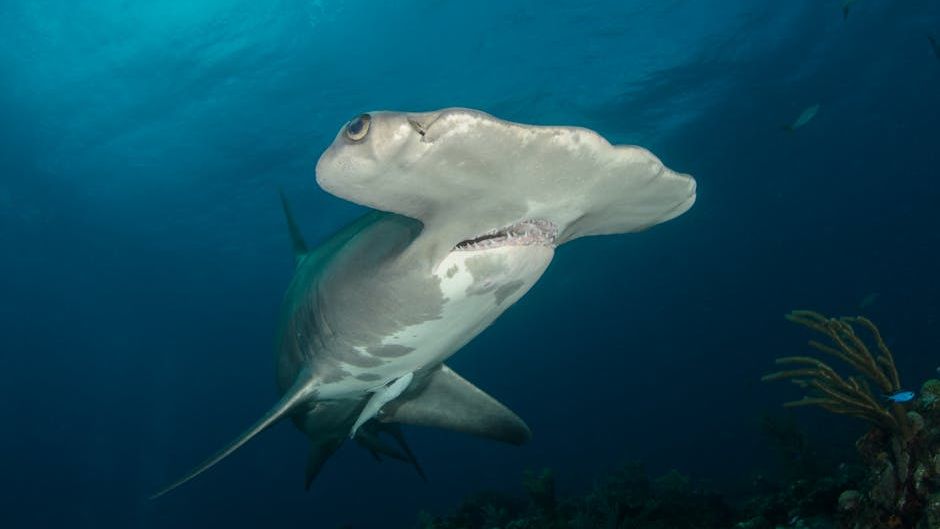
They are one of the ocean’s most iconic and powerful predators. Yet for all their size and strength, great hammerhead sharks may be far more vulnerable to environmental change than anyone previously thought.
New research has revealed something genuinely startling about how these creatures live and move through the ocean. Their survival appears to hinge on a surprisingly thin slice of ocean temperature, and that discovery has serious implications for what lies ahead as global waters continue to warm. Let’s dive in.
A Remarkable Discovery Hidden in the Data
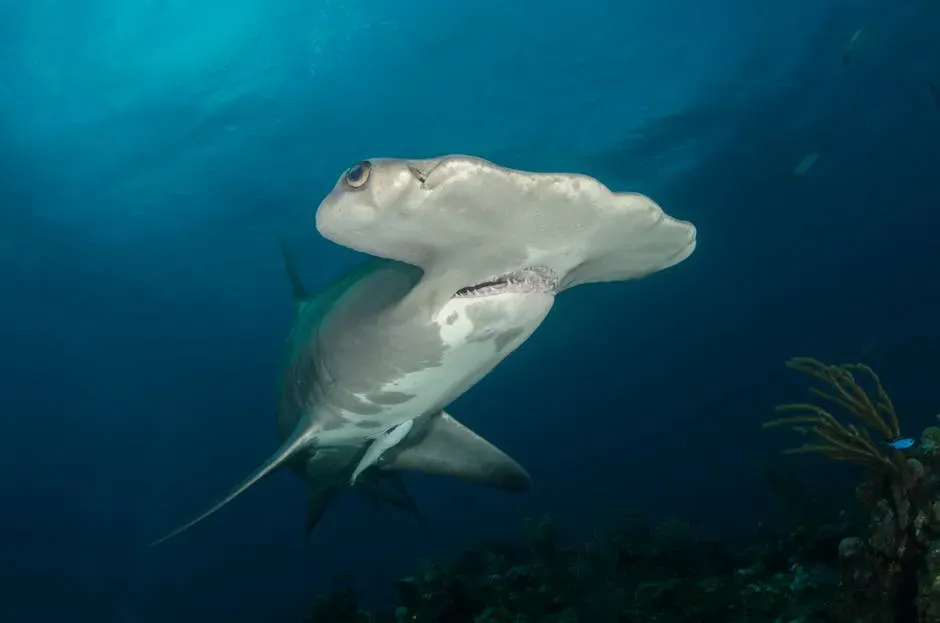
Here’s the thing about scientific breakthroughs: they often hide in plain sight for years before someone finally connects the dots. Researchers studying great hammerhead sharks have found that these animals are most active and apparently most comfortable within a very narrow band of water temperatures. The finding emerged from detailed tracking studies and opens up a whole new line of questions about shark habitat and survival. Honestly, it changes the way many marine biologists are thinking about this species.
The study, published in early 2026, drew on data from sharks tagged and monitored across multiple ocean regions. What stood out wasn’t just the preference for certain temperatures but how consistently and precisely the sharks avoided straying outside that range. It is almost like they are following an invisible thermometer through the sea.
What the Science Actually Says About Temperature Preferences
Great hammerhead sharks appear to peak in activity and habitat use within a relatively tight thermal window, roughly between about 20 and 28 degrees Celsius. Outside of that range, they tend to shift their behavior significantly, spending less time in open foraging areas and altering their movement patterns. Researchers documented this by cross-referencing satellite tag data with oceanographic temperature records over extended periods.
What makes this particularly interesting is how precise the preference turned out to be. Think of it like a thermostat with very little tolerance for error. The sharks aren’t just drifting wherever the ocean takes them. They appear to be actively managing their position relative to temperature, which suggests a far more sophisticated environmental awareness than previously credited to them.
The Tracking Methods Behind the Research
Getting reliable data on any wide-ranging ocean predator is genuinely difficult work. Scientists used a combination of satellite-linked pop-up archival tags and acoustic monitoring to piece together how individual sharks moved across different ocean zones and depths over time. These tags record temperature, depth, and location data, which are then transmitted when the tag surfaces or is detected at an underwater receiver station.
The dataset wasn’t built overnight. It represents years of fieldwork in locations including Florida and the broader Atlantic and Gulf of Mexico regions, where great hammerheads are commonly encountered in warmer months. The sheer scale of the effort makes the consistency of the temperature preference findings all the more compelling.
Why the Narrow Thermal Window Is So Significant
Let’s be real: a preference for warm water is not exactly news for a tropical shark species. The truly eye-opening part is just how narrow that preferred band appears to be, and what that means when ocean temperatures shift. Climate-driven warming has already pushed sea surface temperatures higher in many regions, and the trend is not slowing down.
If the sharks are reliant on a specific thermal corridor to feed, breed, and survive, then even modest changes in ocean temperature could disrupt their access to critical habitat. It is not unlike a bird that migrates to the same patch of forest every year only to find it has been cleared or dramatically altered. The resource still exists somewhere, but finding it requires a costly and uncertain detour. For a large predator like the great hammerhead, that kind of disruption could have cascading effects on their health and reproduction.
Great Hammerheads Are Already Under Pressure
This new research does not arrive in a vacuum. Great hammerhead sharks are already classified as critically endangered on the IUCN Red List, a status driven by decades of overfishing, bycatch mortality, and demand for their large, highly valued fins. Their populations have declined dramatically across much of their range, and recovery has been painfully slow.
Layering a climate sensitivity concern on top of existing threats makes an already serious conservation picture look even more challenging. Researchers who study the species have long pointed to their low reproductive rate as a major obstacle to recovery. Great hammerheads give birth to relatively small litters and mature slowly, meaning populations cannot quickly bounce back from losses. Add restricted thermal habitat into that equation and the margin for error narrows considerably.
What This Means for Conservation Planning
The practical implications of this research go well beyond academic interest. Marine protected areas and conservation zones are typically drawn based on known habitat use, and this data could directly inform how those boundaries are defined and updated over time. If temperature shifts cause sharks to move outside existing protected zones, those protections effectively lose their value.
There is a growing conversation among conservation scientists about the need for dynamic, climate-responsive marine protected areas that shift as species distributions change. It sounds like a straightforward idea, but implementing it involves enormous logistical and political complexity. Still, research like this builds the scientific foundation for making those arguments, and that foundation matters.
Looking Ahead: A Warning Worth Taking Seriously
I think it is easy to read a study like this and file it under “interesting shark facts” without fully absorbing what it is telling us. Great hammerheads are not just charismatic megafauna. They are apex predators that play a meaningful role in structuring marine ecosystems. When they thrive, the ecosystems below them tend to function better. When they struggle, that disruption ripples outward in ways that are hard to fully predict.
The temperature sensitivity finding is, in many ways, a window into how vulnerable ocean life is to incremental but relentless environmental change. It is not always about dramatic collapses. Sometimes it is about a slow squeeze, a narrowing corridor of viable habitat, a species running out of room to adapt. For the great hammerhead, that corridor already appears uncomfortably thin. Whether we act on that knowledge is, as always, the question that matters most. What do you think? Is enough being done to protect these extraordinary animals before the window closes entirely? Share your thoughts in the comments.

- Urban Coyotes Show Remarkable Adaptability, Learning to Thrive in City Environments - July 22, 2026
- Beavers Are Nature’s Engineers, Creating Vital Habitats for Other Wildlife Species - July 21, 2026
- The Recovery of the California Condor Offers Hope for Other Critically Endangered Birds - July 21, 2026