

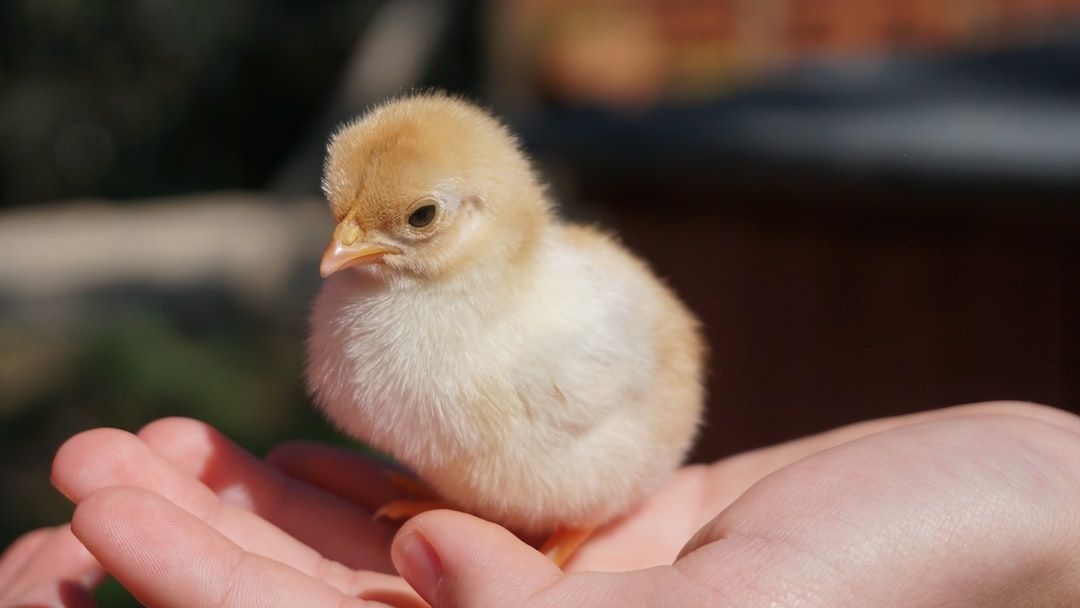
There’s something quietly remarkable about the bond between humans and animals. Most of us sense it intuitively, that warm feeling when a dog perks up at your voice or a cat decides, against all odds, to sit near you. Now, science is starting to back up what many animal lovers have felt for years.
A fascinating new study is turning heads in the world of animal cognition research, suggesting that even very young birds respond positively to human voices in ways that go well beyond simple conditioning or survival instinct. What researchers found is both surprising and genuinely moving. Let’s dive in.
The Study That Started the Conversation
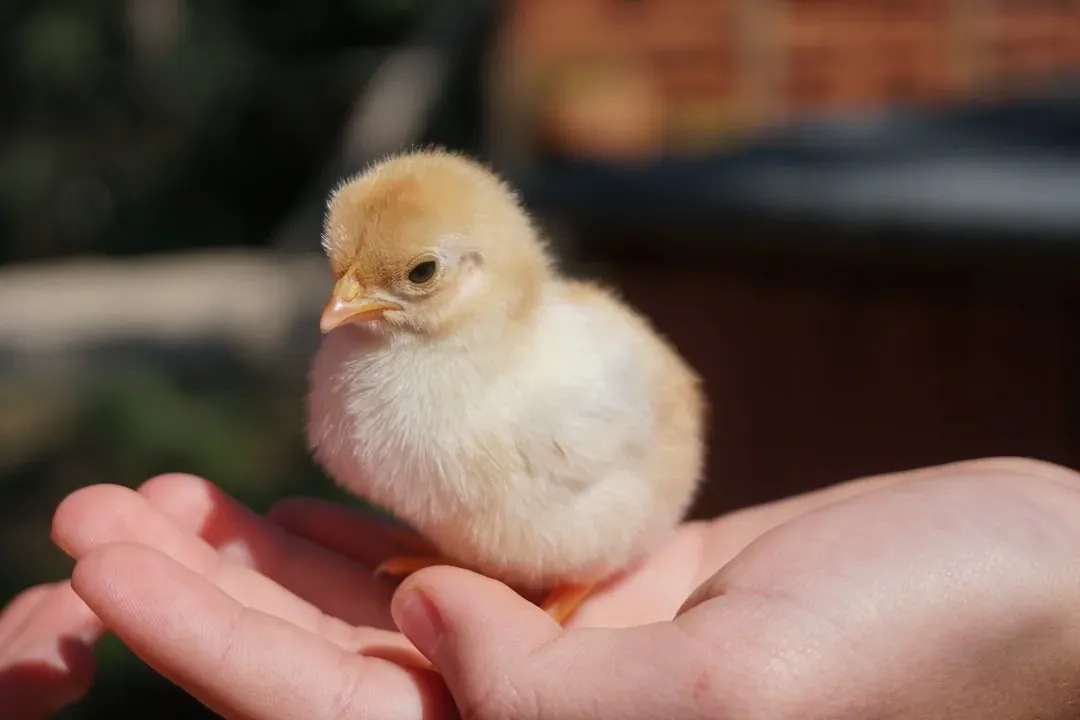
Published in March 2026 and reported by Phys.org, the research focused on newly hatched domestic chicks and their responses to different types of sounds, including human speech. Scientists were curious whether chicks showed any measurable preference or positive emotional reaction specifically to the human voice, separate from other auditory stimuli. What they found challenged some long-held assumptions about early animal cognition.
The chicks in the study were only a few days old, meaning they hadn’t had extended exposure to humans in any meaningful way. This is important because it rules out the idea that they simply “learned” to like human voices through repeated positive reinforcement. The response appeared to be something more instinctive, more deeply wired.
Honestly, that part alone is enough to make you stop and think. We tend to assume emotional connections between species require time, trust-building, and shared experience. The idea that a days-old bird might be naturally drawn to the human voice rewrites that assumption in a pretty significant way.
What “Happy” Actually Means for a Baby Chick
Here’s the thing about studying animal emotions: it’s notoriously tricky. You can’t ask a chick how it’s feeling. Researchers instead rely on behavioral indicators, things like vocalizations, movement toward or away from a stimulus, heart rate changes, and general activity levels. These are considered reliable proxies for emotional states in young birds.
In this study, chicks exposed to human voices displayed behaviors consistent with positive arousal and comfort. They moved toward the sound source more frequently and showed reduced signs of distress compared to chicks exposed to other sounds or silence. Think of it like how a human infant will turn toward a familiar, soothing voice even before they fully understand language.
The Role of Early Imprinting in Bird Behavior
Imprinting is one of the most well-documented phenomena in animal behavior. Young birds, particularly in the hours and days after hatching, are primed to form rapid attachments to the first stimuli they encounter. Typically, this is the mother hen. However, research has long shown that chicks can imprint on a wide range of objects and sounds.
What makes this study particularly interesting is the suggestion that the positive response to human voices may not be purely a function of imprinting in the classical sense. The chicks hadn’t bonded with any specific human voice beforehand. The appeal seemed broader, almost like a general openness or warmth toward the human vocal frequency range. It’s hard to say for sure exactly what mechanism is at play, but that distinction matters a great deal for how we understand cross-species attraction.
Why Researchers Think This Matters Beyond the Lab
Animal welfare is a growing field of concern globally, and understanding what causes stress or comfort in farm animals has real, practical implications. Domestic chicks are raised in enormous numbers worldwide, often in conditions that are clinically assessed for temperature and feeding but rarely for auditory environment or social stimulation. This research opens a door that many in the industry haven’t seriously considered yet.
If chicks genuinely experience something like happiness or comfort in response to human voices, that has consequences for how we design their early environments. Playing recordings of human speech, for instance, might be a low-cost, practical way to reduce stress in hatcheries. It sounds almost too simple, but the most impactful interventions often do.
The Bigger Picture: Animal Emotions Are More Complex Than We Thought
Let’s be real for a moment. Science has historically been reluctant to attribute rich emotional lives to animals, particularly non-mammals. The dominant view for much of the twentieth century was that animals operated largely on instinct and reflex, not feeling. That view has been eroding steadily, thanks to decades of research into animal cognition.
This chick study is one more piece of a much larger puzzle. Researchers studying fish, insects, birds, and mammals are all converging on a similar conclusion: the emotional lives of animals are far more nuanced and complex than we once believed. The chick that inches toward your voice isn’t just following a survival script. Something more interesting is happening there.
What This Reveals About the Human-Animal Bond
There’s something almost humbling about the idea that our voices, the same voices we use to argue, to gossip, to sing off-key in the shower, have a calming, positive effect on another species entirely. The human-animal bond is usually discussed in terms of domestication over thousands of years, selective breeding, and mutual dependence. This research adds a different dimension.
It suggests that the appeal of the human voice might be, at least in part, biologically accessible to other species without any prior history between them. Young chicks aren’t domesticated in the way dogs are. They don’t have generations of co-evolution with humans baked into their DNA at the same level. Yet something about how we sound registers as safe, positive, even pleasant. That’s remarkable when you sit with it.
Conclusion: A Small Bird, A Big Question
I think what makes this research genuinely exciting is how small and humble the subject is. A baby chick is not an obvious candidate for groundbreaking insight into cross-species emotional connection. Yet here we are, learning from a creature barely bigger than a golf ball that the human voice carries something meaningful, something that transcends the boundaries of species.
The implications stretch outward in all directions, toward how we treat farm animals, how we think about consciousness, and how we understand what it even means to connect with another living being. Research like this has a way of quietly reshaping our assumptions without making a loud noise about it. Much like, well, the soft peeping of a newly hatched chick moving toward the sound of a human voice.
What do you think: does knowing that a baby bird finds comfort in your voice change how you think about the animals around you? Drop your thoughts in the comments.

- Urban Coyotes Show Remarkable Adaptability, Learning to Thrive in City Environments - July 22, 2026
- Beavers Are Nature’s Engineers, Creating Vital Habitats for Other Wildlife Species - July 21, 2026
- The Recovery of the California Condor Offers Hope for Other Critically Endangered Birds - July 21, 2026