
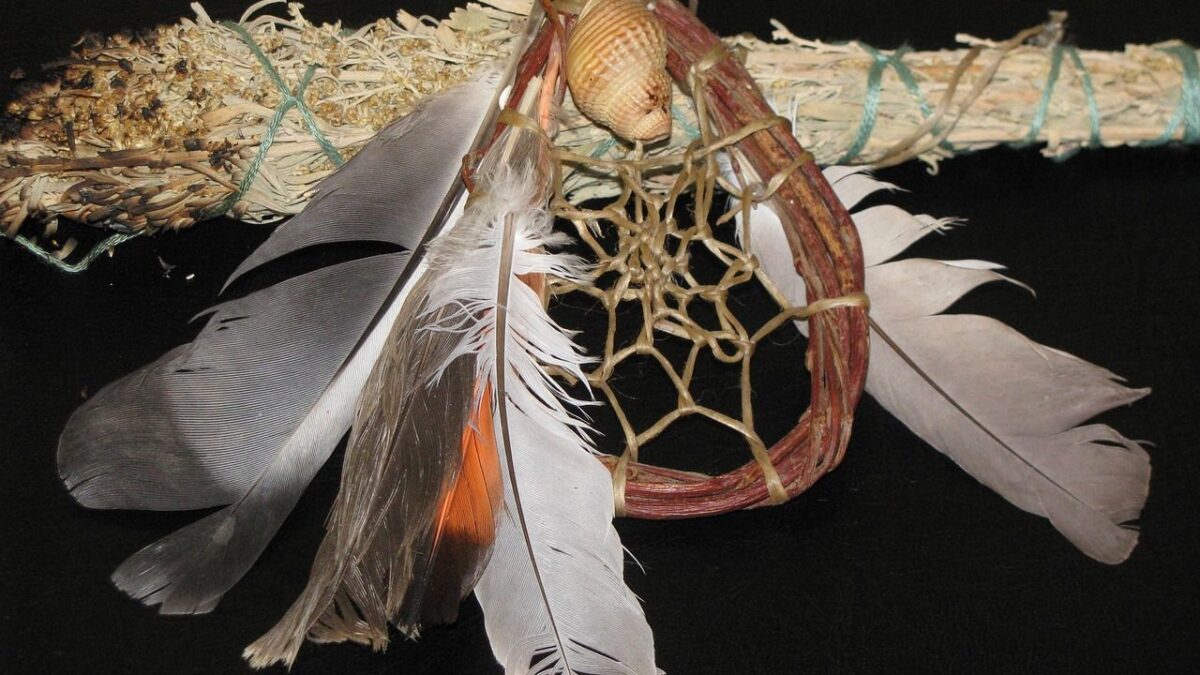
There is something quietly devastating about the fact that the people who understood the Earth best were also the ones most violently disconnected from it. Indigenous cultures across every continent have spent thousands of years listening to the land, learning from it, living with it. Not above it. Not against it. With it.
Indigenous cultures have been around for thousands of years, and these ancient cultures have been able to survive due to their deep connection with the earth and their respect for all living creatures. In a world where forests are shrinking, oceans are warming, and biodiversity is collapsing at a rate that frankly keeps me up at night, their words feel less like historical wisdom and more like urgent warnings. Let’s dive in.
1. “The Earth Does Not Belong to Man; Man Belongs to the Earth.” – Chief Seattle

This single sentence flips the entire modern relationship with nature on its head. It is short, it is blunt, and honestly, it is one of the most humbling things a human being can read. We have spent centuries acting like the planet is ours to use as we please, like some kind of all-you-can-eat buffet with no closing time.
The earth does not belong to man, man belongs to the earth, and all things are connected like the blood that unites us all. Chief Seattle’s words remind us that ownership of the natural world is a fantasy, and a dangerous one. The sooner that sinks in, the better our chances of actually surviving here.
2. “We Do Not Inherit the Earth From Our Ancestors; We Borrow It From Our Children.” – Native American Proverb
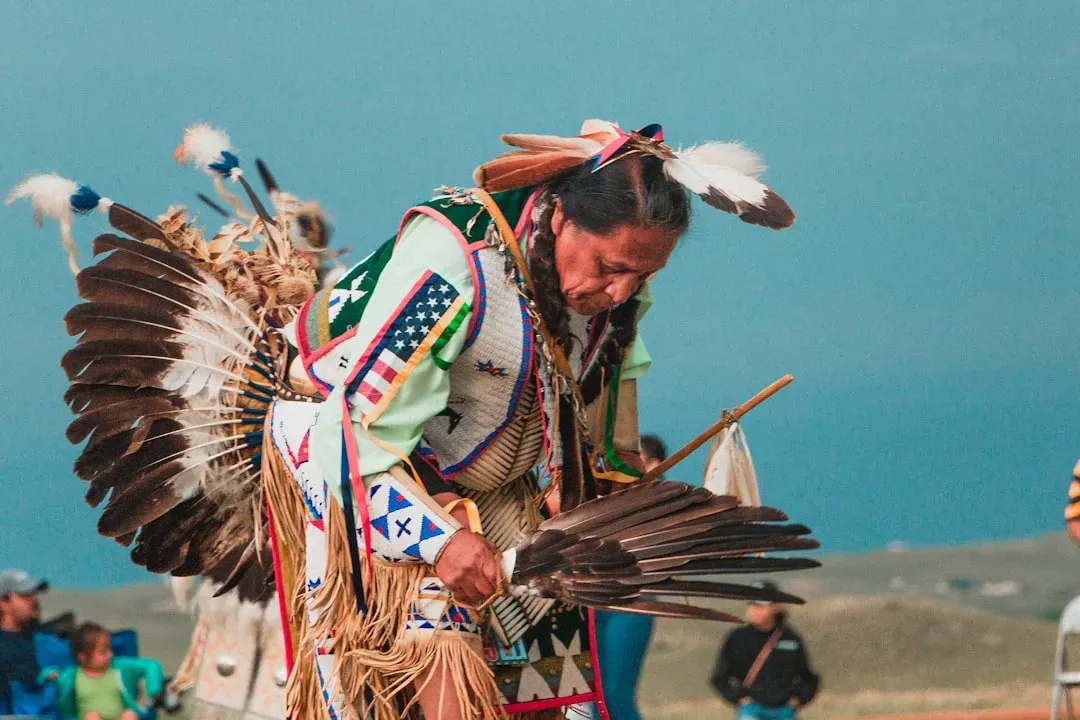
I think this might be the single most important environmental idea ever expressed in one sentence. It reframes everything. You are not the owner. You are the temporary guardian. Every tree you cut down, every river you poison, every species you drive to extinction, you are stealing from a child who has not yet been born.
Treat the earth well: it was not given to you by your parents, it was loaned to you by your children. We do not inherit the Earth from our Ancestors, we borrow it from our Children. Think of it like borrowing your neighbor’s car and returning it with a cracked engine and empty tank. Only the car is the only planet we have. No returns policy.
3. “We Must Protect the Forests for Our Children, Grandchildren and Children Yet to Be Born.” – Qwatsinas, Hereditary Chief Edward Moody, Nuxalk Nation
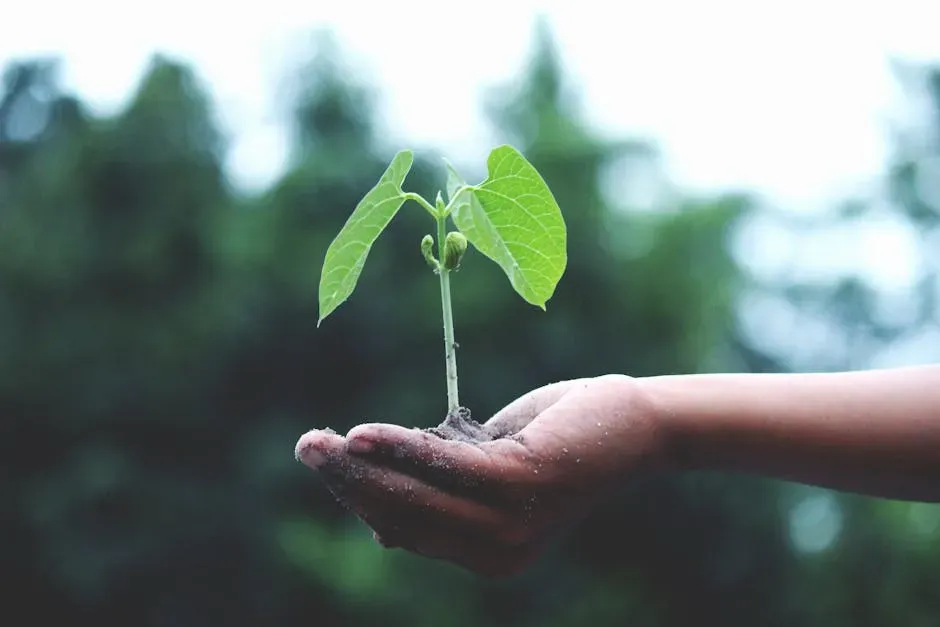
There is a generational compassion in this quote that modern environmental politics so often lacks. We debate policies and carbon credits and timelines, but somewhere along the way, we forget who we are really doing this for.
We must protect the forests for our children, grandchildren and children yet to be born. We must protect the forests for those who can’t speak for themselves such as the birds, animals, fish and trees. That last part is the part that hits hardest. The birds. The fish. The trees. They have no seat at any negotiating table, and yet they have everything to lose.
4. “Humankind Has Not Woven the Web of Life. We Are But One Thread Within It.” – Chief Seattle
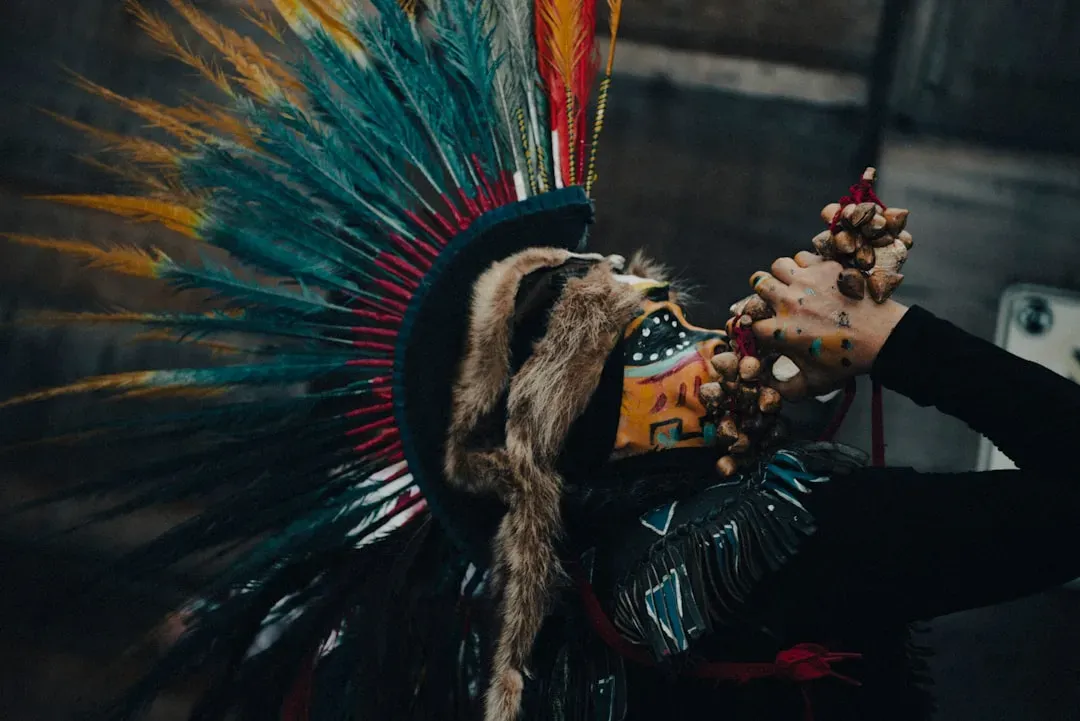
Picture a giant tapestry. Pull out one thread and maybe nothing happens. Pull out enough threads and the whole thing unravels. That is exactly what we are doing to ecosystems right now, and most people have not noticed because the fraying looks slow from a distance.
Humankind has not woven the web of life. We are but one thread within it. Whatever we do to the web, we do to ourselves. All things are bound together. All things connect. This is not poetry. This is ecology expressed centuries before the word ecology existed.
5. “The Great Spirit Is Our Father, but the Earth Is Our Mother. She Nourishes Us.” – Big Thunder Wabanaki, Algonquin

The maternal metaphor for the Earth is not just poetic. It is deeply instructive. Think about how you treat your mother. With care, with gratitude, with the understanding that she gives without asking much in return. Now think about how industrial civilization has treated the Earth.
The Great Spirit is in all things. He is in the air we breathe. The Great Spirit is our Father, but the Earth is our Mother. She nourishes us. That which we put into the ground she returns to us. That reciprocity is the whole point. Give back what you take. Restore what you use. It is not a complicated idea, yet somehow it remains radical.
6. “One Does Not Sell the Earth Upon Which the People Walk.” – Crazy Horse
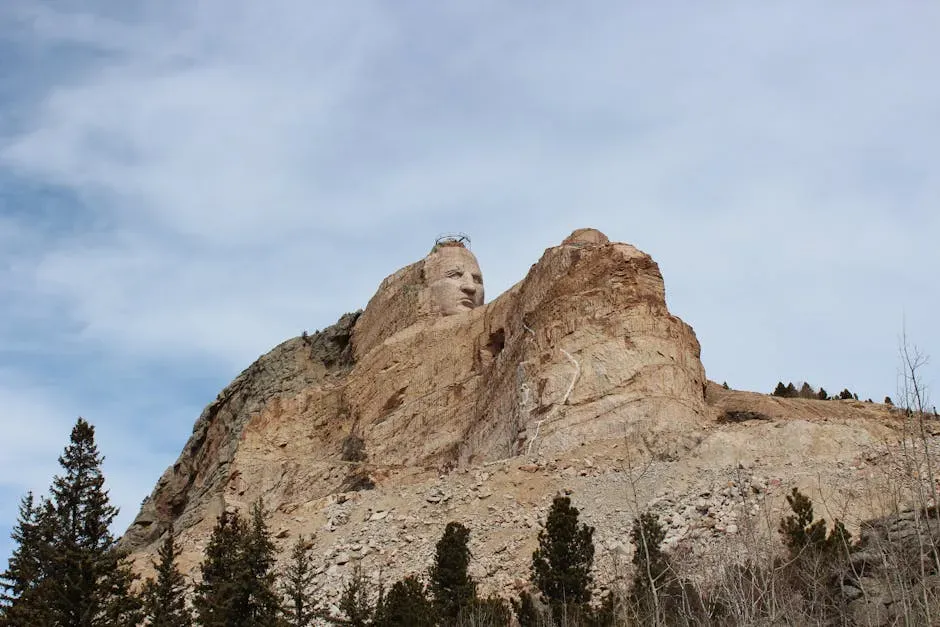
When Crazy Horse said these words in September 1875, he was not making a legal argument. He was stating something he considered self-evident, something so obvious it barely needed saying. Land is not a commodity. It is the ground of existence itself.
One does not sell the land people walk on. Yet here we are, in 2026, with land commodification driving deforestation, habitat destruction, and Indigenous displacement on every continent. Crazy Horse saw it coming. We just chose not to listen. That is the tragedy.
7. “The Earth Is the Mother of All People, and All People Should Have Equal Rights Upon It.” – White Elk
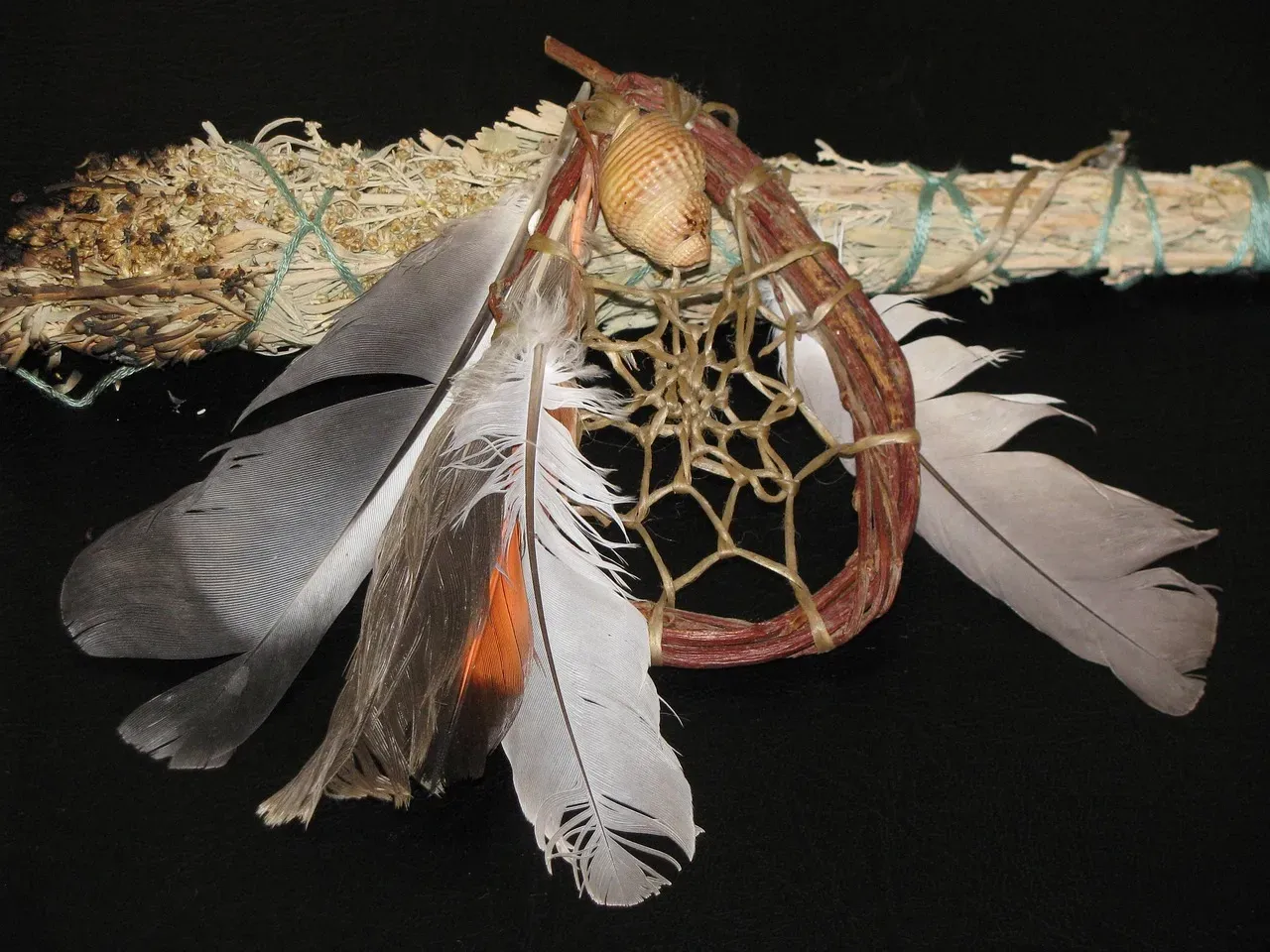
Environmental justice and human rights are not two separate conversations. They are the same conversation. The communities most devastated by pollution, climate change, and ecological collapse are almost always the ones who have the least political power and the smallest carbon footprint. That contradiction should make everyone uncomfortable.
The Earth is the mother of all people, and all people should have equal rights upon it. Equal rights upon the Earth means equal access to clean water, clean air, fertile land, and a stable climate. We are very far from that reality, but the aspiration matters. It is a compass worth following.
8. “In Our Every Deliberation, We Must Consider the Impact of Our Decisions on the Next Seven Generations.” – Iroquois Confederacy

Seven generations. That is roughly 150 to 200 years of thinking ahead. Contrast that with the average corporate planning cycle of a few years or the election cycle of four, and you start to understand why the planet is in the state it is in. Short-termism is a design flaw baked into our institutions.
In our every deliberation, we must consider the impact of our decisions on the next seven generations. The Iroquois Confederacy operated on this principle for centuries. It is not an abstract philosophy. It is a practical governance model. The idea that our choices today are literally shaping the world someone will inherit in 2200 should change how we make every single decision.
9. “The Land Is Our Mother, the Rivers Our Blood. Take Our Land Away and We Die.” – Mary Brave Bird
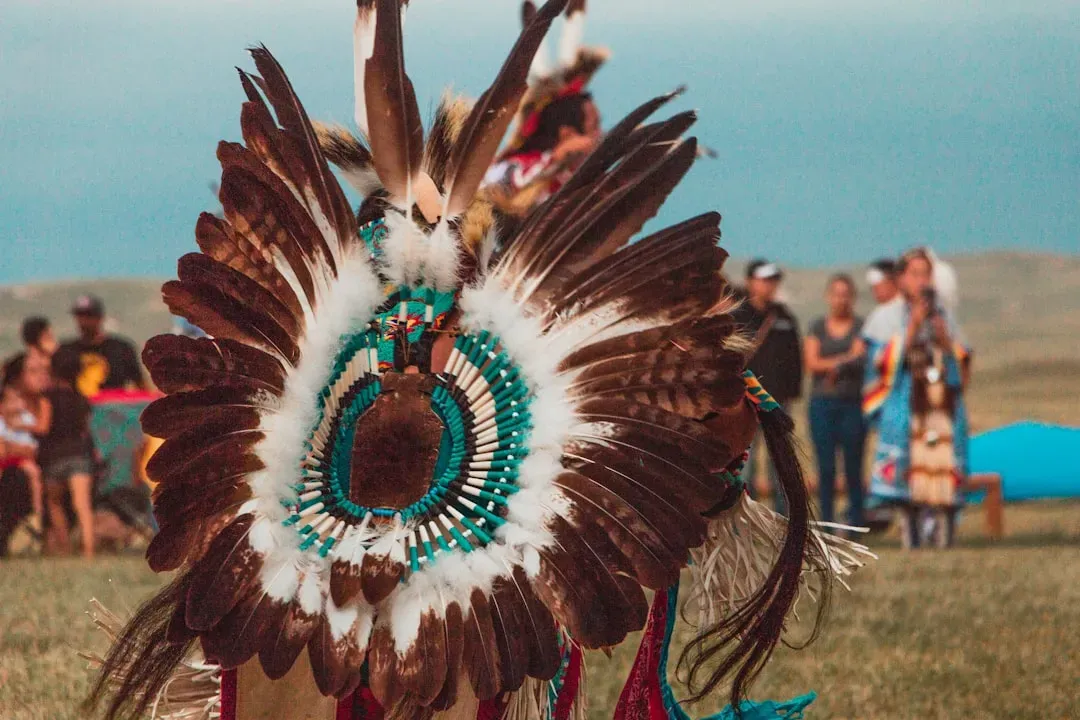
This is one of the most emotionally direct statements in all of Indigenous environmental literature. There is no metaphorical distance here. No cushioning of the truth. The connection between people and land is not sentimental. It is physiological, cultural, spiritual, everything.
The land is sacred. These words are at the core of your being. The land is our mother, the rivers our blood. Take our land away and we die. For many Indigenous communities, this was not a warning. It was a lived experience. Displacement from ancestral land is not just relocation. It is the severing of identity itself.
10. “If You Talk to the Animals, They Will Talk With You. What One Fears, One Destroys.” – Chief Dan George, Tsleil-Waututh Nation
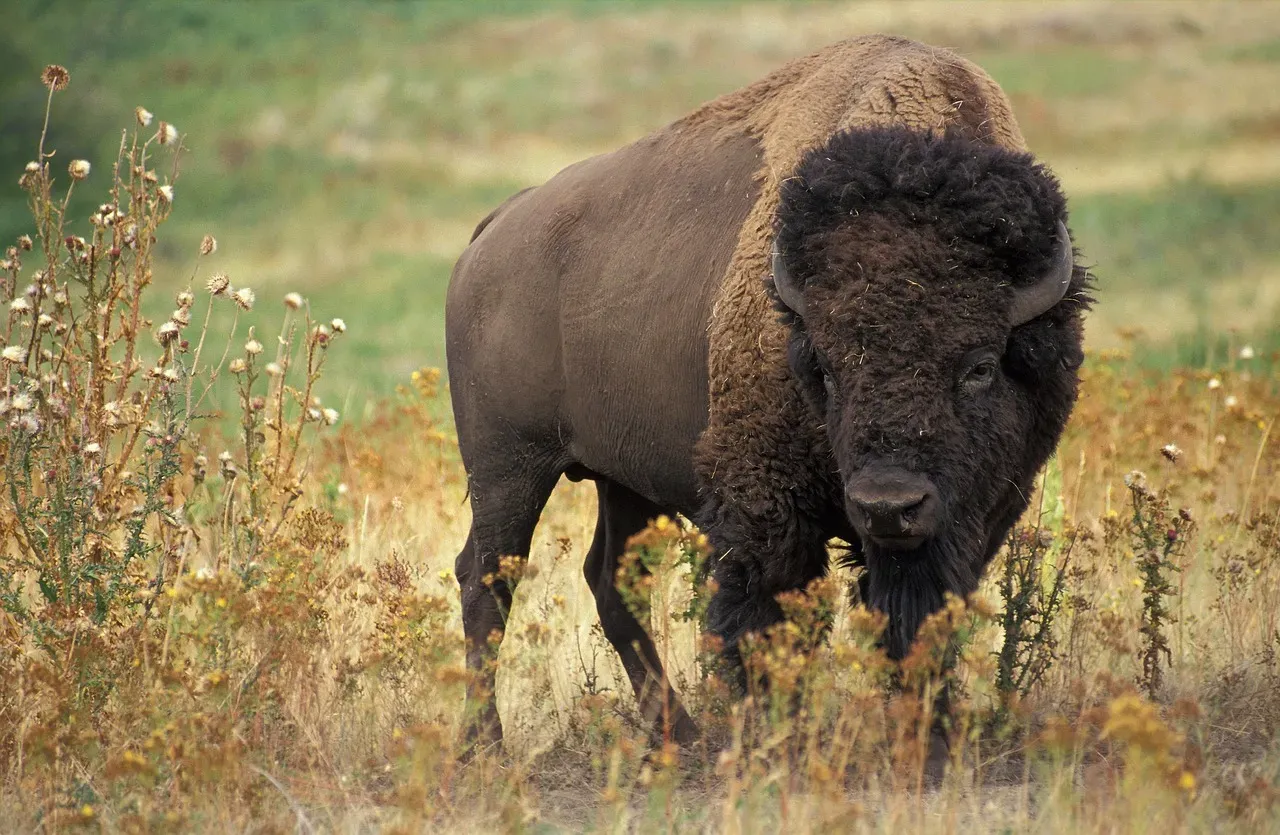
Here is a truth disguised as wisdom about animals. Fear leads to destruction. We destroy what we do not understand. And we fail to understand what we never take the time to know. The mass extinction of species happening right now is partly a crisis of disconnection, of a civilization that stopped paying attention to the non-human world.
If you talk to the animals, they will talk with you, and you will know each other. If you do not talk to them, you will not know them, and what you do not know, you will fear. What one fears, one destroys. It sounds almost like a children’s fable. Except the consequences of ignoring it are playing out in real time, across every ecosystem on Earth.
11. “Man’s Heart Away From Nature Becomes Hard.” – Standing Bear, Lakota

There is research backing this one up, honestly. Studies consistently show that people who spend time in nature demonstrate greater empathy, lower stress, and stronger community bonds. The more urbanized and screen-saturated life becomes, the more this ancient warning rings true.
The Lakota loved the earth and all things of the earth, the attachment growing with age. The old people came literally to love the soil and they sat or reclined on the ground with a feeling of being close to a mothering power. It was good for the skin to touch the earth. There is something genuinely healing in that image. Something we have traded away in exchange for concrete and convenience.
12. “Treat All Men Alike. The Earth Is the Mother of All People.” – Chief Joseph, Nez Perce
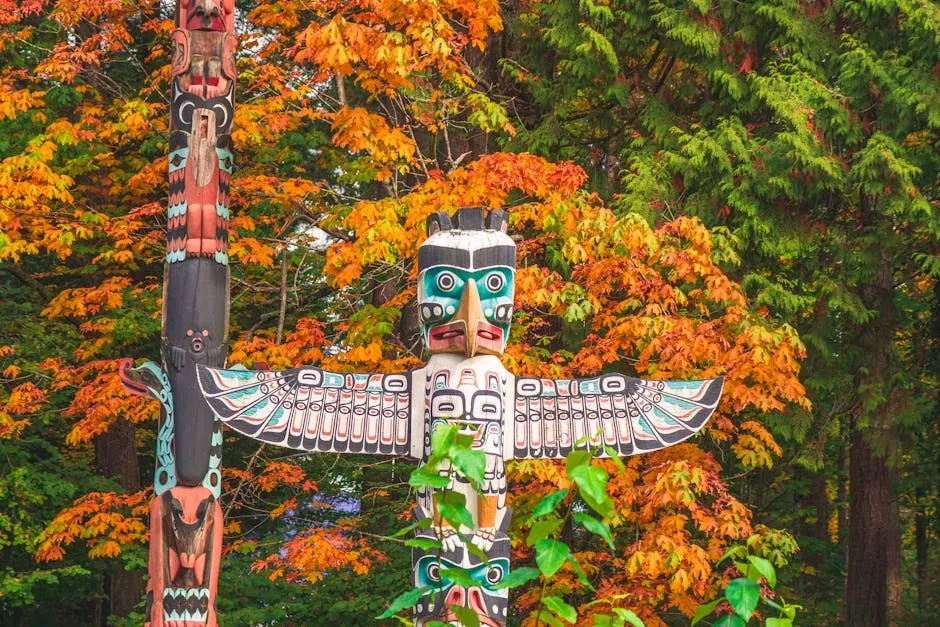
Chief Joseph was one of the most eloquent advocates for peace and equality in American history. His vision of the Earth as common ground, literally and figuratively, was radical in the 19th century. It remains stubbornly relevant today. Environmental destruction always hits the marginalized hardest. That is not a coincidence.
The Earth is the Mother of all people, and all people should have equal rights upon it. You might as well expect the river to run backward as that any man who was born a free man should be contented when penned up and denied liberty to go where he pleases. Freedom and land are inseparable in this worldview. It is a message that connects environmental stewardship directly to human dignity.
13. “The Old Indian Teaching Was That It Is Wrong to Tear Loose From Its Place on the Earth Anything That May Be Growing There.” – Luther Standing Bear
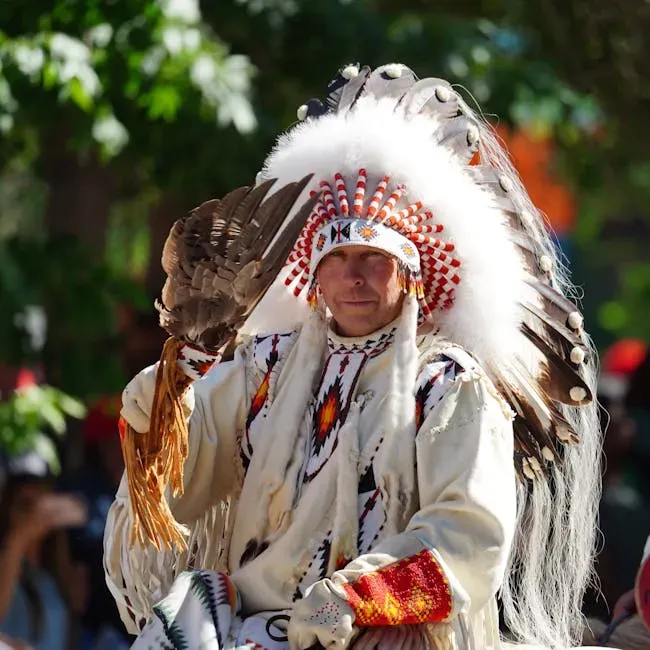
Let’s be real: the entire modern extractive economy is built on the idea that you can just tear things out of the ground indefinitely. Minerals, oil, topsoil, forests. The idea that uprooting something alive is a moral act requiring forgiveness is so foreign to contemporary industrial culture that it almost sounds naive.
The old Indian teaching was that it is wrong to tear loose from its place on the earth anything that may be growing there. It may be cut off, but it should not be uprooted. The trees and the grass have spirits. Whatever one of such growth may be destroyed by some good Indian, his act is done in sadness and with a prayer for forgiveness because of his necessities. Sadness and a prayer for forgiveness. That is a relationship with the living world. Not an extraction economy.
14. “Respect for the Environment Was the Bedrock of All Original Peoples. Harmony, Coexistence, Not Conquest and Conquer.”
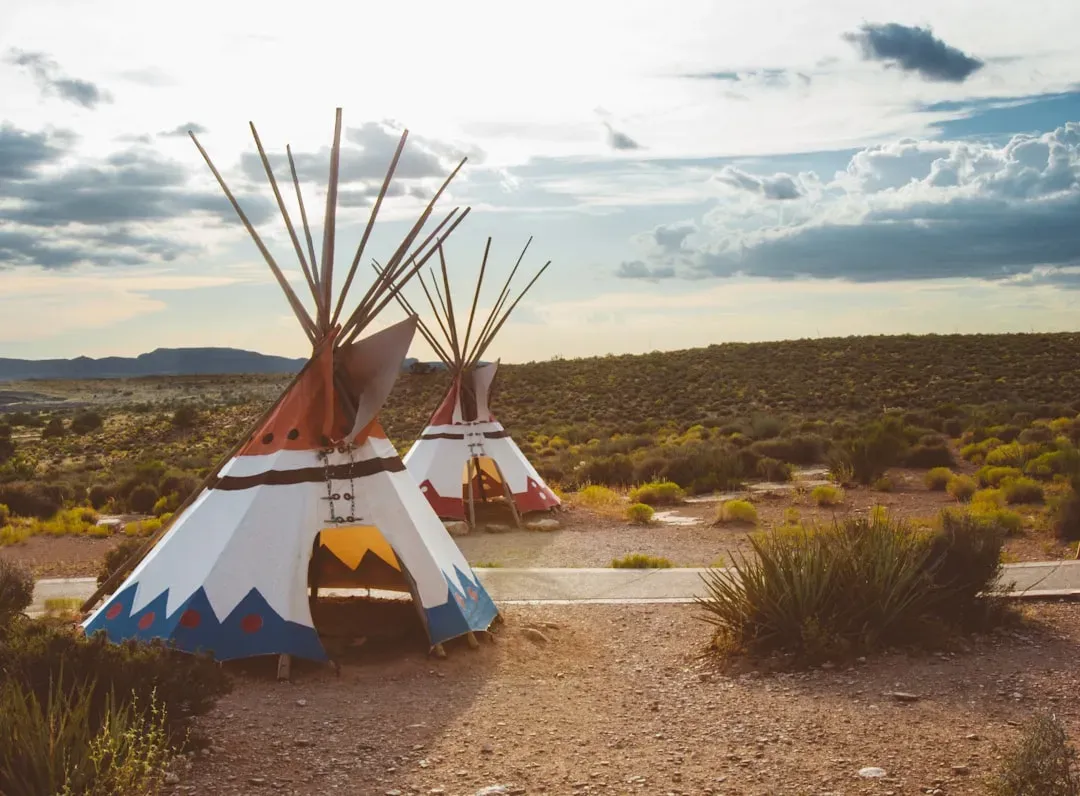
The contrast embedded in this idea is striking. Conquest and conquer. Those two words describe almost the entirety of the modern relationship between civilization and the natural world. We conquered forests. We conquered rivers. We conquered species into extinction. It was never called destruction. It was called progress.
Respect for the environment, and respect for what was naturally occurring in nature: that was the bedrock of all original peoples. Harmony, coexistence, not conquest and conquer. Coexistence is not weakness. It is the only long-term survival strategy that actually works. Every empire that exhausted its land base eventually collapsed. Every one. History has been trying to teach this lesson for millennia.
15. “Mother Earth Is Not a Resource, She Is an Heirloom.”
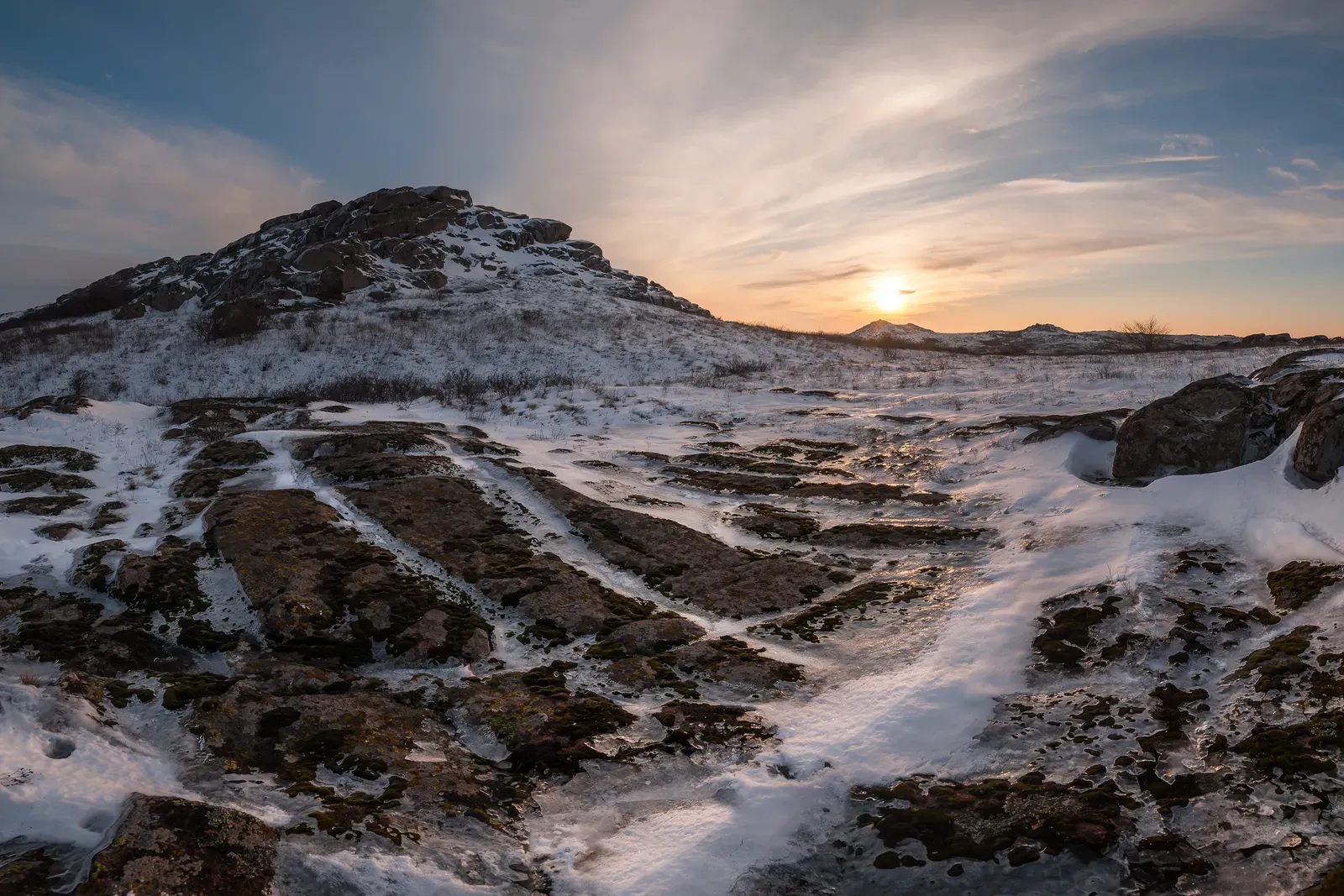
This quote, attributed to various Indigenous voices, is so elegant it almost hurts. The word “resource” strips all value from the natural world except utility. An heirloom is something else entirely. It carries meaning, memory, irreplaceability. You do not exploit an heirloom. You protect it.
Mother Earth is not a resource, she is an heirloom. Imagine if every environmental policy document started with that sentence. Imagine if every mining license, every deforestation permit, every pipeline approval had to justify itself against that standard. The conversation would look completely different. The outcomes certainly would be.
16. “When the Earth Is Sick, the Animals Will Begin to Disappear.” – Traditional Indigenous Prophecy
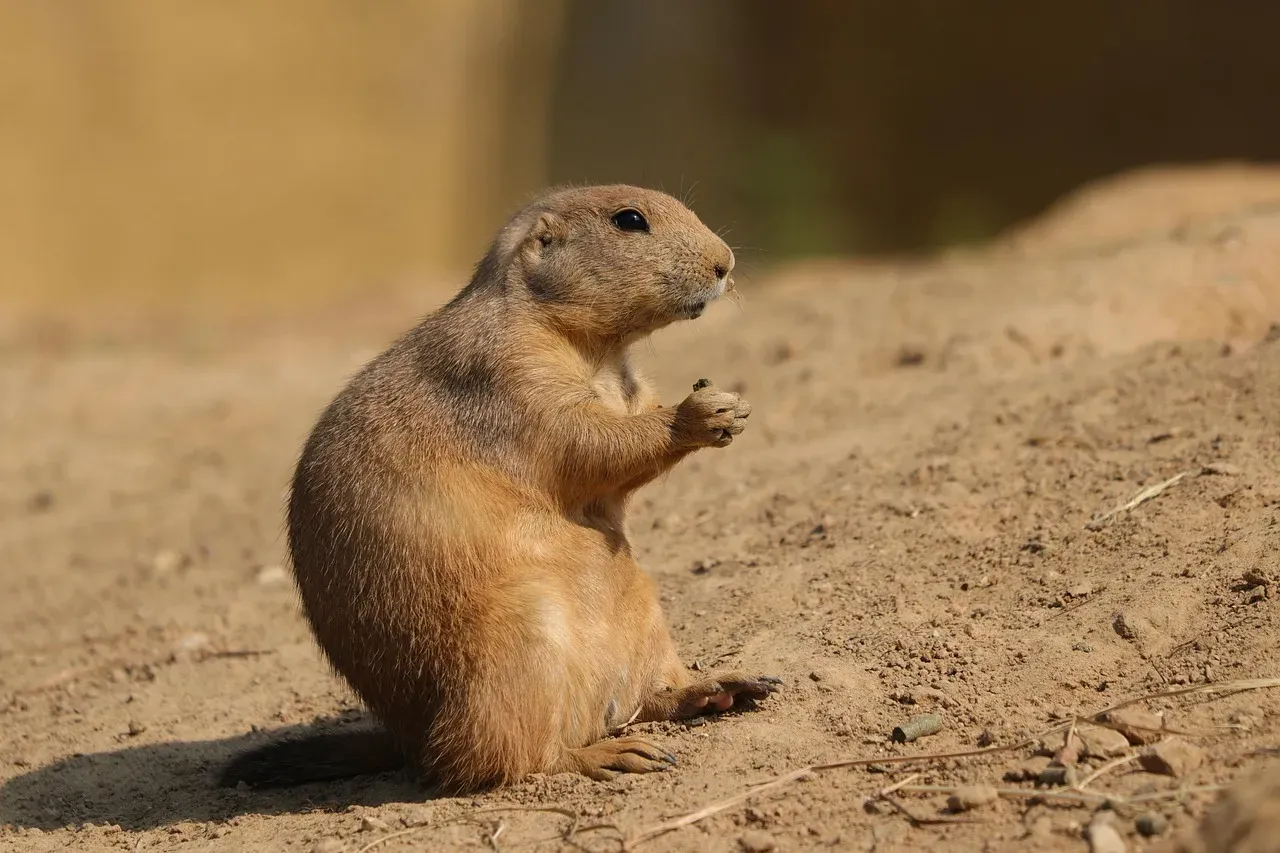
What strikes me about this quote is how plainly prophetic it turned out to be. We are living inside this prophecy right now. Roughly a third of all assessed wildlife species are considered threatened with extinction. The oceans are losing biodiversity at a pace scientists describe as a sixth mass extinction event. The Earth is sick. The animals are disappearing.
When the Earth is sick, the animals will begin to disappear, when that happens, The Warriors of the Rainbow will come to save them. The Warriors of the Rainbow have often been interpreted as the environmental activists, conservationists, and Indigenous land defenders of the modern era. Maybe that warrior is closer than you think.
17. “To Be Native to a Place We Must Learn to Speak Its Language.” – Robin Wall Kimmerer, Potawatomi Nation

Robin Wall Kimmerer is a botanist and a member of the Citizen Potawatomi Nation, and she has spent her career bridging Indigenous knowledge with Western science. This idea of learning the language of a place is not mystical. It is intensely practical. It means paying attention. Reading the seasons. Knowing which plants signal water. Understanding what an animal’s behavior is telling you.
To be native to a place we must learn to speak its language. In her celebrated work “Braiding Sweetgrass,” one thing Indigenous peoples could not surrender was the meaning of land. In the settler mind, land was property, real estate, capital, or natural resources. But to Indigenous peoples, it was everything: identity, the connection to ancestors, the home of nonhuman kinfolk, pharmacy, library, the source of all that sustained them.
18. “We Will Be Known Forever by the Tracks We Leave.” – Dakota Tribe
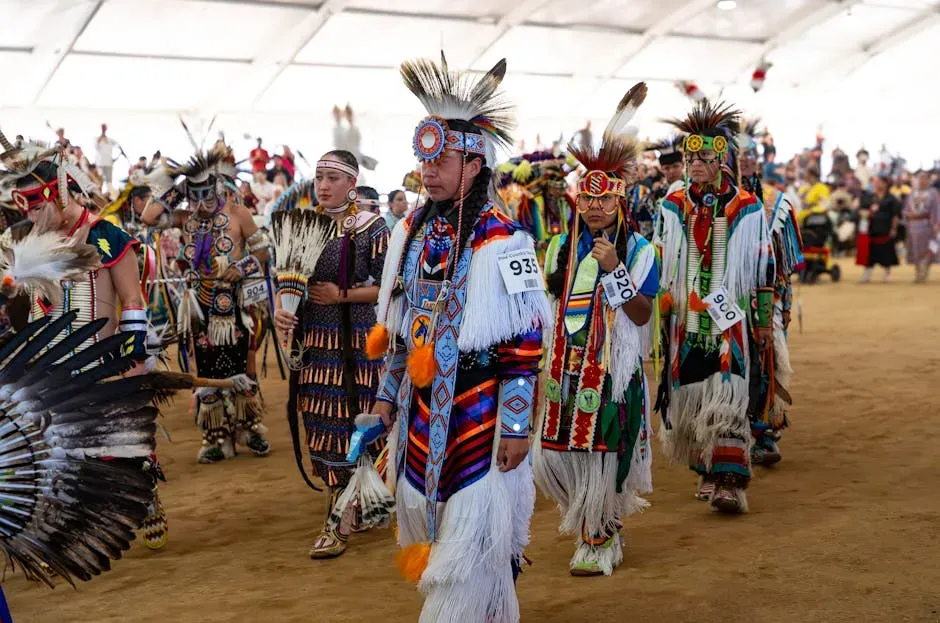
This one is short enough to fit on a bumper sticker, but it carries the weight of centuries. Every generation is remembered, or forgotten, by what it left behind. The question for ours is genuinely terrifying: what tracks are we leaving? What story will the soil tell about the early 21st century when someone digs through it a thousand years from now?
We will be known forever by the tracks we leave. The tracks we are currently leaving include microplastics in the deepest ocean trenches, radioactive isotopes in Arctic ice cores, and a carbon fingerprint in the atmosphere that will persist for tens of thousands of years. Those are our tracks. It is hard to say for sure, but I think we can do better.
19. “The Holy Land Is Everywhere.” – Black Elk, Oglala Lakota
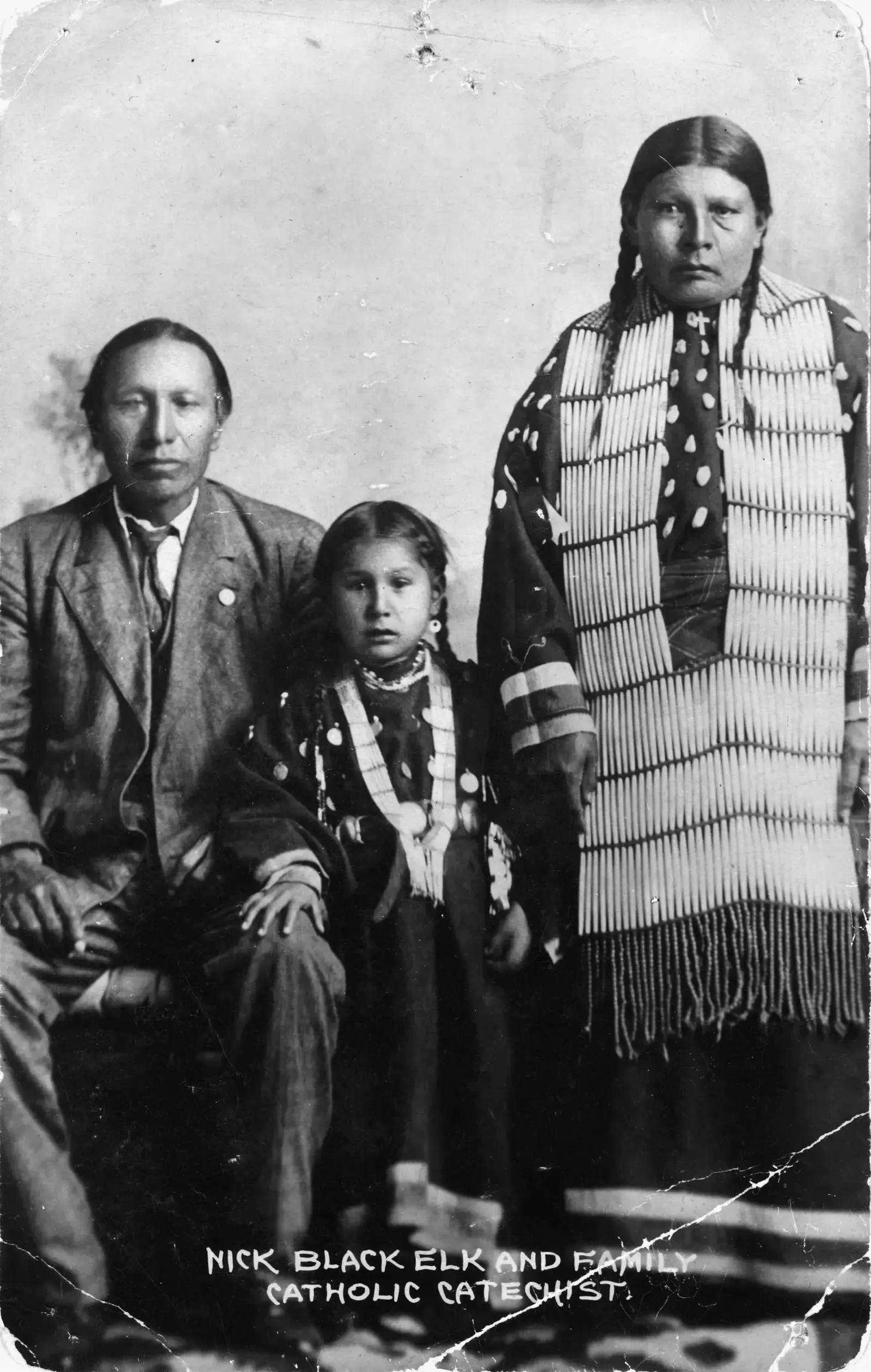
For Black Elk, there was no separation between the sacred and the physical world. Every patch of earth was holy. Every river, every mountain, every stretch of prairie. This is not a fringe belief. It is a worldview shared by dozens of Indigenous traditions across every continent on Earth, and it produces a radically different relationship with nature than the secular extractive mindset of industrial civilization.
The Holy Land is everywhere. Nature quotes from indigenous leaders have the ability to inspire, enlighten, and provoke thought. They provide a glimpse into a worldview where nature is seen not just as a resource, but as a sacred and interconnected web of life. If every forest were treated as holy ground, deforestation rates would collapse overnight. That is a simple, uncomfortable fact.
20. “The Relationship Between Native Nations and Their Environment Is Sacred. It Is the Foundation of Their Cultures and Worldview.”

This is perhaps the most foundational truth on this entire list. For Indigenous peoples, environmental stewardship is not a hobby or a policy position. It is a spiritual obligation woven into the very structure of culture, language, ceremony, and identity. Separating an Indigenous community from its land is not just displacement. It is cultural erasure.
The relationship between Native nations and their environment is sacred. It is the foundation of their cultures and worldview. We must protect the forests for our children, grandchildren and children yet to be born. We must protect the forests for those who can’t speak for themselves such as the birds, animals, fish and trees. Supporting Indigenous land rights is therefore one of the most powerful environmental actions any society can take. The data backs that up: whether it is preserving languages and culture or advocating for environmental justice and human rights, Indigenous communities from around the world have a long history of activism.
A Final Thought: Wisdom We Cannot Afford to Ignore

There is a through-line connecting all twenty of these quotes. Not just respect for the Earth, though that is certainly there. It is a deeper understanding of interconnection, of the idea that the health of the land and the health of the people are the same thing. You cannot separate them. Trying to do so is what got us here in the first place.
Indigenous leaders have long held a deep connection to the natural world, recognizing the importance of living in harmony with the earth. Their wisdom is rooted in centuries of observation, understanding, and respect for the ecosystems they inhabit. That wisdom was not primitive. It was not quaint folklore. It was a functional, time-tested operating system for living on this planet without destroying it.
We have something priceless right in front of us. Ancient voices pointing toward a future we still have time to choose. The only real question worth asking is whether we are brave enough to listen. What will you do with what you have just read?

- These 7 Historic US Battlefields Are Sacred Grounds Of Remembrance - August 2, 2026
- The JWST Found A Jekyll-and-Hyde Galaxy In The Early Universe - August 2, 2026
- 10 Heartwarming Ways A Chihuahua Shows They’ve Bonded With You - August 2, 2026