
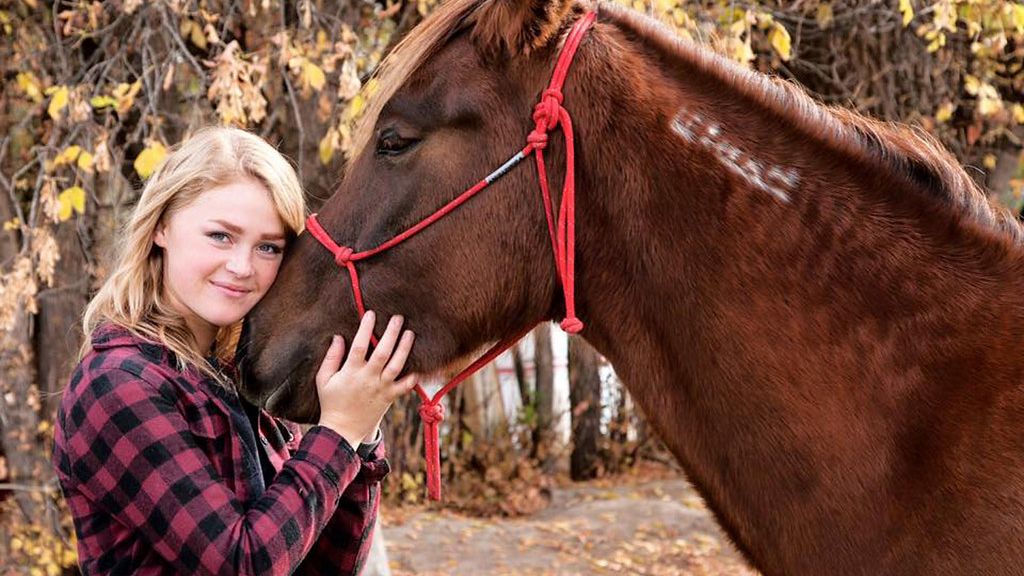
There is a certain kind of life that exists beyond the reach of most people’s imagination. It smells like hay and leather and something warm and ancient. It begins before most people have even turned off their bedside lamp. It asks everything of you, every single day, without apology. Horses don’t care if you’re tired, heartbroken, or running late. They simply are, and somehow that is the most beautiful and humbling thing about them.
People who have never shared their daily world with horses tend to picture something romantic. Rolling green fields. A gentle nuzzle at golden hour. The reality is both harder and far more extraordinary than that soft-focus image suggests. This is a life measured not in ordinary hours, but in morning feeds, muddy boots, vet calls, and soul-deep bonds that science is only beginning to fully understand. Be prepared to have your assumptions challenged.
Your Alarm Clock Is No Longer a Device. It’s a Creature.
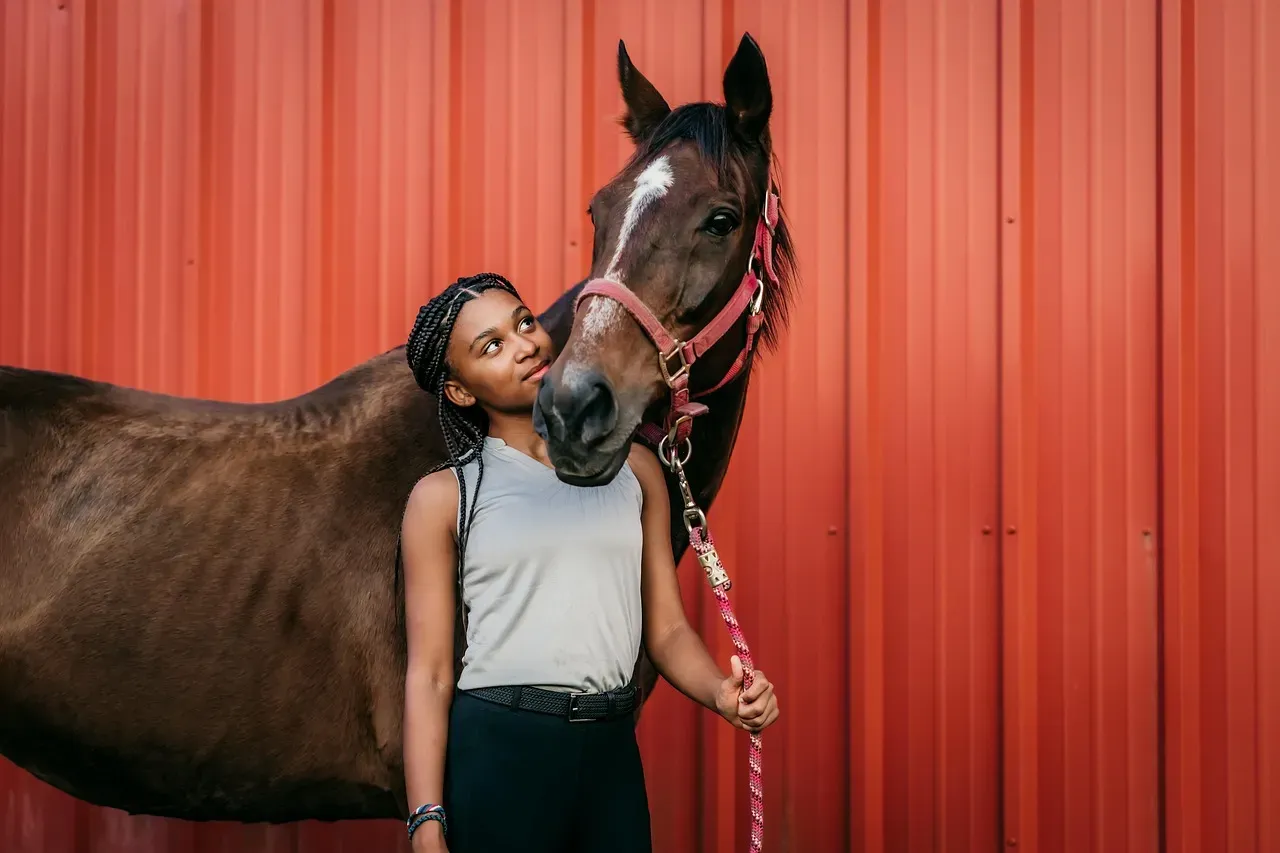
Let’s be real. The concept of “sleeping in” essentially ceases to exist when you live with horses. Owning horses, especially when they live on your property, can feel like a full-time job. For professional horse people, it is. Their daily care starts in the morning and continues into the evening, with breaks in between. Many horse owners are up and out of the door well before the rest of the world has even considered coffee.
Getting up at four in the morning to have horses fed by five is not unusual. The critters need to be fed and watered before the work day even begins. It sounds punishing, honestly. Yet something quietly magical happens when you’re standing in a barn before sunrise, listening to the soft sounds of horses eating in the dark. It becomes something you’d never trade, no matter how much your body protests.
The Barn Sounds Become Your Lullaby
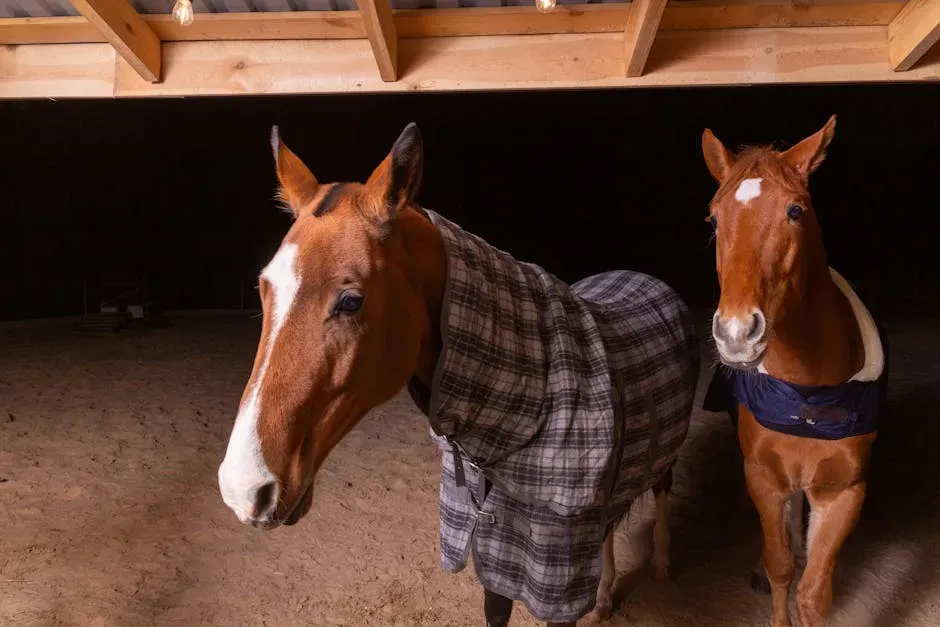
Here’s the thing that surprises people who move onto a property with horses. You stop noticing the noise eventually, until suddenly you can’t sleep without it. The inevitable banging of horses in their stalls at night, the occasional horse becoming cast, mangers and doors being kicked, snorting, and coughing are all part of daily life around horses. These aren’t disturbances. They become a strange, reassuring rhythm.
You may not mind those noises when walking the aisleway during daily barn chores, but when trying to get some quality rest before a big horse show, these sounds can become extremely distracting. Still, most horse people will admit that silence in the barn is what actually worries them. A quiet horse can mean a sick horse. You learn the language of those sounds, and your sleep grows lighter, your ears somehow always tuned to the frequency of the animals outside.
Your Horse Reads You Better Than Most Humans Do
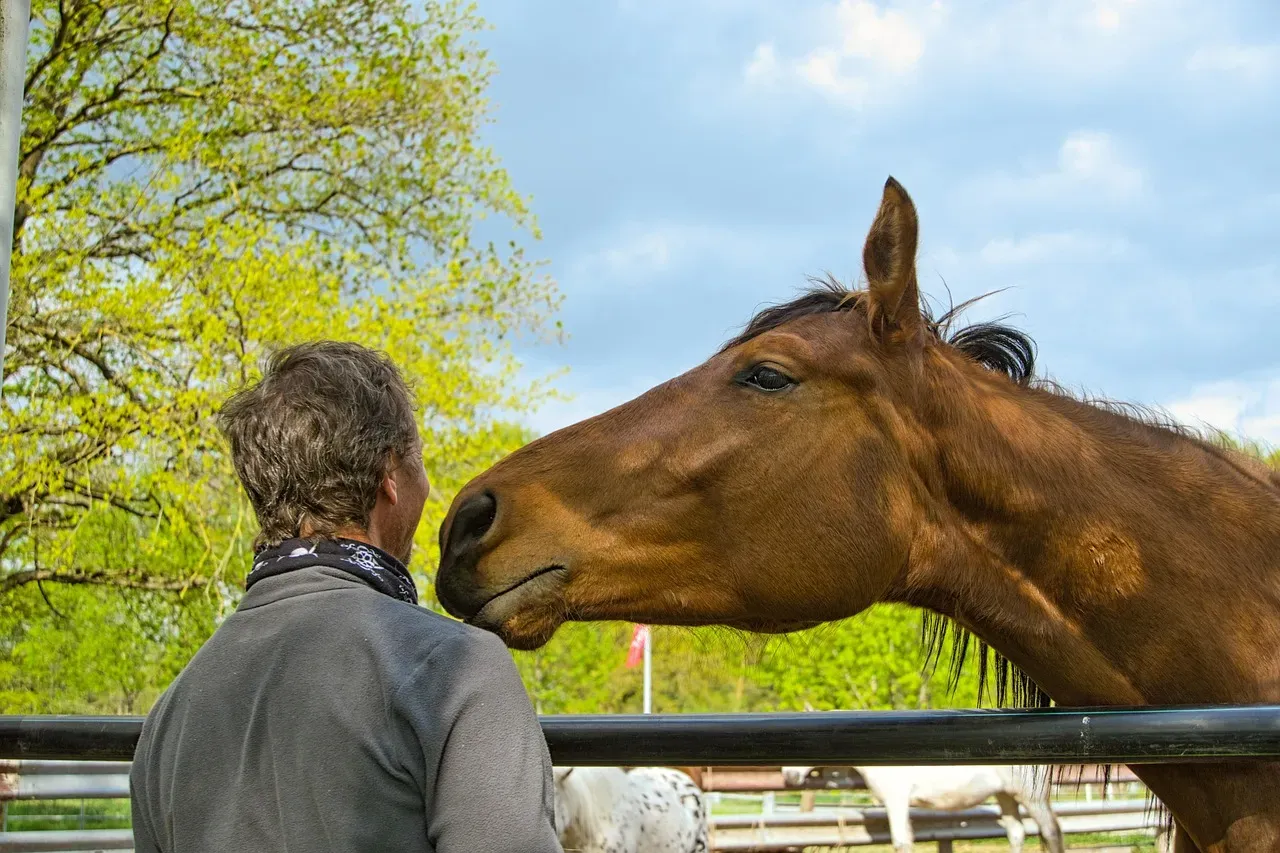
This one catches people off guard every time. You walk out to the paddock carrying a bad mood you haven’t even fully admitted to yourself yet, and your horse already knows. Horses are highly intelligent and emotionally sensitive animals. They have the ability to sense and respond to human emotions, and they can form deep emotional connections with their human counterparts. It is impossible to fake it around them.
Horses are intuitive, sensitive animals that respond to energy, emotion, and body language. Once you understand and respect their instincts, you form true partnerships with them. Think of it like a mirror that you can’t switch off. In some ways, living with horses becomes one of the most honest forms of self-reflection available to a person. You can fool your colleagues, your friends, even yourself. You cannot fool a 1,200-pound animal who has evolved over millions of years to detect the faintest emotional shifts in its surroundings.
Routines Aren’t Optional. They’re Sacred.
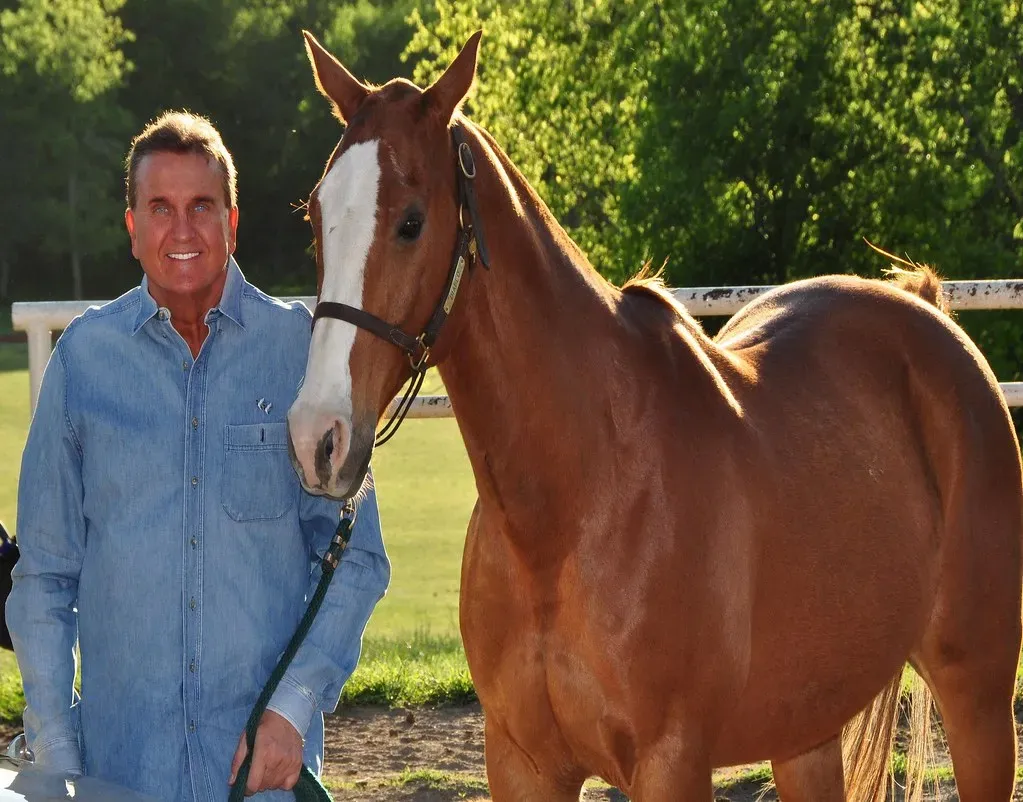
If you are someone who lives spontaneously and hates schedules, prepare for a reckoning. Consistency is a crucial factor in building a strong bond with your horse. Horses thrive on routine and predictability, and they feel more secure when they know what to expect. Consistency involves maintaining a regular schedule for feeding, turnout, exercise, grooming, and training.
Horses don’t just like routine. They love it. Miss the morning feed by forty minutes and the whole herd will let you know about it in no uncertain terms. Because every horse is different, living conditions vary by region, and everyone’s reasons for owning a horse are unique, there’s no one-size-fits-all approach to creating a daily care routine. What remains universal, though, is the sacred, unbreakable structure of the day. You build your entire life around these rhythms. In time, oddly, they become your greatest source of calm.
The Bond Isn’t Just Emotional. It’s Scientific.
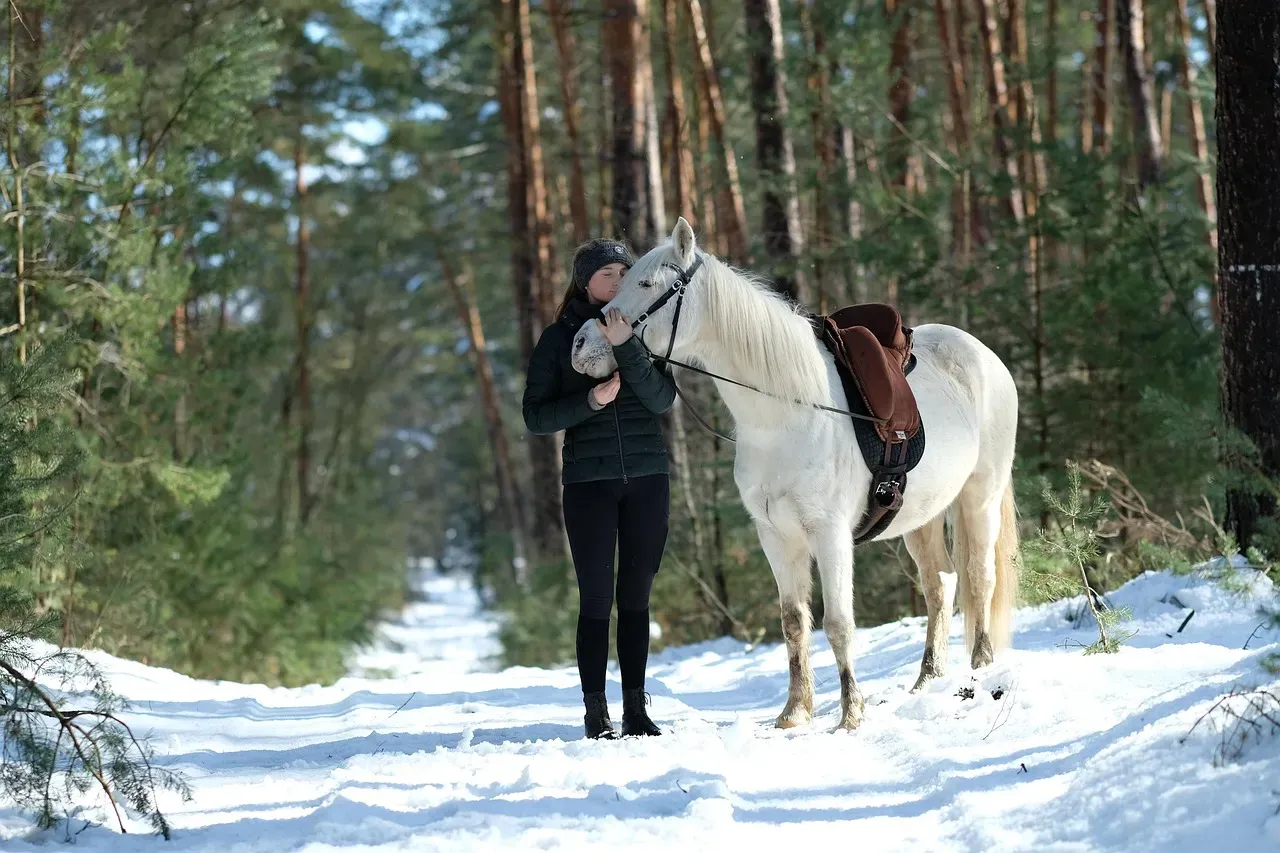
Outsiders often smile politely when horse people talk about their relationship with their animal. I think most of them assume it’s exaggerated. It isn’t. Humans form emotional attachments to horses similar to those with pets, characterized by attachment-related anxiety and avoidance. The bond between humans and horses dates back thousands of years, and horses occupy a unique position in human life, falling somewhere between working animals and companion animals.
Horses’ heart rates synchronize with their favorite people. They show reduced stress responses when their trusted humans are present. Brain scans even suggest horses process human emotions and form mental representations of the people they know. That is not poetry. That is neuroscience. Oxytocin, known as the “love hormone,” plays a vital role in horse bonding. It is released in the brain in response to positive social interactions, promoting feelings of trust, empathy, and connection. By grooming, petting, or massaging horses, we not only strengthen the bond but also release oxytocin in both human and horse, deepening emotional connection. It’s chemistry. Literally.
Horses Teach You a Kind of Patience You Cannot Learn Anywhere Else
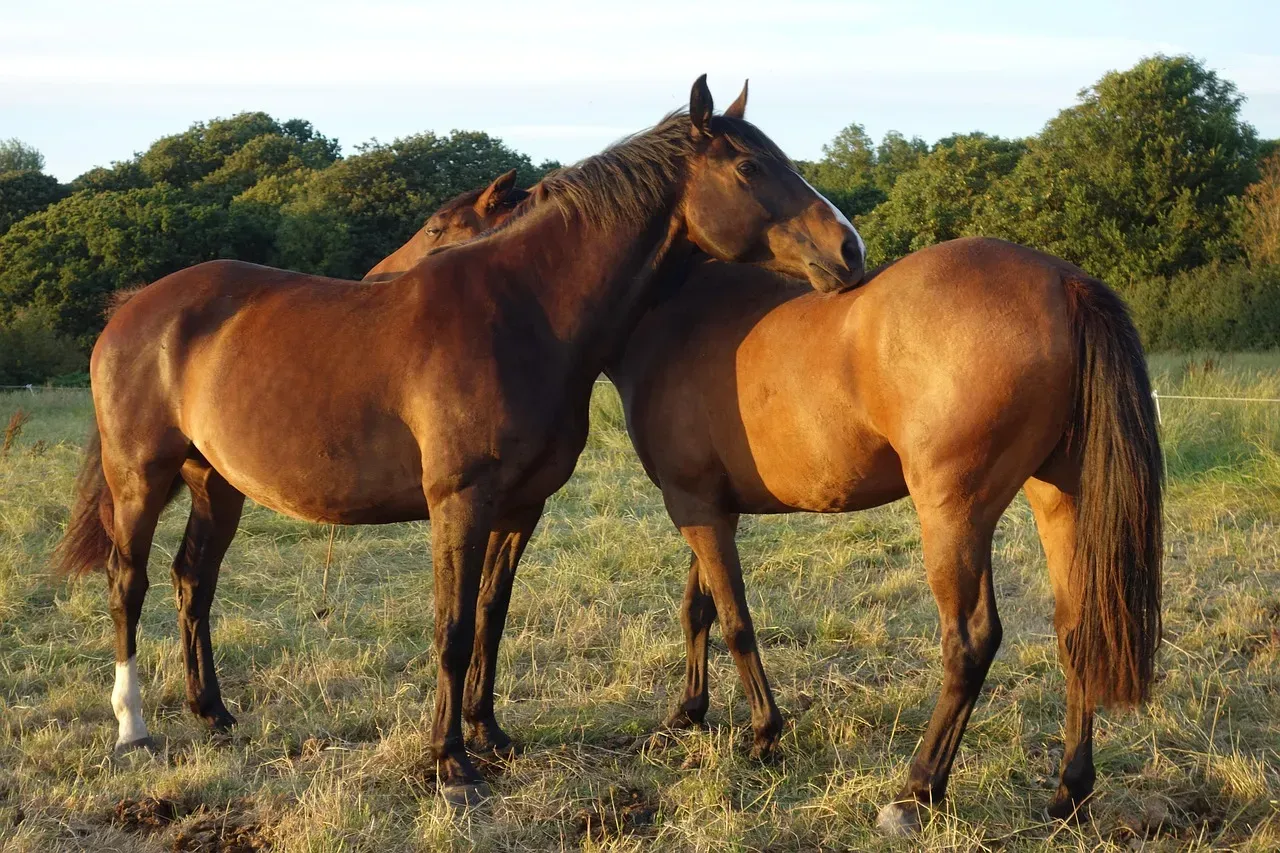
You will never truly understand patience until you’ve spent three months trying to teach a nervous young horse to simply stand still while being groomed, only to make what feels like zero progress. Living with horses requires being more than physically capable. It mandates a certain level of emotional intelligence, a readiness to tune into the horse’s world, and a humility to recognize that sometimes, it is the horse who teaches the rider.
Building a strong bond doesn’t happen overnight. Patience is key. The relationship must be allowed to develop naturally over time. It’s hard to say for sure whether horses intentionally teach us things, or whether we simply grow into better versions of ourselves through the process of trying to reach them. Either way, the result is the same. People who live with horses carry a specific kind of steadiness that others sometimes find difficult to understand. It was earned slowly, and it cost something.
Grief Is Part of the Bargain, and So Is Indescribable Joy
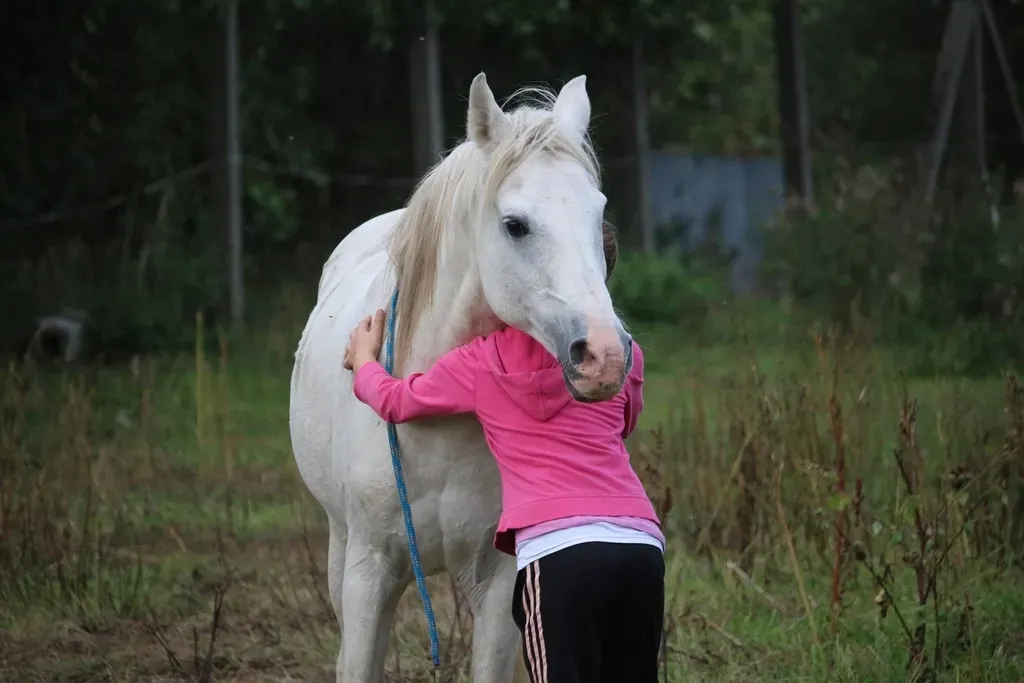
Nobody talks about this one enough. After a lifetime spent with horses, one can still be in awe of their gentle patience and their ability to teach us about ourselves. Yet that awe comes packaged with the knowledge that horses are vulnerable creatures, and loss is always a presence at the edge of this life. Losing a horse to colic can take the heart six full years to heal. That kind of grief is not melodrama. It is the natural cost of loving something this deeply.
The joy, though. The joy is unlike anything else. We can learn from horses how to be present in the moment, how to listen without speaking, how to connect without pretense, and how to meditate without the noise and stress of the modern world. It becomes a life’s purpose and living legacy to help others experience the love, support, and acceptance found in connecting with horses. It’s an authentic connection unlike any other relationship. When your horse picks its head up from grazing just to walk over and stand with you, for no reason at all, you will understand why people build their entire lives around these animals.
Conclusion
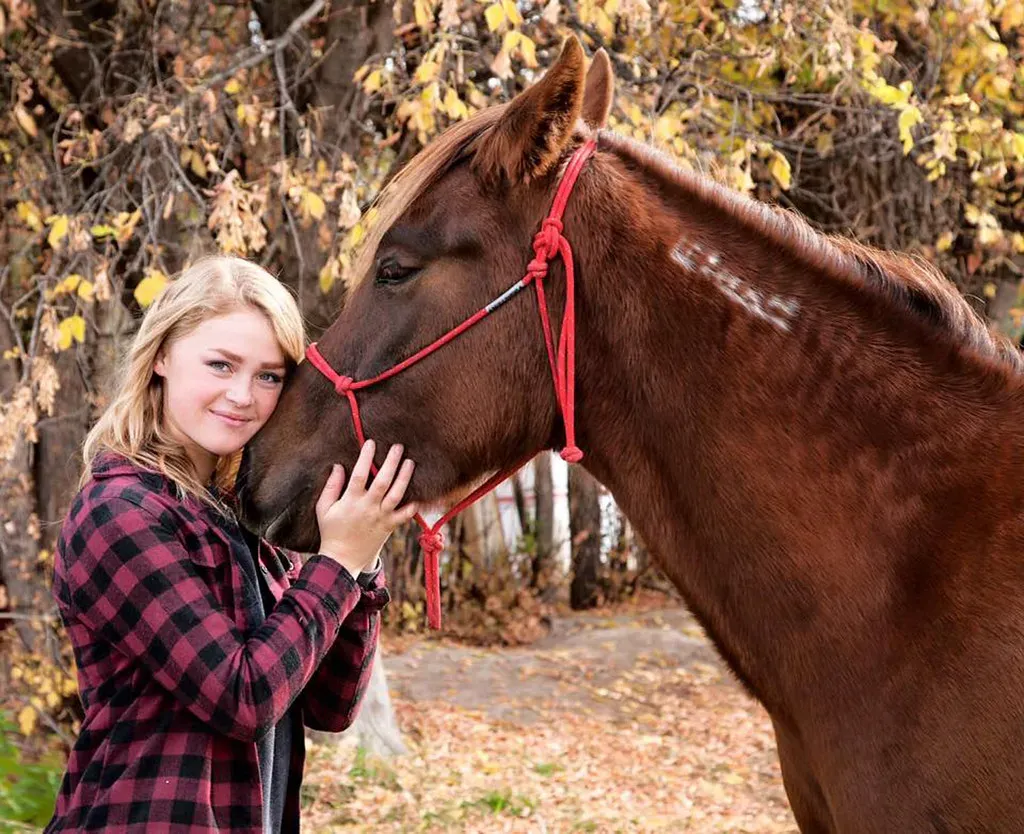
Living with horses is not a hobby. It is not even simply a lifestyle. It is a complete reshaping of how you experience the world, time, emotion, and your own self-awareness. The early mornings become a privilege. The hard work becomes a meditation. The bond becomes the kind of thing that, once you’ve felt it, you cannot imagine living without.
This unique relationship with the horse is an example of the harmony we seek in all aspects of life. In embracing its lessons, we not only become better riders but better humans. Not everyone will choose this life, and that’s okay. Those who do, though, know something the rest of the world is still searching for. Have you ever experienced an unexpected connection with an animal that completely changed you? Tell us about it in the comments.
