
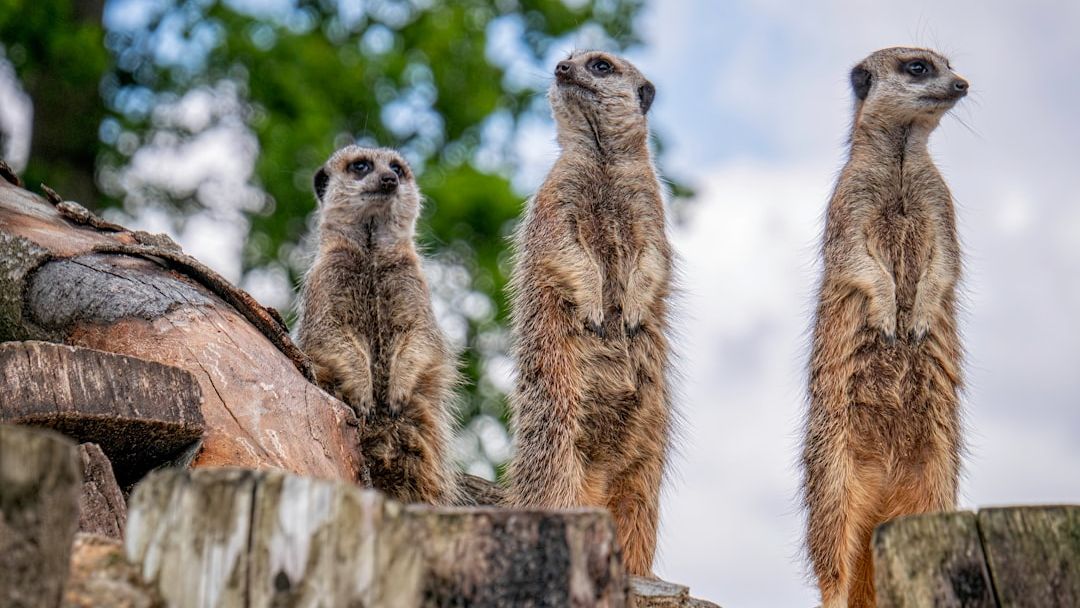
Imagine a tiny creature stepping away from a meal it desperately needs, standing in the open and exposing itself to a predator, all so others in its group can eat safely. No reward. No applause. Just pure, costly sacrifice. It sounds remarkably human, and yet this kind of behavior plays out every single day across the animal kingdom, in forests, oceans, deserts and even underground colonies.
Altruism in animals describes a range of behaviors performed by animals that may be to their own disadvantage but which benefit others. The idea that selflessness exists beyond the human species has fascinated biologists, philosophers and psychologists alike for generations. Honestly, it forces you to rethink everything you think you know about the “survival of the fittest” narrative. Let’s dive in.
What Exactly Is Animal Altruism, and Why Does It Puzzle Scientists?
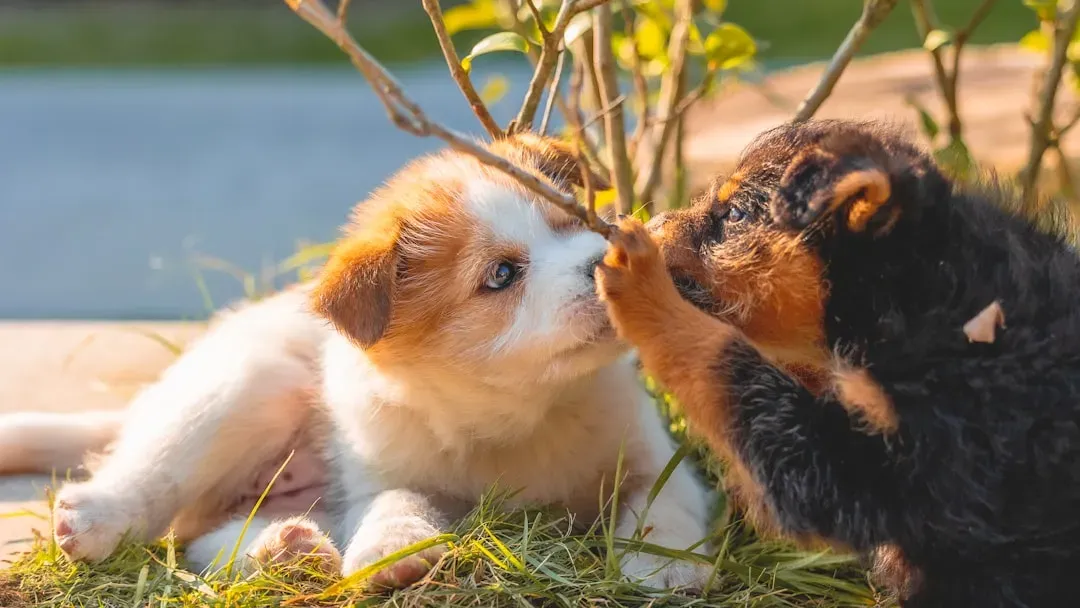
Here’s the thing. From a strictly Darwinian point of view, altruism should not exist. The existence of altruism in nature is at first sight puzzling, because altruistic behaviour reduces the likelihood that an individual will reproduce. Natural selection, at its most basic, rewards those who survive and reproduce most effectively. Sacrificing your own safety or resources for someone else seems like a losing strategy on the evolutionary scoreboard.
In animals, altruism is defined nearly identically to the human concept, as altruistic animals sacrifice their own resources, time, or lives for the betterment of others. In science, altruism is used to describe actions that benefit others at the expense of the individual participating in those actions. Think of it like a person giving their last dollar to a stranger. The giver walks away with nothing tangible in return.
For the biologist, it is the consequences of an action for reproductive fitness that determine whether the action counts as altruistic, not the intentions, if any, with which the action is performed. Altruistic behaviour is common throughout the animal kingdom, particularly in species with complex social structures. That last part is key. The more complex the social life of a species, the more often you tend to see these remarkable acts of selflessness.
The Unsung Heroes: Meerkats, Vervet Monkeys, and Sentinel Species
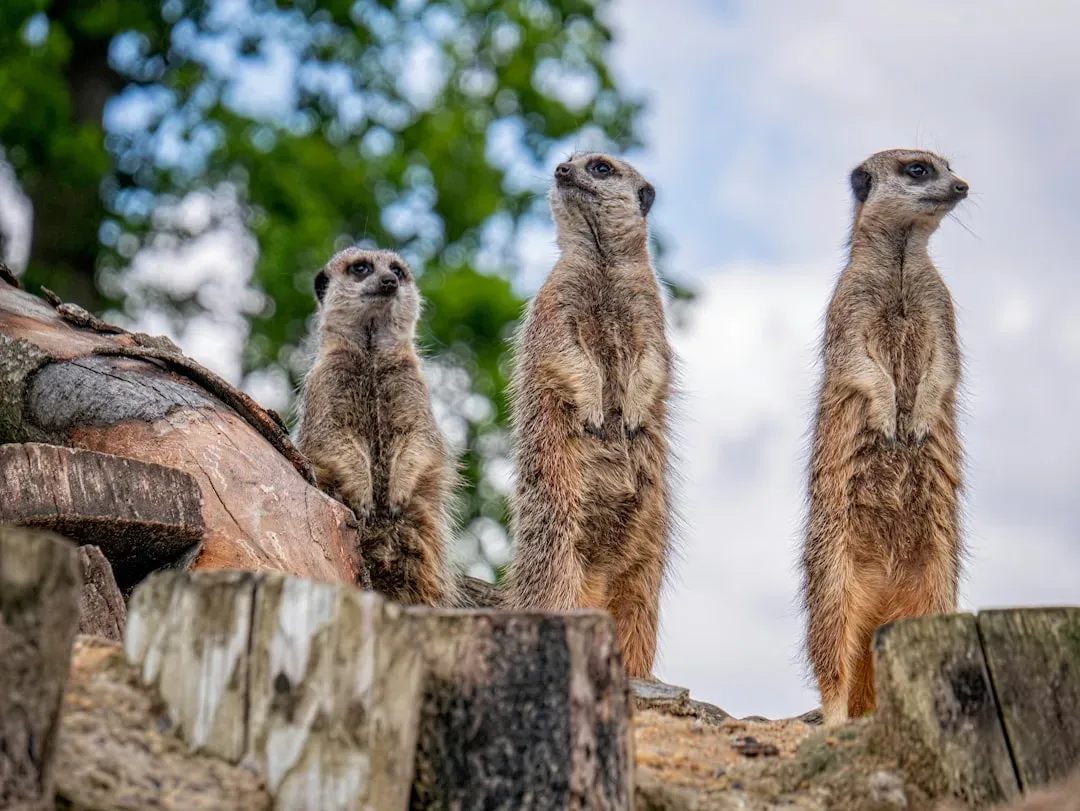
Few examples of animal altruism are as visually striking as a meerkat standing perfectly upright on a rock, scanning the sky while the rest of the group eats below. Meerkats appoint individuals to stand guard over the group. When under threat, these dutiful watchmen bark a defensive alarm, which singles them out as potential prey to any predators, allowing their family members to seek shelter. Not only does the guard miss out on the opportunity to gain food, but they put themselves at risk for the safety of the family.
It is genuinely hard not to find that moving. The sentinel meerkat essentially volunteers to be the most visible target in the area. No food, no protection, just pure exposure. A similar pattern appears higher up in the primate world. Vervet monkeys give alarm calls to warn fellow monkeys of the presence of predators, even though in doing so they attract attention to themselves, increasing their personal chance of being attacked.
Altruism also occurs between related animals that are not eusocial, such as squirrels who warn other members of their group with alarm calls when a predator is near. This puts the squirrel giving the call at risk, but helps the group, and its genes, survive. It’s a pattern that shows up again and again. The alarm-caller becomes the target. Every single time, it’s a choice that costs the individual and benefits the many.
Vampire Bats, Food Sharing, and the Power of Reciprocal Giving
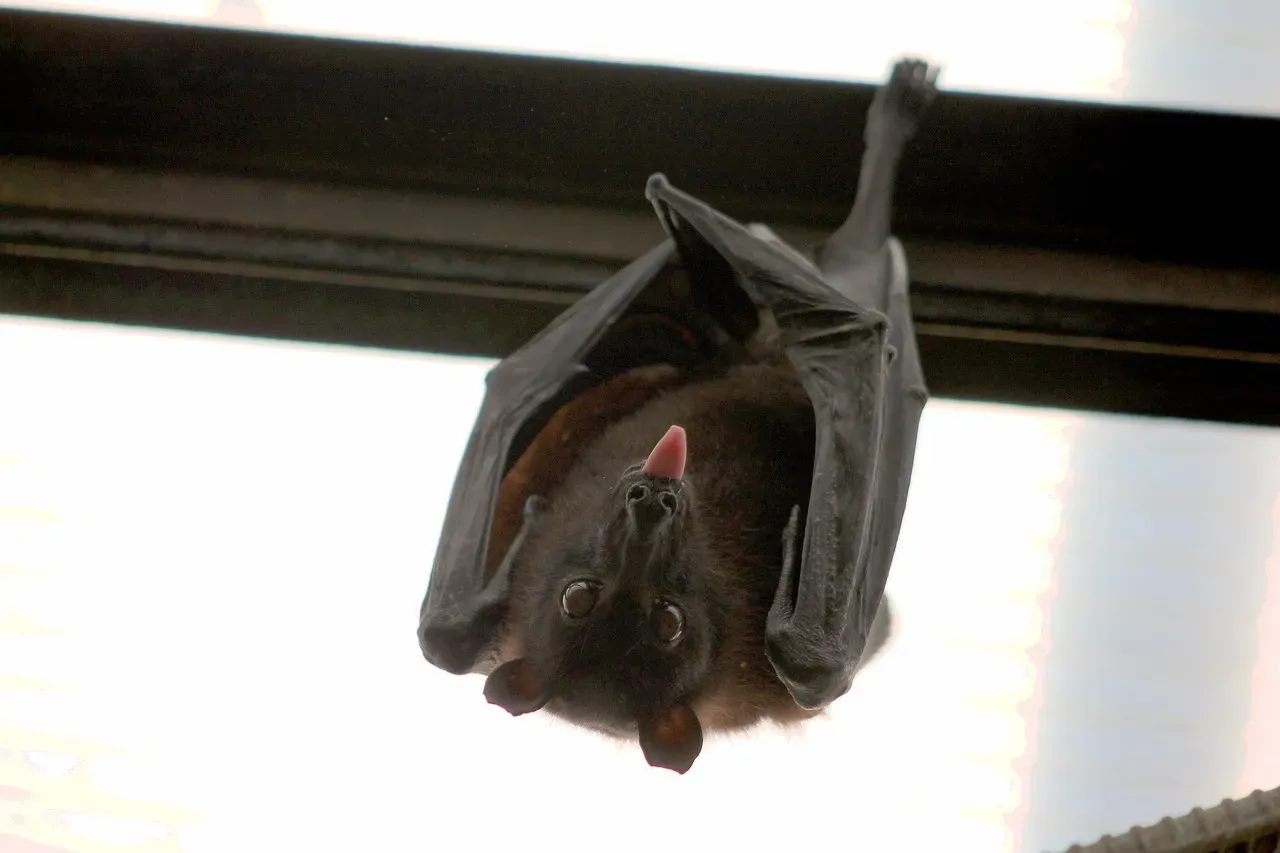
I know it sounds crazy, but one of the most touching examples of animal generosity involves vampire bats. These are not the gentle creatures of fairy tales, and yet their social behavior rivals that of many supposedly more evolved species. Vampire bats must eat every 70 hours to avoid starvation, but it is common for them to regurgitate small amounts of their own food for roost-mates that did not successfully feed. Sharing food when you are that close to your own starvation threshold is extraordinary.
There was a greater frequency of blood sharing between related individuals within the group; however, unrelated bats also exchanged meals. Over time, former recipients were observed feeding former donors, exemplifying “reciprocal altruism,” a behavior associated with long-lived, close-knit animals. This is essentially a biological credit system. You help me tonight. I’ll help you next week. No handshake required.
Altruism can also occur between unrelated individuals within a social group, such as when primates groom each other or share food. Although these behaviors may be costly to the altruistic animal in the short-term, they can be beneficial if the favor is repaid later. This is called reciprocal altruism and primarily occurs in animals that live in stable social groups. The logic is almost like a friendship economy. Invest in others, and the investment eventually comes back to you.
Social Insects and the Ultimate Sacrifice: When Life Itself Is the Gift
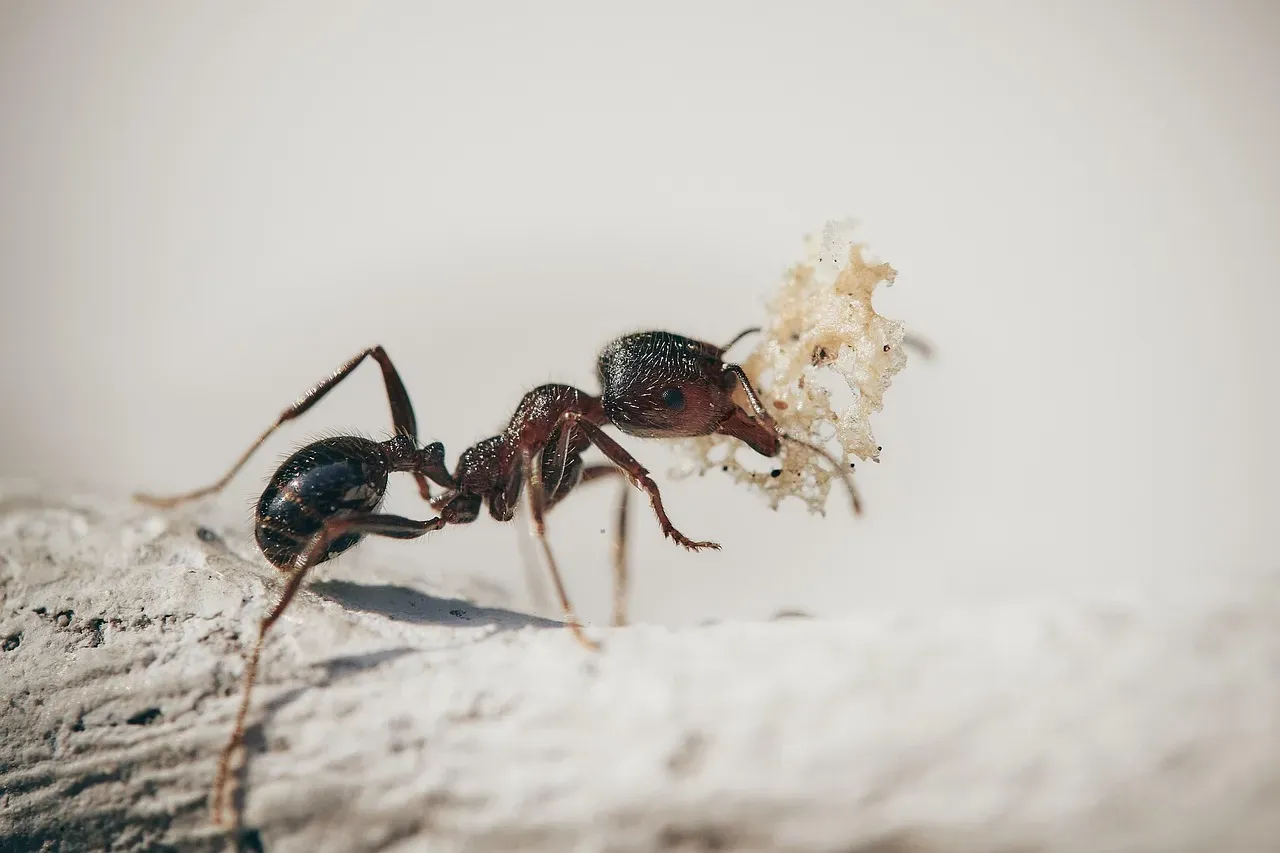
In social insect colonies such as ants, wasps, bees and termites, sterile workers devote their whole lives to caring for the queen, constructing and protecting the nest, foraging for food, and tending the larvae. Such behaviour is maximally altruistic: sterile workers obviously do not leave any offspring of their own, so have personal fitness of zero, but their actions greatly assist the reproductive efforts of the queen. It is genuinely hard to wrap your mind around a creature that will never pass on its own genes, yet works tirelessly to ensure others do.
Some insects take this even further. Some termites, such as Globitermes sulphureus, and ants, such as Camponotus saundersi, release a sticky secretion by fatally rupturing a specialized gland. This autothysis altruistically defends the colony at the expense of the individual insect. They literally explode themselves to protect their colony. It’s extreme, it’s shocking, and it’s completely real.
In the course of these activities, they may even sacrifice their own lives for the good of the queen and the colony. However, because they are closely related to the queen, their self-sacrificing behavior increases the chances that the genes they share with her will be passed down through her offspring. So in a genetic sense, the sacrifice is not entirely selfless. Still, it takes a certain kind of scientific cold-heartedness to look at an insect blowing itself up to save its family and call it merely a “gene-preservation strategy.”
Cross-Species Altruism: When Dolphins Save Whales and Science Gets Complicated
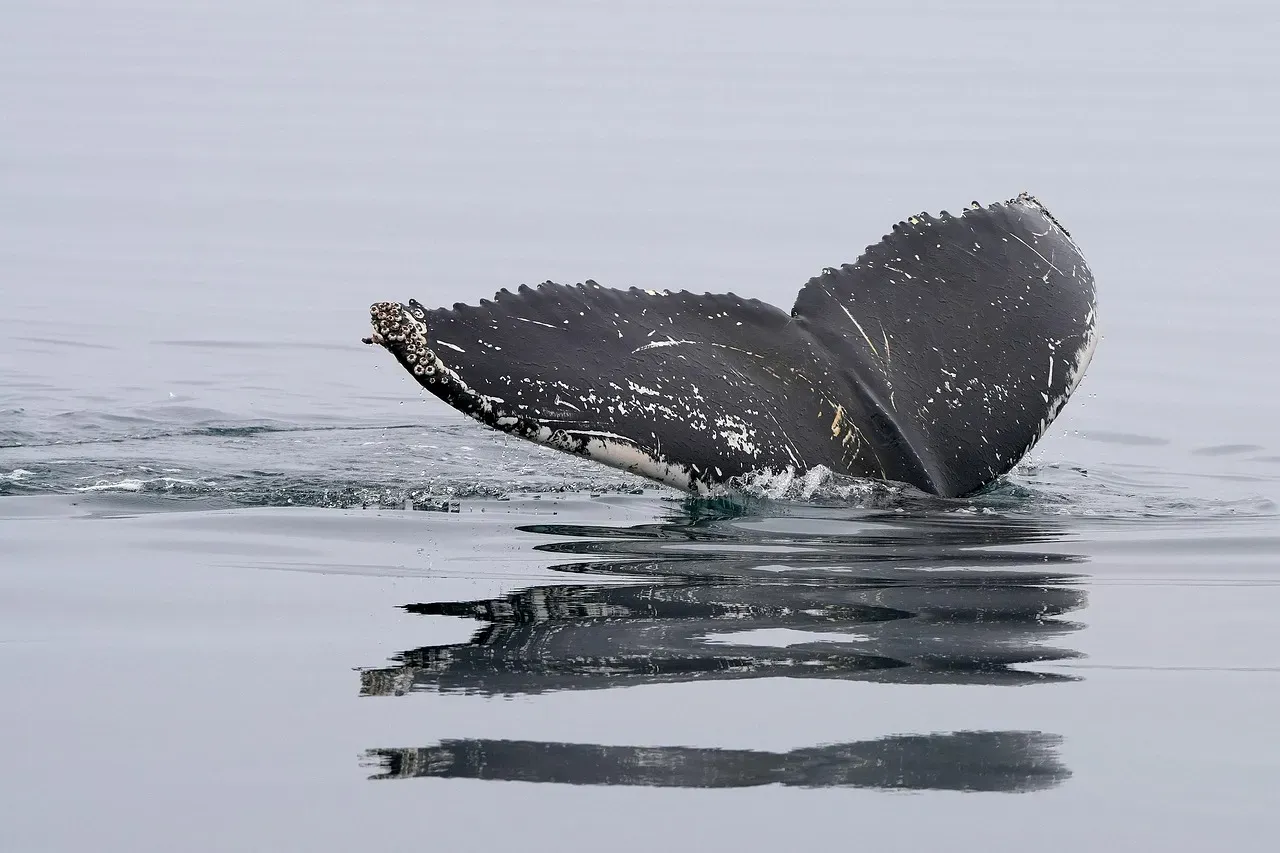
Perhaps the most jaw-dropping examples of animal altruism occur across different species entirely. While it’s clear that altruism is commonly expressed by animals that live in the same social group, whales and dolphins have been observed performing interspecies altruistic acts. These cases are harder to explain through kin selection or reciprocity, which is why they stir up so much scientific debate.
In 2008, a bottlenose dolphin came to the rescue of two beached whales in New Zealand and led them into safe waters. Without the dolphin’s guidance, the whales surely would have died. There is no shared gene pool here, no long history of mutual favor-trading. Just one animal apparently deciding another one needed help. In another incident in New Zealand, a group of swimmers were first surprised when dolphins began circling around them, tighter and tighter, splashing in the water. The swimmers initially thought the dolphins were displaying aggressive behavior, but it turned out that they were warding off sharks.
Then there’s the research into chimpanzees, our closest relatives, which threw a significant curve ball into the debate. Experimental evidence shows that chimpanzees act altruistically toward genetically unrelated conspecifics. Both chimpanzees and human infants helped altruistically, regardless of any expectation of reward, even when some effort was required, and even when the recipient was an unfamiliar individual. That finding, published in a peer-reviewed study, upended the assumption that spontaneous, costly helpfulness was a uniquely human trait. The roots of human altruism may go deeper than previously thought, reaching as far back as the last common ancestor of humans and chimpanzees.
Conclusion: Nature’s Generosity Is More Than a Nice Story
What the science tells us, when you step back and look at all of it, is both humbling and quietly beautiful. Altruistic behaviour is common throughout the animal kingdom, particularly in species with complex social structures. It appears in the icy waters off Antarctica, in African termite mounds, in underground bat colonies, and in the open ocean. It shows up in creatures with brains the size of a pea and in primates capable of planning and memory.
Understanding altruism is critical for grasping the dynamics of animal behavior and its implications for both evolution and social interaction in human contexts. Overall, altruism reflects a significant aspect of social behavior in the animal kingdom, inviting further exploration of its origins and functions. The debate about whether animals act with conscious intention or are simply following deep evolutionary programming may never be fully resolved.
Yet perhaps that debate misses the point entirely. A meerkat standing alone on a rock while its family feeds. A bat sharing its last meal. A dolphin guiding a stranded whale to safety. Deliberate or instinctive, the outcome is the same. Something is being given, at real cost, so another can survive. Whether we call it biology or something closer to compassion, it is one of the most extraordinary patterns in all of nature.
So the next time someone suggests that the natural world is nothing but a ruthless competition, you might want to mention the vampire bat that literally fed a starving stranger. What do you think – is it really altruism, or just nature playing a longer game? Tell us in the comments.

- 10 Facts About Roadrunners That Go Far Beyond Their Speed - August 3, 2026
- 10 Rescue Dog Breeds Too Difficult To Housebreak - August 3, 2026
- Forget Exotic Blooms: These US Native Flowers Are All Your Garden Needs - August 3, 2026