

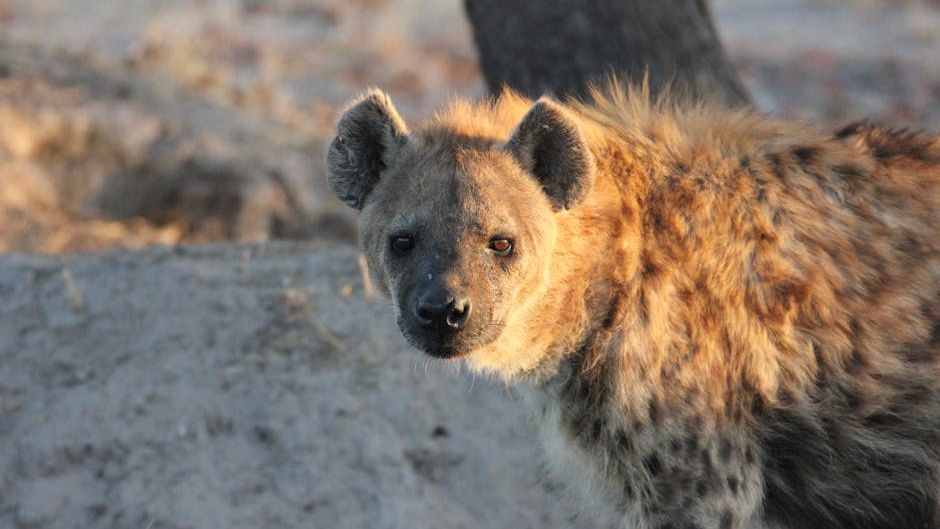
There’s something deeply unsettling about sharing your backyard with a predator that can crush bone with its jaws. For millions of people living near Kenya’s wildlife zones, that’s not a metaphor. It’s Tuesday morning.
A new study published in April 2026 has cast a revealing spotlight on the complex, sometimes dangerous, and surprisingly nuanced relationship between spotted hyenas and the human communities living alongside them in Kenya. The findings challenge a lot of what we think we know about predator behavior, community tolerance, and what “coexistence” actually looks like on the ground. Let’s dive in.
A Study Rooted in Real Landscape and Real Stakes
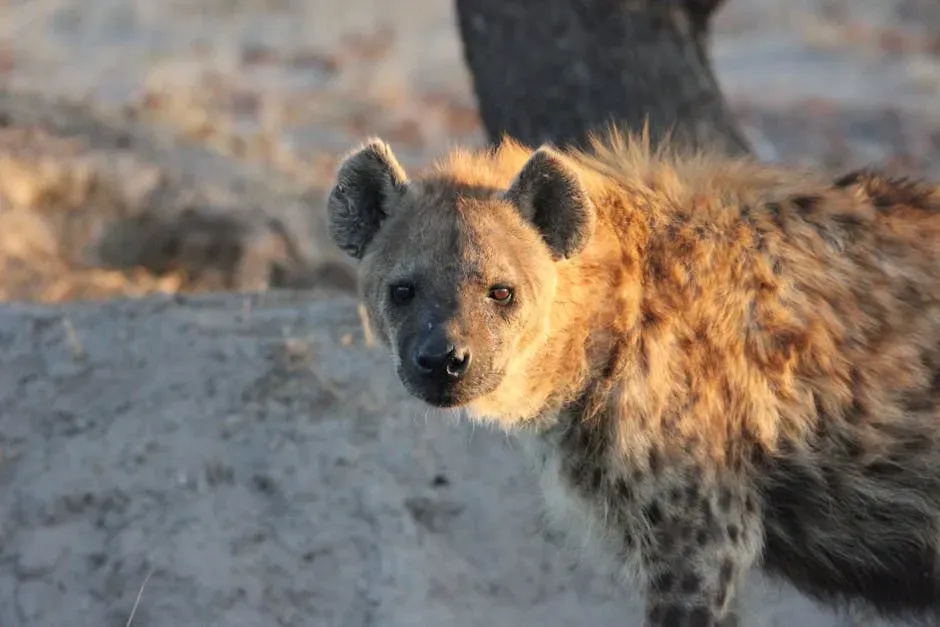
The research, published via Phys.org in early April 2026, draws on fieldwork conducted across Kenya’s human-wildlife interface zones, areas where farmland, pastoralist settlements, and wilderness essentially blur into one another. These aren’t remote, untouched wilderness corridors. These are places where people raise children, tend livestock, and go about daily life within proximity of large, powerful predators.
What makes this study stand out is its focus on the spotted hyena specifically, an animal that has long been misunderstood and unfairly maligned. Hyenas are not just scavengers skulking in the margins. They are highly intelligent, socially complex animals operating within ecosystems that humans have increasingly reshaped around themselves. That tension is exactly what the researchers set out to examine.
Hyenas Are Moving Closer to Human Settlements Than Previously Documented
Here’s the thing that probably surprised even the scientists involved. The study highlights that spotted hyenas in Kenya are venturing into human-dominated areas far more regularly than prior estimates suggested. This isn’t occasional opportunistic behavior. It’s becoming a pattern, and in some regions, a predictable one.
Researchers found that hyena activity near settlements spiked during certain periods, particularly at night and during seasons when natural prey became less abundant in the wild. Think of it like this: when the grocery store is empty, you start checking the neighbor’s garden. For hyenas, human settlements represent an increasingly accessible food source, whether that’s livestock, refuse, or unfortunately, in rare but documented cases, direct encounters with people.
Livestock Losses Are Driving Human Frustration to a Boiling Point
Livestock is not just an economic asset for pastoral communities in Kenya. It is savings, security, social standing, and survival bundled into one animal. When a hyena takes a goat or a calf, the impact on a family can be genuinely devastating, not inconvenient. Devastating.
The study documents significant livestock depredation linked to spotted hyenas, and honestly, the human response is completely understandable from a community standpoint. Frustration, fear, and retaliatory killings of predators are not signs of ignorance. They are the rational response of people protecting their livelihoods with whatever tools they have available. The challenge for conservationists is acknowledging that reality honestly rather than treating local communities as obstacles to wildlife protection.
Children and Vulnerable People Face Direct Risk in Some Areas
This is the part of the study that’s genuinely difficult to read, and it deserves to be said plainly. Spotted hyenas in some parts of Kenya have been involved in attacks on people, and the victims are disproportionately young children and elderly individuals, those least able to defend themselves or flee.
The research highlights that these attacks, while not common in statistical terms, carry enormous psychological weight within communities. A single hyena attack on a child can shift an entire community’s perception of wildlife permanently. I think it’s worth pausing on that. Conservation narratives often emphasize biodiversity and ecosystem health, which are genuinely important, but the lived fear of families in affected communities is equally real and deserves equal weight in the conversation.
Local Attitudes Toward Hyenas Are More Complex Than Expected
One of the more fascinating dimensions of the study is what it reveals about community attitudes. Researchers found that people’s feelings about hyenas were not uniformly negative, which honestly surprised me a little. In some communities, there was a grudging acknowledgment of the hyena’s ecological role, even among those who had experienced livestock losses.
Cultural beliefs also played a role. In certain Kenyan communities, hyenas carry symbolic or spiritual significance that complicates simple narratives about human-wildlife conflict. This layered, nuanced reality is something conservationists increasingly need to factor into their strategies. Blanket messaging about protecting predators lands very differently in a community that just lost three goats last week versus one that hasn’t.
Conservation Strategies Are Being Tested Against Ground-Level Reality
The study raises pointed questions about whether existing conservation frameworks are actually working for the communities most affected. Protected area boundaries, compensation schemes for livestock losses, and community wildlife education programs all exist in Kenya. The problem is that their reach, consistency, and effectiveness vary enormously across regions.
Researchers point toward the need for locally adapted, community-centered approaches rather than top-down conservation mandates. Practical interventions like improved livestock enclosures, called bomas, have shown genuine promise in reducing depredation events. It’s not glamorous work. It doesn’t generate headlines the way a census of lion populations does. However, it’s the kind of ground-level, unglamorous effort that actually changes behavior on both sides of the fence, human and hyena alike.
The Path Forward Requires Honesty About Trade-Offs
Let’s be real: there is no perfect solution here. Coexistence between large predators and human communities is not a fixed destination. It’s an ongoing negotiation, and it requires all parties, conservationists, governments, researchers, and local communities, to be honest about the trade-offs involved.
The Kenya hyena study, published in April 2026, is valuable precisely because it doesn’t pretend the situation is simple. It documents real losses, real fear, and real complexity without reducing either the predators or the people to caricatures. Spotted hyenas deserve a place in functioning ecosystems. Families in Kenya’s borderlands deserve safety, economic security, and a genuine say in how wildlife is managed around their homes. Holding both of those truths at once isn’t easy. Honestly, it never was.
Coexistence, if it’s going to mean anything real, has to work for the people living on the front lines of it, not just for the animals we’re trying to protect. What do you think: should local communities have greater control over how predators are managed near their homes? Share your thoughts in the comments below.

- Urban Coyotes Show Remarkable Adaptability, Learning to Thrive in City Environments - July 22, 2026
- Beavers Are Nature’s Engineers, Creating Vital Habitats for Other Wildlife Species - July 21, 2026
- The Recovery of the California Condor Offers Hope for Other Critically Endangered Birds - July 21, 2026