
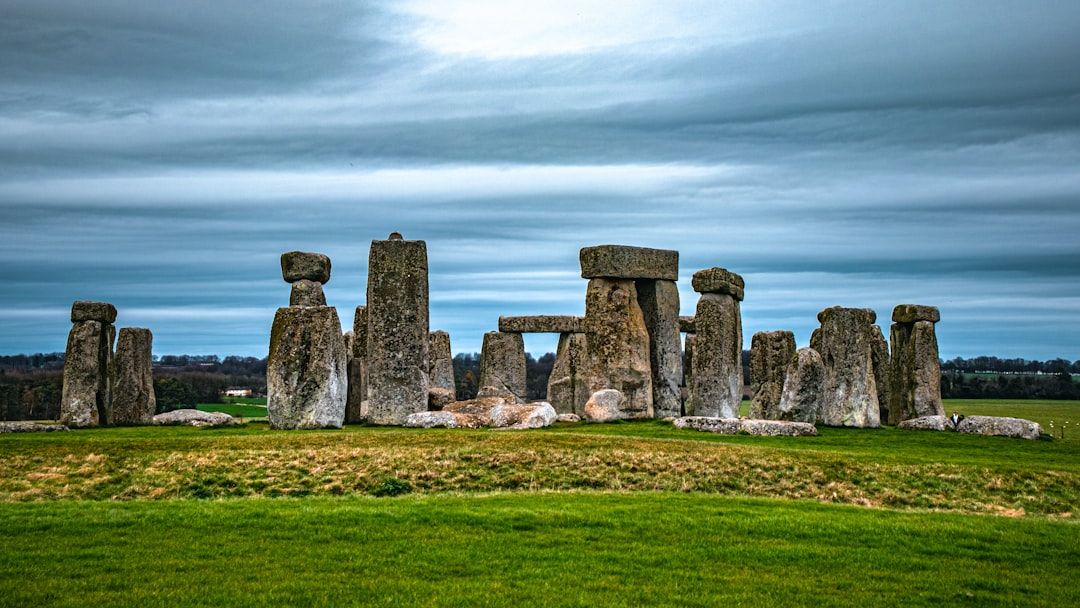
There is something deeply unsettling about staring at a structure built thousands of years ago and realizing, with total honesty, that we have no idea why it was built. No manuals. No explanations. Just stone, earth, and silence. These are not fringe mysteries kept alive by conspiracy theorists. These are sites that have driven serious, credentialed archaeologists to scratch their heads for decades.
From the sun-baked deserts of Peru to the volcanic plains of Turkey, our planet is dotted with places that seem to defy the timeline of human capability. Some were buried intentionally. Others were stumbled upon by accident. All of them remain gloriously, frustratingly unexplained. Let’s dive in.
1. Göbekli Tepe: The Temple That Rewrote History
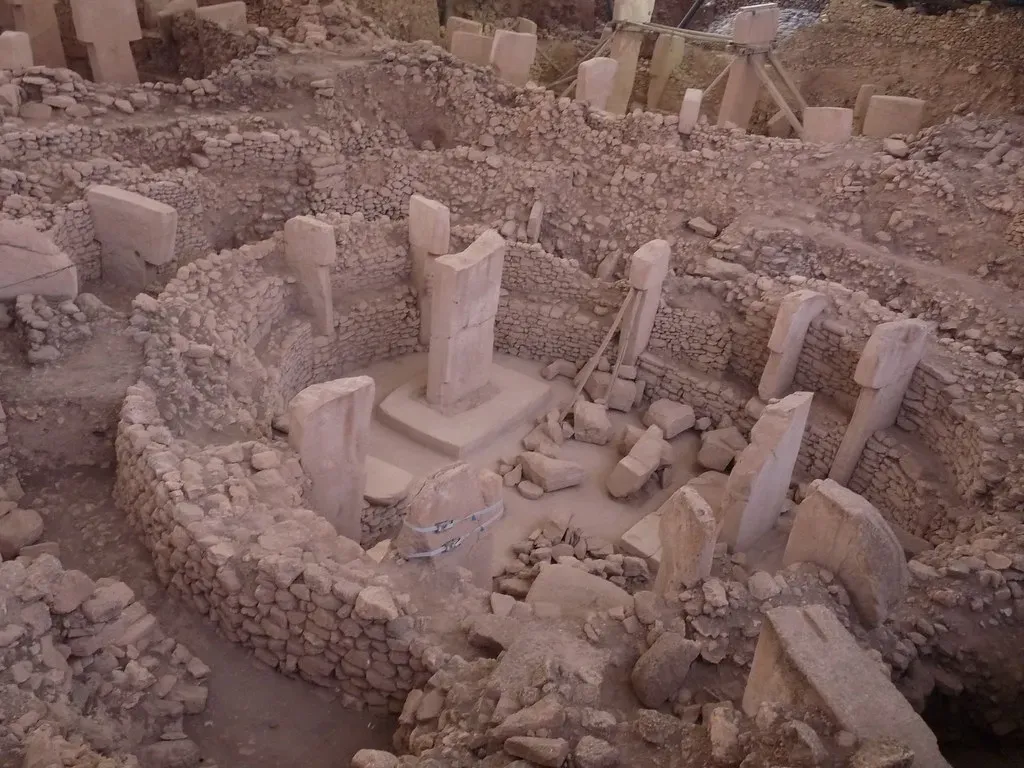
Here is a fact that should genuinely stop you in your tracks: more than 11,000 years ago, hunter-gatherers built a monumental stone complex that is thought to be the world’s first temple. That predates writing. It predates pottery. Honestly, it predates most of what we thought we knew about early human civilization.
The Neolithic site, which translates to “belly hill” in Turkish, is two times older than Stonehenge and contains a series of elaborate circular enclosures constructed of massive T-shaped limestone columns. Its purpose is still undetermined, but Stone Age masons created 20 circles of tall rock pillars weighing up to 20 tons, and some of the T-shaped pillars are nearly 16 feet high and boast carved reliefs of foxes, bulls, boars, reptiles, scorpions, vultures and other creatures twisting up their broad sides.
The enigmatic site’s construction seems to suggest that it was built by a complex, organized society that would have been capable of coordinating large-scale projects, an idea that challenges earlier notions that such sophisticated social structures only emerged after the advent of agriculture. Think about that like a puzzle where the pieces arrive out of order.
One of Göbekli Tepe’s greatest mysteries is its intentional burial. Sometime after centuries of use, the enclosures were carefully filled in with earth and debris. Scholars speculate this act may have been a form of ritual closure or an effort to preserve the sacred site for posterity. Unlike most ancient ruins, Göbekli Tepe was not abandoned to decay, but purposefully sealed, adding yet another layer to its enigmatic story.
2. The Nazca Lines: Giant Art No One Was Supposed to See
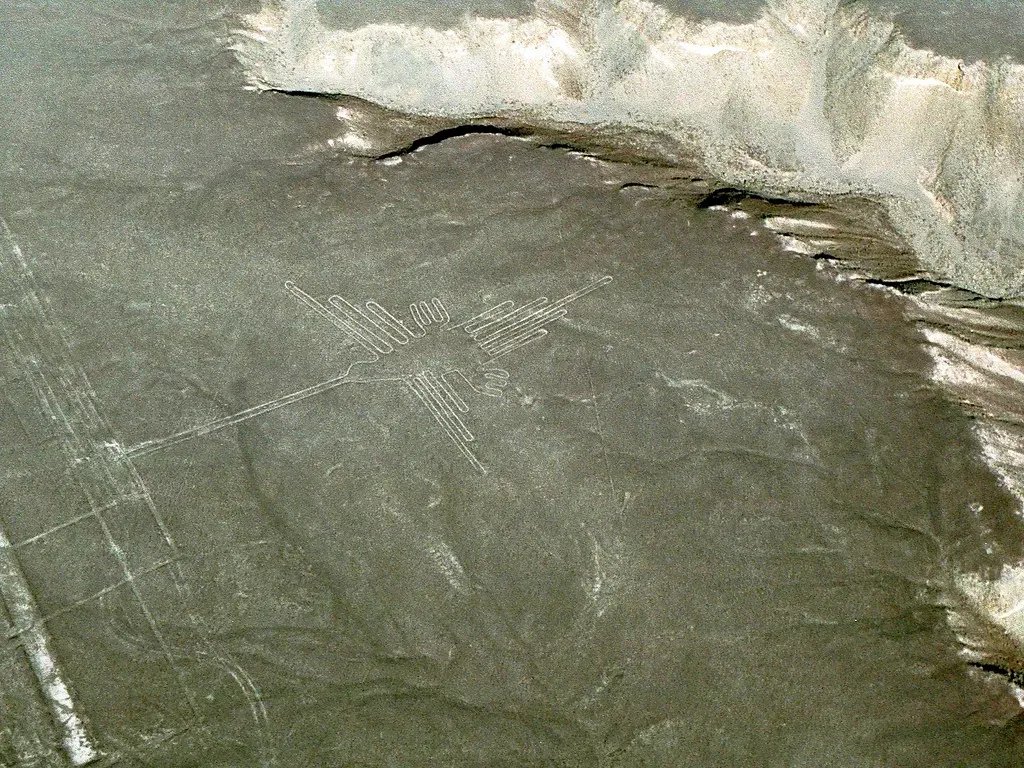
The Nazca Lines, located in southern Peru, are a series of intricate geoglyphs etched into the desert floor, and these massive designs span an area of nearly 1,000 square kilometers. The sheer scale of the thing is almost absurd. We are talking about drawings so enormous they only make visual sense from the sky, crafted by a people who had no aircraft.
The ancient Nazca people crafted these lines by removing the top layer of reddish pebbles to reveal the lighter-colored ground beneath. This simple yet effective technique allowed the designs to endure for centuries in the arid climate. Simple technique, yes. But the organizational precision behind it? Anything but simple.
With several hundred lines creating geometric shapes, trees, flowers, and over 70 animal shapes such as birds, monkeys, llamas, fish, jaguars, whales, and lizards, it’s no wonder the largest figures captivate researchers. The purpose of the Nazca Lines remains a subject of debate among archaeologists and researchers. Some theories suggest they served as astronomical calendars or markers for underground water sources. Others propose ritualistic or religious significance.
I think the most haunting part is this: a combination of microbotanical analysis and sweeping aerial drone footage has enabled researchers to arrive at a new hypothesis about who created the mysterious “band of holes” formation, a series of about 5,200 holes dotting the Peruvian Andes. Even with cutting-edge tools, the answers keep multiplying into more questions.
3. Stonehenge: Britain’s Most Famous Unanswered Question
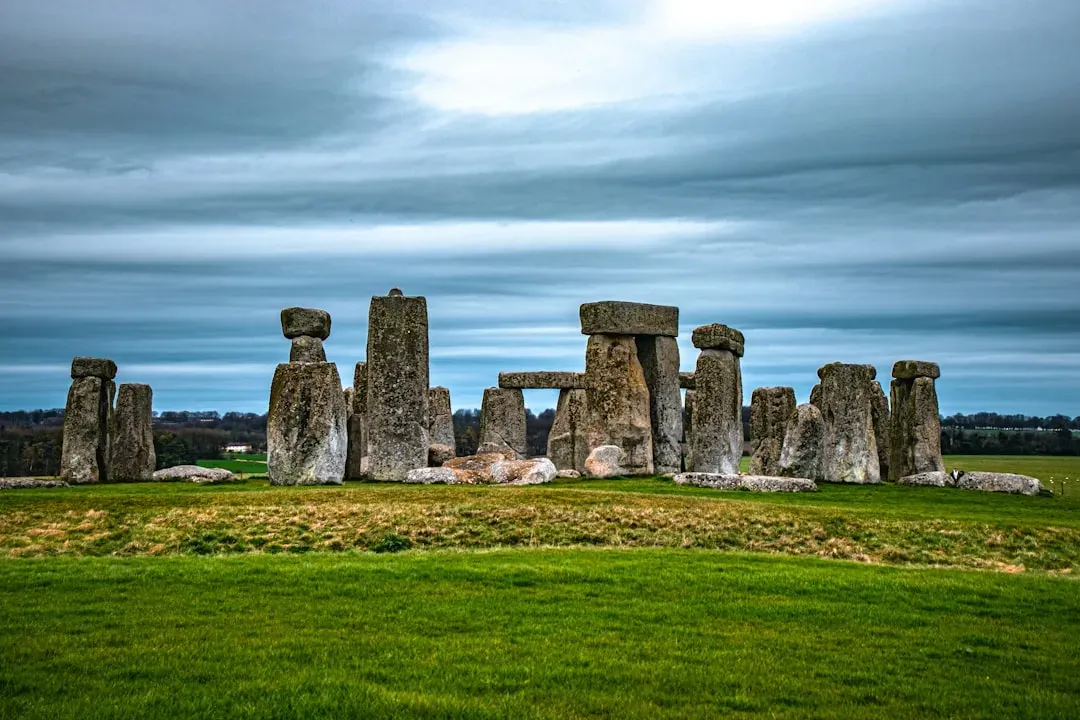
Sprucing up an otherwise docile English field, the prehistoric monument commonly known as Stonehenge is one of the world’s most famous landmarks. The ring of megalithic stones was built approximately 4,000 years ago and was an impressive feat for the primitive people who constructed it, but that is about all archaeologists know for sure. It is maddening, really. We know it is there. We know it is old. Beyond that, things get murky fast.
None of the theories on the original purpose of Stonehenge, which range from an astronomical observatory to a religious temple of healing, has ever been, well, set in stone. The bluestones, numbering around 43, consist of various igneous rocks including spotted dolerites, rhyolites, and sandstones. Their name derives from the bluish tint they exhibit when wet or freshly broken. For years, archaeologists believed the bluestones were transported by humans from the Preseli Hills in Wales, nearly 150 miles away.
A discovery of 17 other ritual monuments in the area surrounding Stonehenge was reported in 2014. Researchers from Birmingham University participating in the Stonehenge Hidden Landscapes Project used ground penetrating radar to find outlying fields, a pond, a large pit, and several enclosures. So Stonehenge was not a lonely monolith. It was the centerpiece of an entire ritual landscape. That changes things considerably.
4. Puma Punku: Stone Precision That Defies Explanation
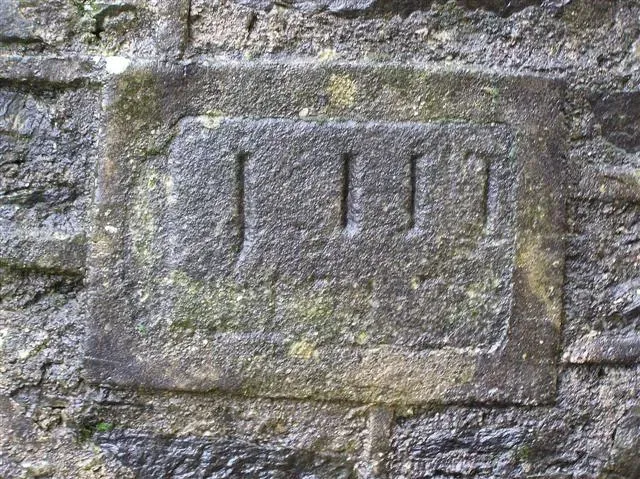
Puma Punku, an ancient archaeological site in Bolivia, continues to baffle experts with its remarkable stonework. Located near Tiwanaku, this temple complex showcases extraordinary precision in its stone blocks and intricate designs. The site features massive stone blocks, some weighing up to 130 tons, cut and fitted together with astonishing accuracy. It sounds almost impossible. Yet there it sits, on a high Andean plateau, daring anyone to explain it.
What makes Puma Punku truly perplexing is the level of technological sophistication apparent in its construction. The stones exhibit drill holes, straight edges, and precise right angles that would challenge even modern stonemasons to replicate. Archaeologists struggle to explain how ancient builders achieved such precision without advanced tools. The source of the stones adds another layer of mystery, with some materials quarried from sites up to 55 miles away.
Much of the Puma Punku wall structures appear to have been destroyed during some type of cataclysm. The stone retaining walls were precision-cut in H-shapes that mystify archaeologists. The stones fit together so precisely there is not enough space for a razor blade to fit between them. To add more intrigue to the mystery, it was recently discovered the stones are highly magnetized.
Apparently, this culture dissolved abruptly some time around AD 1000, and researchers can only guess the reasons. A likely scenario involves rapid onset extended drought. Unable to produce the massive crop yields necessary for their large population, the Tiwanaku apparently scattered into the local mountain ranges, then disappeared shortly thereafter.
5. Derinkuyu: The Underground City Discovered by Accident
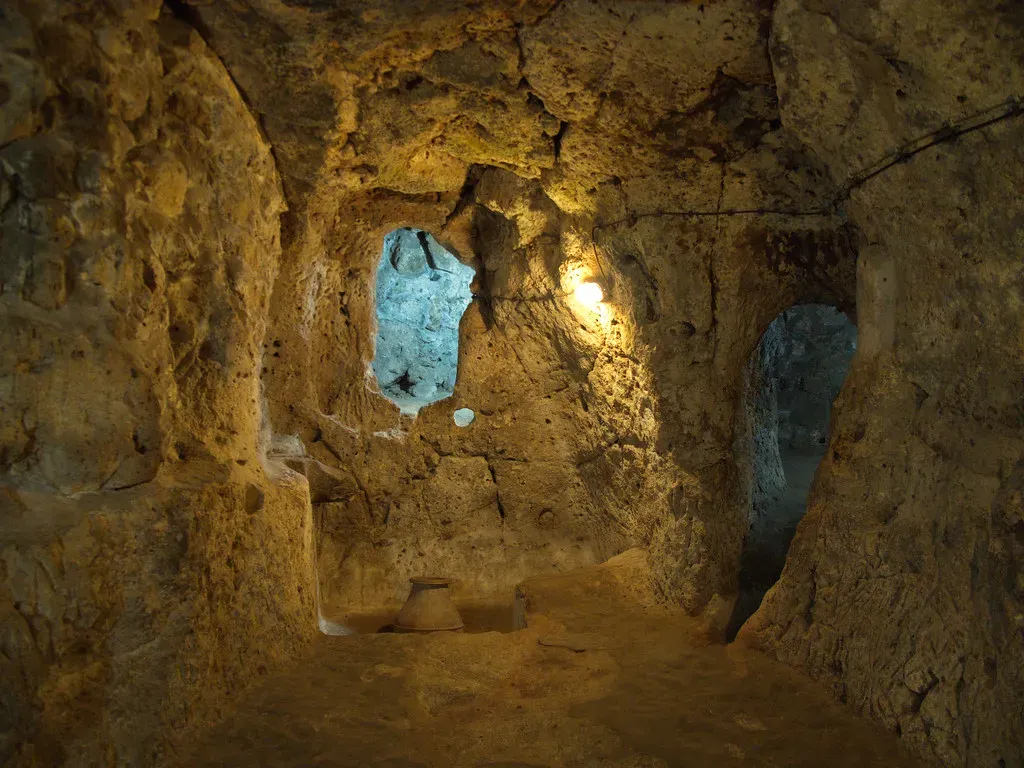
This one might be the most jaw-dropping story on this entire list. In 1963, a man knocked down a wall in his basement and discovered a mysterious underground city. The subterranean city is up to 18 stories and 280 feet deep in places and probably thousands of years old. The Derinkuyu Underground City is the largest of its kind and could house 20,000 people. Twenty thousand people. Living underground. Completely hidden.
Dating back thousands of years, the 18-storey subterranean marvel is 280 feet deep and has stables, granaries, kitchens, dwellings, a school, a church and more. The old Derinkuyu had an astonishing security system, with thousand-pound rolling doors that could only be opened from the inside and could only be handled by one person. Each floor or level at Derinkuyu could have been locked individually.
Some historians and archaeologists believe that this underground city was created by the Phrygians, while others say that it was most likely built by the Hittites. Still others claim that Derinkuyu is considerably older than historians and archaeologists believe. Its ventilation system maintained fresh air at all levels without modern pumping technology. The precision of its construction and the advanced understanding of air circulation principles speak to sophisticated engineering knowledge.
6. The Antikythera Mechanism: Ancient Greece’s Impossible Computer
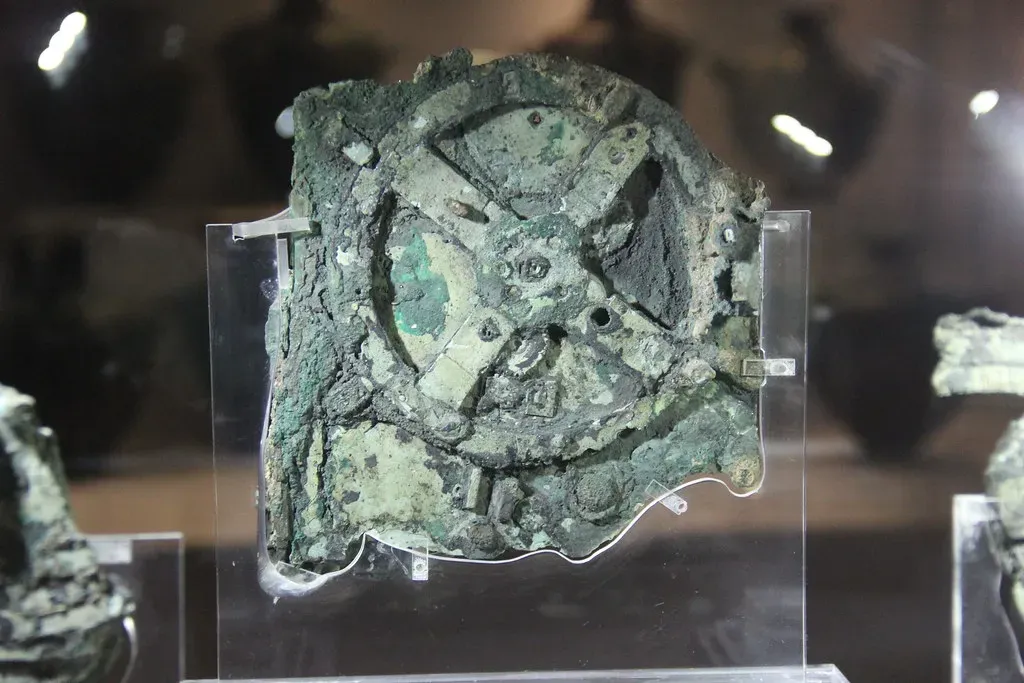
Discovered in a shipwreck off the coast of Greece, the Antikythera Mechanism has stunned experts since its recovery. This intricate device, dating back over 2,000 years, could predict astronomical events with astonishing precision. Its gears and engineering rival those of clocks developed more than a millennium later, leaving historians amazed at the ancient Greeks’ technological prowess. A computer. Built two thousand years ago. Found at the bottom of the sea.
Discovered in a shipwreck off the Greek island of Antikythera, this 2,000-year-old device contains an intricate system of gears that predicted astronomical positions and eclipses with remarkable accuracy. The mechanical complexity would not be matched in Europe for another 1,500 years. The civilization that created this astronomical computer possessed mathematical and engineering knowledge far beyond what we typically attribute to ancient Greece.
The Antikythera Mechanism had functions to display the positions of the planets, time calculations and even sundials. Offering accuracy beyond modern calculators, this device reveals ancient societies’ deep knowledge of mathematics and mechanics. What is particularly confusing is how this technological knowledge seemingly disappeared rather than progressing further. That, right there, is the most chilling detail of all.
7. Karahantepe: The New Discovery That Raises Even Older Questions
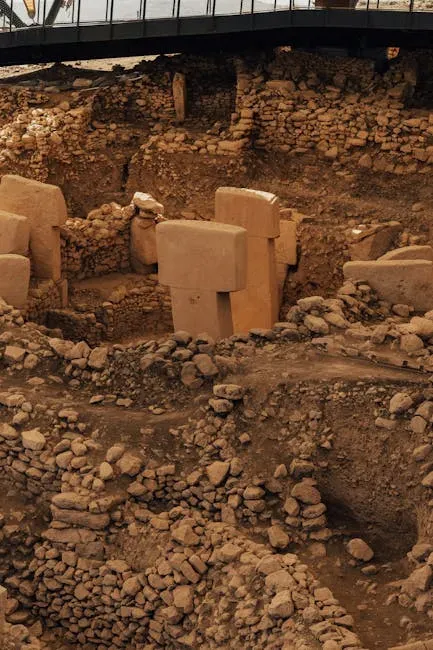
If you thought Göbekli Tepe was the only shocking Neolithic site in Turkey, think again. Excavations led by Istanbul University have revealed a large structure resembling an amphitheatre at Karahantepe, a Neolithic site located near Şanlıurfa in southeastern Türkiye that was inhabited from around 9400 to 8000 BCE. The circular structure measures almost 17 meters in diameter and features tiers of stone benches, human and animal sculptures, and carved heads embedded in the walls.
At the Neolithic site of Karahantepe in southeastern Turkey, archaeologists uncovered a massive circular structure resembling a modern amphitheater. Dating back roughly 11,000 years, the building features tiered stone seating and carved human and animal figures, demonstrating that monumental communal architecture existed long before agriculture became widespread. Let that sink in for a moment. A community gathering space, complete with seating arrangements, built before farming even existed.
The structure suggests that hunter-gatherer societies were capable of organizing large-scale construction projects and maintaining complex social and ritual systems. This tears apart the old idea that early humans were simply surviving day to day with no capacity for culture or community planning. Karahantepe is still being excavated, and researchers openly admit that what they have found so far represents only a fraction of what lies beneath the surface. It is hard to say for sure, but this site may eventually rival Göbekli Tepe in terms of historical significance.
Conclusion: The Past Is Still Talking
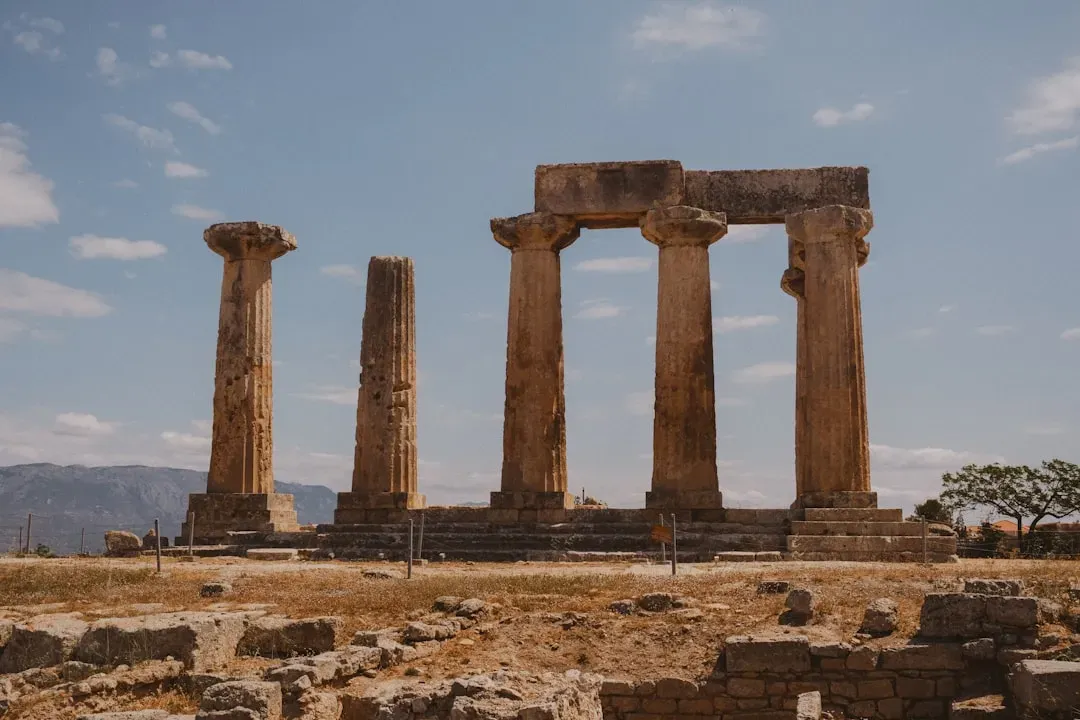
What all seven of these sites share is something that cannot be easily quantified. They make us feel small. They remind us that human ingenuity did not begin with modernity, that people who had no written language, no metal tools in some cases, and no satellites were capable of building things we still cannot fully explain in 2026.
There is something deeply humbling about that. These discoveries hint at how much human history still lies hidden in deep waters, dense jungles, and desert sands, waiting to be found. Every answer archaeology offers seems to arrive with two new questions tucked neatly behind it. Maybe that is the point. Maybe the mystery is the message.
The greatest archaeological puzzle of all might not be any single site. It might be the sheer audacity of our ancestors, building temples and cities and cosmic machines in the dark, trusting that someone, someday, would be smart enough to notice. Which of these sites surprises you the most? Drop your thoughts in the comments below.
