
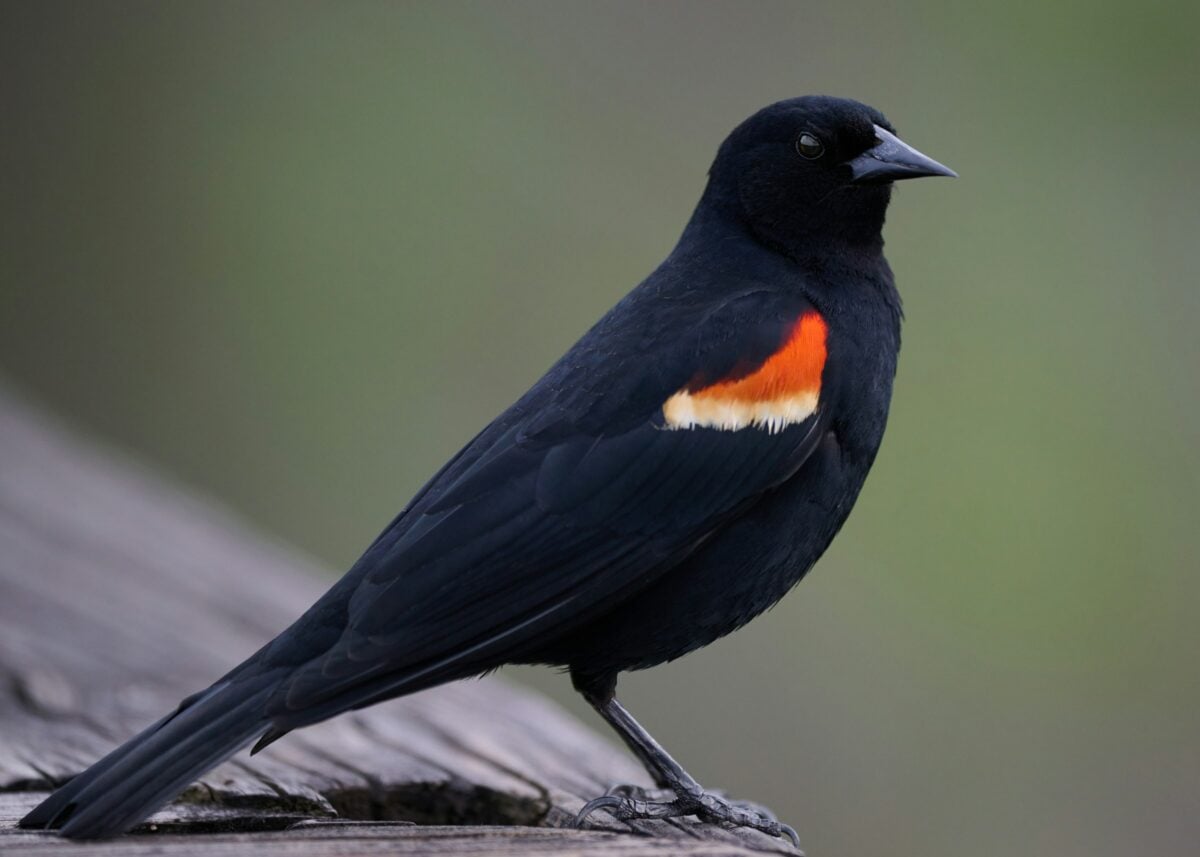
Most people assume the birds at their feeder will always be there – the cardinal on the fence, the chickadee in the hedge, the mourning dove pacing under the picnic table. But quietly, over just a few decades, some of the most familiar birds in America have lost tens of millions of individuals, and almost nobody noticed the exodus happening in real time.
That’s the unsettling part: your yard still sounds “normal.” The silence isn’t total, it’s selective, and that’s exactly why it’s so easy to miss. Below are 18 backyard birds quietly vanishing faster than most people realize, and once you know what to listen for, you may never hear your own yard the same way again.
#1 – Eastern Meadowlark: The Farm Bird That Vanished From the Fields
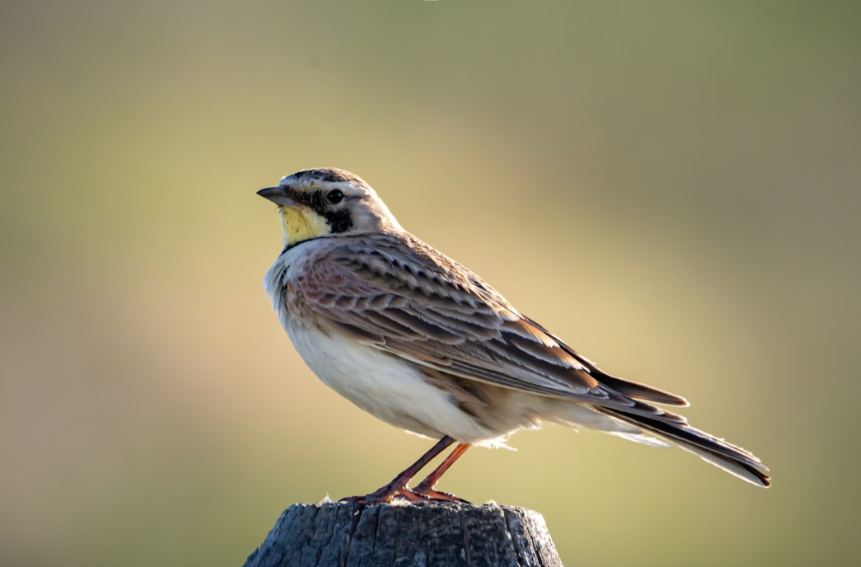
Once, Eastern Meadowlarks were so common that farmers barely looked up when they heard that clear whistle from the fence posts. Now, in many states, hearing one sing in spring feels like a small event. Their numbers have collapsed by more than half in just a few generations across much of their range, and most suburban folks have never even clocked they’re gone – they assume “fields mean birds” and move on.
Eastern Meadowlarks need open grasslands, hayfields, and pastures, but those fields now get mowed earlier and more often, or paved over entirely. Nests get shredded by tractors before chicks ever get a chance to fledge. Add pesticides wiping out the insects they depend on, and you get a countryside that looks fine from a car window but is quietly emptying out.
#2 – Red-Winged Blackbird: From “Too Many” To a Shock Decline
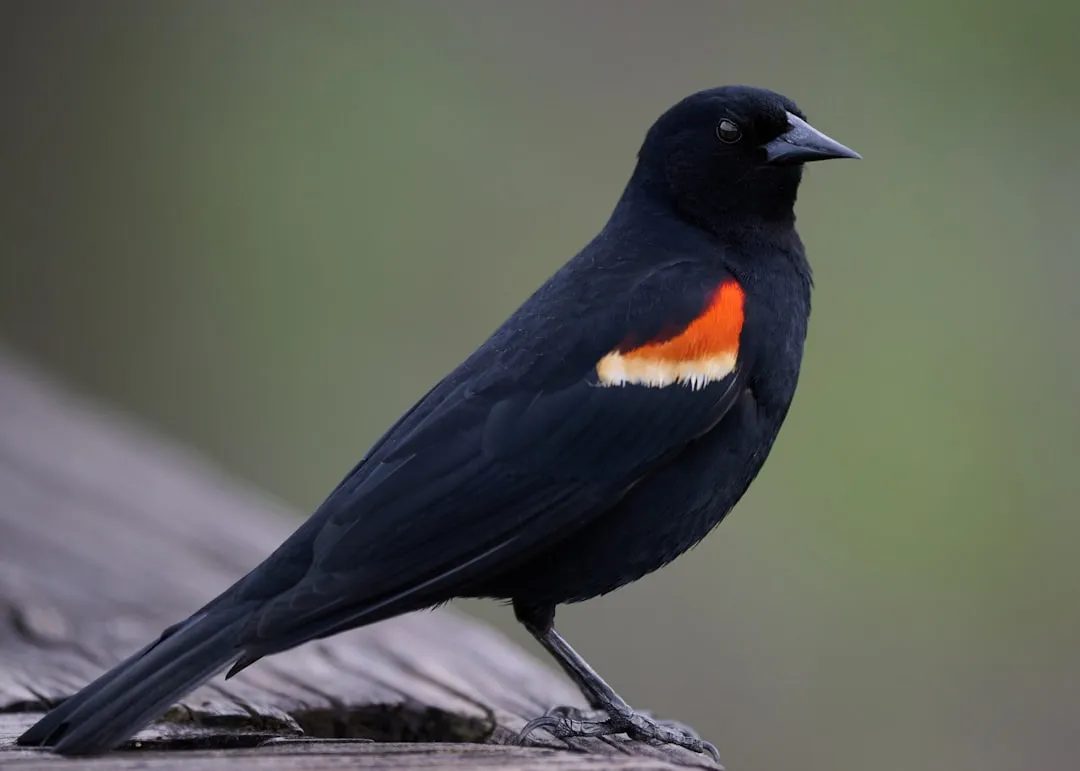
If you grew up near a marsh, Red-winged Blackbirds probably felt eternal – perched on cattails, screaming their name all summer long. They’re still one of the most numerous birds on the continent, which is exactly why their decline unnerves scientists so much. Even starting from gigantic numbers, this species has lost hundreds of millions of individuals since the 1970s.
When a bird this “common” drops that hard, it’s a warning shot for everything else. These birds depend on wetlands, roadside ditches, and soggy fields – the very places we drain, spray, or mow “for tidiness.” People even persecute them as crop pests, forgetting how many insects they actually eat. The uncomfortable truth: even the birds we assume are everywhere are no longer safe.
Fast Facts
- Since the 1970s, the continent has lost 3 billion birds, nearly 30% of the total, according to a landmark study published in the journal Science.
- More than 90% of that loss traces back to just a dozen common bird families, including sparrows, blackbirds, and finches.
- Grassland birds have been hit hardest of all, down 53% since 1970 – a loss of roughly 700 million adult birds across 31 species, including meadowlarks and bobwhites.
#3 – Common Grackle: The “Annoying” Bird That’s Quietly Slipping Away
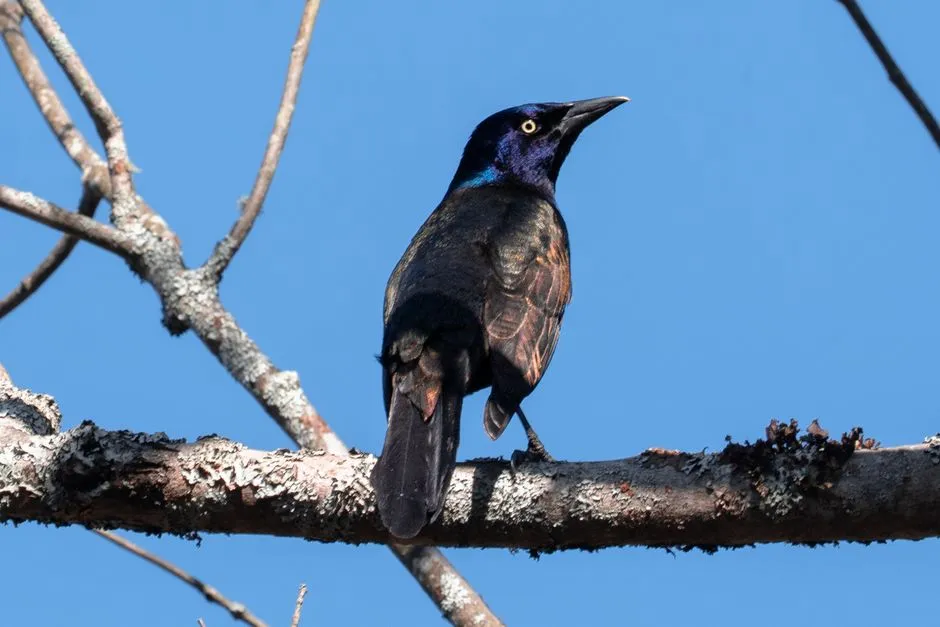
Common Grackles are the loud, glossy bullies at the feeder, the ones people love to complain about. Ironically, while homeowners try to shoo them off, scientists are watching their abundance plunge by an estimated half or more across North America. It’s like disliking a neighbor so much you don’t notice they’ve moved out until every house on the street looks empty.
These birds thrived in a patchwork of farms, woodlots, and messy backyards, but the modern landscape is hostile to them now:
- Perfect lawns with little food to offer.
- Fewer hedgerows and brush piles for roosting.
They’re also exposed to toxins while foraging in treated fields, parking lots, and roadside trash. When even an adaptable “urban” bird starts declining, it tells you we’ve pushed the landscape past what it can support.
#4 – Chimney Swift: The Aerial Bug-Zapper Losing Its Chimneys
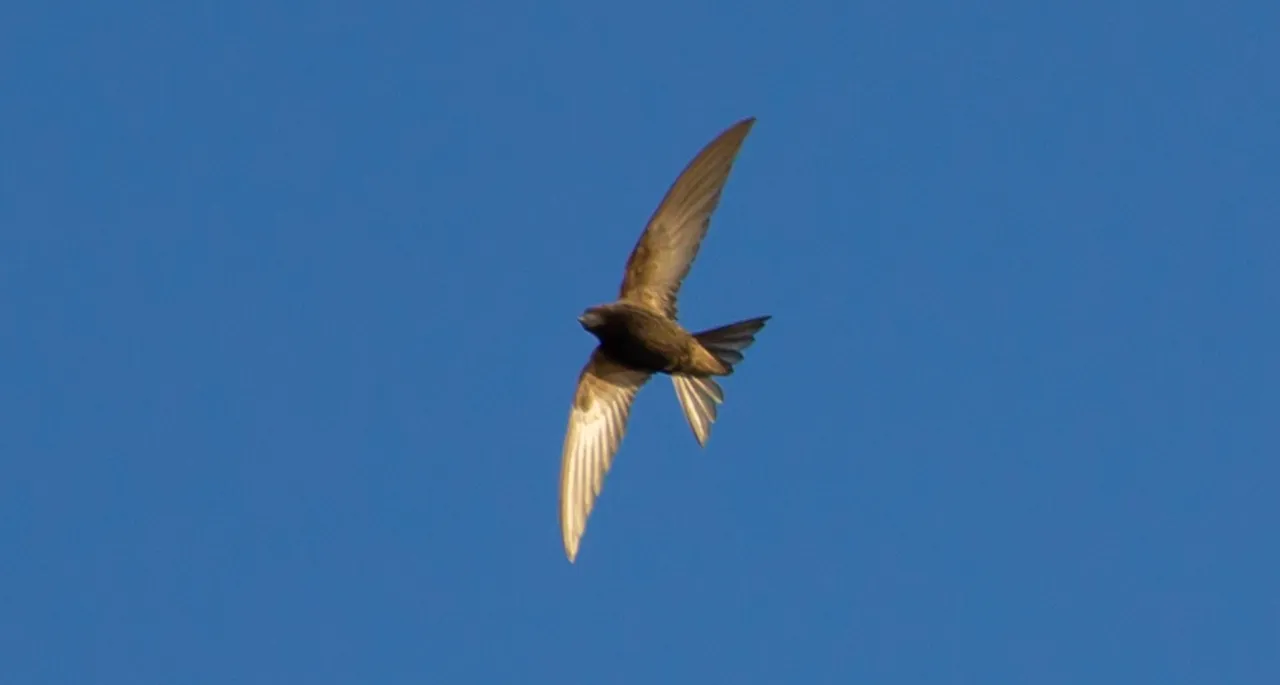
Chimney Swifts used to pour into dusk skies like smoke in reverse, swirling into old brick chimneys by the hundreds. Many American towns have never seen that spectacle. Their populations have fallen by more than half in recent decades, and most people don’t even know what they’re looking at when one zips overhead, so the absence goes completely unnoticed.
The name gives away the problem. Modern houses use capped, metal, or narrow chimneys, and old rough-brick chimneys get demolished or sealed “for safety.” Combine that with the crash in flying insects and you get a double hit – fewer homes, less food – leaving these birds clinging to the margins of our infrastructure choices.
Worth Knowing
- Chimney Swift numbers are estimated to be down about 67% since 1970 across their range.
- North of the border, the drop is even steeper – Canadian populations have fallen by roughly 90% over the same stretch.
- Aerial insectivores as a whole – swifts, swallows, and nighthawks together – are down 32%, a loss of about 160 million birds continent-wide.
#5 – Barn Swallow: The Classic Porch Nester Losing Its Welcome
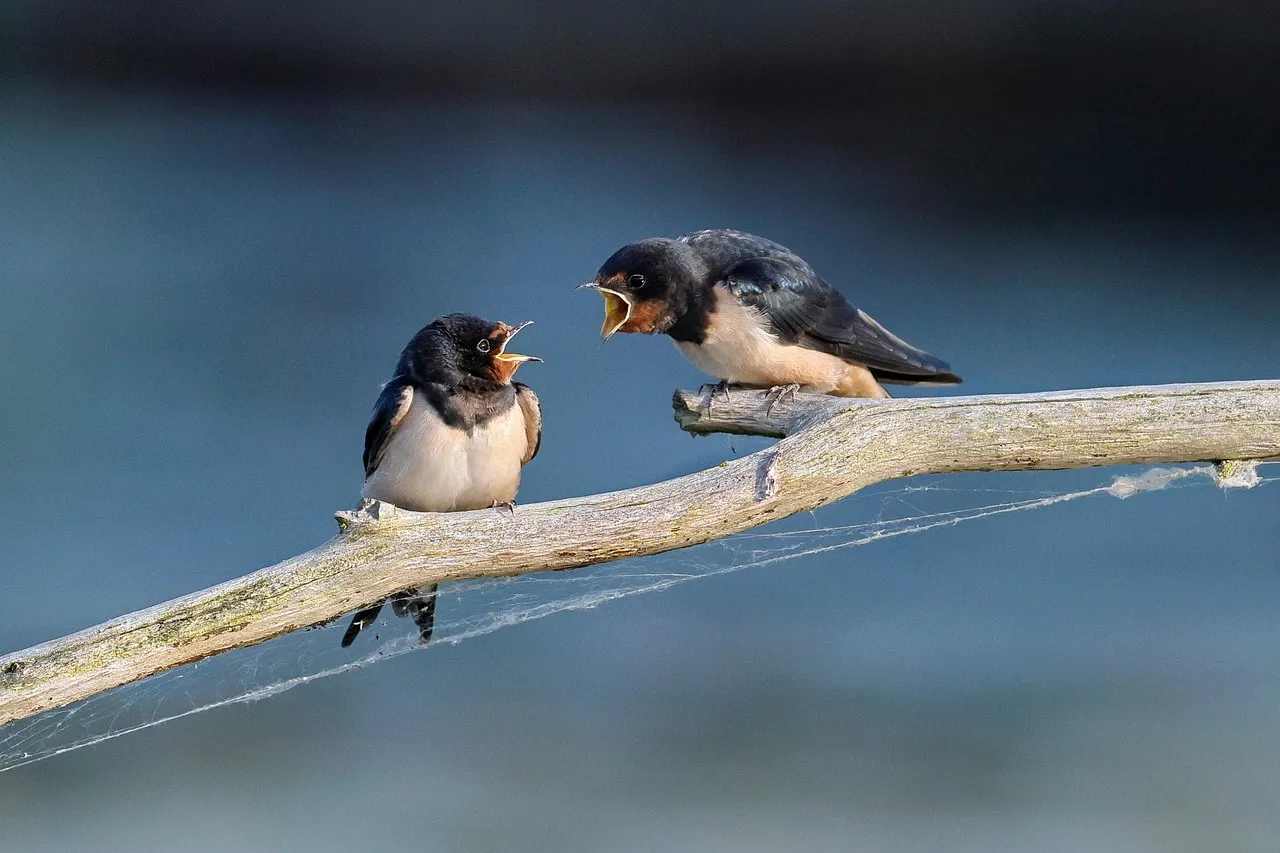
Barn Swallows are the birds many grandparents remember nesting above doorways and in barns, their mud cups glued to the beams. Today, in too many rural towns, those nests are gone, scraped away, or never built in the first place. Studies suggest losses in the tens of millions across North America – we’ve essentially told a free pest-control service it’s no longer welcome on the property.
People knock down nests to “keep things clean,” not realizing each destroyed nest wipes out an entire breeding attempt. Intensively managed fields and lawns mean fewer insects for them to catch, and our love of sealed garages and plastic siding removes the rough, sheltered surfaces they need to build. We complain about mosquitoes, then evict one of our best mosquito-eaters.
#6 – Purple Martin: America’s Most Pampered Bird, Still Declining
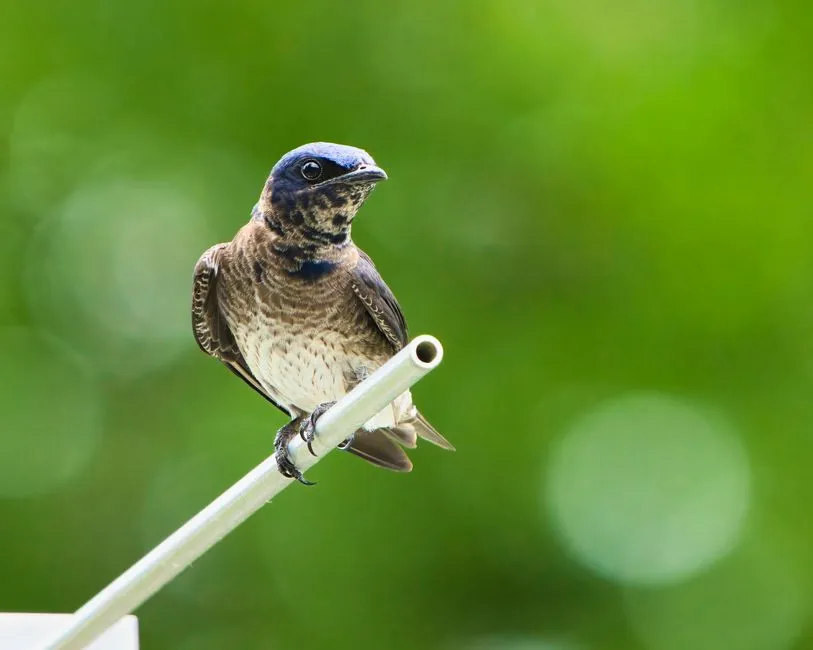
Purple Martins might be the most spoiled wild birds in the country. In the eastern U.S. they now nest almost entirely in human-made houses and gourds, with devoted birders cleaning boxes and guarding colonies from predators. Yet even with this fan club, Purple Martin numbers are declining in many parts of their range, with some regions seeing reductions of 30 to 70 percent over the last few decades.
Even careful backyard stewardship can’t fully offset vast landscape-level insect loss or habitat changes on their South American wintering grounds. Most people don’t realize these swallows migrate thousands of miles, depending on healthy ecosystems on two continents. When martins don’t return to long-occupied colonies, landlords blame owls or bad weather – but the real story is that the entire chain of places they need is fraying.
#7 – House Sparrow: Yes, Even This “Pest” Is Plummeting
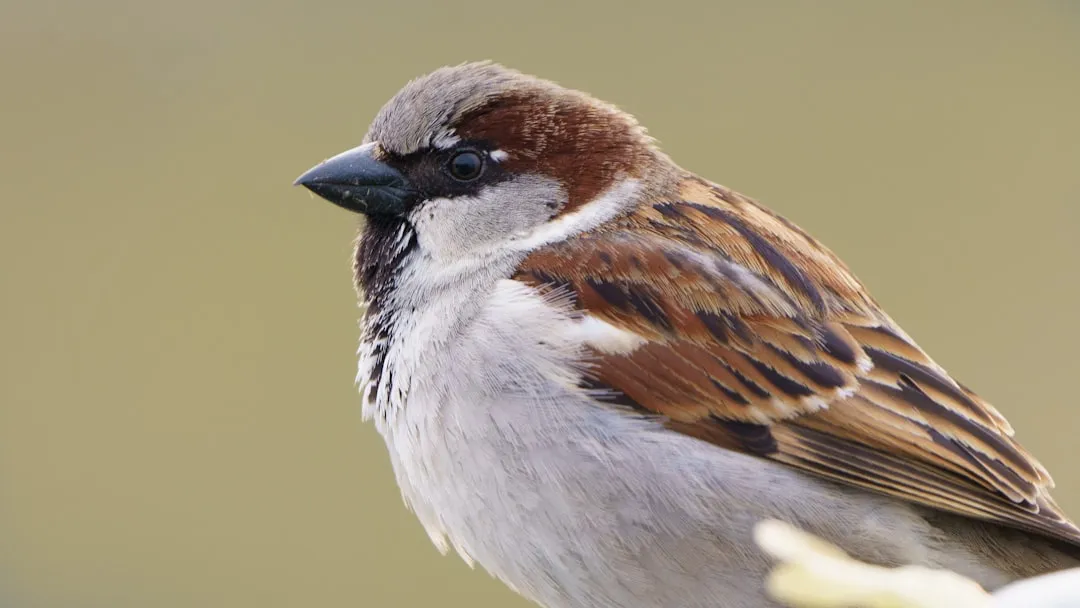
Here’s the twist almost nobody expects: the scruffy House Sparrow – often called “invasive,” “annoying,” or worse – has crashed in many developed countries, including big chunks of North America. In some cities abroad, populations have fallen by over 60 to 70 percent, and steep local declines are being documented here too. For a bird once used as the poster child of “too many,” that should be a wake-up call.
House Sparrows became experts at living in our mess, thriving on crumbs, livestock feed, overflowing bins, and cracks in old buildings. But super-sealed buildings, cleaner feed practices, and a sterile, pesticide-heavy urban environment are stripping those niches away. When even the world’s toughest urban bird starts vanishing from gas stations and strip malls, our cities aren’t just tidy – they’re biologically empty.
#8 – Common Nighthawk: The Summer Voice That Just Stopped
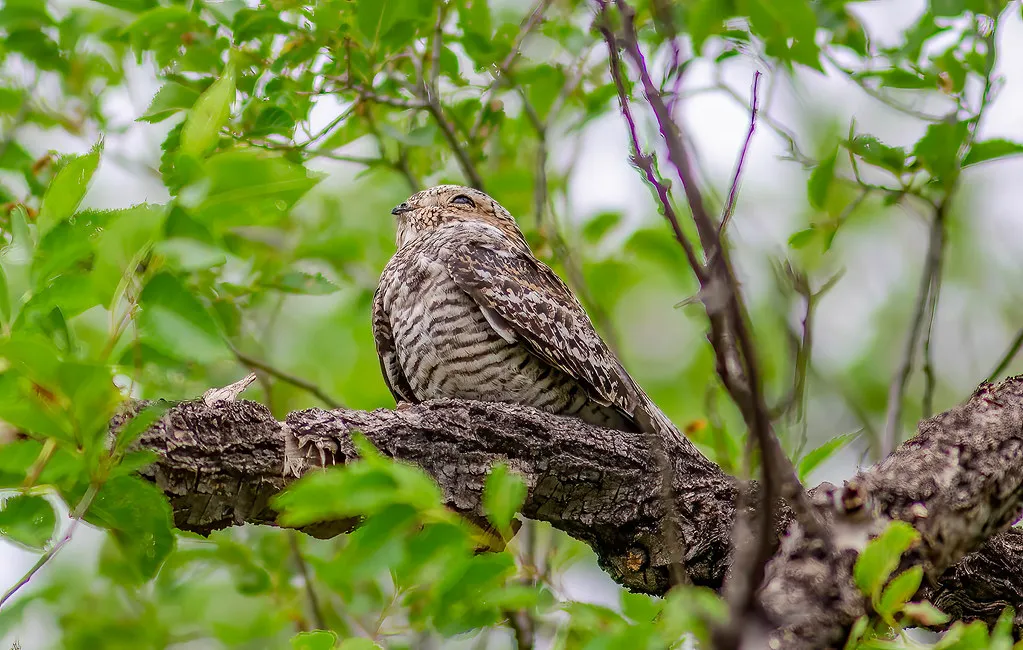
If you’ve lived in a small town long enough, you might remember warm evenings when a piercing “peent” and deep booms from diving birds echoed over parking lots. Those were Common Nighthawks, and in many places they’ve almost completely disappeared. Some regions have documented declines of 60 percent or more, and plenty of kids today have never heard that sound once.
Nighthawks eat flying insects and often nest on flat gravel roofs or open, barren ground – and we’ve changed both. Gravel roofs have given way to sealed, smooth surfaces, and heavier pesticide use plus night lighting disrupts the insect swarms they hunt. Because they’re active at dusk, their absence sneaks under the radar; we just assume evenings got quieter. Once you realize you haven’t heard that nasal “peent” in years, it’s hard to un-hear the silence.
#9 – Northern Bobwhite: The Backyard Whistle Gone Missing
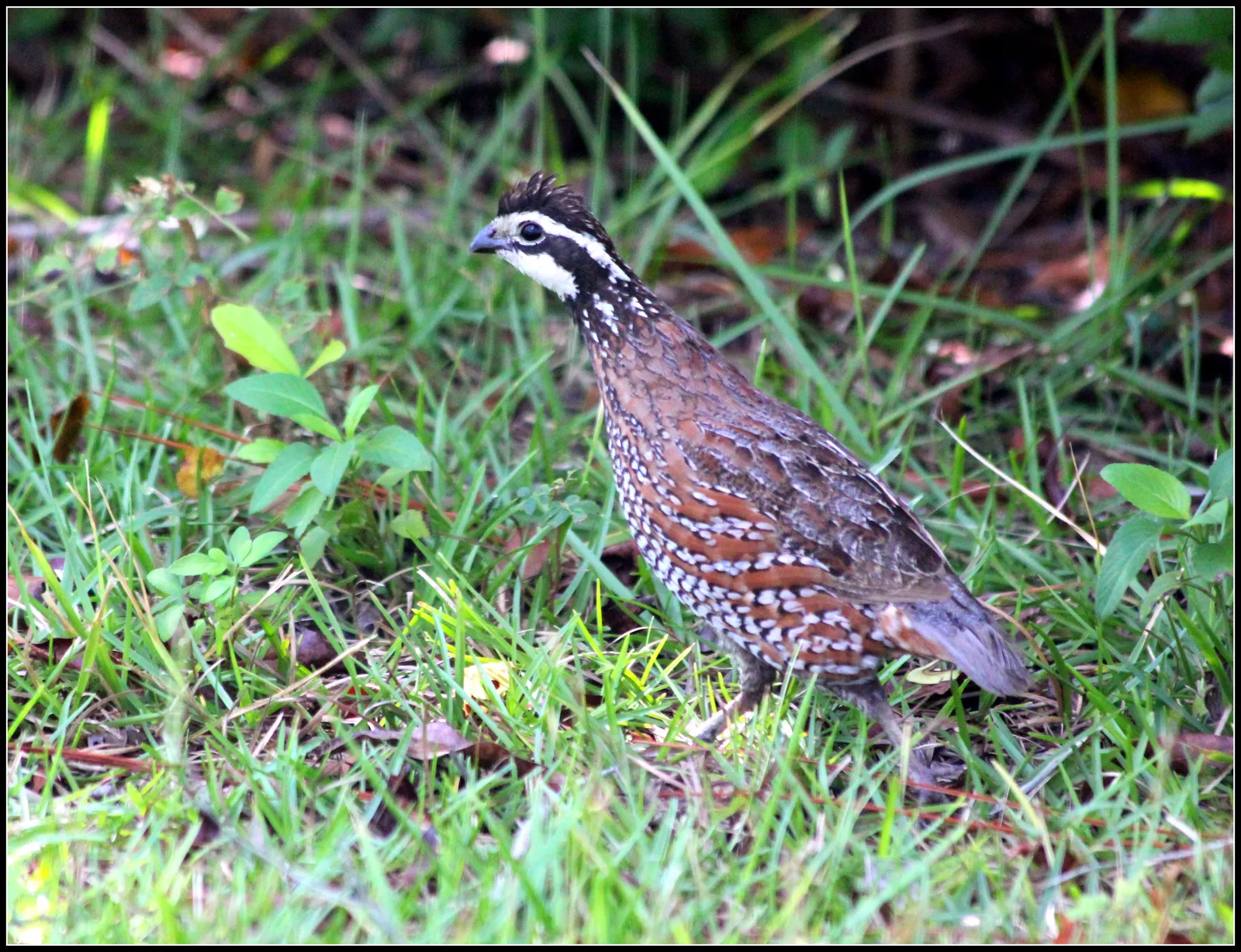
In parts of the East and Midwest, the two-note “bob-WHITE!” used to be as common as lawnmowers. Today, in many counties, Northern Bobwhites might as well be mythical. Long-term monitoring shows catastrophic declines – over 80 percent in some core areas – yet because they’re shy and ground-dwelling, their disappearance never became as visibly obvious as a missing cardinal.
Bobwhites need a messy mix of grasses, shrubs, and weedy edges – exactly the “unruly” habitat that modern agriculture and suburban development clean up first. Fence rows get bulldozed, fallow fields get sprayed, and brush gets burned to “look neat.” Calling this just a game-bird issue misses the point: when a once-common quail vanishes from backyard edges, your entire local food web is shifting underneath you.
At a Glance
- Grassland birds – the group bobwhites belong to – are declining faster than any other group of birds in the country.
- By the early 2000s, an estimated 70% of Great Plains grassland had already been lost to conversion and development.
- Most experts point squarely to habitat loss as the core driver behind the bobwhite’s long slide.
#10 – Song Sparrow: The Background Music Fading Out
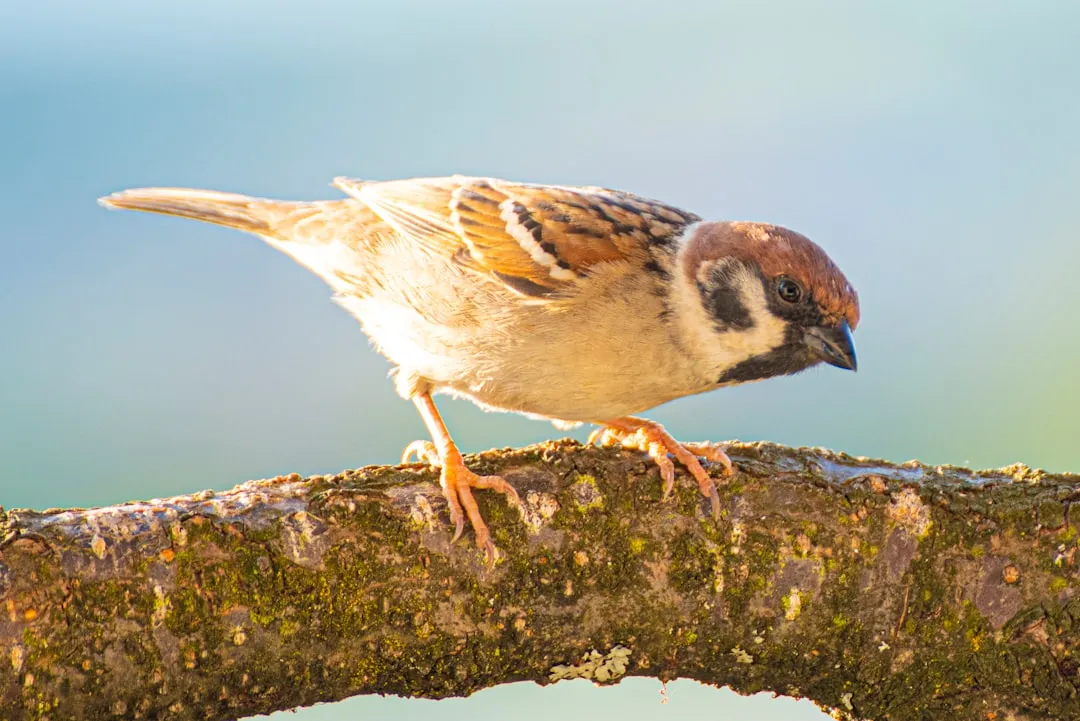
Song Sparrows are those streaky brown birds belting out surprisingly loud, complicated songs from hedges and brush piles. For decades they’ve been considered stable, unremarkable background birds. But recent analyses show worrying declines in many regions, with tens of millions lost since the 1970s – and nobody tracks a slow fade in background noise until it’s suddenly quiet.
These birds thrive in untidy edges: brambles, weedy ditches, thickets, dense cover that offers food and safe nesting all at once. The American obsession with clean lines and low-maintenance landscaping bulldozes exactly that habitat. To the human eye, ripping out shrubs and laying down river rock looks like an upgrade. To a Song Sparrow, it looks like eviction.
Over increasingly large areas of the United States, spring now comes unheralded by the return of the birds, and the early mornings are strangely silent where once they were filled with the beauty of bird song.
Rachel Carson
#11 – Dark-Eyed Junco: The Snowbird That Isn’t So Common Anymore
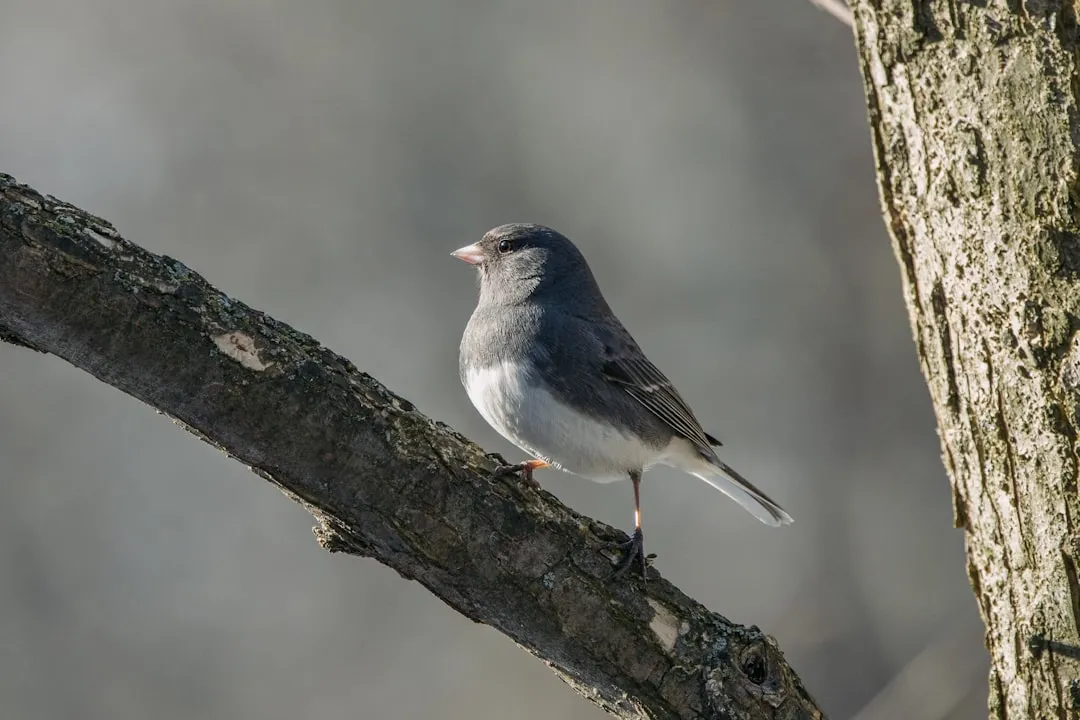
For many backyard birders, winter truly starts when Dark-eyed Juncos – little gray and white “snowbirds” – arrive under the feeder, scratching like tiny chickens. They still show up, but long-term data show meaningful declines across parts of their range, with overall numbers dropping by many tens of millions in recent decades. It’s subtle, because “some still come” feels normal, even when “a lot fewer” is the actual reality.
Juncos breed in northern forests and mountains before spilling into our yards in the cold months, which makes them vulnerable to forest fragmentation, intensive logging, and climate shifts that alter snow cover and food timing. On the wintering grounds, ultra-tidy yards and leaf-free lawns strip away the natural seeds and cover they depend on. If your childhood memory is dozens of juncos every snowstorm, compare that to your current yard count – the difference might be more than nostalgia.
#12 – Red-Breasted Nuthatch: The Tiny Tree-Clinger in Trouble
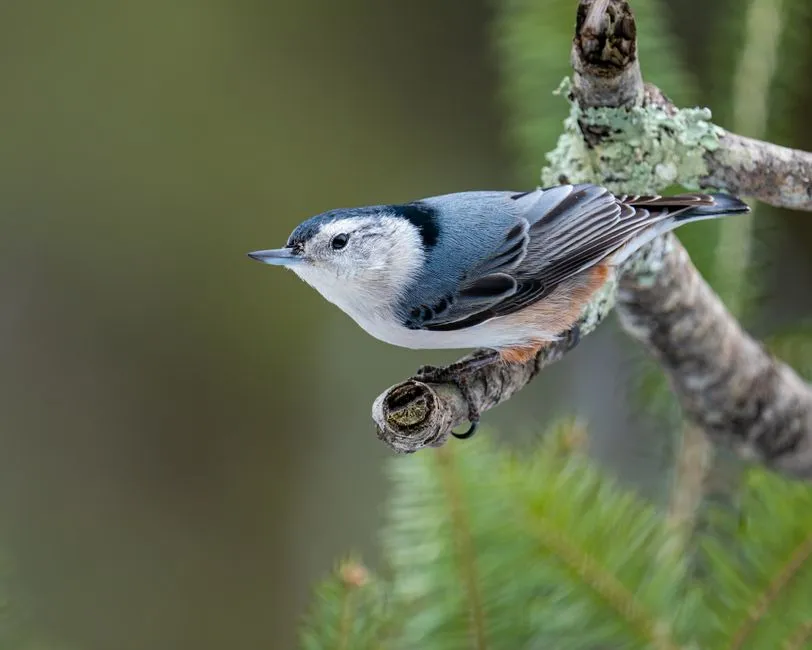
Red-breasted Nuthatches are those toy-sized birds that creep headfirst down trunks, honking like little tin horns. They’re tied to conifer forests, especially spruces and firs, but irrupt into backyards during big cone-crop years. They still show wild year-to-year swings, but the overall trend in many monitoring programs points downward, particularly where conifer habitats are stressed.
They face a triple threat: logging and fragmentation of mature conifer forests, insect outbreaks followed by aggressive salvage cutting, and climate-driven stress reshaping tree ranges. At feeders they’re bold and beloved, which makes the longer-term decline feel personal. One winter you’ll have half a dozen visiting daily; a few years later, maybe one shows up, or none at all.
#13 – Eastern Towhee: The “Drink-Your-Tea” Call Growing Rare
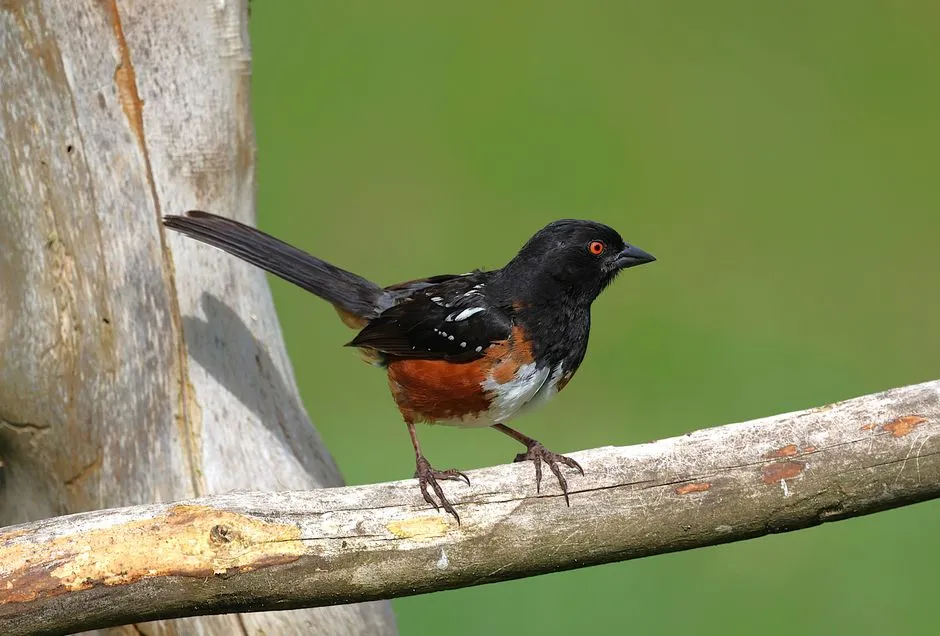
In many eastern yards, the Eastern Towhee was once a classic sound – a sharp “drink-your-TEA!” from the brush, followed by a flash of rufous as it kicked through the leaves. Now, that voice is missing from more and more neighborhoods. Breeding bird surveys show long-term declines, with some states losing well over a third of their populations in recent decades.
Towhees need layers of low shrubs, leaf litter, and thickets – exactly what disappears when we “clean up” under trees or convert messy edges into lawn or gravel. Even well-meaning landscaping that favors isolated ornamental trees and mulch rings can turn a towhee-friendly yard into a green desert. The bird is still locally common in some spots, which breeds denial: “I still see them, so they’re fine.” That’s precisely how you miss a slow, regional unraveling.
#14 – Brown Thrasher: The Hidden Virtuoso Slipping Away
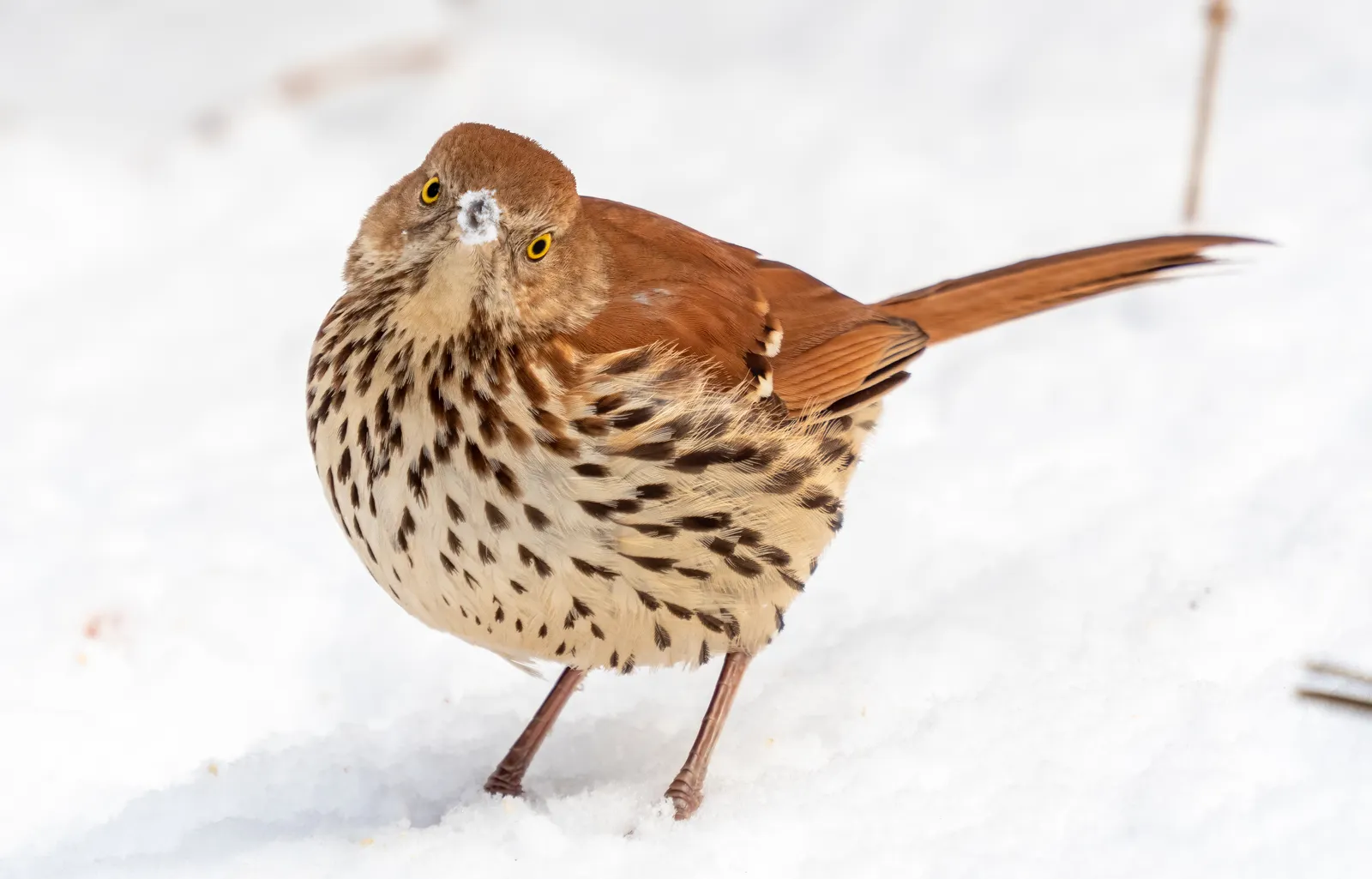
Brown Thrashers are backyard ghosts – huge song repertoires, bright yellow eyes, but they stay buried deep in dense shrubs. Because they’re so secretive, almost no one realizes they’re in trouble. Long-term surveys show significant declines across large chunks of their eastern range, particularly where big brushy lots have been carved into manicured suburbs.
These birds need tangled hedgerows, multiflora rose, blackberry brambles, and unmowed corners where leaf litter and insects build up. Then think about HOA rules, “property values,” and the general war on anything that looks wild – the thrasher loses every time. People who finally spot one often rush to post it online in excitement, not realizing the sighting is notable precisely because the bird has become scarce in so many neighborhoods.
#15 – Rusty Blackbird: The Backyard Visitor on the Edge
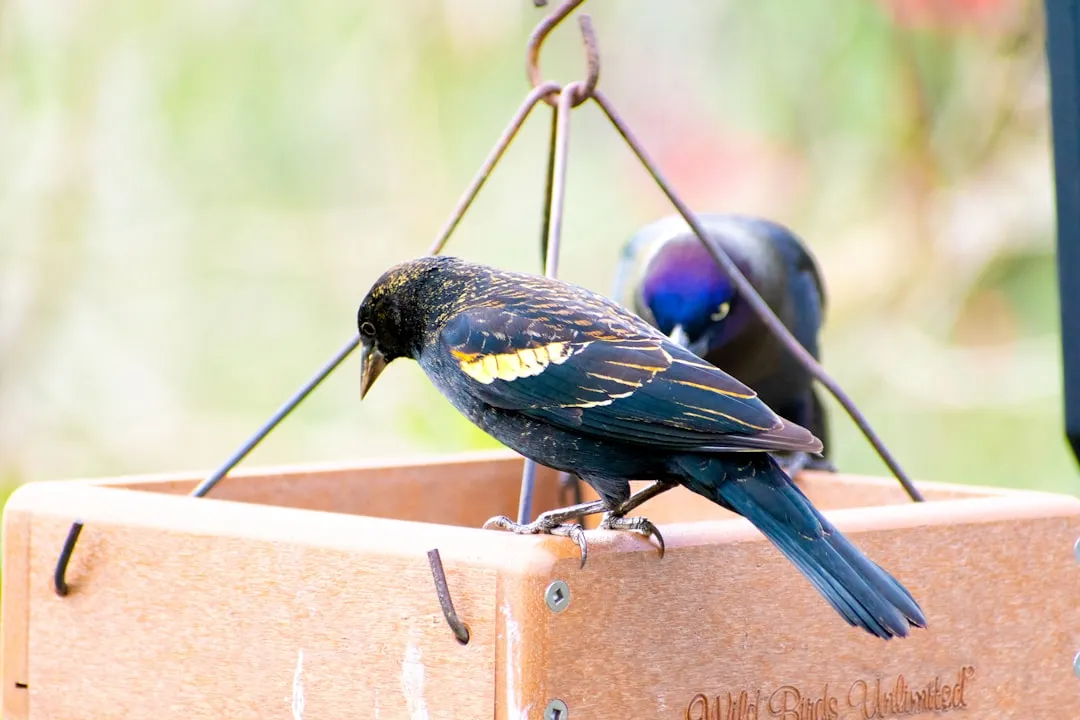
Rusty Blackbirds aren’t regular at every backyard feeder, but in the right parts of the country – especially near wet woods and swampy edges – they used to show up in mixed flocks during migration or winter. This species has been in freefall, with some studies estimating declines of 80 to 90 percent since the mid-20th century, making it one of the fastest-collapsing songbirds on the continent.
The reasons read like a checklist of our worst habits: draining and degrading the boreal and bottomland wetlands where they breed and winter, mercury and other contaminants building up in aquatic food chains, and continued logging in northern forests. Many birders have never knowingly seen a Rusty Blackbird, which is part of the problem – you can’t miss what you don’t know is already gone.
#16 – Evening Grosbeak: From Feeder Mob to Near No-Show

Ask older backyard birders about winter in the 1970s or 1980s and you’ll hear wild stories – flocks of Evening Grosbeaks descending like mini parrots, eating pounds of seed a day. In many regions, that’s simply gone. Today some birders go years without a single sighting, and research indicates population losses exceeding 75 to 90 percent continent-wide over the last half-century.
The causes overlap and compound each other: changes in forest composition from logging and fire suppression, spruce budworm control campaigns that also killed off their food supply, and climate-driven shifts in boreal ecosystems. When a bird that once defined an entire season at feeders nearly vanishes within a single human lifetime, nostalgia isn’t exaggerating the change – if anything, it’s underestimating it.
Quick Compare
- Rusty Blackbird: down 80-90% since the mid-1900s.
- Evening Grosbeak: down 75-90% over the last half-century.
- Northern Bobwhite: down over 80% in core areas.
- Chimney Swift: down roughly two-thirds since 1970.
#17 – Red-Headed Woodpecker: The Showstopper Losing Its Stage
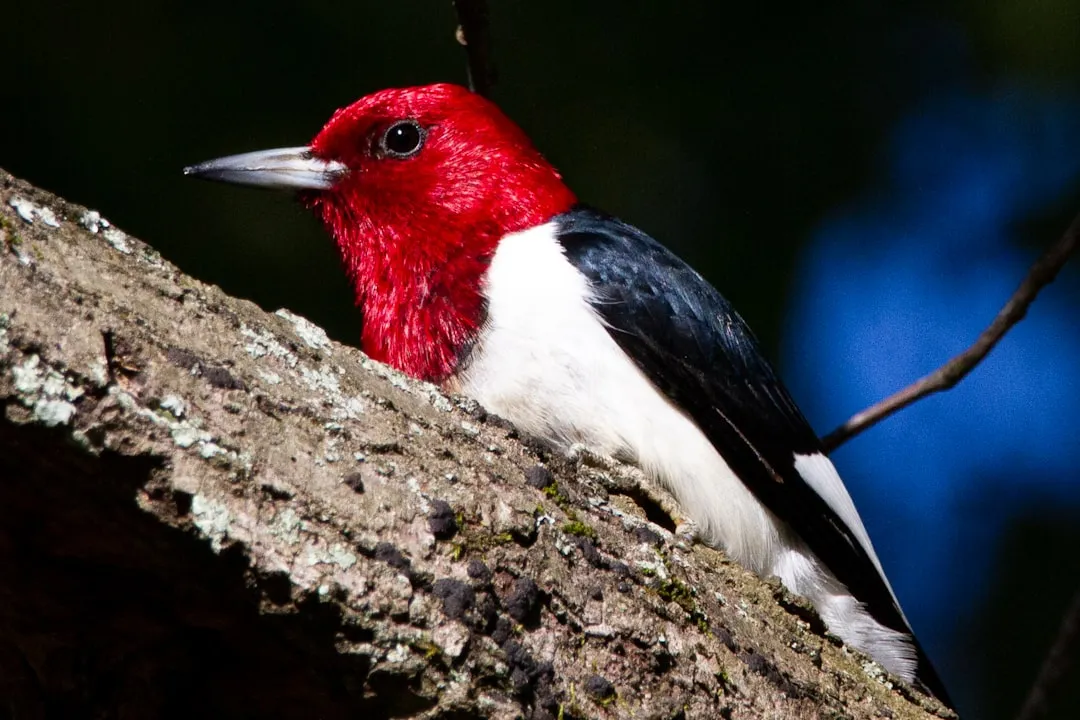
The boldly patterned Red-headed Woodpecker looks almost cartoonish – solid red head, black-and-white body, unmistakable in any yard. It used to be widespread across farms, orchards, and open woodlands. Now many birders drive hours just to see one, and numerous states report long-term declines of 50 to 70 percent or more, mostly from habitat loss and “cleanup” habits we rarely question.
They need open woods with dead snags for nesting and scattered old trees in fields, often with cavities and peeling bark. We remove those trees as “hazards” or “eyesores,” erasing essential real estate in the process, while fire suppression closes in the open oak savannas they once dominated. A woodpecker this visually striking feels like it should be safe – if something this obvious can quietly disappear, what else are we willing to lose without a fight?
#18 – House Finch: The Backyard Regular That Took a Viral Hit
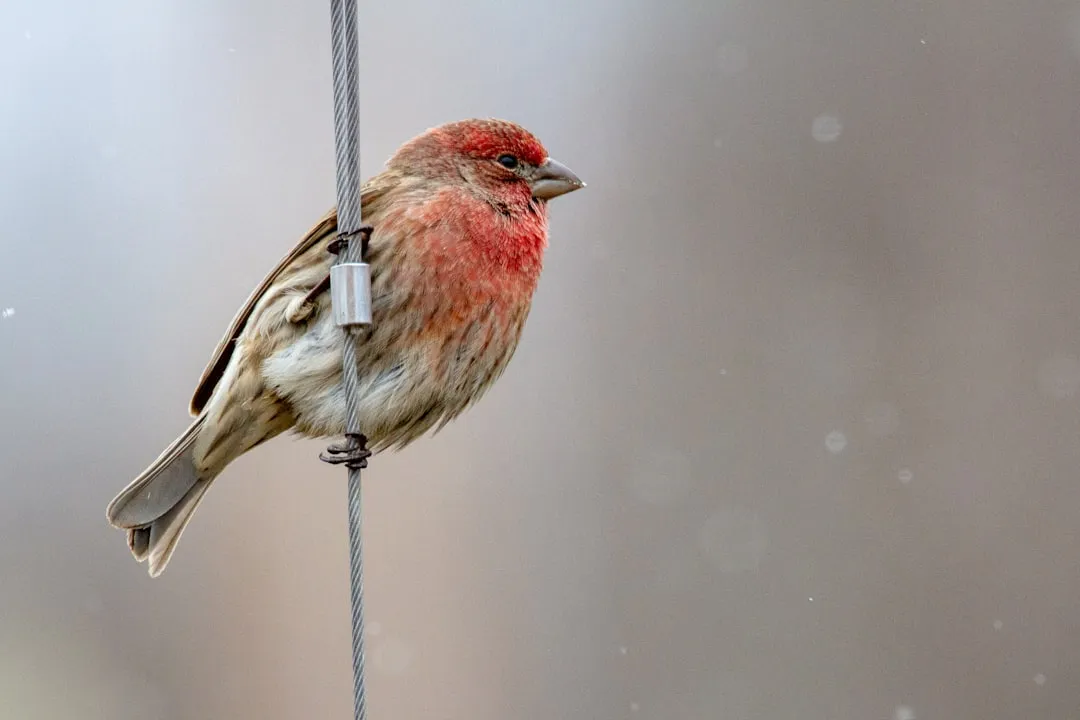
House Finches might be the defining backyard bird for huge chunks of suburban America – cheerful songs, streaky bodies, males with red faces at the feeder year-round. But even this seemingly rock-solid species has taken serious hits. After a contagious eye disease (mycoplasmal conjunctivitis) emerged in the 1990s, some regional populations crashed by more than half, and in many places they’ve never fully bounced back.
While total numbers are still large, the story matters because it shows how fragile “common” birds really are. One introduced pathogen, amplified at crowded feeders, was enough to rewrite the map of a species that had exploded across the East. Add glass collisions, outdoor cats, and seed-poor sterile landscaping, and you get a slow grind acting on every generation – a preview of what can happen to the rest.
The Bottom Line
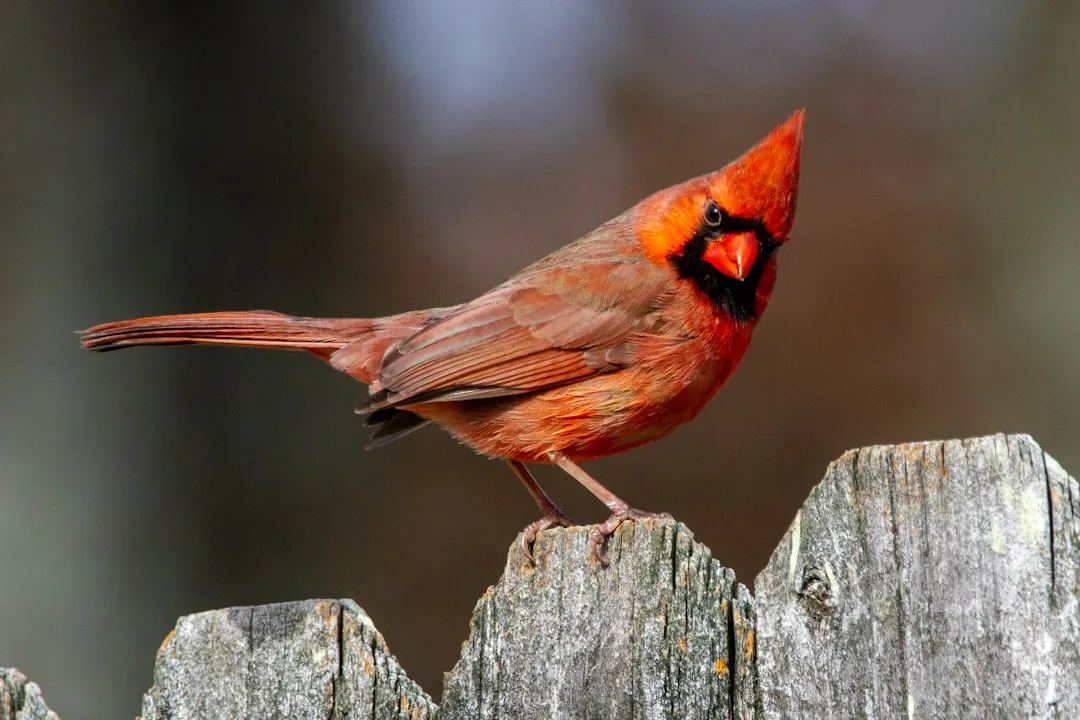
The brutal truth is this: backyard birds in America aren’t just shifting around, many are shrinking away in real numbers, faster than almost anyone living there has yet realized. We’ve been lulled by the few species that hang on – cardinals, chickadees, a couple of finches – and mistaken their persistence for overall health.
Meanwhile, meadowlarks, swifts, nighthawks, quail, thrashers, and even “nuisance” blackbirds are blinking out of everyday life in slow motion. This isn’t about saving some rare bird on a distant mountaintop. It’s about whether our neighborhoods are living systems or decorative shells.
My honest take: if we keep worshiping spotless lawns, sealed houses, and “neat” edges, we’re choosing silence, deliberately, one mowed field and demolished chimney at a time. So what do you see – or not see – when you look at your own yard and actually listen in the morning? Did we miss a bird that’s disappeared where you live? Drop it in the comments.

- 18 Backyard Birds Disappearing From America Faster Than Almost Anyone Living There Has Yet Realised - August 9, 2026
- 17 Things Cat Owners Did in the 1980s That Vets Would Never Recommend to Anyone Today - August 9, 2026
- What Cats Really Do at Night Will Surprise You 19 Behaviours Researchers Still Cannot Explain - August 9, 2026