

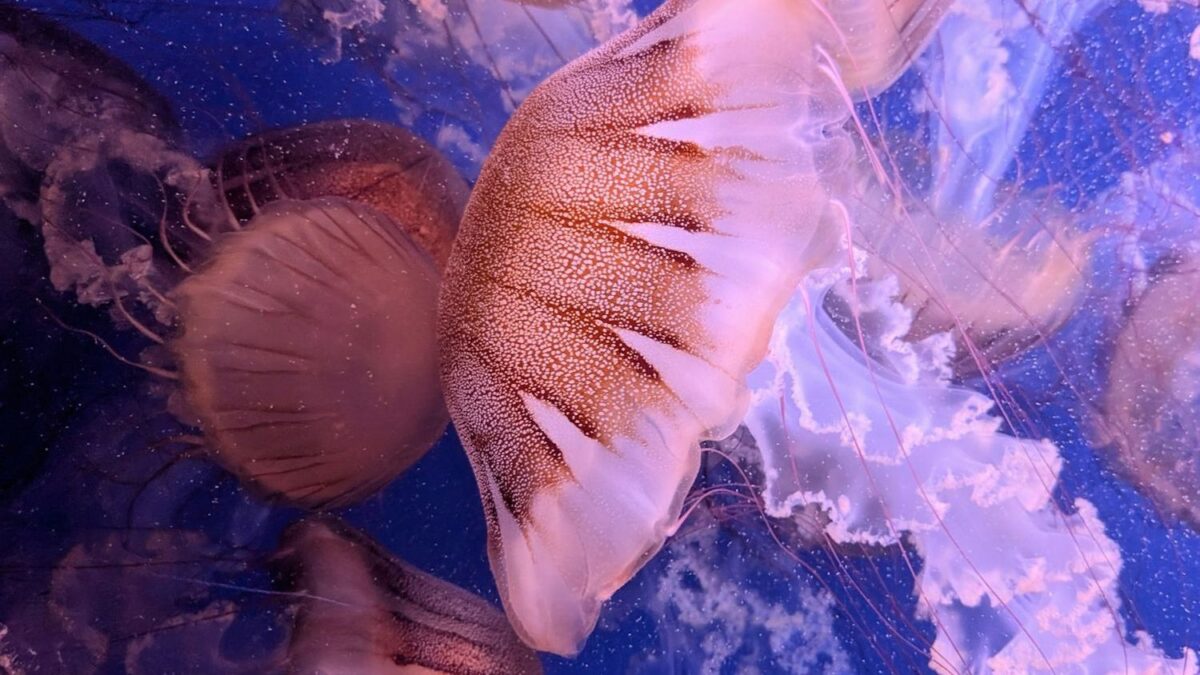
It sounds like something out of a bad science fiction movie. A massive nuclear power facility, one of the most technologically advanced structures humans have ever built, grinding to a halt because of jellyfish. Not a cyberattack. Not a mechanical failure. Jellyfish.
This isn’t the first time it’s happened, and honestly, it probably won’t be the last. The story of how gelatinous, brainless sea creatures can overpower billion-dollar infrastructure is equal parts humbling and fascinating. There’s a lot more going on beneath the surface than you might expect. Let’s dive in.
The Incident That Left Engineers Speechless
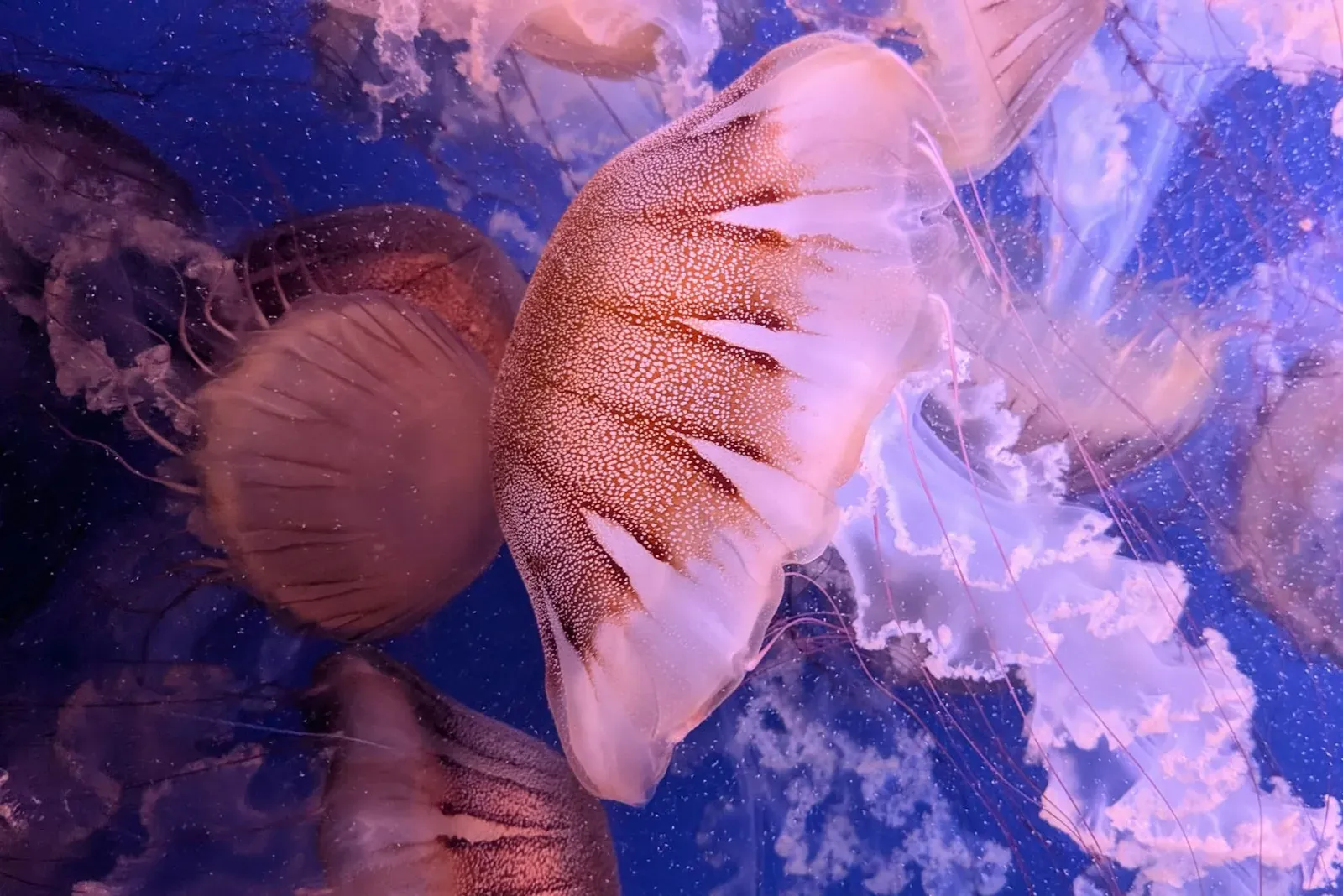
Here’s the thing about jellyfish invasions at power plants: they don’t exactly announce themselves. At the Oskarshamn nuclear power plant in Sweden, operators were forced to shut down one of the world’s largest nuclear reactors after massive swarms of moon jellyfish clogged the cooling water intake pipes. The plant relies on seawater drawn directly from the Baltic Sea to cool its systems, and when jellyfish flood those intakes in enormous numbers, the entire operation can be compromised in a matter of hours.
The sheer volume involved is what makes this story so staggering. Workers reportedly removed several tons of jellyfish from the intake screens during the event. Think about that for a moment. Tons. Not a few stray creatures drifting past a filter, but a living, pulsating mass of sea life dense enough to choke industrial-grade infrastructure.
Why Nuclear Plants Are Particularly Vulnerable
Nuclear power plants require enormous quantities of cold water to prevent reactor cores from overheating. Most coastal and riverside facilities draw this water continuously, sometimes millions of gallons per hour, directly from the surrounding water body. This makes them uniquely exposed to whatever the ocean decides to send their way.
The intake systems are typically protected by screens and filters, but those systems were simply not designed to handle jellyfish blooms at the scale we’re seeing today. It’s a bit like trying to catch a flood with a window screen. The infrastructure works fine under normal conditions, but nature doesn’t always operate within the parameters engineers planned for.
The Jellyfish Bloom Problem Is Getting Worse
Scientists have been tracking jellyfish populations for decades, and the trend lines are genuinely unsettling. Blooms appear to be increasing in frequency, size, and geographic spread, likely driven by warmer ocean temperatures, overfishing of natural jellyfish predators like tuna and sea turtles, and increased nutrient runoff from coastal agriculture.
The Baltic Sea in particular has become a jellyfish hotspot in recent decades. Reduced salinity, warming water, and nutrient-rich runoff create near-perfect conditions for moon jellyfish to thrive and reproduce in staggering numbers. Honestly, it’s hard not to see a certain irony here. The same industrial civilization that builds nuclear plants is also, in part, creating the environmental conditions that allow jellyfish to overwhelm them.
This Has Happened Before at Other Plants Around the World
Oskarshamn is not alone. The Diablo Canyon plant in California has dealt with jellyfish-related intake blockages. The Torness nuclear station in Scotland was shut down in 2011 after jellyfish clogged its filters. Power plants in Japan, Israel, and the Philippines have all faced similar disruptions from jellyfish blooms over the years.
There’s even a broader pattern here that goes beyond nuclear facilities. Jellyfish have disrupted shipping operations, damaged fishing equipment, and clogged desalination plants across multiple continents. The ocean is increasingly expressing itself in ways that clash directly with human infrastructure, and jellyfish are one of its most unexpected messengers.
How Operators Respond When the Swarms Arrive
When a jellyfish bloom hits, plant operators have very few good options. The most immediate response is usually manual removal, deploying workers to physically clear intake screens and filters. Some facilities have installed finer mesh barriers or rotating drum screens designed to catch jellyfish before they reach critical cooling systems.
Others have experimented with underwater lighting or sound-based deterrents to discourage jellyfish from approaching intake structures, though the effectiveness of these measures remains inconsistent. The fundamental problem is that jellyfish don’t follow rules, and they certainly don’t respond to warnings. When conditions are right, they swarm, and humans have to react in real time. It’s reactive management at its most basic level.
What This Means for Energy Security
A single nuclear reactor going offline, even briefly, can have significant consequences for regional power grids. These plants often provide baseload power to hundreds of thousands of homes and industrial facilities. When one shuts down unexpectedly, grid operators scramble to compensate using backup sources, which are often more expensive and more carbon-intensive.
I think this is where the story becomes genuinely important beyond the novelty factor. The vulnerability isn’t just embarrassing. It’s a real, measurable risk to energy stability in an era when consistent, reliable power is more important than ever. The fact that a swarm of spineless sea creatures can interrupt that reliability is something energy planners cannot afford to ignore any longer.
Can We Actually Solve This Problem?
There’s no silver bullet here, and anyone who tells you otherwise is probably oversimplifying. Some researchers are exploring early warning systems that use sonar or underwater sensors to detect approaching blooms before they reach intake systems, giving operators more time to prepare or reduce intake flow. That’s genuinely promising, though still in relatively early stages of practical deployment.
Longer term, there’s a growing argument that marine ecosystem restoration, rebuilding predator populations, reducing coastal pollution, managing ocean temperatures could help bring jellyfish numbers back to historically normal levels. It’s a slow and complex fix for what feels like an urgent and immediate problem. In the meantime, power plants around the world are essentially hoping the jellyfish don’t show up in numbers too large to handle on any given day. That’s a fragile position to be in, and it’s one that deserves far more serious attention from both the energy sector and environmental policymakers.
Conclusion: Nature Still Holds the Upper Hand
There’s something deeply humbling about this whole story. Humans have split the atom, landed on the moon, and built machines that think. Yet here we are, occasionally brought to our knees by creatures that have no brain, no skeleton, and no particular agenda. They’re just doing what jellyfish do.
The Oskarshamn incident is more than a quirky news story. It’s a reminder that the natural world and human infrastructure are not separate systems. They interact constantly, and sometimes nature wins in the most unexpected and unglamorous ways possible. As ocean conditions continue to shift, these kinds of disruptions are likely to become more common, not less. Maybe the real question isn’t how we keep jellyfish out of our power plants. Maybe it’s whether we’re paying close enough attention to what their growing numbers are actually telling us about the state of our oceans.
What do you think? Could jellyfish blooms become one of the defining infrastructure challenges of the coming decades? Drop your thoughts in the comments.

- Urban Coyotes Show Remarkable Adaptability, Learning to Thrive in City Environments - July 22, 2026
- Beavers Are Nature’s Engineers, Creating Vital Habitats for Other Wildlife Species - July 21, 2026
- The Recovery of the California Condor Offers Hope for Other Critically Endangered Birds - July 21, 2026