

There is nothing quite like watching your beloved dog or cat scratch relentlessly, day and night, unable to find a moment’s peace. Fleas are one of the most common, most stubborn, and frankly most infuriating challenges any pet owner will ever face. They are tiny, they are fast, and they multiply at a genuinely alarming rate.
The good news? Nature has a surprising number of weapons to fight back with. From your kitchen pantry to your garden, there are real, practical options worth exploring. Some work better than others, and a few popular ones come with caveats you really need to know. So let’s dive in.
1. Apple Cider Vinegar Spray: The Most Talked-About Remedy

Honestly, you cannot research natural flea remedies without apple cider vinegar appearing within seconds. It is everywhere. Fleas don’t like to be in an acidic environment, and because apple cider vinegar is acidic, it can balance the pH levels on your dog’s skin and fur, making it a less comfortable environment for fleas.
Here is the thing though: the science is nuanced. Apple cider vinegar doesn’t actually kill fleas. It has been used by some people seeking to repel them, but any repellent properties are likely due to the offensive smell rather than specific insect repellent properties. Think of it less like an exterminator and more like a “keep out” sign.
If you still want to try it, keep application sensible and safe. The most popular and simple way to use it is a spray of apple cider vinegar and water, mixing equal parts of vinegar and water into a spray bottle. Always avoid the eyes, and monitor your pet’s skin for any irritation. When applied to skin, ACV has a sticky consistency that can be offensive to pets and can also cause significant skin irritation, which may cause your pet to lick themselves and ingest it, resulting in stomach upset.
2. Dish Soap Baths: Surprisingly Effective Flea Busters
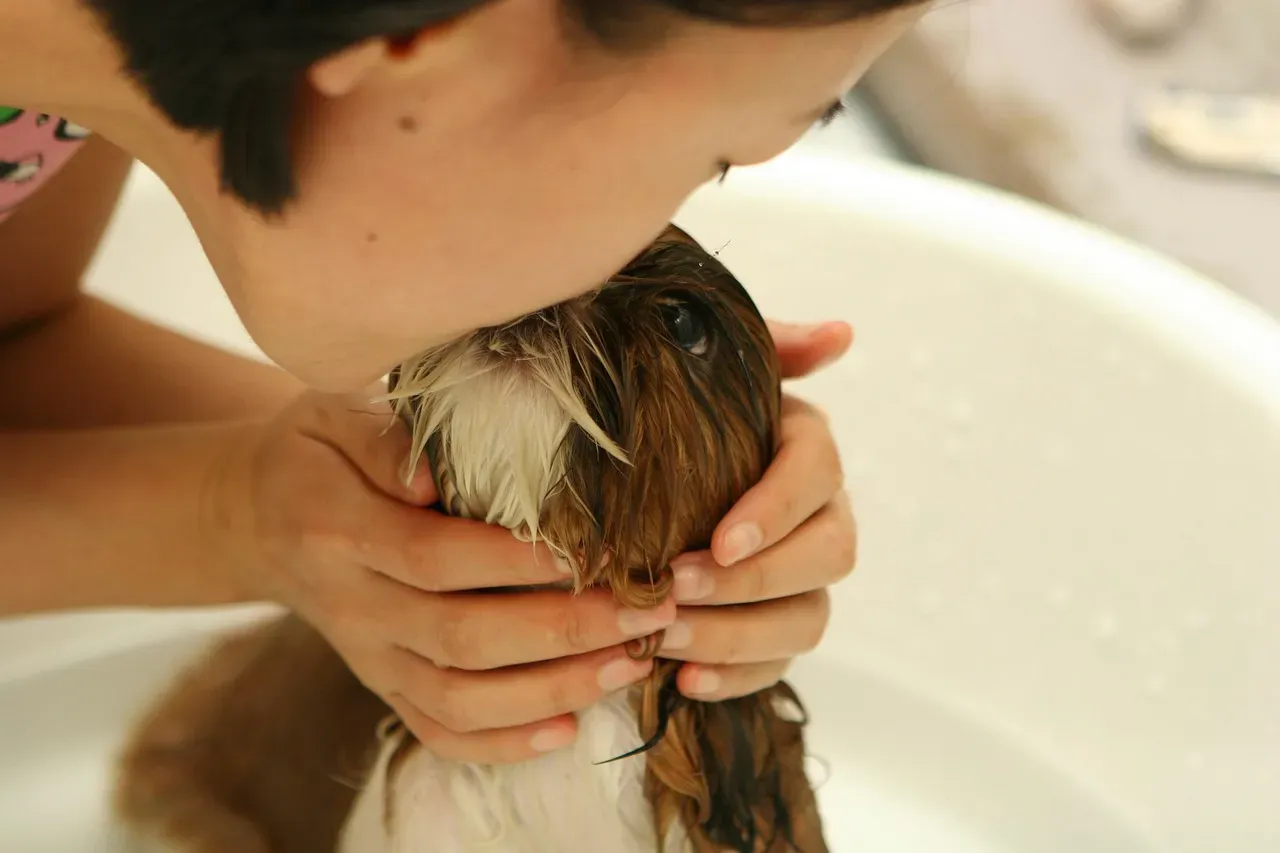
This one genuinely surprised me when I first looked into it. Your regular dish soap, the kind sitting next to your kitchen sink, can actually kill fleas. The soap destroys the fleas’ exoskeletons, drowning and killing them within minutes. It works like a trap they cannot escape.
A Dawn dish soap bath involves mixing one tablespoon of Dawn in one gallon of warm water and soaking your dog for ten minutes, helping remove adult fleas through physical action. The key is patience: let the lather sit and do its work before rinsing. Once your dog is sufficiently lathered, leave the shampoo on for just a couple of minutes while it does its work, as this is a great way of killing existing fleas before moving on to flea prevention remedies.
One word of warning: Dawn dish soap and baby shampoo can be drying to a dog’s skin, so don’t use this too frequently, or consider switching to a different gentle soap. Think of it as an occasional intervention rather than a weekly routine.
3. The Flea Comb: Low-Tech, High-Reward
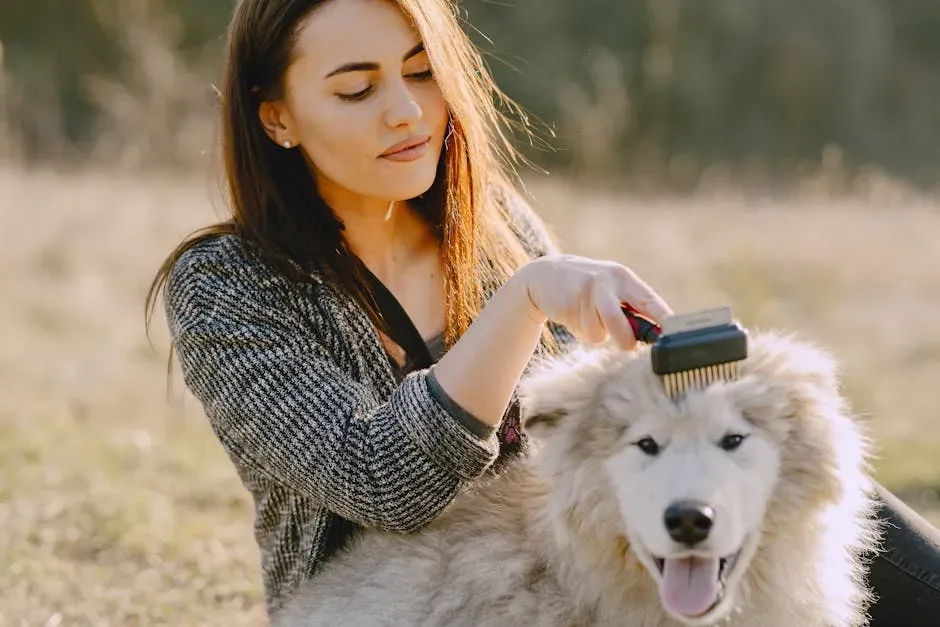
Sometimes the simplest tool is genuinely one of the best. A flea comb costs almost nothing and uses zero chemicals. Flea combs don’t contain any chemicals but are specially designed to remove fleas and their eggs from your dog’s coat. If your dog is already infested with fleas, this is a great way of removing existing fleas before using other flea home remedies to keep future infestations away.
A flea comb can remove up to roughly sixty percent of the flea eggs on a dog along with flea larvae, so if your dog is comfortable being combed, spending a few minutes on this daily can make a real difference. That is a remarkable number for something this basic. Alongside a flea comb, you should also have a bowl with some water and dish soap to run your flea comb through after each pass, as the soap will trap the fleas and kill them.
Cats, it turns out, often enjoy this process. Regular combing becomes a bonding session that also happens to fight parasites. Not a bad deal for either party.
4. Diatomaceous Earth: The Natural Powder That Dehydrates Fleas
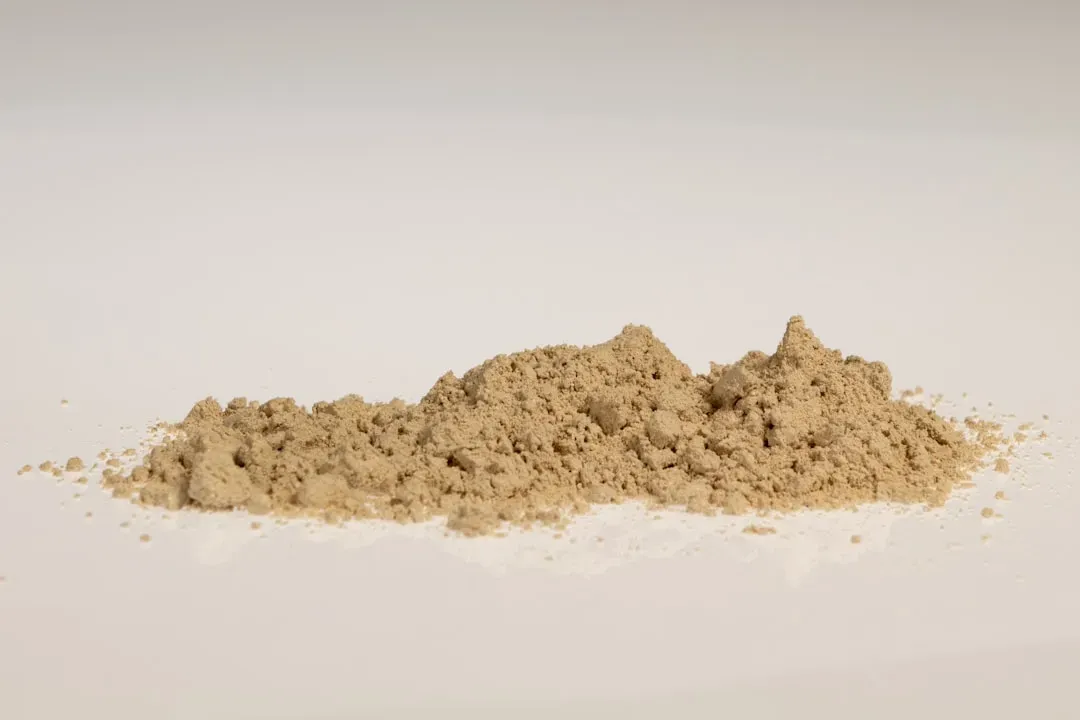
This one sounds almost too scientific to be “natural,” but it is genuinely one of the more fascinating options available. Diatomaceous earth is a natural rock substance made from fossilized algae. Its mechanism of action is purely physical, not chemical, which makes it particularly interesting. Diatomaceous earth does not poison fleas. Instead, it works mechanically. When fleas come into contact with the powder, it damages their waxy outer coating, causing them to dehydrate and die over time.
The most critical rule: only use the food-grade variety around your pets. The one that you should use with your pets exclusively is the 100-percent food-grade diatomaceous earth. The industrial or pool-grade versions are genuinely dangerous. Food-grade DE works best when used in your pet’s environment, rather than directly on your pet.
After coming into contact with diatomaceous earth, fleas may die in as little as four hours, though it is recommended to leave the DE for up to 48 hours to ensure its effectiveness. Diatomaceous earth can be used indoors or outdoors, and will remain effective as long as it stays dry. Humidity is its kryptonite, so reapply regularly in damp climates.
5. Lemon Spray: Citrus Power Against Parasites

Lemons are one of those kitchen staples that carry far more flea-fighting potential than most people realize. The citric acid in lemons acts as a natural flea repellent. Think of it as turning your pet’s coat into an environment fleas simply find unpleasant. This natural flea remedy is similar to apple cider vinegar in its approach. This highly acidic fruit is good for your dog but bad news for fleas, and lemons are readily available and easy to use, adding a refreshing, citrusy scent to your dog’s coat.
Making a lemon spray takes about five minutes. Slice a lemon into thin slices, add to a pint of warm water, boil the water, and allow the solution to sit overnight. The following day, pour it into a spray bottle and spray it on the most flea-infested areas. You can also use it on soft furnishings and pet bedding, making it double-duty.
One important caution for cat owners: while lemon juice can deter fleas, it’s not recommended for use on or near cats. Lemons contain essential oils and psoralens that are toxic to them. This is a dog-first remedy, so keep that in mind.
6. Essential Oils: Lavender, Cedarwood, and Neem
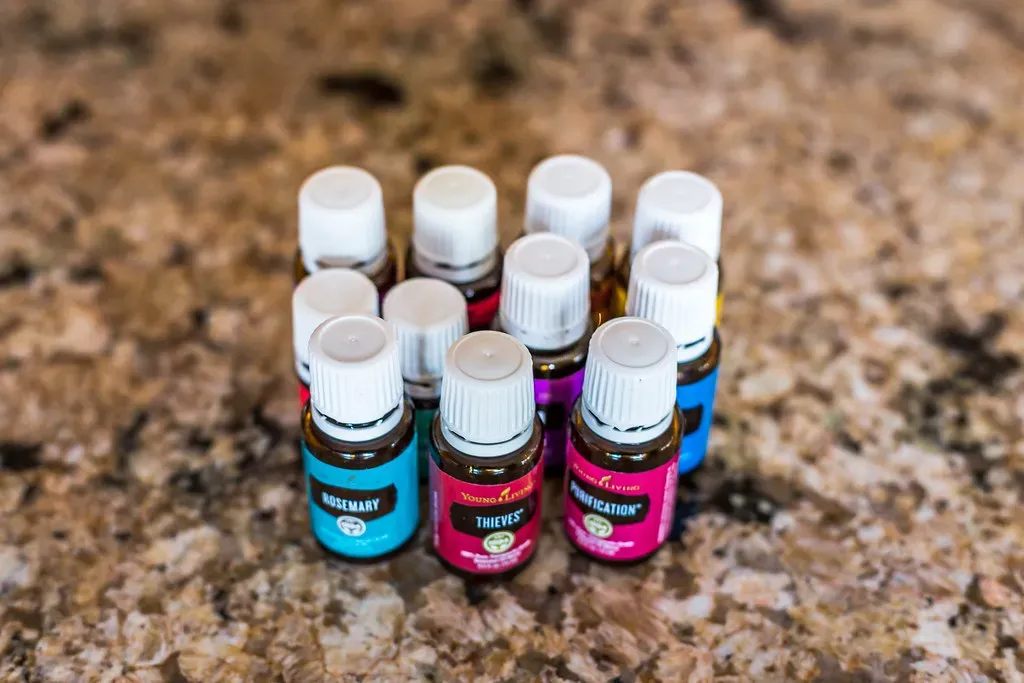
Essential oils are perhaps the most misunderstood category in the natural flea remedy world. There is genuine promise here, but also real risk if you get it wrong. Some essential oils make for excellent flea remedies for dogs. Citronella, eucalyptus, peppermint, tea tree, and rosemary will all naturally repel fleas. Used correctly and diluted properly, several of these can be genuinely helpful.
Cedarwood and neem oil are particularly powerful. Both cedarwood and neem oil are incredibly powerful against fleas. In fact, some pet owners claim they’ve seen cedarwood oil kill fleas on contact. The oils are both strong enough to dissolve the exoskeletons of eggs, larvae, and pupae. Neem oil specifically has a fascinating history. Neem oil is pressed from seeds and fruit of the neem tree, which grows in India, where it has been used medicinally for centuries because of its antibacterial, antiseptic, and antifungal properties.
The safety rules here are non-negotiable. Applying essential oils too heavily or in concentrated form can be harmful to your pet. Also, never use tea tree oil if you have pets, as it can be toxic to them. And cat owners especially should consult a vet before using any essential oil, as feline sensitivity is significantly higher than in dogs.
7. Rosemary Herbal Rinse: Old-World Remedy With Real Results
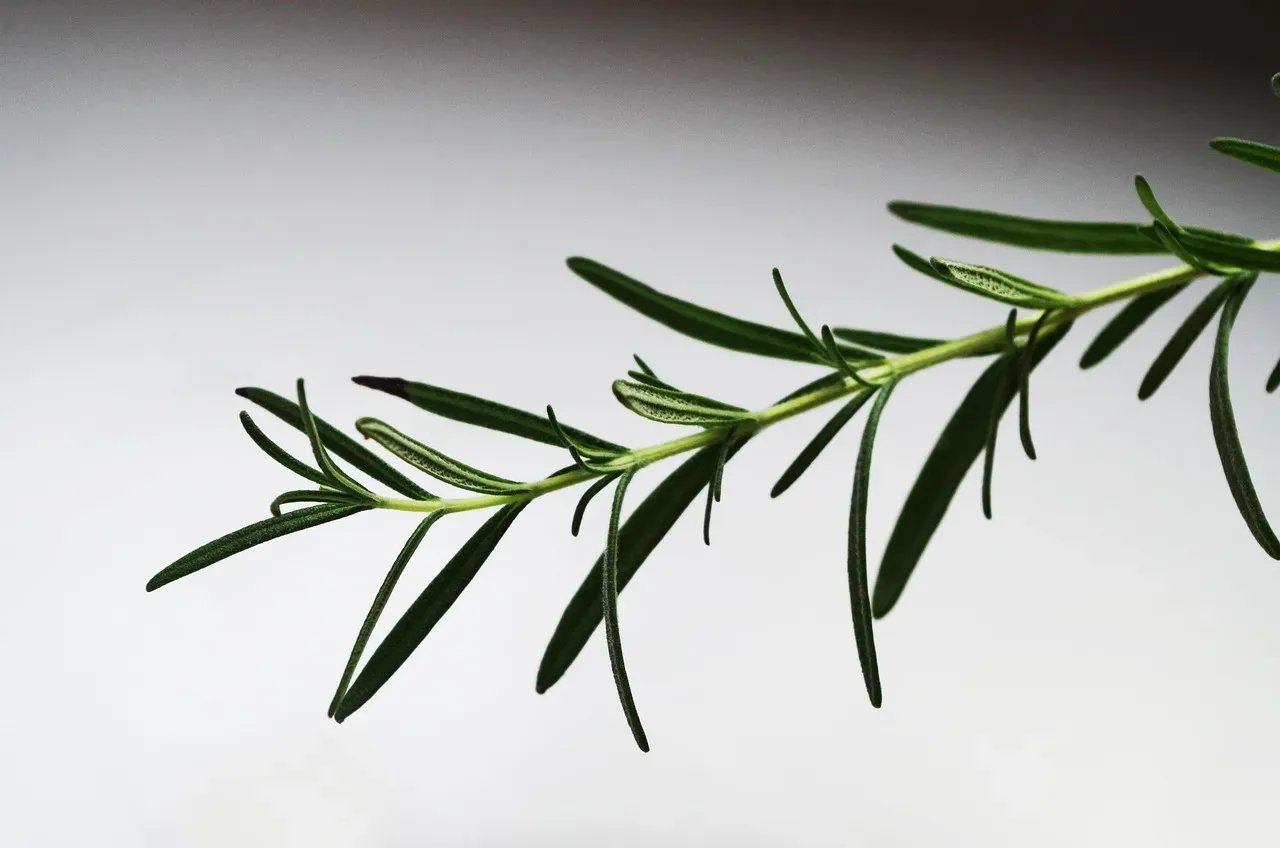
This is one of those remedies that feels almost old-fashioned in the best possible way. Rosemary has been used for centuries in various forms of medicine, and it turns out fleas are not fans of it. Rosemary, a fragrant herb commonly found in kitchens, can also serve as a natural flea and tick repellent.
Simply steep fresh or dried rosemary in hot water to create a potent herbal rinse. After it cools, strain the mixture and pour it over your pet after a bath, focusing on areas where fleas and ticks tend to hide. It is genuinely that simple. No special equipment, no expensive products.
Beyond the rinse, rosemary has environmental uses too. Certain plants, such as lavender, rosemary, and mint, can act as natural flea repellents in your yard. Planting these around your garden or yard can help deter fleas. Your garden doubles as a flea barrier. That is honestly a pretty satisfying idea.
8. Lavender Infusion: Calming for Your Pet, Unbearable for Fleas

Lavender is one of those rare ingredients that works on multiple levels at once. It calms anxious pets, smells wonderful to humans, and drives fleas absolutely mad. Known for its calming scent and therapeutic properties, lavender also doubles as a natural flea and tick repellent.
Infuse dried lavender flowers in a carrier oil, such as jojoba or almond oil, to create a fragrant flea-repellent spray. Spritz your pet’s bedding, blankets, and favorite lounging areas to deter pests while creating a relaxing environment for your furry friend. Lavender works especially well on bedding because that is where fleas love to hide and reproduce.
That said, cat owners must proceed carefully here. Pet parents should be aware that lavender is toxic to cats and can cause gastrointestinal issues. It’s a frustrating catch, but one that is genuinely important to know. Stick to environmental use only if cats are in your home, and when in doubt, call your vet.
9. Regular Vacuuming and Hot Washing: The Unglamorous Hero

Here is something nobody talks about enough. All the sprays, oils, and powders in the world will not solve your flea problem if you are ignoring the environment around your pet. Since around ninety-five percent of fleas live in your home environment rather than on your dog, managing eggs and larvae in carpets, furniture, and yard spaces determines long-term success. Let that sink in for a moment.
Flea eggs hide in carpet fibers. It is important to vacuum often and thoroughly, along baseboards, under and behind furniture, and in all those tucked-away corners where eggs or larvae might be hiding. Think of it like this: treating your pet without treating the home is like mopping up a flood while leaving the tap running.
High heat can kill fleas, larvae, and eggs at temperatures around 95 degrees Fahrenheit for 48 hours, 103 degrees for one hour, or 212 degrees on contact. It is best to repeat an intense cleaning schedule every two days until the fleas are gone. Washing all pet bedding on the hottest setting regularly is one of the most powerful things you can do, and it costs almost nothing.
Conclusion: Nature Can Help, But Smart Strategy Wins
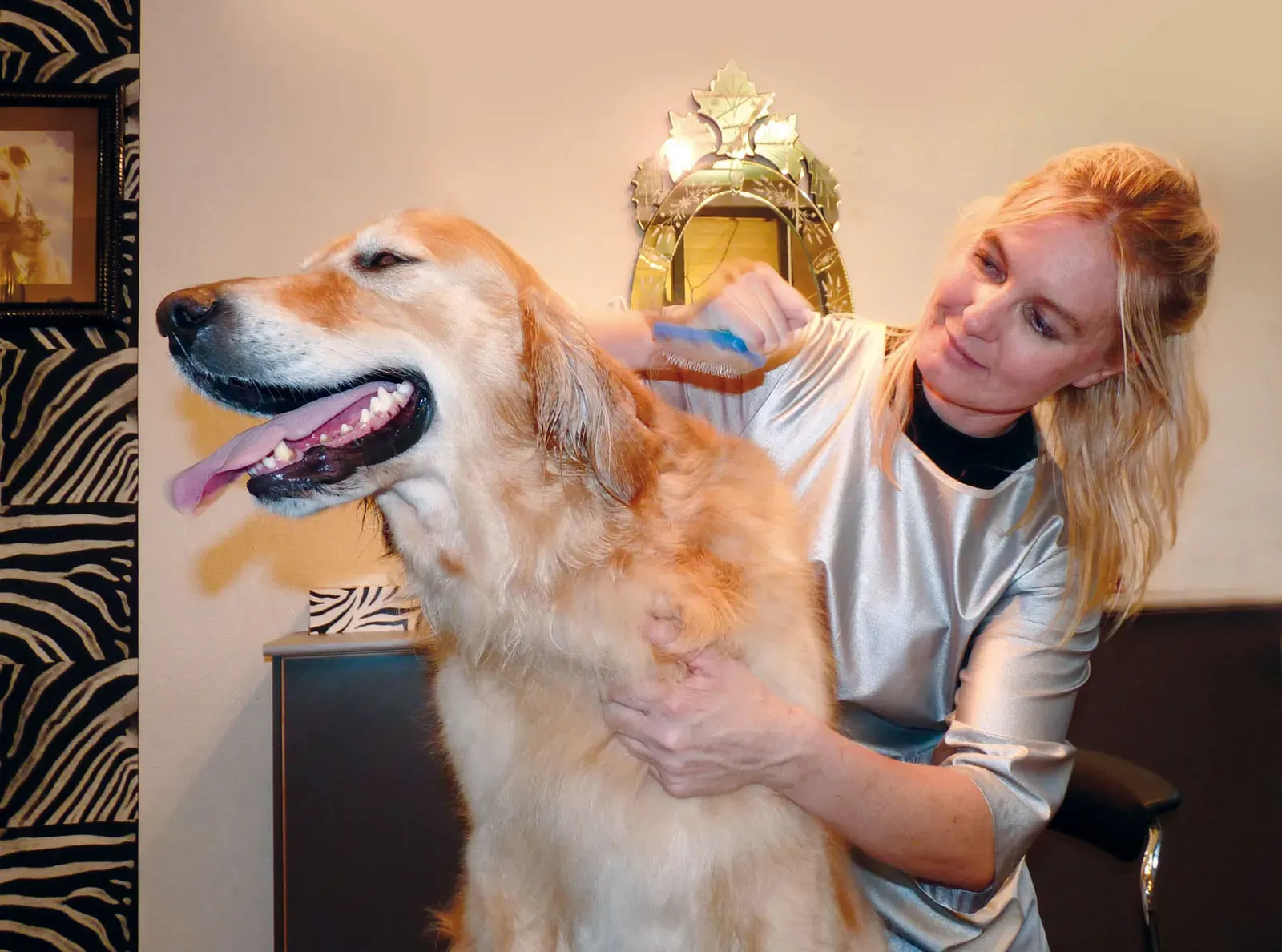
Natural flea remedies are absolutely worth using, especially as part of a broader, layered approach. There are natural ways to help keep your home and yard clean, reducing the risk of fleas and aiding in combating an infestation. The key word there is “layered.” No single remedy, natural or otherwise, does the whole job on its own.
Natural remedies usually take a little longer to work than chemical sprays. Dogs that are highly allergic to fleas may need stronger chemical treatments, but natural flea treatments are effective for most dogs when used consistently. Consistency and patience really are everything here.
The most realistic and effective approach combines a few of these remedies together: regular combing, routine washing, diatomaceous earth in the environment, and targeted repellents like rosemary rinse or diluted essential oils. It is not magic. It is just method. It is always essential to consult with your veterinarian before introducing any new products or treatments, especially if your pet has underlying health conditions or sensitivities. Always make that call when uncertain, because your pet’s safety comes first. So tell us: which of these nine remedies are you planning to try first?

- The 18 Dog Breeds That Thrive in Small Homes and 8 That Never Truly Settle - August 3, 2026
- What Happened to the Dog Breeds Everyone Once Owned: 17 That Quietly Disappeared - August 3, 2026
- The Real Reason We Exchange Gifts at Christmas - August 3, 2026