
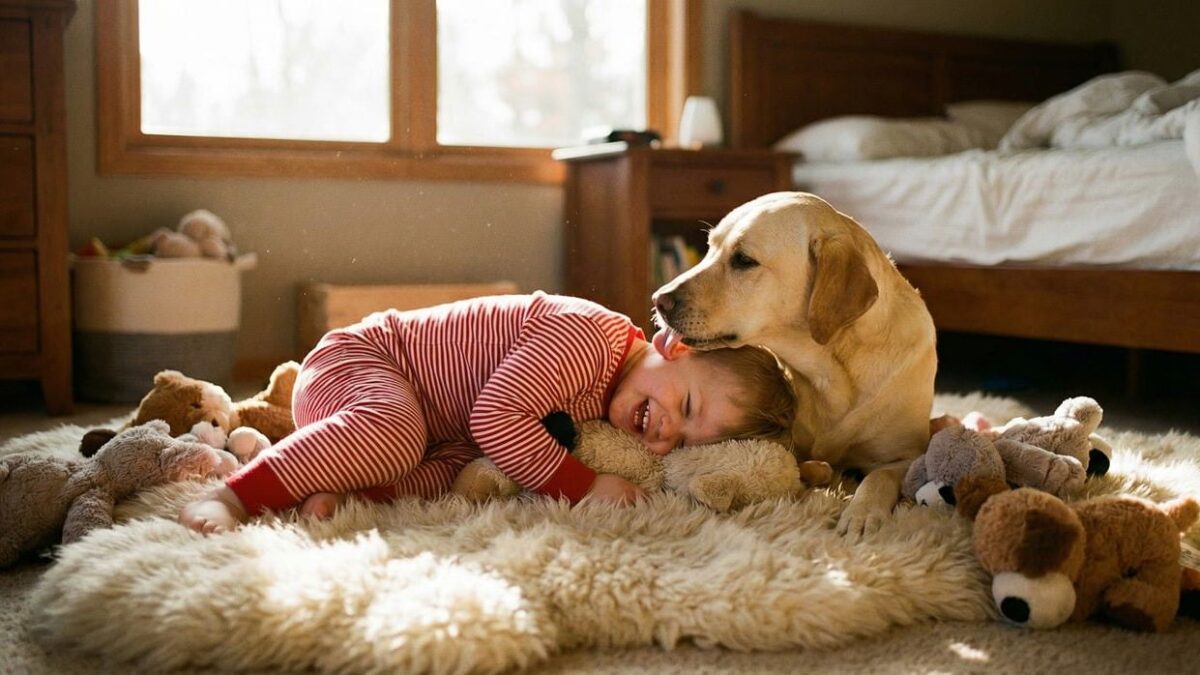
The Subtle Language of Canine Sleep
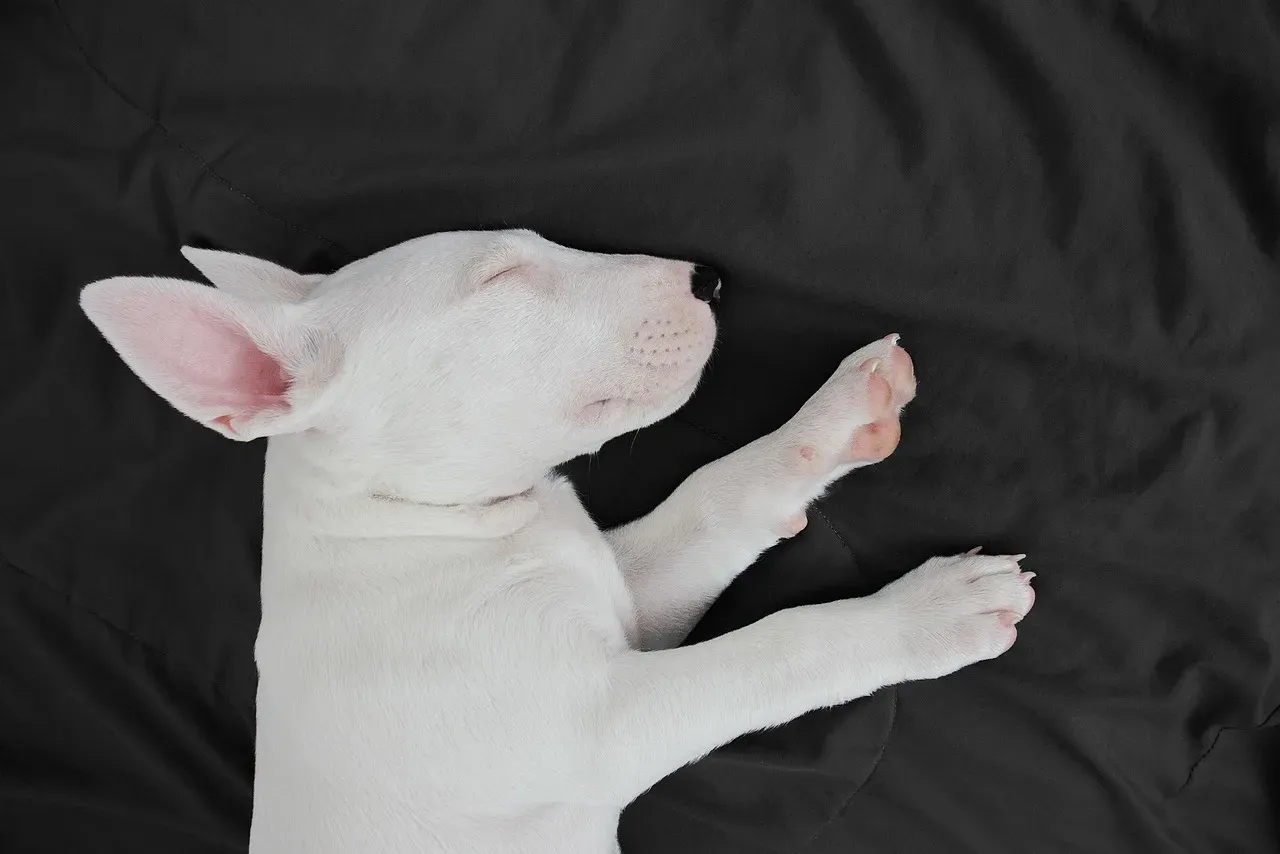
Dogs communicate volumes through their bodies even when they appear to be resting. Their sleeping choices often reflect how secure they feel in a given space and with the people nearby. This form of expression draws from instincts that have persisted across generations of domestic life.
Owners who observe these patterns over time begin to notice consistency in certain habits. A repeated back turned position stands out because it requires a level of comfort that not every dog reaches with every human. Paying attention to these details can shift how someone views the everyday routines shared with their pet.
Turning Away as a Gesture of Deep Security
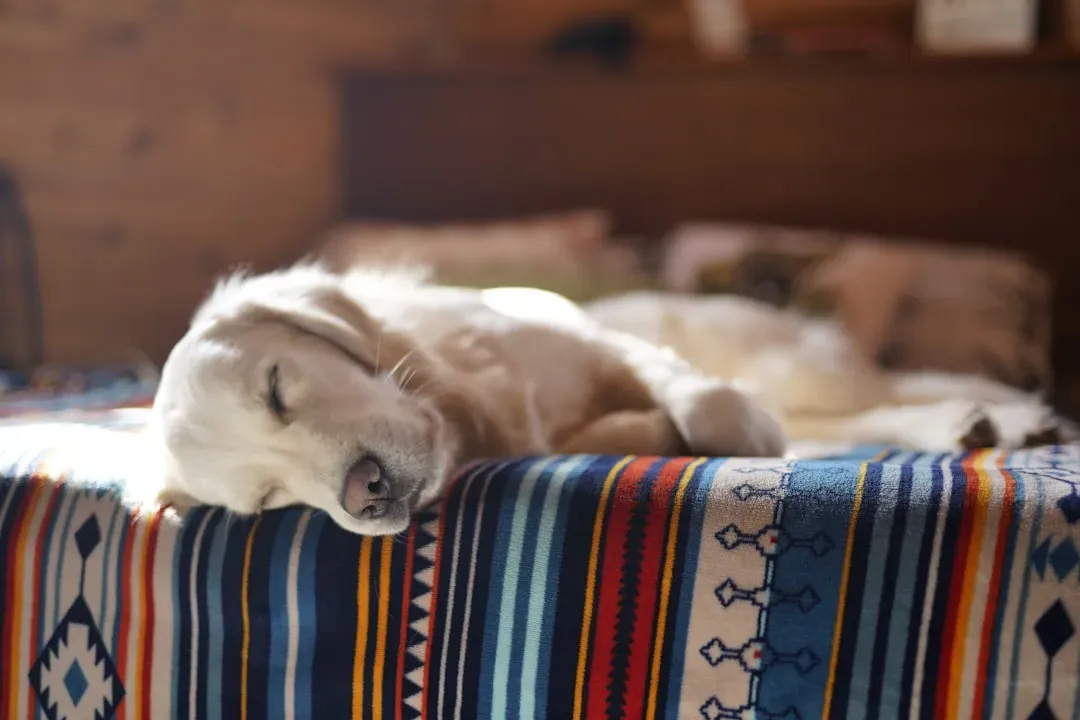
When a dog faces away during sleep it leaves its most vulnerable side exposed to the person behind it. This choice signals that the animal does not feel the need to monitor every movement or potential threat in the room. The position essentially hands over responsibility for safety to the trusted companion.
Over weeks and months this behavior tends to become more pronounced as the relationship grows. It differs from more guarded postures that keep the dog alert to its surroundings. The result is a quiet affirmation that the owner has earned a place of genuine reliance.
Pack Instincts at Play During Rest
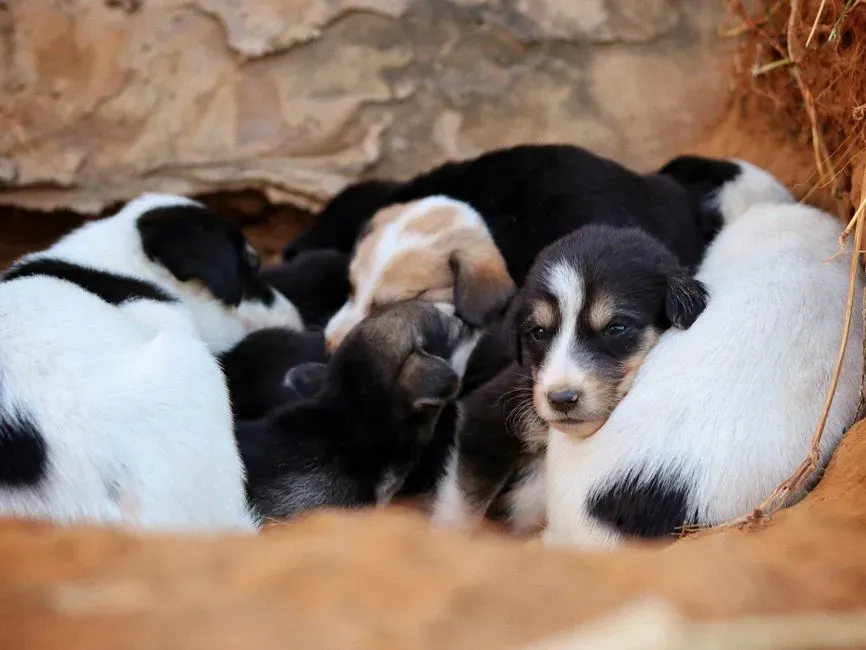
Wild ancestors of modern dogs often slept in close groups where each member contributed to group protection. One animal might watch outward while another rested with its back turned inward. Domestic dogs carry echoes of this arrangement into homes where they treat their human family as the pack.
The back to owner pose mirrors that division of roles in a subtle way. It allows the dog to relax fully while still participating in the shared sense of vigilance. This instinctive pattern strengthens the sense of belonging that many pets seek from their daily companions.
How This Differs From Other Common Positions
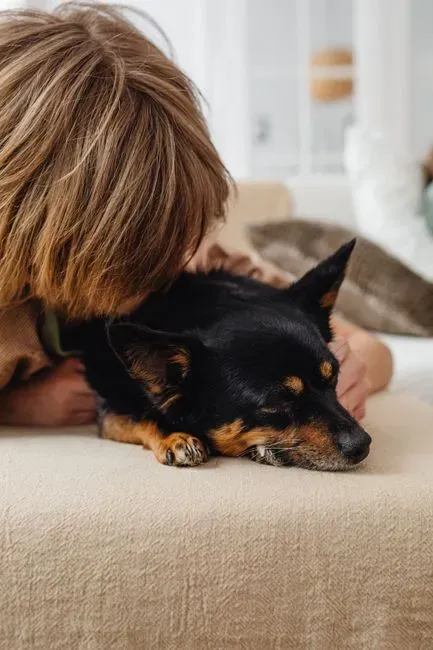
Some dogs curl tightly into a ball when they feel uncertain or need extra warmth and security. Others sprawl on their sides or bellies when they feel completely at ease yet still want to keep an eye on activity. The back turned stance occupies its own category because it combines relaxation with an active form of reliance on another.
Each position carries its own set of meanings shaped by context and individual personality. A dog that mixes several styles throughout the night may simply be adjusting to temperature or comfort needs. The consistent back to owner choice however tends to stand apart as a marker of established trust.
Strengthening Your Connection Through Nighttime Habits
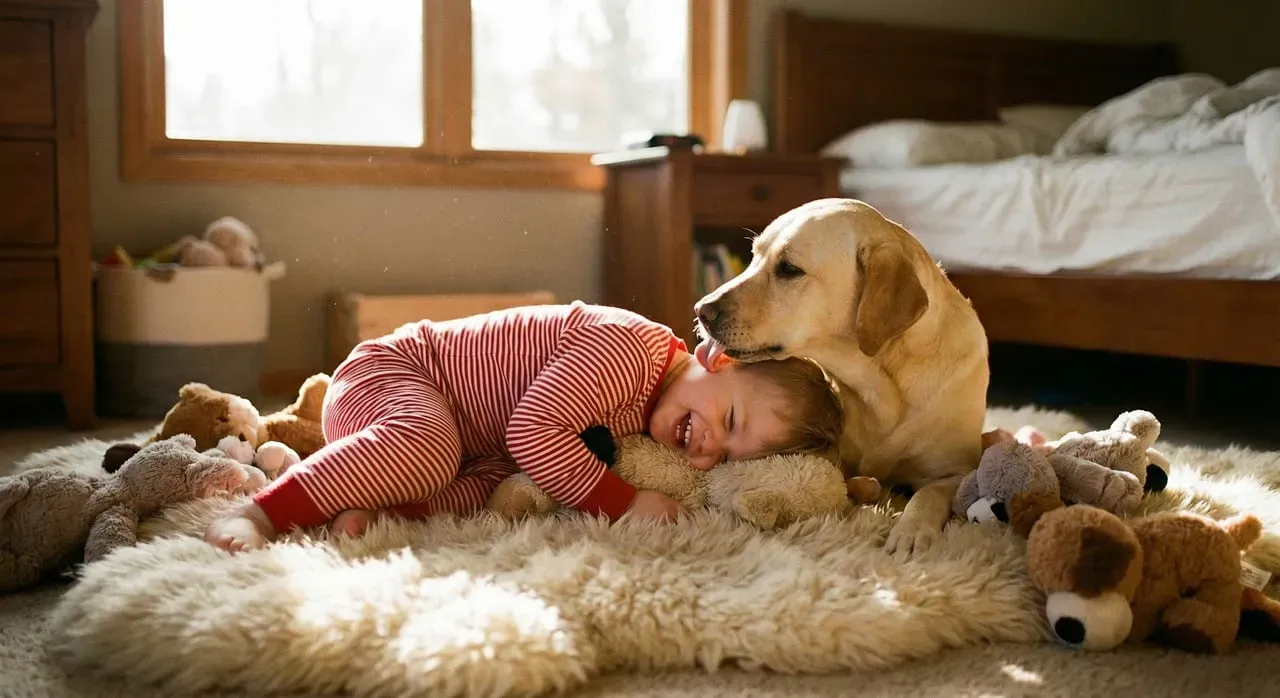
Shared sleeping arrangements give dogs and owners extended periods of proximity that build familiarity. When the dog chooses to rest with its back against a person the physical closeness reinforces emotional ties without requiring active interaction. These quiet hours accumulate into a foundation of mutual comfort.
Over time owners often report feeling more attuned to their pet after noticing such patterns. The simple act of respecting the chosen position rather than disturbing it can further deepen the sense of safety the dog experiences. Small adjustments like this support a relationship that feels steady and reciprocal.
Recognizing the Signs in Your Own Pet
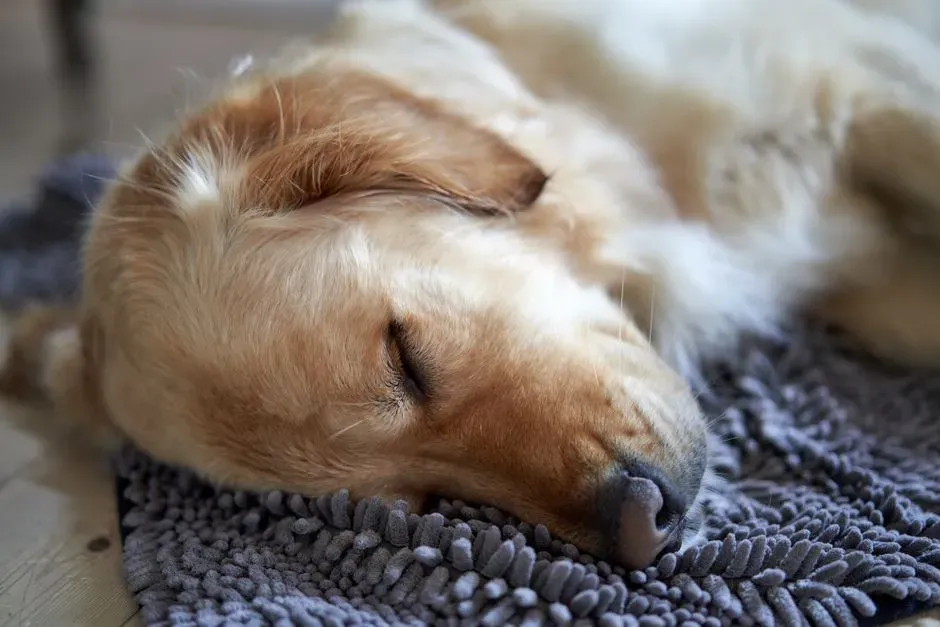
Start by watching where your dog settles at bedtime and whether the orientation stays the same across several nights. Note any changes that occur alongside shifts in routine or household activity. Consistent back turned sleeping often appears alongside other relaxed behaviors such as soft sighs or easy breathing.
Compare the pattern to moments when the dog seems more alert or chooses a different spot altogether. These contrasts help clarify what the preferred position communicates on a regular basis. Keeping a simple mental record makes it easier to appreciate the trust being shown without overthinking every detail.
Embracing the Quiet Compliment From Your Dog
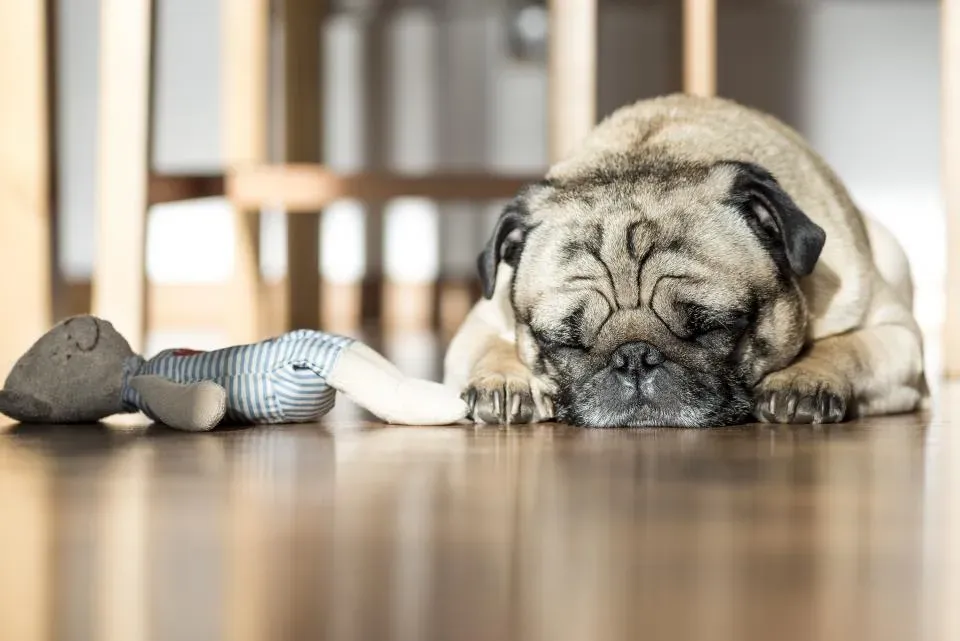
This particular sleeping habit offers a steady reminder that trust builds through ordinary moments rather than grand gestures. It invites owners to value the understated ways dogs express loyalty and comfort. Recognizing the meaning adds a layer of appreciation to the shared space at night.
In the end the real value lies in responding with the same steady presence the dog has already granted. Such mutual respect turns a simple bedtime routine into something quietly meaningful that lasts across the years together.

- What a Horse Does When Its Favourite Person Walks Into the Yard: 14 Signs Riders Rarely Notice - August 3, 2026
- 18 Things a Horse Does for Its Chosen Rider That It Will Never Do for Anyone Else - August 3, 2026
- 17 Dog Breeds That Have Quietly Vanished From Neighbourhoods Where They Were Once Everywhere - August 3, 2026