
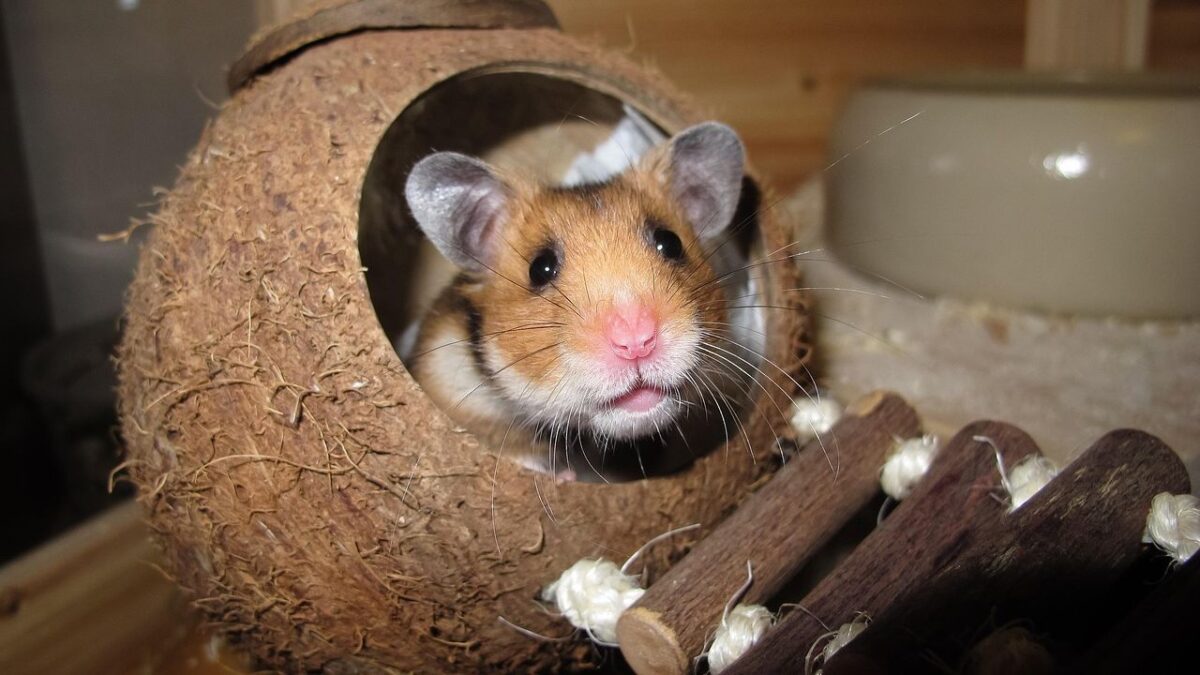
You’re sitting quietly at home, and out of the corner of your eye you spot something that makes your heart skip a beat. Your hamster, once a plump little ball of fluff, is now sprawled flat like a furry pancake on the cage floor. Is it dead? Is it sick? Did it somehow lose all of its stuffing overnight?
Relax. You are not alone in this mild panic. Thousands of hamster owners have had that exact moment of alarm, only to realize their pet is perfectly fine, just doing something wonderfully strange. The “hamster deflate” is one of the most talked about and visually baffling things these tiny creatures do. There is actually a lot of fascinating science and biology behind it. Let’s dive in.
The Surprisingly Flexible Body of a Hamster
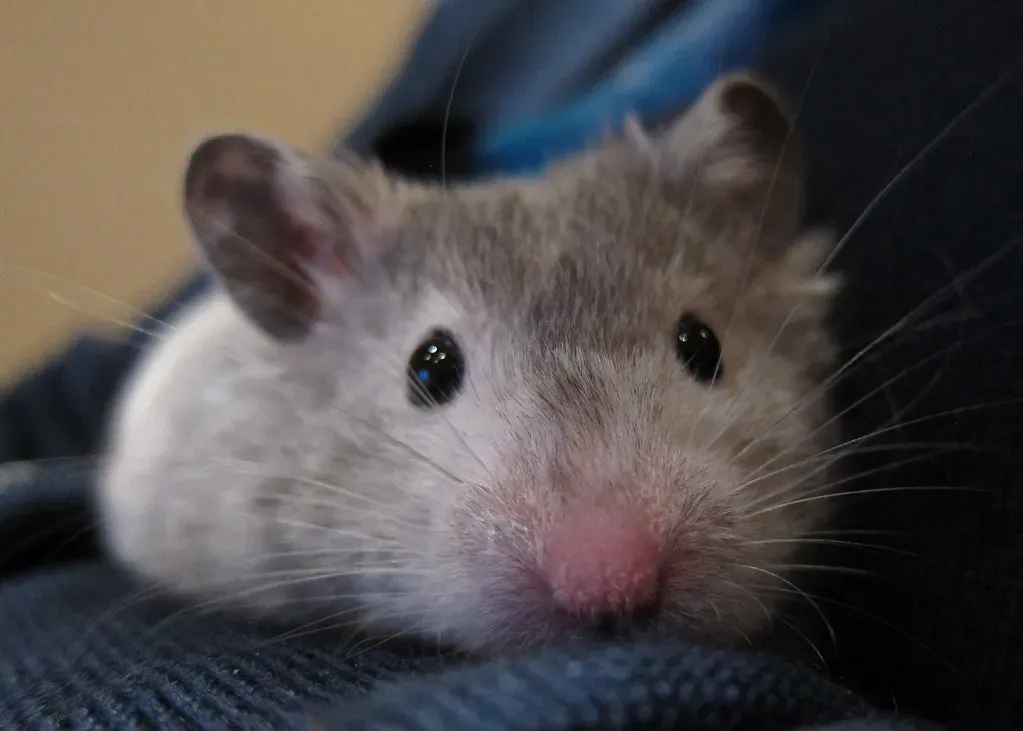
Here is the thing most people do not realize: hamsters are built to squeeze. Hamster skeletons are very flexible because, in the wild, they need to squeeze into small spaces. Think of it like a yoga mat rolled up tight versus one left flat on the floor. When they are awake and active, their body holds its shape. , that same flexible skeleton kind of… gives way.
When hamsters are sleeping, their muscle tone is reduced. If they are on a hard surface, this can make them look flat. That is really the core of it. The muscle tone that holds a hamster’s body upright and rounded during waking hours simply drops away during rest, much like how a human body sinks deeply into a mattress during sleep.
, this can make them look flat. Also, they have a lot of loose skin and fur that flattens when they rest. So that extra layer of skin and fluffy coat folds and spreads outward with gravity, amplifying the “deflated” look even more. The result? A hamster that genuinely looks like it ran out of air.
The Cheek Pouch Effect – A Sneaky Contributor
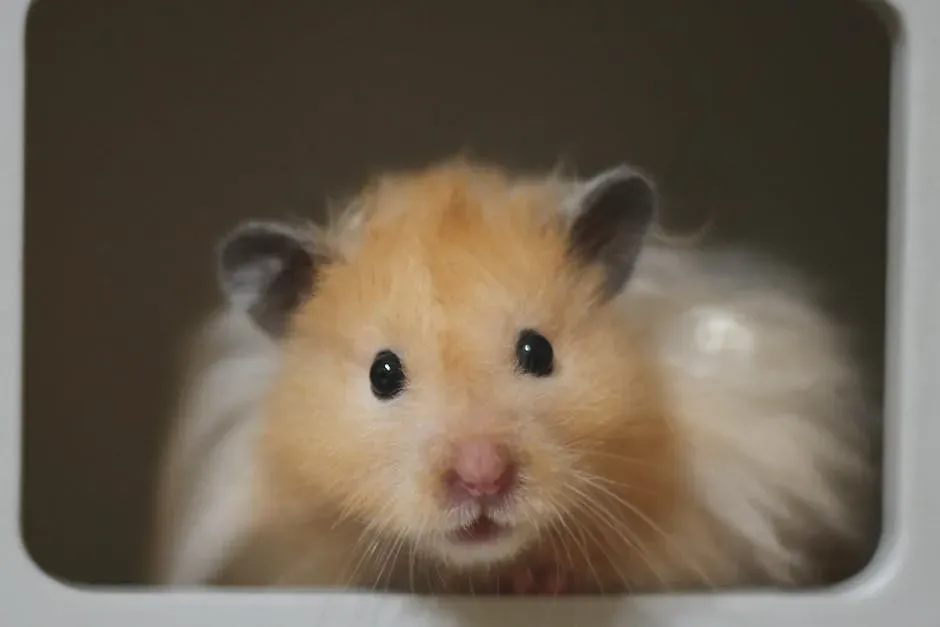
Honestly, this one surprised me when I first learned about it. Those adorably chubby cheeks that make hamsters look like they are permanently hiding a mouthful of marshmallows? They actually play a big role in the deflation illusion. Hamsters have a habit of storing food in their cheek pouches and taking it to a secret stash in another area of their cage. When these cheek pouches are empty, hamsters can appear to have pressed down into the floor.
Think of it this way. A hamster after a foraging session, cheeks stuffed to capacity, looks gloriously round and full. A sleeping hamster with empty pouches looks like a completely different animal. It is the same creature, just minus the secret snack cargo. The contrast can be dramatic enough to genuinely alarm new owners.
Often, hamsters choose to sleep in shelters in their cage because they feel safer there. In these shelters, they curl up into a ball, making it less noticeable that their bodies have flattened out. So when you do catch the full “pancake mode,” it usually means your hamster has decided to nap in the open. Consider it a sign of trust, not distress.
Normal Sleep vs. Torpor – The Critical Difference
This is where things get genuinely important, so pay attention. A hamster that looks flat while napping is usually perfectly healthy. A hamster that looks flat, cold, and completely unresponsive is a different story entirely. Torpor is the name of an involuntary state of reduced mental or motor activity. It is a survival tactic which is automatically triggered when an animal gets too cold or if they have limited access to food and water.
In torpor, the body temperature will lower along with the heart rate and metabolic rate for short periods of time. This is the state that really frightens owners. Hibernating hamsters in torpor may be mistaken for deceased animals because their bodies are so inactive. I know it sounds crazy, but there have reportedly been cases where people thought their hamster had passed away, when in reality it was in torpor.
A hamster’s heart rate drops from 400 bpm to just 4 bpm when hibernating, but any heartbeat is a key indicator that they are alive. That is an almost unbelievable drop. Nearly a complete shutdown. So how do you tell the difference between sweet, peaceful sleep and dangerous torpor? Watch very carefully for slow, shallow breathing, and try gently stroking the whiskers. Stroke their whiskers gently to induce a subtle twitch. Any reaction at all is a hopeful sign.
What Triggers That Deep Frozen State
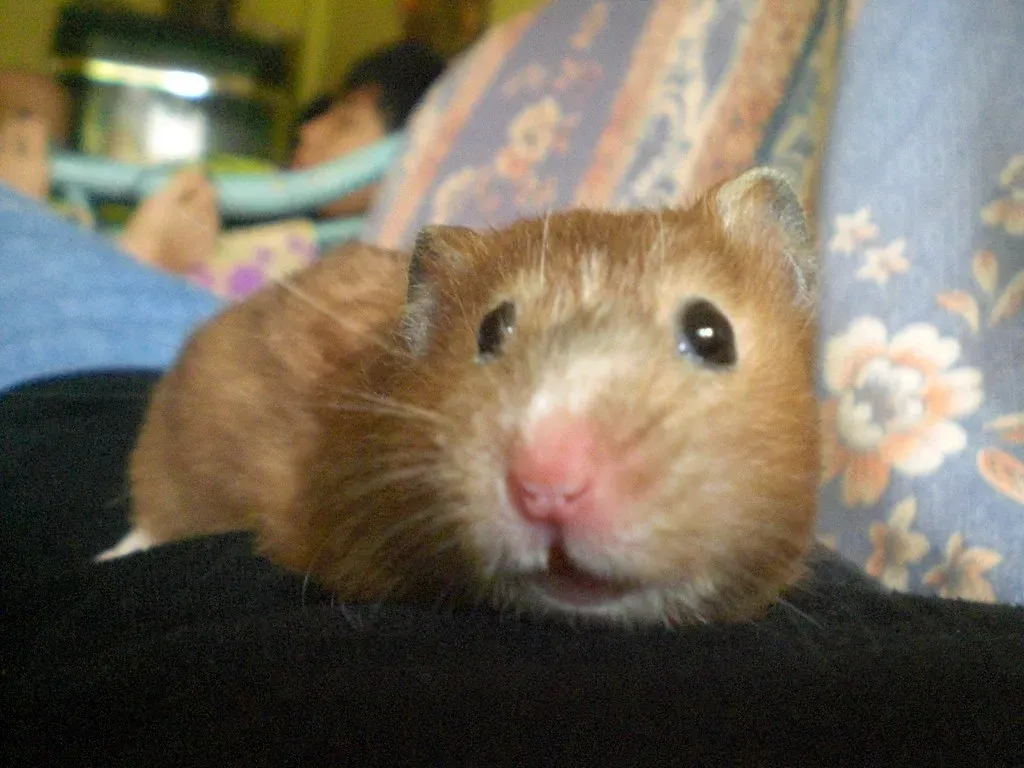
Normal napping and the more alarming torpor state have very different causes. Regular sleep is just rest. Torpor, on the other hand, is a biological emergency response. True hibernation is seasonal, while torpor is triggered by environmental circumstances. Hamsters can enter torpor if temperatures drop below 65 degrees Fahrenheit or if there is a lack of food or daylight.
If hamsters hibernate, it is called “permissive hibernation.” This type of hibernation can occur at any time of the year when an extreme environment means that they need to save energy. Sure, this can happen when it is cold, but it can also happen if it is too hot or there is not enough food or water. So it is not purely a winter thing. A hamster sitting near a drafty window in July could still trigger this response if the temperature drops low enough.
This type of hibernation can be dangerous because the hamsters do not have the same fat stores that obligate hibernators build up. If they stay sedentary for too long, they can dehydrate or become hypoglycemic. Unlike a bear that spends months gorging itself in preparation, a pet hamster that enters torpor is running on almost empty reserves. Time is genuinely of the essence.
What to Do If Your Hamster Won’t Wake Up
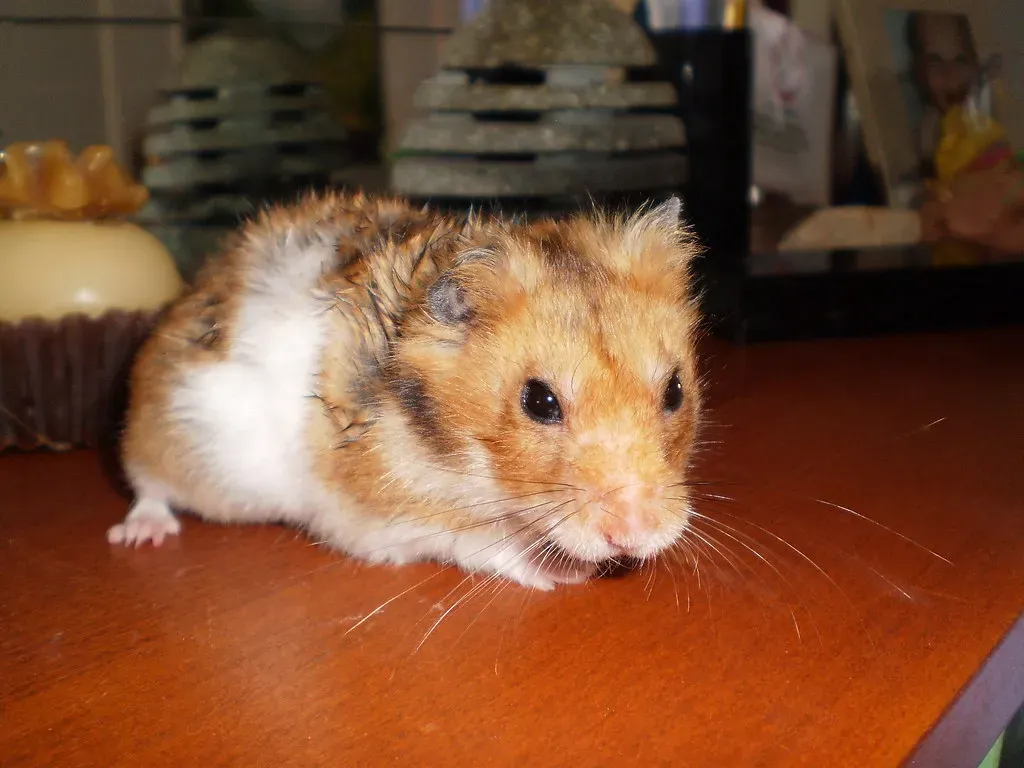
If your hamster is splayed flat and you cannot rouse it, do not panic, but do act quickly and carefully. If the torpor has lasted less than a day, increasing the body temperature may be all that is needed. One good way to gradually warm your hamster is to cup them in the palm of your hand and let your body temperature gradually warm their body. This gentle, steady warming is the safest approach. Think slow and steady, like warming a cold stone in your hand.
External heating elements are not recommended, as these will raise their temperature too rapidly. Do not reach for a hair dryer or heat pad. Rapid temperature changes can cause serious harm. Avoid placing them on heat pads or exposing them to anything warmer than your own body, as raising their temperature too rapidly could lead to problems.
If your hamster has been in a period of torpor or hibernation for more than 24 hours, a simple warm-up with a massage would not be enough to bring your hamster back to good health. Dehydration and malnutrition can occur during extended hibernation. It is best to bring your hamster to the vet as they can administer fluids, nourishment, and medication if needed. When in doubt, a vet visit is always the right call. No article on the internet should replace professional care for a struggling pet.
Conclusion
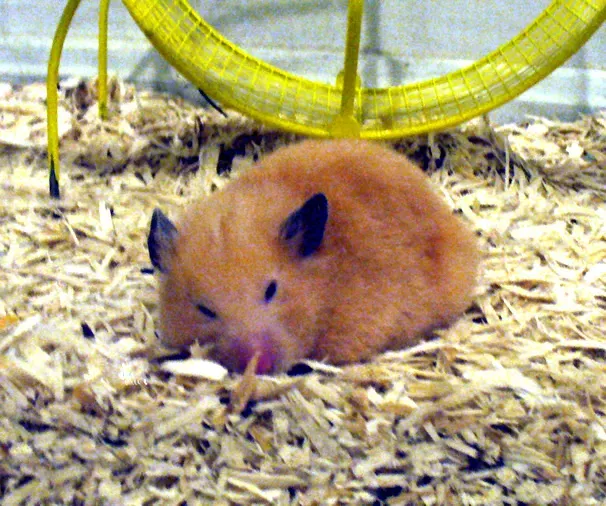
So the next time you spot your hamster in full pancake mode, spread flat on the cage floor like it forgot how to be three dimensional, you can take a breath. Chances are very high that it is simply a deeply relaxed, trusting little animal doing what flexible, loose-skinned, cheek-pouched creatures naturally do during rest.
The key is knowing the difference. A warm, occasionally twitching hamster is almost certainly just sleeping. A cold, rigid, fully unresponsive hamster needs your help, and quickly. Although torpor occurs as a natural response to cold temperature, it is not something your hamster should be experiencing under ideal husbandry conditions.
Keep your hamster’s environment warm, well-lit, and well-stocked with food and water, and you will likely never see the scary version of the deflate. You will just get the adorable one. And honestly? A sleeping hamster shaped like a little furry crepe is one of the most endearingly odd sights in the whole world of pet ownership. Did you expect something so tiny to be this biologically fascinating?

- What Happened to the Dog Breeds Everyone Once Owned: 17 That Quietly Disappeared - August 3, 2026
- What a Horse Does When Its Favourite Person Walks Into the Yard: 14 Signs Riders Rarely Notice - August 3, 2026
- 18 Things a Horse Does for Its Chosen Rider That It Will Never Do for Anyone Else - August 3, 2026