
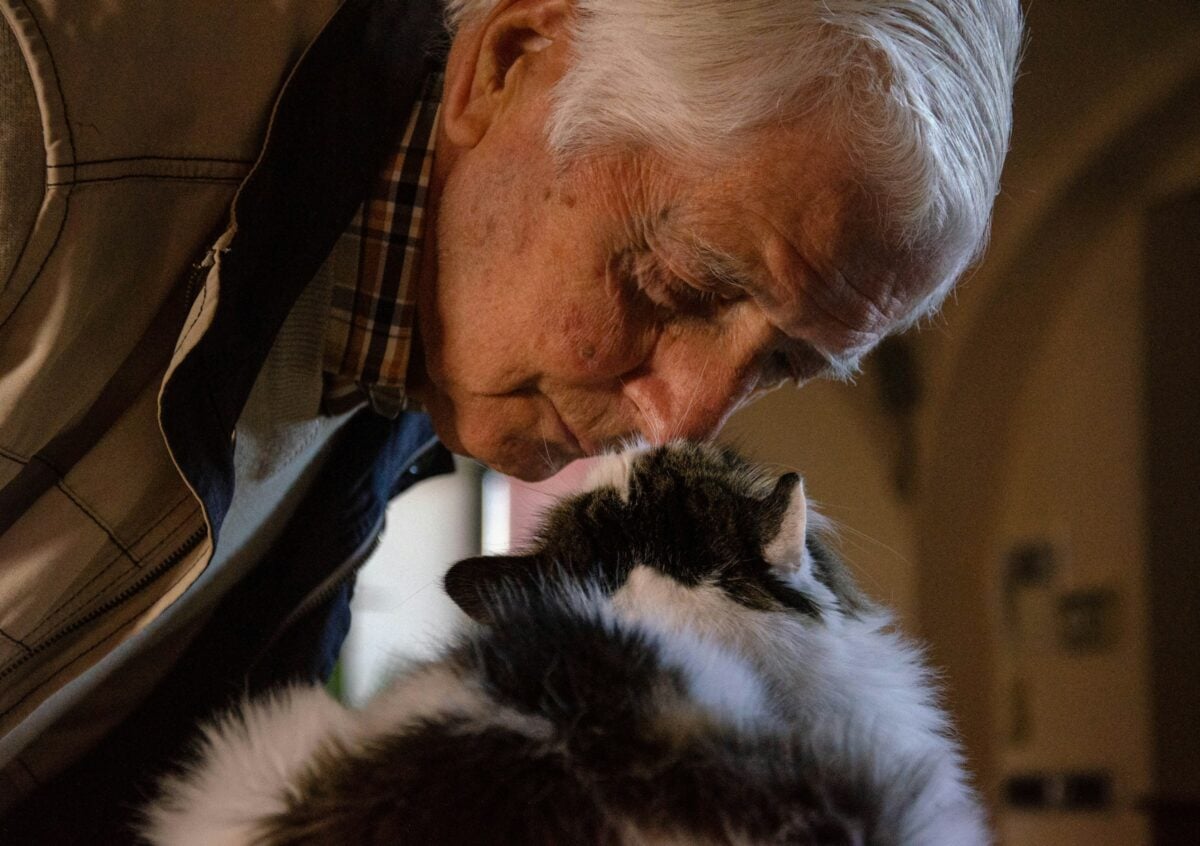
Everyone assumes an old cat is just winding down – sleeping more, moving slower, fading into the background of the house. That’s the story most people tell themselves, and it’s not wrong, exactly. It’s just missing almost everything that actually matters.
Underneath the naps and the stiff walk to the food bowl, something quieter is happening. Your cat is rewriting the whole language of how it loves you, one small, easy-to-miss gesture at a time. Longtime cat owners and vets notice the same pattern over and over – these final good months are full of tender little signals that almost nobody catches until they look back and realize what they were watching the whole time. Here are sixteen of them.
#16 – Extra Slow Blinks That Feel Like Mini Goodbyes
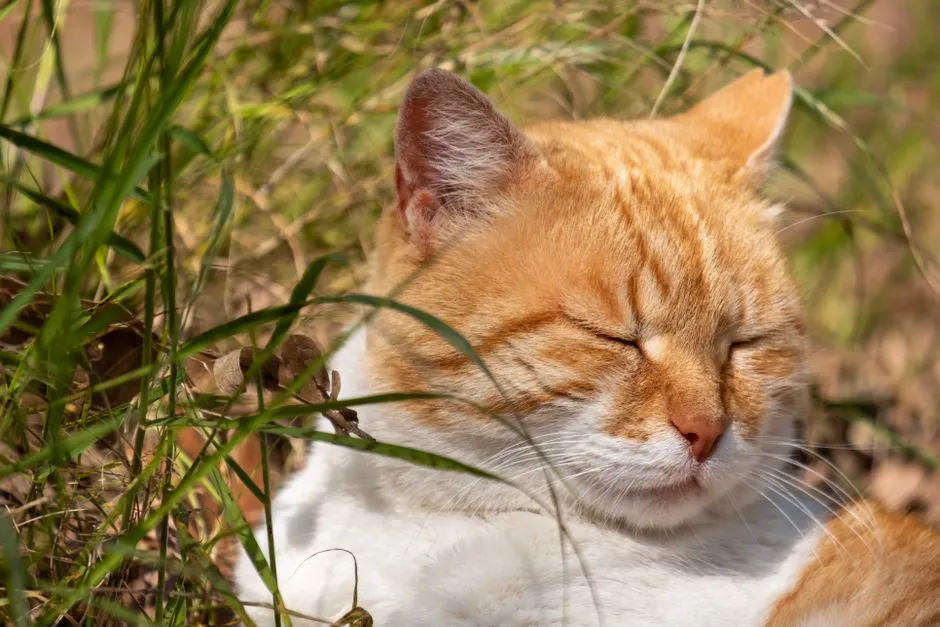
Your old cat’s slow blink isn’t just “sleepy eyes.” It’s a deliberate love signal, and it often gets stronger near the end. As cats age, their energy drops but their need for safety goes up, so many seniors start leaning on their eyes to communicate instead of their bodies – it simply costs less effort than getting up.
You’ll catch them watching you from their bed, giving long, exaggerated slow blinks, over and over. In cat language, that’s trust – they’re saying, “I feel safe enough to close my eyes around you.” Some owners write it off as grogginess or eye irritation. But slow-blink back, and watch what happens: the jaw softens, the whiskers loosen, the breathing deepens. It becomes a quiet conversation you’ll replay in your head for years.
“It’s a great way of enhancing the bond you have with cats.”
Karen McComb, University of Sussex psychologist
#15 – Suddenly Wanting You Nearby While They Eat
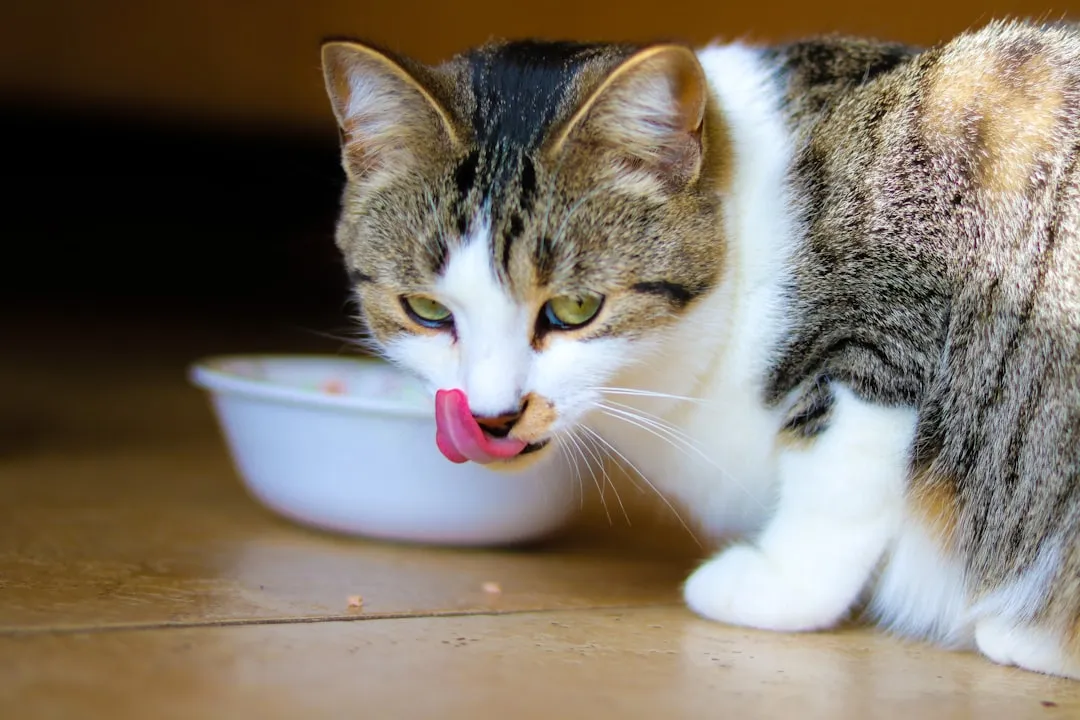
If your once fiercely independent eater now demands you stand guard at the food bowl, that’s not random neediness. In the wild, mealtime is when predators strike, and an old cat’s joints hurt, senses dull, and legs can’t bolt the way they used to.
So when your cat starts calling you to the bowl and refusing to eat until you’re in the room, that’s a trust move, not manipulation. You’re the safety net. People get annoyed – “why won’t he just eat?” – and miss the deeper point entirely.
- They glance up at you between bites.
- They stop chewing the second you walk away.
It’s clingy, sure. But it’s also one of the clearest signs they’ve picked you as their safe place in the one moment they feel most exposed.
#14 – Sleeping In Your Exact Footsteps
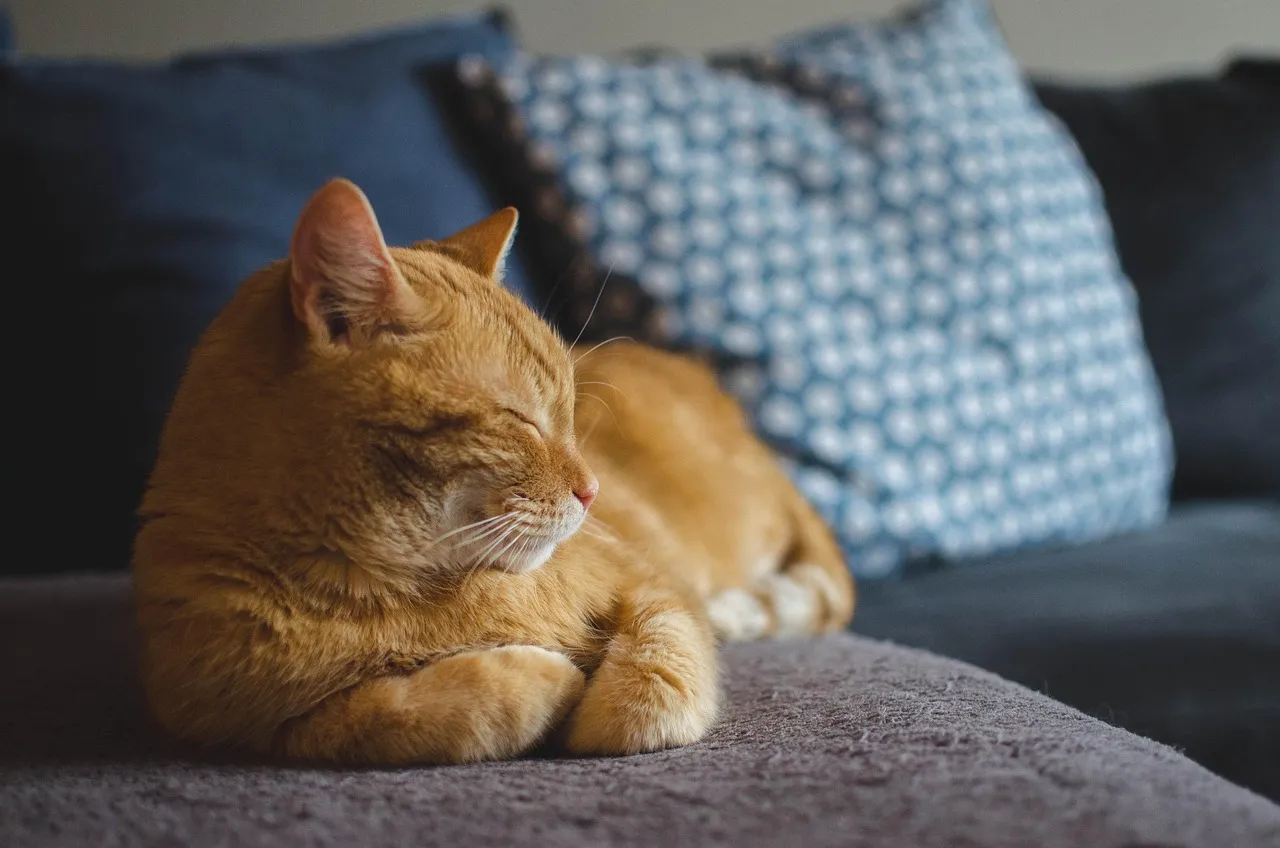
Most people notice their old cat following them around more, but they miss how precise it gets. In these final months, senior cats gravitate toward whatever smells most like you – your pillow, worn clothes, the warm dent where you just sat.
Look closer, though. A lot of owners find their old cat curling up exactly where their feet just were, like they’re fitting themselves into your shadow. Scent is a huge comfort for an aging cat, and yours is their security blanket. Choosing your exact spot means they want your smell and your heat, but it also means they’re anchoring themselves to the one person they trust most. It’s easy to shrug off as “cat being cat” – until you actually see it happen.
#13 – Those Soft, Almost-Silent Meows Only You Hear
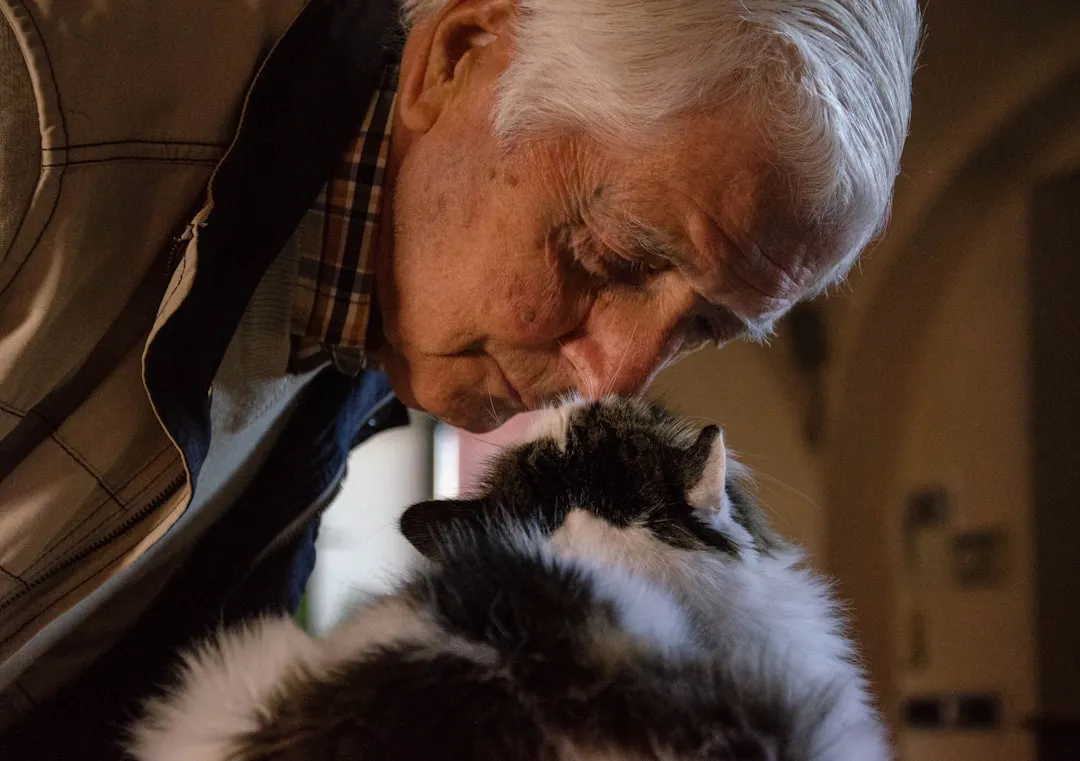
Some cats are loud, dramatic talkers in their younger years. In old age, the opposite often happens – the volume drops, but the meaning goes up. Many seniors develop a barely audible “murmur meow” reserved only for one person.
It’s not the demanding feed-me yowl or the confused midnight cry. It’s softer, shorter, and usually comes the second you walk into a room or catch their eye. To a visitor, it’s nothing. To you, it’s a tiny greeting: “Oh, it’s you. Good.”
- When you sit down next to them.
- When you stroke that one familiar spot under the chin.
- In the quiet minutes right before sleep.
It’s easy to dismiss as a tired voice. But it’s often the opposite – they’ve stopped wasting words on the world and saved the last ones for you.
#12 – Gentle “Checking Visits” in the Night
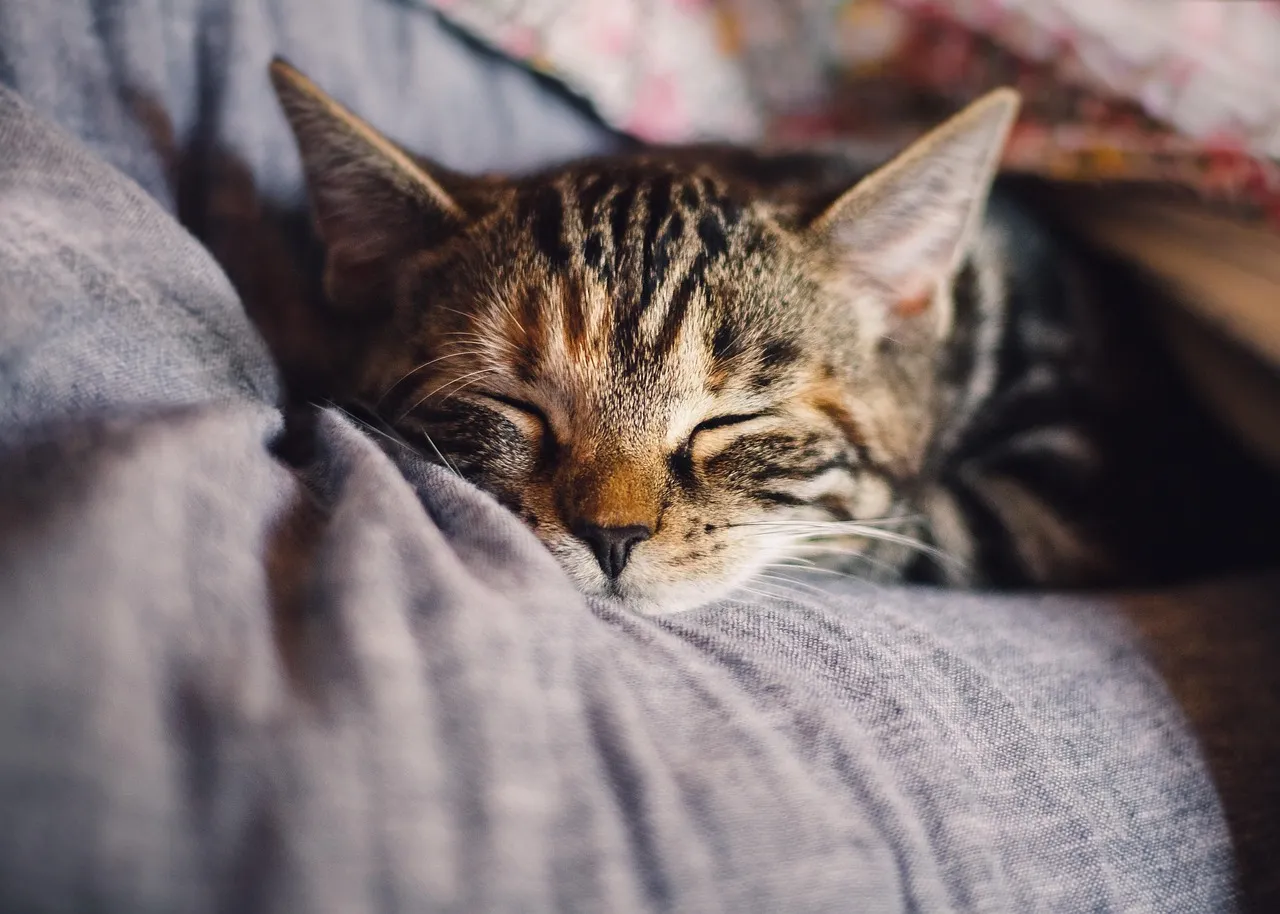
People talk a lot about old cats yowling at night. Fewer talk about the flip side – the cat who pads in quietly, touches the bed or your arm, then leaves. No begging, no chaos. Just a sniff, a brief stare, maybe one light paw, and they shuffle off again.
It’s like they’re confirming the center of their universe is still in place before heading back to their own bed. Sometimes you’ll wake up to find them just sitting there watching you, and they leave the moment you stir. It’s not always separation anxiety – more often, it’s a small ritual of reassurance, one that means as much to you later as it did to them in the moment.
#11 – Choosing One “Last Favorite” Human, Even In a Big Family
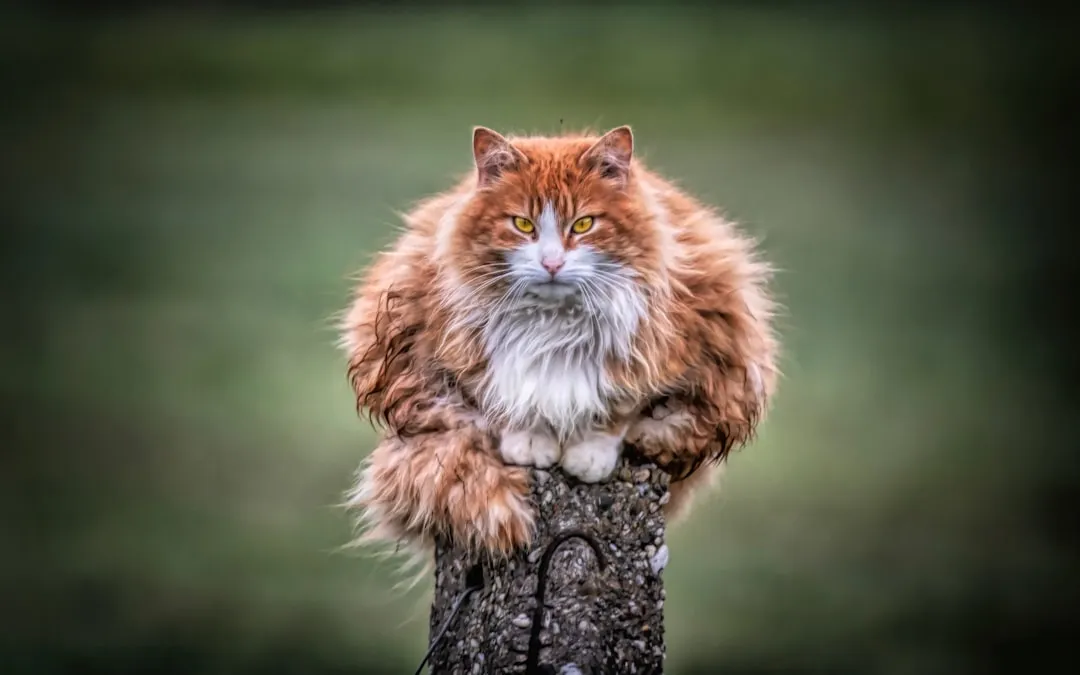
This one starts arguments in households, but it happens constantly: an old cat narrows its inner circle down to one person. Sometimes that person wasn’t even “their” favorite for most of their life – but in a multi-person home, the calmest, steadiest human usually wins in the end.
Cats are brutal pragmatists. In their last good months, they prioritize safety and predictability over old habits and sentiment.
- Refusing to sit with the kids they once adored.
- Avoiding the louder partner in favor of the quieter one.
- Following just one person from room to room, every time.
It feels personal, and people get hurt by it. But it’s not a love downgrade – it’s a survival strategy. They’re pouring their limited trust into whoever makes their aging body and mind feel the most regulated.
#10 – Extra-Gentle Grooming “Kisses” On Your Hands
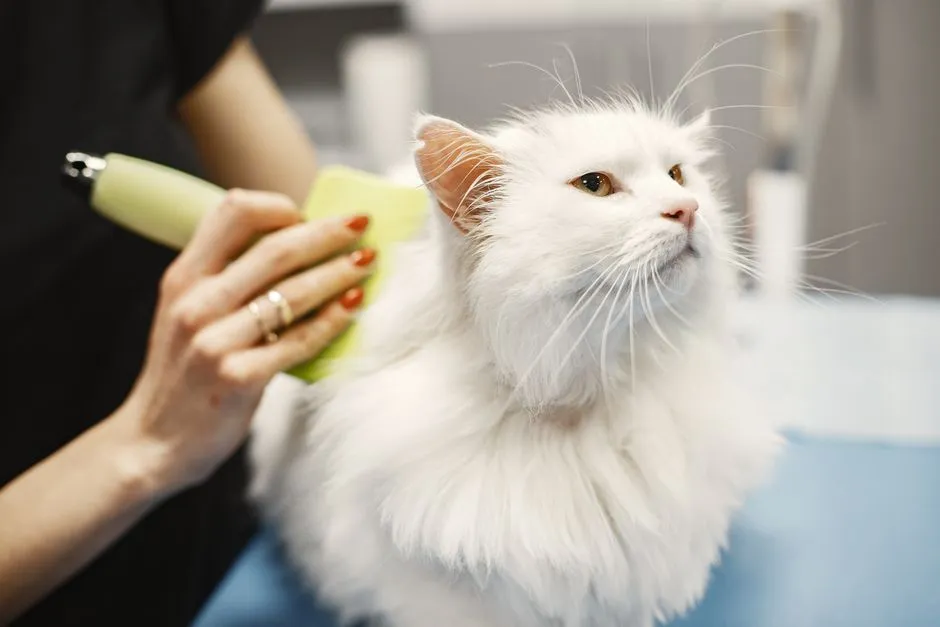
You’ve probably felt your cat lick you before, but the way they groom you can shift hard in the final months. Senior cats often can’t groom themselves the way they used to – joints hurt, tongues get drier, energy runs out fast. Yet many will still give you these brief, careful licks on your fingers or wrist, almost like a small statement: “I still do my part.”
Grooming is social bonding in cat language, so when an animal running low on energy still spends some of it on you, that matters. Watch for shorter, softer licks than in their youth, usually aimed at your fingertips where your scent is strongest, often followed by a satisfied sigh or blink. Some people write it off as habit. But when the rest of their grooming has clearly declined and they still save a little for you, that’s not random – it’s their last version of taking care of you.
#9 – Sitting With Their Back To You… On Purpose
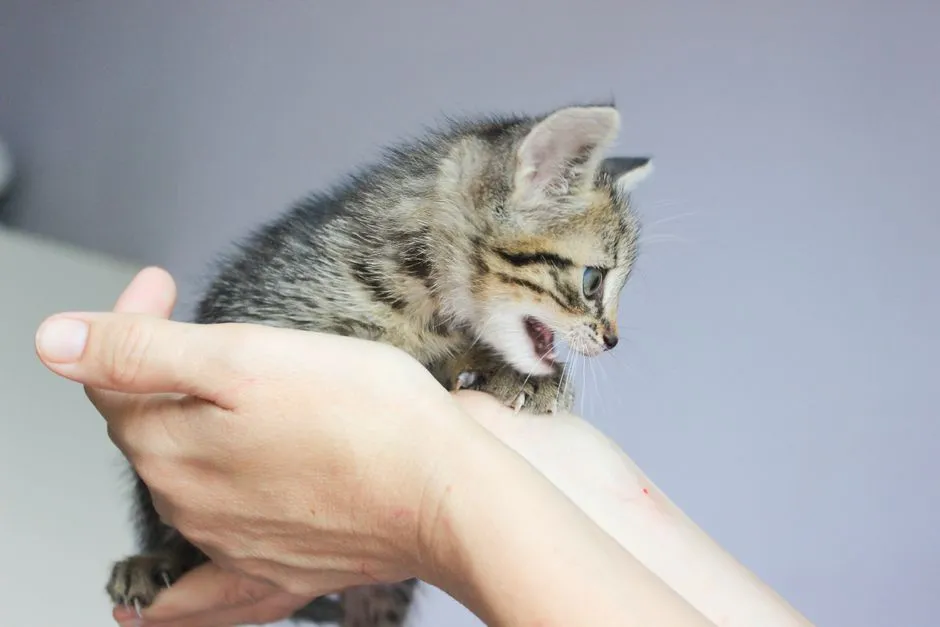
Here’s one that people often misread as rudeness: the old cat that plants itself right in front of you, then turns and faces away. In cat terms, turning their back on you at close range is actually a massive trust flex – they’re saying, “I’m so sure you won’t hurt me that I’ll point my most vulnerable parts away from you and toward the door instead.”
In old age, it means even more. When a stiff, arthritic cat parks itself facing away but still within arm’s reach, they’re using you as a literal guard. Watch how it plays out – they put themselves between you and a doorway, or settle where they can feel your movement while still watching the room. Most people think the cat is ignoring them. In reality, you’ve just been promoted to trusted lookout while they finally let their tired body rest.
#8 – Bringing You “Offerings” That Make No Sense
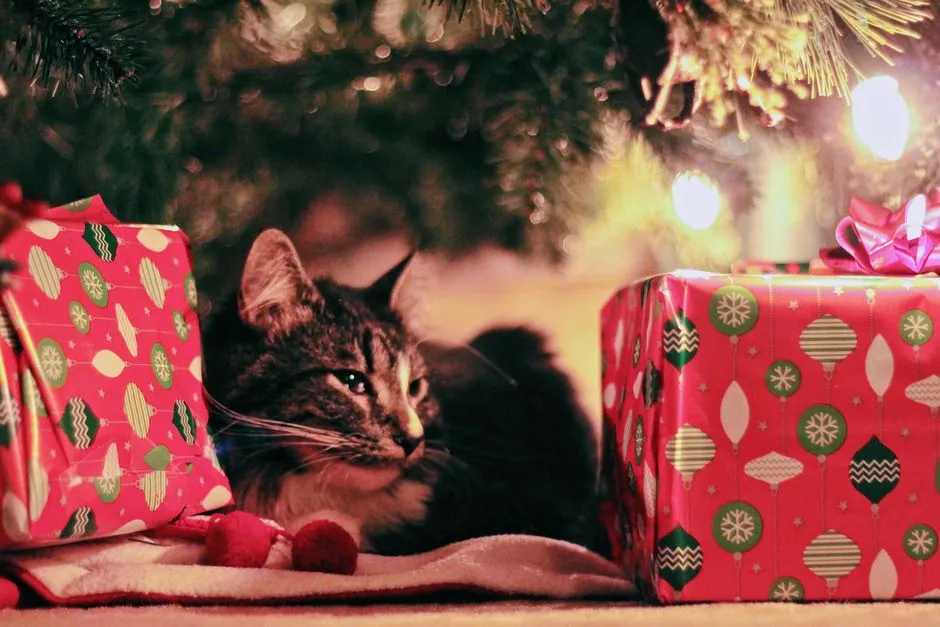
Younger cats drag in bugs or toys as “gifts.” Older cats sometimes twist that same instinct into something stranger and gentler. In their final good months, some seniors start presenting soft, non-hunt objects near your bed, your shoes, or your favorite chair – a worn toy they barely play with anymore, a crumpled sock, even their own blanket, dragged closer to you.
With aching joints and weaker muscles, complex hunting play is off the table, but the social impulse to share resources with you never really left. You might wake up to the same old mouse toy delivered to your side, or their favorite blanket half-pulled onto your spot. It’s easy to laugh off as randomness, but for a cat whose world is shrinking fast, reassigning their “valued item” to your zone is a quiet, deliberate act of devotion.
Worth Knowing
- Vets commonly see reduced interest in toys and play once arthritis and lower energy set in with age.
- Social bonding gestures like grooming or “gift-drops” often outlast hunting-style play by years.
- A sudden, dramatic shift away from lifelong habits is worth mentioning at the next vet visit, just to rule out pain.
#7 – Asking For Touch Only In Very Specific Places
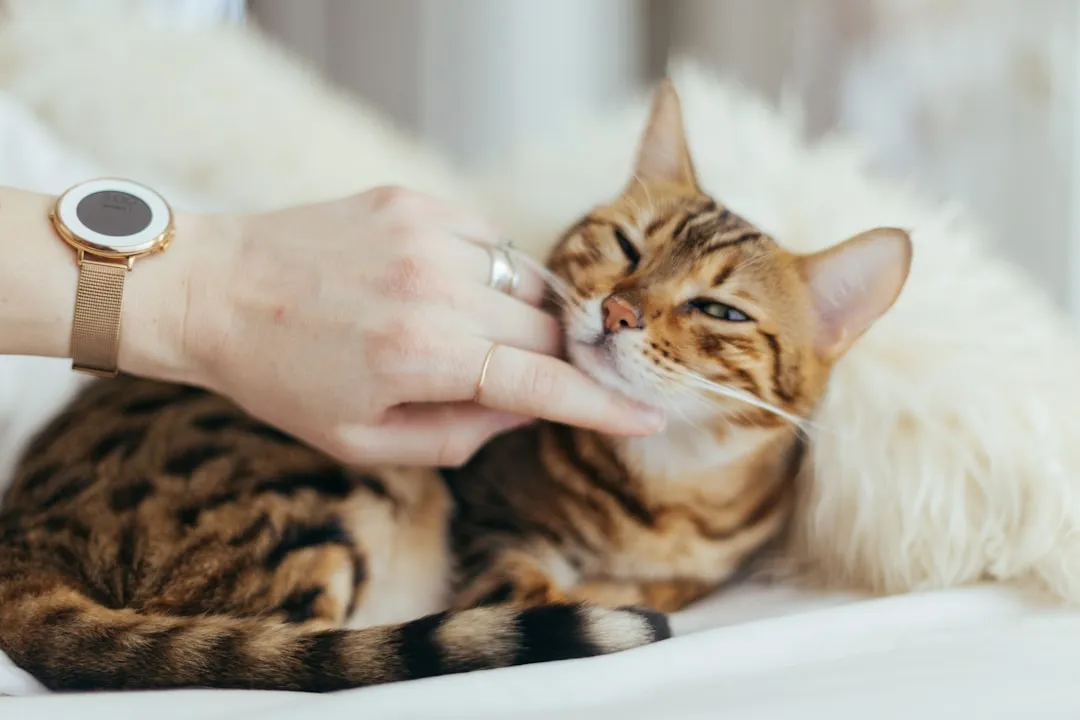
Plenty of cats are picky about petting in their youth. In old age, they become surgically precise. Owners often notice their once easygoing cat now insists on one or two exact touch zones – the cheeks, the top of the head, under the chin – and gets tense or even snappy about anything outside that zone.
That’s not “getting grumpy.” It’s pain management mixed with trust. Arthritis, organ discomfort, and sensitive skin make random petting genuinely risky for them, so the fact that they still invite you into certain spots – nudging your hand back to the “safe” area, repositioning until your hand lands just right – takes real cooperation from an animal that can’t explain what hurts. The fact that they keep trying with you says everything.
#6 – Sitting In Doorways Like They’re “Between Worlds”
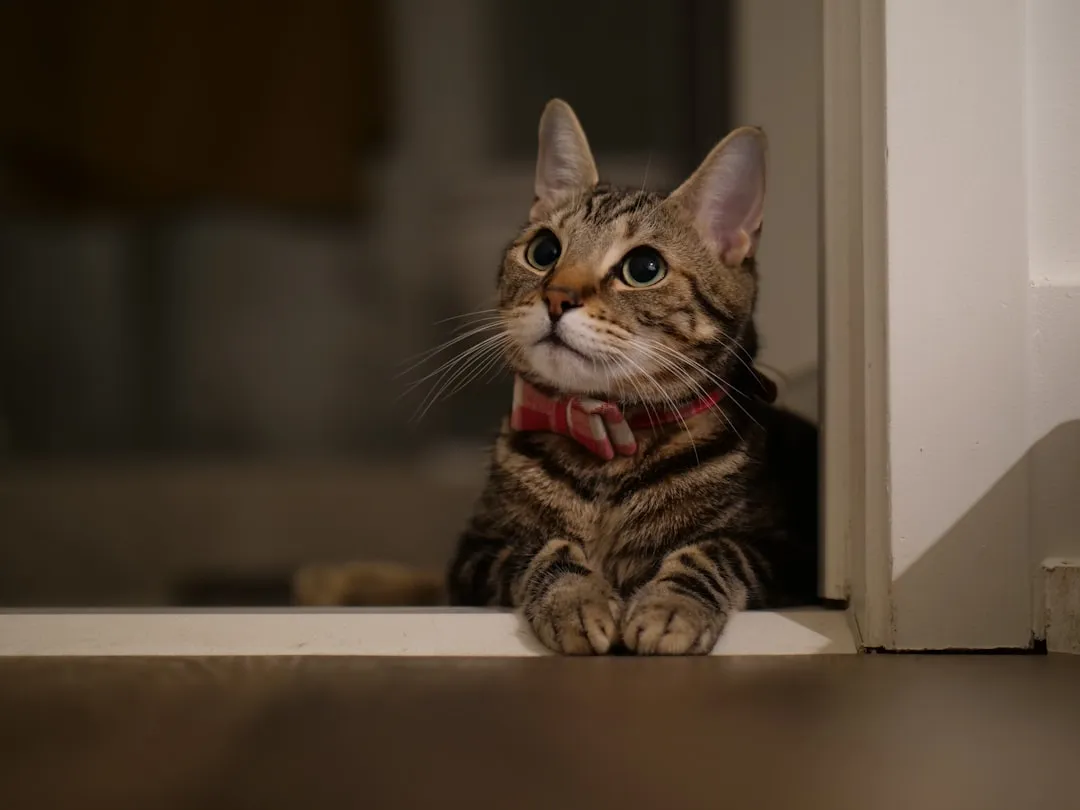
Pay attention to where your old cat rests, not just who they rest near. The doorway thing is common – senior cats suddenly love parking themselves right in thresholds: between the bedroom and hall, the kitchen and living room, inside and outside.
It looks random until you think like a cat. Doorways are vantage points – they can see and hear multiple zones while barely moving, which is exactly what an aging body needs. Many guardians describe it as their cat “hovering between spaces” more than they ever used to, half an eye on the house, half an eye on you. It’s a smart compromise between staying curious and staying comfortable – a way to stay part of the household’s flow without overextending a body that can’t afford to.
#5 – Letting You See Their Belly Without Actually Wanting Rubs
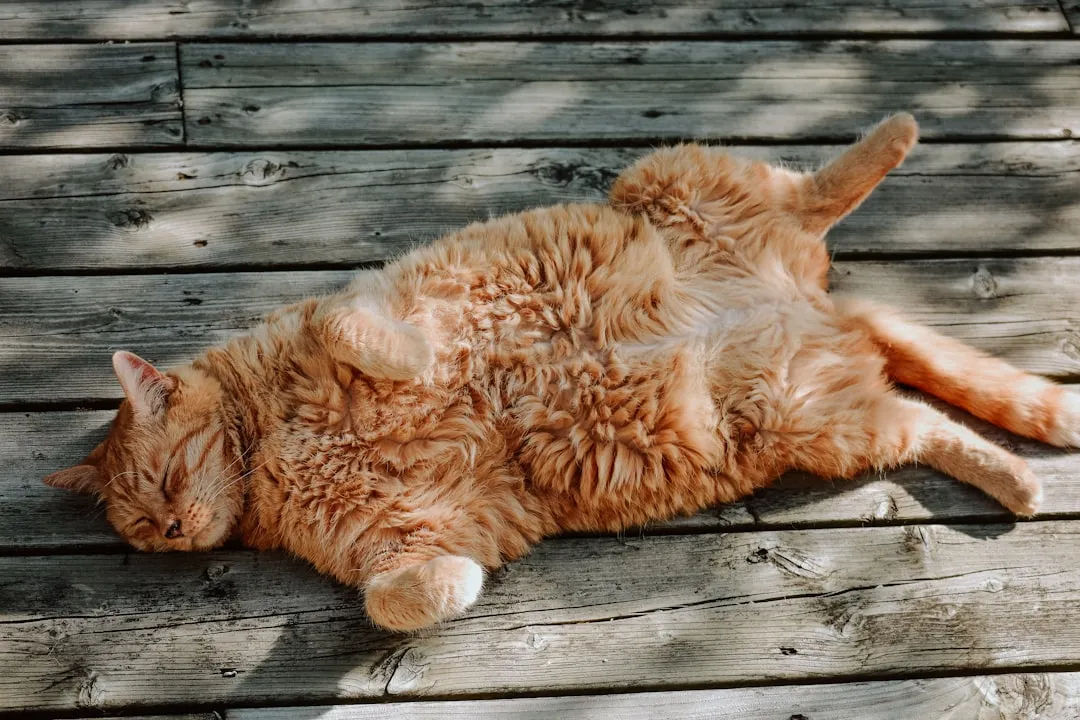
A young cat flashing its belly is often playful, sometimes a trap. An old cat doing it usually means something much quieter. In their last good months, some seniors will lay on their side near you, exposing that soft belly area, and just… stay there.
They’re not asking for wrestling – many will gently push your hand away if you try to rub too much. What they’re really doing is giving you full visual access to their most vulnerable area, the heart, the lungs, and trusting you not to exploit it. For an animal wired to protect that exact spot, it’s a huge statement. Most people misread it as laziness. But choosing to show you that vulnerability, without wanting anything physical in return, is its own kind of intimacy.
#4 – Seeking Sunspots At Odd Times, Especially When You’re Home
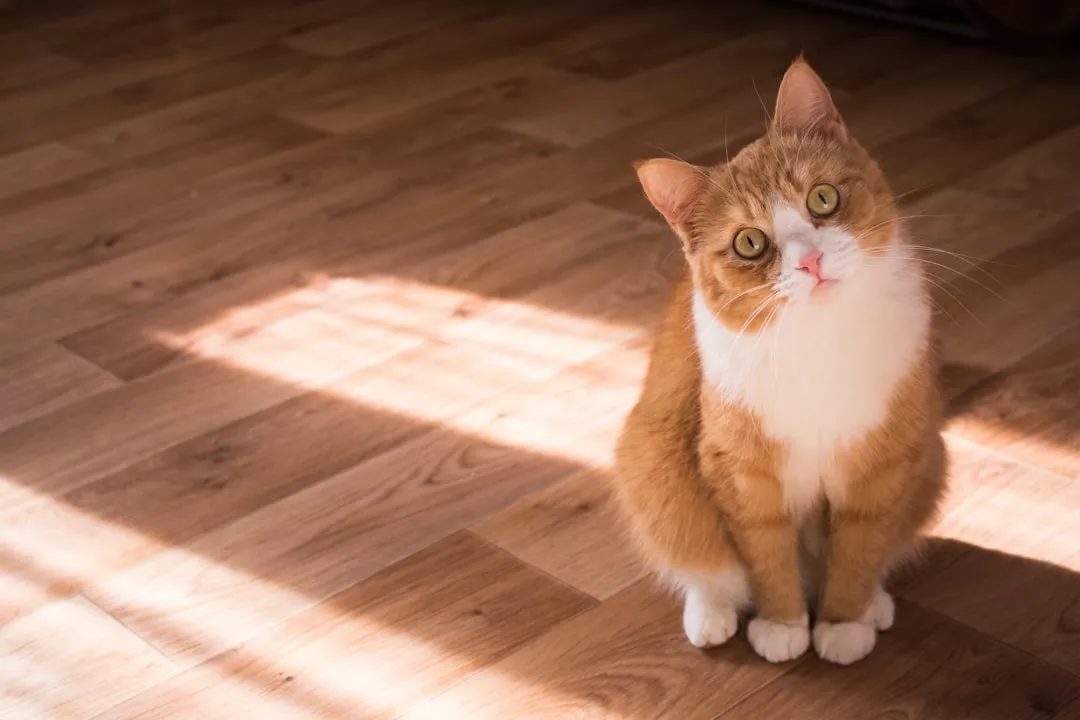
Cats of every age love a sunbeam. But seniors do it differently, and more meaningfully, than most people ever notice. As their joints ache and circulation slows, old cats get almost strategic about warmth.
You might see your cat change its whole nap schedule to sync with when the sun hits a spot near where you sit, abandoning a long-loved bed for a short-lived patch of light closer to you. Heat soothes pain, but so does your presence, and combining both is peak comfort for an aging body. Most people just think “aww, sunbathing.” The real story is a little harder to hear: heat is one of the simplest pain-relief tools an animal can choose for itself, and the sweet part is they keep choosing to do it in your orbit, not off in some corner alone.
At a Glance
- Sleeping more and slowing down are normal, expected parts of feline aging, not signs of giving up.
- Warmth eases stiff joints, so a sunny spot often does double duty as comfort and pain relief.
- A cat who naps in the sun right next to you is choosing closeness, not just heat.
#3 – Being Weirdly Calm At Vet Visits (Or Only Calm If You’re There)
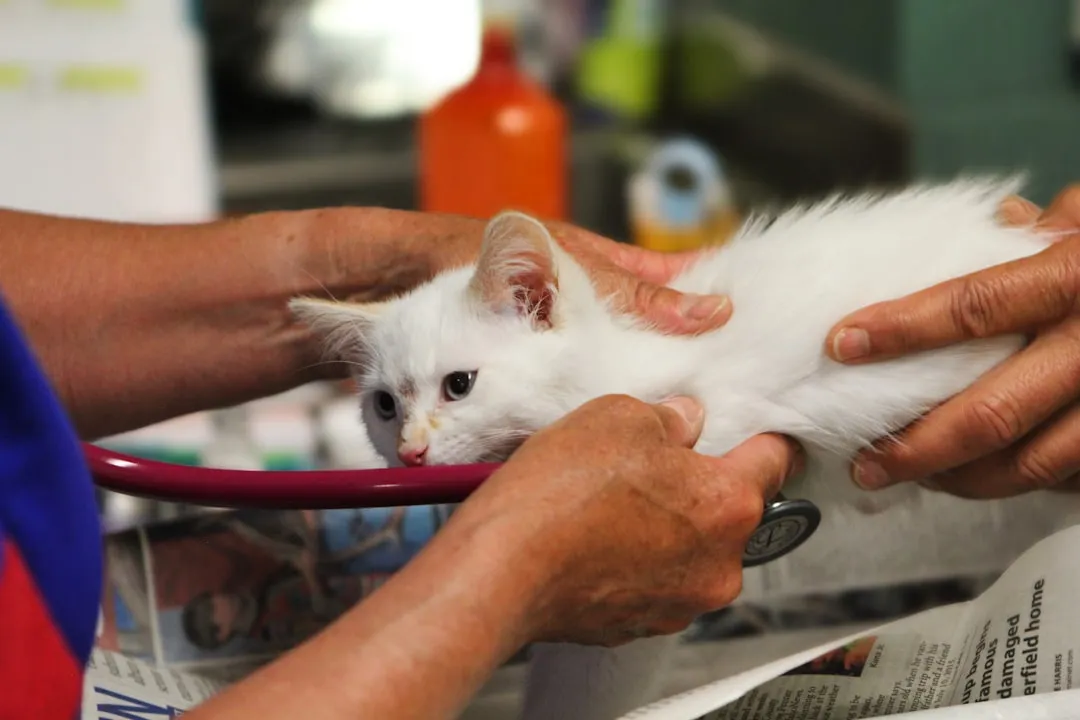
This one unsettles a lot of guardians because it feels so different from the cat they remember. Some seniors, especially ones who fought the vet tooth and claw in their youth, suddenly go remarkably calm, even resigned, at the clinic – particularly when their person is touching them.
That doesn’t automatically mean they’ve given up. More often, it means they’ve run the math: their body is tired, fighting hurts more now, and you’re there. They lean into you, literally and emotionally.
- They bury their head in your arm instead of clawing at the carrier.
- Their eyes go soft when you talk, even while the vet is examining them.
- They stay quiet on the ride home, then stick closer to you than usual.
People argue over whether this is bravery or shutting down. It’s probably both. But the part that matters is simple: in the scariest room of their shrinking world, they’ve decided you’re the safest thing to hold onto.
#2 – Carefully Choosing One “Last” Favorite Spot In the House
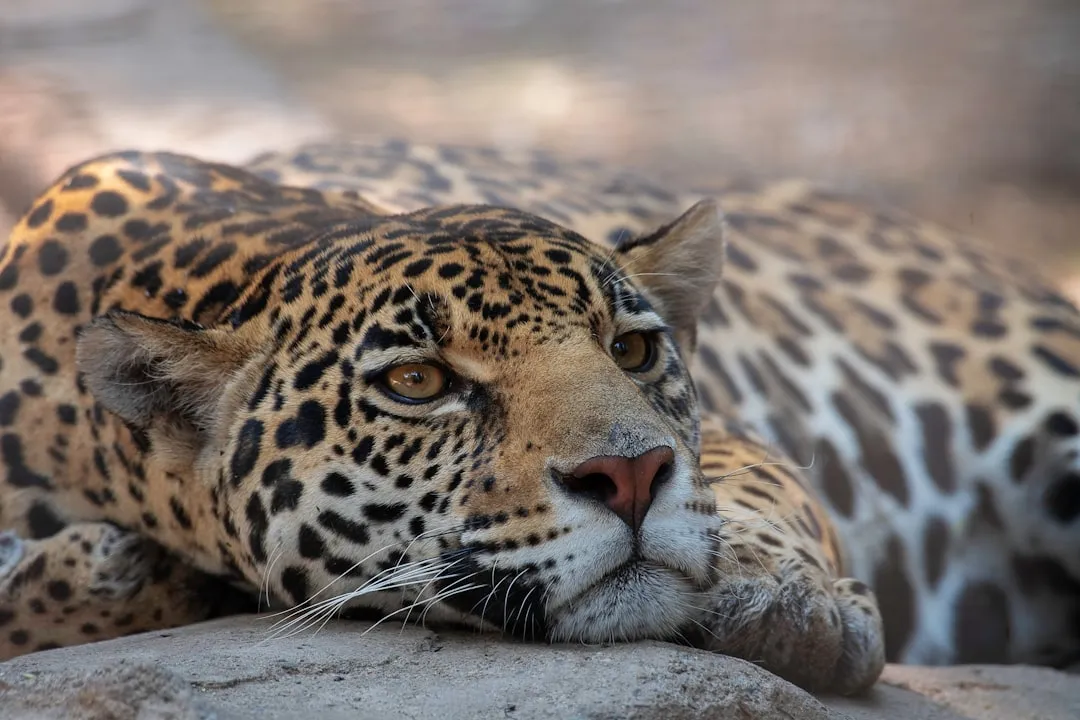
In those final good months, many cats pick one place and slowly promote it from “nice nap spot” to “home base.” It might be the corner of the couch, the foot of the bed, one particular chair, even a plain rug. What changes is the consistency.
You’ll notice your cat gradually stop rotating through the old hangouts, returning instead to one or two main spots, usually wherever they can see or hear you most easily. They’re shrinking their own territory on purpose – less ground to patrol means less pain and less stress, while they still keep an eye on their person and the main action. People sometimes mistake this for depression when it’s really a strategic, quietly dignified downsizing. They’re editing their world down to what actually matters: comfort, safety, and you. Later, that spot will feel haunted in the best and worst way at once.
#1 – The Sudden, Deep Stare That Feels Like They’re Memorizing You
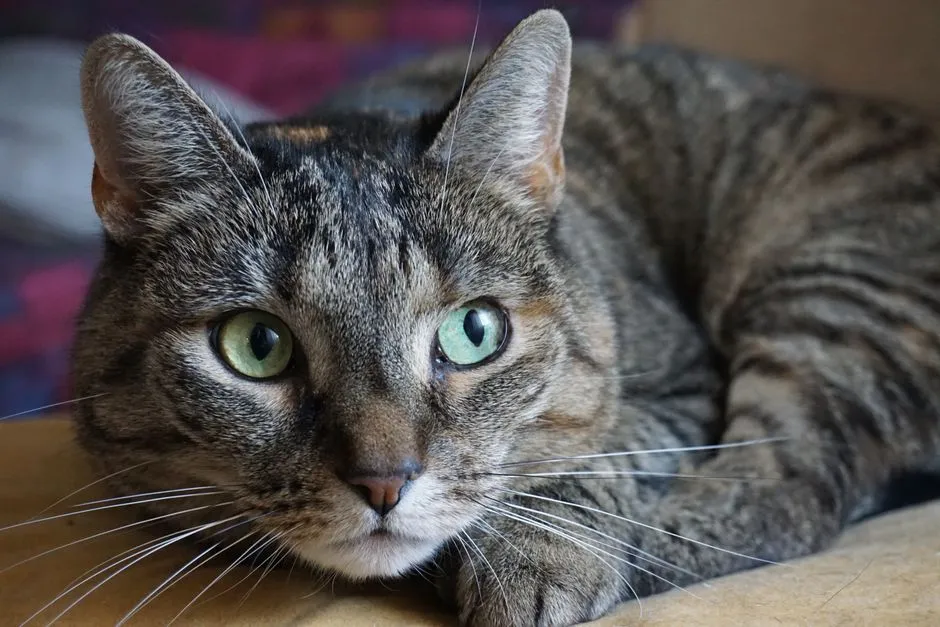
Ask any longtime cat person, and they’ll quietly admit this: the last months often bring a different kind of eye contact. Every so often, an old cat will lock eyes with their person and just hold the gaze – no blinking, no demanding, no obvious goal. It can happen on the couch, in bed, even mid-phone-call.
Guardians describe it as “like she was trying to tell me something” or “like he was memorizing my face.” We can’t prove that behaviorally. But for a species that instinctively avoids direct eye contact, choosing to hold your gaze is enormous. It’s likely them checking in with the one constant in a body that keeps shifting under them, anchoring themselves to what still feels safe. You don’t have to romanticize it to admit it hits differently. That look tends to stick with people for years, long after the food bowls and toys are gone.
The Bottom Line
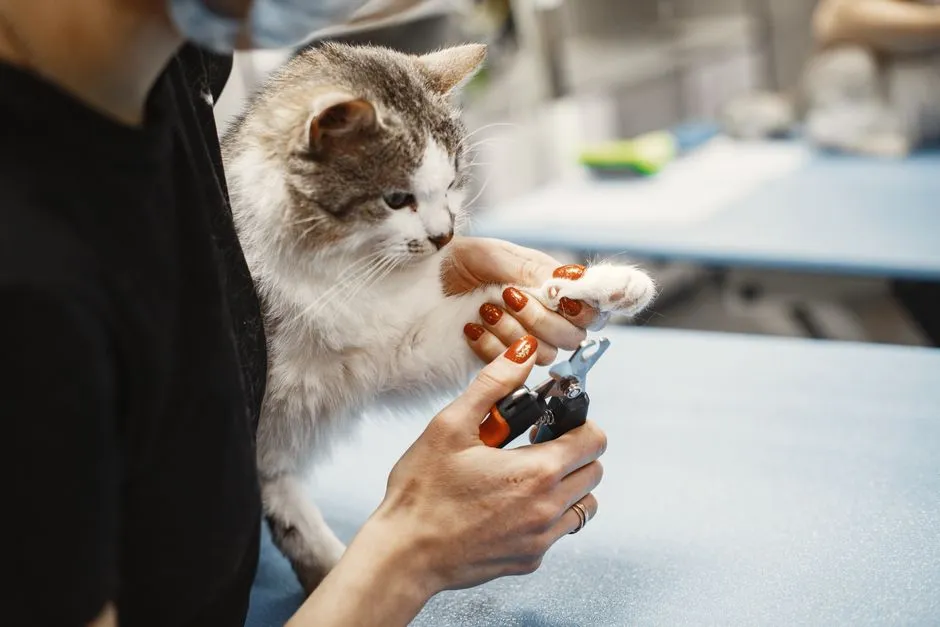
Old cats don’t just “get sleepy.” In their last good months, they quietly rewrite the entire language of how they love you – smaller territory, softer voices, strategic sunspots, gentle grooming, silent check-ins in the dark. Most of it is so subtle that if you’re not paying attention, you’ll miss the most meaningful chapter of your life together.
Some of this is about pain, fear, and survival, and pretending otherwise doesn’t honor them. But inside that harsh biology, there’s still choice – they keep choosing you, even when it costs them real effort. Not every cat will show every sign on this list. Some will pick just a few and lean into them hard, and that’s still enough.
The real mistake is assuming nothing important is happening simply because it isn’t loud. If you’re lucky enough to catch these tender shifts while they’re still happening, you can meet them halfway – with gentler hands, more patience, and far fewer regrets later. Which of these have you already seen in your own senior cat, and what did it mean to you when you finally noticed?

- 16 Tender Things Your Old Cat Does in Its Last Good Months That Most People Never Notice - August 3, 2026
- 13 Things Master Gardeners Say Beginners Learn Far Too Late to Save Their Very First Garden - August 3, 2026
- The 20 Ways a Rescue Horse Shows It Has Finally Given Its Heart to One Single Person - August 3, 2026