
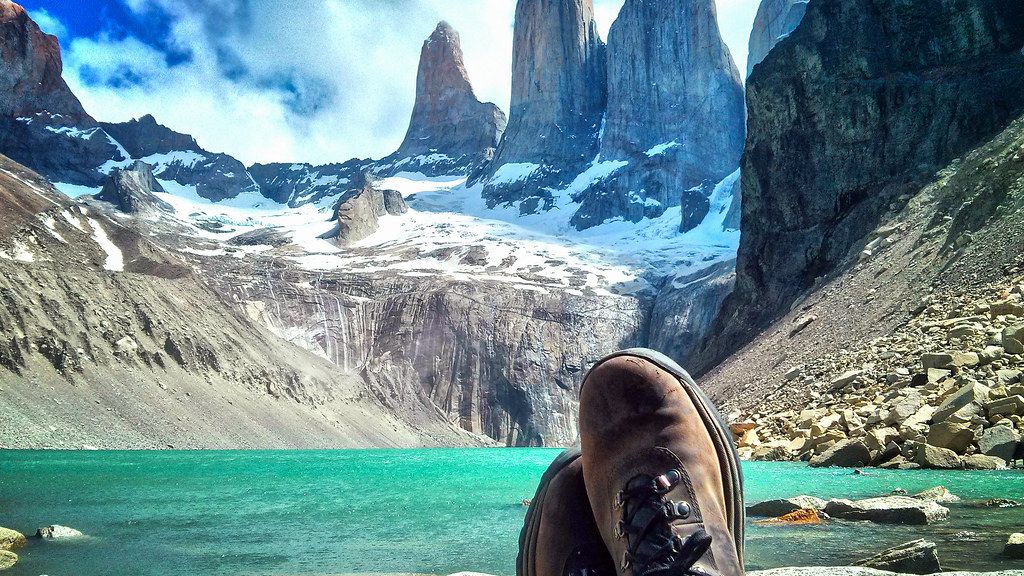
There is something deeply human about walking toward danger on purpose. Not the reckless kind of danger, but the raw, earned, electric kind – where the ground narrows to the width of your shoulders, the wind picks up, and your legs remind you they are made of flesh and not confidence. Around the world, trails exist that would make even seasoned adventurers pause, reconsider, and then, almost always, keep going anyway.
Some of these routes have claimed lives. Some have been temporarily closed, rebuilt, and reopened. Others have stood unchanged for centuries, daring every new generation to try them. What they all share is something you simply cannot replicate on a treadmill or a city trail. So let’s dive in – because these ten hikes are not just paths. They’re experiences that will stay with you, whether you complete them or not.
1. Angel’s Landing, Zion National Park, USA – Where the Illusion of Safety Ends Fast
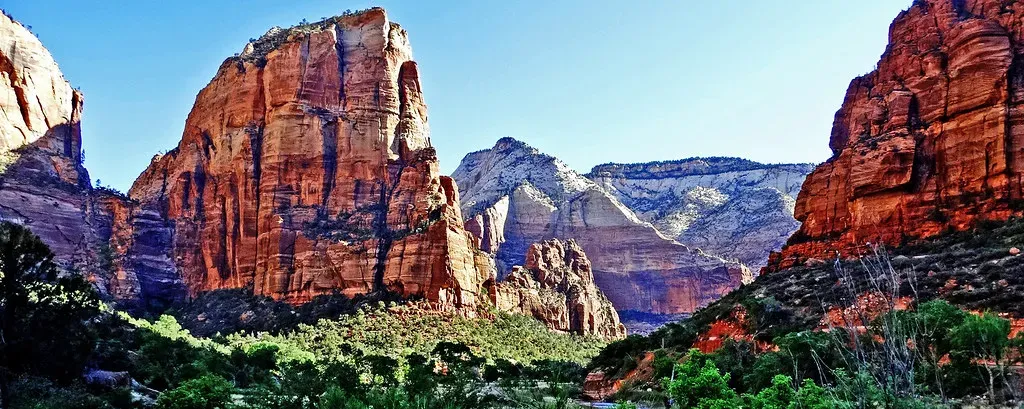
Here’s the thing about Angel’s Landing – it tricks you. It goes from deceptively easy to one of the most dangerous trails in America in a matter of minutes. The early portion lulls hikers into a false sense of comfort, with a wide, well-maintained path that feels accessible to nearly anyone in decent shape. That sense of calm is a lie.
That illusion ends after the climb to Scout Lookout. Beyond that point, the trail narrows dramatically. The final stretch is less than three feet wide in places, with chains bolted into the rock to help hikers steady themselves. On either side, the canyon drops away hundreds of feet, leaving no room for error and little space to pass other hikers. It’s the kind of place where one wrong step at peak crowd time is genuinely catastrophic.
Between 2007 and 2024, Zion National Park recorded 59 fatalities, averaging approximately 3.3 deaths per year. Angel’s Landing was responsible for more than 18. A permit lottery now governs access, allowing you to plan well in advance and choose flexible date ranges or specific days for your hike. If you’re serious about doing it, apply early and respect what awaits you.
2. Kalalau Trail, Kauai, Hawaii, USA – Paradise With a Body Count
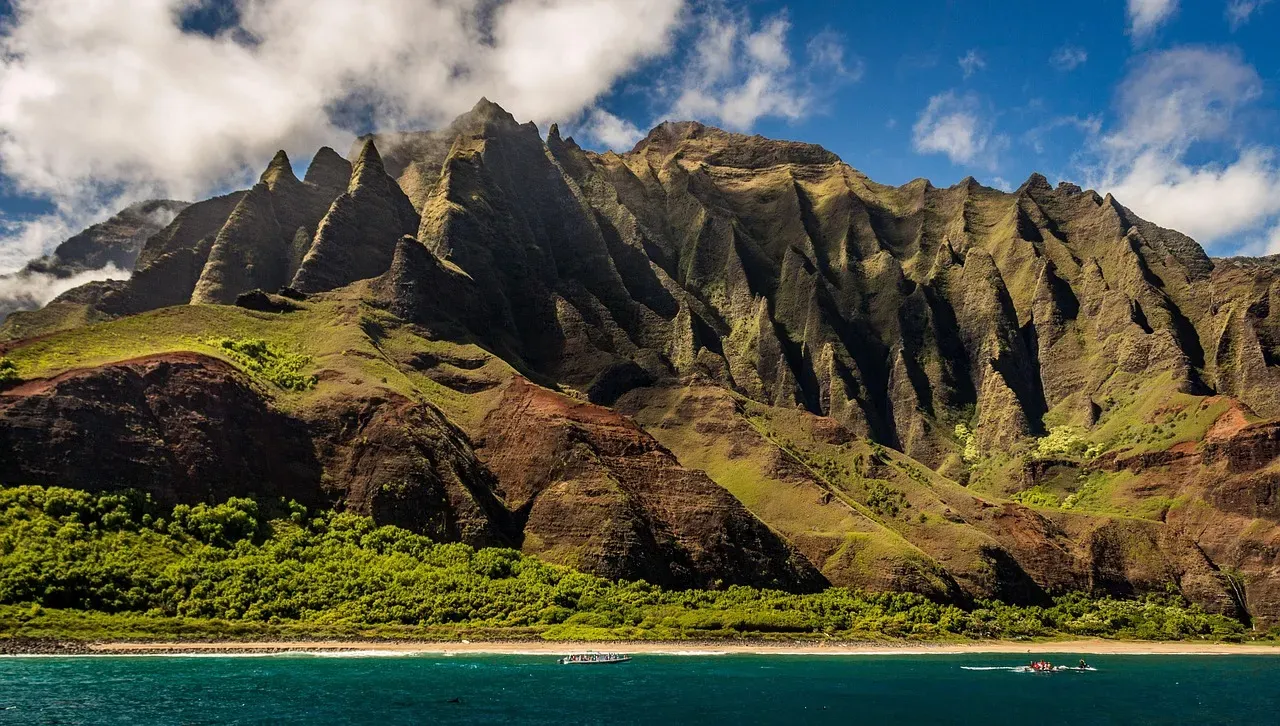
Kauai’s Kalalau Trail traverses 11 miles of the Na Pali Coast, dipping into emerald valleys, beneath towering cliffs, and past hidden waterfalls – yet flash floods and rockslides can turn its beauty terrifying. I honestly think this is one of the most deceptive trails on earth. It looks like a postcard, then behaves like a trap.
The trail follows narrow ledges carved into sea cliffs, with several exposed sections, most notably Crawlers Ledge, where footing is precarious and one misstep means a fatal fall. Tropical storms and rainfall happen frequently, triggering flash floods that can turn stream crossings into impassable torrents. Hikers caught between swollen streams and cliffs have died trying to cross back. The scenery is breathtaking, but the trail demands total situational awareness every step of the way.
Permits are mandatory beyond mile 2, with camping only at Kalalau Camp to protect fragile ecosystems. Hikers must carry a reliable water filter, a bear-proof food canister to deter wild pigs, and an ultralight tent sturdy against coastal winds. Check weather conditions obsessively before you go. This trail does not care how prepared you think you are.
3. Huashan Plank Walk, China – The Most Surreal Thing You’ll Ever Strap Into
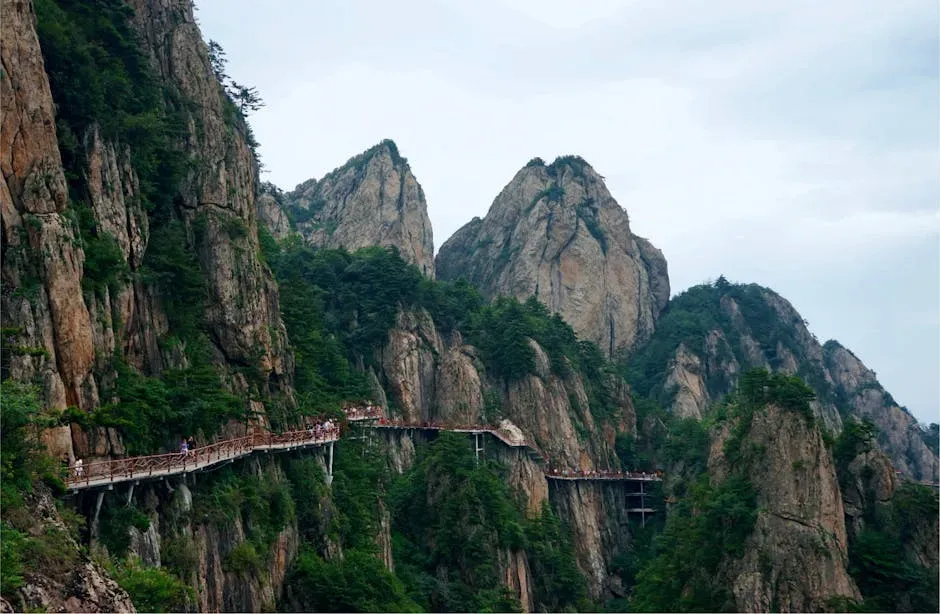
Imagine inching across a wooden plank, maybe eighteen inches wide, bolted to the side of a sheer mountain cliff thousands of feet above the ground. No net. No guardrail. Just the plank, a steel cable to grip, and the terrifying view straight down. The Huashan Plank Walk clings to a near-vertical cliff with wooden planks only a few feet wide. Harnesses are mandatory as hikers navigate sheer drops and high winds.
One of the craziest hiking experiences devised by man, the trail up China’s stunning Mount Hua will have you inching across narrow wooden planks thousands of feet in the air. There are no nets or guardrails to catch you if you slip. You’ll climb creaking ladders, cling to wobbly cables, and encounter staircases so vertical they make even seasoned mountaineers dizzy with dread. It sounds insane. Honestly, it is. Yet thousands attempt it every year.
Mount Hua Shan is notorious for its perilous cliffside trails and plank paths over sheer drops. Chains and wooden steps help guide hikers through extreme exposure, but a single misstep can be deadly. Weather can change rapidly, increasing risk, while vertigo may pose an additional challenge. Think carefully before you book that ticket.
4. El Caminito del Rey, Spain – The Walkway That Came Back From the Dead
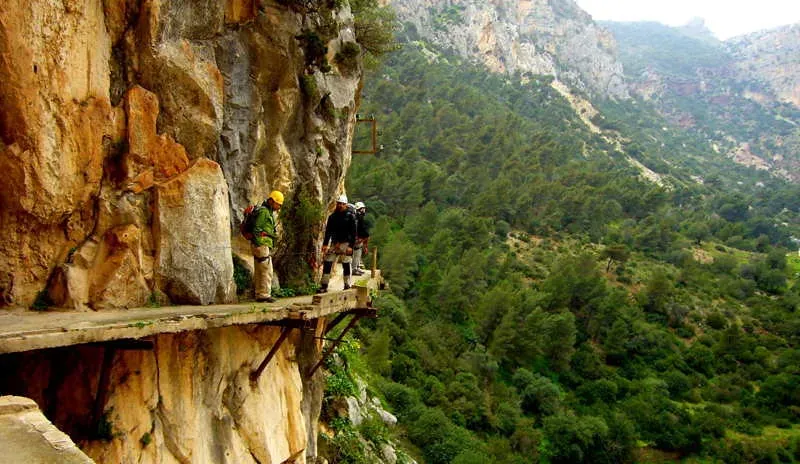
Once a perilous ruin, El Caminito del Rey was originally carved into the sheer limestone walls between 1901 and 1905 to facilitate dam construction. By the 1990s, crumbling planks earned it the title “world’s most dangerous walkway.” For years it was an illegal thrill-seeker’s obsession, a gauntlet of rotting concrete and missing sections suspended over a gorge.
After a €9 million restoration and five years of engineering work, it reopened in 2015 with reinforced stainless-steel walkways, high-strength guardrails, and even a cantilevered glass-floored viewpoint. Access remains tightly controlled, with only 300 tickets per day, all reserved online weeks in advance. Visitors must don ASTM-approved helmets at the entrance and are accompanied by trained guides at a maximum ratio of 1:12.
It’s safer than it once was, sure, but “safer” is relative when you’re walking a narrow ledge above a gorge hundreds of feet deep. The exposure is still real, the adrenaline is still real, and the scenery is still absolutely stunning. Opt for autumn or spring weekday mornings for cooler conditions and thinner crowds.
5. Half Dome, Yosemite National Park, USA – Lightning, Cables, and the Summit That Fights Back
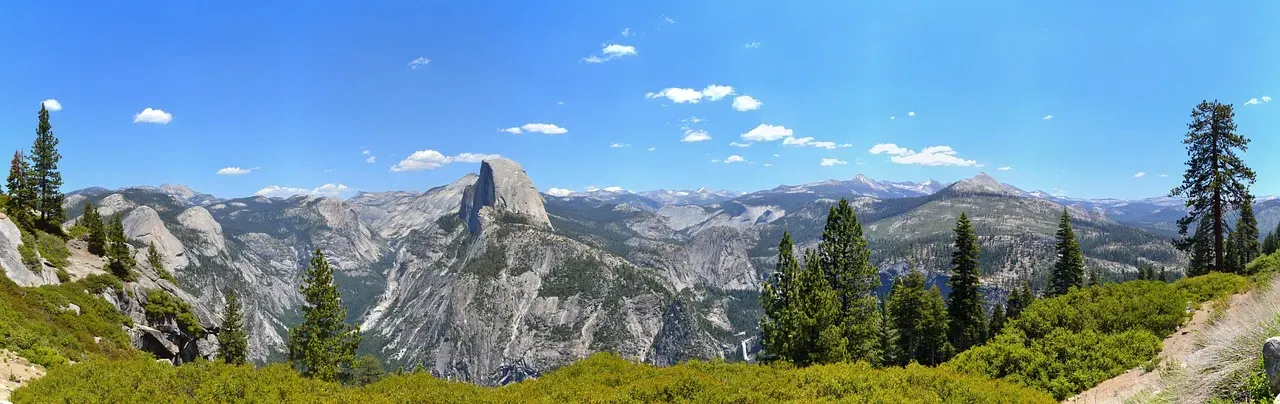
Half Dome features a 14 to 16 mile trail with a steep cable ascent along sheer granite walls. Climbers face fatigue, lightning, and slippery surfaces that make the route extremely dangerous. Think of it like an Olympic-level challenge disguised as a day hike. Most people arrive underestimating it. Some don’t get a second chance to adjust that assumption.
The last 400 feet to the summit requires using a vertical cable trail to scale the dome’s slippery face. In addition, the peak frequently hosts afternoon thunderstorms – almost as many hikers have died from lightning strikes as from falls. That statistic alone should give any potential hiker a moment of pause. Lightning, at elevation, on an exposed granite dome, is not a scenario you can outrun.
Here’s what you’ll need for this climb: extremely grippy shoes, extremely grippy gloves, plenty of water and food, sunscreen, and a permit to climb the cable trail. Permits are distributed by lottery two days in advance, so be sure to apply early. The cable trail is only open during the summer months, from mid-May to October, depending on the weather. Plan ahead and respect the mountain’s timeline, not your own.
6. Huayna Picchu, Peru – The Inca Peak That Earns Its Nickname
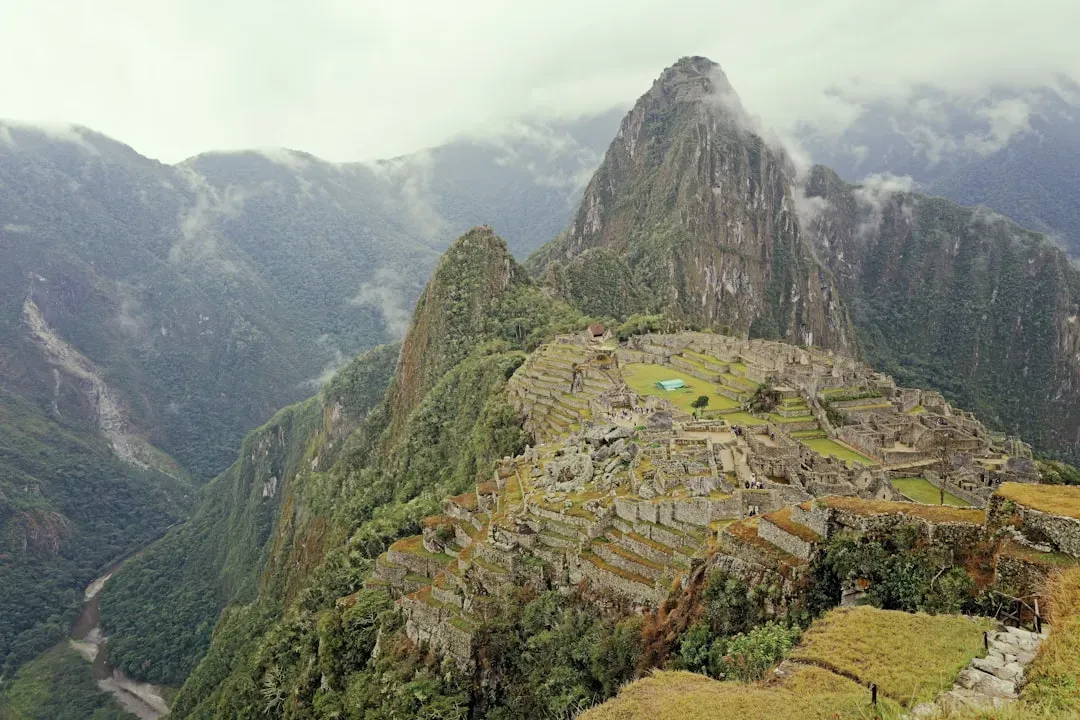
You know that iconic mountain you see looming behind every photo of Machu Picchu? That’s Huayna Picchu, and yes, you can climb it. Towering 1,180 feet over the lost city of Machu Picchu, the peak offers astounding views of Peru’s sacred valley. Gaining more than 1,000 feet in elevation over one mile, many fondly refer to it as the King of Inca stairmasters. It’s compact, intense, and completely unforgettable.
The famous death stairs reach an angle of over 60 degrees at some points. There’s no railing to hold on to, so extreme caution is required when navigating this section of the descent. In wet conditions, those ancient Inca stones become genuinely treacherous. Archaeological evidence suggests that during the 15th and 16th centuries, it served as a strategic lookout and a ceremonial site. Narrow stone paths, terraces, and small temples built along its slopes indicate its importance in religious practices, possibly dedicated to Inti, the Sun God.
Only 300 permits are available each day to access Huayna Picchu. The hike takes 2 to 3 hours and is enriched by diverse flora and fauna, with opportunities for breathtaking photographs. The best time to hike is during the dry season from May to September, though the weather can be unpredictable year-round. Book months in advance. This one sells out fast, and for very good reason.
7. Trolltunga, Norway – The Ledge That Demands You Earn It
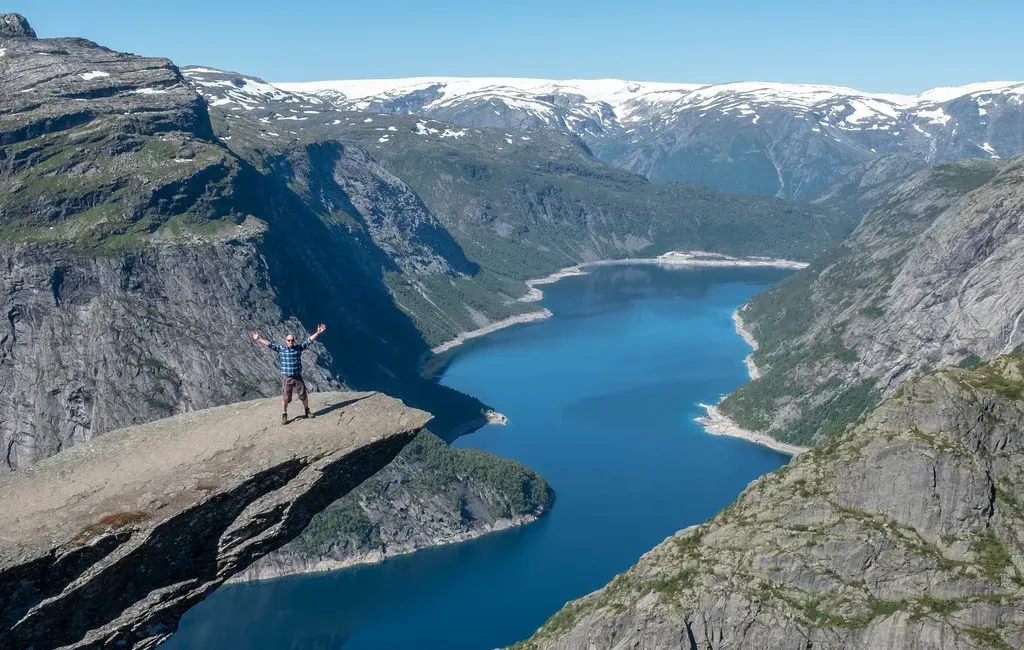
Trolltunga is a rock ledge jutting out over Lake Ringedalsvatnet, reached via a 10 to 12 hour hike with steep climbs and rugged terrain. Sudden rain and strong winds make the trail slippery and risky. Proper gear, physical fitness, and awareness of weather conditions are essential. It’s the kind of hike where people dramatically underestimate the return journey. The ledge photo is gorgeous, but getting there and back is a full-day physical battle.
The iconic ledge provides stunning fjord views, ideal for photography and breathtaking selfies. While dangerous, the trail rewards hikers with dramatic scenery, a sense of achievement, and one of Norway’s most unforgettable vistas. Trolltunga requires endurance, caution, and preparation for a thrilling, once-in-a-lifetime hiking adventure. More than one hiker has been caught out here after dark, underprepared for how long the return leg truly takes.
8. Orla Perc, Tatra Mountains, Poland – Europe’s Most Notorious Ridge
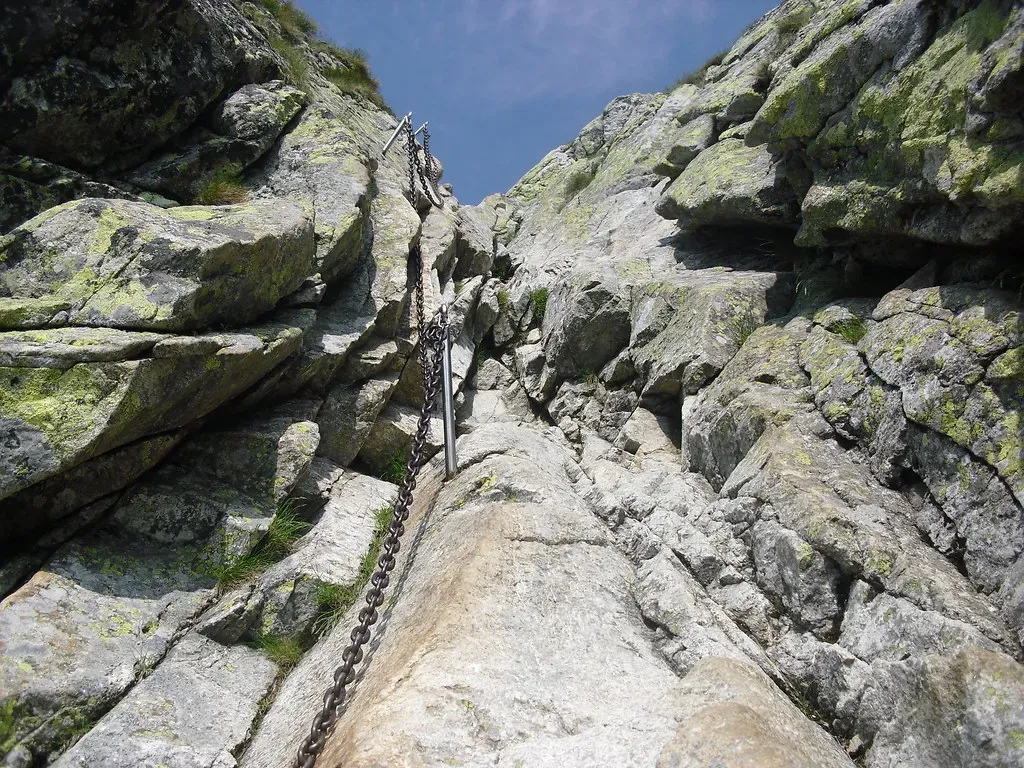
Let’s be real – most people outside of Poland have never heard of this one. That’s a shame, because Orla Perc in the Tatra Mountains is Europe’s most notorious ridge trail, a 14 km scramble above 7,546 feet with chains, ladders, and 328-foot drops. It is, in essence, a mountain scramble that wears the costume of a hiking trail.
Since the early 1900s, over a hundred hikers have perished here – among them a solo trekker caught in a thunderstorm at Zawrat Pass, who clung to dripping chains until fellow climbers shared rope and guided him to safety. Weather in the Tatras can shift from brilliant sunshine to violent storms in under an hour. The chains are not an optional accessory. They are your lifeline.
9. Mount Washington, New Hampshire, USA – The Deadliest Small Mountain in the World
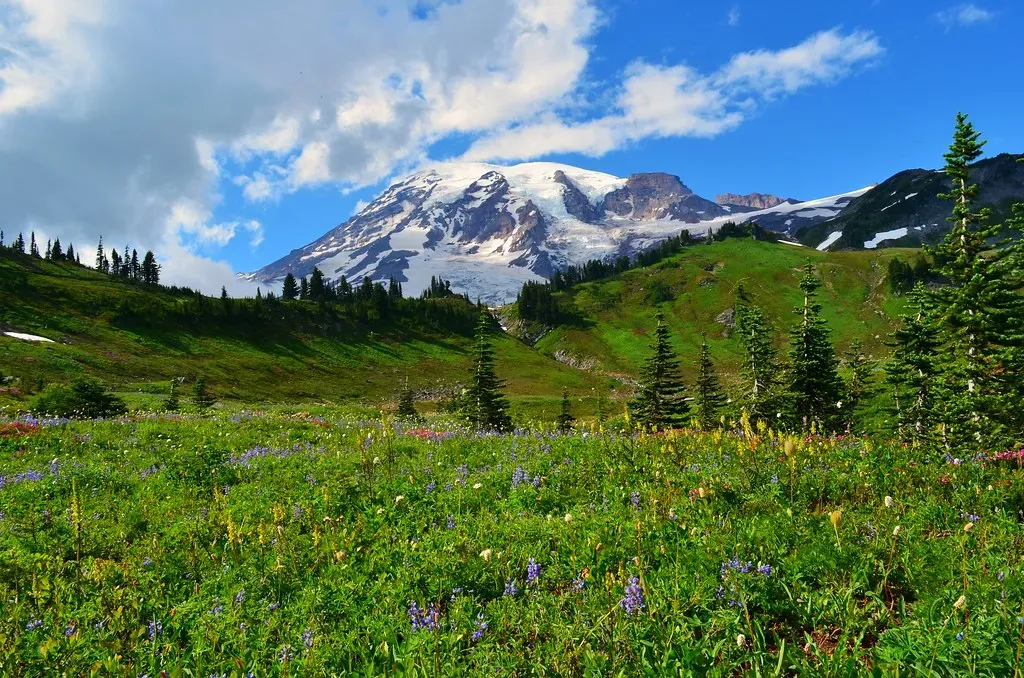
Here’s a mountain that looks modest on paper. At just 6,288 feet, it barely registers compared to the Rockies or the Alps. Yet Mount Washington, the tallest peak in New England, is deceptively dangerous. Between death by exposure, falls, and avalanches, this peak in New Hampshire’s Presidential Range has one of the highest fatality rates of mountains in the entire country. It has earned that reputation through sheer, relentless brutality.
The Mount Washington Observatory famously clocked a wind speed of 231 miles per hour back in 1934, which held the record for fastest wind speed ever recorded for over 60 years. Today, the mountain experiences hurricane-force winds approximately every four days. Think about that. Every four days, the wind on this accessible, well-trailed summit reaches hurricane force. That’s not an extreme event. That’s Tuesday.
The peak averages 25 rescues each year and has claimed over 150 lives since recordkeeping began in 1849. Victims range from woefully underprepared beginners to expert hikers with decades of experience. The trails are unforgiving, the weather shifts without warning, and there are even signs at treeline warning of potential death from exposure. You have been warned.
10. West Coast Trail, Vancouver Island, Canada – Beautiful, Brutal, and Unforgiving
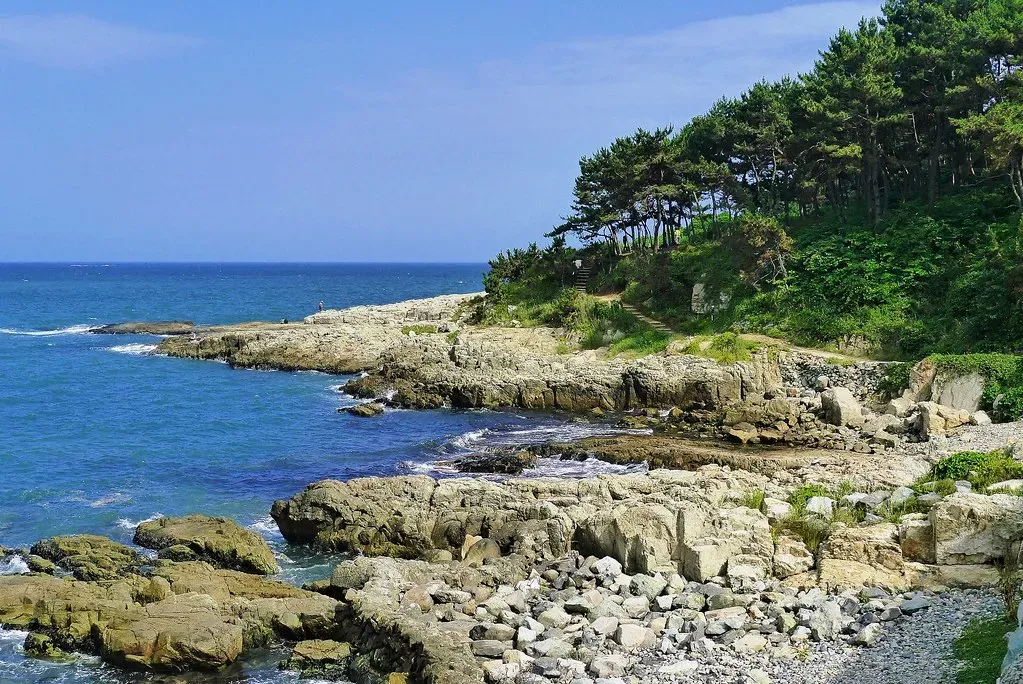
This 48-mile trail along the Pacific coast boasts some of the most rugged terrain in the world. Tread the seaside portions of the trail at your peril; a high tide may leave you stranded, or a rogue wave may sweep you out to sea. The woodland portions will have you clambering down narrow wooden ladders and crossing deep chasms by means of rickety bridges and boardwalks. It is, in short, an experience designed to test absolutely everything you have.
If you stop at a campsite for the night, watch where you put your food. The trail is known for wolves, cougars, and grizzly bears. The weather is frequently bad as well, often dumping inches of rain in just a few hours. It’s hard to say for sure what surprises most first-timers about this trail, but the combination of wildlife, tidal risk, and relentless terrain together creates an experience unlike anything else in North America.
The classic West Coast Trail covers 47 miles around southern Vancouver Island, with stunning ocean scenery at Bonilla Point and accessible sea caves at Owen Point. The hike involves scaling ladders, wading through rivers, and battling along muddy tracks, but with the bonus of being able to camp out in spectacular open country. Although self-guided, walkers need to reserve a place on the trail at the start of the year, with spaces severely limited.
Conclusion: Beauty and Danger Are Old Friends
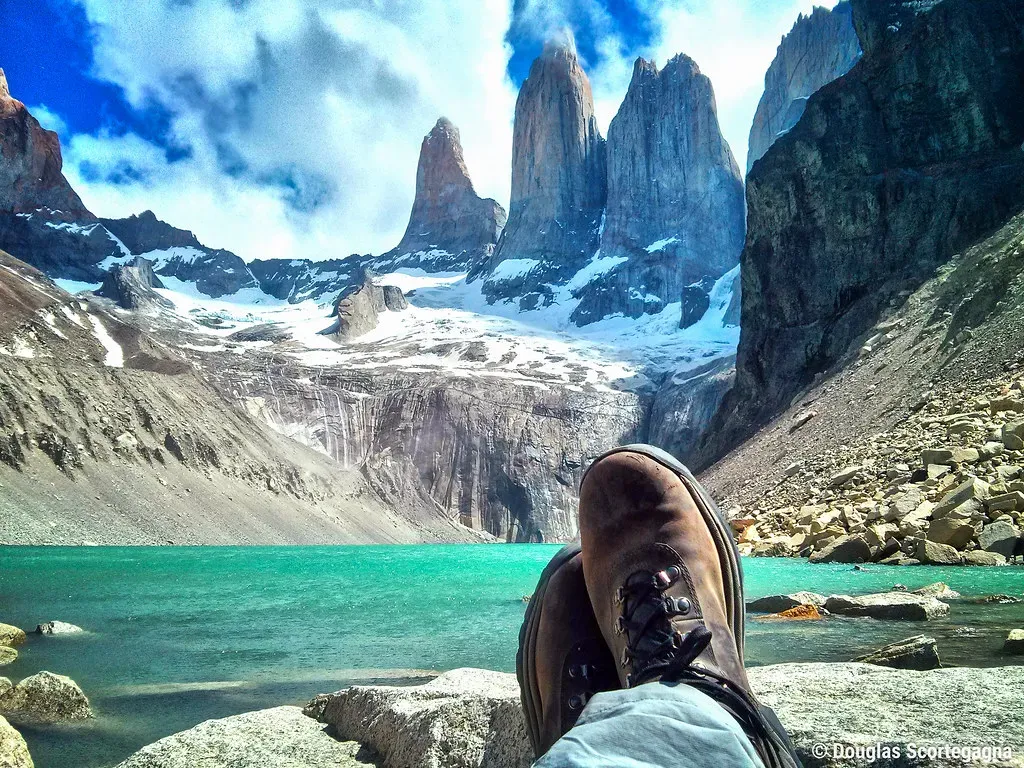
What strikes me most about this list is not the danger itself – it’s the fact that all of these trails remain open. Despite the fatalities, the rescues, and the hair-raising accounts from survivors, authorities and park services continue to trust people with access to these wild, unforgiving places. That is, honestly, something worth respecting.
These trails aren’t just tests of physical fitness. They are tests of judgment, preparation, humility, and self-awareness. The hiker who turns back at the right moment is not a failure. The hiker who ignores warning signs to get the shot or reach the summit is the one who ends up in a rescue statistic. Extreme weather, high altitudes, and exposed routes make preparation essential. Only experienced adventurers who respect nature’s power and follow safety precautions should attempt these routes.
If this list has stirred something in you – a spark of curiosity, a shiver of excitement, or even a quiet resolution to book a flight – then good. The world’s wildest trails are waiting. Just make sure you arrive ready. Which of these ten would you dare to attempt first? Tell us in the comments.

- 7 Backyard Habits That Attract Raccoons - August 6, 2026
- 8 Humane Ways to Keep Rabbits Out of Vegetable Beds - August 6, 2026
- 9 Fascinating Facts About Elephants That Will Absolutely Blow Your Mind With Awe - August 6, 2026