
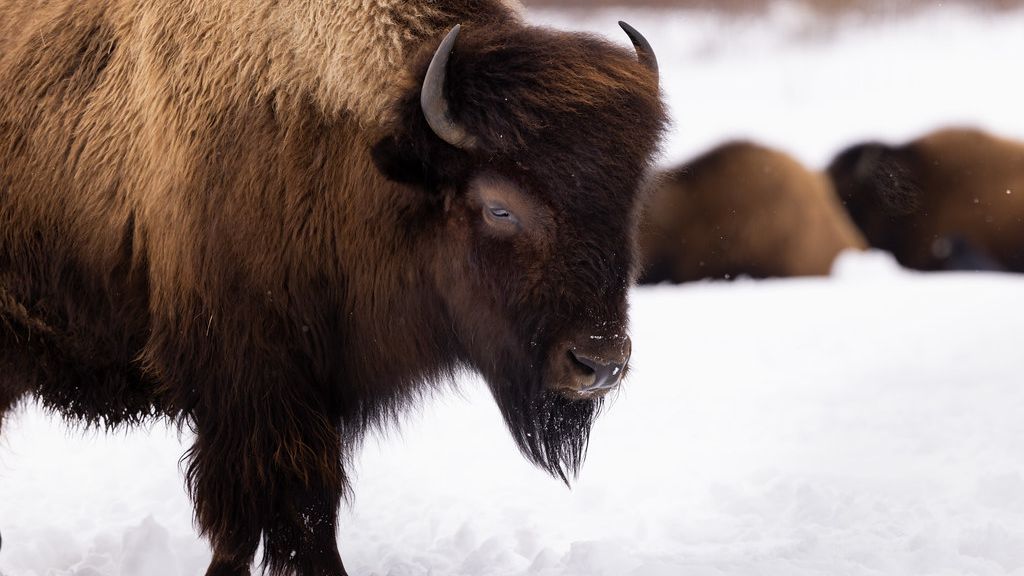
There are comeback stories in nature, and then there is the story of the American bison. Few chapters in wildlife history are as simultaneously heartbreaking and inspiring. The bison was once a living symbol of an untamed continent, thundering across endless grasslands in numbers almost too vast to imagine. Then came the rifles, the railways, and the politics of erasure.
What followed was not a gentle decline. It was a near-total annihilation, completed in just a matter of decades. Remarkably, this is also a story about the stubborn, defiant refusal of a species to disappear entirely. Let’s dive in.
A Kingdom Without Borders: The Bison’s Original World
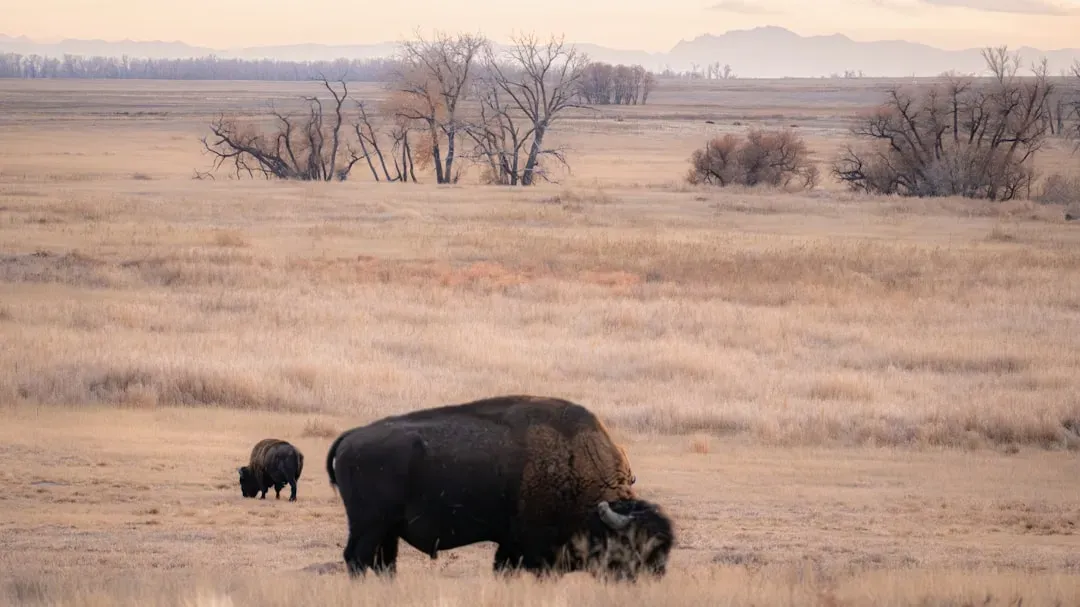
Honestly, it is difficult to wrap your head around what this continent once looked like. The expanses of grass sustained migrations of an estimated 30 to 60 million American bison, which could be found across much of North America. That is not a population. That is a phenomenon.
While they ranged from the eastern seaboard states to southeast Washington, eastern Oregon, and northeastern California, the greatest numbers were found within the great bison belt on the shortgrass plains east of the Rocky Mountains that stretched from Alberta to Texas. They were everywhere. Literally everywhere.
Before the 19th century, bison were a keystone species for the native shortgrass prairie habitat, as their grazing pressure altered the food web and landscapes in ways that improved biodiversity. Think of them less like animals and more like a living force of nature, one that shaped entire ecosystems simply by doing what they do naturally: roam, graze, and move on.
Bison hunting was fundamental to the Indigenous peoples of the Great Plains, providing more than 150 uses for all parts of the animal, including being a major food source, hides for clothing and shelter, bones and horns as tools as well as ceremonial and adornment uses. For many Native nations, the bison was not just food or resource. It was life itself, woven into culture, ceremony, and survival.
The Slaughter: How an Entire Species Was Almost Erased
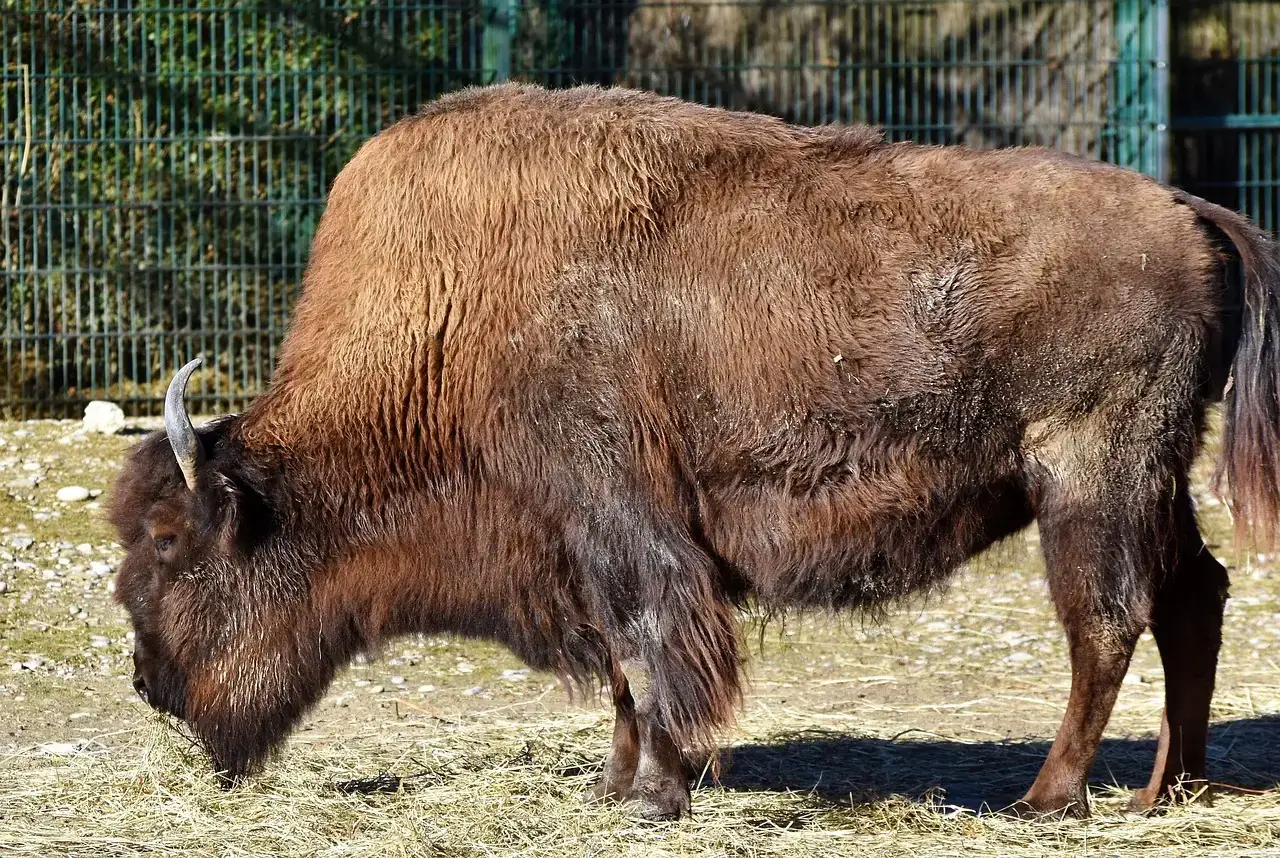
Here is the thing about what happened next. It was not purely accidental. In the late 19th century, the U.S. government encouraged mass hunting of bison in an organized effort to destroy the livelihoods of Plains Indians. The destruction of the bison was, in many ways, a political weapon.
Hunters slaughtered bison across the Great Plains by the thousands, slicing the population from 30 million to just over 1,000 by 1890. To put that in perspective, imagine losing virtually an entire population of any species in under a century. It is almost unthinkable.
By 1889 there were just 541 bison left alive in the whole of North America. Humans had succeeded in wiping out nearly 60 million bison in under ninety years. No predator in nature could ever achieve that kind of devastation. Only us.
The persecution of bison contributed to the decline of healthy grassland ecosystems and, eventually, to the Dust Bowl in the 1930s. The loss of the keystone species, coupled with land conversion, led to declines of other important grassland wildlife, such as migratory birds and pollinators. When the bison went, much of the world they created went with them.
The Rescue: A Handful of Humans Who Refused to Let Go
I think it is worth pausing here to acknowledge just how close we came to losing them forever, and how different the story might have been if not for a few determined individuals. Taxidermist William Temple Hornaday was sent out to collect bison specimens for the Smithsonian Museum in 1886. When he saw that bison were on the verge of extinction, his mission changed from hunting bison for display to preserving them in the wild.
The American Bison Society was formed in 1905 with Hornaday as its president to support bison recovery efforts. Theodore Roosevelt, named honorary president of the society, used his position as U.S. President to help the New York Zoological Society and the American Bison Society secure land, procure buffalo from ranchers, and promote bison reintroduction projects. Two big personalities, one giant mission.
This was the first national effort to save an American wildlife species. The group brought together conservationists, politicians, and ranchers to increase bison conservation efforts. National parks, such as Yellowstone National Park, took measures to protect their remaining bison.
On October 11, 1907, the first 15 bison to leave the New York Zoological Society breeding program boarded a train to cross the country to Oklahoma, to bring bison to the Wichita Mountains National Wildlife Refuge. Fifteen animals. A species riding a train into an uncertain future. It is hard not to find that both heartbreaking and quietly heroic at the same time.
Indigenous Nations and the Soul of the Recovery
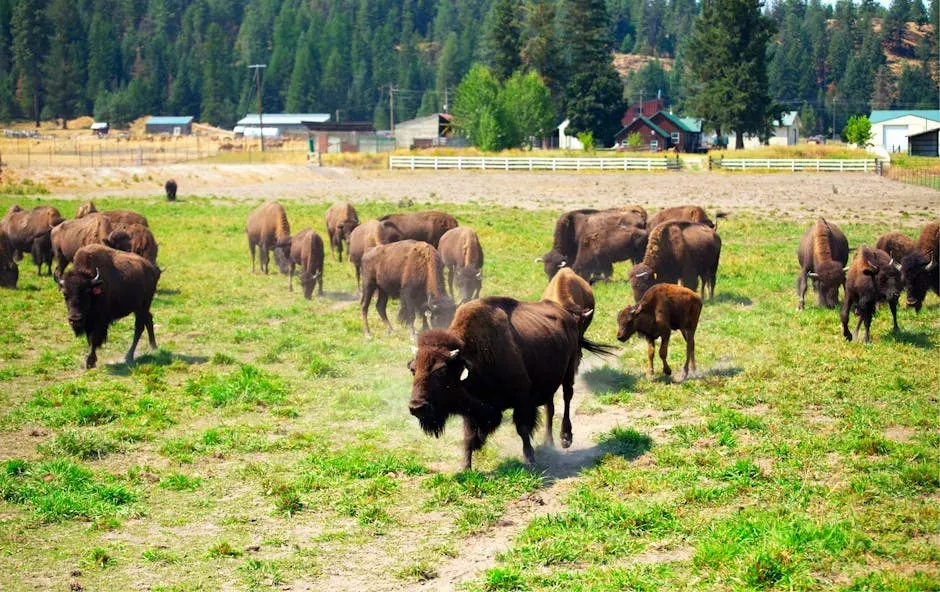
Central to this remarkable animal’s recovery have been strong collaborations between North America’s Native and First Nations People and the public-private sector, whose shared vision of returning bison to Indigenous lands is paying off. This part of the story does not get nearly enough attention.
Native American tribes have contributed to repopulation efforts in recent years. In 1990, tribes around South Dakota met to form the InterTribal Bison Cooperative, and today the group is comprised of 57 member tribes that oversee 15,000 heads of bison. This is not just conservation. It is cultural restoration happening in real time.
The InterTribal Buffalo Council has been instrumental in bison recovery in the United States as well as in reconnecting Indigenous peoples and bison. In recent years, many Tribal nations have restarted bison hunts, which promotes a resurgence in cultural practices and increases Tribal food sovereignty.
Since its inception, a total of 625 Yellowstone bison have been transferred to the Assiniboine and Sioux Tribes at Fort Peck. Nearly all of those bison and their offspring have then been further distributed to 29 Tribes across 13 states and Canada in partnership with the InterTribal Buffalo Council. Numbers like that tell a story of genuine momentum. Something real and lasting is being rebuilt.
In early 2026, the Bison Conservation Transfer Program completed its largest transfer yet, with approximately 220 animals. The pace is accelerating, and that is something worth celebrating.
Where Things Stand Today and What Still Needs to Happen
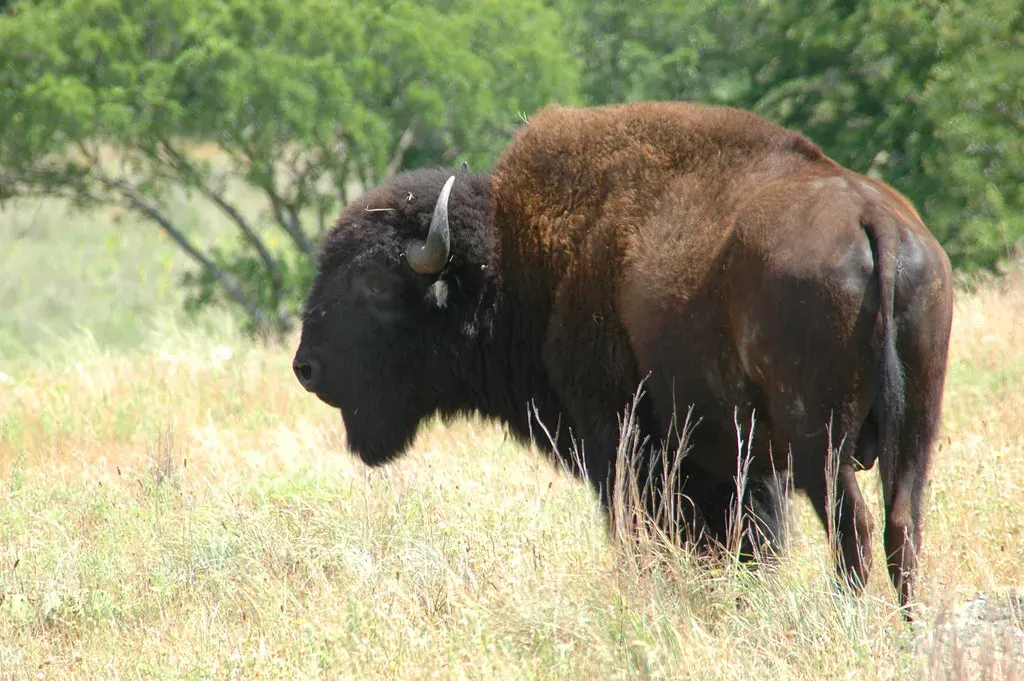
Let’s be real: the bison’s comeback is remarkable, but the job is nowhere near finished. Their population has recovered, with up to 400,000 bison now known to exist in the world. That sounds impressive until you remember there were once tens of millions.
Bison remain absent from nearly 99 percent of their historic range. Most of the bison in North America are in herds that are constrained by fences, isolated from each other, and have fewer than 1,000 individuals, raising concerns about their genetic integrity, wildness, and long-term viability of the species. Fenced recovery is still recovery, but it is not the finish line.
One recent breakthrough in helping better manage today’s herds was when Colorado Governor Jared Polis signed the “Protect Wild Bison” bill in April 2025. The bill designated bison in Colorado as wildlife in addition to livestock. That kind of legal rethinking could be a genuine game changer for how bison are managed and protected across the continent.
Wild prairie restoration has become seen as beneficial and necessary in many western U.S. states and Canadian provinces, and it is becoming more apparent that successful restoration will require the recovery of the American bison in its native landscape. Bison, in tandem with other great prairie ecosystem shapers like fire, dramatically increase the biodiversity of the grasslands. In other words, the prairie needs the bison just as much as the bison needs the prairie. They are inseparable.
Conclusion: The Bison’s Defiance Is a Mirror Held Up to All of Us
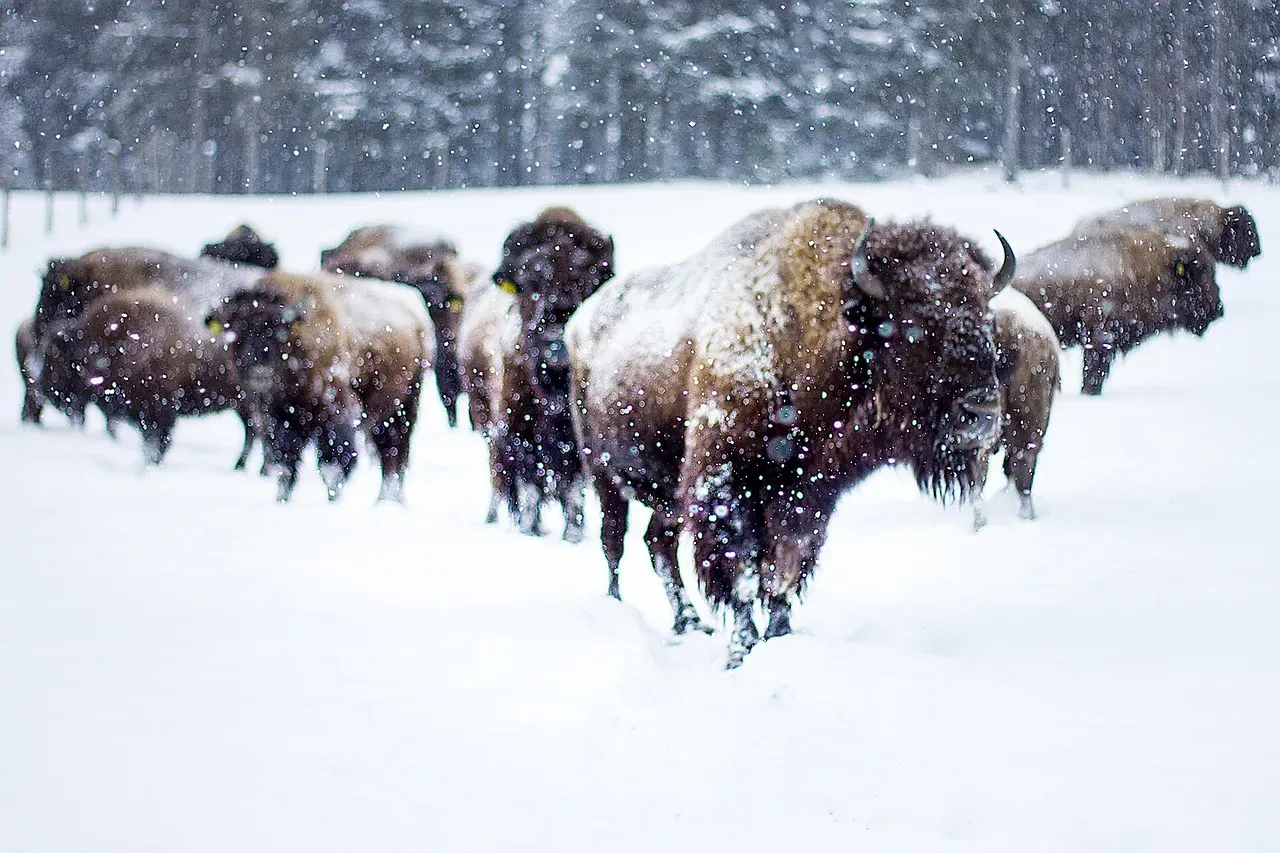
The story of the American bison is not just a wildlife story. It is a story about what we nearly destroyed and what we chose, at the last possible moment, to save. It is also a story about the power of coordinated will, when scientists, Indigenous nations, ranchers, governments, and ordinary people decide that something is worth fighting for.
From roughly 541 animals clinging to survival in 1889 to hundreds of thousands today, the bison’s journey back from the edge is one of the most staggering recoveries in conservation history. It is imperfect, incomplete, and still unfolding. Much of their historic range remains empty. Many herds are still too small and too isolated to be truly wild.
Still, there is something deeply moving about watching this animal refuse to vanish. The bison didn’t just survive. It pushed back. And so, the question now isn’t whether the bison deserves a future, it’s whether we are willing to do what it takes to give it one.
What do you think – have we done enough for the bison, or is there far more work still to be done? Share your thoughts in the comments below.
