
Picture waking up to a world stripped of its wild wonders – the stealthy prowl of rare leopards gone silent, ocean depths empty of playful porpoises. These aren’t distant nightmares; scientists warn that habitat loss, poaching, and climate shifts could erase 15 remarkable species by 2050.[1][2]
Each one tells a story of resilience against overwhelming odds. Let’s meet them and discover what we can do before it’s too late.
The Vaquita: Ghost of the Gulf
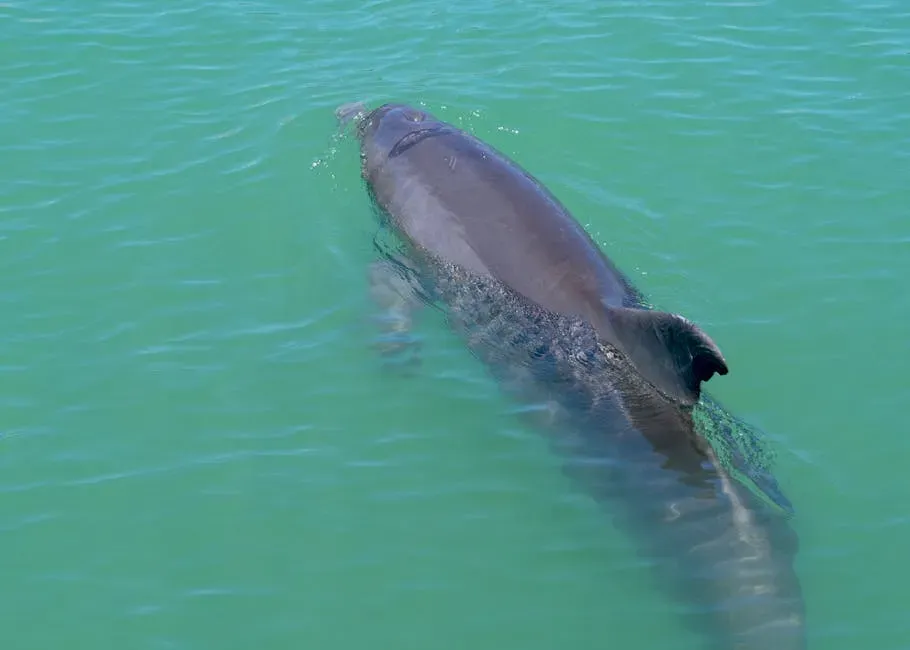
Only about 10 vaquitas swim the Gulf of California today, the world’s rarest marine mammal.[1] These shy porpoises dodge illegal gillnets set for totoaba fish, their biggest threat. Imagine a family outing by the sea, hearing nothing but waves – no joyful splashes.
Conservationists push for total gillnet bans and patrols. Supporting marine protected areas helps. Honestly, their fate hinges on us acting now; one net could end them forever.[3]
Javan Rhino: Java’s Last Stand
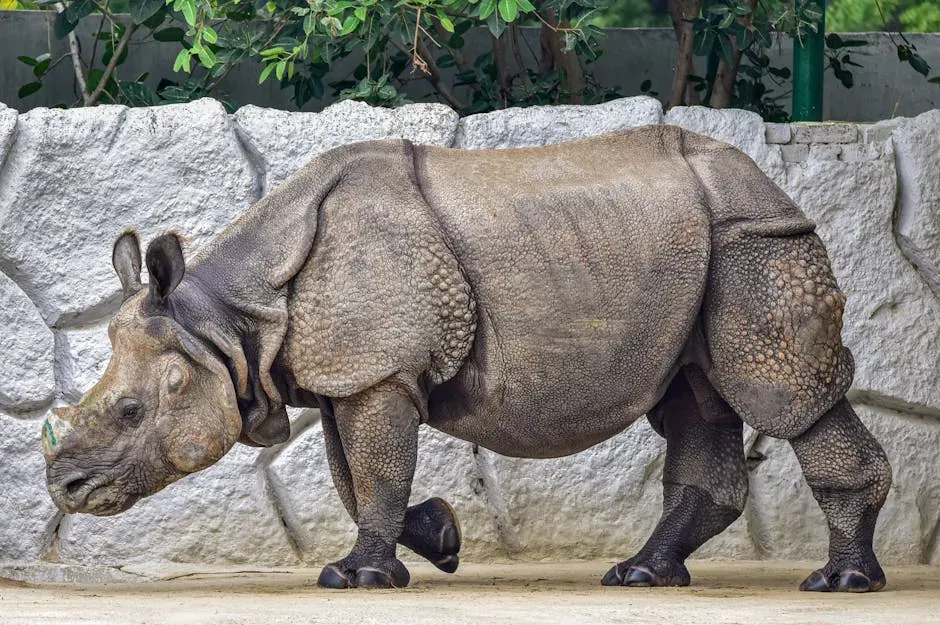
Fewer than 20 Javan rhinos roam Uddung National Park in Indonesia, clinging to survival.[3] Poachers eye their horns for bogus medicine, while floods from climate change flood their habitat. Think of a massive tank with legs, now cornered in shrinking forests.
Anti-poaching patrols and habitat restoration offer hope. Avoid rhino horn products to cut demand. I feel for these gentle giants; their quiet strength deserves our fierce protection.
Amur Leopard: Snow Leopard’s Fierce Cousin
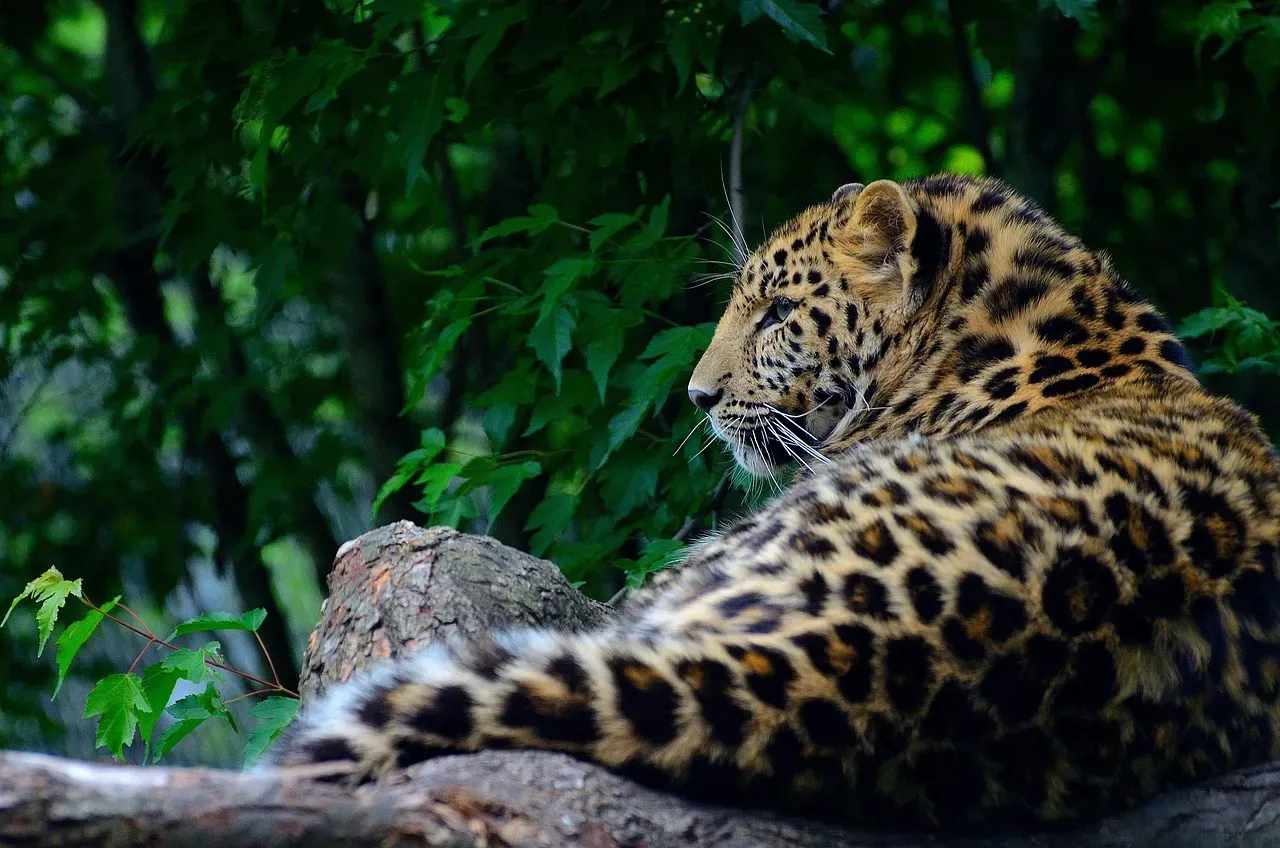
Around 100 Amur leopards stalk the Russia-China border, masters of camouflage in snowy woods.[2] Poaching for fur and bones, plus wildfires, slash their prey. Spotting one feels like glimpsing a ghost – elusive and ethereal.
Protected reserves like Land of the Leopard boost numbers slightly. Boycott fur trade. Here’s the thing: these spotted wonders remind us nature’s beauty hangs by a thread.
Sumatran Rhino: Forest’s Hidden Giant
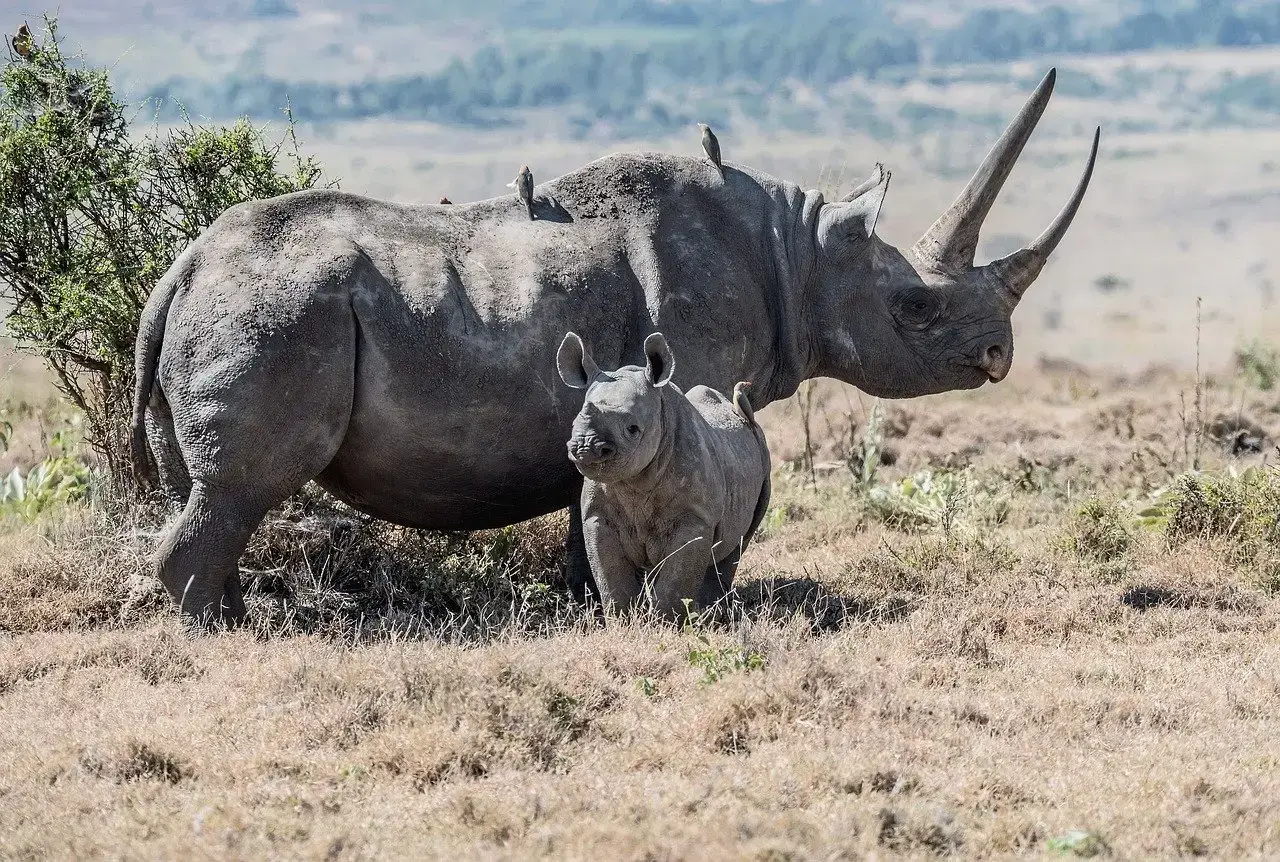
Just 30 Sumatran rhinos hide in Indonesian rainforests, the smallest rhino species.[3] Low birth rates from tiny populations and poaching spell doom. Picture a prehistoric survivor squeezed out by palm oil farms.
Captive breeding and forest corridors fight back. Ditch palm oil products. Their woolly hide and shy nature tug at my heart – we can’t let them fade.
Saola: Asian Unicorn
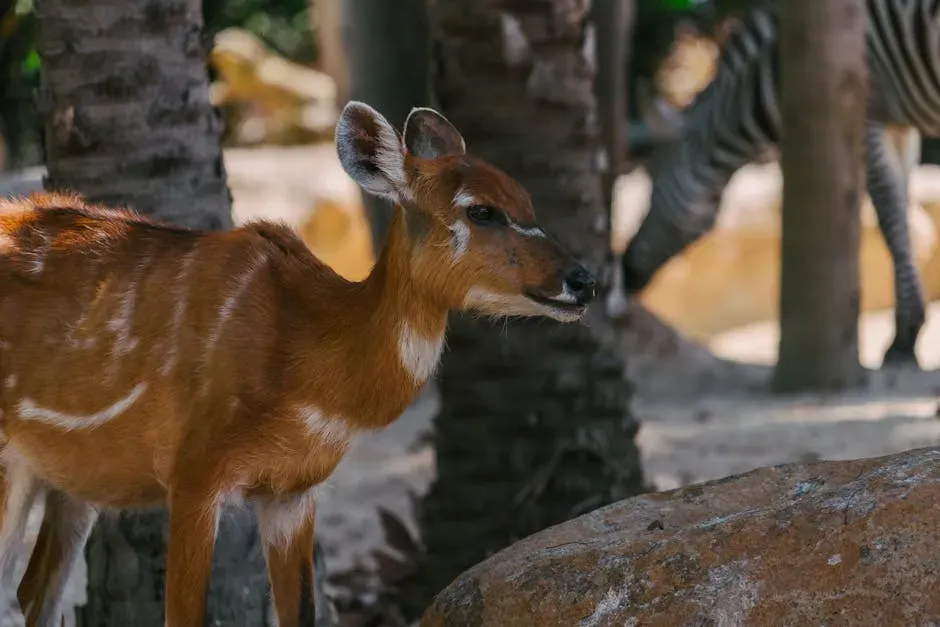
A handful of saolas, maybe under 750, evade hunters in Vietnam and Laos’ Annamites.[3] Snares for meat and habitat carve-up threaten this antelope-like enigma. Camera traps barely catch them; they’re that rare.
Snares removal and community education work wonders. Support anti-trafficking efforts. It blows my mind how little we know them – time to save the mystery.
Kakapo: Flightless Night Parrot
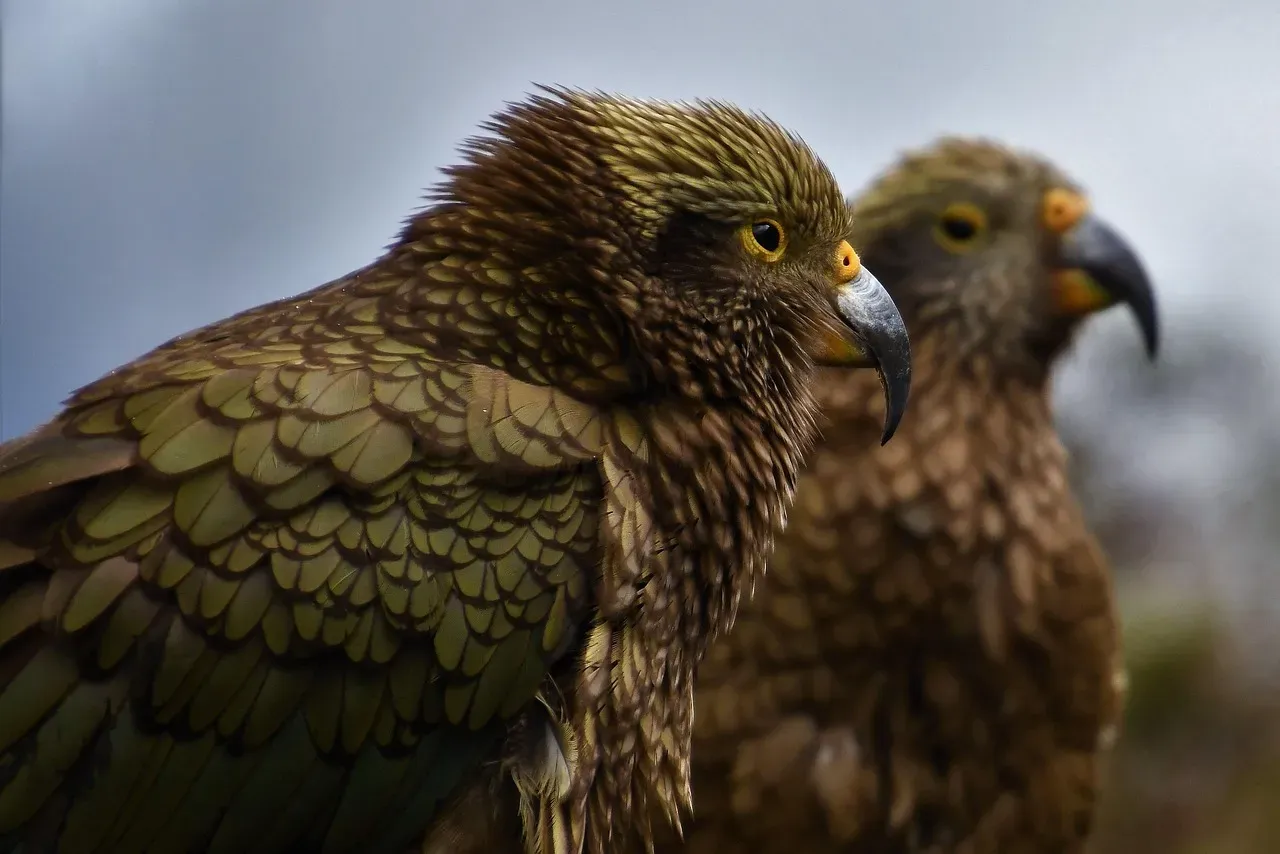
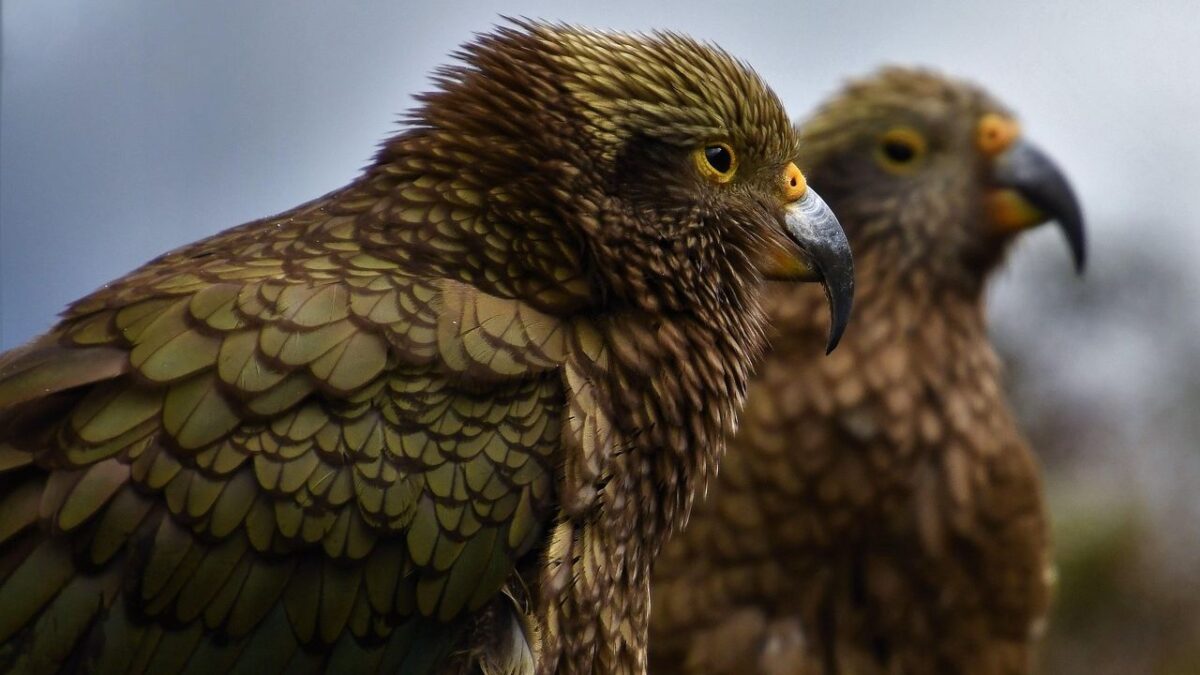
116 kakapos waddle New Zealand’s islands, the heaviest parrot ever.[3] Cats and rats devour eggs; low fertility adds risk. Imagine a booming green parrot that can’t fly, booming no more.
Intensive predator control saved them before. Donate to eradication programs. These quirky birds deserve to thrive; their story inspires stubborn hope.
Cross River Gorilla: Africa’s Shadow Dweller
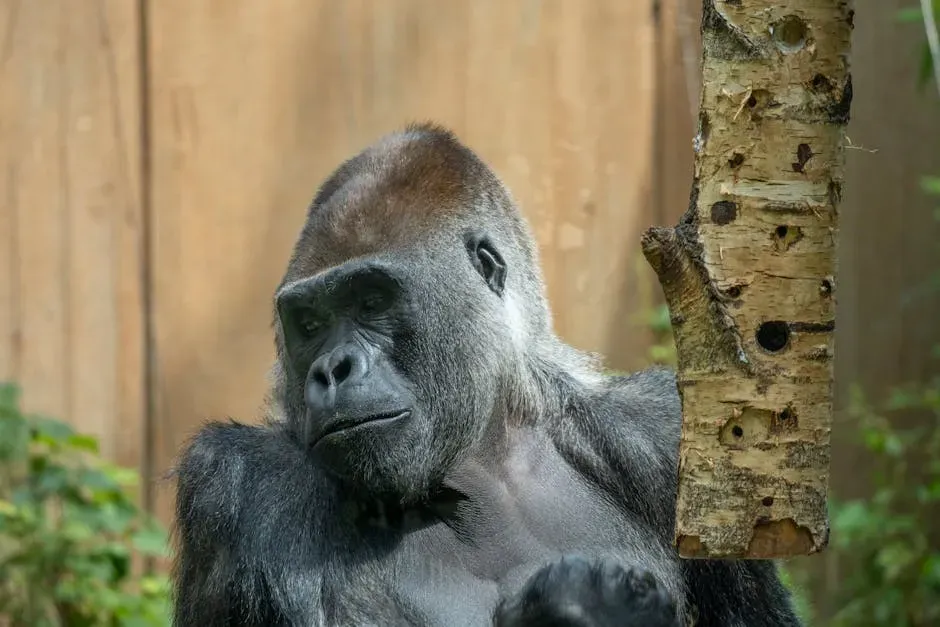
Critically low numbers of Cross River gorillas swing Nigeria-Cameroon forests.[1] Bushmeat hunters and farms fragment homes. Family troops huddle smaller, vulnerable.
Park rangers and eco-tourism help. Skip bushmeat imports. Their wise eyes plead for space; let’s give it.
Bornean Orangutan: Borneo’s Tree Dweller
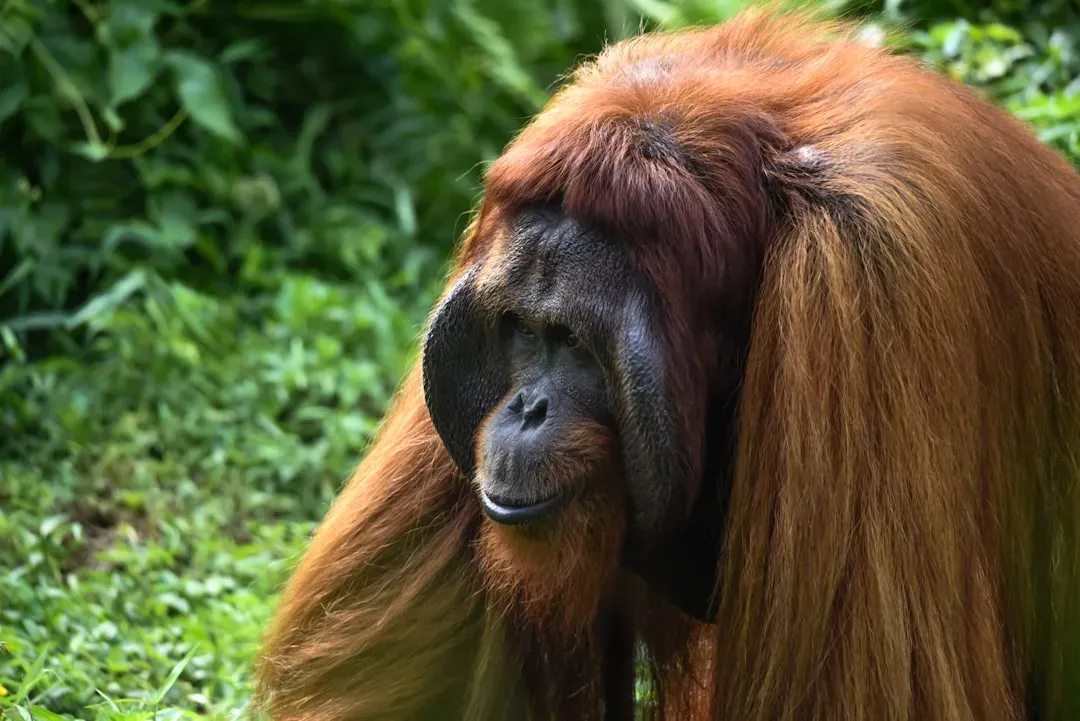
104,700 Bornean orangutans face palm oil bulldozers on Borneo.[2] Half their habitat vanished in decades; poaching hits hard. Moms carry babies for years, now orphaned.
Reforestation and sustainable palm oil push back. Check labels. I think their soulful stares could melt steel – protect their canopy world.
Hawksbill Sea Turtle: Coral Reef Cleaner
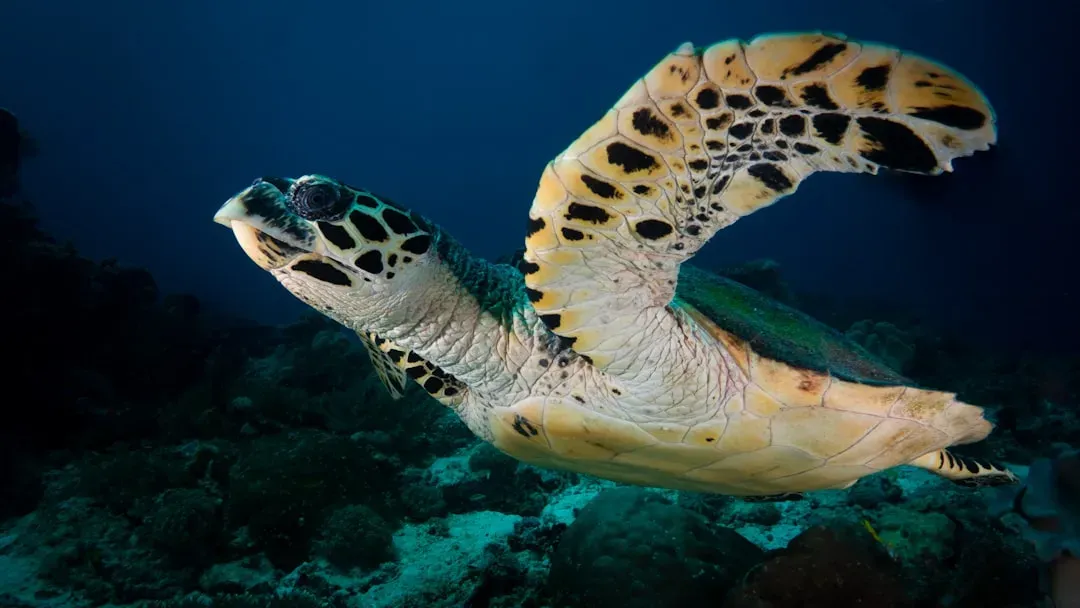
Thousands of hawksbills nest worldwide, but populations crashed 80%.[4] Shell trade and plastics fool them fatally. Beaks pick algae from reefs, vital jobs at risk.
Beach cleanups and trade bans aid recovery. Reduce plastic use. These ancient mariners deserve safer seas.
Sunda Tiger: Sumatra’s Striped Phantom
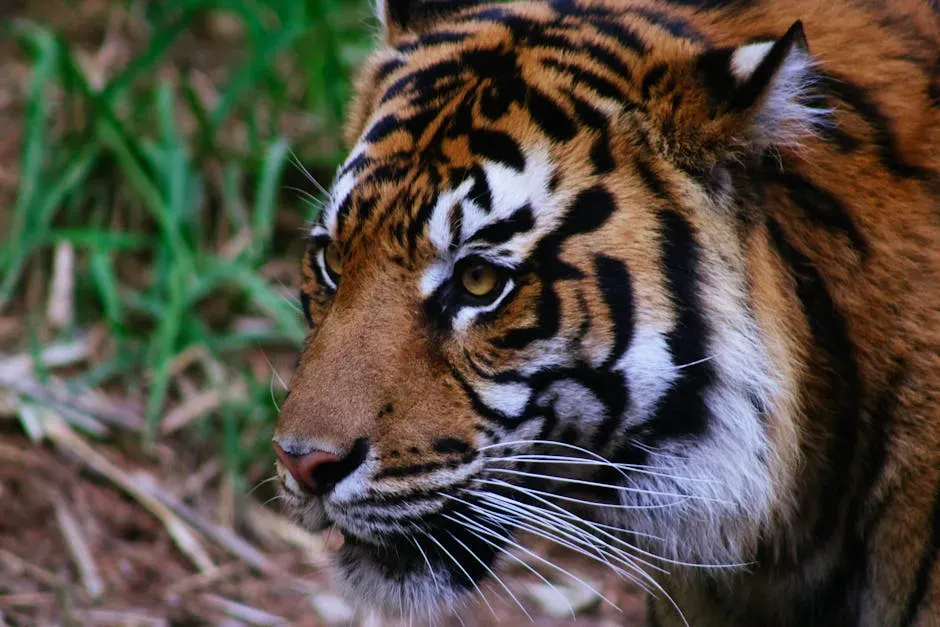
Under 400 Sunda tigers prowl Sumatra’s shrinking jungles.[1] Poaching and farms leave no room. Roars echo fainter each year.
Camera monitoring and prey restoration help. Oppose deforestation. Their power humbles; extinction would roar loudest.
African Forest Elephant: Rainforest Engineer
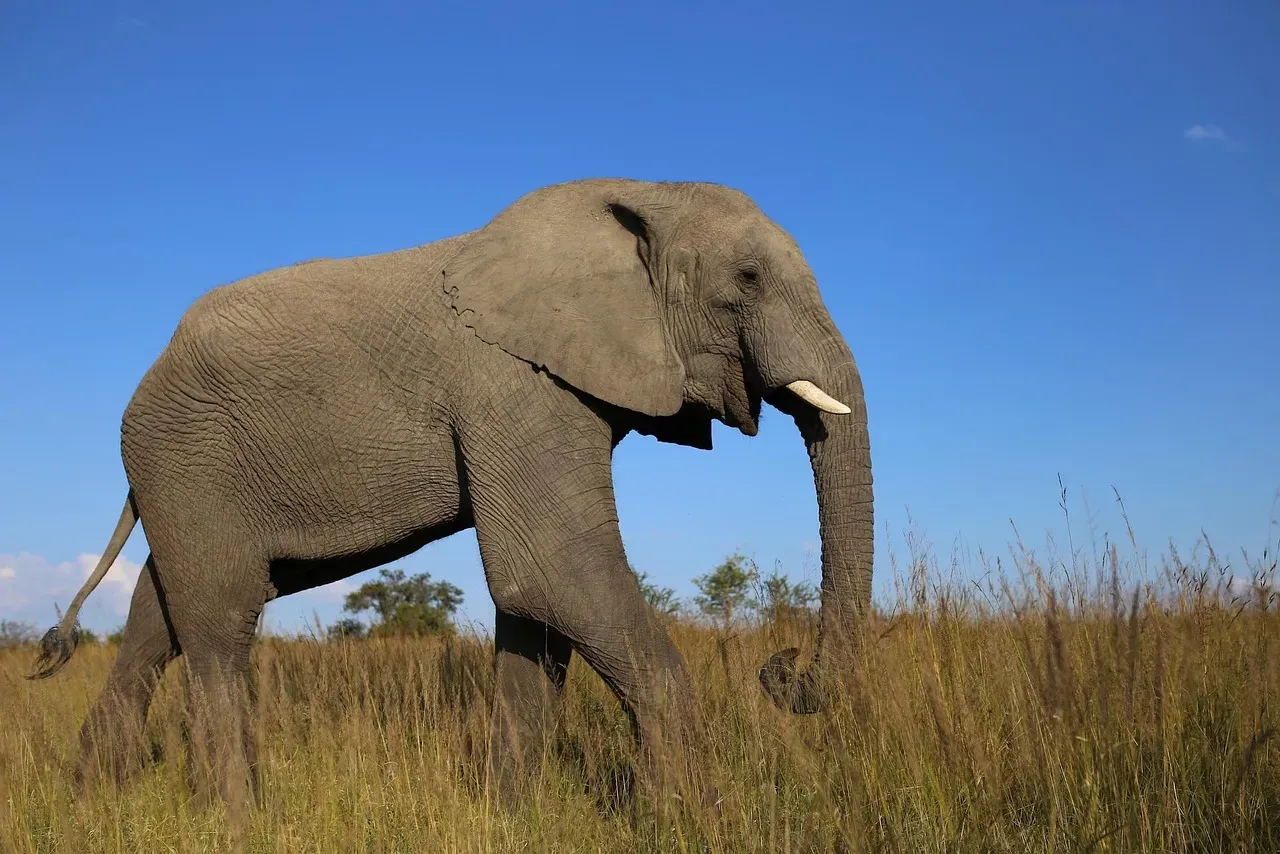
Forest elephants dwindle in Congo Basin from ivory poachers.[3] They shape forests by toppling trees. Human-elephant clashes rise.
Protected corridors and ivory bans key. Support rangers. These ecosystem shapers can’t vanish.
Yangtze Finless Porpoise: River’s Smiling Ghost
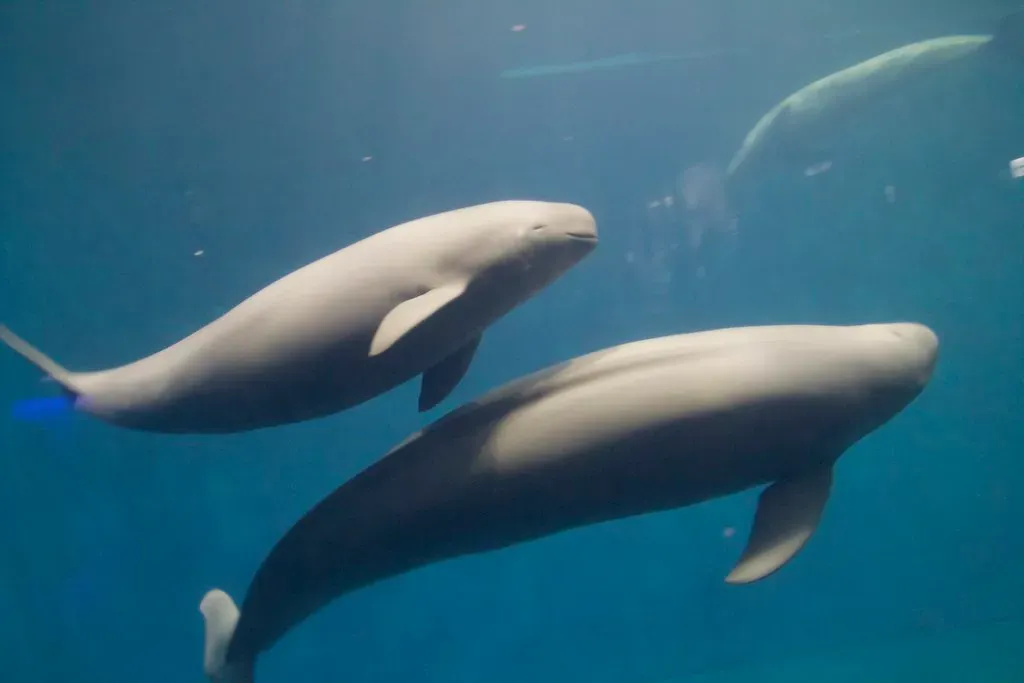
Yangtze porpoises fade from China’s polluted river.[2] Boats and overfishing drown them. No dorsal fin, all charm.
Sanctuaries and fishing limits trial success. Cut river pollution. Their grins beg preservation.
Sunda Pangolin: Scaly Anteater
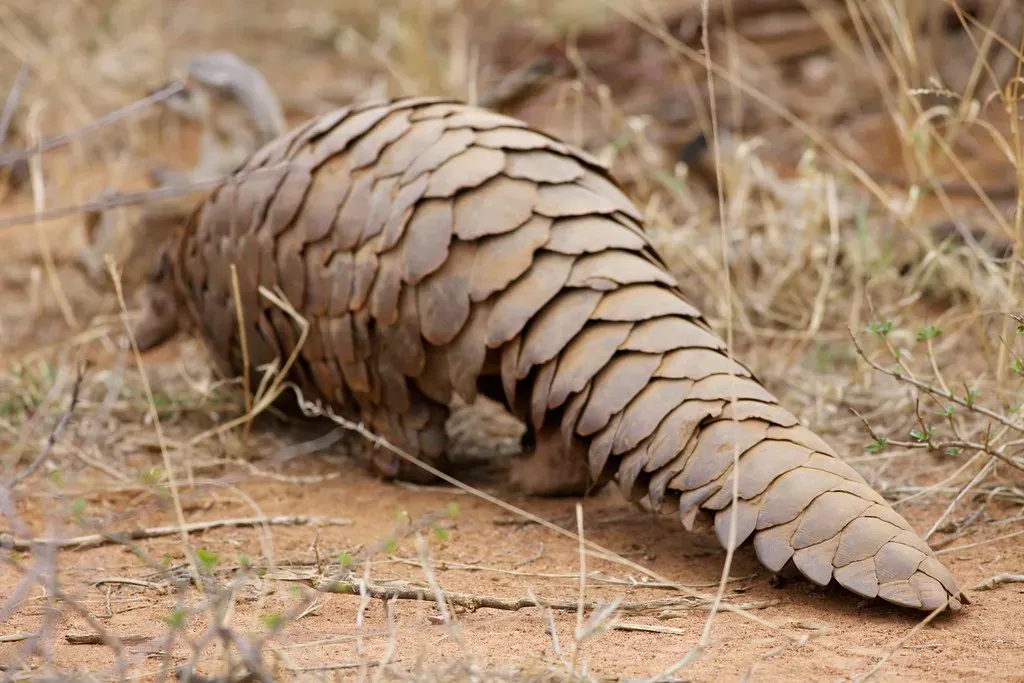
Sunda pangolins curl in Southeast Asia, scales poached for myths.[3] Billions trafficked. Tongue laps ants by meters.
Scale bans and rehab centers fight. Avoid “medicine.” Oddballs like them enrich life.
North Atlantic Right Whale: Ocean Wanderer
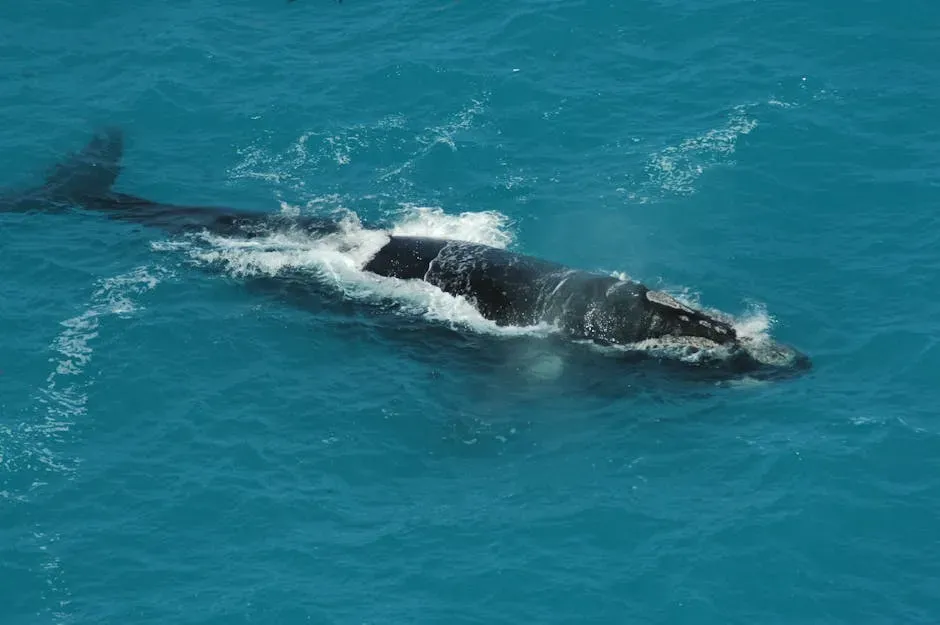
350 right whales migrate Atlantic coasts, hit by ships.[3] Entanglements halve moms. Slow giants, fast peril.
Gear mods and slow zones save. Advocate ocean rules. Their songs must endure.
Red Wolf: America’s Ghost Wolf
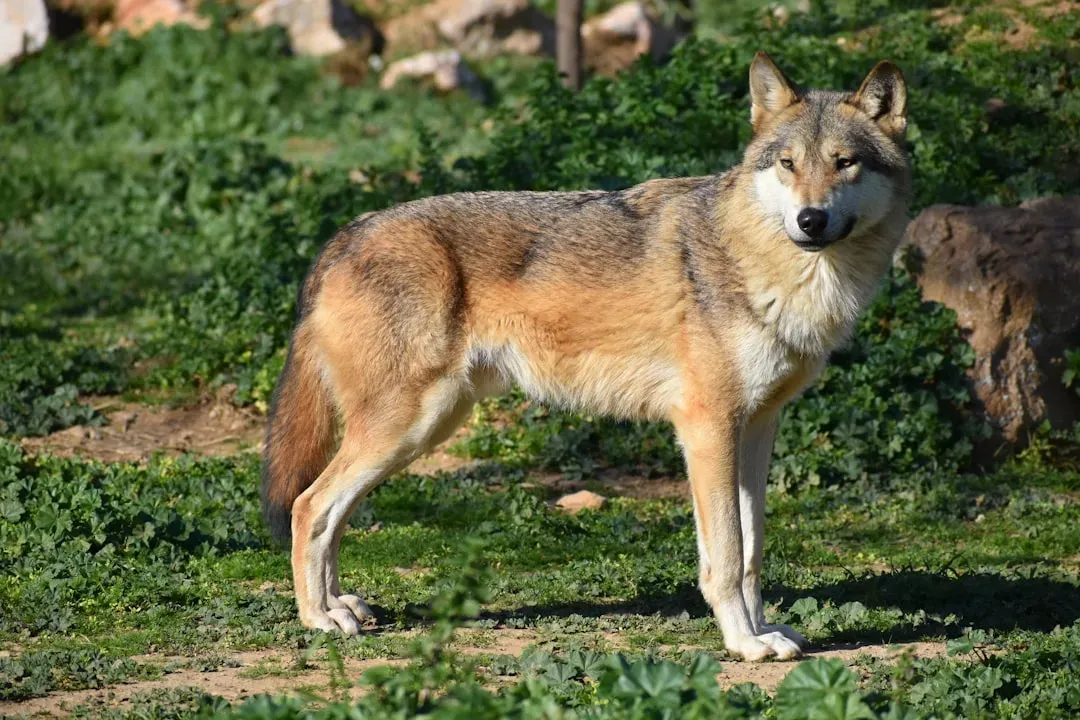
Red wolves teeter in U.S. Southeast, hybridized out.[2] Habitat loss and coyotes mix genes. Howls rare.
Reintro and pure breeding programs. Fence farms. Fiery coats demand return.
What We Can Do Before It’s Too Late
These 15 species spotlight our planet’s fragility – poaching, habitat theft, climate chaos push them over edges. Yet stories like kakapo rebounds show action works. Donate to IUCN or WWF, choose sustainable goods, speak up.
We’re the tipping point. Will you join the fight? Share your thoughts below – what animal moves you most?

- 6 Ways Bison In Yellowstone Signal That You Are Standing Too Close - August 6, 2026
- The Wild Animal Each Zodiac Sign Would Become Under Pressure - August 5, 2026
- The Desert Town in Nevada Slowly Being Buried by Moving Sand - August 5, 2026