

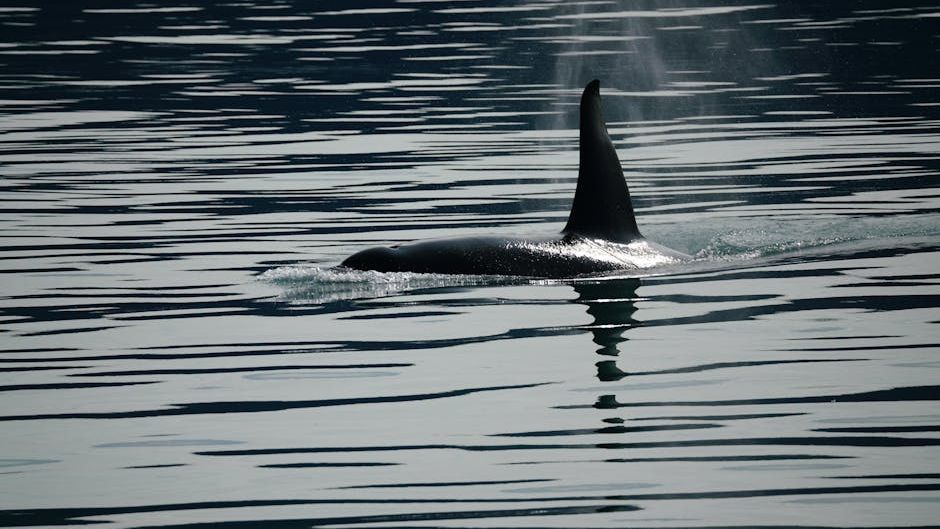
Something magical is happening just off the coast of Seattle, and people are losing their minds over it. Orca whales, those breathtaking black and white giants of the Pacific, have been showing up in the region’s waters in a way that’s sending whale watchers scrambling for their binoculars and cameras.
It’s the kind of wildlife moment that stops you in your tracks. Whether you’re a seasoned marine enthusiast or someone who just happened to be at the right place at the right time, witnessing orcas in Puget Sound is genuinely one of those experiences that rewires something in your brain. Let’s dive in.
A Spectacular Surprise Just Off the Coast
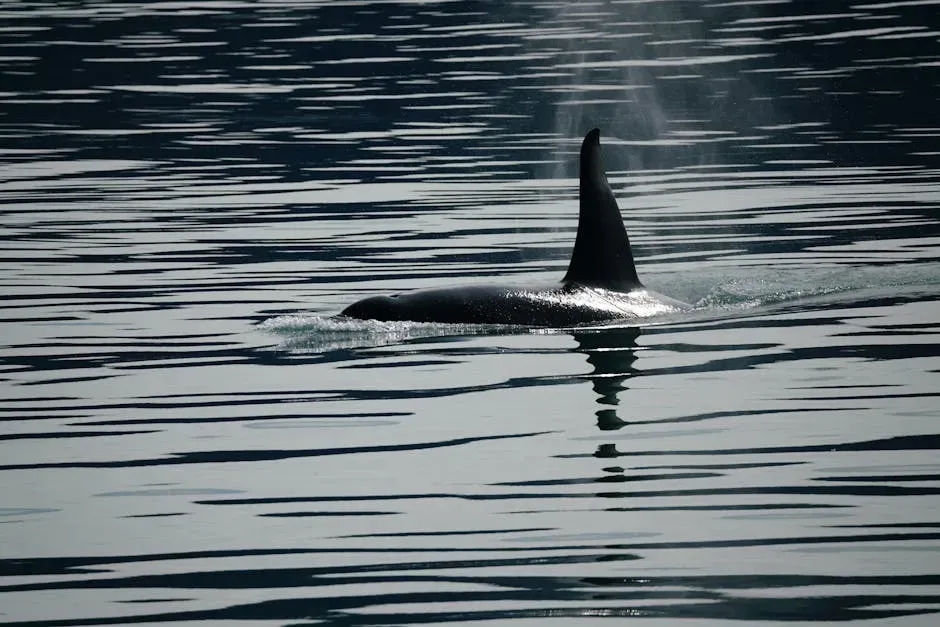
Let’s be real, most people don’t expect to look out over Seattle’s waterways and see one of the ocean’s most iconic predators gliding past. Yet that’s exactly what’s been happening. Orcas have been spotted in the waters near Seattle, sending local whale watching communities into an excited frenzy.
The sightings have drawn crowds to viewpoints and boat tours alike. Honestly, it’s the kind of story that feels almost too good to be true, like nature decided to put on a free show for the city.
Which Orcas Are These, Exactly?
Here’s the thing about orca sightings in the Pacific Northwest: not all orcas are the same. Scientists and researchers carefully track distinct populations, and the orcas appearing near Seattle are believed to be part of a group well known to local marine researchers.
The Pacific Northwest is home to both the famous Southern Resident orcas, a critically endangered population, and the more numerous Bigg’s orcas, also known as transient orcas. Distinguishing between the two matters enormously for conservation efforts. The Southern Residents have had a hard road in recent years, so every verified sighting generates genuine excitement in the scientific community.
The Whale Watching Scene in Seattle Is Thriving
Seattle’s whale watching culture is no small thing. Tour operators have built entire businesses around the hope of spotting orcas, humpbacks, and gray whales in the surrounding waters. When orcas actually show up close to the city, it’s not just exciting, it’s a kind of validation for every hopeful passenger who’s ever stood on a boat deck scanning the horizon.
Reports from early April 2026 describe whale watchers reacting with pure, unfiltered joy. Think spontaneous cheering, tearful awe, and the kind of collective gasping that you’d normally associate with a stadium crowd watching a last minute goal. It’s hard not to feel something when you read about it.
Why Are the Orcas Coming So Close?
The big question on everyone’s mind is simple: why here, why now? Orca movement is closely tied to their prey, particularly Chinook salmon for the Southern Residents. When fish populations shift or migrate, the whales follow. It’s not complicated, but it is extraordinary to witness.
Seasonal salmon runs play a massive role in pulling orcas into nearshore waters and closer to populated areas like Seattle. There’s also a school of thought that reduced boat traffic during certain periods may make orcas more comfortable approaching familiar grounds. It’s hard to say for sure exactly which factors are dominant at any given moment, but the salmon connection is almost certainly part of the story.
Conservation Stakes Are Enormous
It would be easy to just enjoy the spectacle and leave it there. However, the appearance of orcas near Seattle carries real weight for conservationists. The Southern Resident orca population has been listed as endangered, with numbers hovering at dangerously low levels for years. Every sighting, especially of potentially reproductive individuals, carries hope and urgency in equal measure.
Researchers use these sightings to collect critical data, from identifying individual animals by their distinctive saddle patches to assessing body condition. A healthy looking orca in Seattle waters is cause for cautious optimism. A thin or distressed animal, on the other hand, is a reminder that the work of protecting these creatures is nowhere near done.
How Locals and Tourists Are Responding
Word spreads fast when orcas show up. Social media lights up, ferry passengers press against the railings, and local news outlets scramble to cover it. There’s something deeply unifying about a shared wildlife moment in an urban environment. Seattle, a city that prides itself on its connection to the natural world, tends to go a little wild when orcas appear.
Tour boats reported high demand almost immediately following the initial sightings in April 2026. For many passengers, it becomes a life changing moment, the kind of thing people bring up at dinner parties for years afterward. I think there’s something uniquely powerful about seeing a wild apex predator in waters you can see from your kitchen window.
What This Means for the Future of Orcas in the Region
Sightings like these near Seattle are a reminder of what the Pacific Northwest still has, and what it stands to lose. Conservation advocates have long argued that protecting Chinook salmon runs, reducing vessel noise, and enforcing whale watching regulations are non negotiable steps toward orca recovery. These orca visits are beautiful, without question, but they’re also a kind of measuring stick.
If the conditions are right, the orcas come back. If Chinook populations collapse further or human pressures increase, these visits could become rarer and rarer until they stop altogether. The choice, in a very real sense, belongs to us. These waters have supported orcas for thousands of years. Whether they continue to do so for another thousand is a question that this generation is actively answering.
Conclusion: A Moment Worth Protecting
There’s a reason orca sightings generate the reaction they do. These animals are intelligent, deeply social, and achingly beautiful. Seeing them in the wild, especially so close to a major city like Seattle, feels like a gift that nobody quite deserves but everybody desperately needs.
The April 2026 sightings near Seattle are more than a feel good wildlife story. They’re a signal, a reminder that nature can bounce back when given half a chance, and a call to keep doing the hard work of conservation before it’s too late. The orcas are out there. The question is whether we’ll do enough to make sure they keep coming back.
What would you do if you looked out across Puget Sound and spotted a dorsal fin cutting through the water? Tell us in the comments.

- Urban Coyotes Show Remarkable Adaptability, Learning to Thrive in City Environments - July 22, 2026
- Beavers Are Nature’s Engineers, Creating Vital Habitats for Other Wildlife Species - July 21, 2026
- The Recovery of the California Condor Offers Hope for Other Critically Endangered Birds - July 21, 2026