

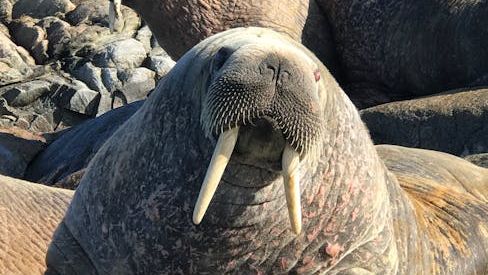
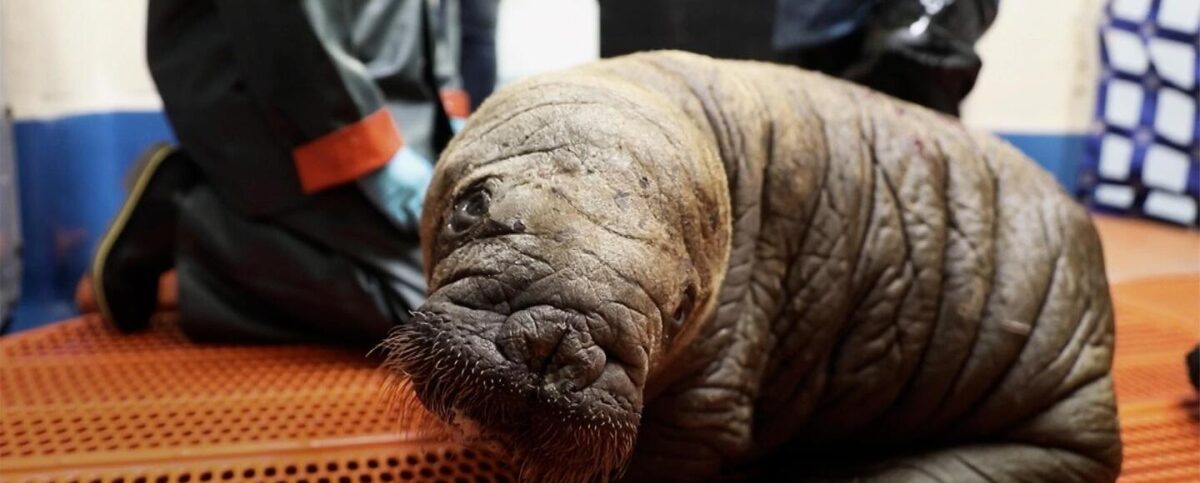
In the unforgiving Arctic wilds of Alaska, a week-old Pacific walrus calf named Ukiaq, or Uki, captured imaginations when rescuers found her alone on a remote beach near Utqiagvik. Barely clinging to life, covered in scratches from rocky shores, she embodied the raw vulnerability of marine life amid vanishing ice. Her dramatic rescue and ongoing recovery have since gone viral, blending cuteness with a stark warning about climate pressures. Here’s the thing: stories like Uki’s don’t just tug at heartstrings; they spotlight the urgent fight to save polar ecosystems.
The Perilous Discovery and Swift Rescue
Local spotters in Utqiagvik stumbled upon Uki in July 2024, miles from typical walrus haunts and without her mother in sight. Weighing around 100 pounds at birth, the calf was malnourished, dehydrated, and battling hypothermia after drifting on fragile floes. Veterinary teams from the Alaska SeaLife Center sprang into action, airlifting her to their Seward facility in insulated carriers. There, round-the-clock bottle feedings with specialized formula mimicked maternal milk, jumpstarting her weight gain. Playful behaviors soon emerged, like flipper splashes in rehab pools, signaling robust progress. This intervention highlights decades-honed techniques that boost orphaned calves’ slim wild survival odds, often hovering near 50 percent.
Spotlight in PBS Nature’s “Walrus: Life on Thin Ice”
The documentary premiered on October 22, 2025, at 8/7c, weaving Uki’s tale into a broader Arctic expedition led by paleontologist Kirk Johnson. Cutting-edge footage reveals walruses navigating shrunken sea ice, their vital nursery platforms dissolving under warmer oceans. Real-time rescue ops, including Uki’s, underscore human efforts amid environmental shifts. The film doubles as an emotional pull and policy nudge, drawing millions to ponder ice-dependent herds. Viewership echoes past successes, spurring marine protections and emission curbs. Let’s be real: such narratives turn distant crises into personal imperatives.
Climate Change’s Grip on Walrus Calves
Walruses crave stable sea ice for nursing and protection, but models forecast 30 to 50 percent summer losses by mid-century. Without it, calves face starvation, predation, and deadly land haul-outs where stampedes kill hundreds yearly. Rising temperatures scramble prey like clams, rippling through herds down 25 percent in three decades. Indigenous communities in Russia and Alaska feel the pinch too, as cultural staples dwindle. Uki’s plight exemplifies these cascading threats, from benthic habitat disruption to biodiversity hits. Conservationists push satellite tracking and international pacts to counter the melt.
Why Uki’s Story Ignites Global Support
Social media flooded with Uki’s wide-eyed charm and velvety whiskers, amassing views and donation surges to rescue funds. Her nuzzling handlers and spirited recovery humanize the Arctic meltdown, rallying public backing. As a keystone species, walruses aerate seafloors through foraging, sustaining vast food webs. Rehabilitated calves like her bolster genetic pools upon release or relocation. This viral moment transcends fluff, fueling talks on planetary stewardship. What makes it stick? Pure resilience wrapped in whiskers.
Final Thought
Uki’s journey from icy orphan to symbol of hope proves one small life can echo worldwide, urging faster action on emissions and habitats. As Arctic ice thins further, her story warns of tougher times ahead for these giants. Will we heed the call before more calves cry alone? Share your thoughts in the comments – what moves you most about her tale?
Source: Original YouTube Video

- Urban Coyotes Show Remarkable Adaptability, Learning to Thrive in City Environments - July 22, 2026
- Beavers Are Nature’s Engineers, Creating Vital Habitats for Other Wildlife Species - July 21, 2026
- The Recovery of the California Condor Offers Hope for Other Critically Endangered Birds - July 21, 2026