
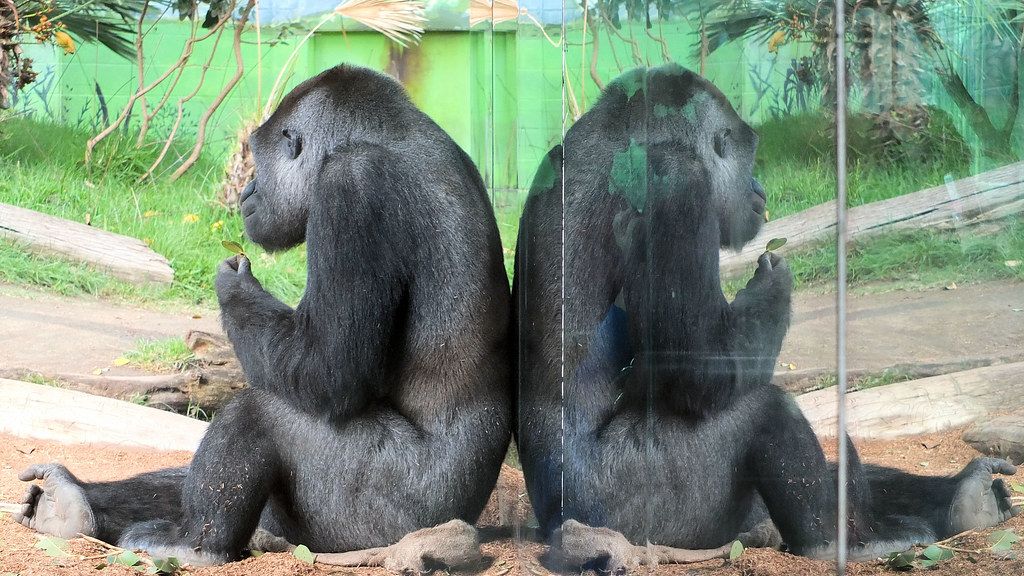
Most of us glance in a mirror every morning without thinking twice about it. It feels automatic, obvious even. Yet that simple act, knowing the face staring back is yours, turns out to be one of the rarest cognitive abilities in the entire animal kingdom.
Recognizing one’s mirror reflection appears to be a simple task, but beyond humans, very few animals have demonstrated this capability. Mirror self-recognition is widely considered indicative of self-awareness, which is one’s capacity for self-directed knowledge. Scientists have spent decades holding mirrors in front of creatures ranging from great apes to insects, and the results have been nothing short of mind-bending. Some of the animals on this list will seem obvious. Others will genuinely shock you. Let’s dive in.
The Mirror Test: What It Actually Means
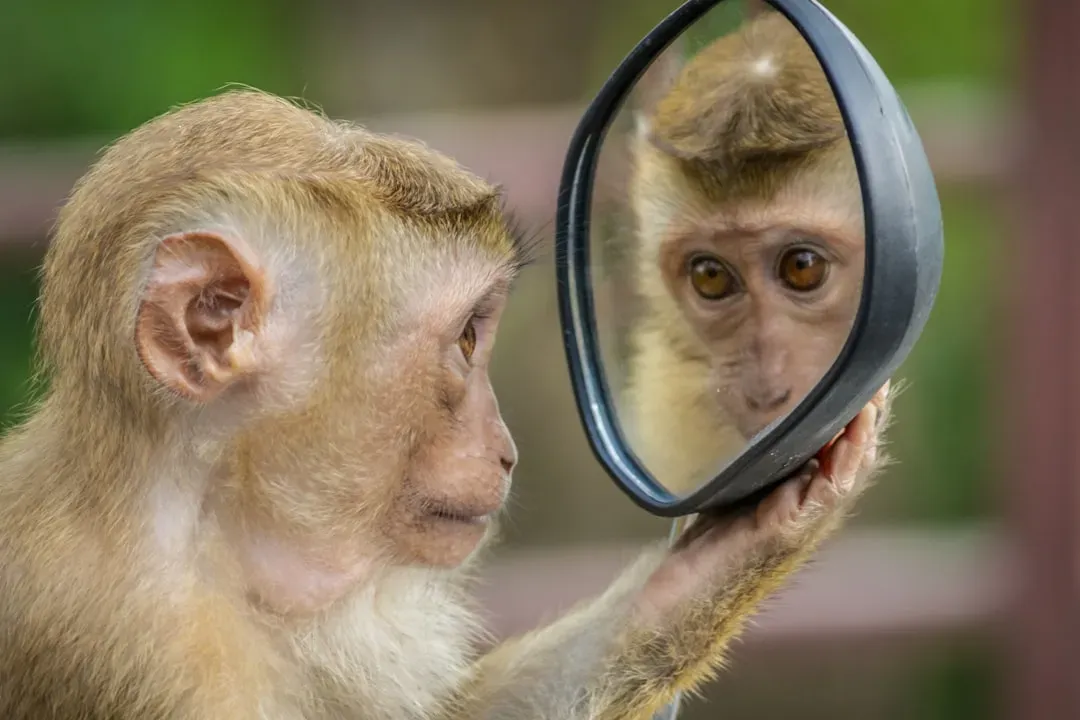
Before we meet the animals, it helps to understand what we’re actually measuring. The mirror test was developed by psychologist Gordon Gallup Jr. in 1970 as a method for determining whether a non-human animal has the ability of self-recognition. It’s also known as the “mark test” or the “mirror self-recognition test,” or MSR.
When conducting the mirror test, scientists place a visual marking on an animal’s body, usually with scentless paints, dyes, or stickers, and then observe what happens when the marked animal is placed in front of a mirror. The researchers compare the animal’s reaction to other times when the animal saw itself in the mirror without any markings on its body.
Animals that pass the mirror test will typically adjust their positions so that they can get a better look at the new mark on their body, and may even touch it or try to remove it. They usually pay much more attention to the part of their body that bears a new marking. Think of it like discovering a coffee stain on your shirt by glancing in a shop window. That moment of recognition? That’s what researchers are chasing.
If an animal can pass the mirror test, it’s certainly strong evidence of self-recognition and indicates the possibility of self-awareness, a “sense of self.” However, it’s not definitive proof. It’s a powerful clue, not a final verdict.
Chimpanzees: The Animal That Started It All
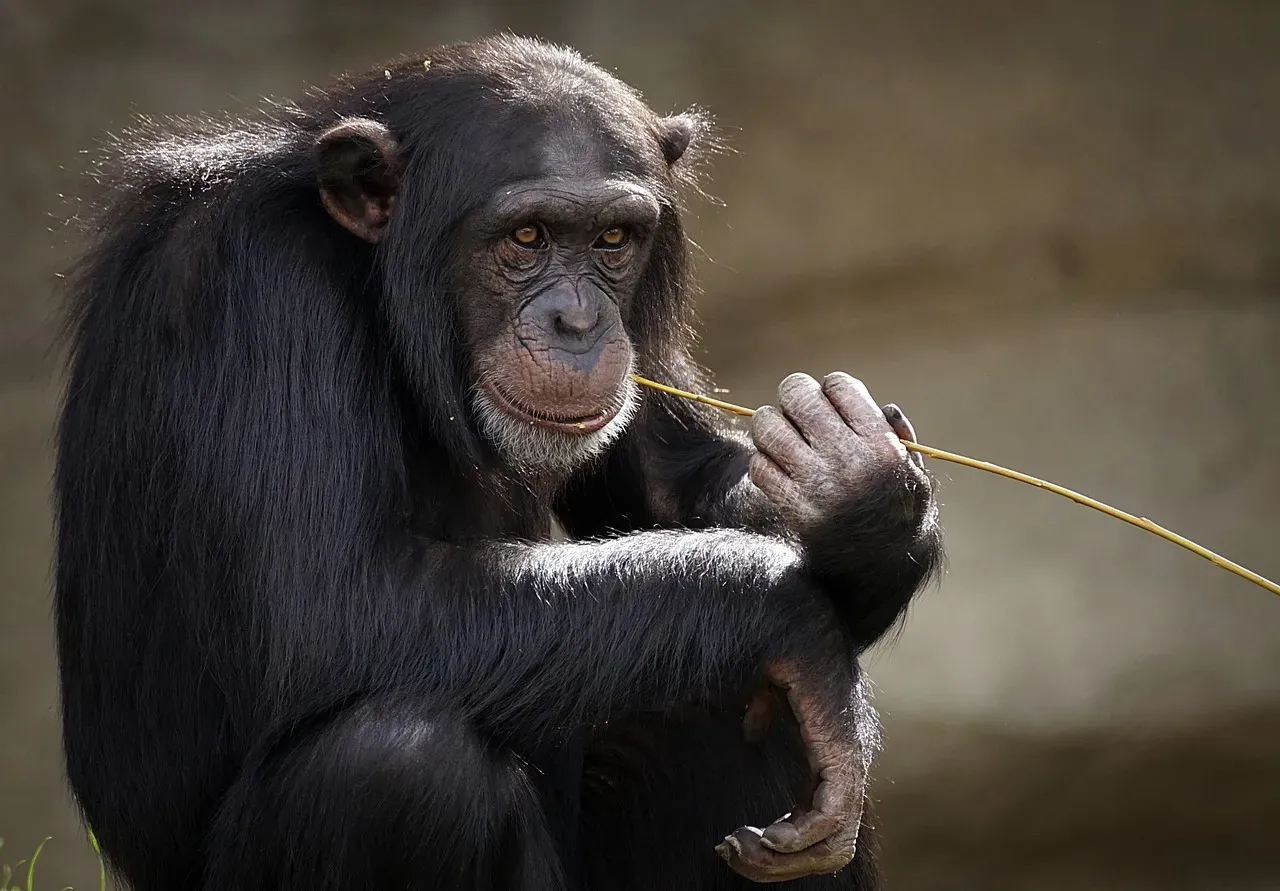
The 1970 study that started it all, run by the inventor of the mirror test himself, Gordon Gallup, found that chimpanzees can recognize themselves in the mirror. They were the first non-human animals ever to do so, and the discovery genuinely rocked the scientific world.
Initially, the chimpanzees made threatening gestures at their images, ostensibly seeing their reflections as threatening. Eventually, the chimps used their reflections for self-directed responding behaviors, such as grooming parts of their body previously not observed without a mirror, picking their noses, making faces, and blowing bubbles at their reflections.
Bonobos, chimpanzees, orangutans, and gorillas have all passed the mirror test. In chimpanzees, there is evidence for self-recognition in about three quarters of young adults, a percentage that lowers with individuals closer to either end of the age spectrum. Honestly, the age variation alone is fascinating. It mirrors human developmental patterns in a way that’s hard to ignore.
Orangutans: The Quiet Geniuses
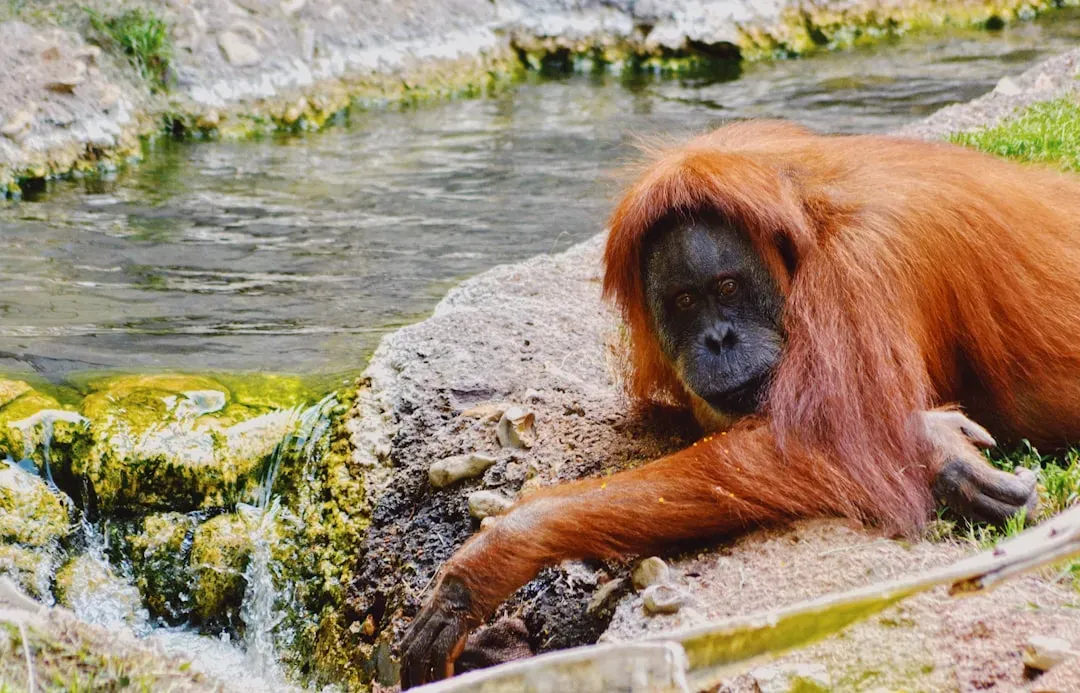
Gordon Gallup Jr. wrote in a 1981 paper that while it was still debatable whether gorillas could pass the mirror test, orangutans clearly could. Researchers concluded that both chimpanzees and orangutans are capable of self-recognition. Orangutans are often overshadowed by chimps in the popular imagination, but scientifically they belong in the same elite group.
Here’s the thing about orangutans: they are largely solitary animals in the wild, which makes their self-recognition abilities particularly intriguing. Research has found that only social animals have consistently demonstrated self-recognition, while solitary species studied so far do not seem to possess this trait. This finding aligns with the social intelligence hypothesis. Orangutans, being semi-social, complicate that rule in the best possible way.
Their calm, methodical behavior in front of mirrors stands in contrast to the more theatrical chimp reactions. They tend to explore quietly and deliberately, almost as if they’re solving a slow puzzle they were already half expecting.
Bottlenose Dolphins: Mirror Obsessed in the Best Way
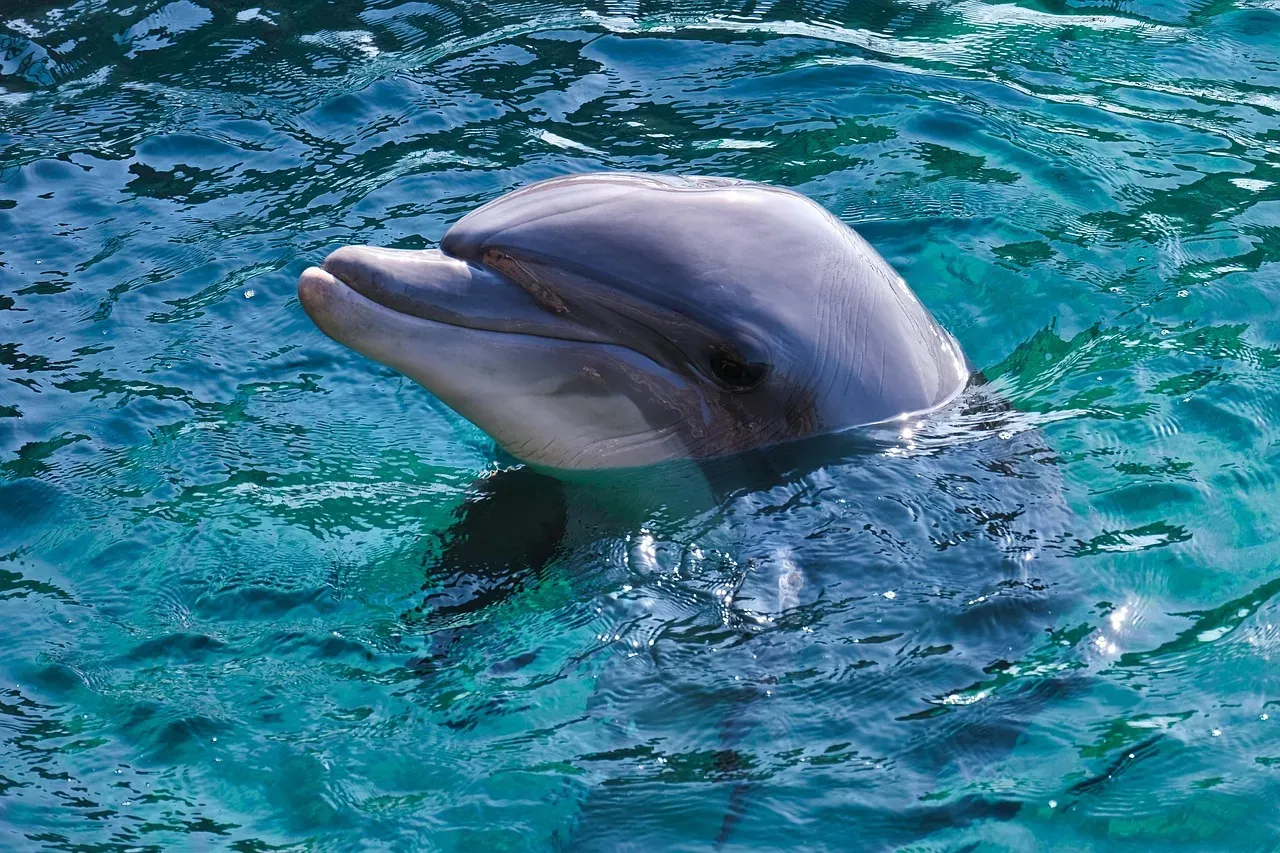
Bottlenose dolphins usually show extreme interest when they catch sight of their reflections. They will open their mouths, stick out their tongues, and make a series of novel movements while observing themselves in the mirror. When marked, dolphins regularly inspect the marking.
This ability to use a mirror to inspect parts of the body is a striking example of evolutionary convergence with great apes and humans. In other words, dolphins arrived at the same cognitive destination as primates, despite being separated by hundreds of millions of years of evolution. That’s not a small thing. That’s extraordinary.
Bottlenose dolphins show some of the greatest levels of interest in their own reflections among all wild animals, and there is a lot of evidence to suggest that they recognize their reflection in the mirror. It’s hard not to find that delightful.
Asian Elephants: The Trunk Knows
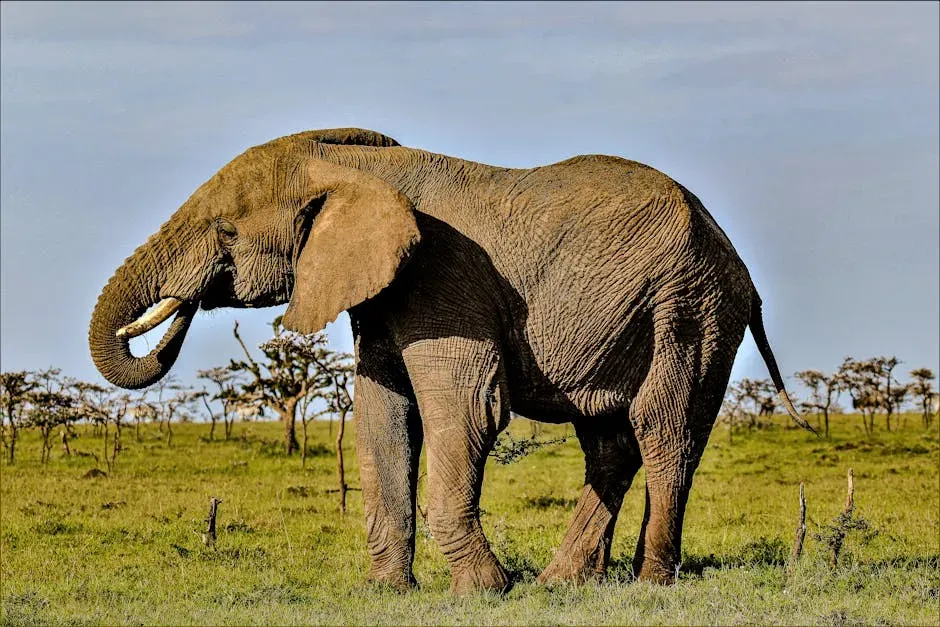
I think this is where the list gets really emotional. Elephants are already known for their empathy, their mourning rituals, their extraordinary memory. The mirror test simply added another layer to that picture.
In a landmark experiment, an Asian elephant named Happy faced her reflection in an eight-by-eight-foot mirror and repeatedly used her trunk to touch an “X” painted above her eye. Watching that behavior described is one of those moments where the gap between human and animal suddenly feels very, very small.
The successful elephant MSR study revealed striking parallels in the progression of responses to mirrors among apes, dolphins, and elephants. These parallels suggest convergent cognitive evolution most likely related to complex sociality and cooperation. Three very different species, arriving at the same cognitive milestone through entirely different paths. Evolution, it seems, found a way more than once.
Eurasian Magpies: Rewriting the Rules of the Brain
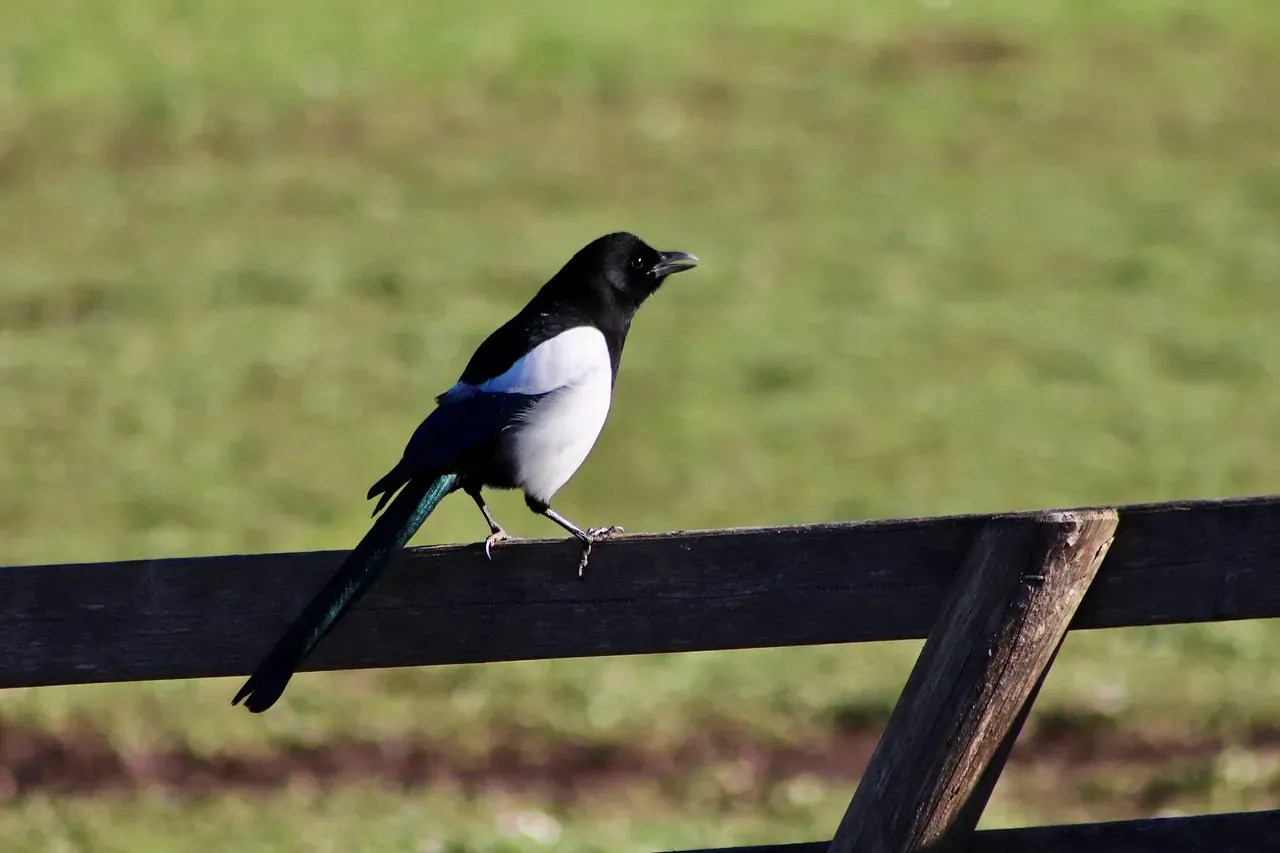
In 2008, researchers studying Eurasian magpies found the first evidence that non-mammals were capable of mirror self-recognition. That result genuinely upended what scientists thought they knew, and it’s still talked about today.
Prior to this experiment, scientists believed that self-recognition abilities came from the neocortex, a part of the brain found only in mammals. Since magpies are birds, they do not have this part of the brain. Magpies passing the mirror test shows that the ability of self-recognition can arise from different brain parts in other types of brains.
It’s a case of “convergent evolution,” when similar abilities, behaviors, and traits independently evolve in species that are not closely related. Think of it like two completely different engineers, working in different countries, using different materials, both independently inventing the same bridge design. The magpie’s brain is one of nature’s most remarkable engineering coincidences.
Orca Killer Whales: The Ocean’s Most Complex Minds
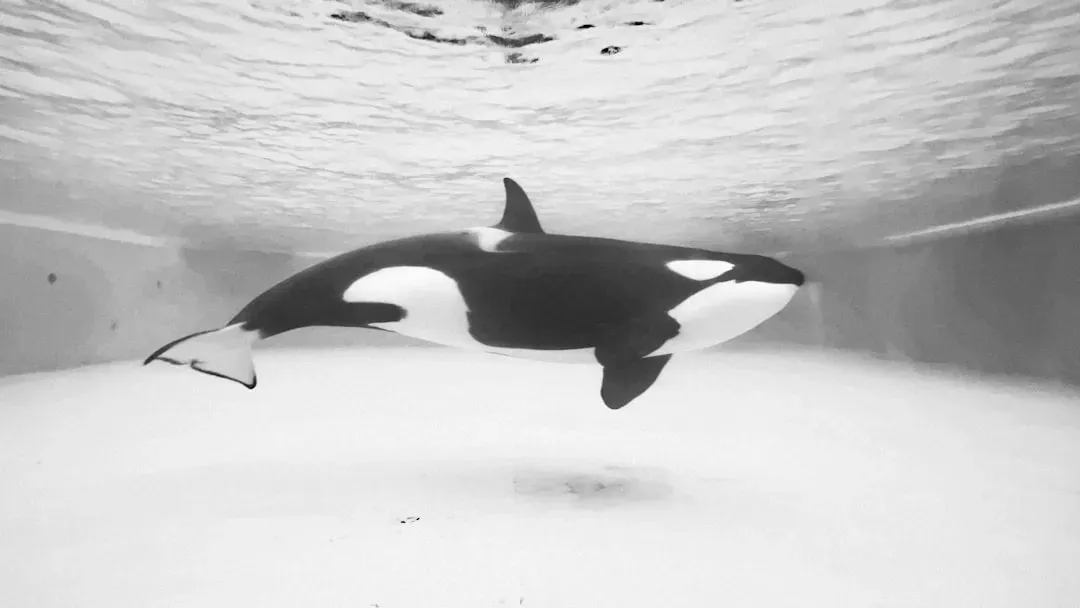
Killer whales and false killer whales may be able to recognise themselves in mirrors, and there is evidence of self-recognition when presented with their reflections. Given everything else we know about orca intelligence, this result feels almost inevitable.
Contingency checking was present in killer whales, and the mark test on killer whales suggested that the marked animal anticipated that its image would look different. This study shows that killer whales and false killer whales, like bottlenose dolphins, appear to possess the cognitive abilities required for self-recognition.
Orcas have individual dialects and are highly social and hierarchical animals who pass down their knowledge from generation to generation, forming unique cultures between different social groups. Studies of vocalizations have shown that each population of orcas has a distinct dialect that no other population uses. A creature with cultural transmission and possibly a concept of self? That’s a combination that should make us think carefully about how we treat these animals.
Bonobos: Curious and Deeply Social
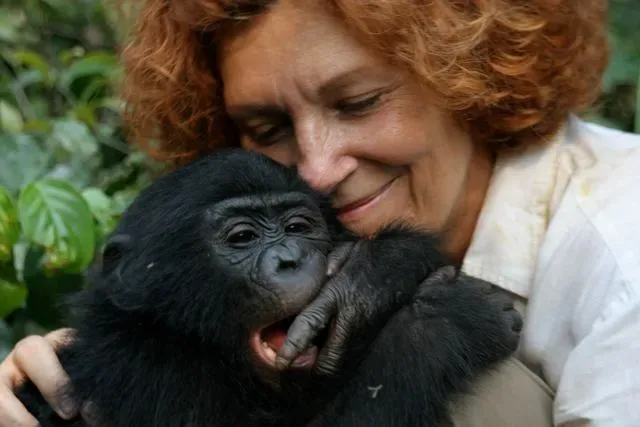
A study from 1994 that worked with nine bonobos found that the apes exhibited “considerable interest in the mirror,” with at least four using the mirror to inspect parts of their bodies that were otherwise not directly visible to them, all reliable evidence that the species is capable of self-recognition.
Bonobos are fascinating because they’re often compared to chimpanzees, yet their social structures are remarkably different, more cooperative, less aggressive, more emotionally nuanced. It makes sense that animals built on social intelligence would also develop a capacity to understand themselves as distinct individuals in that social world.
Research has found that only social animals have consistently demonstrated self-recognition, while solitary species studied so far do not seem to possess this trait. Bonobos are about as social as it gets, and their mirror behavior reflects exactly that.
Cleaner Wrasse: The Fish That Broke the Internet (and Several Theories)
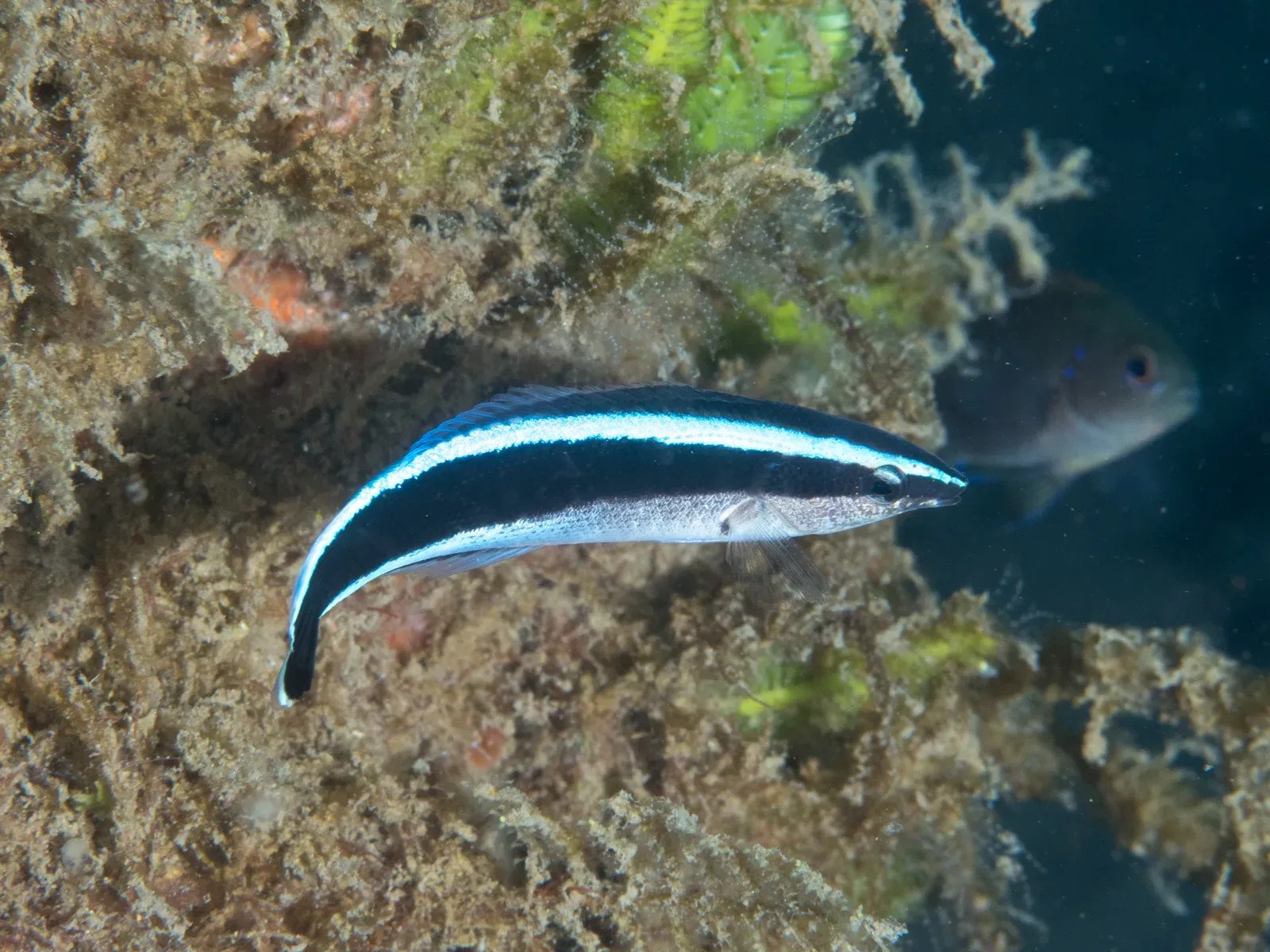
Let’s be real: nobody had “tiny reef fish” on their list of self-aware creatures. Yet here we are. The cleaner wrasse first caused a sensation in 2018 when researchers reported that it appeared to pass the mirror test. The result was explosive but also controversial, because many scientists were skeptical since fish brains are very different from mammal brains.
Researchers found that cleaner fish achieve mirror self-recognition rapidly, implying self-awareness prior to mirror exposure. The study also reported previously undocumented differences in pre- and post-recognition behaviors, including exploratory behavior of the mirror’s reflective properties. The researchers found remarkable parallels between the processing of self-recognition in humans and cleaner fish, suggesting that some aspects of self-awareness are conserved across animal taxa.
Recent detailed proof of mirror self-recognition based on a mental representation of self in cleaner wrasse, a small-brained ectotherm fish, indicates that the origin and cognitive complexity of self-awareness must be reconsidered. A small tropical reef fish forcing science to reconsider a half-century of assumptions about consciousness. I know it sounds crazy, but here we are.
Giant Manta Rays: Flips, Bubbles, and Big Brains
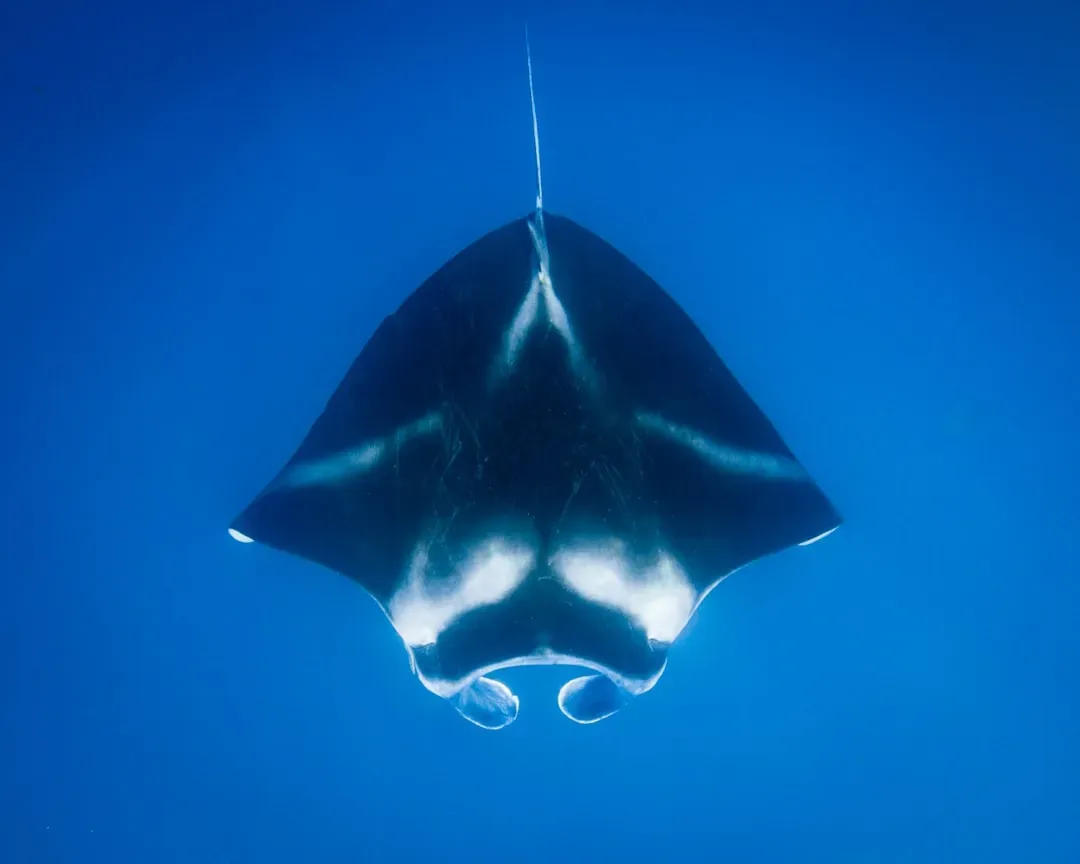
When it comes to fish, manta rays have the largest brains, a fact that led Dr. Csilla Ari to suspect that they might be the fish species most likely to pass the mirror test. When she exposed captive manta rays to a large mirror, they showed great interest in their reflections.
The rays would repeatedly swim in front of the mirror, turning over to show their undersides and moving their fins. When in front of the mirror, they even blew bubbles, an unusual behavior. What the rays didn’t do is try to socially interact with the mirror image, and all of this suggests that the rays might recognize it’s themselves they’re seeing in the mirror, not another ray.
A manta ray doing underwater flips in front of its reflection is one of those mental images that stays with you. A modified mirror test done on two captive manta rays showed that they exhibited behavior associated with self-awareness, including contingency checking and unusual self-directed behavior. Manta rays, it turns out, have a lot going on upstairs.
Ants: The Tiniest Contenders
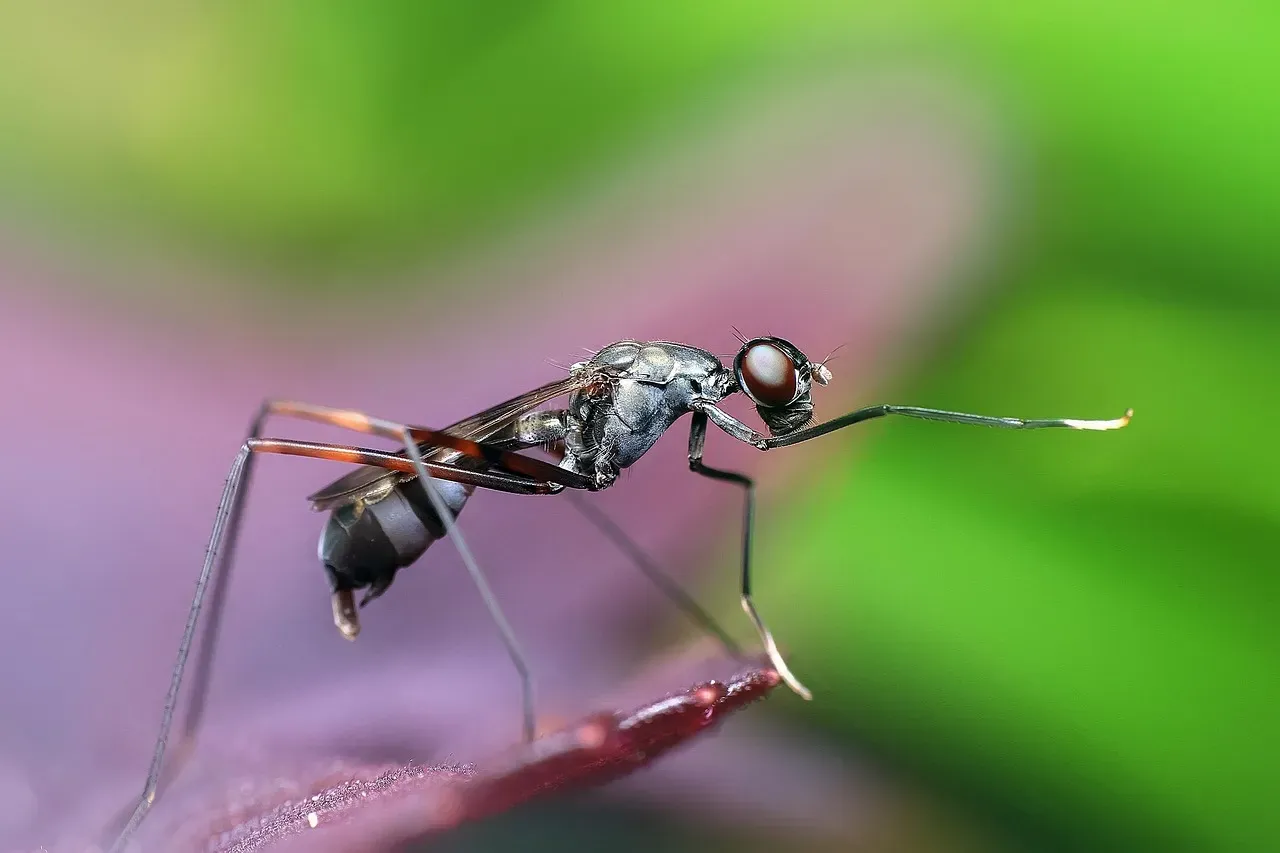
This one is the real jaw-dropper of the list. In 2015, scientists published research suggesting that some ants can recognize themselves when looking in a mirror. Ants. Creatures with brains smaller than a grain of sand. It defies everything our intuition tells us about intelligence.
When viewing other ants through glass, ants didn’t divert from their normal behaviors. However, their behavior did change when they were put in front of a mirror. The ants would move slowly, turn their heads back and forth, shake their antennae, and touch the mirror.
Given that these ants tried to clean the mark rather than respond aggressively, the ants likely didn’t think their reflection was just another ant. The team thinks their study shows that self-recognition is not an “unrealistic” ability in ants. It’s hard to say for sure whether ants have anything like self-awareness in a meaningful sense, but the behavior alone demands a second look.
Mice: The Surprise Entry With a Neuroscience Twist
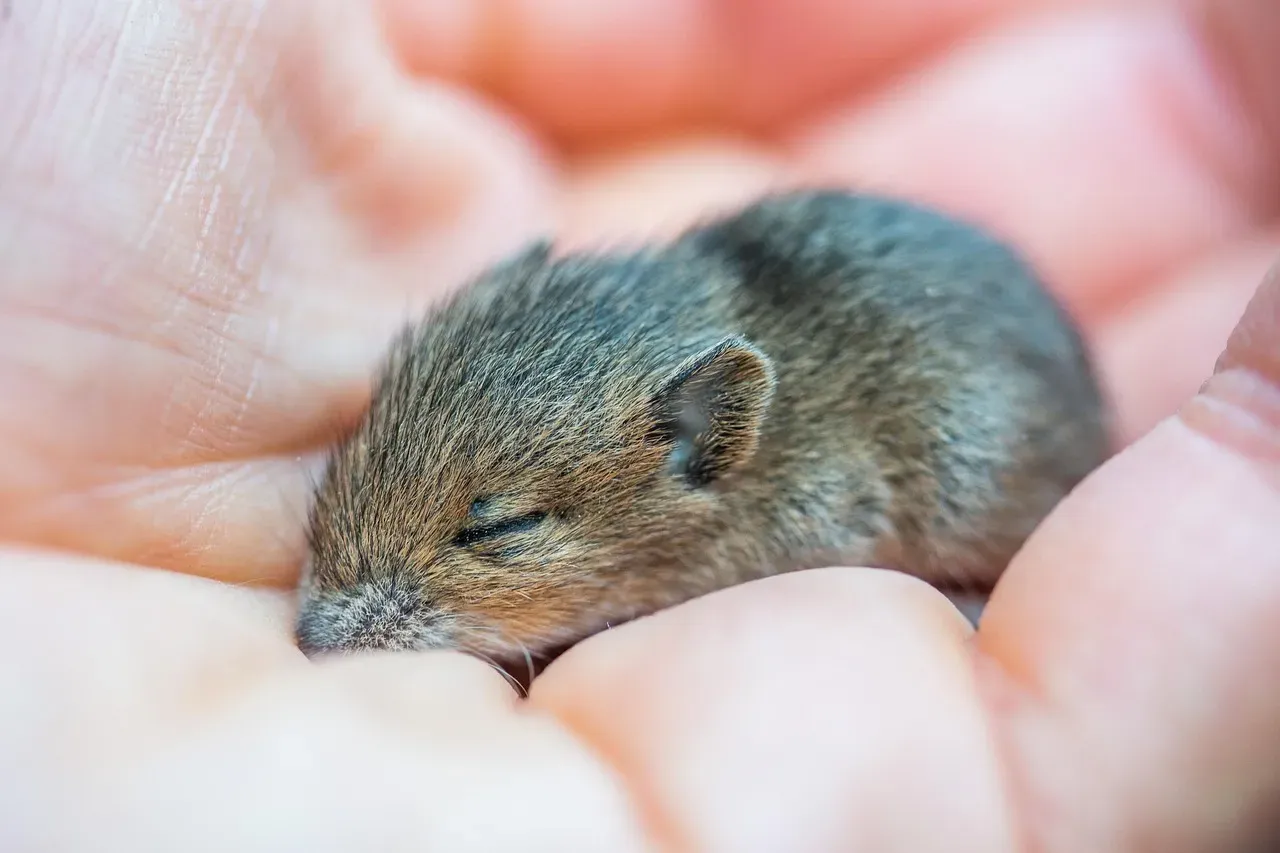
A January 2024 study in the journal Neuron suggested that mice, too, seem to recognize modifications to their own body in a mirror. The finding raised eyebrows across the scientific community, and for good reason.
Researchers found that mice removed marks from their body when they could see the smudges, while mice that couldn’t see the smudges because they blended in with their fur color did not remove them. The researchers also went further, scanning the brains of the mice as they removed the smudges. They found a subset of brain cells called ventral hippocampal CA1 neurons that lit up during the mirror test.
The mice required significant external sensory cues to pass the mirror test, needing a lot of ink on their heads combined with a tactile stimulus to detect the ink via a mirror reflection, whereas chimps and humans don’t need any of that extra sensory stimulus. Still, the fact that specific neurons fire during self-recognition is a discovery with implications far beyond a single species. Whether a similar circuit plays a role in human self-recognition remains to be seen.
Gorillas: The Complicated Case
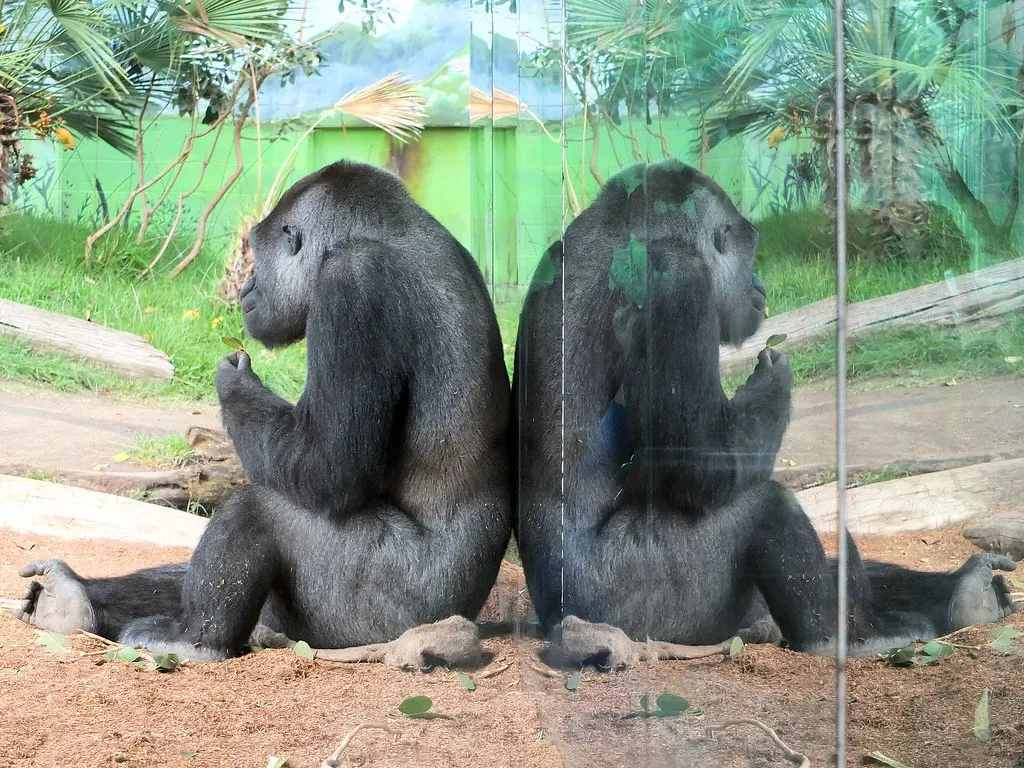
Western gorillas have produced mixed findings, more so than for the other great apes. At least four studies have reported that gorillas failed to show self-recognition. However, other studies have shown self-recognition in captive gorillas with extensive human contact.
Surprisingly, at least one specific gorilla, Koko, passed the test. This is probably because gorillas consider eye contact an aggressive gesture and normally try to avoid looking each other in the face. In other words, gorillas might be self-aware and simply too socially cautious to show it. Their social instincts could be masking a cognitive ability that’s actually there.
Ironically, it may have been the gorillas’ very capacity for self-consciousness that prevented them from exhibiting behaviors indicative of self-recognition in the test situation. By avoiding eye contact, gorillas are likely not able to look at their reflection long enough to realize that it is themselves they are seeing. The gorilla case is a perfect reminder that failing a test doesn’t necessarily mean failing the ability.
Conclusion: What the Mirror Really Reflects
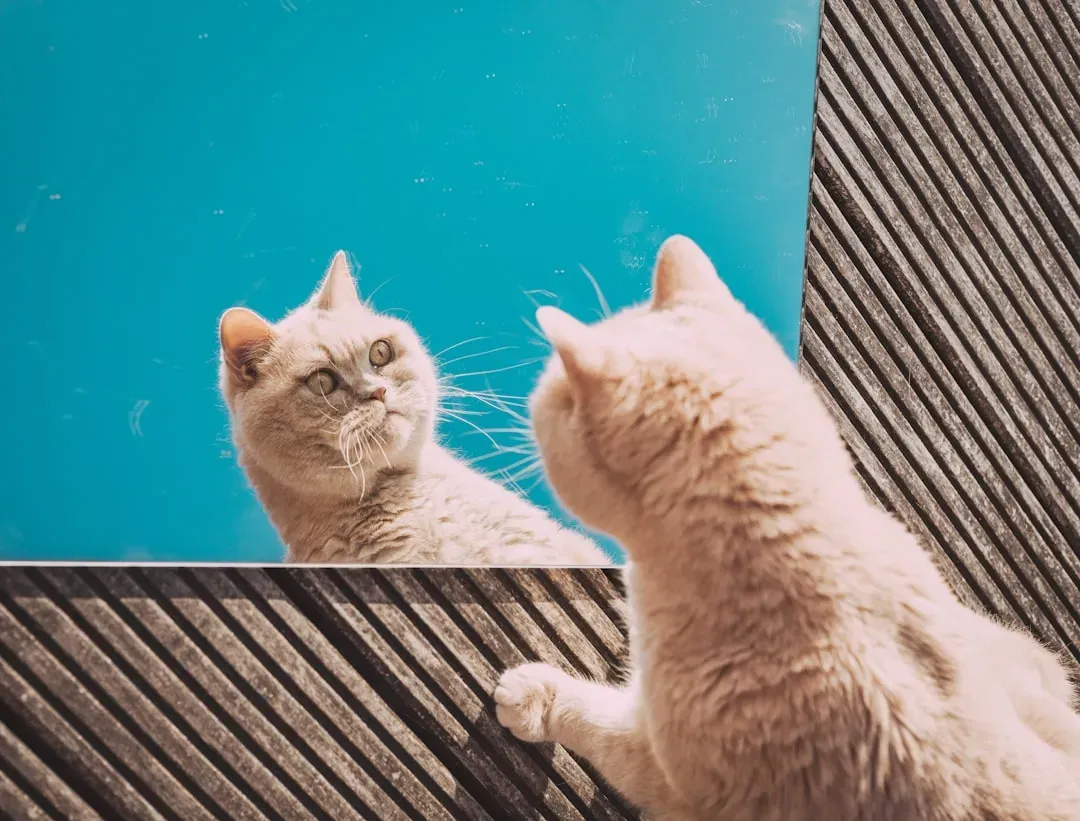
What’s remarkable about this list isn’t just the variety of species on it. It’s what their presence forces us to reconsider about the nature of intelligence itself. The classic assumption about self-awareness was that it is a complex cognitive process, restricted at best to a few large-brained species. Early research yielded positive results only in great apes, elephants, dolphins, and magpies. That assumption is now under serious pressure.
From chimpanzees grooming in front of a mirror to ants carefully cleaning a painted dot off their own heads, these 12 animals tell us something profound: self-recognition did not evolve once, in one lineage, as a unique human-adjacent gift. It evolved independently, repeatedly, across wildly different body plans and brain structures.
The mirror test remains one of the most provocative tools in animal cognition research, yet it is not without controversy. Only a select group of species have clearly demonstrated self-recognition, while many others leave us with fascinating ambiguities and new questions. Science is still learning what the mirror actually measures. Every new species that sits in front of one brings us a little closer to understanding what it means to be aware of yourself at all.
Which entry on this list surprised you the most? Drop your thoughts in the comments, because honestly, the ants deserve a bigger conversation.

- 15 Unique Animal Habitats You Won’t Believe Exist in the United States - August 7, 2026
- What Your Birth Month Animal Reveals About Your True Spirit - August 7, 2026
- What Your Go-To Snack Reveals About Your Spirit Animal - August 7, 2026