
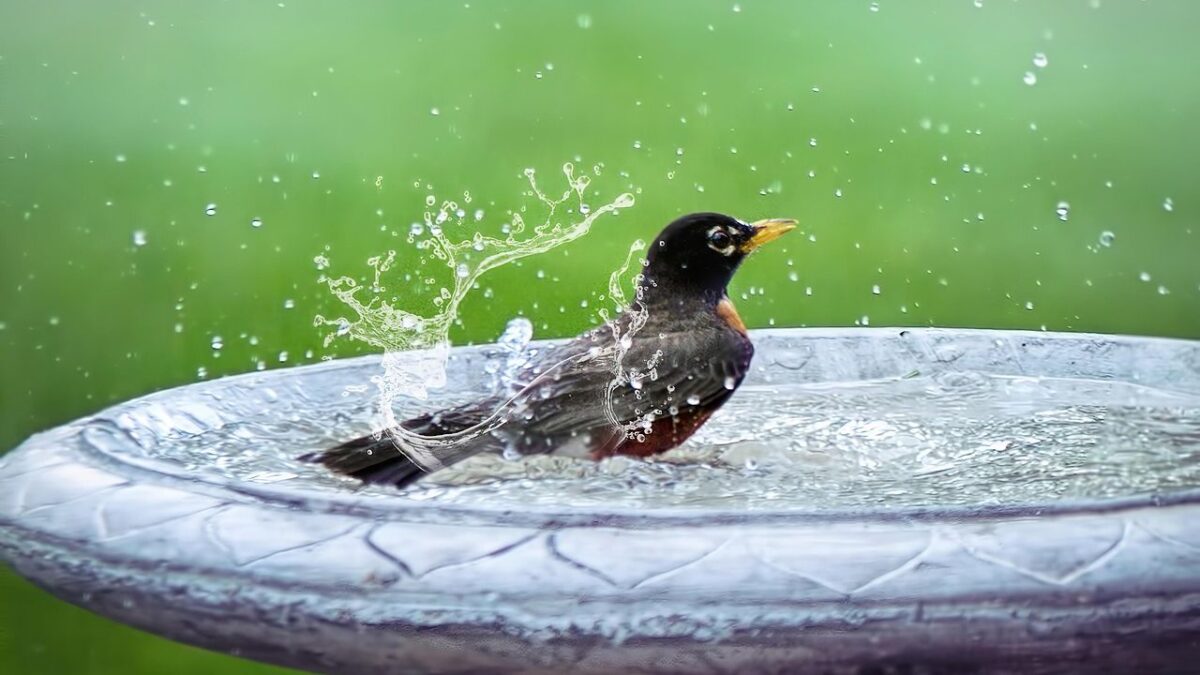
There’s something quietly extraordinary about stepping outside in the morning and hearing your backyard come alive with birdsong. It’s one of those simple pleasures that costs nothing, yet somehow feels like a gift. The truth is, millions of birds across North America are struggling – losing habitat, losing food sources, losing safe places to rest. Your backyard, however small, can genuinely change that equation.
You don’t need acres of land or a horticulture degree to make a real difference. What you do need is a little intention and the right know-how. Whether you have a sprawling suburban yard or a modest patio, the possibilities are more exciting than you might think. Let’s dive in.
1. Plant Native Vegetation – It’s the Single Biggest Thing You Can Do
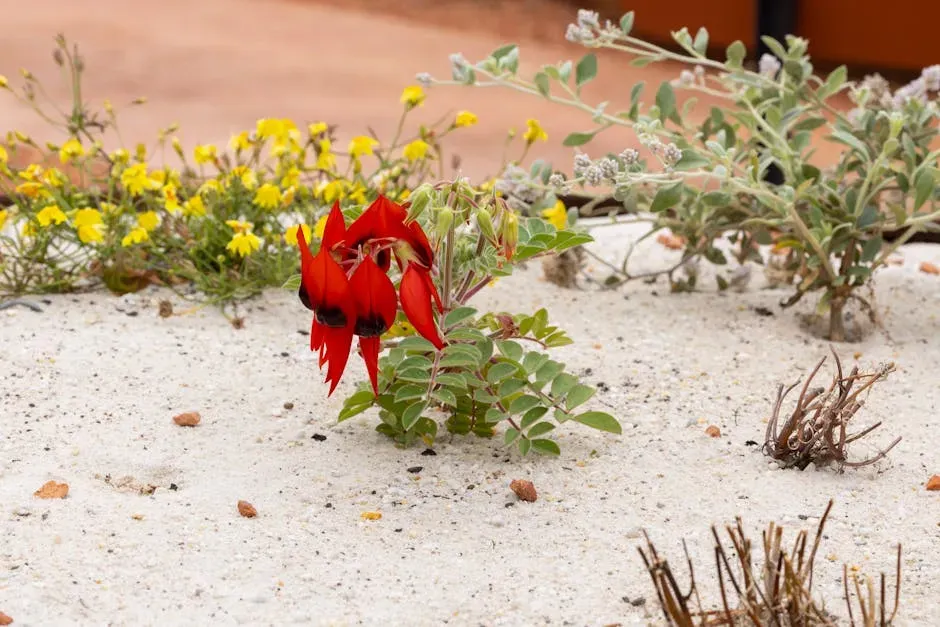
Honestly, if you do nothing else on this list, do this one. One of the most effective ways to support birds in your backyard is by planting native vegetation. Unlike ornamental or non-native species, native plants have evolved alongside local bird populations, providing essential food sources like seeds, berries, and nectar.
Research has revealed that native oaks can support more than 530 species of butterfly and moth caterpillars, while an invasive butterfly bush supports only one species. That’s a staggering difference. Think of it like offering birds a full buffet instead of a single cracker.
Native plants support a much higher diversity and number of invertebrates than non-native plants. This is especially true with caterpillars, which are the preferred food for young songbirds. So every native plant you add is essentially a baby bird survival investment.
2. Create Layered Plant Structure for Maximum Shelter
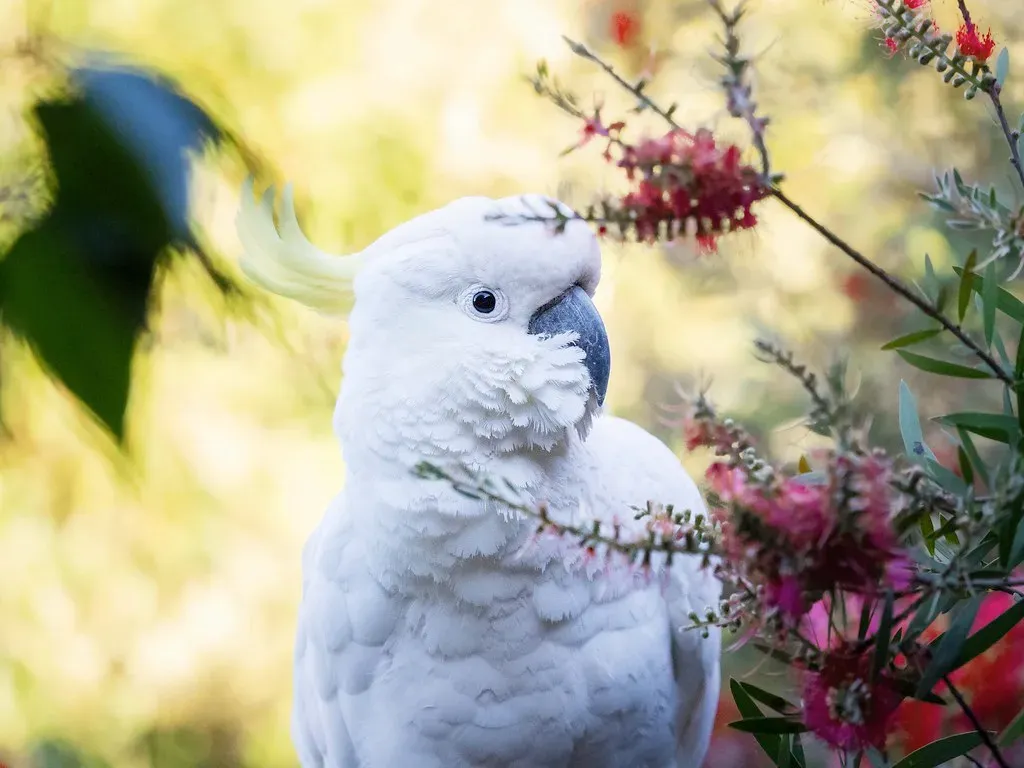
A diverse landscape with varying plant heights offers birds different shelter and foraging opportunities. Arranging plants in layers, from groundcovers to taller trees, caters to a range of species with varying needs. Think of it like building a high-rise apartment complex – different tenants prefer different floors.
Planning for a number of canopy layers – from trees and snags to dense clusters of shrubs, long grasses and flowers – can make a significant difference. You can also use fences, hedges, arbors and trellises planted with vines to create some protected spaces for the birds to nest away from disturbance.
Shelter is as critically important as food and water. Birds need a safe place to rest, preen their feathers, and escape when predators are present. Each night, birds settle into dense shrubs or coniferous trees to sleep. Give them those options and they’ll keep coming back.
3. Add a Fresh Water Source – Moving Water Works Best
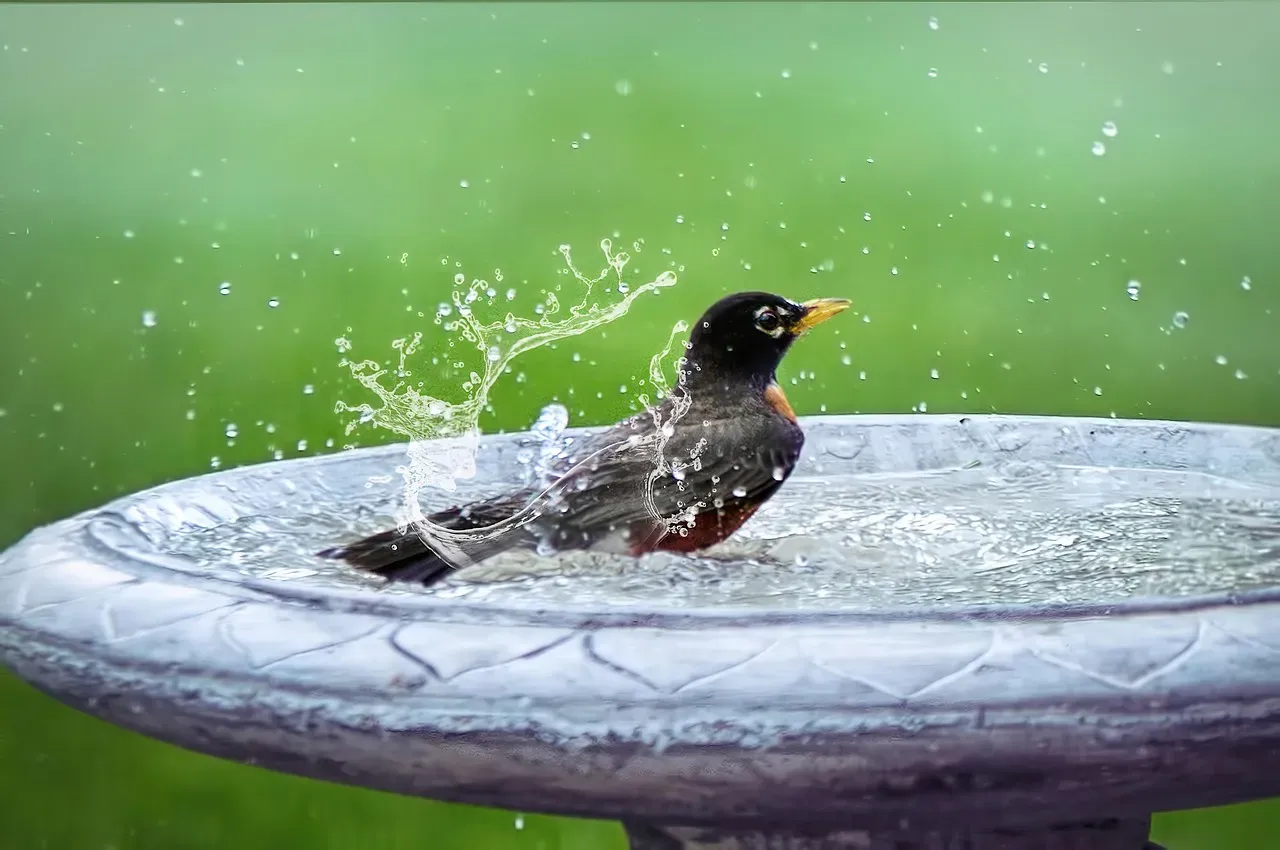
While food and shelter are essential, water is just as important for creating a truly bird-friendly backyard, especially during the warmer months. Birds need water not only for drinking but also for bathing, which helps them keep their feathers clean and functional for flight and insulation.
Ideally, the water level in artificial birdbaths should be no more than 2 inches deep. A gradual decrease in depth towards the edges allows birds of all sizes to drink and bathe in the depth they prefer. A water drip or wiggler may be added to create the sight and sound of moving water, while deterring mosquitoes.
Small pumps can be purchased to circulate the water since moving water has been proven to be especially attractive to birds. It’s a small upgrade that pays off enormously in foot traffic from feathered visitors.
4. Install the Right Bird Feeders – and Keep Them Clean
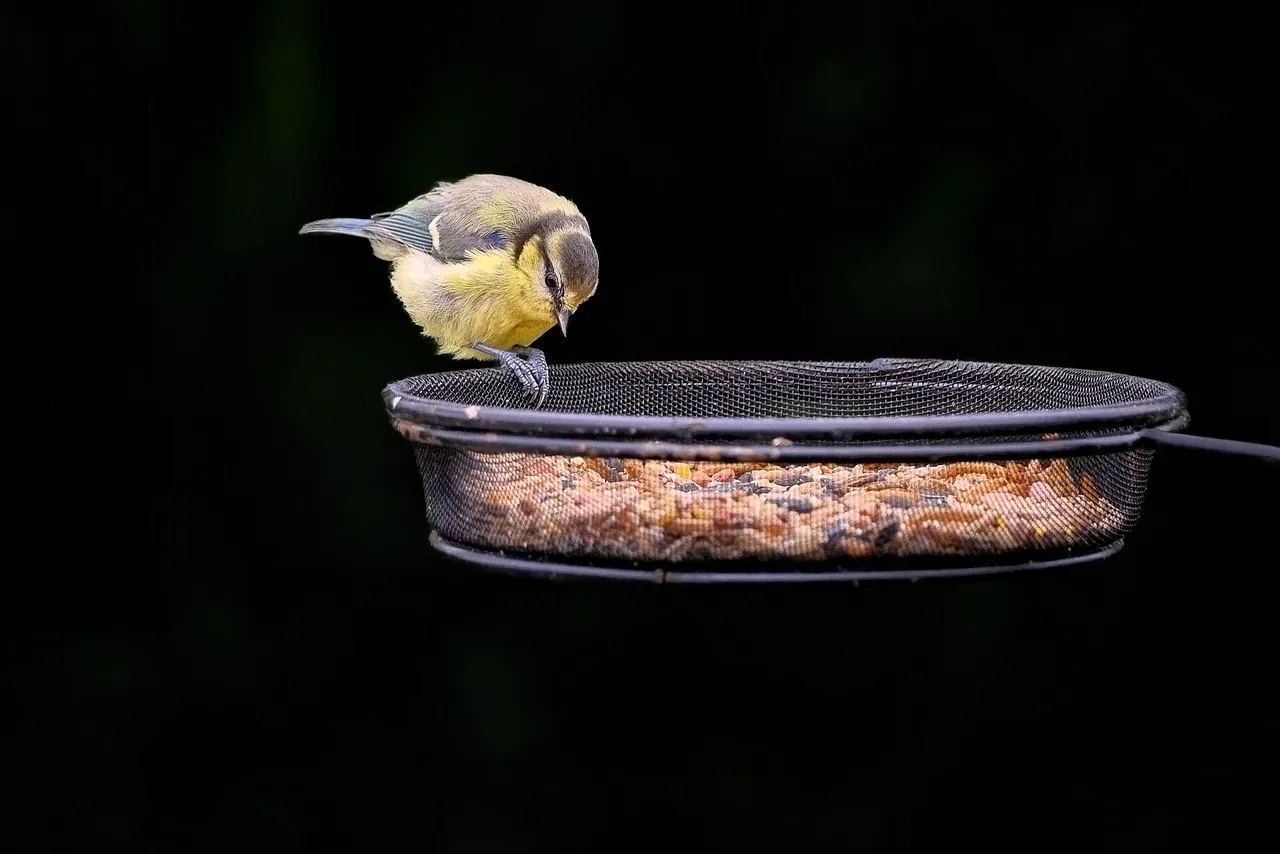
Bird feeders come in many shapes and sizes, each catering to different bird species. Tube feeders, platform feeders, and suet feeders are among the most popular options. Ensuring a diverse selection caters to both seed eaters and those that prefer nuts or suet, attracting a wider array of birds, from chickadees and finches to woodpeckers and nuthatches.
Here’s the thing though – a dirty feeder is actively dangerous. Dirty feeders can spread disease. To protect the birds, completely empty your feeders about once every two weeks, and more often in wet weather or if the food looks moldy. Take each feeder apart, then clean it thoroughly with dish soap and boiling water or a dilute bleach solution. Rinse the feeder well, dry it completely and refill with fresh seeds.
Place bird feeders in locations that do not provide hiding places for cats and other predators. Place feeders ten to twelve feet from low shrubs or brush piles. Strategic placement is just as important as feeder quality.
5. Put Up Nest Boxes Suited to Your Local Species
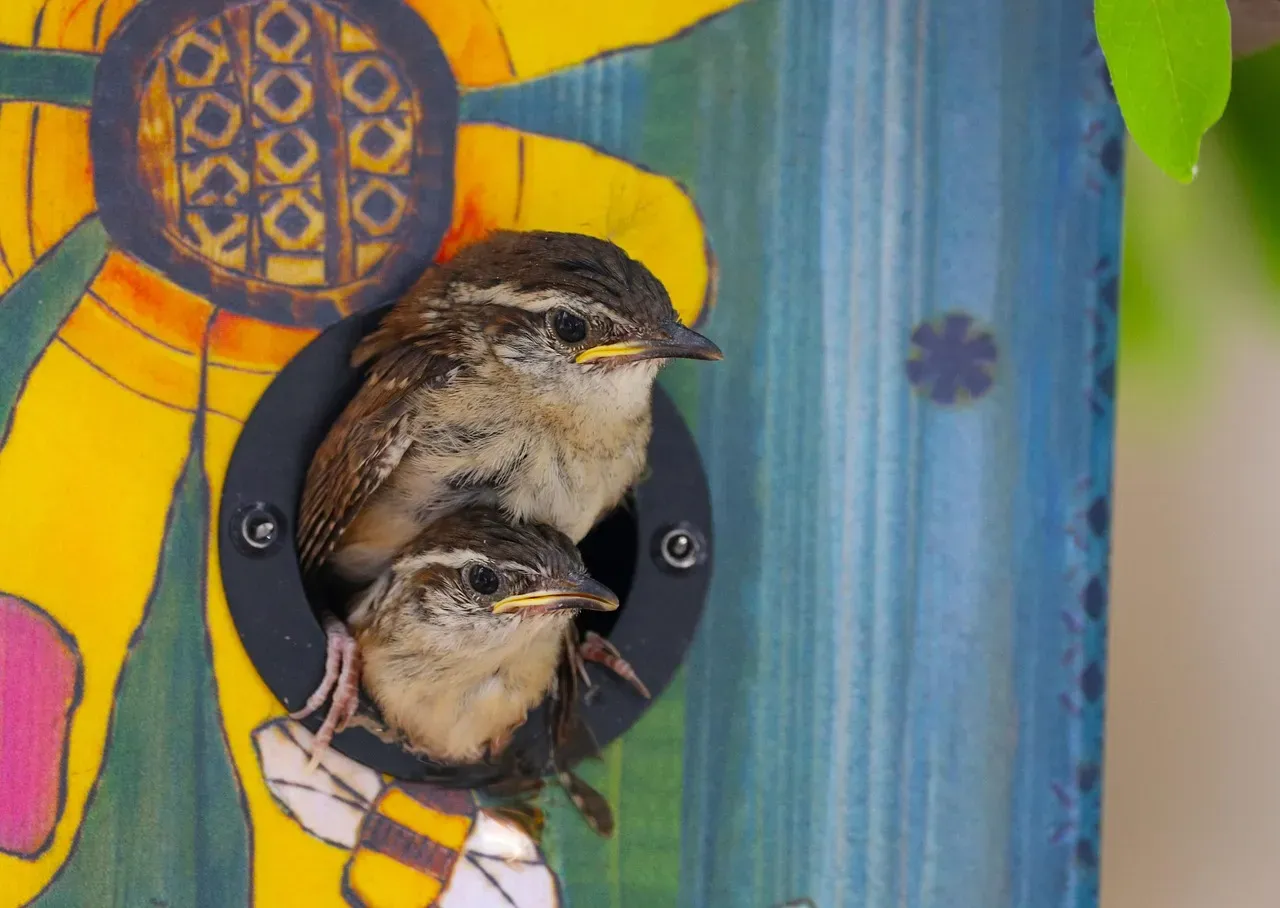
Nesting boxes can support bird populations by providing safe havens for raising young. Different species require different types of boxes, so researching the appropriate design for your target birds is important. Ensure boxes are placed in safe, quiet areas away from heavy foot traffic and predators.
Nest boxes not only provide habitat for native birds, but they also help keep your backyard ecosystem in balance. Cavity-nesting species like Eastern Bluebirds and Carolina Wrens love birdhouses and can help control insect populations, especially for gardeners dealing with garden pests.
Visit your local nursery or backyard bird shop to learn about the best birdhouse for your local cavity nesters. Not all birdhouses are the same, so choose the right house for the species you want to attract. It’s like real estate – location and fit matter enormously.
6. Leave Dead Trees and Snags Standing
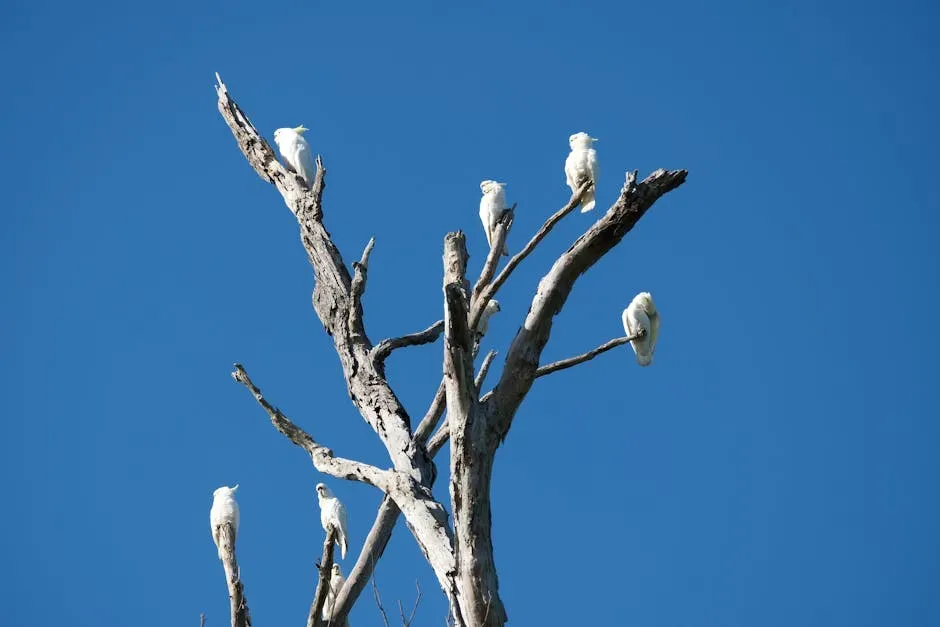
This one surprises people. Most homeowners see a dead tree and think: eyesore, remove it. Birds, on the other hand, see it as prime real estate. When possible, don’t cut down dead trees, also called snags. Snags are favored foraging and nesting places for many species of birds.
Birds and small mammals find shelter inside cavities in dead wood. Insects, including pollinators, build nests in the dead wood or inside cavities which, in turn, feed birds. If well planned and maintained, they can also be a visually pleasing feature in your landscaping.
When it’s safe, leave dead trees and branches in place for cavity nesters like woodpeckers and bluebirds. Even a single standing snag can become the most popular spot in your yard. I think this is one of the most underrated tips in all of backyard birding.
7. Go Pesticide-Free in Your Garden
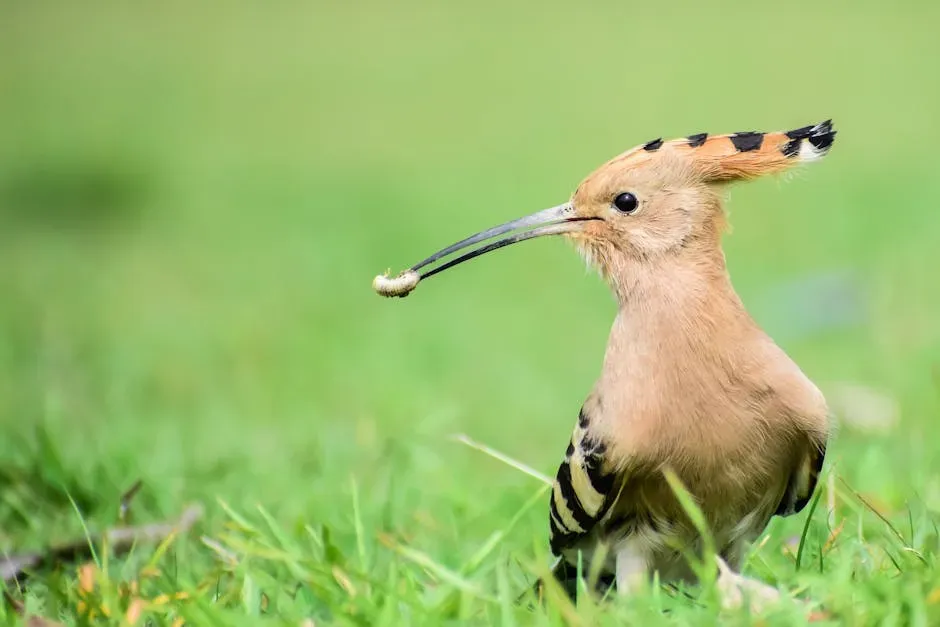
Most pesticides are nondiscriminate killers that don’t just eliminate specific bugs. Pesticides kill important pollinators, like bumblebees and butterflies, as well as helpful insects like lady beetles. When the insects disappear, the birds lose their dinner – plain and simple.
Pesticides can be harmful to birds as they may poison insects that birds feed upon. Maintaining a healthy garden ecosystem by encouraging natural pest control methods, such as introducing beneficial predator insects or companion planting, ensures birds have a safe food source.
A pesticide-free healthy lawn is the safest option for your favorite birds, other wildlife guests, pets and even you, too. Let’s be real – the chemical approach was never really a long-term solution anyway.
8. Create Brush Piles and Leave Fallen Leaves
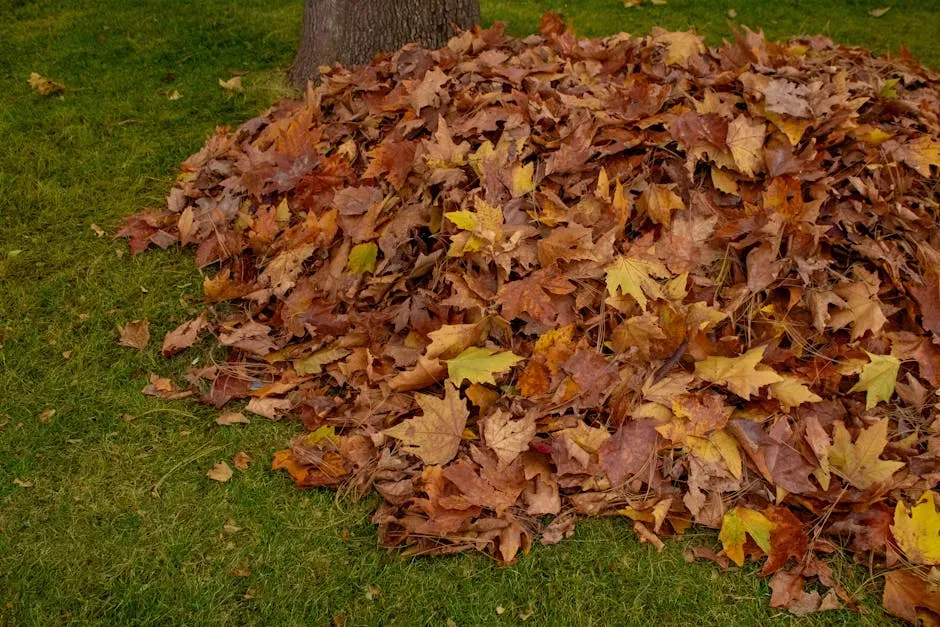
Here’s a backyard tip that requires almost zero effort and costs absolutely nothing. Leave small piles of branches and leaves around your yard. These attract ground-dwelling invertebrates, perfect for birds like American robins and northern flickers. The brush piles also provide shelter for bird species like the Carolina wren, and decomposing piles will replenish nutrients to your soil over time.
Leaving brush piles around your property provides shelter for an immense variety of species. Brush piles don’t need to be huge – even just a few sticks and leaves clumped together after trimming your property’s vegetation is enough to provide a safe haven for a wild neighbor.
Fallen leaves and woody debris are an important habitat layer, and serve as a natural mulch. So the next time you reach for the rake, maybe think twice about that back corner of the yard.
9. Make Your Windows Visible to Birds
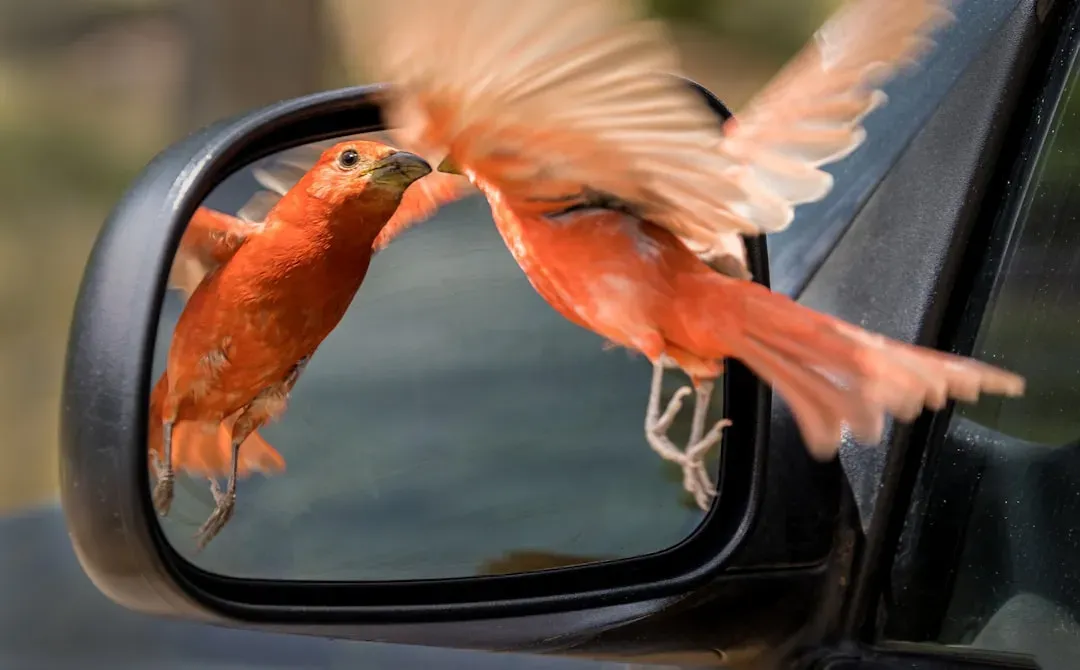
This is a problem most people don’t even know exists. Windows pose a huge risk by reflecting the sky or trees nearby, which invites birds to fly right into them. Researchers estimate that window collisions kill up to 1 billion birds a year, especially during migration season. That number is honestly shocking.
New data indicates there is no truly safe distance from a window to put bird feeders, so be sure to make any windows facing your feeders easy for birds to see. To protect the birds, deck these windows with specially designed anti-collision stickers, decals, bird tape or films that create an opaque surface outside.
Netting or bug screens outside each window, installed taut enough to create a bounce, can also be a great way to prevent birds from colliding. To prevent birds from getting tangled, look for small mesh netting. A simple fix for a devastating problem.
10. Keep Cats Indoors – or at Least Contained
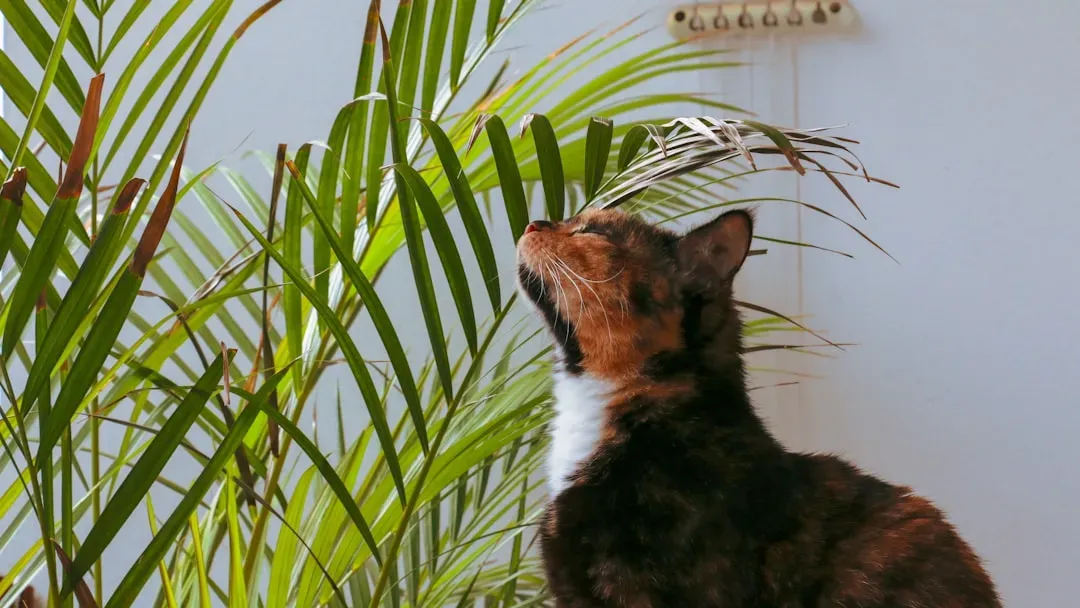
I know this one is sensitive for cat lovers, myself possibly included. But the data is impossible to ignore. Outdoor cats are responsible for the deaths of an estimated 2.4 billion birds each year in the U.S. alone. That figure alone should stop anyone in their tracks.
Cats are a leading cause of bird deaths in urban areas. If you have a cat, consider making it an indoor pet. You can also talk to neighborhood cat owners about keeping their cat inside or at least keeping it confined within a fenced area.
Keeping your cat indoors is better for wildlife, and better for the cats, too. Honestly, an indoor cat with a window perch gets to watch birds all day – that sounds like a pretty good deal for everyone.
11. Turn Off or Dim Outdoor Lights at Night
Here’s a hazard that flies completely under the radar, no pun intended. Two of the most overlooked threats to birds are free-roaming domestic cats and artificial nighttime lighting. Most people simply never make the connection between their porch light and a bird in distress.
Bright lights can disorient migratory birds, which significantly impacts birds, particularly during migration. Millions of birds navigate by starlight, and artificial glow from homes can completely throw them off course – like unplugging someone’s GPS mid-journey.
The fix is straightforward. Use motion-activated lights rather than all-night lighting, switch to warm amber bulbs instead of bright white ones, and draw your blinds at night during peak migration seasons in spring and fall. Small habits, massive impact.
12. Plant Berry-Producing Shrubs and Fruit-Bearing Trees
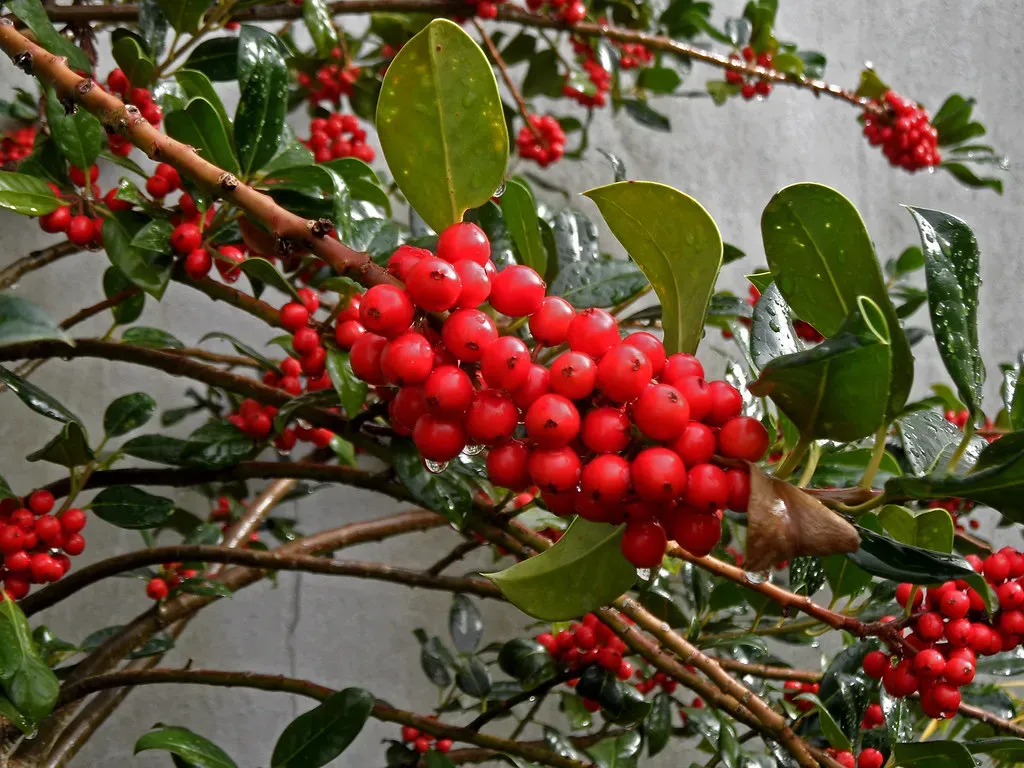
Think of your yard as a year-round grocery store for local birds. A healthy mix of native vegetation will draw a variety of species to your yard. Native trees and shrubs that produce berries – like dogwoods, serviceberries, cherries, and blueberry – provide fruit in summer and fall, and are much more nutritious, high in fats and lipids, than fruits of non-native plants.
Perennials like coneflower, Jerusalem artichoke, sunflower, coreopsis, and black-eyed Susan provide seeds in the fall that attract finches and sparrows. Hummingbirds and orioles are attracted to nectar-producing flowers, especially those with tube-shaped blooms. Consider trumpet creeper, beebalm, trumpet honeysuckle, cardinal flower, and columbine.
The beauty of this approach is that it works passively. Once established, these plants feed birds season after season without you lifting a finger. It’s the closest thing to a self-running bird buffet that nature allows.
13. Share the Habit With Your Neighbors
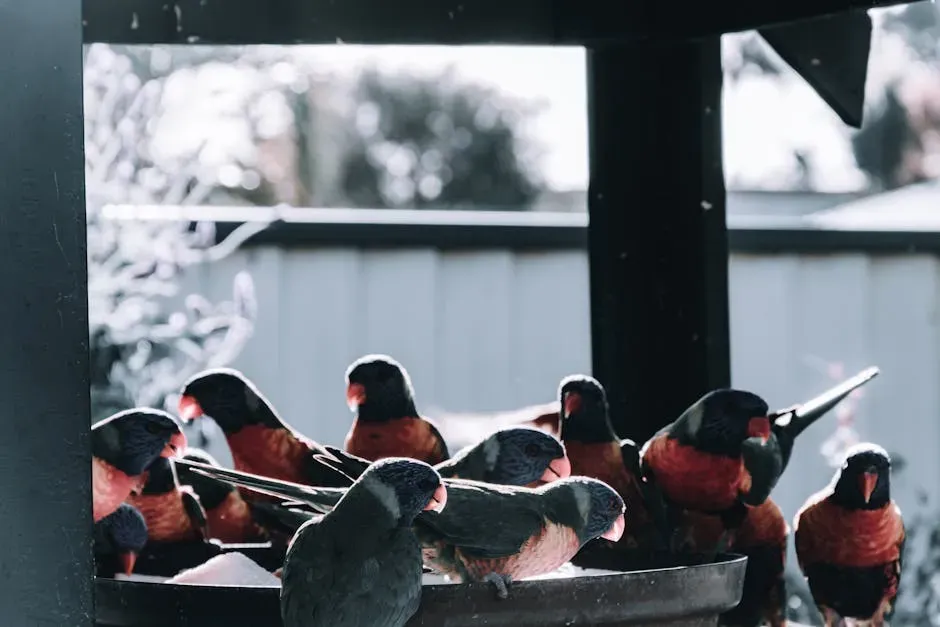
Here’s where things get genuinely exciting. Your backyard alone is wonderful. But imagine if every neighbor on your street made even a few of these changes. Once the theme spreads throughout your neighborhood, you’ll have created a matrix of habitat that can sustain populations of birds throughout the seasons.
Learning about the specific needs of regional bird species, and sharing that knowledge with neighbors and friends, can encourage them to also support bird habitats, creating a network of bird-friendly gardens that offer safe havens across larger areas and reinforce conservation efforts.
For many species, backyards in urban and suburban neighborhoods aren’t just flyover zones – they’re essential rest stops or even permanent habitats. That’s why what homeowners choose to plant, build, and illuminate can make a huge difference. Change spreads person to person, garden to garden.
Conclusion: Your Backyard Can Be a Lifeline
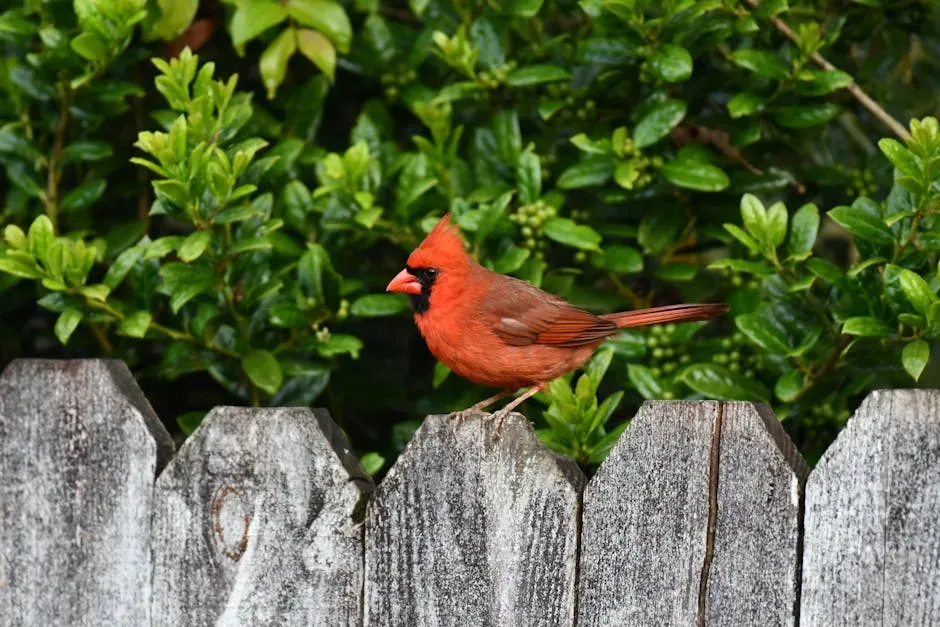
It’s easy to feel like one backyard can’t possibly matter in the face of large-scale habitat loss. But that’s simply not true. Our yards can be vital habitats, and following a few simple guidelines can help create a safe haven where birds can flock, feed, nest, and rest. Every native plant you add, every pesticide you skip, every window you mark – all of it counts.
With a bit of intention and a few plants that provide sustenance and shelter, you can turn almost any space into an oasis for your feathered friends. That’s not an exaggeration. It’s an invitation. The birds are already out there looking for exactly what you can offer.
You don’t need to do all 13 things at once. Pick two. Start this weekend. Then add one more next month. Before you know it, your backyard will be singing – and you’ll be the reason why. What step will you take first?

- The Ancient Secrets of Yellowstone’s Wild Animals Revealed - August 6, 2026
- Are Some Common Pet Behaviors Actually Signs of Undiagnosed Stress? - August 6, 2026
- 8 US States With the Most Horseshoe Crab Spawning Beaches - August 6, 2026