

There’s something almost poetic about a clownfish breaking the rules. These are the same brightly striped creatures most people associate with coral reefs and animated movies, living quiet, predictable lives tucked inside sea anemones. Except, it turns out, not all of them are following the script.
A fascinating new discovery has scientists genuinely rethinking what they thought they knew about the boundaries of natural development. A mutant clownfish with unusual pigmentation patterns is raising surprisingly deep questions about genetics, evolution, and how rigid the so-called rules of nature actually are. Let’s dive in.
The Discovery That Started It All
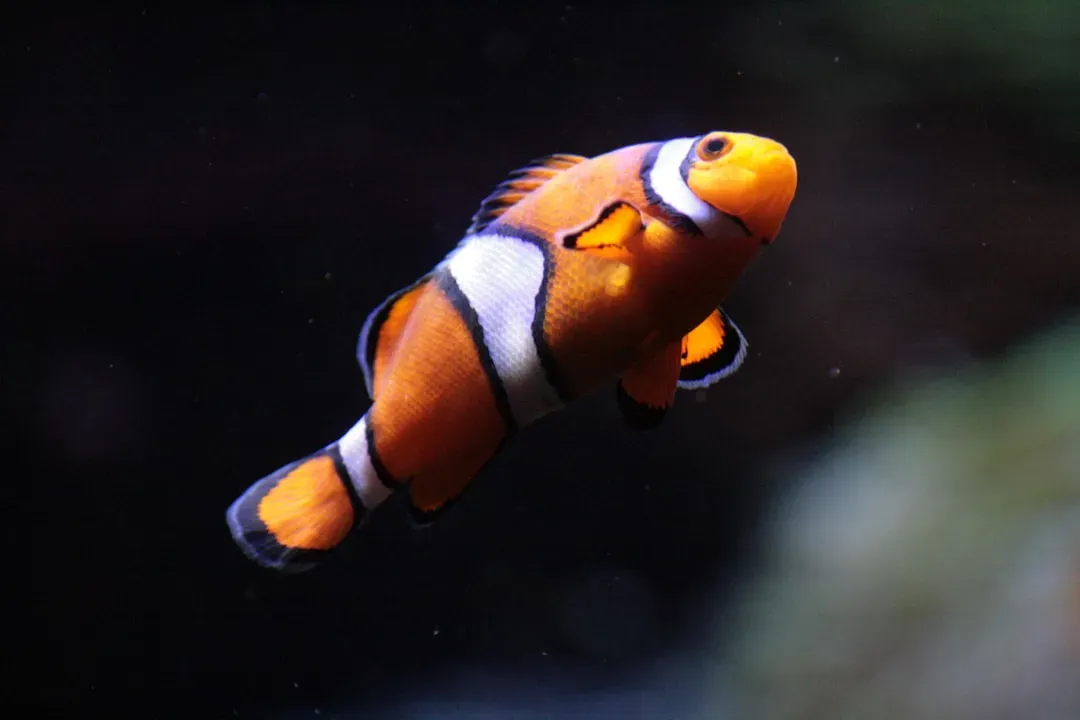
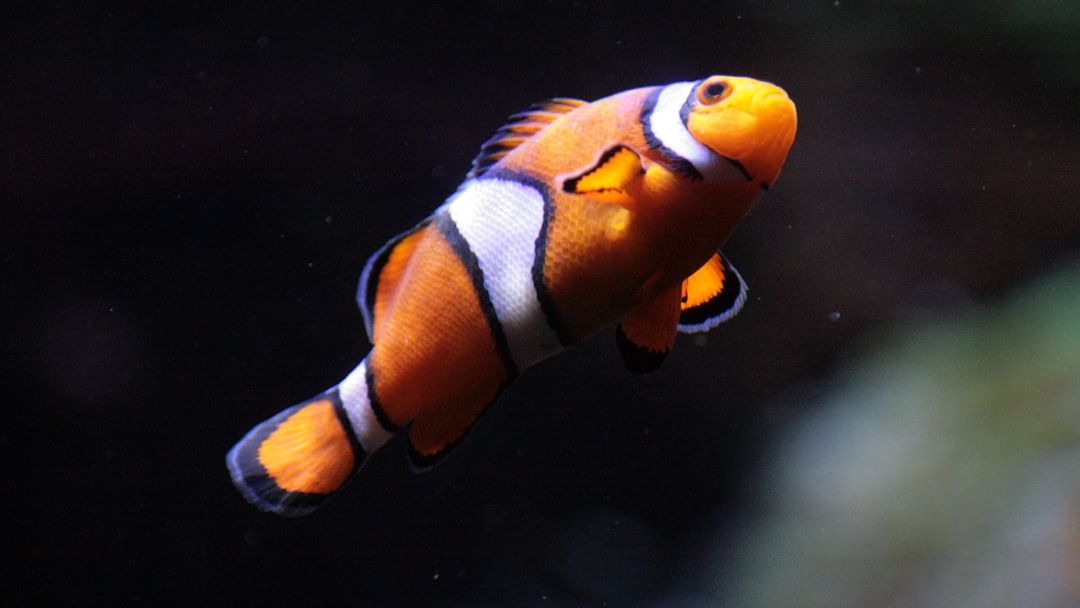
It sounds almost too cinematic to be real, but researchers recently identified a clownfish carrying a rare mutation that dramatically alters its white stripe patterns. Normally, clownfish like the iconic Amphiprion ocellaris species display precise, fixed bands of white against their orange bodies. This mutant individual, however, showed distinctly irregular markings that shouldn’t, according to established developmental biology, exist in this form.
The discovery was made and reported in early April 2026, drawing immediate attention from the broader marine biology community. What makes this find genuinely compelling is not just that the fish looks unusual. It’s what the mutation reveals about the underlying genetic architecture that controls how complex color patterns form in vertebrates.
How Clownfish Get Their Stripes in the First Place
Here’s the thing most people don’t know: the white stripes on clownfish aren’t just cosmetic. They’re produced by iridophores, specialized pigment cells that reflect light in a particular way, and their precise development is tightly regulated during early life stages. The process depends on specific signaling pathways that have been considered fairly rigid across species.
Scientists believed these stripe patterns were essentially locked in, determined by a narrow developmental window and a small set of molecular instructions. The mutant fish challenges that assumption head-on. It suggests there may be far more flexibility baked into the system than anyone expected, like discovering a highly structured recipe can still produce something completely different if you tweak one obscure ingredient.
What the Mutation Actually Does
The mutation in question appears to affect the thyroid hormone signaling pathway, which plays a surprisingly wide role in pigmentation development across many vertebrate species. Researchers found that when this pathway is disrupted or altered, the iridophore cells behave differently, migrating to unexpected areas or failing to form the usual boundaries that define stripe edges.
This is not a small tweak. Thyroid hormone pathways are ancient in evolutionary terms, meaning they’re found in fish, amphibians, reptiles, and even mammals. The implication is significant: a single mutation in a shared molecular system can produce dramatically visible, structural differences. Honestly, that kind of cascading effect from one change is a little mind-bending.
Why Boundaries in Nature Are More Negotiable Than We Thought
For decades, developmental biology has operated on the assumption that certain biological processes are essentially canalized, meaning they follow a channel so deep and well-worn that they’re resistant to variation. Think of it like a river that always carves the same path through the same rock. The clownfish mutation is, in a sense, proof that rivers can sometimes find new grooves.
The researchers noted that this kind of discovery helps explain how new color patterns might emerge rapidly during evolution without requiring hundreds of thousands of years of gradual change. It’s a reminder that evolution isn’t always slow. Sometimes, one mutation opens a door that was never supposed to be there, and nature just walks right through it.
The Broader Implications for Evolutionary Biology
What’s particularly exciting here is that clownfish are already a well-studied model organism in marine biology. Scientists understand a great deal about their genetics, their symbiotic relationships with sea anemones, and their population dynamics. That existing knowledge base makes this mutation far easier to study in context, and the findings carry weight precisely because they emerge from a well-documented species.
The discovery adds to a growing body of research suggesting that developmental constraints in animals may be more permissive than classical theory allowed. It also raises fresh questions about how other reef fish develop their remarkable color diversity. Coral reefs, after all, are home to some of the most visually spectacular and varied creatures on Earth, and we’re still only scratching the surface of understanding why.
What This Means for Conservation Science
There’s a practical angle to this research that’s easy to overlook. Understanding developmental flexibility in reef fish like clownfish matters enormously in the context of conservation, especially as coral reef ecosystems face mounting pressure from climate change, bleaching events, and habitat degradation. If fish populations carry mutations that expand their developmental repertoire, that could, in theory, give them slightly broader adaptive potential.
It’s hard to say for sure whether this kind of mutation offers any real survival advantage or disadvantage in the wild. The mutant fish in question doesn’t appear to be inherently less viable. Still, the mere fact that such a mutation can arise and persist long enough to be observed is itself informative. It tells scientists that populations are carrying more genetic variation than external appearances might suggest.
A Single Fish, A Surprisingly Big Question
Let’s be real: on the surface, one unusual-looking clownfish seems like a minor footnote in the vast ocean of scientific discovery. Zoom out, though, and the picture gets much larger. This small creature is prodding scientists to revisit foundational assumptions about how biological form is generated, constrained, and ultimately transformed over evolutionary time.
The study published in April 2026 is a good reminder that nature rarely runs out of surprises, even in species we thought we understood thoroughly. Clownfish have been living in their anemone homes for millions of years, following patterns we assumed were fixed. One mutant fish later, and the conversation has completely shifted.
Conclusion
I think what makes this story genuinely compelling is not the fish itself, striking as it is. It’s what that fish represents: a crack in a wall that scientists had confidently declared solid. Every time biology reveals that a supposed rule has exceptions, it pushes the entire field forward in ways that are hard to predict.
The mutant clownfish isn’t just an anomaly. It’s a question mark wearing orange and white. Nature, it turns out, is always more inventive than our current models give it credit for. What other “fixed” biological rules might be quietly bending right now, in some overlooked corner of a reef we haven’t studied yet?

- Beavers Are Nature’s Engineers, Creating Vital Habitats for Other Wildlife Species - July 21, 2026
- The Recovery of the California Condor Offers Hope for Other Critically Endangered Birds - July 21, 2026
- Bats Play a Crucial Role in Controlling Insect Populations Across the United States - July 21, 2026