

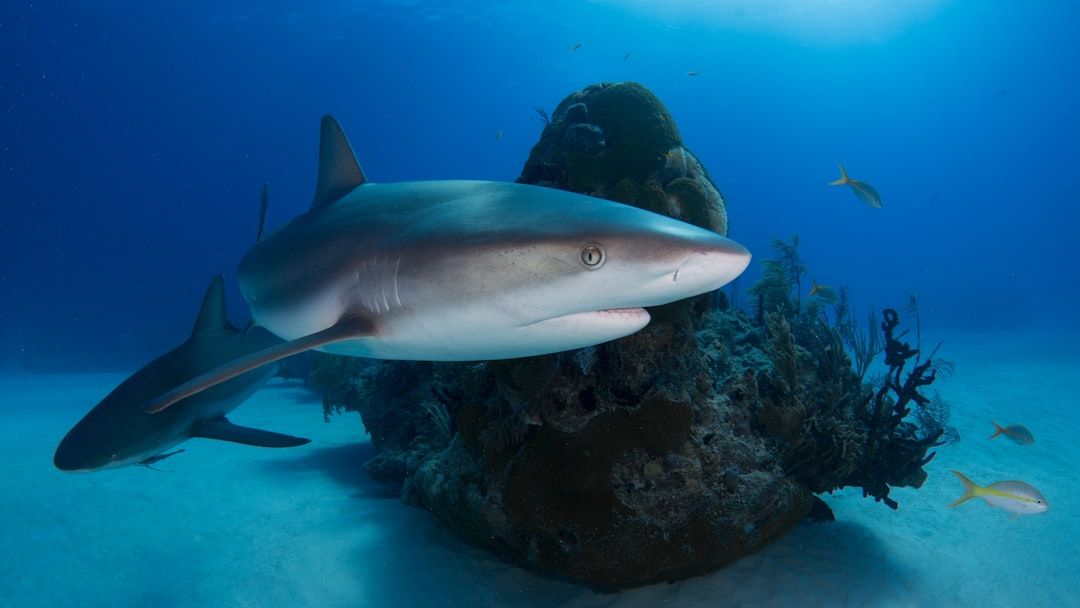
Something is going quietly wrong beneath the surface of the Caribbean Sea. The sharks that once patrolled coral reefs in steady numbers are becoming harder and harder to spot – and new research suggests the reasons are more layered than most people realize.
It’s easy to assume shark decline is simply about overfishing, and that’s certainly part of the story. However, a fascinating new study has turned attention toward something far less obvious: tourism. Specifically, whether the economic value of shark tourism could be the unexpected lifeline these animals desperately need. Let’s dive in.
A New Study Shines Light on a Quiet Crisis
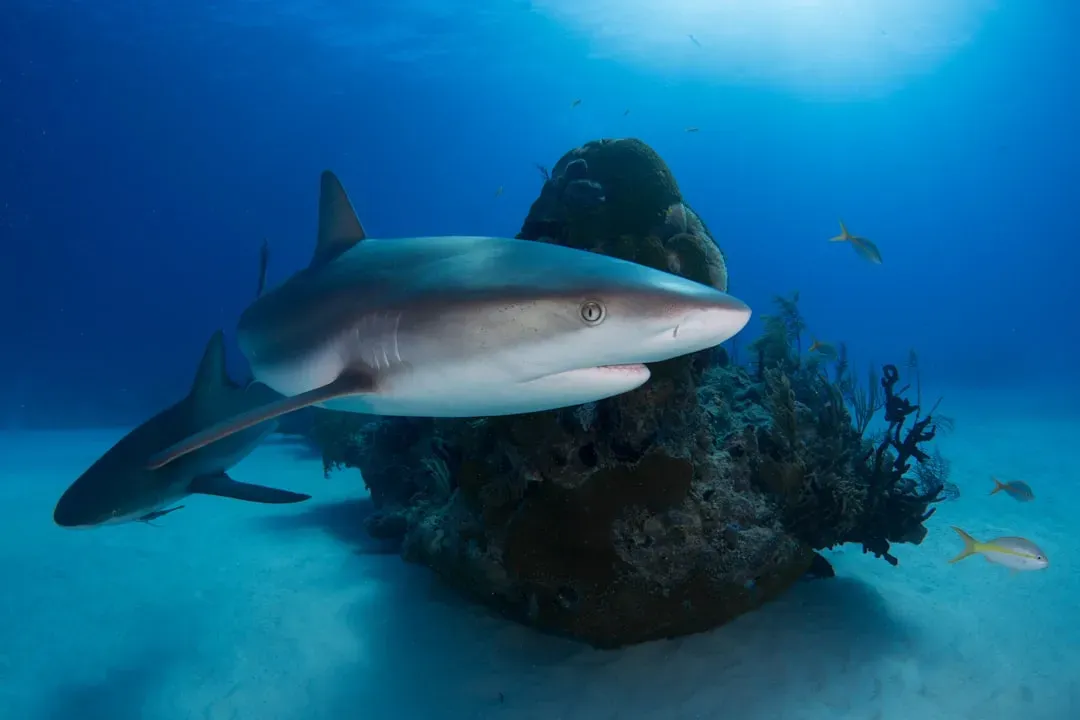
Here’s the thing most people don’t know – Caribbean reef sharks are in serious trouble, and the scale of their decline is genuinely alarming. A study published in April 2026 via Phys.org revealed that reef shark populations across the Caribbean have been severely depleted across wide stretches of their natural habitat. Researchers conducted underwater surveys across multiple reef systems to assess just how bad the situation has become.
What they found was sobering. In many locations, sharks were essentially absent from reefs where they should naturally be abundant. The study highlighted a strong and consistent pattern linking shark presence to specific local conditions, with tourism emerging as a surprisingly significant variable in the data.
The Unexpected Connection Between Sharks and Tourist Dollars
Let’s be real – when most of us think about tourism and marine life, we picture snorkelers accidentally kicking coral or boats anchoring in the wrong spot. The idea that tourism could actually benefit sharks feels almost counterintuitive. However, that’s precisely what this research suggests, and honestly, it makes more sense the longer you think about it.
In areas with active, well-managed shark dive tourism operations, local communities and governments have a direct financial incentive to protect sharks rather than catch them. A living shark, visited by paying tourists year after year, generates far more economic value than a shark sold at a fish market once. It’s that simple, and yet it took formal research to really put numbers to it.
Where the Sharks Are – and Where They’re Not
The surveys conducted for this study covered reef systems across the broader Caribbean region, documenting the stark difference between protected and unprotected areas. Researchers found that sharks were far more frequently observed on reefs located near established dive tourism destinations. The contrast between these sites and remote, less-visited reefs with no tourism economy was striking.
In areas lacking any formal protection or tourism infrastructure, reef shark sightings dropped dramatically. Some reefs recorded virtually no shark activity at all during survey periods. It’s a pattern that points directly to human activity – specifically the type of human activity happening nearby – as a defining factor in shark survival.
Fishing Pressure Remains the Core Threat
It would be too easy to paint tourism as the hero of this story without acknowledging the villain. Overfishing and targeted shark fishing remain the dominant drivers of reef shark decline across the Caribbean. Sharks are caught both intentionally for their fins and meat, and incidentally as bycatch in fisheries targeting other species.
The study reinforces what marine biologists have been warning for years. Reef sharks reproduce slowly, reaching maturity late and producing few offspring at a time. That biological reality means populations simply cannot bounce back quickly once they’ve been heavily fished down. Recovery, where it happens at all, takes decades.
Why Reef Sharks Matter More Than You Might Think
I think people genuinely underestimate what sharks do for a coral reef ecosystem. They’re not just impressive animals to photograph on a dive – they’re functional pillars of the entire food web. As apex predators, reef sharks regulate the populations of species below them, keeping herbivore and mid-level predator populations in balance.
When sharks disappear, that balance collapses. Prey species can explode in number, grazing pressure on coral increases, and the whole reef can shift toward a degraded state. It’s a cascade effect, like pulling a single thread and watching the whole fabric unravel. Healthy sharks mean healthy reefs, and healthy reefs protect coastlines, support fisheries, and sustain the very tourism industry this study is pointing to as part of the solution.
Can Tourism Models Actually Scale as a Conservation Tool?
This is where things get genuinely complicated, and it’s hard to say for sure how broadly these findings can be applied. Not every Caribbean reef sits near a thriving dive tourism hub. Many of the most ecologically important reef systems are in remote or economically disadvantaged areas where tourism infrastructure barely exists. Building that from scratch takes investment, planning, and time that struggling ecosystems may not have.
However, the research does offer a meaningful framework. Where tourism already exists or where it can realistically be developed, creating formal protections tied to the economic value of live sharks gives local stakeholders a concrete reason to push back against fishing pressure. It’s not a perfect solution, but it’s a real one – and in conservation, real solutions that work with human incentives tend to outlast ones that simply ask people to sacrifice.
What Needs to Happen Next
The researchers behind this study are not simply documenting decline and walking away. The findings are being positioned as a call for stronger marine protected areas across the Caribbean, particularly in zones where shark dive tourism already demonstrates the economic value of living sharks. Effective enforcement of existing protections is equally critical, since paper protections without monitoring do little to stop fishing.
Regional cooperation matters enormously here, given that sharks move across national boundaries and a shark protected in one country’s waters can be caught in another’s. Several Caribbean nations have already established shark sanctuaries, and the momentum around this research may support expanding those designations. The science is clear. What remains to be seen is whether the political will follows.
Conclusion
Honestly, this research lands at a moment when the Caribbean simply cannot afford to keep losing reef sharks without consequence. The connection between tourism economies and shark survival is not just an interesting academic finding – it’s a practical conservation argument that speaks the language policymakers and local communities actually respond to. Economic incentives, when aligned with ecological outcomes, have a track record of driving real change.
What this study ultimately reveals is that saving Caribbean reef sharks isn’t only a wildlife issue. It’s a development issue, a fisheries management issue, and yes, a tourism industry issue all at once. The question now is whether enough stakeholders across the region recognize that a reef without sharks is not just an ecological tragedy – it’s a economic one too. What do you think it will take to turn the tide before more of these reefs fall silent?

- Urban Coyotes Show Remarkable Adaptability, Learning to Thrive in City Environments - July 22, 2026
- Beavers Are Nature’s Engineers, Creating Vital Habitats for Other Wildlife Species - July 21, 2026
- The Recovery of the California Condor Offers Hope for Other Critically Endangered Birds - July 21, 2026