

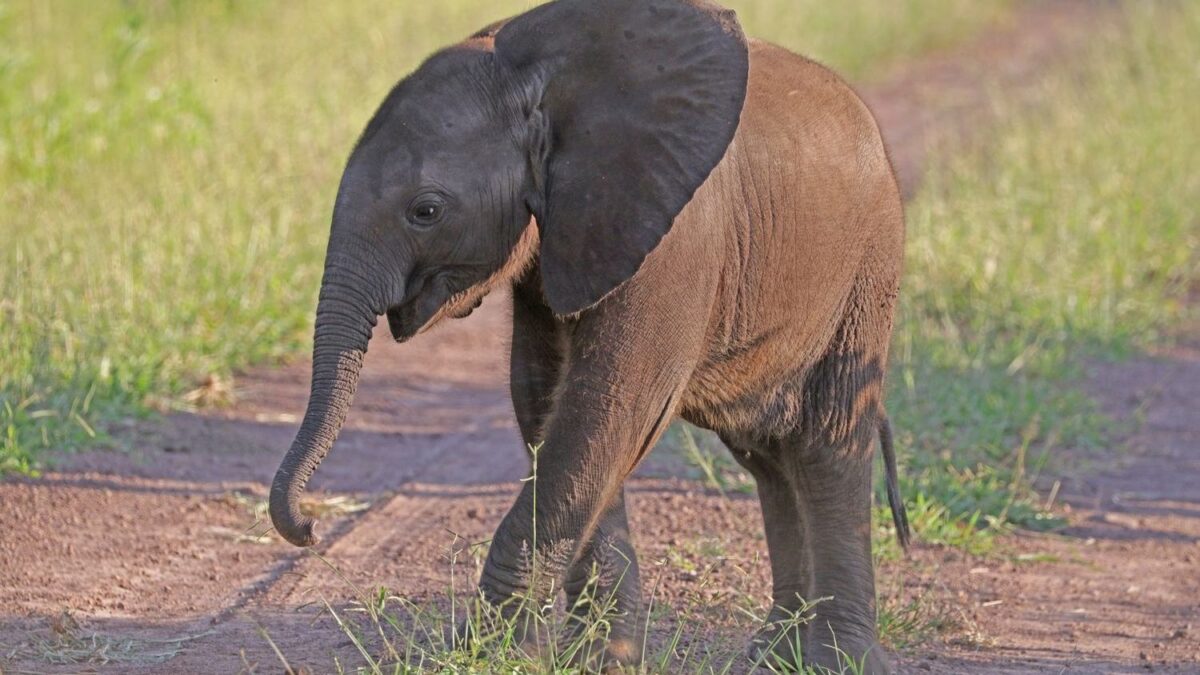
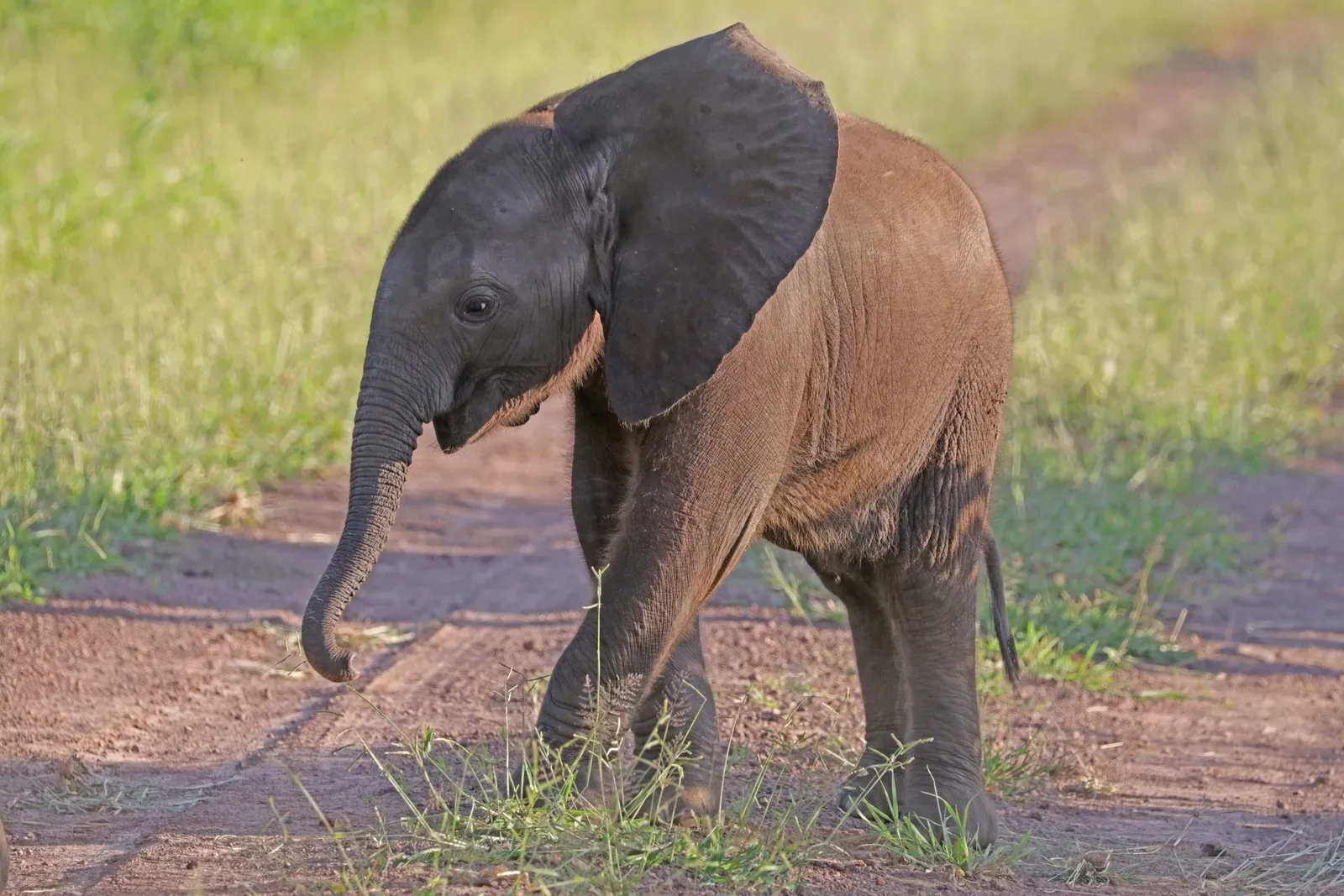
In Kenya’s Reteti Elephant Sanctuary, a young bull elephant named Long’uro endures a life profoundly altered by tragedy. Rescued in April 2020 after tumbling into a well and surviving a brutal hyena attack, he lost two-thirds of his trunk at just a few weeks old. This disfigurement, coupled with blindness in his left eye, sets him apart in a world where physical ability shapes social bonds. His poignant struggle for acceptance among peers has captured global attention just days after a new PBS Nature release highlighted his journey.
Elephant calves rely on play to forge lifelong connections, yet Long’uro watches from the edges, yearning to join. Here’s the thing: his resilience offers a window into the emotional depths of these intelligent giants.
A Calf’s Harrowing Origin
Long’uro’s nightmare began in Loisaba Conservancy when he fell into a shallow well as a month-old orphan. Hyenas attacked overnight, tearing away most of his trunk and leaving him bleeding and crying for his mother. Rangers from Kenya Wildlife Service and Reteti rushed to his aid, pulling the desperate calf to safety. His injuries extended beyond the trunk; the left eye was blinded, forcing adaptations from day one. Despite the odds, he arrived at the sanctuary alive, a testament to his innate will to survive. Today, at around six years old, those early horrors still define his daily reality.
Play’s Pivotal Role in Elephant Society
Young elephants build unbreakable ties through rough play, trunk wrestling, and mock battles that mimic adult survival skills. These rituals strengthen family units and teach navigation of the savanna’s perils. For Long’uro, lacking a full trunk means exclusion from this vital social glue. He observes peers tussle effortlessly while his attempts falter, widening the divide. Experts at Reteti note that such isolation risks permanent marginalization in rigid herd hierarchies. Let’s be real – it’s heartbreaking to see nature’s own rules turn so unforgiving.
Daily Struggles Amid the Herd
Even within the sanctuary’s protective herd, Long’uro lingers on the fringes during group activities. Peers instinctively favor symmetrical playmates, shunning his awkward approaches. Mealtimes amplify the challenge; he grazes with mouth and feet, far slower than trunk-wielding companions. Drinking from streams demands clumsy scoops, often leaving him parched. Dust baths, essential for skin health, expose him longer due to contorted efforts. This natural selection process, devoid of malice, underscores his vulnerability to predators and malnutrition.
Adaptive Ingenuity Against the Odds
Long’uro’s survival hinges on remarkable innovations born of necessity. He uproots grass with his lips and feet, though efficiency lags behind. Water scooping comes via mouth dips, a painstaking process. His stunted growth makes him smaller and frailer than peers, yet he persists. Remarkably, he keeps companions on his right side to compensate for the blind eye, always staying in control. Conservationists hail this as proof of elephants’ extraordinary intelligence, even when dealt the harshest hands.
A Glimmer of Hopeful Bonds
Change flickered when tolerant elders, like matriarch figures, drew him into gentle interactions. Younger calves, unbound by strict conventions, approached with curiosity, easing his entry into play circles. He communicates now through body leans, foot stomps, and subtle cues rather than trunk touches. This evolution reveals the flexibility in elephant social structures under compassionate guidance. Long’uro’s gradual integration proves persistence can breach even the sturdiest barriers. His story at Reteti inspires ongoing monitoring amid poaching threats.
Final Thought
Long’uro embodies elephant resilience amid human pressures like snares and habitat loss, where disabled calves face slim survival odds. His path urges stronger sanctuary efforts and anti-poaching drives. What strikes deepest is how empathy transcends limitations in these emotional behemoths. Would you have bet on his thriving? Share your thoughts below.
Source: Original YouTube Video

- Urban Coyotes Show Remarkable Adaptability, Learning to Thrive in City Environments - July 22, 2026
- Beavers Are Nature’s Engineers, Creating Vital Habitats for Other Wildlife Species - July 21, 2026
- The Recovery of the California Condor Offers Hope for Other Critically Endangered Birds - July 21, 2026