
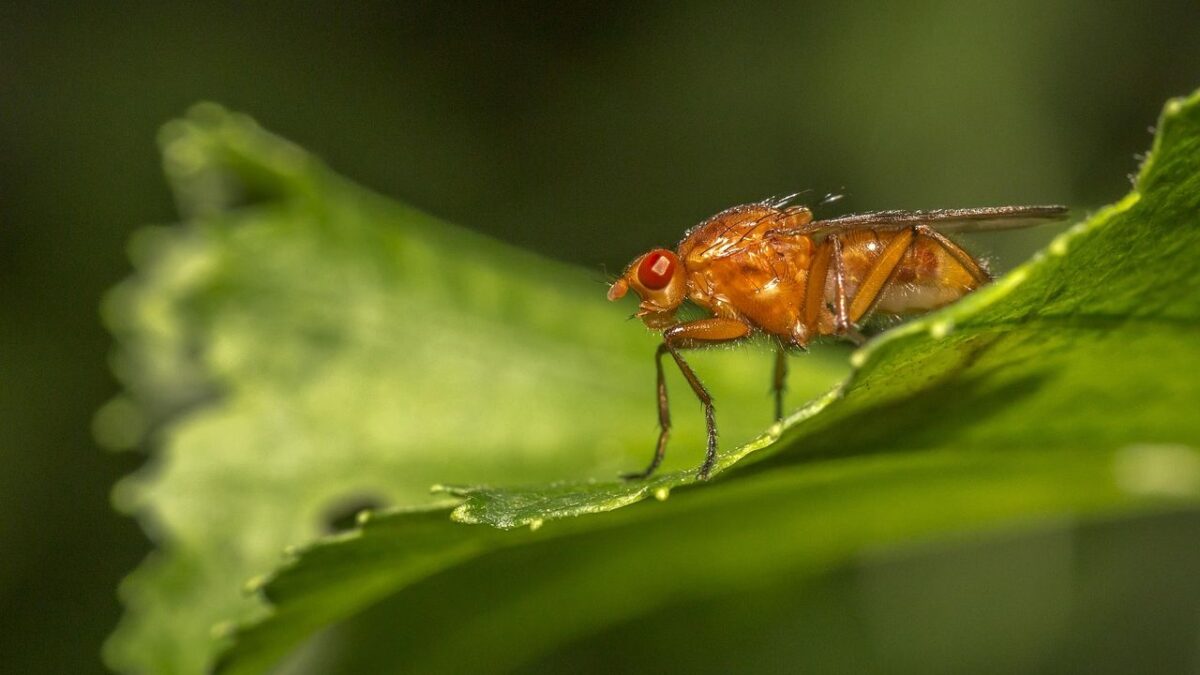
There’s a moment every homeowner dreads. You walk into your kitchen at night, flip on the light, and something scurries across the counter. Or you notice a thin trail of ants weaving its way toward your fruit bowl like a tiny, unstoppable army. It’s unsettling, honestly, and the instinct is to reach straight for a can of chemical spray. Here’s the thing though – you don’t have to go that route.
Nature has given us a surprisingly powerful toolkit for keeping pests at bay, and most of it is already sitting in your pantry or growing in your garden. These methods are safer for your kids, your pets, and the planet. Be prepared to be surprised by what actually works.
Seal Every Crack, Gap, and Entry Point
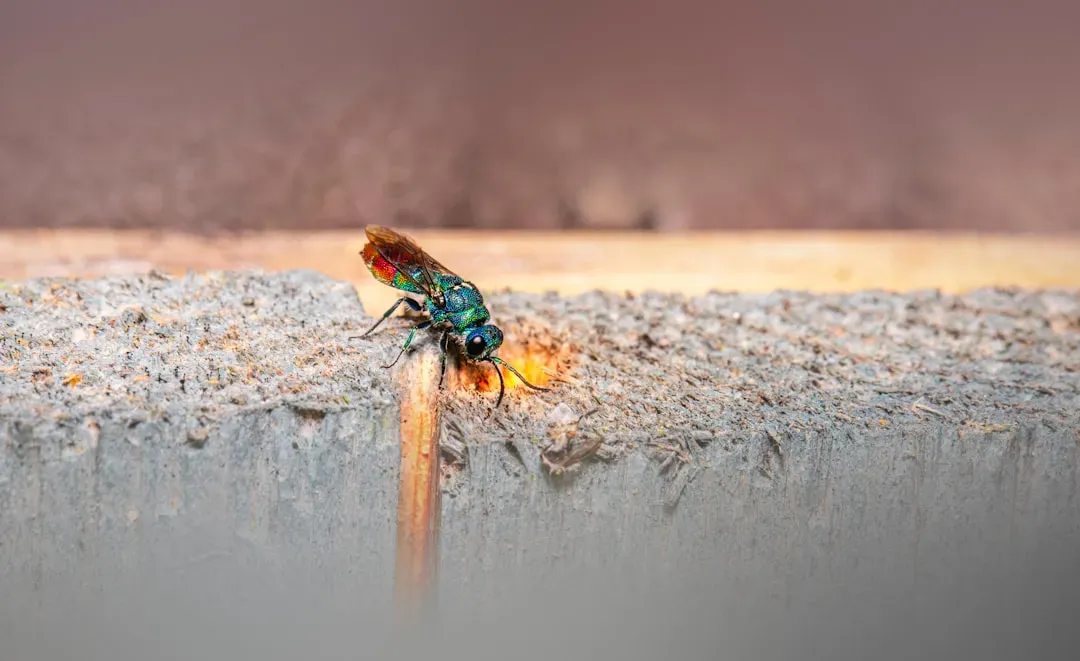
Think of your home like a ship. One tiny hole is all it takes for things to go very wrong. Walk the perimeter of your home and look for small cracks in the foundation or gaps around pipes where they enter the house. A mouse can squeeze through a hole the size of a dime, so use caulk or steel wool to seal these entry points.
Sealing cracks around windows, doors, and foundations with caulk or weather stripping creates a physical barrier that can drastically reduce pest ingress, especially for ants, rodents, and cockroaches. It sounds almost too simple, right? Yet it’s one of the most overlooked fixes in any home.
The small gaps under exterior doors are like welcome mats for ants, roaches, spiders, and even mice. Installing door sweeps and fresh weather stripping around doors blocks these pests and also helps reduce drafts, saving energy in the process. Two wins for the price of one.
Consider also installing mesh covers on vents or chimney openings – these are easy access points that most people forget entirely. A little attention here goes a very long way.
Harness the Power of Essential Oils
I know it sounds a little too “wellness blog,” but stay with me here. Essential oils like peppermint, eucalyptus, citronella, and tea tree oil are renowned for their pest-repelling properties, and many homeowners are turning to these natural solutions to keep pests away without harmful chemicals.
Peppermint and peppermint oil are natural ingredients with minimal risks according to the EPA, and some research suggests peppermint may be useful in repelling several insects such as mosquitoes, ants, flies, and lice. Another study concluded that peppermint oil may also be effective at keeping spiders away.
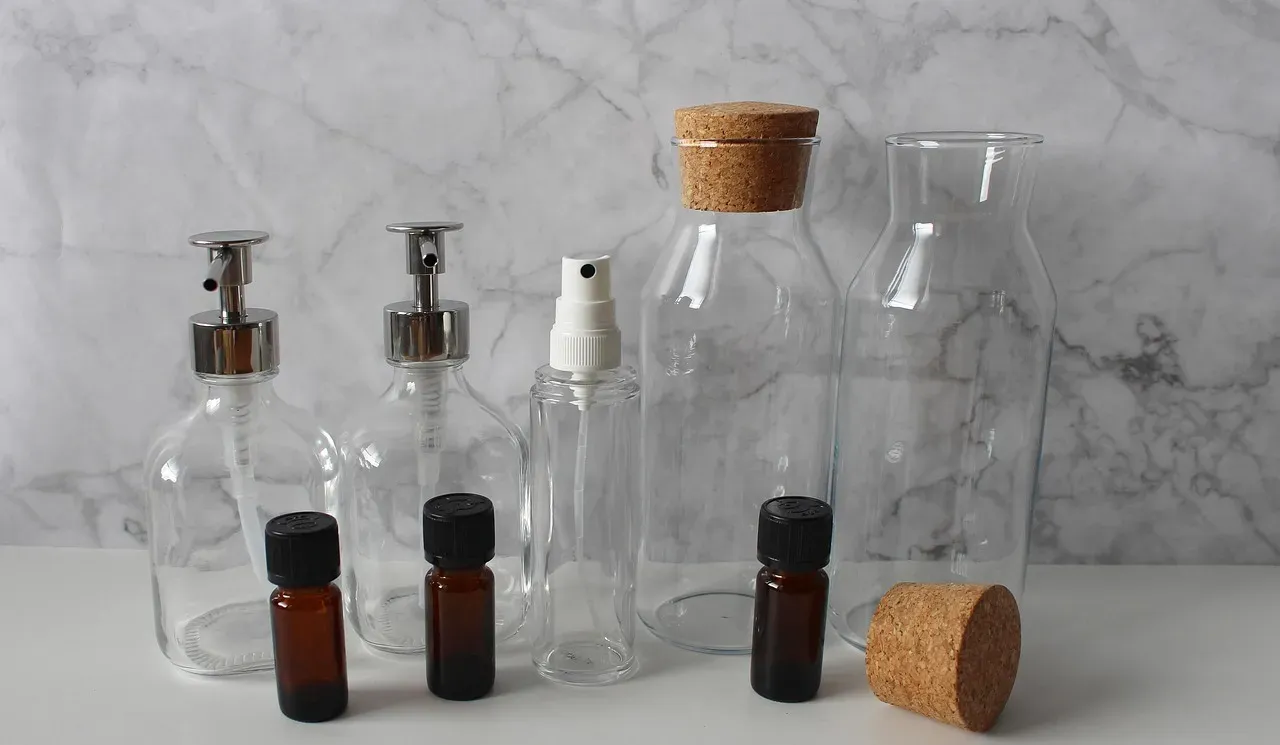
Mix about 15 drops of peppermint oil with a cup of water and a dash of white vinegar in a spray bottle, then spritz it around your windows, doorways, and baseboards. It smells incredible, and your home gets an accidental upgrade in the fragrance department.
Lavender and eucalyptus oils work well too, and they make your house smell great. Just be mindful of pets, as some essential oils can be harmful to them, so do a quick check before you start spraying. That’s an important caveat worth remembering.
Keep a Spotlessly Clean Home
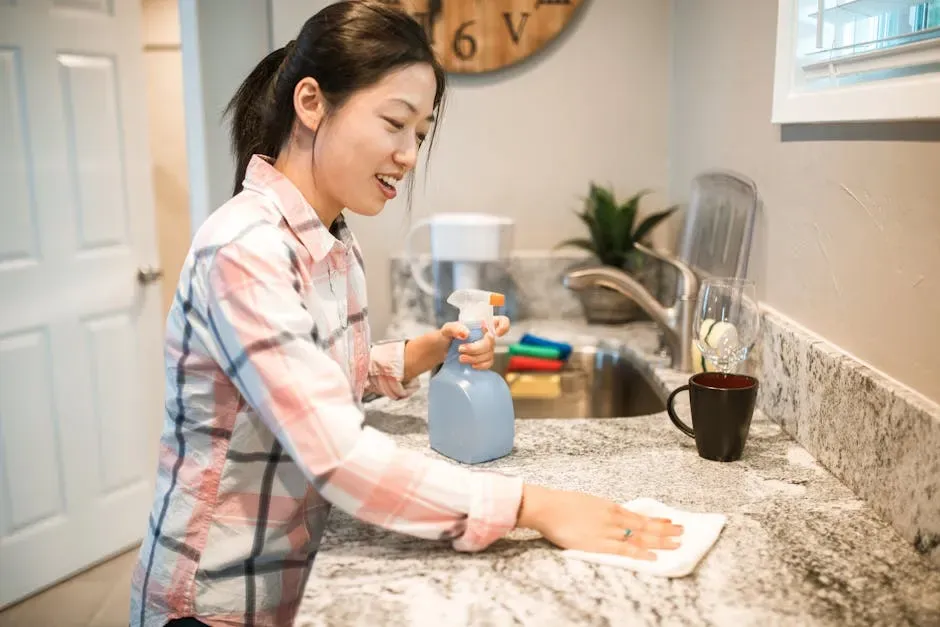
Pests aren’t trying to personally offend you – they’re just looking for the basics of survival: food, water, and shelter. A single scout ant that finds a sticky spot of spilled juice on your counter will leave a trail for its friends to follow. That’s the terrifying reality of how fast things escalate.
One of the simplest yet most effective natural pest control strategies is maintaining a clean and clutter-free environment. Pests thrive in cluttered spaces because they provide hiding spots and breeding grounds, and regularly cleaning your home, especially kitchens and storage areas, can significantly reduce pest attractions.
Your trash can be a feast for ants, cockroaches, and other bugs, so store it properly and use a secure lid. Avoid open wastebaskets throughout your home and empty indoor trash daily. Always clean up spills immediately and scrub and sanitize the trash cans weekly.
Routine vacuuming can also remove pest eggs and larvae, keeping infestations at bay. It’s not glamorous advice, but honestly, consistent cleanliness is probably the single most powerful pest prevention tool you have.
Eliminate Moisture and Standing Water
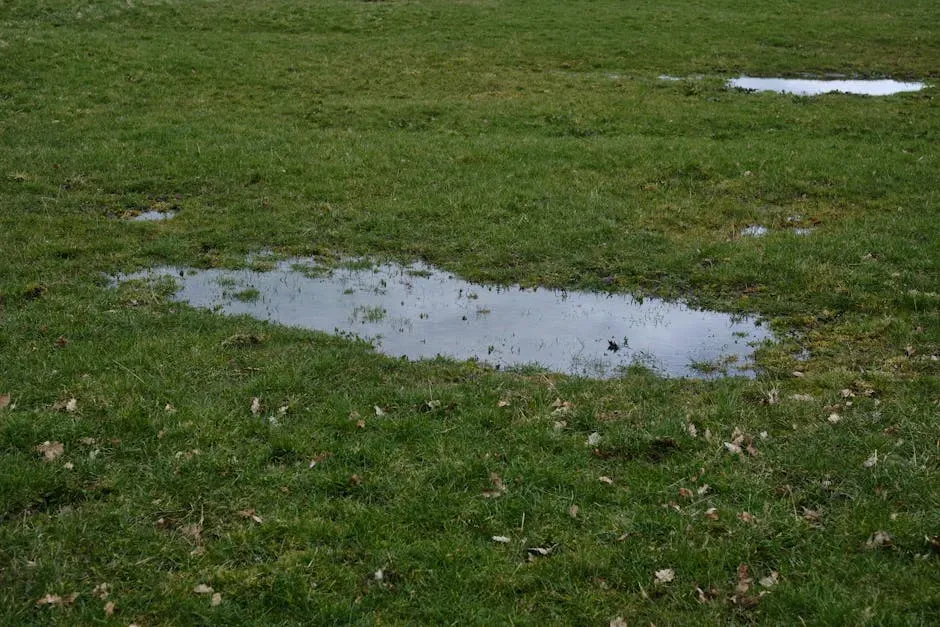
If pests had a real estate wish list, “near a water source” would be at the very top. Several pests are attracted to moisture, including roaches, mosquitoes, termites, and silverfish. Termites feast and reproduce around damp wood, cockroaches and silverfish thrive in areas with higher humidity, and mosquitoes lay their eggs in standing water.
Pests need water to survive, so fix leaky faucets and pipes as soon as you spot them. Make sure your gutters are clear and directing water away from your foundation. Inside, use exhaust fans in bathrooms and kitchens to reduce humidity.
Eliminate standing water in birdbaths, old tires, or flowerpots, as mosquitoes can breed in as little as a tablespoon of water. That’s a staggering fact. A tablespoon. Something to think about next time it rains.
Pour a mix of baking soda and vinegar down your drains occasionally to keep them clear of gunk that can attract drain flies. It’s a two-minute fix that most people never think to do until it’s too late.
Use Vinegar as a Natural Repellent and Trap
White vinegar might just be the most underappreciated item in your kitchen cabinet. Vinegar both repels and attracts insects, which you can use to your advantage. If lines of ants trekking across the floor or kitchen counters are a common sight in your home, use vinegar to destroy the scent trails that they leave behind. Wipe down surfaces with white vinegar where ants are seen, as well as points of entryway like windows and doors.
Acetic acid in vinegar is also harmful to spiders – mix water and vinegar in a 1:1 ratio and spray in areas of the home where spiders linger, like baseboards and out-of-the-way corners. Simple, cheap, and genuinely effective.
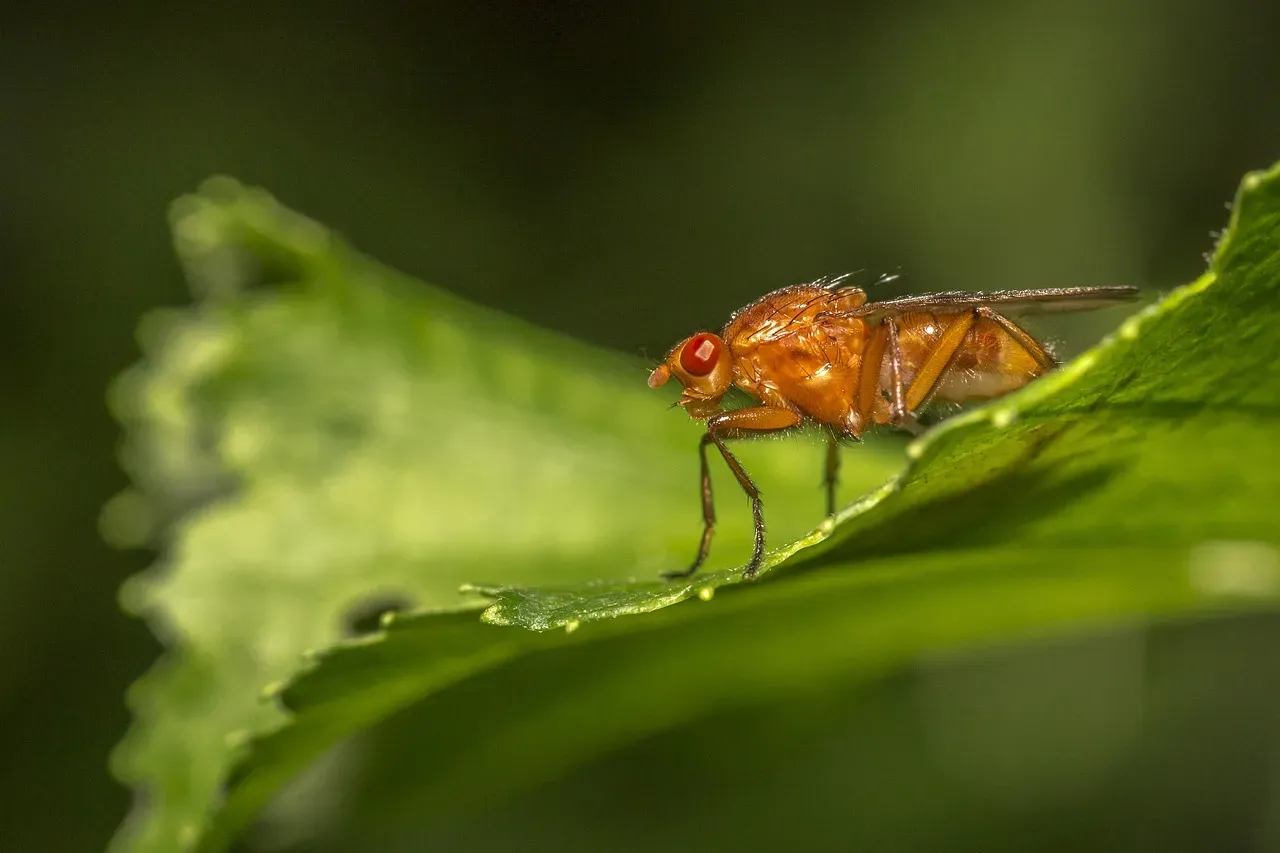
On the flip side, vinegar’s attractiveness to certain insects can actually work in your favor. Pour some apple cider vinegar into a small dish and add a drop of liquid dish soap. Cover the dish with plastic wrap, leaving one edge slightly lifted. The flies will be drawn to the vinegar, but once they land, the soap breaks the surface tension, causing them to sink and drown.
Grow Pest-Repelling Plants Around Your Home
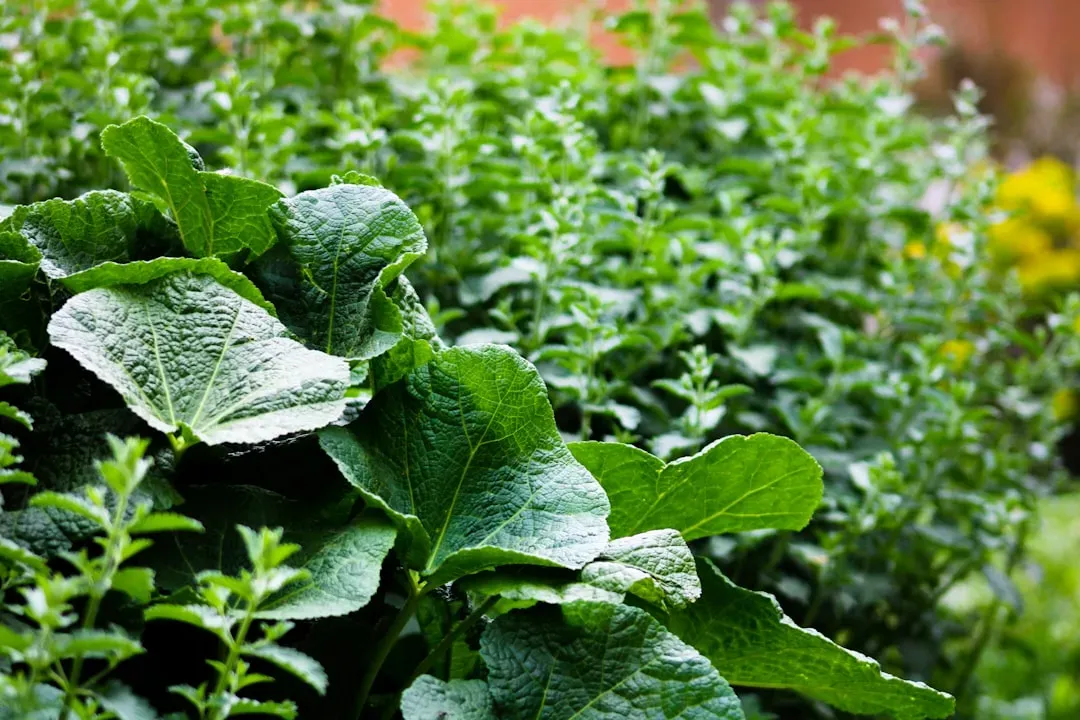
This might be the most enjoyable strategy on this entire list. Imagine a garden that’s both beautiful and quietly working as a security system. Along with being a beautiful addition to your garden or indoor dried-flower bouquet, the scent of lavender repels fleas, flies, mosquitoes, and moths. Grow lavender in pots inside where you notice the pests, or around the perimeter of your home, especially near entry points.
Basil is a natural, aromatic fly repellent. It’s easy to grow both inside and out – position plants on windowsills or other points of entry, or on the outside of your home to deter flies. If you aren’t able to grow your own, put dried basil in muslin pouches and place them in problem areas around the house.
Chrysanthemums even contain the natural insect repellent pyrethrin, which is present in their flowers. While these plants may not keep your property completely bug-free, you can improve your chances of success by strategically placing them in the proper areas. For example, marigolds are ideal pest repellents when planted near vegetables.
Think of it like companion planting with a purpose. Lots of bugs don’t like the smell of herbs and will stay away from them if they sense them. Keep big planters of herbs like mint, basil, and sage near your doorways to keep pests at bay. Decorative and defensive. Hard to beat that combination.
Sprinkle Diatomaceous Earth in Problem Areas
Here’s one that surprises a lot of people. If you don’t like to use chemicals or pesticides, diatomaceous earth is a natural product alternative. It is made from ancient fossilized algae called diatoms that are in powder form and is used for a myriad of things in agriculture and often for pest control.
Diatomaceous earth is an excellent alternative to pesticides and is therefore safe to handle. It works by sucking out the moisture from insects’ exoskeletons and habitats. Think of it as a microscopic desert that insects simply cannot survive crossing.
It dehydrates and disrupts the respiratory system when inhaled by insects, but is harmless to the environment and most other living things. Since there are different kinds of diatomaceous earth for different purposes, it’s important to use the food-grade type for pests in and around the house for ultimate safety.
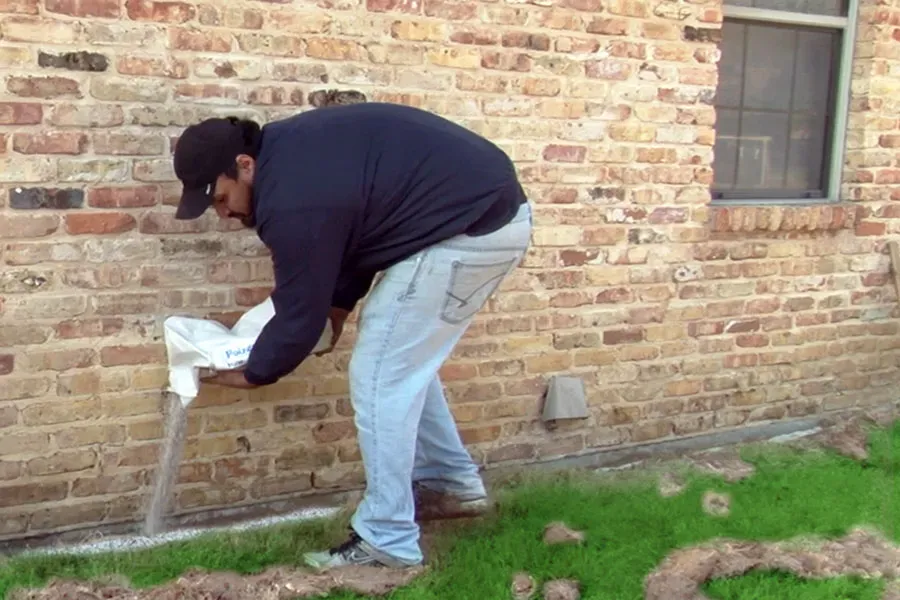
Use a duster with a nozzle to pour it along paths and around the base where you have kept the houseplants. It works especially well in those hard-to-reach corners where creepy crawlies love to set up camp. It’s hard to say for sure which pest it works best against, but most reports point to ants, cockroaches, and fleas.
Put Your Leftover Coffee Grounds to Work

If you’re a coffee drinker, you already have one of nature’s most potent pest deterrents sitting in your kitchen every single morning. You can reuse this morning’s coffee grounds to fight off unwanted pests, such as ants and destructive garden slugs and snails. Its powerful scent works to mask the smell and items insects are really after, and it becomes even more potent if you use burnt coffee grounds.
Try using your leftover coffee grounds in spots around the outside of your home where you think pests are coming in. Many critters can’t stand the smell of the grounds and will steer clear. You can also use coffee grounds to critter-proof your garden.
Coffee grounds are an excellent natural pest control method due to their acidic properties, which serve as a deterrent for many common household bugs like ants and spiders. To use coffee grounds effectively against pests, simply mix them into damp soil around your plants. This should help protect the roots while keeping unwanted critters at bay.
Coffee grounds can also be spread around window frames or other entry points, which will help stop bugs from getting inside your home. Let’s be real – this has to be the most satisfying dual-purpose kitchen hack out there. Your morning brew literally pays you back.
Final Thoughts: Your Home, Your Natural Defense
Natural pest prevention focuses on making your home less inviting to critters in the first place – on creating an environment that pests want to avoid, all by using simple, healthy, and eco-friendly methods. This approach is often more effective than constantly reacting to infestations after they’ve already happened. Prevention really is the whole game here.
The beauty of all eight of these strategies is that they stack. Seal your gaps, scatter some coffee grounds, grow a pot of basil near the back door, and spritz peppermint oil around the windows. Each layer adds another reason for pests to simply move on and find somewhere else to be. None of these tricks requires a degree in chemistry or a hefty hardware store budget.
Honestly, there’s something satisfying about outsmarting a cockroach with a bottle of apple cider vinegar and a dash of dish soap. Nature has always been smarter than we give it credit for. The question is: which of these natural strategies will you try first?

- 8 Ways Bobcats Move Through Suburbs Without Being Seen - August 9, 2026
- 7 Reasons Black Bears Return to the Same Food Source - August 9, 2026
- Animal Cognition Says Horses Remember People Who Treated Them Well and Those Who Did Not - August 9, 2026