
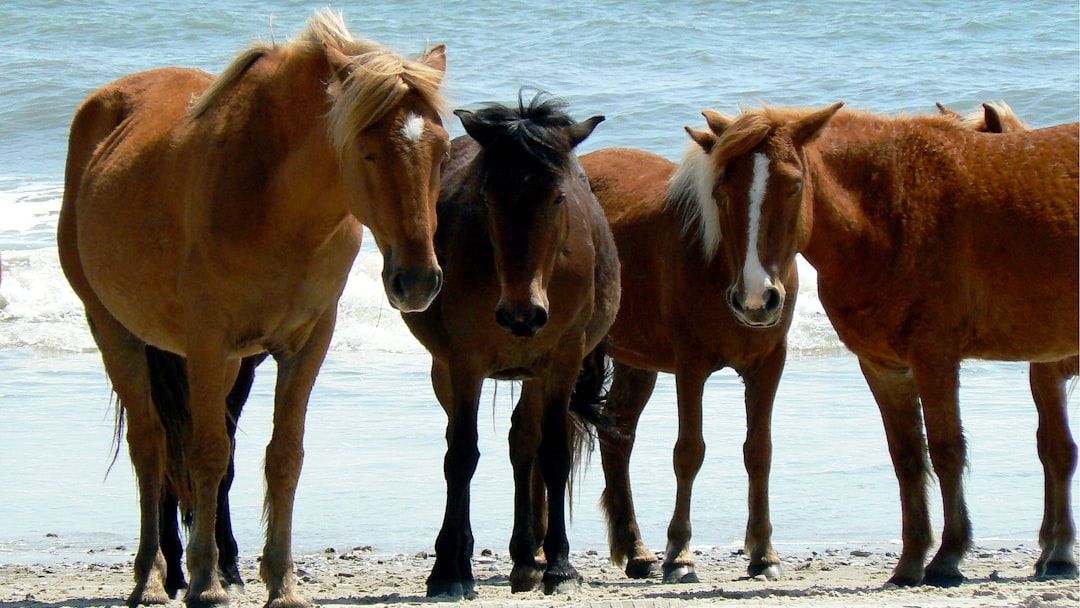
There is something deeply stirring about watching a wild horse gallop across open land. No saddle. No fence. No master. It taps into a feeling most of us can barely name, something ancient and free that modern life has nearly buried. Across America, these animals have come to symbolize the untamed soul of the continent itself.
Today’s mustangs hold rich heritage as descendants of horses who first came to the Americas with Spanish explorers and missionaries in the 1500s. From that dramatic origin story, they spread, multiplied, and eventually became woven into the fabric of what it means to be American. Yet their story has never been simple, and today, in 2026, it remains more complicated and more fascinating than most people realize.
There are still multiple places across the US where you can find wild horses, and some of those locations may even surprise you. Not all wild horses reside in the West. You can find some wild breeds of horses on the East Coast as well – all you need to do is know where to look. Let’s dive in.
Nevada: The Undisputed Kingdom of the Mustang
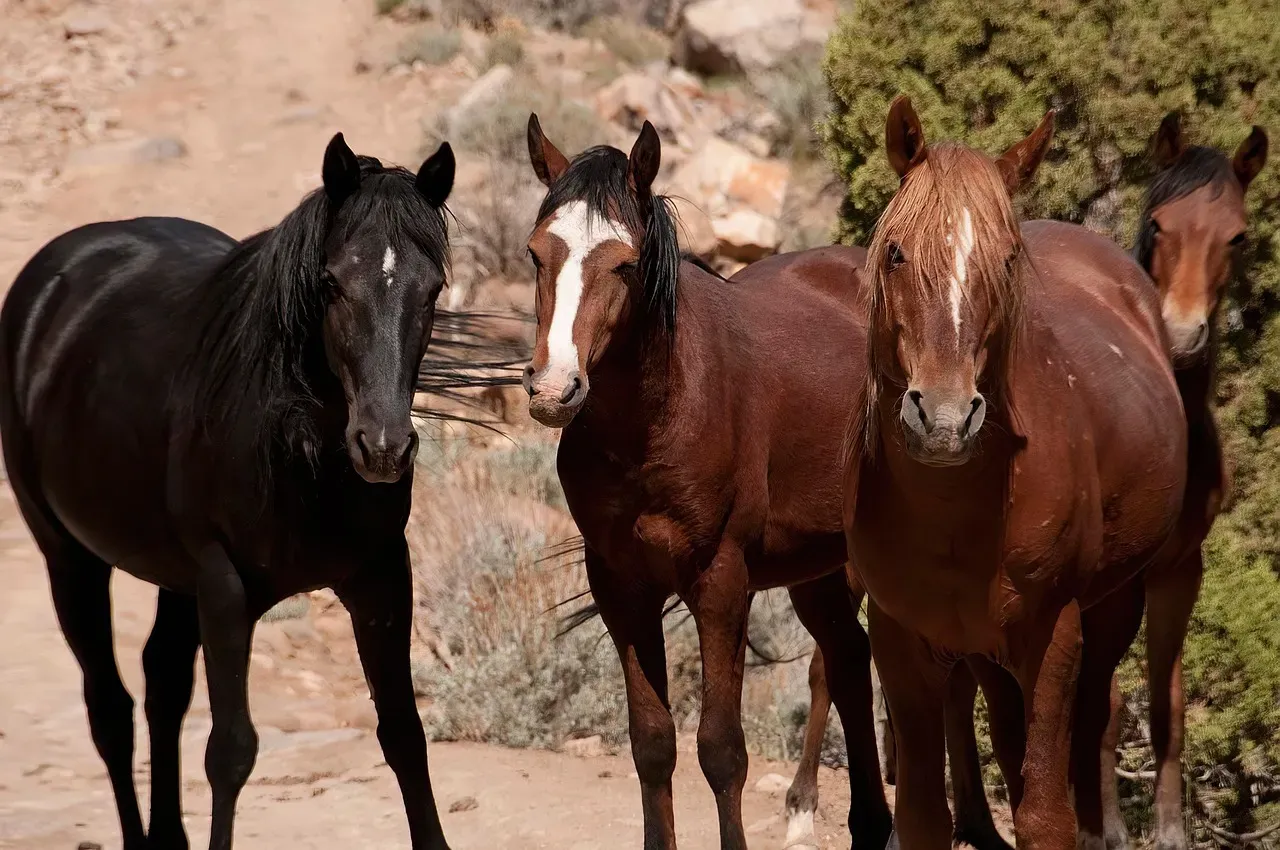
Let’s be honest – when most people picture wild horses in America, they picture Nevada. The silver state earns that reputation completely. More than half of all free-roaming mustangs in North America are found in Nevada, which even features the horses on its State Quarter. That is a staggering proportion for a single state.
Much of Nevada is wide open with a desert-like climate, which means wild animals can be found everywhere throughout the state, but it can be difficult to pinpoint migrating herds at any given time given the sheer volume of space throughout the 17 counties.
The most reliable place to view wild horses is in the Virginia Range, located between Reno and Virginia City. The range is home to around 2,000 wild mustangs that come in all shapes and sizes. BLM Nevada alone manages 83 wild horse and burro herd management areas on approximately 15.6 million acres. The scale of it is almost hard to wrap your head around.
Wyoming: Rugged Mountains and Colonial Bloodlines
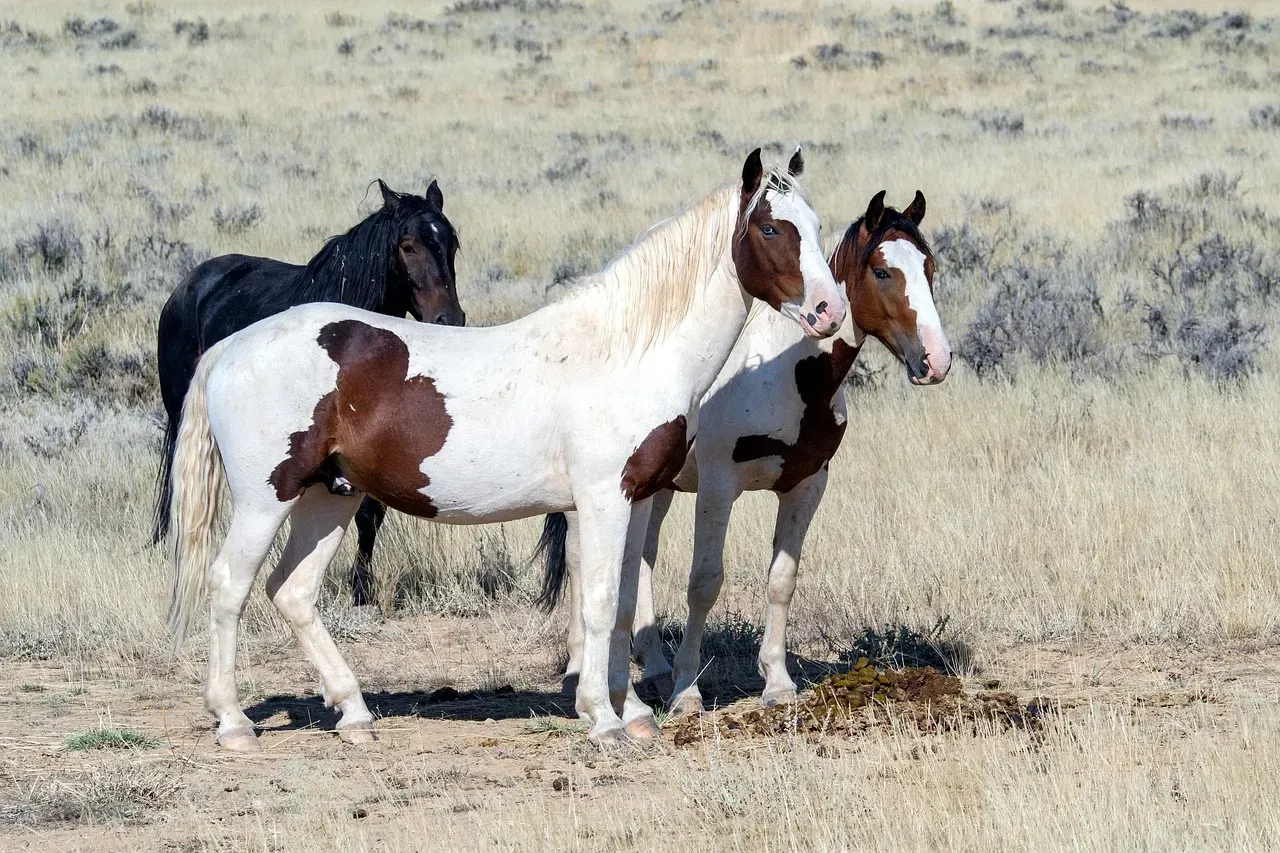
Wild horses still roam freely in the Pryor Mountains outside of Lovell, Wyoming. Because of these horses, the area around Lovell is truly Mustang Country. The herd is very special because of its Colonial Spanish American heritage.
This tough little horse, derived from the horses of Portugal and Spain, has been present in this rugged mountain area for nearly 200 years. Think about that for a second. Two centuries of pure, unbroken freedom in some of America’s most spectacular terrain. It is the kind of history that sends chills down your spine.
If lost, the herd cannot be restored, and so its biological viability, together with its history, must be preserved. Wyoming’s horses are not just wild animals. They are living relics of a vanishing world, and the people who dedicate their lives to protecting them clearly understand what is at stake.
Utah: Sagebrush, Sulphur Springs, and Zoological Treasures
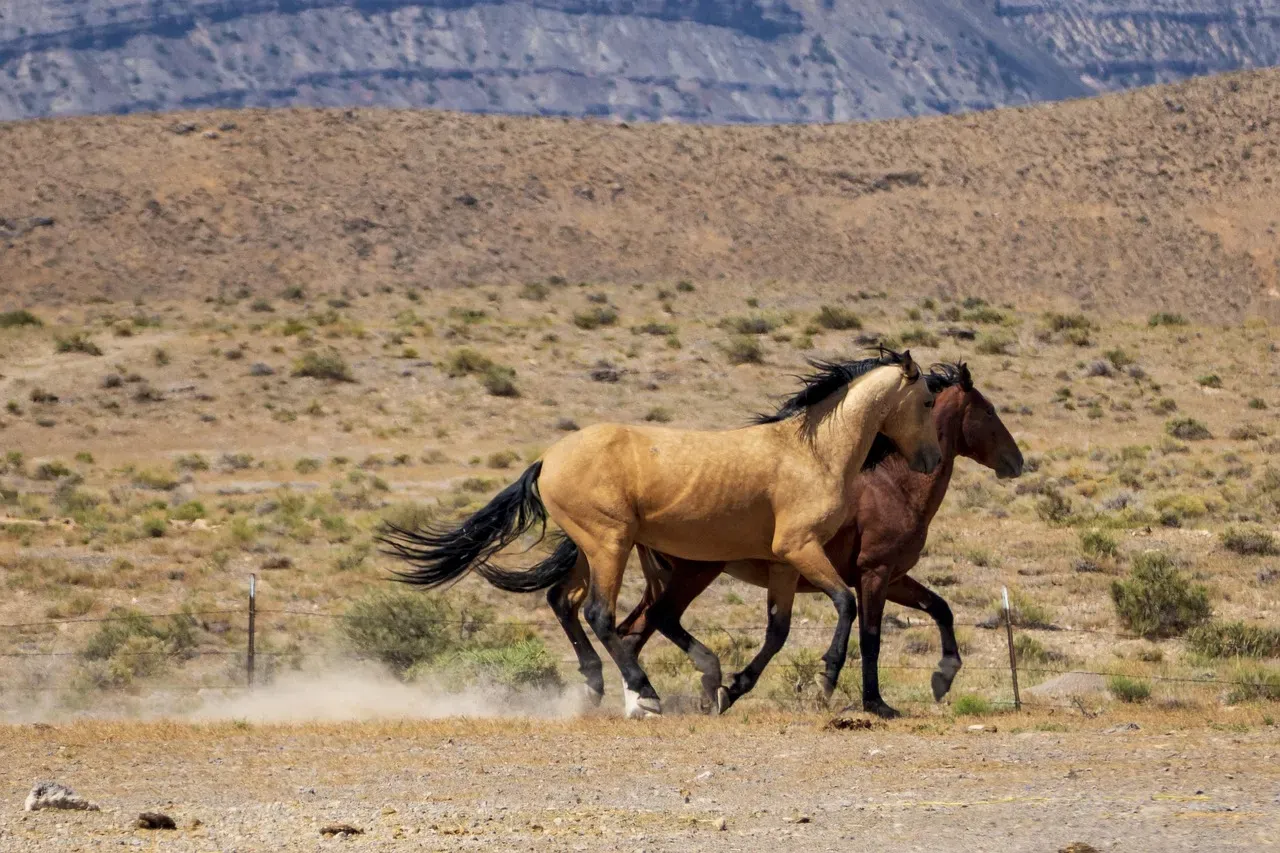
Utah is genuinely one of the most visually breathtaking places on earth to see wild horses. Just off the historic Pony Express Road in western Utah lies a picture-perfect vista of the American West: miles of sagebrush grasslands set against the foothills of the Onaqui Mountains. Until recently, nearly 500 mustangs grazed and galloped through it, making it one of the most well-known populations of free-roaming horses in the United States – a draw for tourists, photographers, and horse lovers.
Some Utah herds, such as the Sulphur Spring herd, are a direct link to the primitive Iberian horse and have been recognized by geneticists as a resource of “truly unique and irreplaceable genotypes.” These horses retain many traits of the endangered Sorraia breed, including triple dorsal stripes, zebra-striped legs, and chest barring. Honestly, that reads less like a wildlife fact and more like something out of a nature legend.
Oregon: The Kiger Mustang’s Secret Home
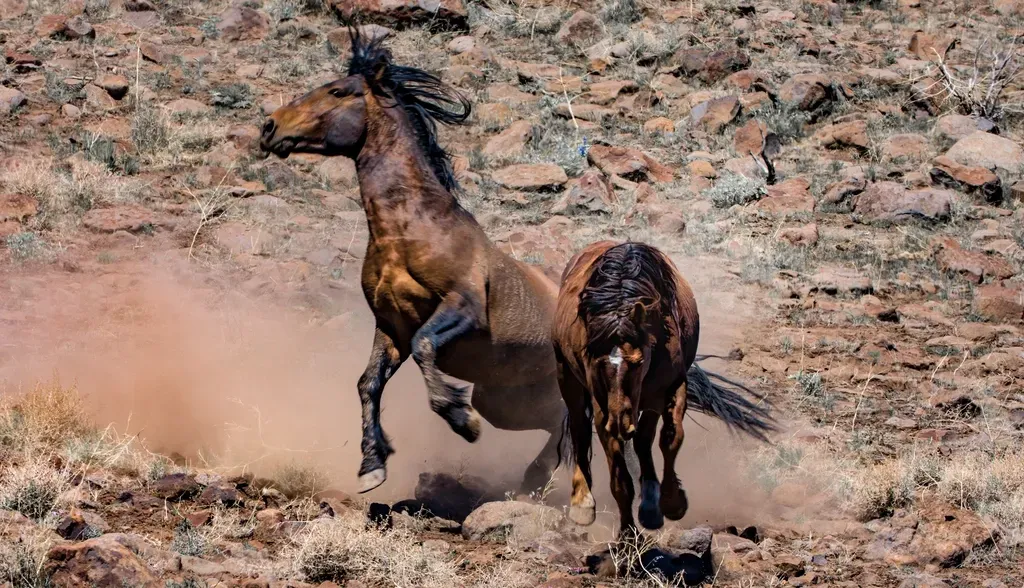
Oregon tends to fly under the radar when people talk about wild horses, but it absolutely deserves a spotlight. Hailing from the Beaty Butte region of Oregon, Kiger mustangs are famous for their signature dun color with dorsal stripes. Standing between 13 to 16 hands, Kiger mustangs have compact, muscular bodies, barb heads, and well-crested necks. As a result, these horses are very strong and athletic, and combined with their naturally friendly demeanor, Kigers are popular riding horses for Western and English disciplines.
Kiger mustangs in Oregon live in small, isolated herds and their bloodlines are largely descended from the early Spanish horses, which means they mixed less with other breeds. Their genetic purity is almost miraculous given the centuries that have passed. Oregon is quieter about its wild horses than Nevada, but it arguably has some of the most distinctive.
California: Wild Horses in the Golden State
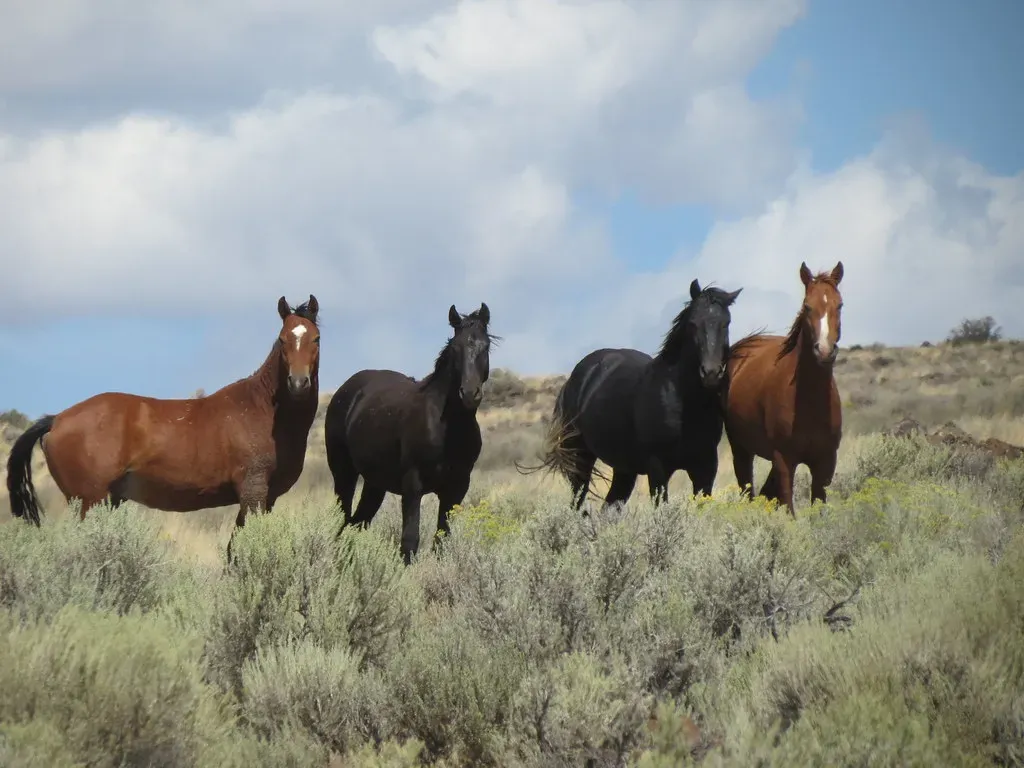
Most people associate California with beaches, Hollywood, and tech startups. Wild horses rarely come to mind. Yet California is actually one of the states with the most significant wild horse populations in the entire country. The states with the most wild horses include California, Nevada, Oregon, Utah, and Arizona.
Mustangs live in the grassland areas of the western US and mostly eat grass and brush. The US Bureau of Land Management allows them to run free on 26.9 million acres of public land. California holds a meaningful share of that vast protected territory. It is a different kind of California wild than most tourists ever discover, tucked away in high desert landscapes far from any coastline glamour.
Arizona: Desert Survivors and the Famous Salt River Horses
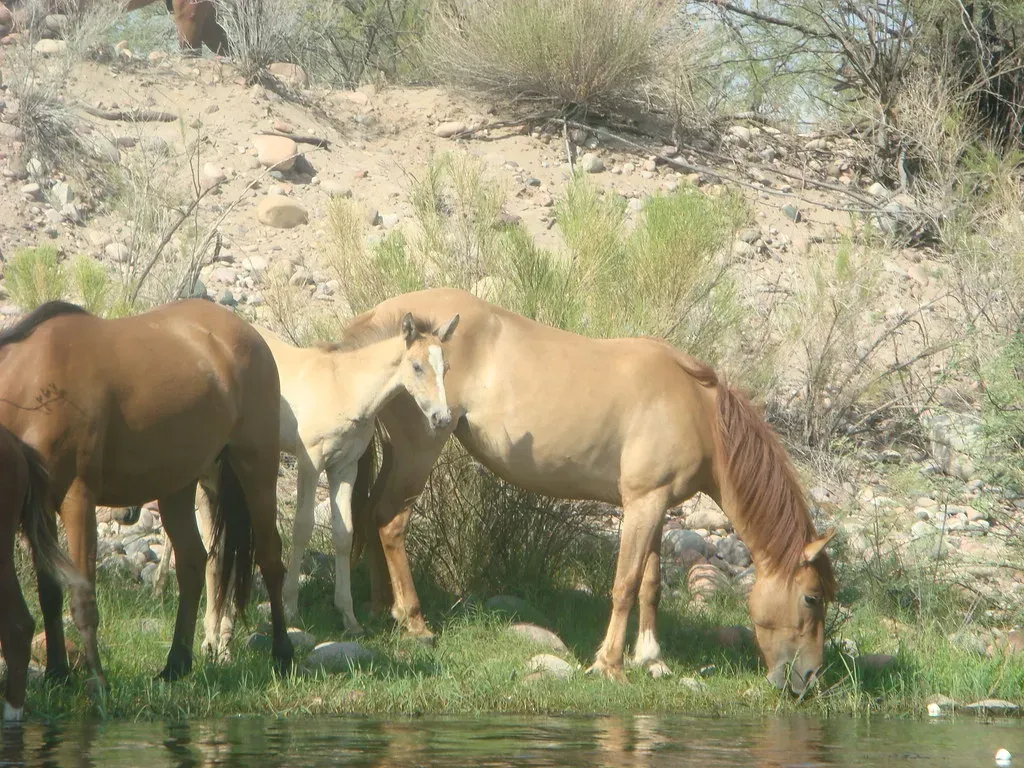
Arizona, similarly to Nevada, has vast open spaces of desert-like climate and horses can usually be found throughout the state. One key difference is that Arizona was home to the famous Salt River horses, which were almost hunted, captured, or chased away to extinction. Advocates banded together to protect and preserve them, and they have been preserved in Tonto National Forest.
Found in Arizona, the Cerbat mustang is admired for its stunning appearance that resembles Andalusian horses. While typically bay in color, they may also be found as strawberry or blue roans, gray, black, sorrel, and dun. Standing at 14 to 16 hands and weighing between 750 to 800 pounds, Cerbats are sturdy and refined horses.
Travelers can sometimes find Salt River horses grazing on eelgrass on the banks of the Salt River, including Blue Point, Pebble Beach, and Coon Bluff. Few wildlife encounters in the American Southwest can match the sight of a wild horse grazing beside a desert river at golden hour. Few.
Montana: Mountain Lions, Mustangs, and Big Sky Country
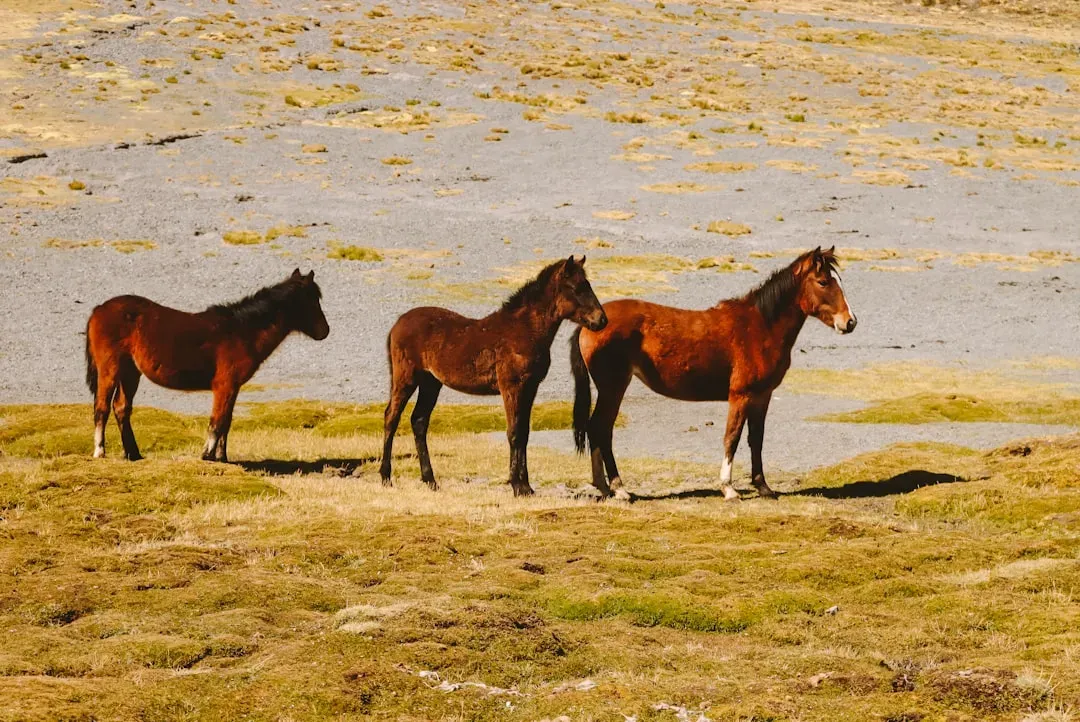
Montana’s wild horse story is one of both beauty and raw survival. The Pryor Mountain range, shared between Montana and Wyoming, is home to one of the most genetically distinct mustang populations in the country. The Adopt-A-Horse program was actually begun in 1973 in the Pryor Mountains of Montana as a humane way to distribute excess animals. Montana, in a way, started a conservation idea that spread across the whole nation.
Survival in Montana is not guaranteed. Wild horses do have predators, primarily in the form of mountain lions. In 2004, only one out of 28 foals survived in Montana’s Pryor Mountain area, with such a low survival rate mostly due to mountain lion predation. It is a brutal reminder that the wild is not a theme park. These horses face genuine threats on a daily basis.
Colorado, Idaho, and New Mexico: The Overlooked Trio
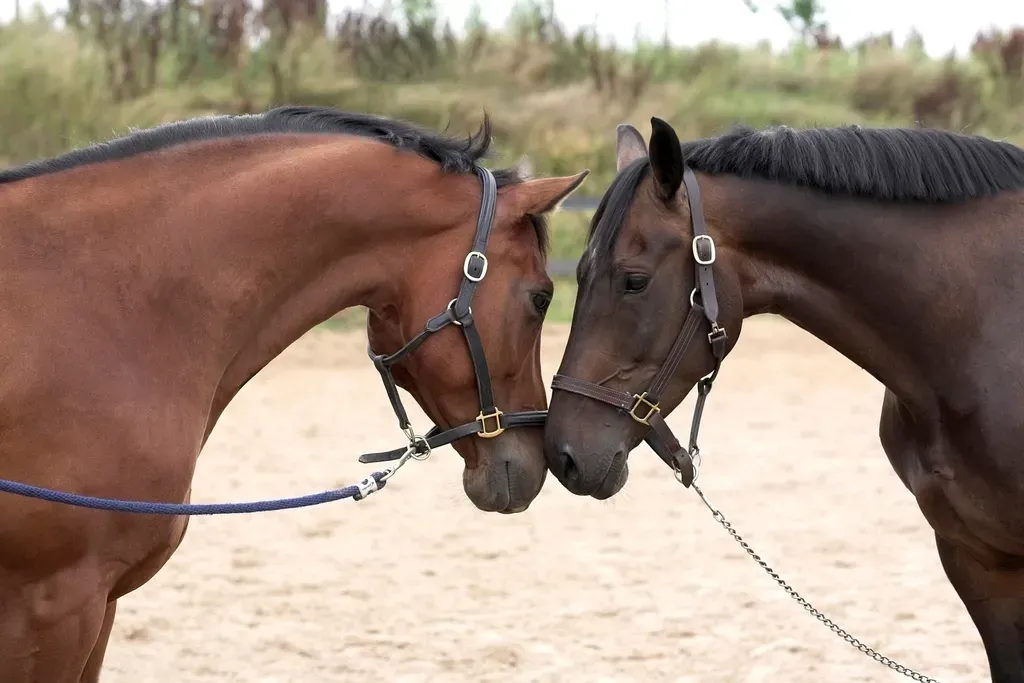
Here is the thing – Colorado, Idaho, and New Mexico each carry wild horse populations that rarely make headlines, yet together they form a crucial part of America’s wider mustang landscape. Today, wild horses and burros can be found primarily on government-designated Herd Management Areas in ten western states: Arizona, California, Colorado, Idaho, Montana, Nevada, New Mexico, Oregon, Utah, and Wyoming.
Colorado alone is significant. More than 1,100 horses are managed in Colorado just within the BLM’s major program areas. New Mexico’s wild horses carry some of the oldest Spanish bloodlines in North America. Throughout the west, horses escaped human control and formed feral herds, and by the late 1700s, the largest numbers were found in what today are the states of Texas, Oklahoma, Colorado, and New Mexico. That deep historical connection still echoes in today’s herds.
Idaho’s terrain – remote, high, and unforgiving – has given its horses a resilience and independence that is remarkable. The BLM manages wild horses and burros in 175 herd management areas across 10 western states. Each HMA is unique in its terrain features, local climate and natural resources, just as each herd is unique in its history, genetic heritage, coloring and size distribution. These three states together prove that wild horse country is far bigger, and far more varied, than any single postcard could ever capture.
Virginia and Maryland: Wild Ponies on the Atlantic Shore
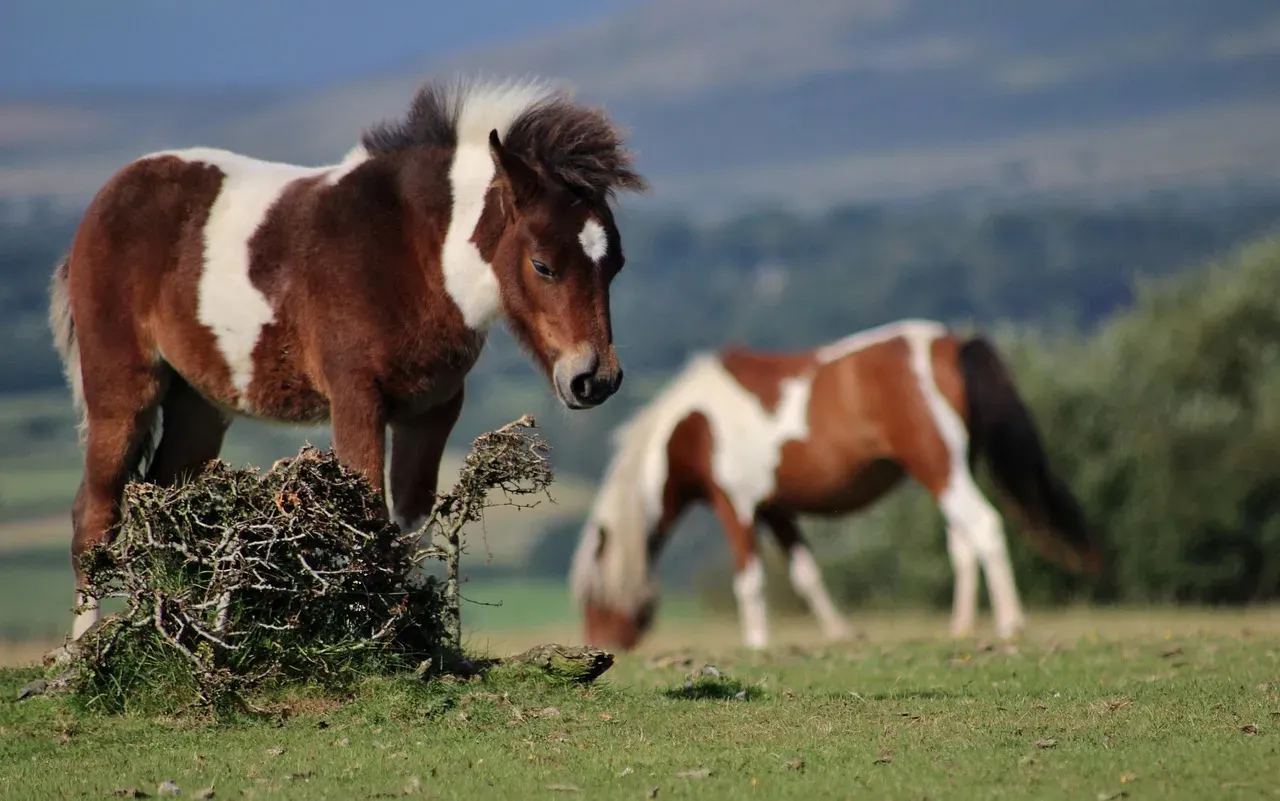
Ready for a surprise? You do not need to drive to the Nevada desert to see wild horses. On a barrier island off the Virginia and Maryland coast, a herd of iconic wild ponies has lived freely for centuries. The Chincoteague pony, also known as the Assateague horse, is an American feral herd on Assateague Island of Virginia and Maryland. The breed was made famous by the Misty of Chincoteague novels written by Marguerite Henry. Although popularly known as Chincoteague ponies, the feral ponies live on Assateague Island, which is split by a fence at the Maryland–Virginia state line.
A herd of around 150 ponies are maintained on the Virginia side of the fence, and 80 on the Maryland side. The two herds are managed by separate agencies. The most beloved event of the year is the annual Pony Swim. Saltwater cowboys swim the horses from Assateague Island across the channel to the eastern shores of Chincoteague Island every July, drawing tens of thousands of spectators from across the country.
Evidence strongly suggests that the ponies are descendants of the survivors of a Spanish galleon that wrecked off the coast of Assateague. Whether you believe that romantic origin story or the more prosaic alternative – that colonial farmers used the island to avoid livestock taxes – one thing is undeniable. These horses are extraordinary. Ponies on Assateague have a diet that consists mainly of cordgrass, a coarse grass that grows in salt marshes, supplemented by other vegetation such as rose hips, bayberry, greenbriar, and American beach grass.
North Carolina: Beach Horses of the Outer Banks
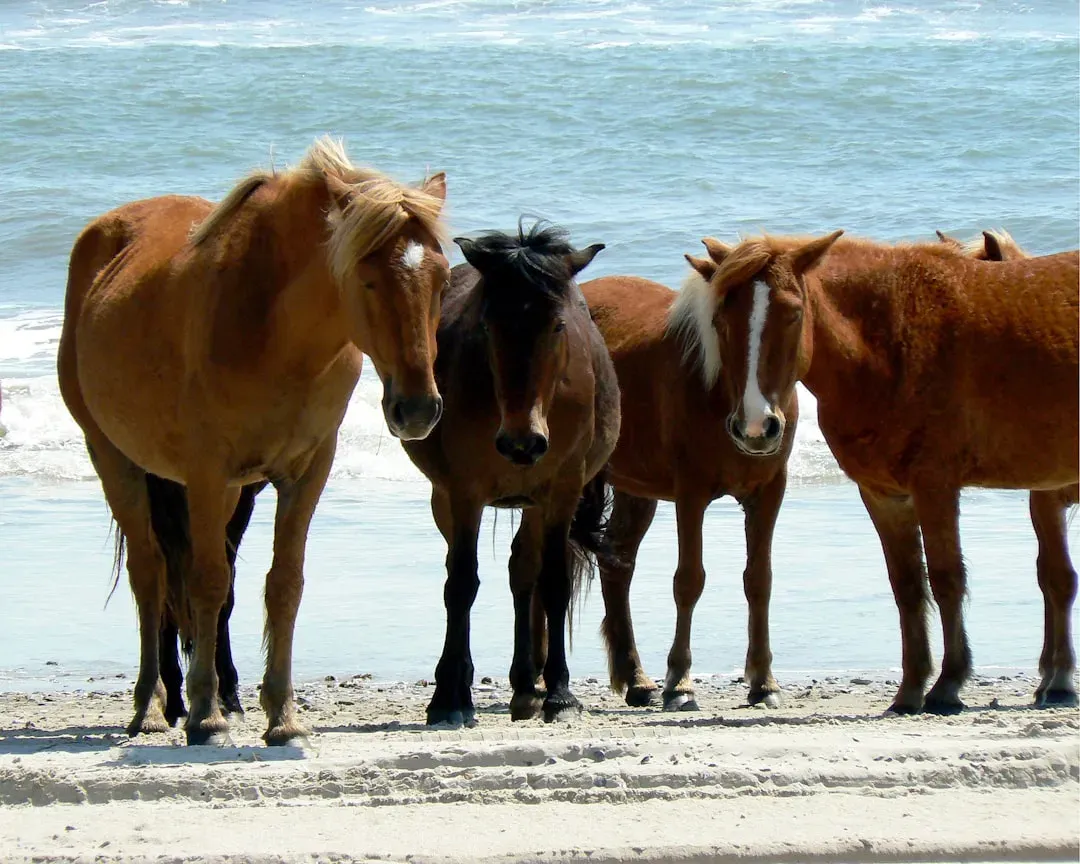
North Carolina’s wild horses occupy one of the most cinematic settings imaginable. Corolla’s famous wild horses have roamed the beaches of the Northern Outer Banks for centuries, dazzling countless visitors. There is something almost surreal about watching a horse gallop along the edge of the Atlantic Ocean with no human in sight.
The wild Colonial Spanish Mustang, which includes the wild horses that live in Corolla, was designated as the North Carolina State Horse in 2010. That is a point of real state pride, and deservedly so. The wild horses of Corolla are not the same as the ponies of Assateague and Chincoteague in Virginia. Although the Corolla horses are small – between 12 and 14 hands at the shoulder – they are horses, not ponies.
Wild horses eat a very specialized diet of sea oats, coarse grasses, acorns, persimmons, and other native vegetation. When they ingest apples, carrots, or other non-native foods, they are at great risk for painful colic at best and death at the worst. It is against the law to intentionally get within 50 feet of a wild horse or to feed them. North Carolina takes the protection of its horses seriously, and rightly so. These horses are irreplaceable.
The Bigger Picture: A Nation Still Wild Enough for Wild Horses
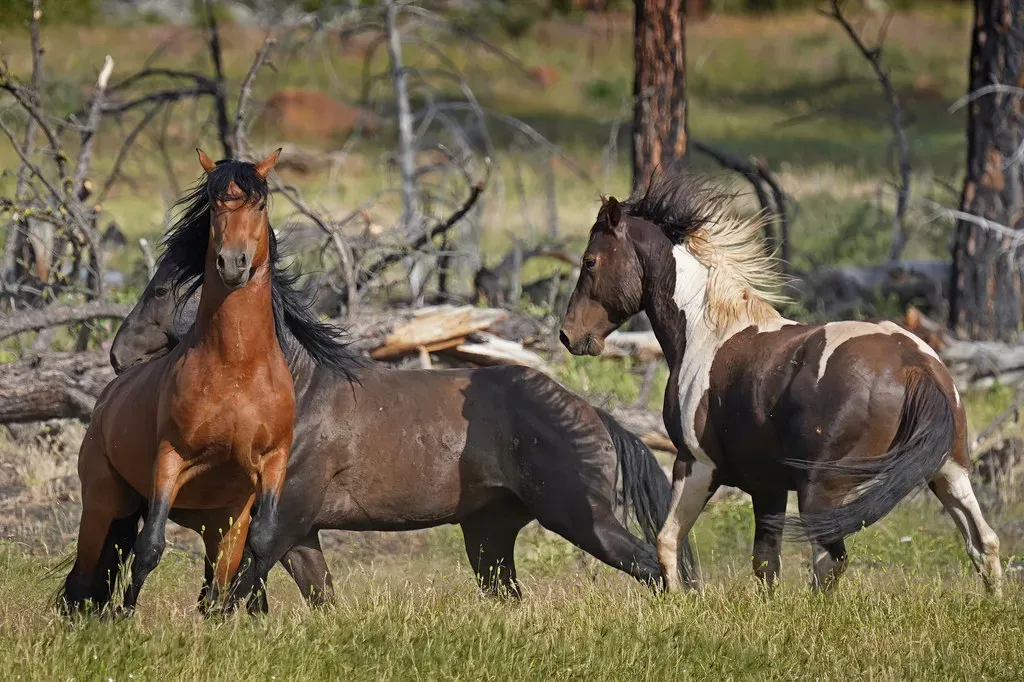
The nationwide population estimate stands at 85,466 wild horses and burros as of March 1, 2026. That is a remarkable number, though it tells only part of the story. Wild horses are becoming less common. Many horses are being caught and domesticated, and the available public land for them to roam is shrinking. The pressure on these animals is very real in 2026, and it is not easing up.
The law declares wild horses and burros to be “living symbols of the historic and pioneer spirit of the West” and stipulates that the BLM and the US Forest Service have the responsibility to manage and protect herds. Noble language. Though, I think it is worth asking whether the actions always match the words. Conservation politics around wild horses remain messy, contentious, and deeply underfunded.
Without natural population controls, such as predation, herds can increase at a rate of up to 20 percent annually, doubling in size in just 4 to 5 years if not appropriately managed. The challenge is real. The debate about how to manage that growth – humanely, sustainably, without political agendas driving the bus – remains one of the most urgent wildlife conversations in America today.
Conclusion: The Mustang’s Fate Is America’s Choice
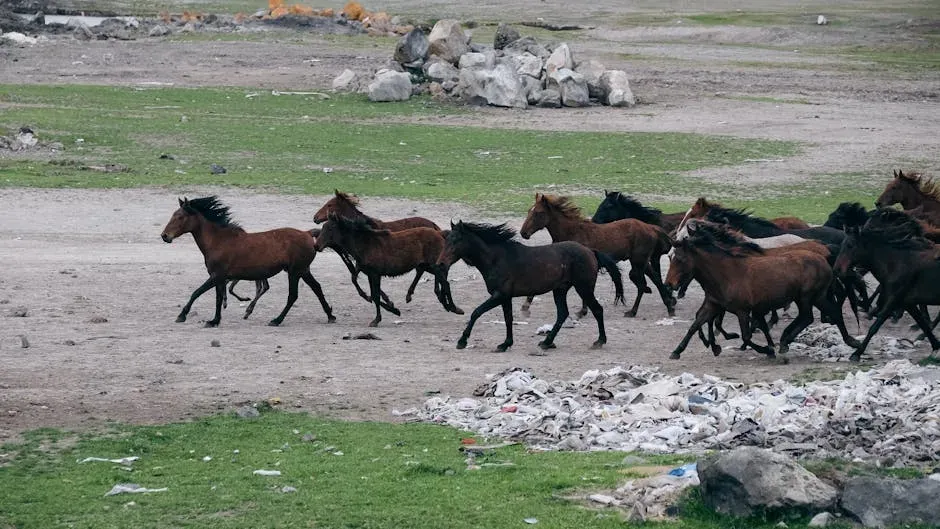
From the salt-sprayed beaches of North Carolina to the volcanic highlands of Nevada, wild horses still run free across this country. It is not a given. It is a choice, renewed with every policy decision, every adoption program, every piece of protected land. The fact that you can still witness a herd of mustangs cresting a ridgeline at sunset in 2026 is, honestly, a kind of miracle.
Most wild horses and burros living today are descendants of animals that were released or escaped from Spanish explorers, ranchers, miners, the US Cavalry, and Native Americans. In other words, they are a living mosaic of American history itself. Every herd carries the genetic echoes of centuries past.
These animals do not ask for much. Space, water, grass, and freedom. The question is not whether America still has wild horses. It clearly does. The question is whether, in another generation, we will still have the political will, the public land, and the collective care to keep it that way. What do you think – is America doing enough to protect its wild horses? Share your thoughts in the comments.

- 8 Scents That Cockroaches Hate - August 10, 2026
- 8 Ways Glaciers Carved New York's Finger Lakes - August 10, 2026
- 8 Ways Bobcats Move Through Suburbs Without Being Seen - August 9, 2026