
Every year, something almost miraculous happens. Billions of animals vanish from one part of the world and reappear in another, guided by forces that science is still working hard to fully explain. No GPS device. No map. No guidebook.
Across continents and oceans, billions of animals embark on extraordinary journeys – some flying halfway around the planet, others crossing entire oceans or trudging across frozen tundras. These migrations are not mere movements; they are the pulse of the planet, the timeless dance of survival choreographed by evolution itself. Honestly, no human expedition can quite compare to what these creatures do on instinct alone. Let’s dive in.
1. The Arctic Tern: Earth’s Ultimate Frequent Flyer
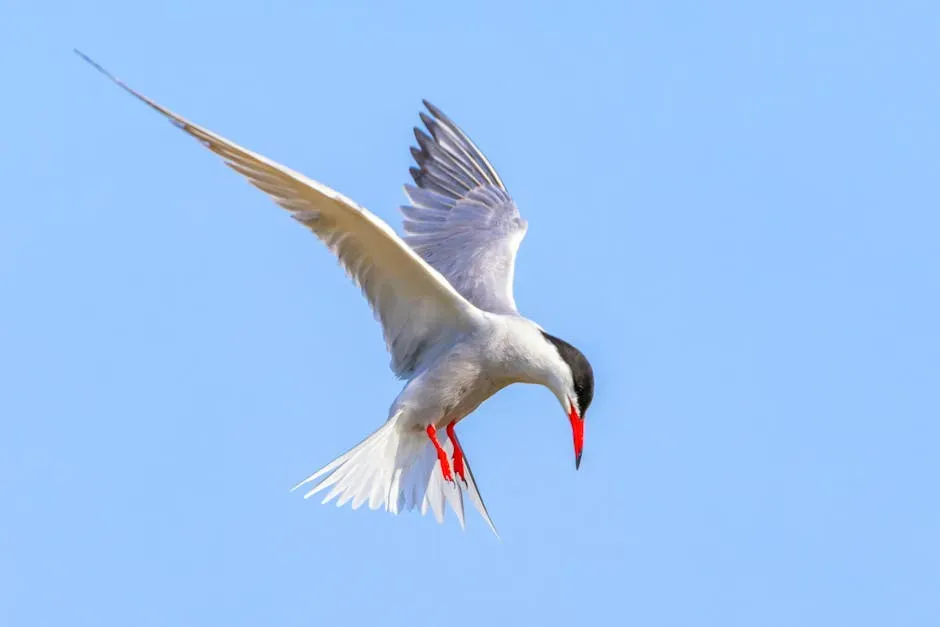
Here’s a fact that genuinely stops people in their tracks. Arctic terns are small, plain-looking birds, weighing between 90 and 120 grams. To the untrained eye, they do not look as if they are built for endurance – yet these birds take the trophy for the longest migration of any animal in the world.
Flying from pole to pole, Arctic terns spend most of their year at sea chasing a perpetual summer. As winter approaches in their Arctic breeding grounds, the terns head south to the Antarctic where summer is just beginning.
Tracking studies have revealed that the average annual distance traveled by Arctic terns is approximately 70,900 kilometers. One individual bird was recorded covering 96,000 kilometers in a single year, a distance far exceeding any other known animal migration.
Over its lifetime of up to 34 years, an Arctic Tern can fly the equivalent of three round trips to the Moon. Think about that the next time you complain about a long-haul flight.
2. The Monarch Butterfly: A Four-Generation Road Trip
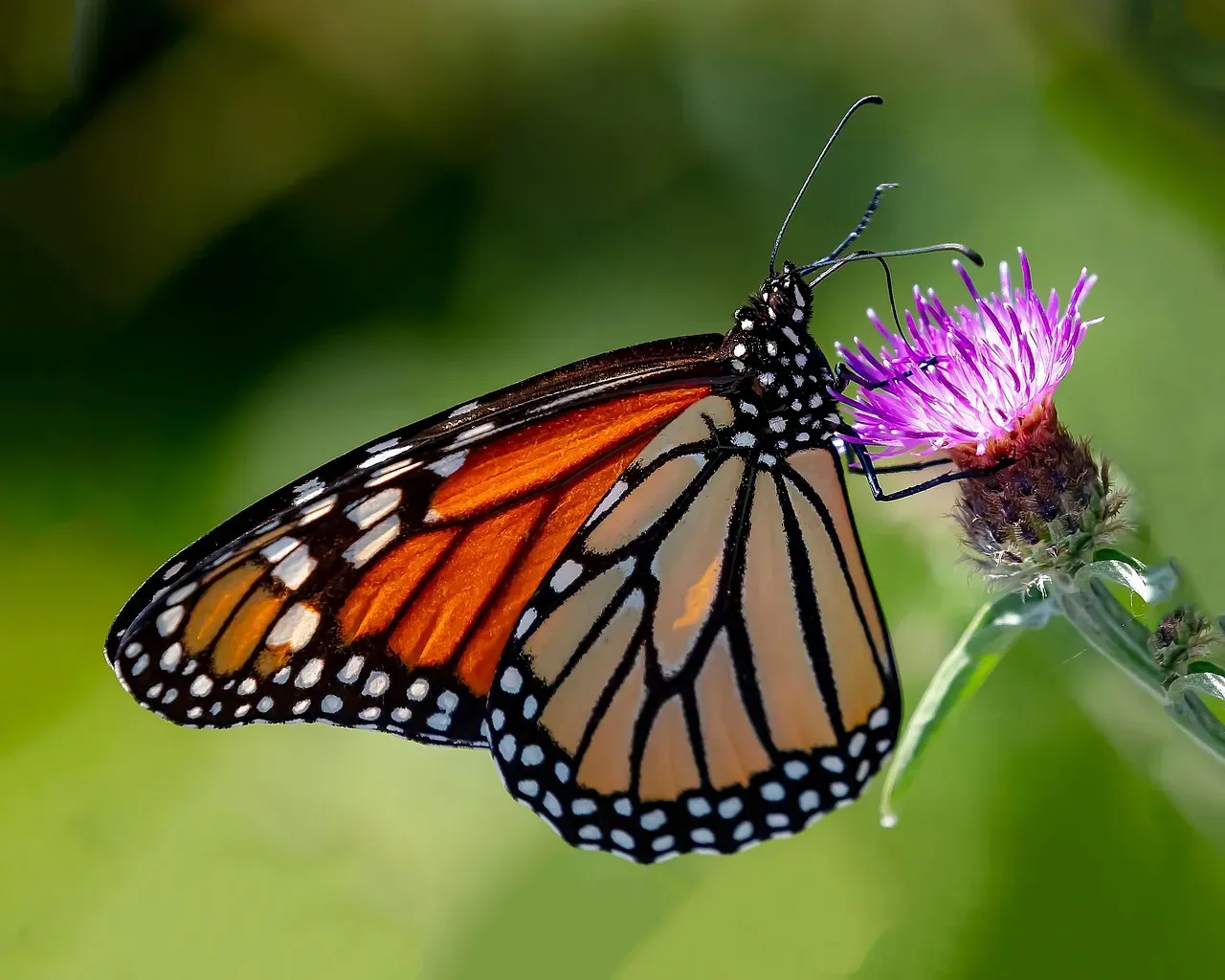
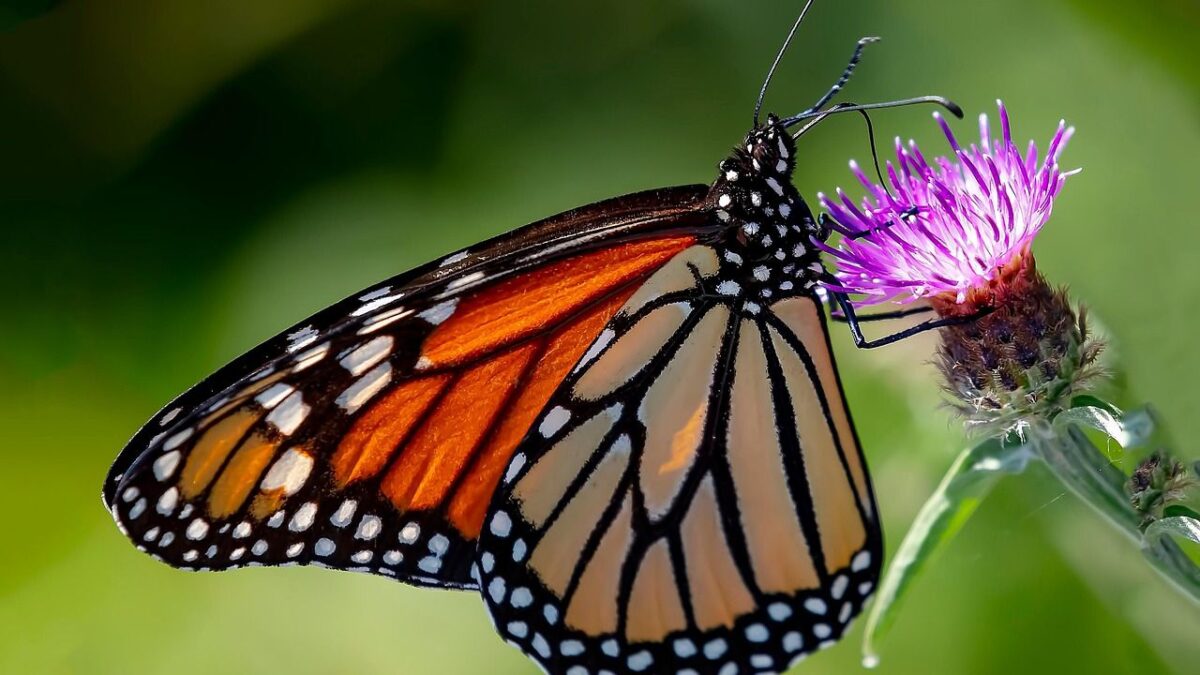
I think this might be the most mind-bending migration story of all. Perhaps one of the most famous migrations is the multi-generational round trip of the monarch butterfly. Monarch butterflies can be found all over the United States and further afield, but it is the northeastern American population that is famous for making the 4,800-kilometer journey from Canada to Mexico.
Each year, millions of monarch butterflies leave their northern ranges and fly south to the oyamel fir forests near the Sierra Madre mountains, where they gather in huge roosts to survive the winter.
When spring arrives, the monarchs start their return journey north; the population cycles through three to five generations to reach their destination. Along the way, females lay eggs on milkweed plants, which the caterpillars use for food after hatching. This new generation of butterflies completes the journey their great-great-great-grandparents started.
No single butterfly makes the full round trip. Each generation picks up where the previous one left off. It’s like a relay race stretched across a continent, passed from one set of wings to the next.
3. The Humpback Whale: Singing Across Oceans
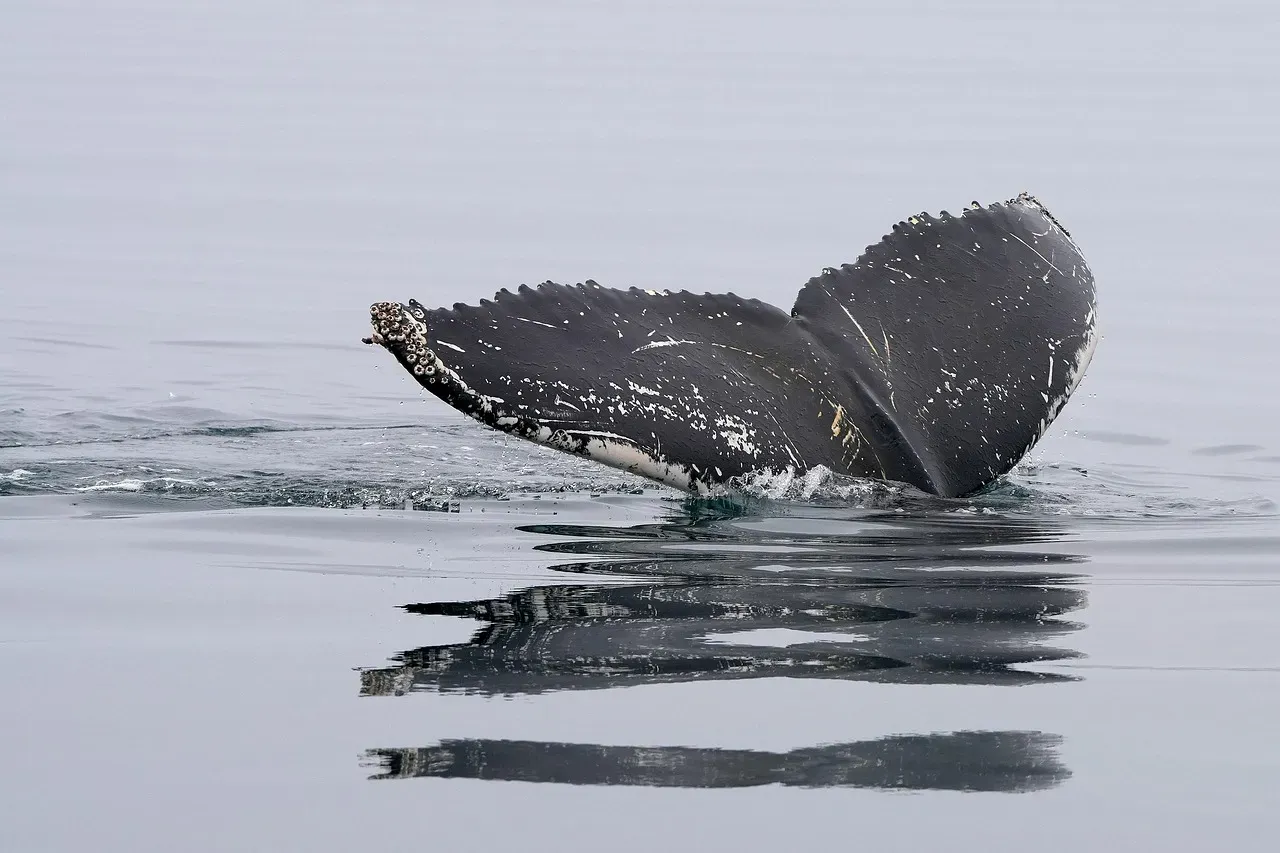
From the icy waters of the Antarctic to the tropical lagoons of Hawaii and the Caribbean, humpback whales undertake one of the most majestic migrations in the ocean. Each year, these gentle giants travel up to 10,000 miles round trip.
These giants spend their summers at feeding grounds in cold, nutrient-rich waters that support an abundance of krill and small fish. In the winter, they migrate to warmer waters to raise their calves and avoid predation by killer whales.
Humpback whales are slow swimmers, but they make up for it by traveling non-stop for days at a time. They do not feed along their migration route and instead survive on fat reserves built up during the summer months.
In 2024, a male humpback whale made headlines after scientists recorded it making one of the longest-ever migrations known in the species, travelling from the Pacific Ocean off Colombia to Zanzibar in the Indian Ocean in a journey of at least 13,000 kilometres. That is extraordinary, even by whale standards.
4. The Wildebeest: Africa’s Greatest Show on Earth
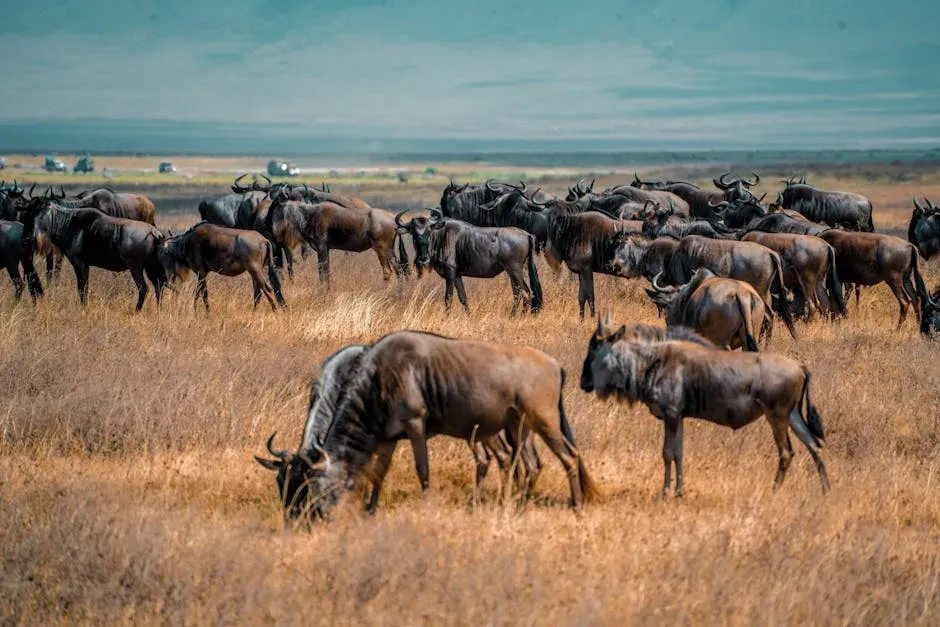
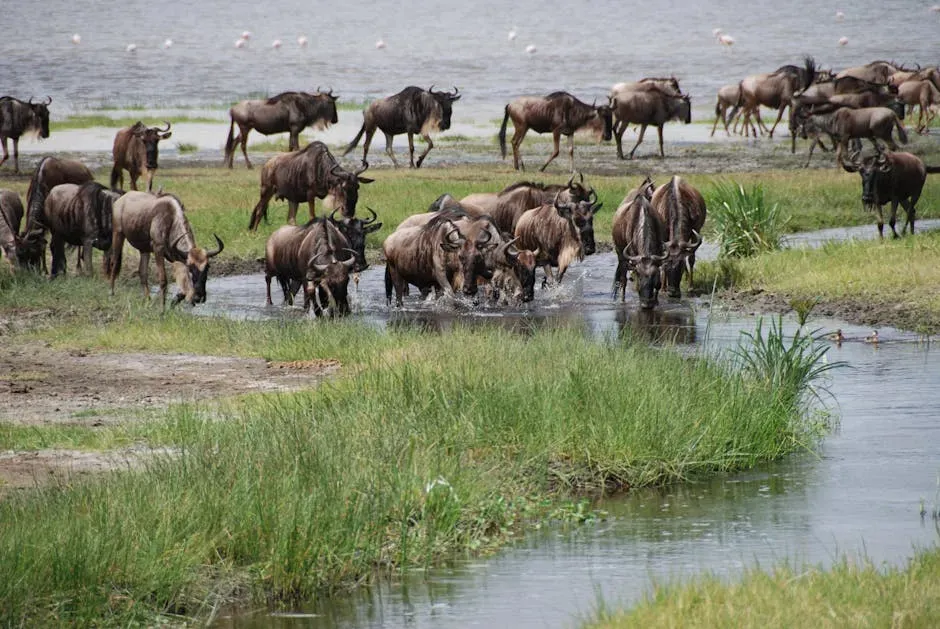
Every year, more than 1.5 million wildebeests partake in a colossal migration northwest to follow the seasonal rains in search of nutritious grass and water. This is renowned as one of the “Seven Natural Wonders of the World.”
Rivers like the Grumeti and Mara become deadly gauntlets filled with crocodiles waiting to strike. Lions and hyenas stalk the edges of the herd, preying on the weak and the young. Yet, the migration continues, driven by an ancient instinct stronger than fear.
This annual pilgrimage sustains the entire ecosystem of East Africa. It is both brutal and beautiful – a living testament to the resilience of life. Let’s be real: nothing on television comes close to the raw drama of a million animals crossing a crocodile-infested river with nothing but instinct pushing them forward.
5. The Bar-Tailed Godwit: The Non-Stop Flyer
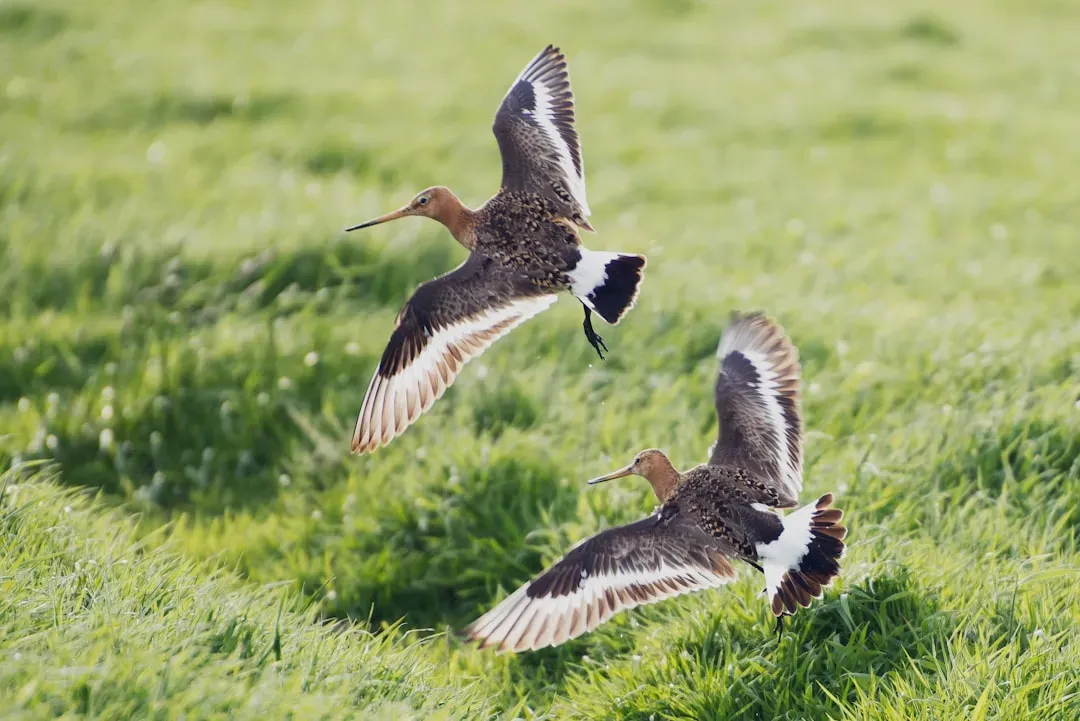
If endurance had a mascot, the bar-tailed godwit would win without contest. The bar-tailed godwit is celebrated for its extraordinary annual migration that commences in Alaska and concludes in New Zealand each fall.
The bar-tailed godwit holds the record for the longest non-stop flight ever recorded – a journey of over 11,500 kilometers from Alaska to New Zealand without rest.
While bar-tailed godwits are in flight, they sleep with one eye open and switch half of their brain off at a time, allowing them to continue their journey uninterrupted over a stretch of days. Half a brain asleep, half awake. Still flying. Still navigating. It sounds impossible, but it happens every single year.
Over the course of its life, a bar-tailed godwit will fly more than 460,000 kilometres. That is more than the distance from Earth to the Moon and back, just from a single bird’s lifetime of commuting.
6. The Caribou: Kings of the Land Migration
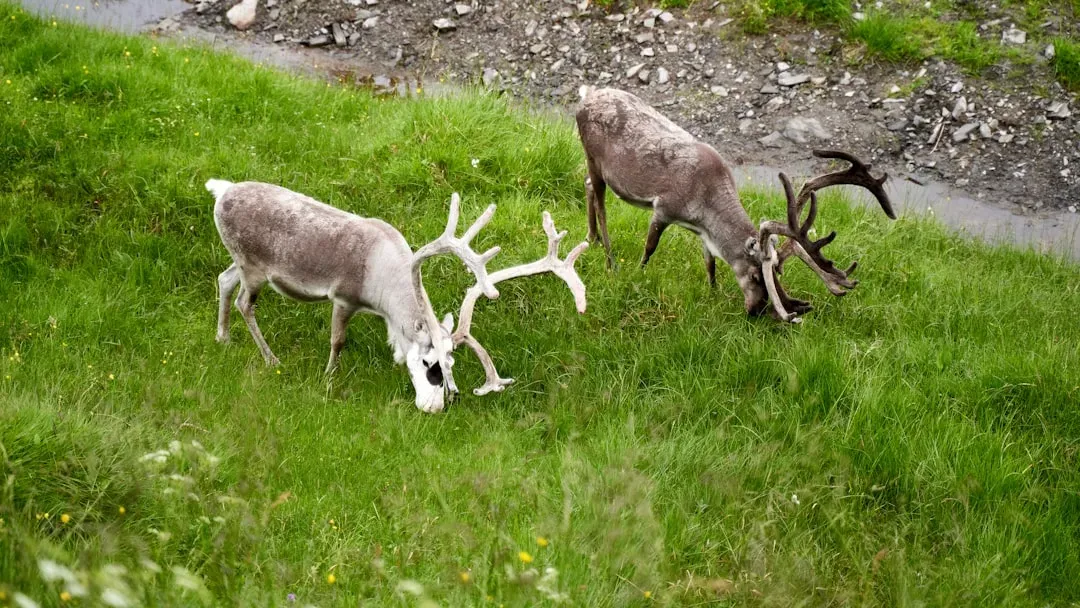
When it comes to moving on foot, nothing on Earth matches the caribou. Caribou have the longest known terrestrial migrations on the planet. Caribou in large Arctic herds can walk more than 2,000 miles each year, a distance that often adds up to walking the distance of the diameter of the Earth within their lifetimes.
Caribou migrate to find optimal forage, to reduce exposure to insects in the summer, to avoid predators, and females migrate specifically to give birth to calves on calving grounds in the early summer, especially in larger herds.
Caribou face numerous challenges along the way, including predators, harsh weather conditions, and habitat disruption due to human activities. It’s hard to say for sure what the future holds for these animals, but the pressures mounting on their ancient routes are deeply concerning.
7. The Leatherback Sea Turtle: Ancient Wanderer of the Deep
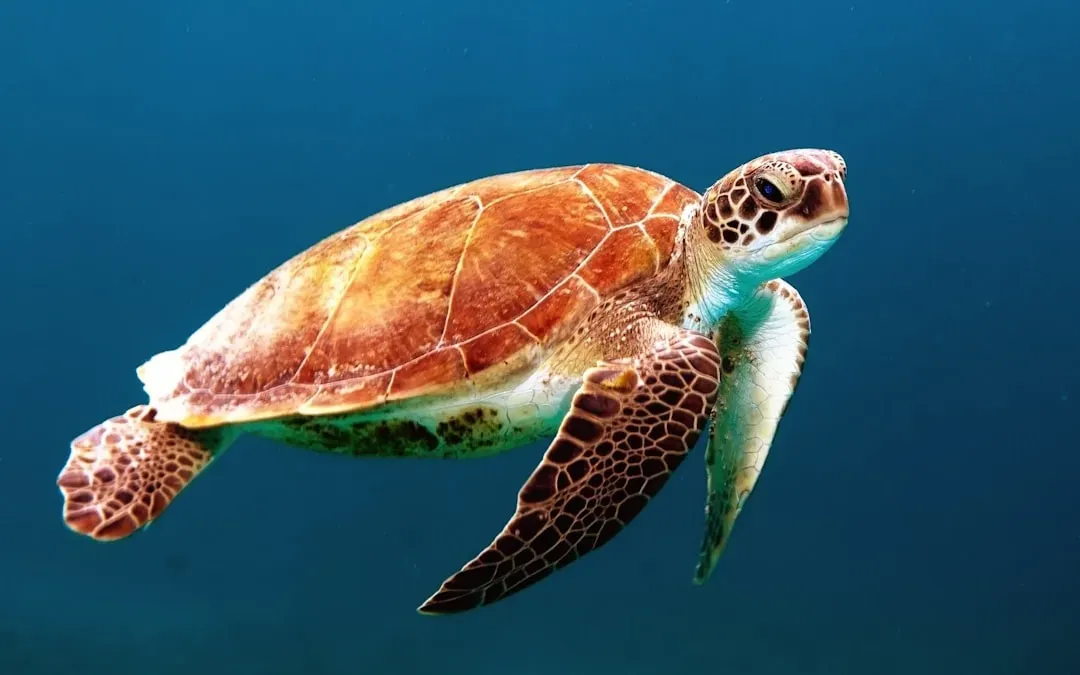
The leatherback sea turtle looks like it crawled straight out of the prehistoric era. Leatherback turtles take the lead for having the longest migration between breeding and feeding areas out of any sea turtle. Some leatherbacks can cover distances of 5,900 kilometres each way. Those in the Atlantic travel from Caribbean beaches to Canada, while the journey for leatherback turtles in the Pacific follows a route from Southeast Asia to California and then into Alaska’s waters.
One reason to explain how leatherbacks know when to migrate is a pink spot on the top of their heads, above their brain. Some scientists think this allows light to reach a part of the brain known as the pineal gland, a process that combined with changes in temperature can tell a leatherback turtle that day length is changing – a key indicator of when to migrate.
Rising sea levels and beach erosion are forcing turtles to travel to new and unfamiliar sites to create their nests. Many populations are critically endangered. That’s a sobering thought for a creature that has survived on this planet for over a hundred million years.
8. The Pacific Salmon: Coming Home to Die
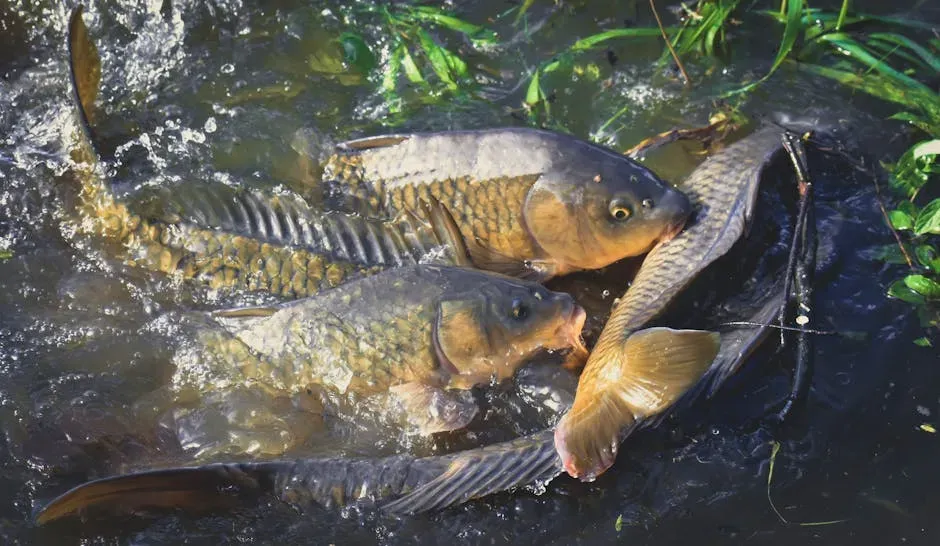
There is something hauntingly poetic about the salmon’s journey. Salmon spend most of their lives in the Atlantic and Pacific Oceans, where they feed and grow before migrating back to the rivers where they were born. Salmon swim across the ocean to the mouth of the river, navigating using a combination of chemical cues, the sun, and Earth’s magnetic field.
To reach their final destination, the salmon must swim up the river, in an event known as the salmon run. In an incredible feat of endurance, they swim up to 400 kilometers against the current, battling rapids and leaping up waterfalls, all while avoiding predators that congregate along the banks.
When Pacific salmon finally reach their birthplace, they spawn and then die. The whole migration is, in essence, one final act of purpose. They return to give life to the next generation, and then they let go. It’s brutal and beautiful in equal measure.
9. The Straw-Colored Fruit Bat: Africa’s Forgotten Migration Spectacle
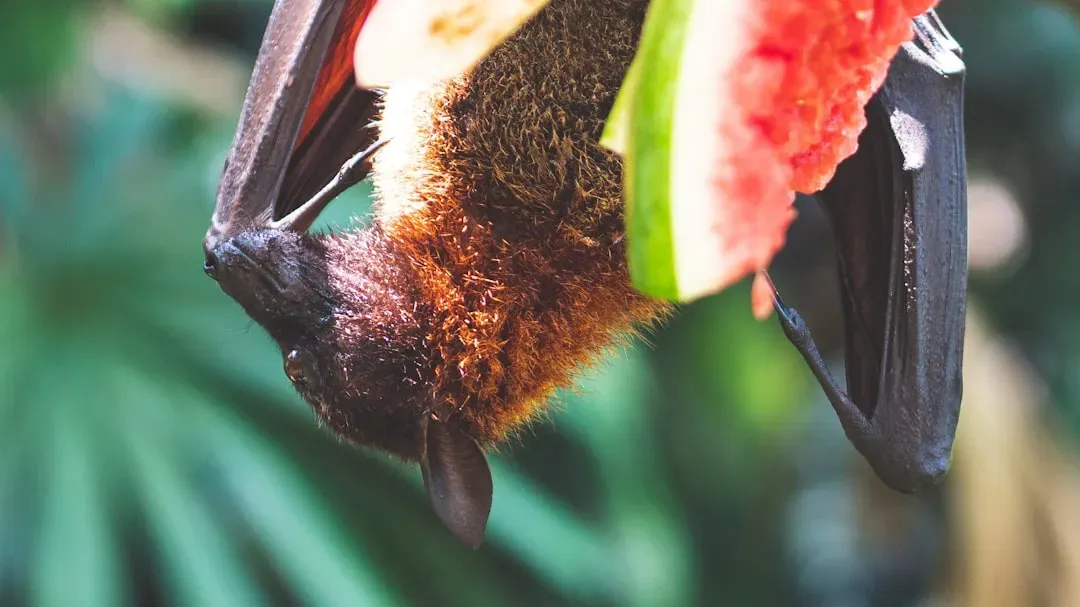
Most people have never even heard of this one, which makes it all the more astounding. In the skies over Central Africa, up to 10 million straw-colored fruit bats undertake the continent’s largest mammal migration. Each year, these large bats with wingspans approaching three feet gather in Zambia’s Kasanka National Park, forming the highest density of mammalian biomass on the planet.
The bats travel up to 1,200 miles from across Central Africa, converging on this small area of swamp forest to feast on abundant seasonal fruit. Unlike many migratory species that follow strict annual schedules, the fruit bats’ movements correlate with complex patterns of fruit ripening across the equatorial forests, requiring sophisticated knowledge of the landscape and timing.
During their brief two-month stay, they consume vast quantities of fruit and disperse millions of seeds across the landscape, making them crucial ecosystem engineers. In other words, these bats are essentially doing reforestation work across Central Africa while just eating dinner. Nature’s efficiency never ceases to amaze.
10. The Gray Whale: The Record-Breaking Ocean Commuter
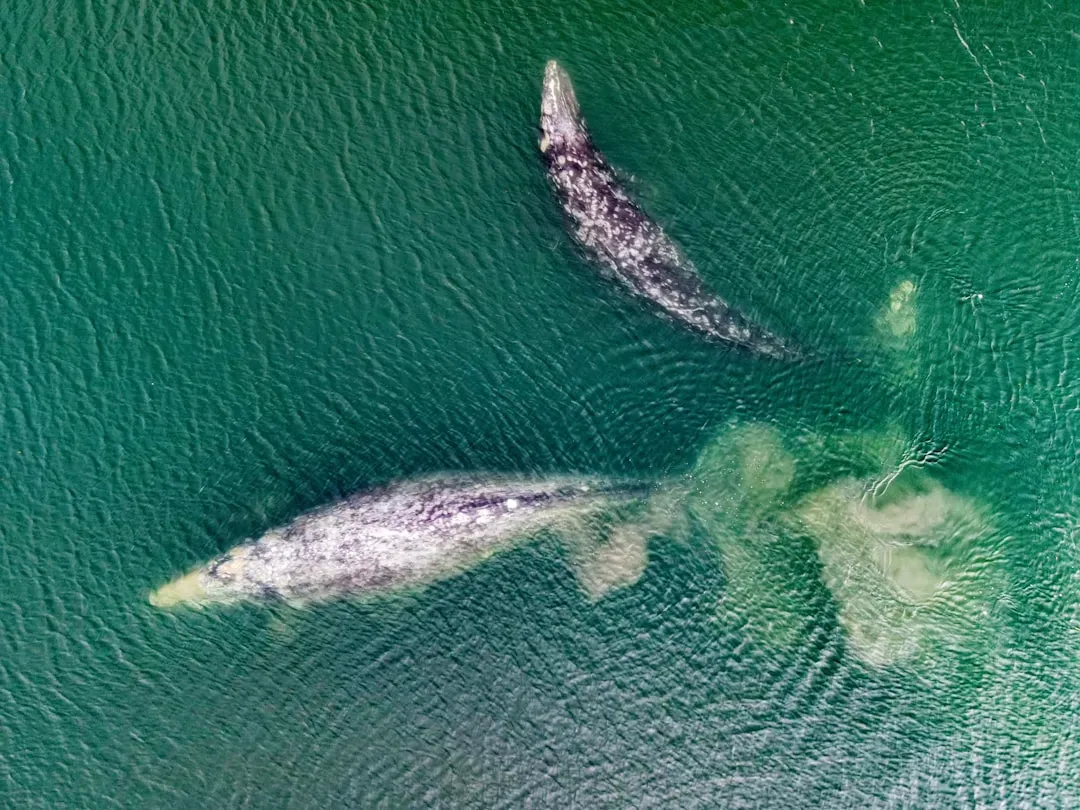
The record for the longest migration by any mammal belongs to the gray whale. A female gray whale named Vavara was tracked completing a round-trip journey of 22,511 kilometers in just 172 days. This individual swam from the waters off Sakhalin Island in Russia to the breeding lagoons of Baja California, Mexico, and then returned.
The Eastern Pacific stock of gray whales migrates from the lagoons of Baja California, Mexico all the way into the Arctic waters of the Bering and Chukchi Seas. This swim is 5,000 to 7,000 miles each way – 10,000 to 14,000 miles round trip.
The survival of marine migrants is increasingly threatened by human activities: ship strikes, fishing nets, pollution, and climate change all challenge these ancient journeys. For an animal that has been making this same crossing for thousands of years, the modern ocean has become a far more dangerous highway.
11. The Globe Skimmer Dragonfly: The Tiny Insect That Crosses Continents
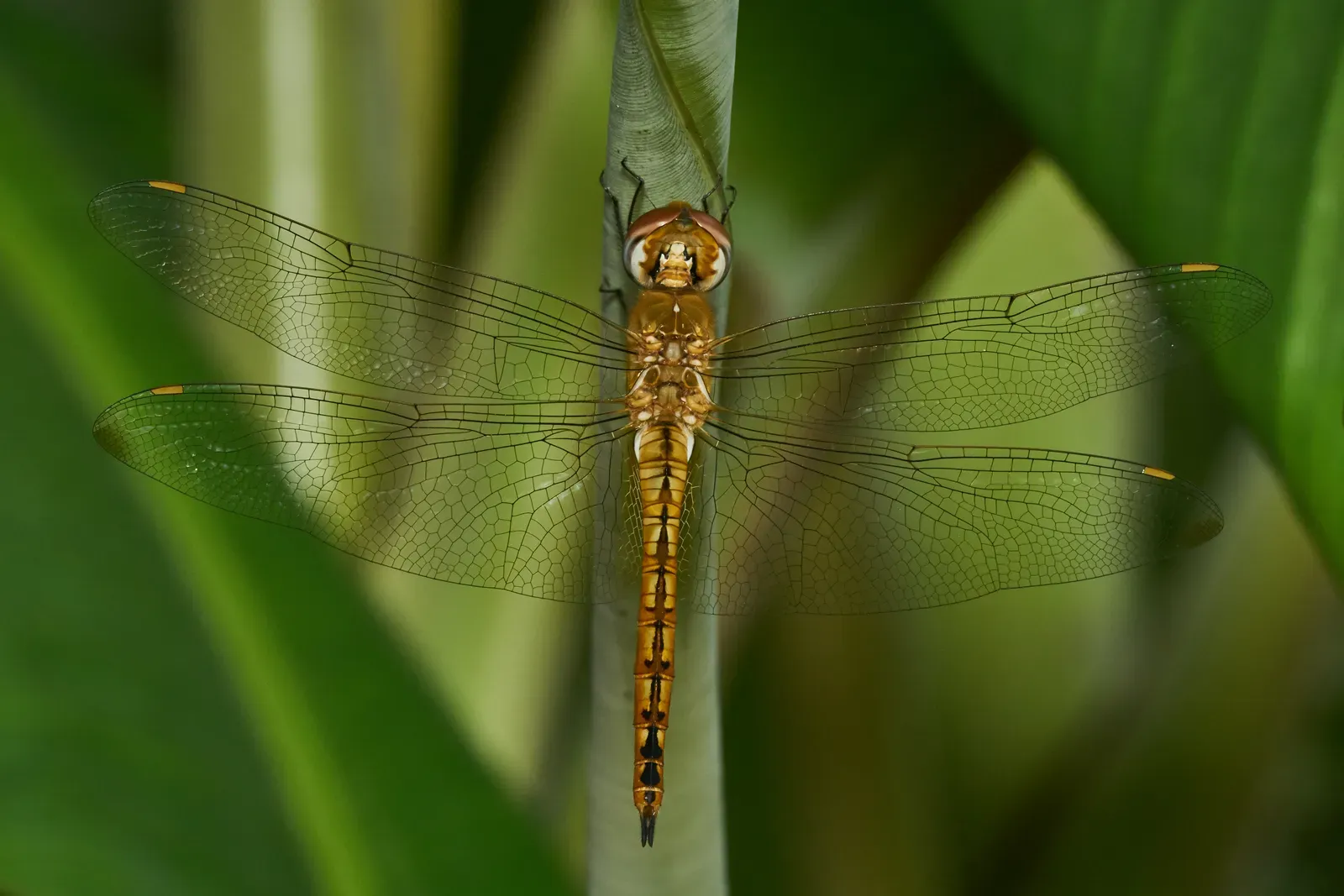
Save the most surprising for last. Most people picture dragonflies hovering lazily over ponds on a summer afternoon. The reality is far more dramatic. The globe skimmer dragonfly traverses up to 11,000 miles between India and Africa.
Unlike monarch butterflies that return to specific locations, globe skimmers follow the rain, breeding in temporary water bodies created by seasonal rainfall. Each leg of the journey requires multiple generations, with females laying eggs in freshwater pools along the route and their offspring continuing the migration.
These remarkable insects can fly continuously for days and reach altitudes of 20,000 feet. They navigate using polarized light patterns and possess specialized wing structures that allow for energy-efficient gliding. Despite their tiny brains, they demonstrate sophisticated route-finding abilities that have only recently begun to be understood through tracking studies.
Something that weighs less than a paperclip, flying across the Indian Ocean using polarized light as a compass. Honestly, it makes you reconsider everything you thought you knew about what small creatures are capable of.
Conclusion: The World Still Moves
These incredible journeys are certainly captivating, but they also have a vital role to play in the ecosystem. Migration affects the distribution of prey and predators, keeps nutrients cycling around the planet, helps with the spread of pollen and seeds, and even influences human economies.
Yet the threats are real and growing. Almost half of migratory species covered under international conservation treaties are showing a population decline, and more than one in five are threatened with extinction.
Migration patterns are finely tuned to seasonal and environmental conditions, making them especially sensitive to climate change. Shifts in temperature, precipitation, and habitat availability disrupt traditional migratory routes, timing, and success.
There is something both humbling and urgent about watching these ancient journeys continue against the odds. Every wing beat, every ocean crossing, every river leap is a testament to life’s stubborn will to endure. The question worth sitting with is this: if these animals have traveled the same routes for thousands of years, what kind of world are we leaving them to travel through next?
What do you think? Which of these migrations surprised you the most? Share your thoughts in the comments.

- 8 Ways Glaciers Carved New York's Finger Lakes - August 10, 2026
- 8 Ways Bobcats Move Through Suburbs Without Being Seen - August 9, 2026
- 7 Reasons Black Bears Return to the Same Food Source - August 9, 2026