
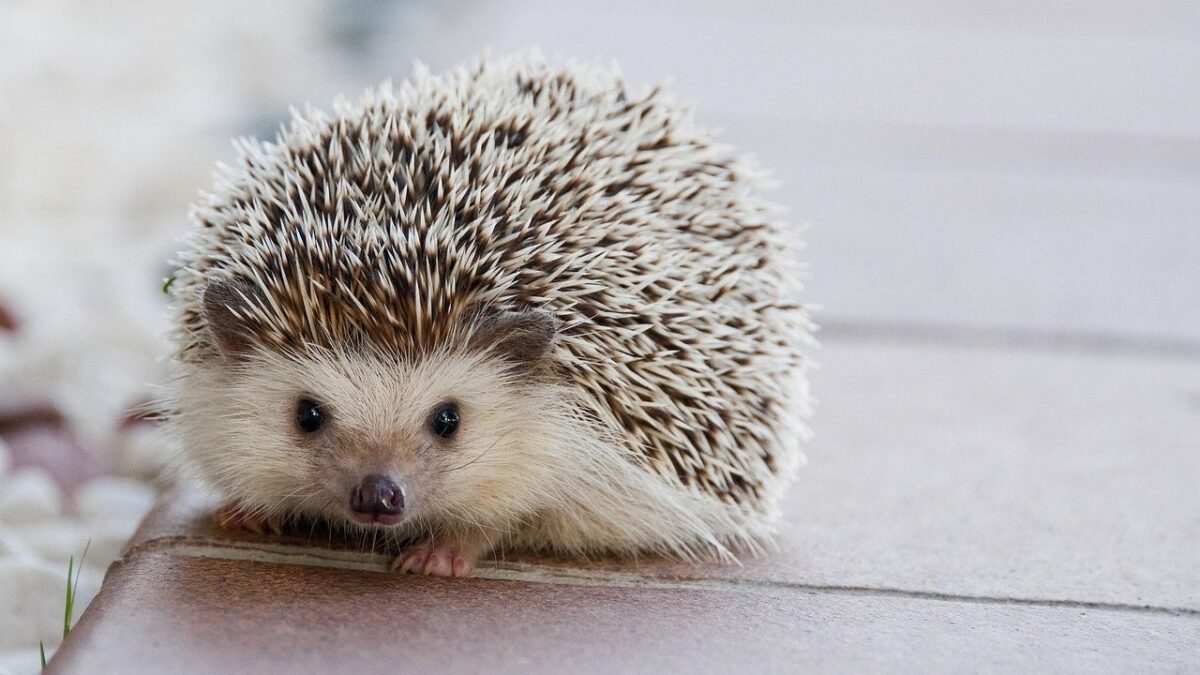
Most of us have a mental image of mammals as creatures with weight and presence. Lions. Bears. Elephants. Animals you can hear coming. Yet scattered across forests, deserts, limestone caves, and tropical islands are mammals so astonishingly small they could sit on your thumbnail without you even feeling them. They weigh less than a coin. Some weigh less than a paperclip. Honestly, it almost sounds made up.
What’s more surprising is that these tiny animals are not fragile little victims of nature. They are extraordinary survivors. Evolution has gifted them with biological superpowers that many larger animals simply don’t possess. The deeper you look into their world, the harder it becomes to think of them as insignificant.
From the fastest heartbeat ever recorded in a mammal to built-in sonar systems that could embarrass a submarine, the smallest mammals on Earth are genuinely jaw-dropping. Let’s dive in.
The Etruscan Shrew: A Paperclip-Sized Predator With a Racing Heart
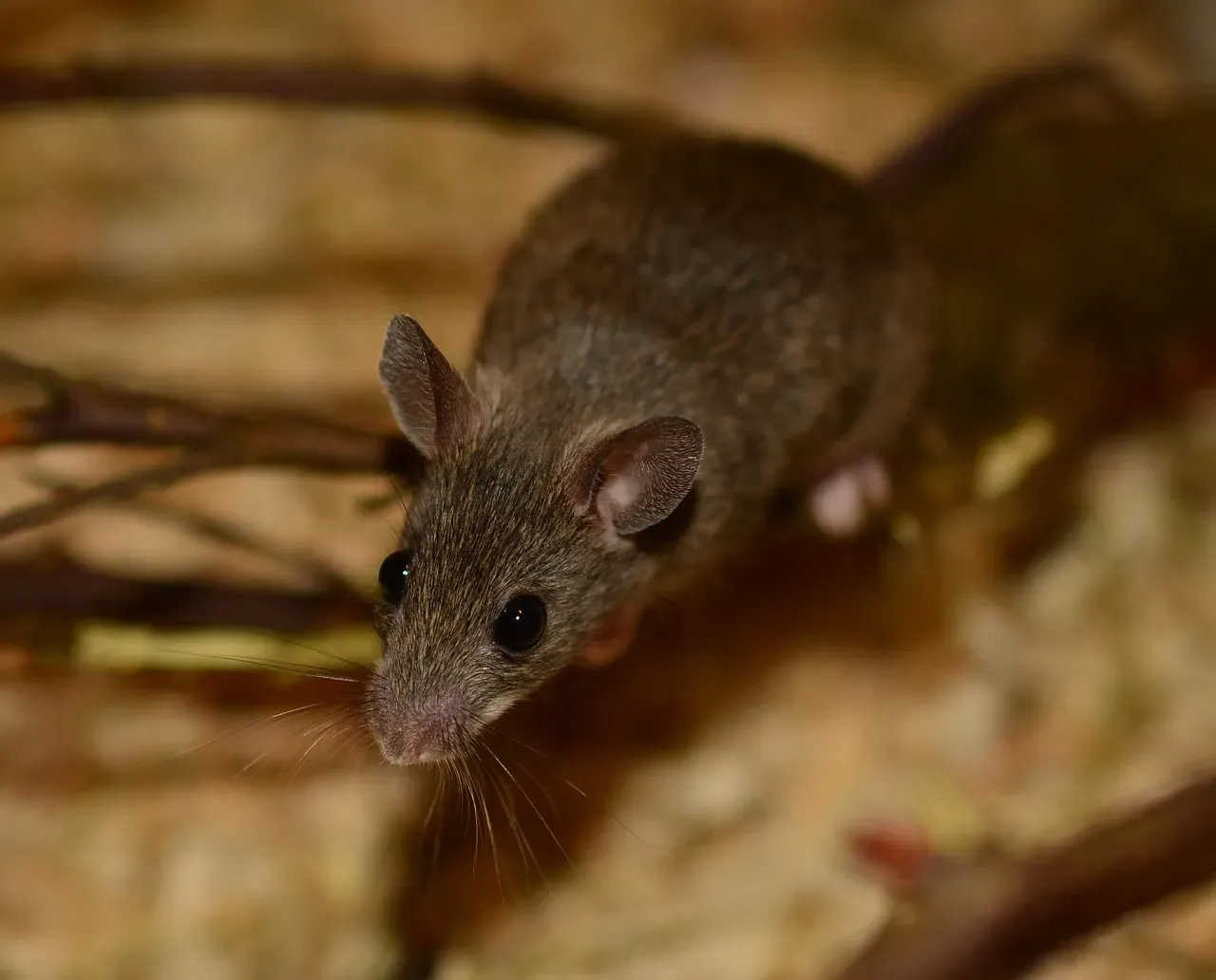
Here’s a fact that should immediately stop you in your tracks. The Etruscan shrew is the smallest known mammal by mass, weighing only about 1.8 grams on average – roughly as much as a paperclip. Think about that for a second. That tiny animal hunts, competes for territory, raises young, and has survived for millions of years.
The extraordinarily short lifespan of the Etruscan shrew is directly linked to its hyperactive metabolism, which operates at a pace almost unfathomable to humans. These tiny creatures possess the highest metabolic rate of any mammal, with hearts that beat up to 1,500 times per minute – 25 beats per second – compared to a human’s average of 60 to 100 beats per minute. Imagine your heart working that hard, constantly, every minute of every day.
Characterized by very rapid movements and a fast metabolism, the Etruscan shrew eats about 1.5 to 2 times its own body weight per day. It feeds on various small vertebrates and invertebrates, mostly insects, and can hunt individuals of the same size as itself. That last part is particularly wild – this creature the size of a paperclip will take on prey its own size without hesitation.
Its whiskers can even pick up vibrations from air currents, warning it of potential danger and allowing it to detect the spikes on cricket legs, which are then ripped off so the cricket cannot easily escape. These adaptations, as well as particularly sharp, pointed teeth, are highly important to an animal with such high food requirements.
In cold seasons and during shortages of food, the shrews lower their body temperatures down to about 12°C and enter a state of temporary hibernation to reduce energy consumption. It’s a biological pause button – just one of the many tricks this remarkable little animal uses to stay alive.
The Bumblebee Bat: The World’s Tiniest Flying Mammal and Its Sonar Superpower
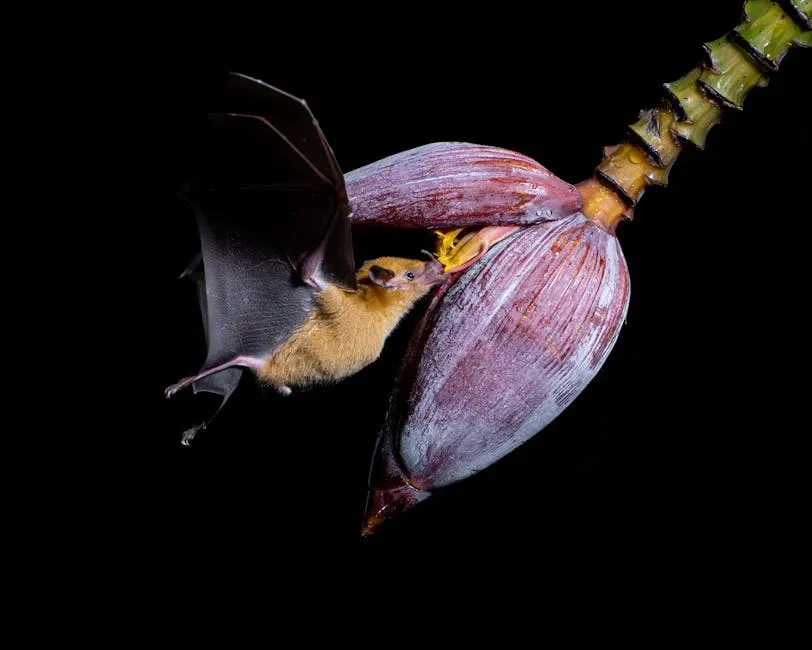
Kitti’s hog-nosed bat is the smallest species of bat and arguably the world’s smallest mammal by body length, with the Etruscan shrew regarded as the smallest by body mass. It’s a fierce debate in the world of tiny mammals, but honestly, both of these creatures deserve the crown of remarkable.
Kitti’s hog-nosed bat measures approximately 29 to 33 mm long and weighs around 2 grams, earning its common name “bumblebee bat.” To put that in perspective, that’s smaller than some butterflies and lighter than a single grape. Bumblebee bats are native to the limestone caves of the flood plains in western Thailand and southeast Myanmar. Armed with their distinctive pig-like noses, they leave their cavernous roosts at dawn and dusk, foraging the local area for flying insects using echolocation.
These bats can produce extremely fast echolocation calls as they close in on prey, calling as much as 220 times per second. That is not a typo. 220 times per second. Think of echolocation like a living radar system, but so refined and so fast that it can detect and track insects in complete darkness with startling precision.
The Thai and Myanmar populations are small and isolated from one another. Genetic and echolocation studies suggest the two groups rarely mix, which limits the exchange of genes between them. When populations become fragmented like this, the risk of inbreeding rises, reducing genetic diversity and leaving the species more vulnerable to disease, environmental changes, or other threats. It’s a precarious situation for a creature already so rare.
The Pygmy Jerboa and Mouse Lemur: Desert Acrobat Meets Forest Phantom
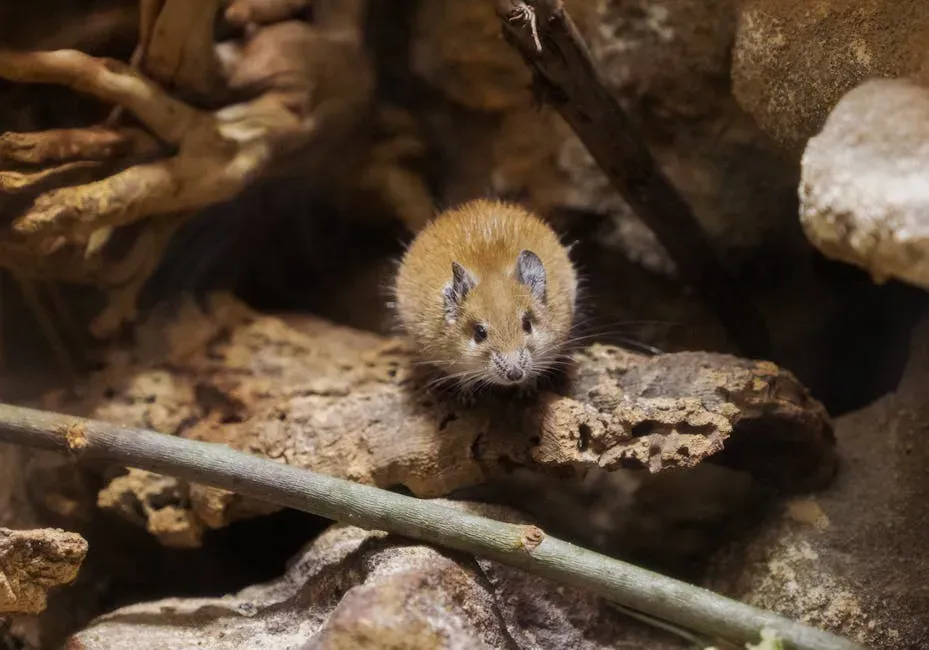
Let’s be real – if you search for images of the pygmy jerboa or the mouse lemur, you will spend about twenty minutes just staring at them in disbelief. The Baluchistan pygmy jerboa, also known as the dwarf three-toed jerboa, is native to Pakistan but may also be found in parts of Afghanistan. Reaching an average length of 1.7 inches, this nocturnal animal has a tail nearly twice its body size. Adult females are incredibly lightweight, weighing just 0.11 ounces. Despite their tiny size, Baluchistan pygmy jerboas have exceptionally long hind legs and large feet, enabling them to make impressive leaps across the harsh desert landscape.
Think of them like a miniature kangaroo crossed with a cartoon mouse. The pygmy jerboa can survive without water for months, thanks to its ability to extract moisture from the insects it eats. In a scorching desert environment, that is an extraordinary biological achievement. The pygmy jerboa’s nocturnal habits guarantee it avoids the scorching daytime heat. Its burrowing skills are exceptional, creating cozy underground homes that provide shelter and regulate temperature.
Meanwhile, on the lush island of Madagascar, a completely different kind of tiny mammal has mastered a completely different kind of survival. The pygmy mouse lemur is the smallest primate in the world. Its head and body are less than two and a half inches long, though its tail is a bit more than twice that length. These threatened nocturnal lemurs live in the dry forests of western Madagascar and rarely leave the forests’ trees.
These adaptable primates store fat in their tails and hind legs, burning it when forage is lean. They may store up to 35 percent of their body weight. Female lesser mouse lemurs enter a dormant state during Madagascar’s dry season, from April or May to September or October. It’s like carrying your own emergency food supply built directly into your body. Honestly, I think that’s a survival trick humans could only dream of.
The Science of Staying Small: Why Tiny Size Is Actually a Superpower
Here’s the thing most people miss when they look at these animals. Small size is not a handicap. It never was. All mammals on Earth today descended from one common ancestor called the Morganucodon, a tiny shrew-like creature that lived alongside the dinosaurs roughly 200 million years ago, and competing for resources with the planet’s early Jurassic reptilian giants kept the mammal lineages that existed at the time relatively small.
Being small opened doors that being large slammed shut. Reducing size can allow a species to exploit new resources, access food sources or habitats unavailable to larger animals, minimize competition with larger, more dominant species, become less conspicuous to predators, and potentially increase reproductive output due to shorter generation times. That is a genuinely impressive list of advantages packed into a body the size of your thumb.
Tiny mammals like the Etruscan shrew have incredibly high metabolic rates. This allows them to generate enough body heat to survive in cooler climates, but it also means they need to eat constantly. It is a trade-off, but it is one that has worked for millions of years. Many of these small creatures are nocturnal, which helps them avoid daytime predators. The mouse lemur, with its large eyes, is perfectly adapted for seeing in low-light conditions.
In 1996, researchers used the Etruscan shrew to study cardiovascular adaptations for maintaining a high oxidative demand, finding that the blood of the Etruscan shrew has a larger oxygen capacity and a lower oxygen affinity than is typical for homeothermic animals. They can release almost twice as much oxygen per ml of blood as humans can. That is the kind of biological engineering that should make us look at these animals with genuine awe.
Under Threat: The Fragile Future of the World’s Tiniest Mammals
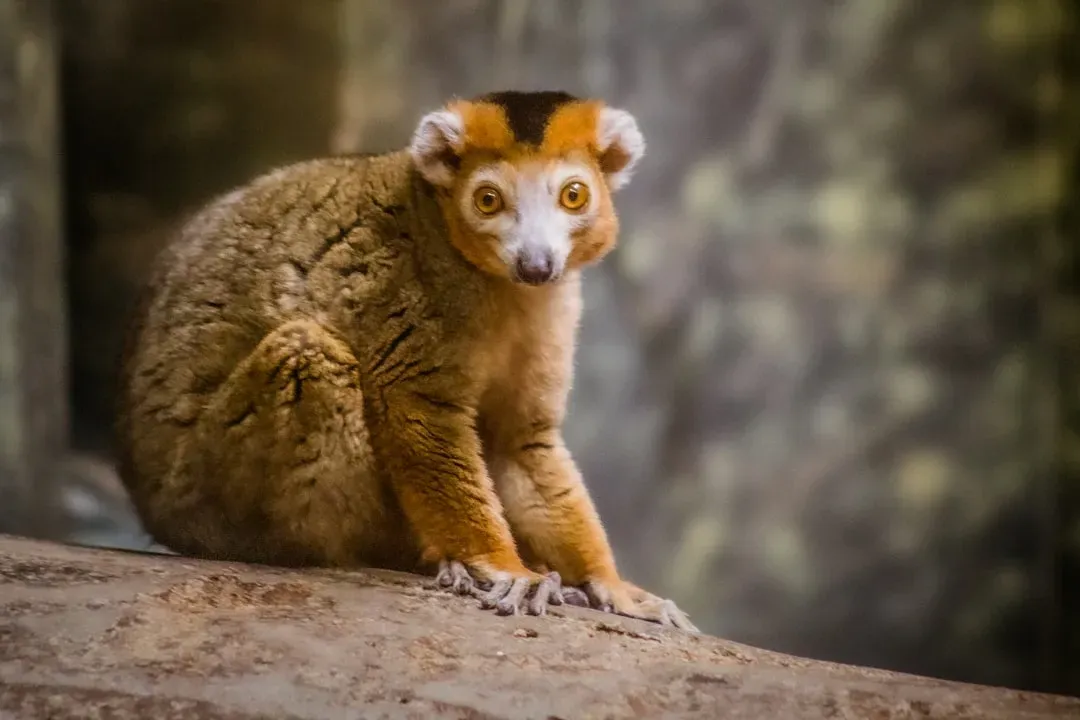
Sadly, extraordinary survival skills do not always protect against the one force these animals were never evolved to handle: us. These tiny mammals face significant threats from habitat loss and climate change. Conservation efforts are crucial to ensure their survival. Deforestation and urbanization are major threats to small mammals like the mouse lemur, which rely on specific habitats for survival.
Madame Berthe’s mouse lemur is listed as “critically endangered” on the IUCN’s Red List of Threatened Species, with its biggest threats being deforestation and habitat degradation caused by slash-and-burn agriculture, illegal logging, and charcoal production. A creature that survived millions of years in Madagascar’s forests is now teetering because of human activity in just a few decades.
Habitat disturbances, including tourism, fertilizer collection, and limestone mining, pose significant threats to the bumblebee bat’s survival, which is why it is listed as “near threatened” on the IUCN’s Red List of Threatened Species. Something as casual as a tourist visiting a cave can cause enough disturbance to destabilize an entire colony. Currently the Etruscan shrew is of least concern on the endangered species list. However, the biggest threats to the species are from human activity, mainly destruction of their nests and habitat from farming.
Organizations worldwide are working to protect these tiny creatures through habitat preservation, research, and public education. It’s hard to say for sure whether these efforts will be enough in time, but awareness is always the first step. The more people know about these animals, the harder it becomes to ignore their plight.
Conclusion: Giants in Disguise
There is something quietly humbling about learning how the world’s smallest mammals live. A creature that weighs less than a penny, hunts in complete darkness using sound, extracts water from insects in a blazing desert, or slows its own heartbeat to conserve energy – these are not weak animals. They are biological masterpieces.
In a world that constantly glorifies size, strength, and dominance, the Etruscan shrew, the bumblebee bat, the pygmy jerboa, and the mouse lemur remind us that some of the most impressive things in nature come in the smallest packages. Evolution did not make these creatures small and leave them vulnerable. It made them small and gave them extraordinary tools to thrive.
The real question is not whether these animals can survive the wild. They have been doing that for millions of years. The question is whether they can survive us. What do you think we owe the smallest mammals on Earth?

- The Secret Lives of Nocturnal Animals: What Happens After Dark - August 10, 2026
- 12 Incredible Facts About Monarch Butterflies and Their Migration - August 10, 2026
- Why the World is Obsessed with This Iridescent Spider: The Psychedelic Earth Tiger - August 10, 2026