
Something extraordinary is happening beneath our feet, above our treelines, and along our coastlines. Habitats that took thousands of years to form are shifting, shrinking, and in some cases, vanishing entirely. These are not just distant rainforests or remote coral atolls. These are American landscapes, American wetlands, American prairies.
The warnings from the scientific community are growing louder, and yet the pace of response remains frustratingly slow. From the Gulf Coast to the Rocky Mountains, from the Mississippi Delta to Hawaii’s volcanic ridges, ecosystems are under siege from a convergence of threats that few could have predicted even a generation ago. What’s most sobering is that some of these habitats may not simply be damaged. They may be gone for good. Let’s dive in.
Climate Change Is Now the Leading Threat to US Species
Here’s the thing. For decades, scientists pointed to habitat destruction as the single biggest enemy of American wildlife. Roads, bulldozers, sprawling developments. That was the villain. Now the picture is far more complicated, and honestly, more frightening.
A landmark study published in BioScience found that climate change has now been identified as the leading threat to species listed under the Endangered Species Act, a stunning reversal from just a few decades ago. Almost three decades prior, researchers found that habitat destruction and degradation was the most pervasive threat, and climate change wasn’t even included in the major threat categories at that time.
Scientists synthesized reported threats to US imperiled species across five major drivers of biodiversity loss: climate change, invasive species, land and sea use change, pollution, and overexploitation. What they found is that these threats rarely act alone. With over 86% of species threatened by multiple drivers, the results demonstrate the necessity of addressing the synergistic and cumulative effects of all five drivers for effective conservation outcomes.
Think of it like a patient fighting five illnesses at once. Treating just one is not going to save them.
Wetlands Are Shrinking at a Pace That Should Alarm Everyone
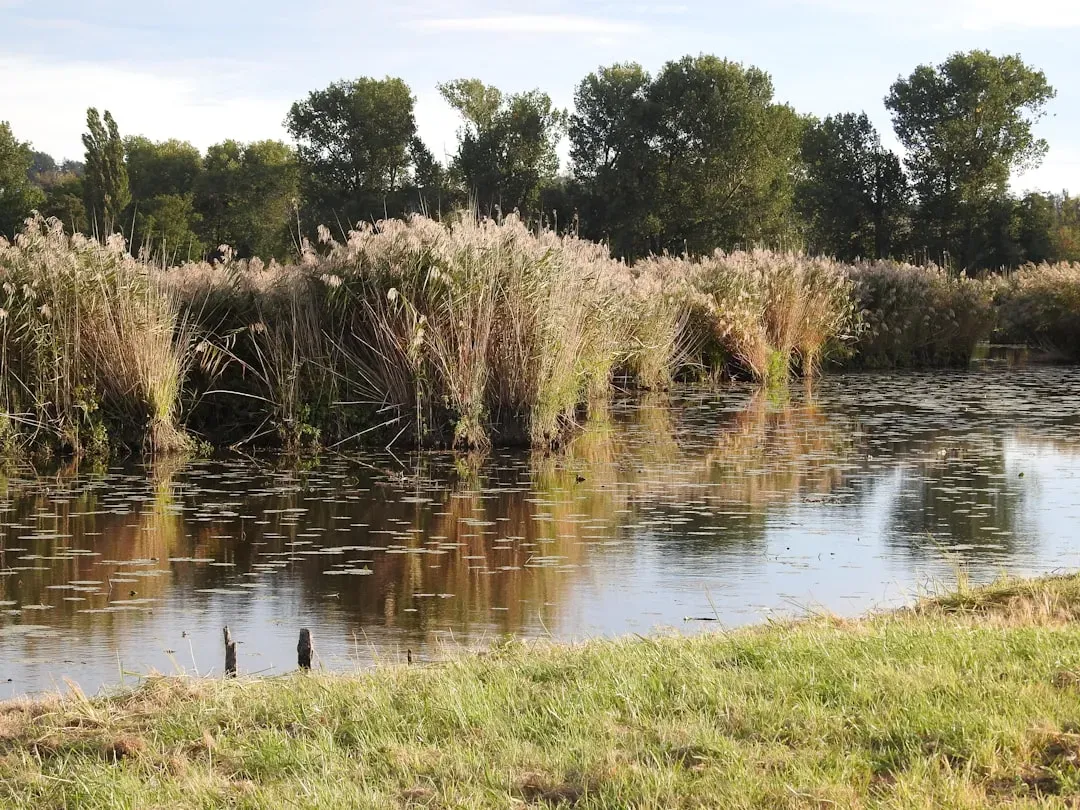
Wetlands are one of those ecosystems that most people walk past without a second glance. Muddy, buggy, unremarkable to the untrained eye. Yet they are among the most productive and vital habitats on Earth, and in the United States, they are disappearing.
At the continental scale, annual wetland area is projected to decrease by roughly ten percent under high emission scenarios, but spatiotemporal changes vary, reaching up to plus or minus fifty percent in some regions. That is not a minor fluctuation. As the dominant driver of these changes shifts from precipitation to temperature in higher emission scenarios, wetlands undergo substantial drying during summer when biotic processes peak, with projected disruptions to wetland seasonality cycles implying further impacts on biodiversity in major wetland habitats of the upper Mississippi, Southeast Canada, and the Everglades.
The combination of wetland disturbance from human activities and changes in climate may have greater impacts on wetland functions than either stressor would alone. Louisiana tells an especially sobering story. The state faces some of the highest land loss rates in the world. Between 1932 and 2016, Louisiana lost more than 2,000 square miles of land area, almost the size of Delaware, due in part to high rates of relative sea level rise.
Scientists and civil society are urging delegates worldwide to step up ambitions to combat the continued destruction of Earth’s fastest-disappearing ecosystem, noting that wetlands underpin all life on Earth, supplying fresh water, oxygen, habitat, and food.
Birds Are Vanishing From American Skies
I’ll be honest, there is something deeply unsettling about a quiet morning in the woods. Not peaceful quiet. Empty quiet. That is increasingly what researchers are documenting across North America, and the numbers behind it are hard to ignore.
After half a century of steep declines, North America’s birds are disappearing faster than ever. A new study shows that populations are shrinking across most of the continent, with intensive agriculture playing the largest role in accelerating those losses. The study, published in Science, relied on data collected by the Breeding Bird Survey, a citizen science initiative that has collected annual bird population data since 1966.
The US Mid-Atlantic, Midwest, and California, all agricultural hubs, showed the highest rates of accelerating decline. The reason is layered. Agriculture is associated with a trio of challenges for birds: pesticides, fertilizers, and large areas of habitat-reducing cropland.
Earlier springs and warmer temperatures due to climate change can result in insects emerging earlier than they used to. If birds can’t keep pace with these changes, they may risk arriving exhausted from their migration journey after the peak abundance of insects has already ended. Imagine running a marathon to find the finish line has been moved. That is essentially what millions of migratory birds now face every single year.
Birds occur in nearly every habitat on the planet and are often the most visible and familiar wildlife to people across the globe. They provide an important bellwether for tracking changes to the biosphere, and declining bird populations across most habitats confirm that profound changes are occurring in response to human activities.
Coastal and Mountain Ecosystems Face Disappearance From Both Ends
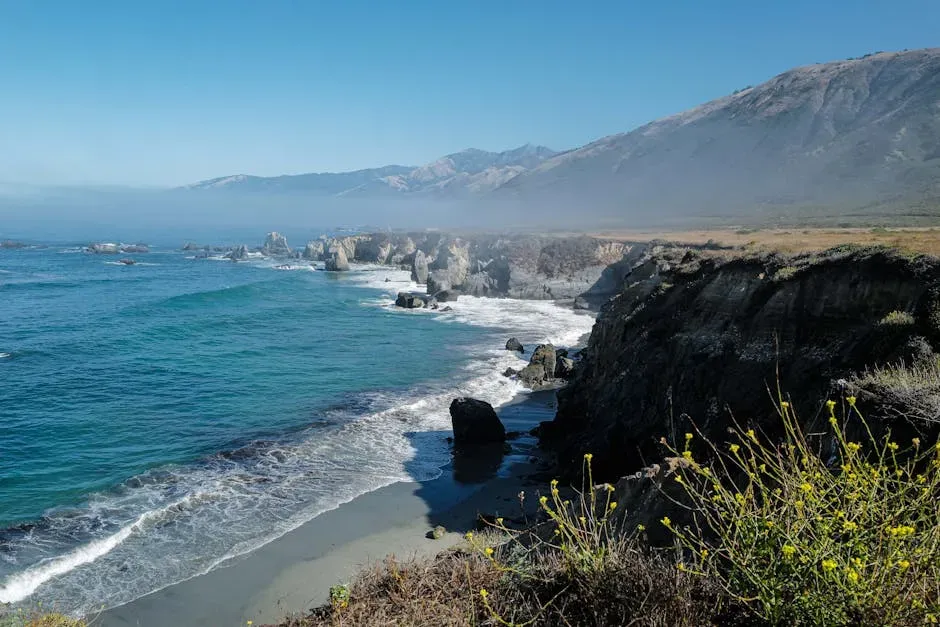
It is a cruel irony that both the lowest and highest ecosystems in the United States are under simultaneous threat. The coasts are drowning. The mountaintops are burning up. There is nowhere left to retreat.
Wildlife that need the cool temperatures of high elevations, such as the American pika, may soon run out of habitat. Coastal wildlife may find their habitat underwater as sea levels rise. This is not a future scenario. It is already unfolding. Climate change is already impacting ecosystems through changes in species ranges and behavior. For example, the northern range edge of mangroves, a tropical species of trees that grow in the coastal zone, is pushing into and replacing the southern edge of salt marsh in Northeast Florida.
Where barriers such as levees and other coastal infrastructure are present, including roads and homes, the potential for landward migration of natural systems is reduced. In these cases, coastal habitats for mangroves and salt marshes may be lost, a phenomenon known as coastal squeeze.
Up in the mountains, montane wetlands are expected to be affected by higher temperatures, less snowpack, and earlier snowmelt, resulting in a loss of more seasonal wetlands and habitats suitable for amphibians and wetland invertebrates. No group of animals has a higher rate of endangerment than amphibians. Scientists estimate that roughly a third or more of all known species of amphibians are at risk of extinction. Frogs, toads, and salamanders are disappearing because of habitat loss, water and air pollution, climate change, ultraviolet light exposure, introduced exotic species, and disease.
What Happens If We Lose These Habitats for Good
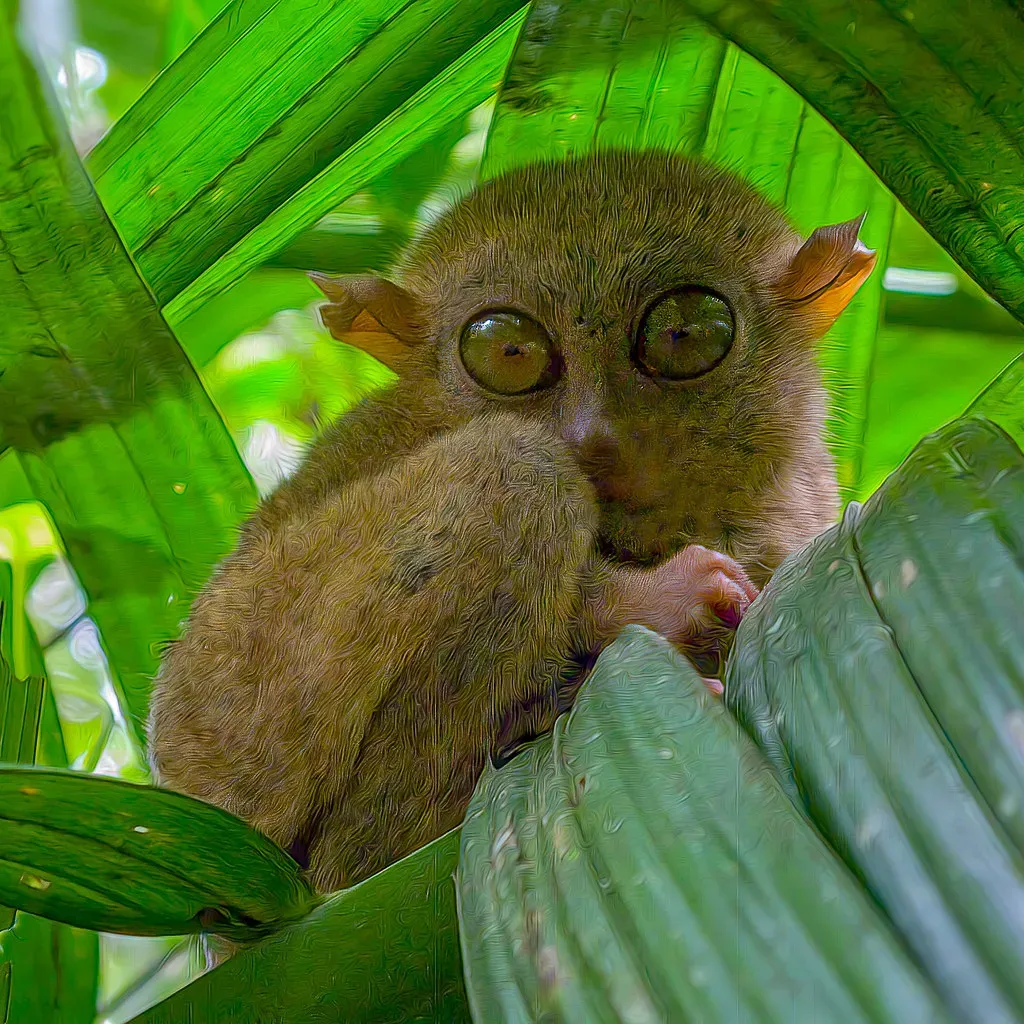
This is the question that scientists are genuinely wrestling with, and the answers are unsettling. Species extinction is often a cascading process. When one species disappears, it can trigger a domino effect that impacts entire ecosystems. For instance, the extinction of a predator can lead to an overpopulation of herbivores, which then overgraze vegetation, causing habitat degradation and further loss of species.
Habitat loss, due to destruction, fragmentation, or degradation, is the primary threat to the survival of wildlife in the United States. When an ecosystem has been dramatically changed by human activities such as agriculture, oil and gas exploration, commercial development, or water diversion, it may no longer be able to provide the food, water, cover, and places to raise young that wildlife need to survive.
More than one third of US fish and wildlife species are at risk of extinction in the coming decades. That is not a fringe estimate. That is the National Wildlife Federation, grounded in peer-reviewed science. A comprehensive strategy for saving biodiversity must also include habitat types with fewer species, like grasslands, tundra, and polar seas, for which any loss could be irreversibly devastating.
The window for action is closing rapidly. Scientists warn that the longer we delay, the more challenging it will become to prevent irreversible biodiversity loss. Still, there are reasons not to surrender entirely to despair. Safeguarding just 1.2% of Earth’s land demonstrates that even a small, targeted conservation effort can yield significant results. Small actions, multiplied across millions of people and hundreds of policies, can change a trajectory. It has happened before. It needs to happen again, faster.
Conclusion
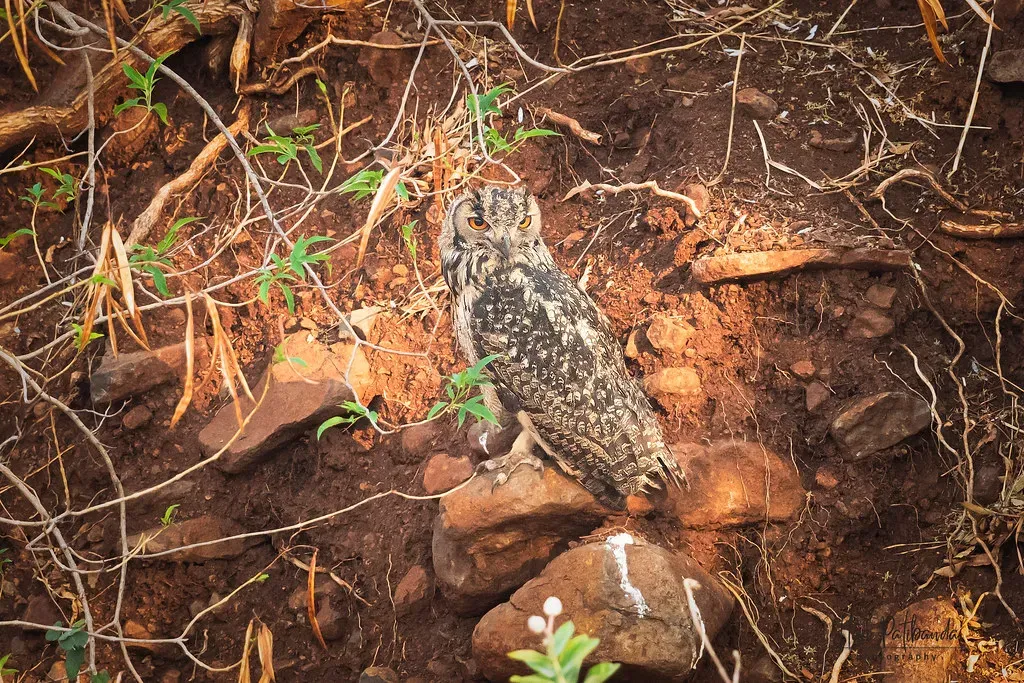
The story of vanishing US habitats is not really about nature. It is about us. What we build, what we emit, what we tolerate, and what we choose to protect. The prairie, the wetland, the alpine meadow and the coastal marsh. These are not background scenery. They are living systems that regulate our water, clean our air, feed our food chains, and hold genetic libraries we have barely begun to read.
Scientists are not crying wolf. They are reading the data, and the data is telling them to be alarmed. The question is whether the rest of us will listen before some of these places exist only in photographs.
What would it take for more people to truly feel the urgency? That’s worth sitting with for a moment.

- 12 Surprising Facts About Hummingbirds That Will Blow Your Mind - August 12, 2026
- 8 Unique Facts About Hummingbirds - August 12, 2026
- Do Animals Cry Like Humans? 3 That Come The Closest - August 12, 2026