
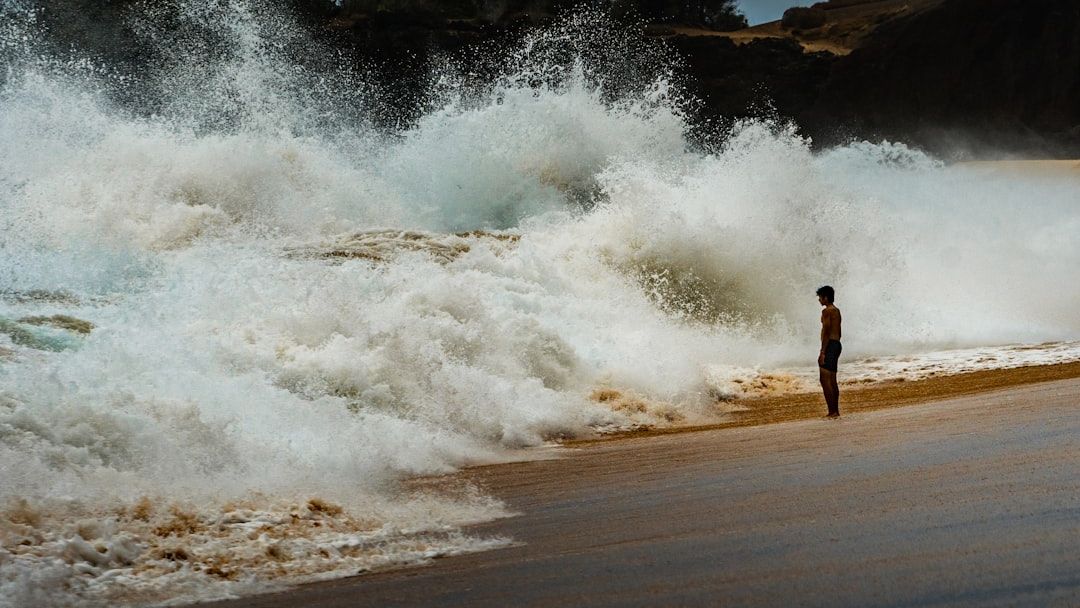
Spring 2026 has brought a whirlwind of weather extremes across the United States. From record heat in the deserts to late-season blizzards up north, patterns that defy seasonal norms are testing communities everywhere.[1][2]
These shifts, fueled by shifting atmospheric forces like a stubborn heat dome and lingering polar influences, highlight how unpredictable the climate has become. Residents from coast to coast are adapting to conditions that feel more like a mix of seasons than a steady warmup.[3]
Southwest United States: Record-Breaking Heat Wave
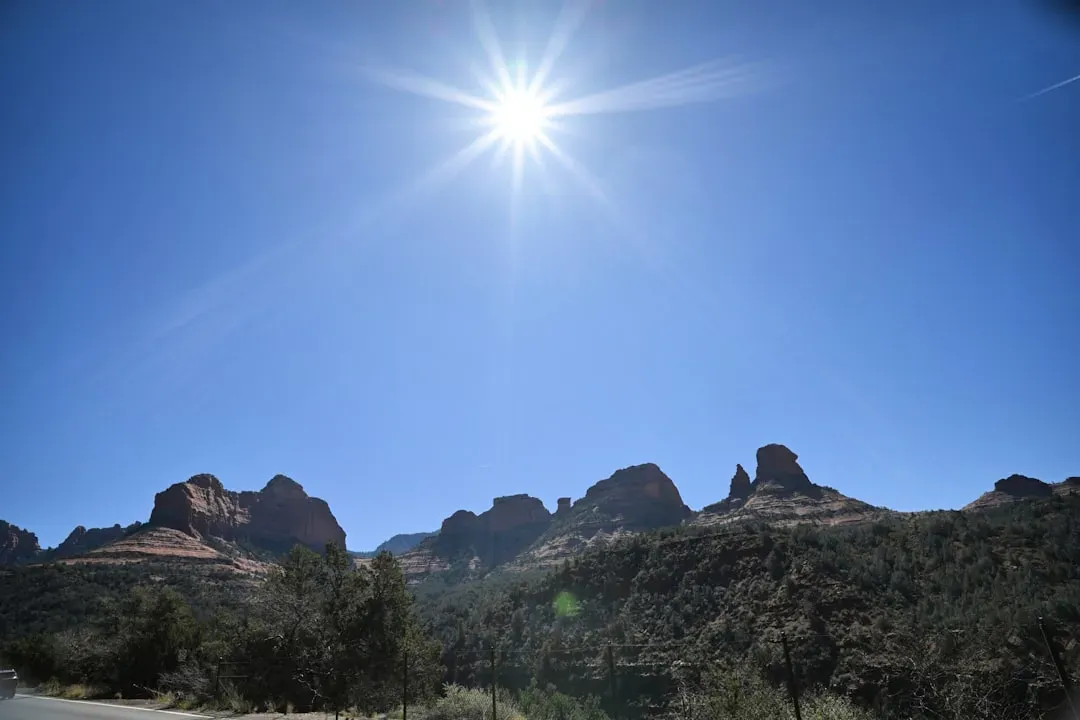
Temperatures soared to astonishing levels in the Southwest during March, with anomalies up to 81 degrees Fahrenheit above average in spots. Cities like Phoenix and Las Vegas saw triple-digit heat far earlier than usual, straining power grids and water supplies. This event ranks among the most extreme of the century, made far more likely by a warming climate.[4]
Even into early April, the heat dome lingered before shifting east, leaving parched landscapes vulnerable to drought expansion. Farmers worry about crop yields as soils dry out faster than expected. Relief came slowly with scattered thunderstorms, but the overall pattern remains hotter and drier than normal.
Pacific Northwest: Unusually Low Snowpack and Warmth
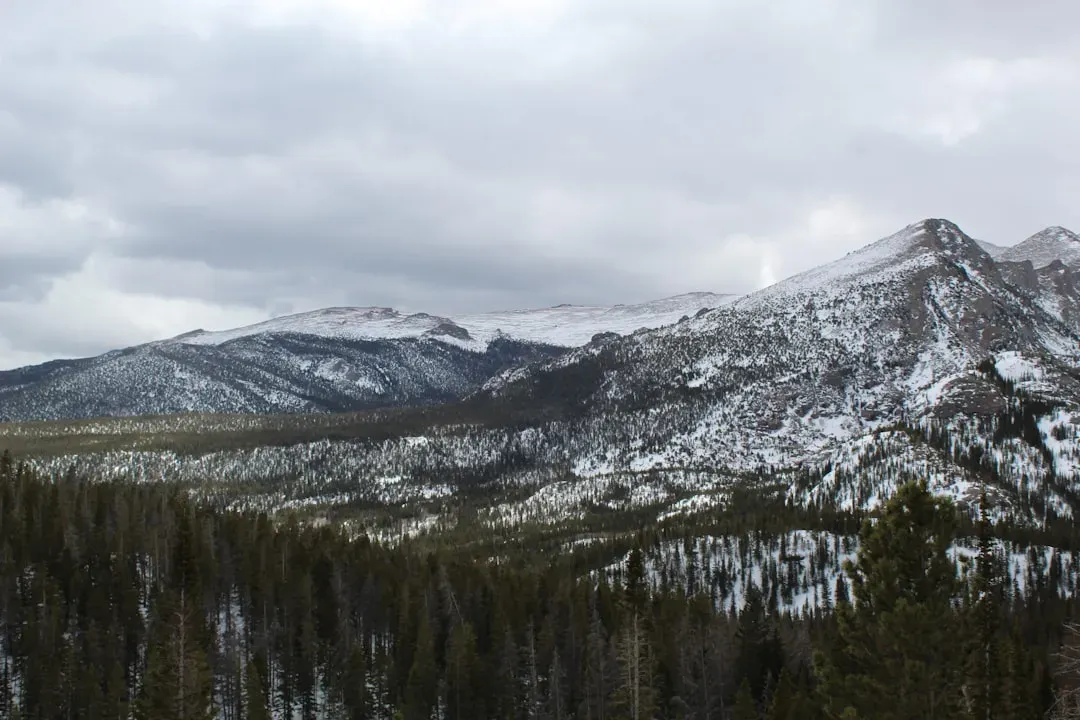
Mountains from the Cascades to the Rockies logged far less snow than typical this winter, setting up dry conditions for spring. Warmer March temperatures accelerated melt in what little accumulation there was, raising fire risks earlier in the season. This shortfall echoes broader western trends tied to shifting storm tracks.[5]
Communities reliant on snowmelt for rivers and reservoirs face tighter water allocations. Early warmth brought summer-like days to Seattle and Portland, confusing wildlife and budding plants. Hydrologists monitor closely as summer approaches, hoping for late rains to ease the strain.
California: Persistent Drought and Heat Dome Effects
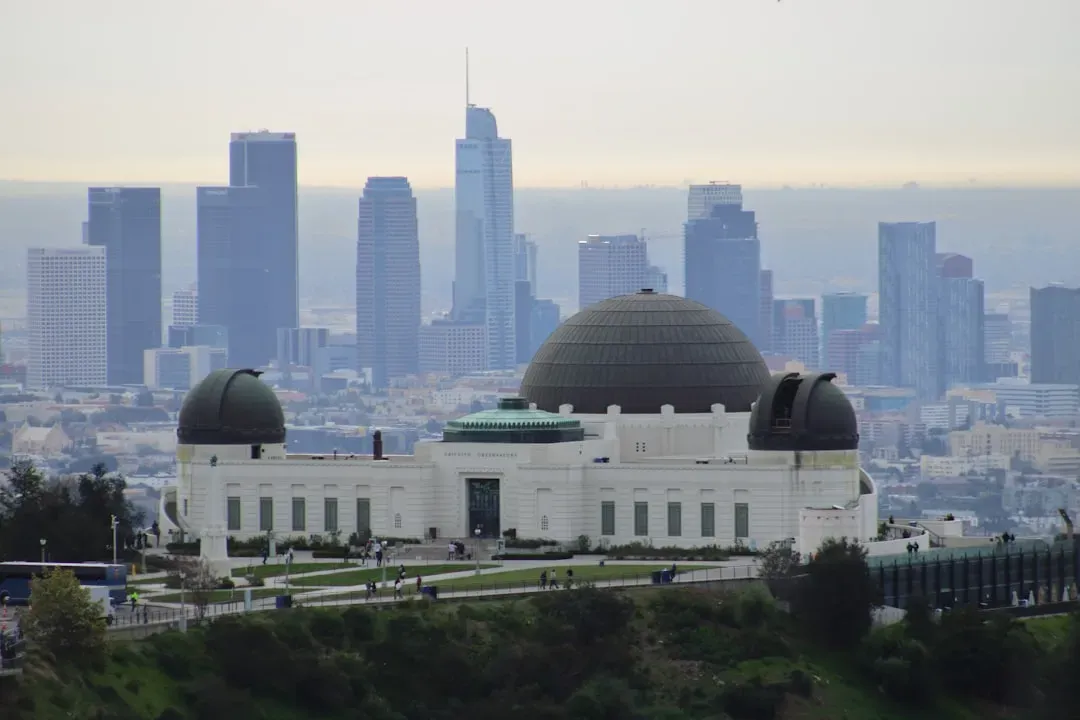
A massive heat dome baked California through late March, pushing temperatures into record territory for the month. Combined with ongoing drought, this fueled concerns over wildfires and water shortages in a state already stretched thin. Reservoirs remain below average despite winter rains.[6][7]
April brought some pattern shifts with cooler air filtering in, yet dry soils persist. Urban areas like Los Angeles dealt with heightened smog from stagnant conditions. Officials urge conservation as the fire season looms larger than ever.
Great Lakes Region: Late Blizzards and Cold Snaps
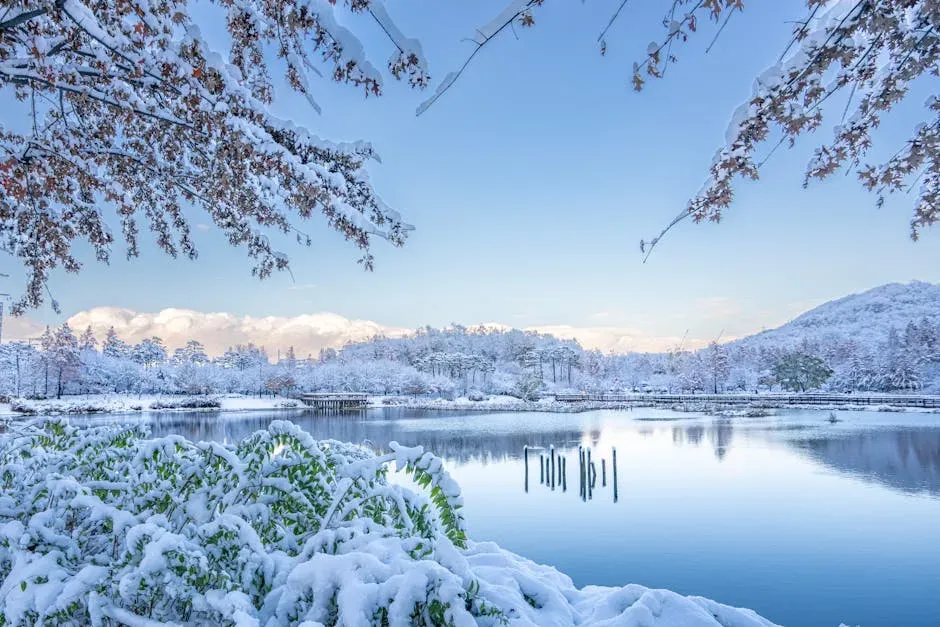
March saw brutal blizzards bury parts of Michigan, Wisconsin, and Minnesota under heavy snow, well past winter’s peak. Winds whipped snow into whiteouts, closing roads and schools for days. This unusual late-season event caught many off guard amid earlier warmup signs.[8][9]
Into April, hints of a polar vortex revival threaten more cold and possible snow flurries. Lake-effect bands amplified the chaos, dumping feet in hours. Locals bundle up again, reminding everyone spring can be fickle here.
Southeast: Rare Snow and Flood Risks
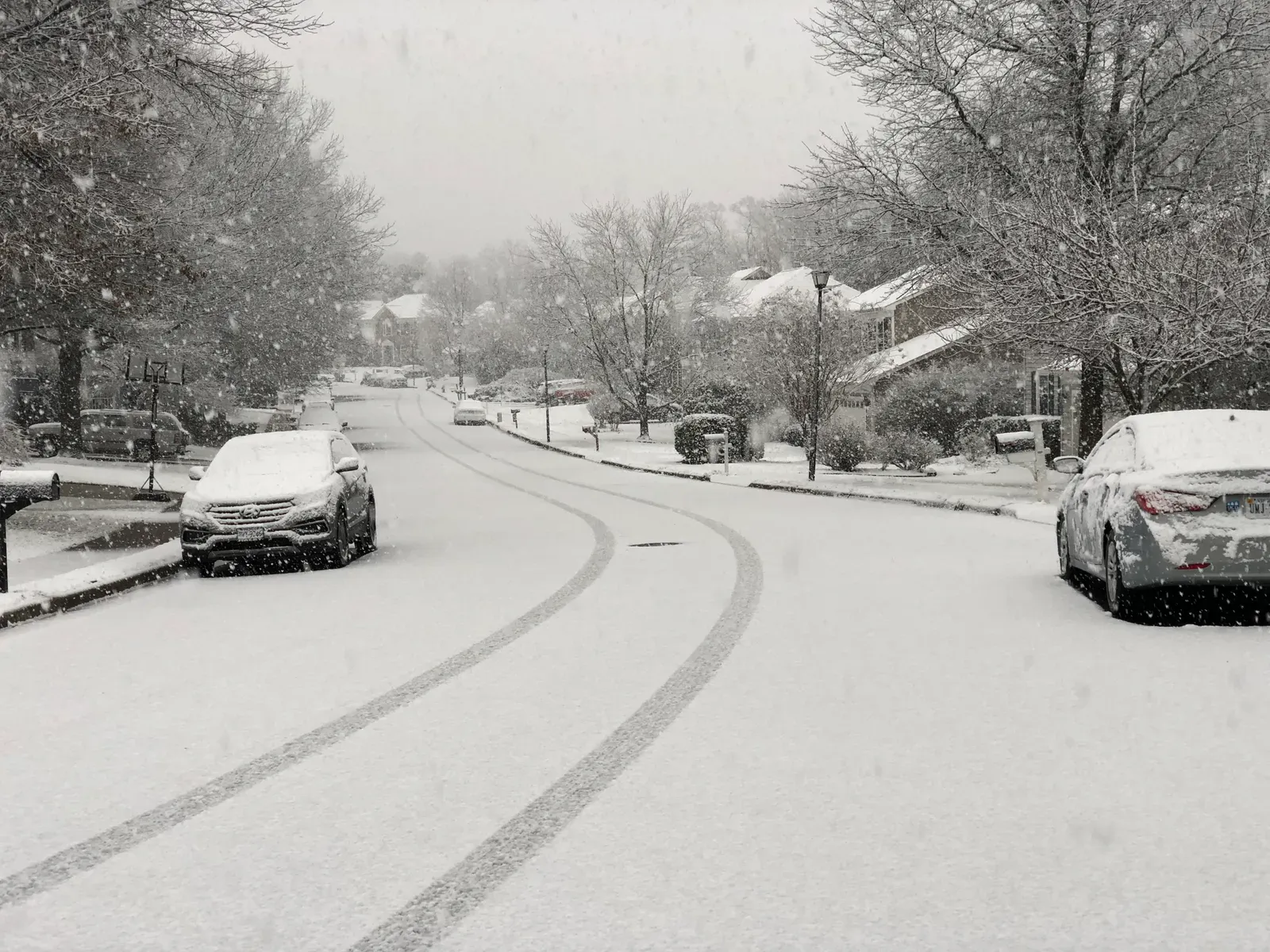
Alabama and nearby states saw rare snowfalls in March, an oddity for the region this late. Flip-flopping temperatures followed, swinging from chill to warmth rapidly. These contrasts strained infrastructure not built for such variability.[2]
Early April flooding hit parts of the Carolinas after heavy rains, with totals exceeding five inches in days. Rivers swelled, prompting evacuations in low-lying areas. The chillier-than-normal winter set the stage for these watery surprises.
High Plains: Blizzards to Tornado Threats
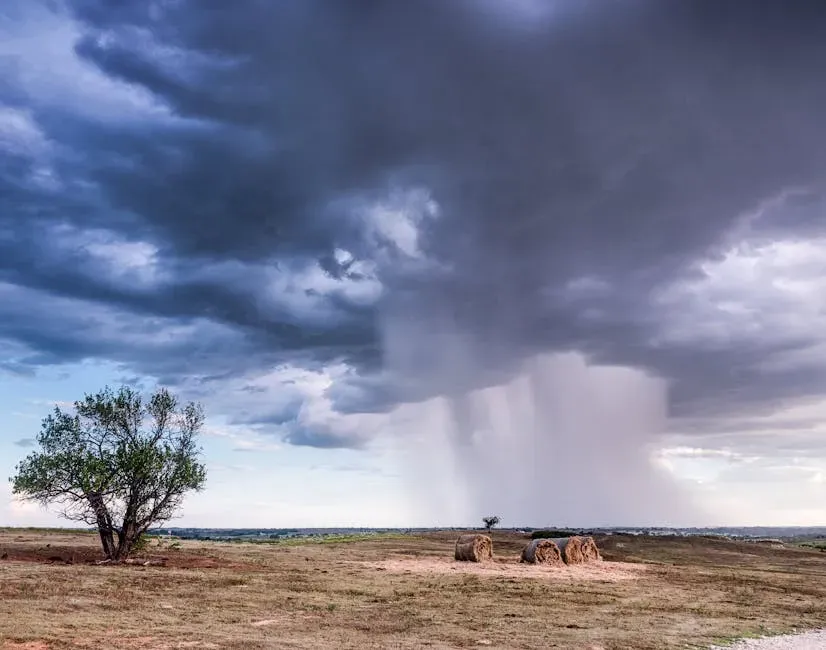
The High Plains endured a mid-March blizzard that transitioned into severe storm potential by spring. Nebraska faced wildfires amid dry winds, while tornado watches popped up in Kansas and Oklahoma. This rollercoaster from snow to twisters marks a hyperactive pattern.[9][10]
April forecasts point to more thunderstorms as warm air clashes with cool fronts. Ranchers battle both frozen ground and fire scars. The region’s wide-open spaces amplify every weather shift’s impact.
Hawaii: Torrential Floods Amid Warm Waters
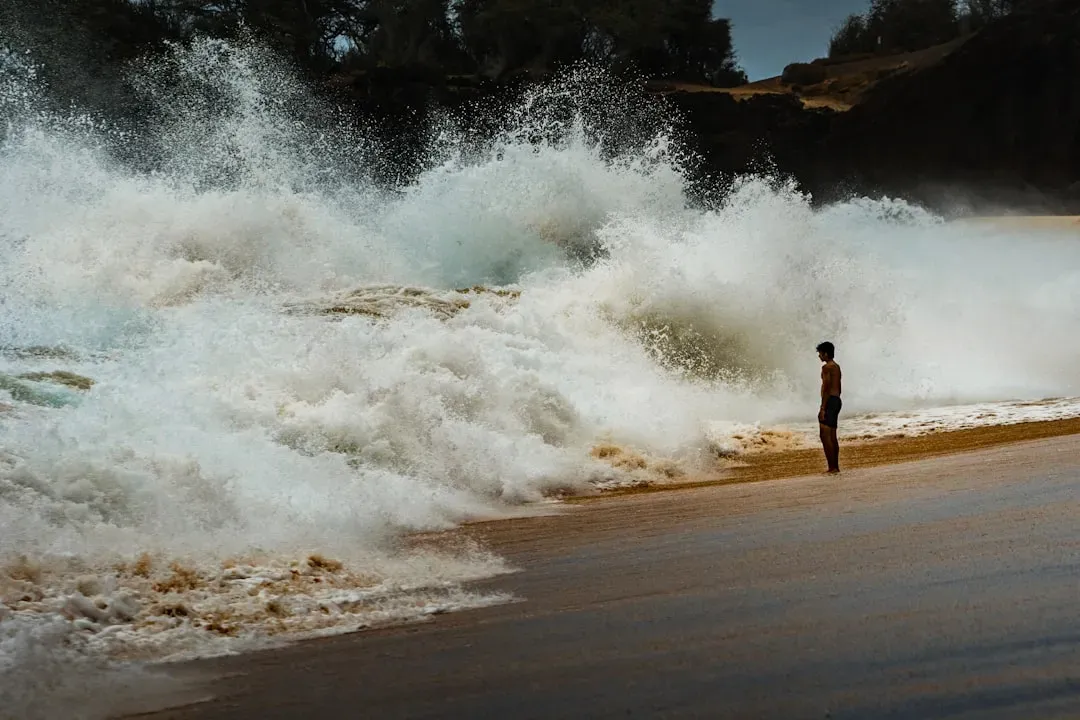
Heavy rains deluged Hawaii in March, causing flash floods that washed out roads and homes. Islands saw inches pile up quickly from stalled fronts, far above seasonal norms. Tropical moisture fueled the downpours in an otherwise dry spell.[2][8]
Residents navigated debris-choked streams, with recovery ongoing into April. Warmer ocean temperatures may prolong such events. Paradise islands grapple with mainland-like extremes.
Northeast: Temperature Swings and Nor’easters
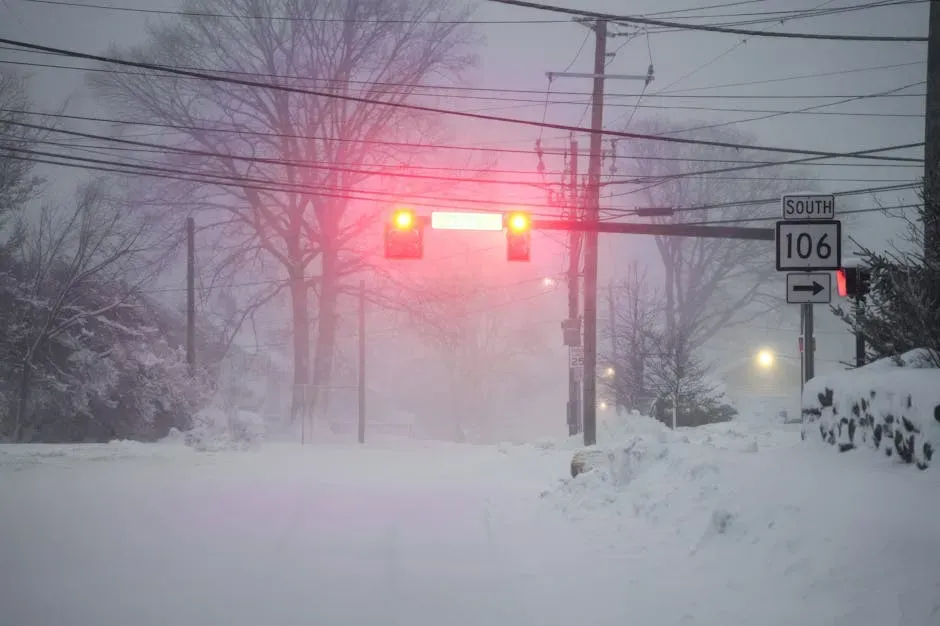
The Northeast bounced between cold blasts and balmy days through March, with late Nor’easters adding snow and wind. New England cities shattered records for late-season accumulations. These swings disrupt everything from travel to early planting.[2][9]
April’s potential polar influence could extend the chill, delaying full bloom. Urban heat islands intensify the contrasts. Folks here know to keep winter gear handy a bit longer.
Looking Ahead: Patterns and Preparedness
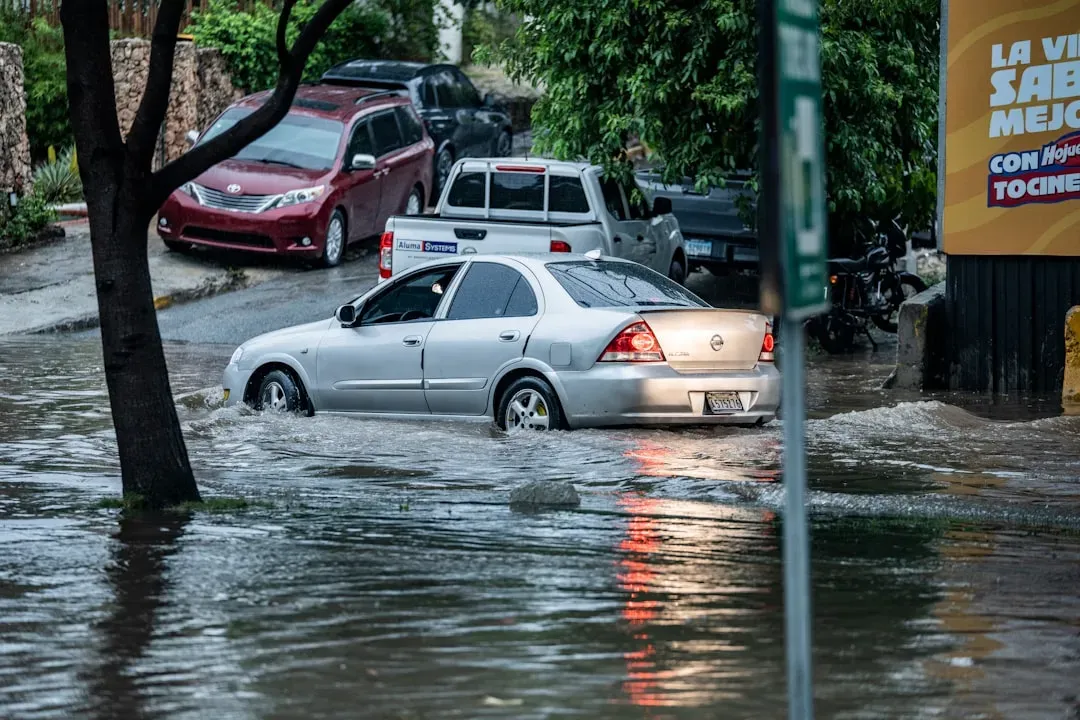
These scattered extremes paint a picture of a climate in flux, where old seasonal boundaries blur. From heat domes to vortex remnants, interconnected forces drive the chaos.[11]
Communities wise up by diversifying plans, from water rationing to storm kits. Tracking reliable forecasts helps navigate the uncertainty. In the end, flexibility stands as the best defense against nature’s surprises.

- 14 Birds of Prey That Dominate the Skies of North America - August 13, 2026
- Signs Your Cat Is Trying to Warn You About Danger - August 13, 2026
- According to Native American Tradition, Coyotes Were Clever Teachers Rather Than Villains - August 13, 2026