

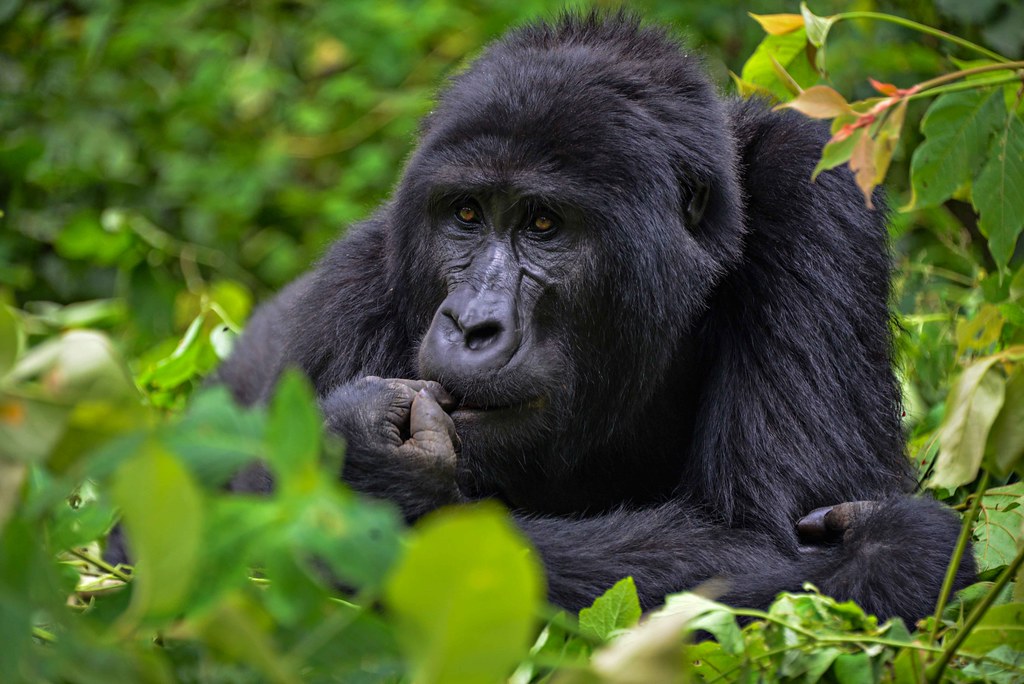
Rare Births Capture Global Attention (Image Credits: Flickr)
Virunga National Park, Democratic Republic of Congo – Rangers patrolling the misty slopes of this UNESCO World Heritage site discovered two remarkable events in early 2026: sets of mountain gorilla twins born just months apart. These rare arrivals in the Bageni and Baraka families underscore the fragile yet resilient recovery of a species once teetering on extinction. Conservationists hailed the births as a testament to persistent protection efforts amid regional turmoil.[1][2]
Rare Births Capture Global Attention
In January 2026, adult female Mafuko in the Bageni family gave birth to twin males, now about 11 weeks old and reported to be thriving. Just two months later, another mother in the smaller Baraka family delivered a male and a female, bringing that group to 19 members. Twin births occur in less than 1 percent of mountain gorilla pregnancies, making these back-to-back events exceptionally uncommon.[2][3]
Field teams observed strong social support within both troops. A young blackback male stayed close to Mafuko, offering protection, while other members eased her burden. Such assistance proves crucial, as mothers face intense physical demands: carrying two infants through rugged terrain, producing extra milk, and fending off threats. Mafuko herself lost a previous set of twins in 2016, heightening the significance of this survival.[4]
From Near Extinction to Steady Growth
Mountain gorillas numbered fewer than 250 individuals in the late 1980s, confined to the Virunga massif and Uganda’s Bwindi Impenetrable Forest. Intensive conservation reversed that decline. Today, the global population exceeds 1,000, with Virunga alone recording nine births in its habituated groups during the first three months of 2026.[1][2]
Efforts by organizations like the Dian Fossey Gorilla Fund and Gorilla Doctors played key roles. Veterinarians treat injuries and illnesses, contributing to half the population increase in monitored areas. Rangers track families daily, knowing each gorilla by name and intervening when needed. These measures have quadrupled numbers over decades, moving the subspecies from critically endangered status.[5]
- Habituation allows safe tourism funding for protection.
- Community programs reduce poaching through alternative livelihoods.
- Habitat restoration combats deforestation and snares.
- Veterinary interventions address respiratory issues and trauma.
- Cross-border cooperation spans DRC, Rwanda, and Uganda.
Persistent Threats in a Volatile Region
Virunga remains a hotspot of conflict, with militias and groups like M23 operating nearby. Over 220 park rangers have died in the past two decades defending the park. Infants face high mortality from infanticide, disease, parasites, and cold weather, risks amplified for twins.[1]
Jacques Katutu, head of gorilla monitoring at Virunga National Park, captured the moment’s weight. “Two instances of twin births within 3 months is an extraordinary event and provides another vital indicator that dedicated conservation efforts, which have continued despite the current instability in eastern Congo, continue to support the growth of the endangered mountain gorilla population within Virunga National Park.”[2]
Monitoring teams now focus intently on the new families, checking nursing, movement, and group dynamics daily. Veterinarians stand ready for any signs of distress. The Mikeno sector’s diverse vegetation supports healthy mothers, potentially enabling hyper-ovulation behind the twins.[4]
Lessons for Global Conservation
These births signal robust health in the population, likely from ample food and low stress. Yet survival remains uncertain; historical data from Rwanda shows few twin sets endure long-term. Virunga’s success, despite odds, inspires broader wildlife efforts.[5]
Experts emphasize sustained funding and peace as essentials. The European Union and UNESCO back patrols, while tourism generates revenue. As one of two remaining habitats, Virunga’s gorillas remind humanity of intervention’s power against extinction.[1]
Key Takeaways
- Twins in under 1% of births highlight population vitality.
- Conservation quadrupled numbers from 250 to over 1,000.
- Conflict persists, but rangers’ sacrifices yield results.
These tiny survivors embody perseverance. What do you think about these conservation wins? Tell us in the comments.

- Urban Coyotes Show Remarkable Adaptability, Learning to Thrive in City Environments - July 22, 2026
- Beavers Are Nature’s Engineers, Creating Vital Habitats for Other Wildlife Species - July 21, 2026
- The Recovery of the California Condor Offers Hope for Other Critically Endangered Birds - July 21, 2026