
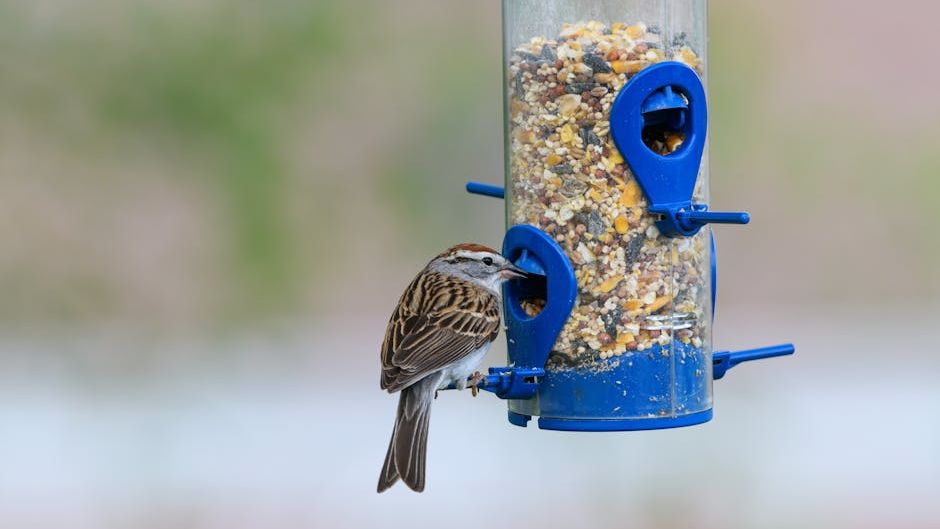
You set up the feeder, fill it with seed, and wait. Nothing happens. It’s one of those quiet frustrations that backyard birders know well, and it turns out the feeder itself is rarely the problem. More often, it’s a handful of small, easily corrected missteps that send birds quietly looking elsewhere.
Bird feeders are a great way to attract a variety of species to your yard, but if you’ve set one up and aren’t seeing many visitors, you might be making mistakes that are unintentionally scaring birds away. Birds are naturally cautious, and certain factors can make them avoid your feeder entirely. The good news is that most of these issues have straightforward fixes.
Putting the Feeder in the Wrong Spot
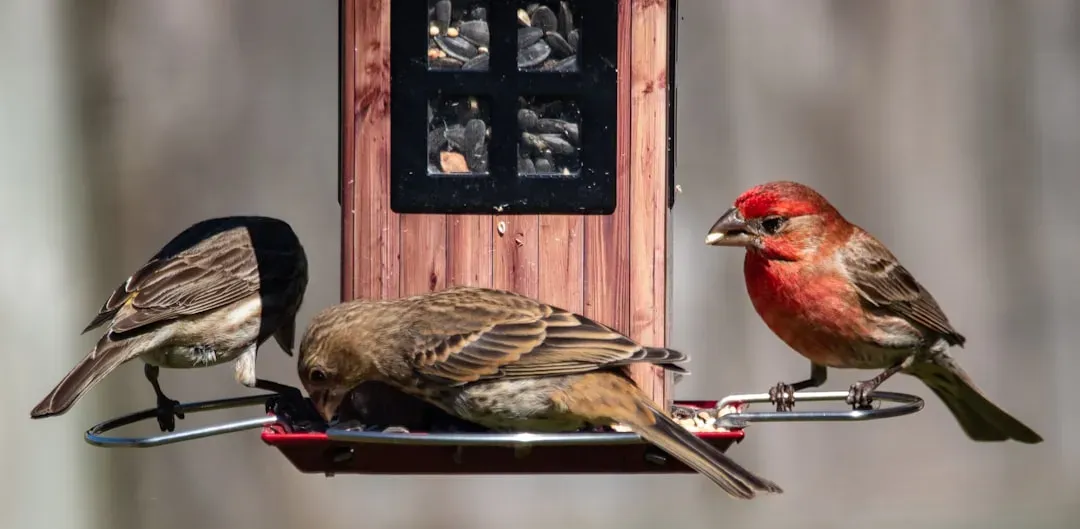
Location is everything when it comes to bird feeders. If your feeder is placed in an area that feels unsafe to birds, they’ll simply stay away. Birds prefer feeding locations that offer both visibility and security.
Common placement errors include hanging feeders in wide-open spaces without nearby trees or shrubs, placing the feeder too close to windows where collisions can occur, and positioning it too close to areas with heavy foot traffic or loud noises.
Position feeders within ten to twelve feet of trees or shrubs. This gives birds a place to perch and survey the area before approaching the feeder, and also provides shelter from predators. That balance between openness and cover is the sweet spot most backyard setups get wrong.
Using the Wrong Type of Feeder
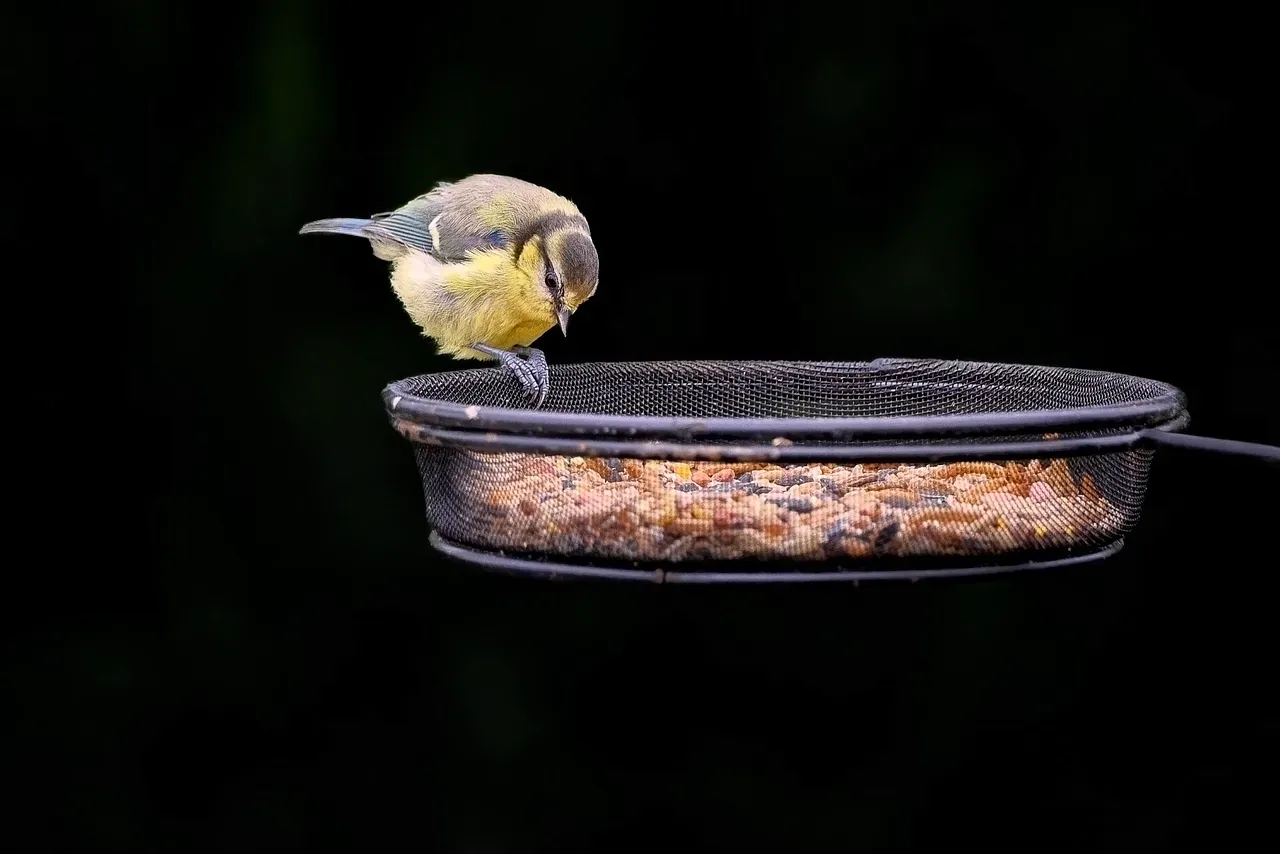
Not all feeders are created equal. Different birds have different feeding habits. Offering only one style of feeder is one of the most common oversights in backyard bird feeding, and it quietly limits the variety of species that will ever show up.
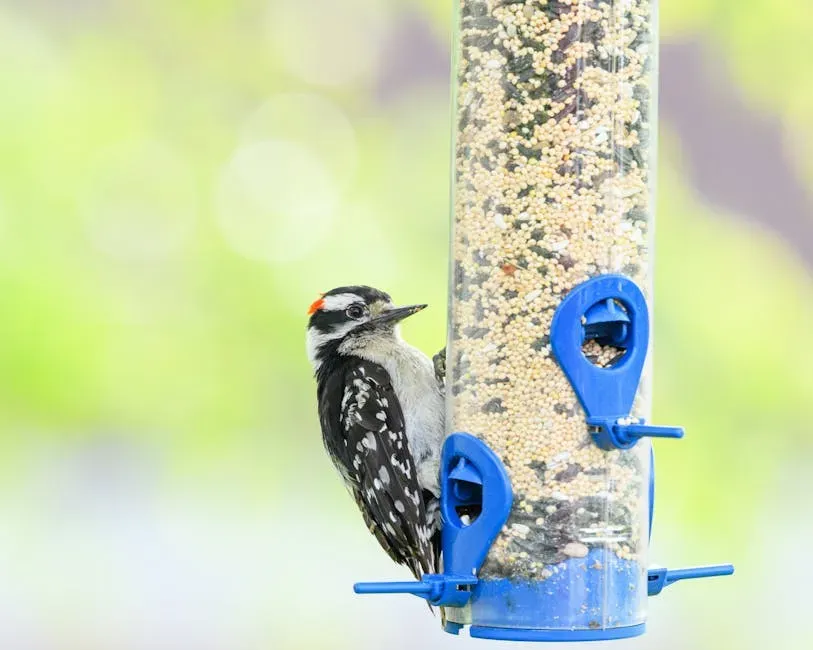
Finches love tube feeders. Woodpeckers prefer suet cages. Cardinals like platform feeders where they can perch comfortably. If you’re using only one type of feeder, you might miss the chance to attract a wider variety of birds.
Tube feeders work best hung in open areas at mid-height for finches, chickadees, and nuthatches. Platform feeders are better placed lower or near the ground for sparrows, juncos, and mourning doves. Suet feeders should be positioned near tree trunks for woodpeckers and creepers. Mixing feeder styles is one of the simplest upgrades you can make.
Filling the Feeder With Low-Quality Seed
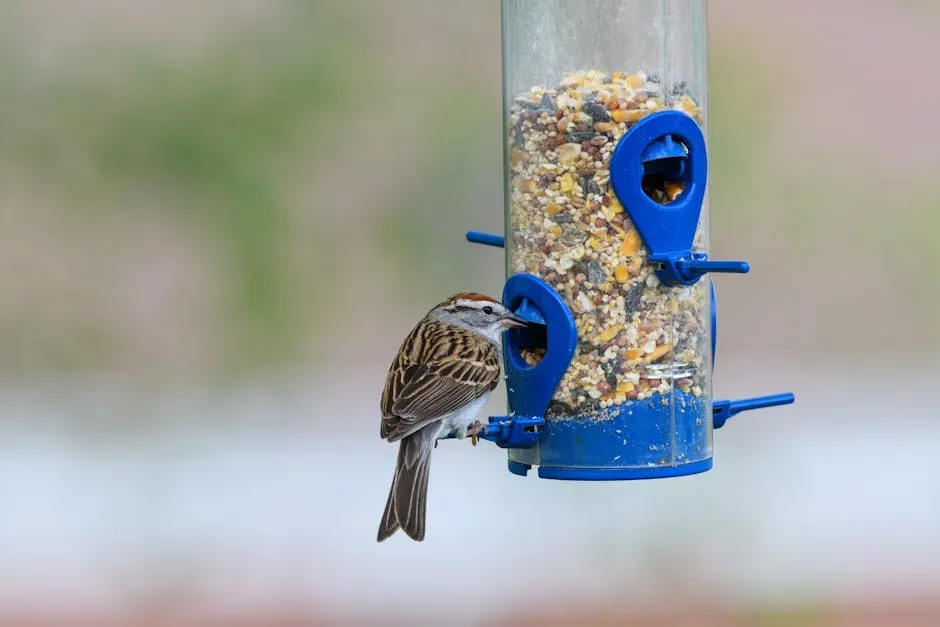
Cheap birdseed often contains a lot of fillers like milo, wheat, oats, or red millet that many backyard birds simply won’t eat. Instead, they’ll kick those fillers to the ground, which creates piles of rotten seeds, unwanted sprouting weeds, and attracts pests.
Store-bought birdseed mixes are convenient, but the mix of seeds in most of them doesn’t please every bird. Common unpopular seeds include wheat, millet, sorghum, oats, and flaxseed, which often go to waste.
Investing in high-quality birdseed that caters to the species you want to attract makes a real difference. Black oil sunflower seeds, nyjer (thistle) seeds, and suet are excellent choices. Of all seed varieties, black oil sunflower seeds have the most oil, providing the fat that gives birds the energy they need to thrive.
Never Cleaning the Feeder
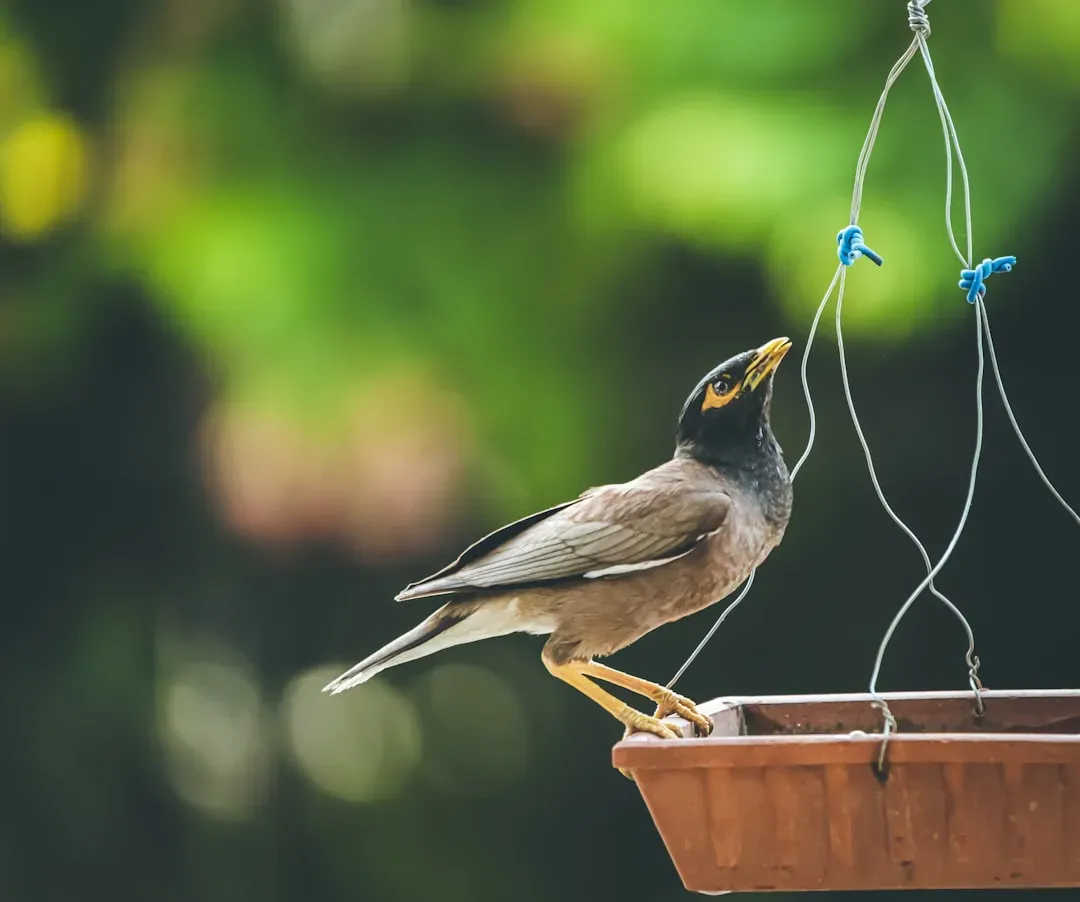
A dirty feeder isn’t just unappealing. It can also be dangerous for birds. Mold, bacteria, and spoiled food can make birds sick and discourage them from returning.
When multiple birds visit the same feeder daily, they often leave behind droppings, saliva, and food particles, which can contaminate the seed. Dirty feeders can grow mold, spread diseases like salmonella, or become clogged with wet, spoiled seed. Moldy seed can produce mycotoxins, which are toxic to birds even in small amounts.
Disassemble your feeders and wash them with warm, soapy water at least once a week. Rinse thoroughly and allow them to dry completely before refilling. Once a month, disinfect feeders by soaking them in a solution of one part bleach to nine parts water for ten minutes, then rinse and dry before use.
Letting the Feeder Run Empty
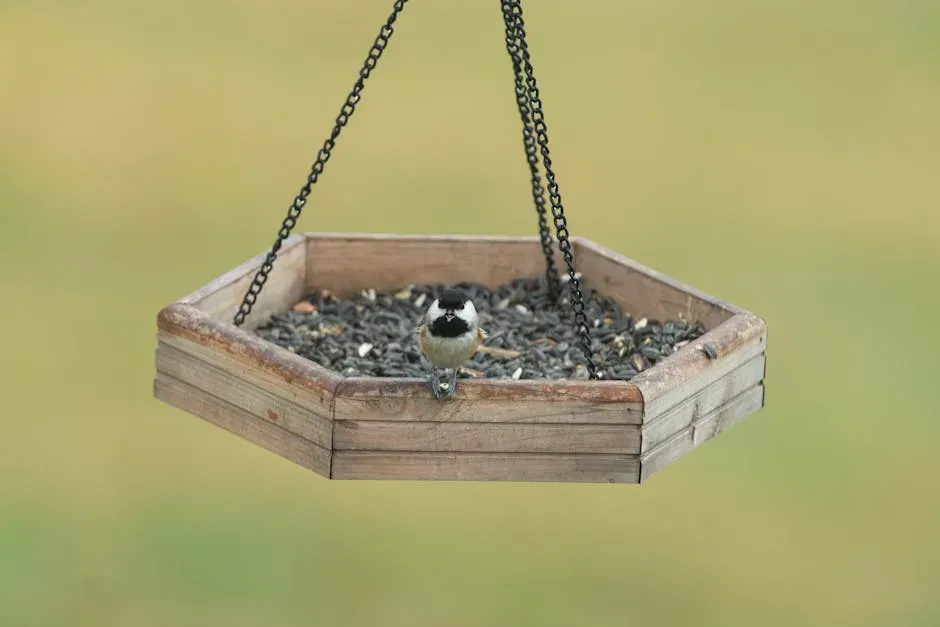
The first basic rule is to make sure feeders are always refilled. If a bird returns to an empty feeder, it will take that as a signal that this location is not trustworthy and will look elsewhere for sustenance.
Birds can be forgiving if a feeder is empty for a few days, but a feeder that is consistently empty won’t attract many birds. While wild birds won’t starve if feeders go empty, they do grow to depend on feeders as a food source. Refilling feeders promptly will attract a wider variety of birds and help keep the feeder clean and in good repair.
Consistency matters more than perfection here. Birds are creatures of routine, and a reliably stocked feeder builds the kind of trust that brings them back day after day.
Ignoring Squirrels and Other Pests
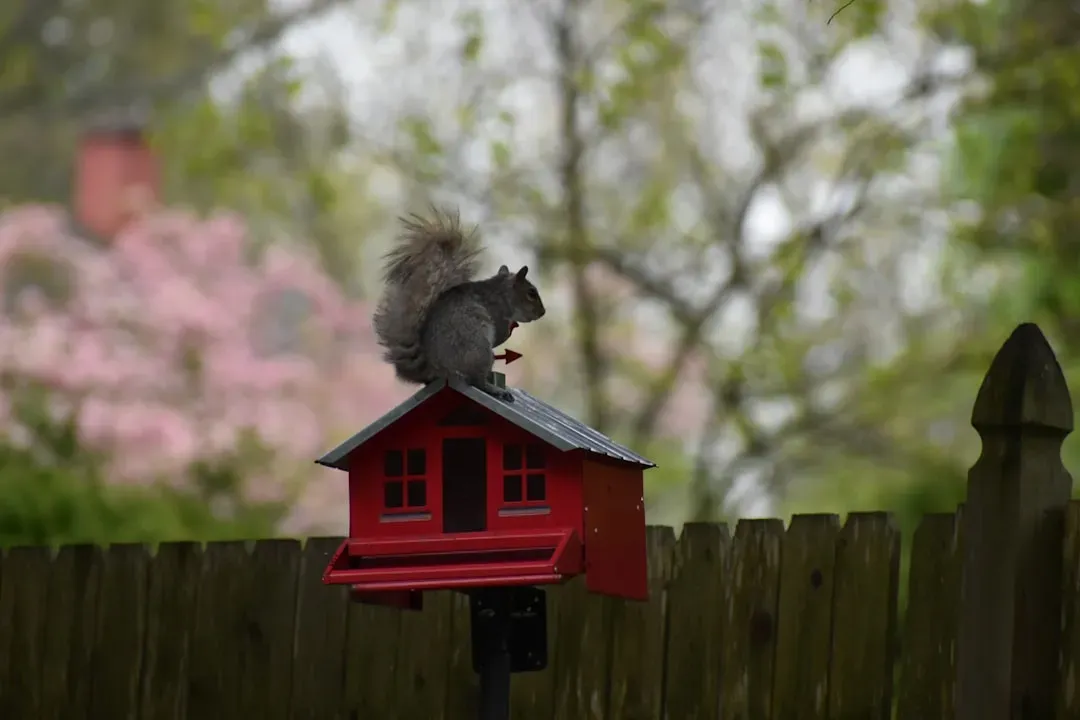
When larger mammals frequent your feeder area, birds may become stressed or stop visiting altogether. Bird feeders are often raided by squirrels, raccoons, or even rats. They eat all the seed, damage the feeders, and scare off birds.
Squirrels can jump three and a half feet straight up, so if the top of your squirrel baffle is four feet off the ground, your bird food is safe from below. They can also jump from above or from the side, covering roughly ten feet in a horizontal leap.
Squirrels are remarkable jumpers, so distance is your best defense. The 5-7-9 Rule offers a simple framework: five feet off the ground keeps squirrels from jumping up from below. Using squirrel-proof feeders, hanging feeders on poles with baffles, and cleaning up fallen seed on the ground all help reduce the problem.
Placing Feeders Too Close to Windows
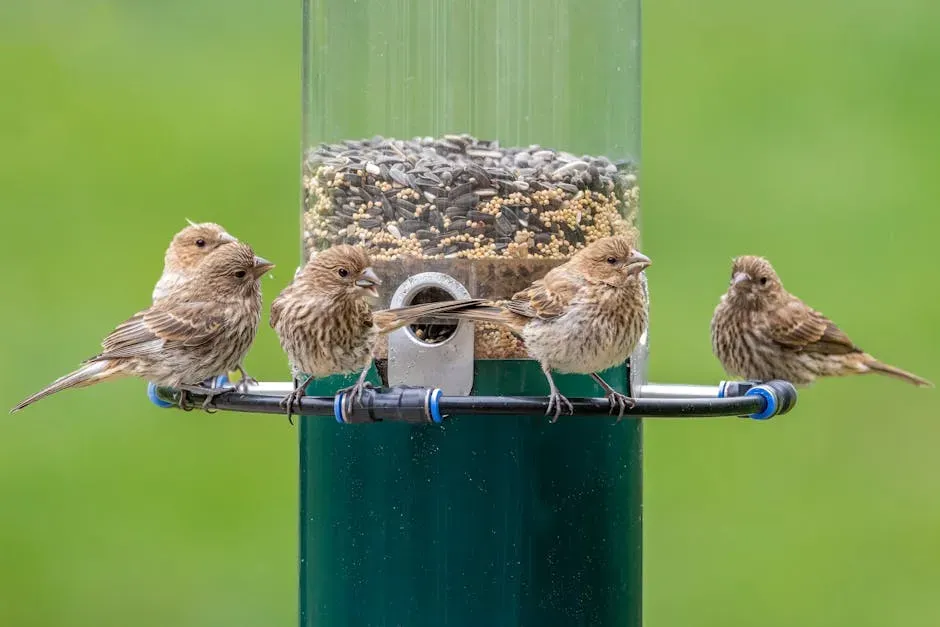
Feeder placement doesn’t just affect bird activity. It also affects bird safety. Window collisions are one of the leading causes of bird injury, but they’re largely preventable with the right positioning.
To prevent window strikes, place bird feeders either within three feet of your windows or more than ten feet away from them. You can even try a window bird feeder to see birds up close. If birds hit a window from within three feet, they likely won’t be moving fast enough to seriously hurt themselves. If feeders are more than ten feet away, birds should have time to adjust and avoid the glass.
Even with good placement, reflections can still confuse birds. Adding window decals or dot patterns to break up reflections, using exterior screens, and avoiding positions where birds fly directly between two clear sightlines can all help reduce the risk.
Forgetting to Provide Water
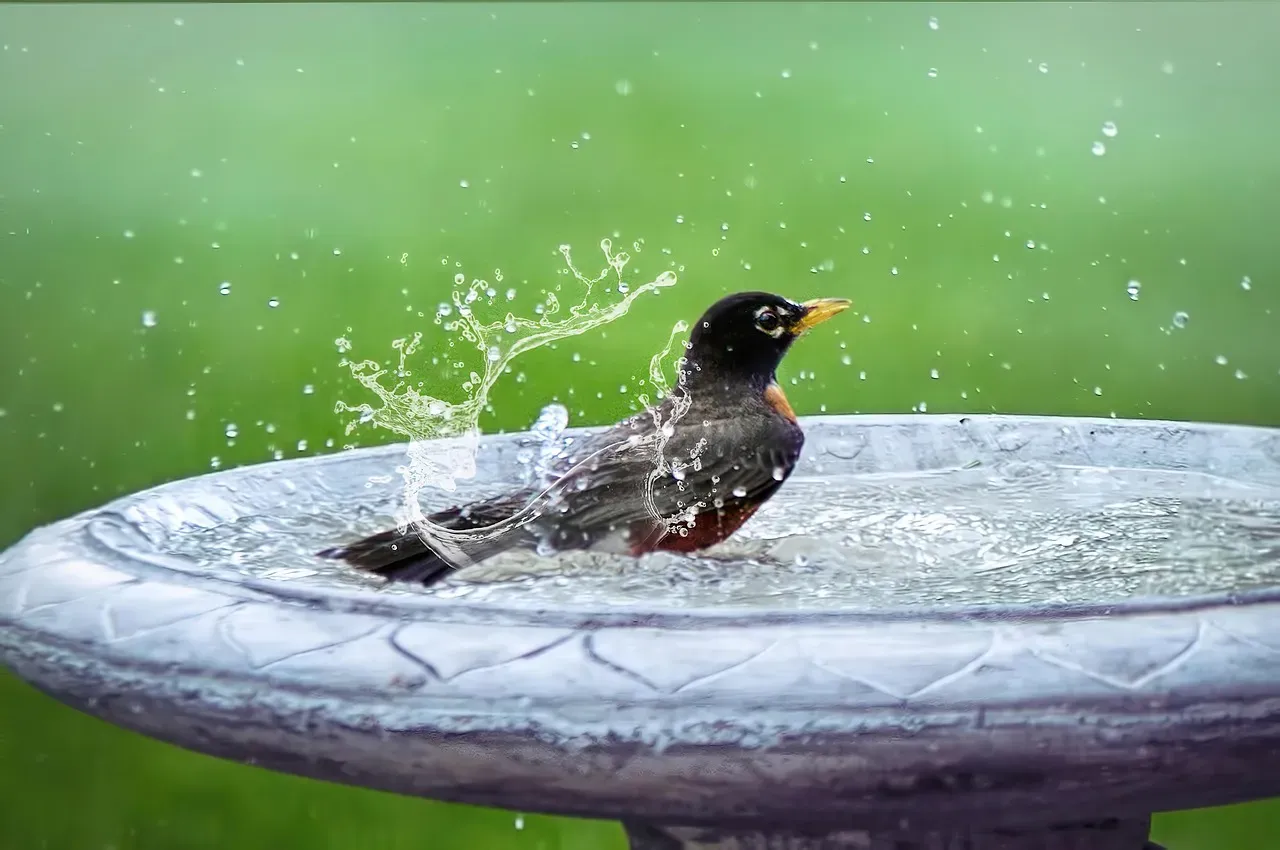
Birds need water not just for drinking but also for bathing. Even if your yard is full of feeders, you might still see fewer birds if there’s no water source nearby. It’s one of those things that gets overlooked because it seems minor, but for birds it’s non-negotiable.
Focusing only on food and neglecting water is a common mistake. Birds need clean water for drinking and bathing, especially during hot or freezing weather when natural water sources are scarce.
Water acts as a natural attractant, particularly the sound of running or trickling water. If there is a steady supply of water year-round, you have a better chance of attracting birds and convincing them to return. In winter, consider a heated birdbath to keep the water from freezing.
Storing Birdseed Carelessly
Birdseed has a long shelf life, provided it is stored properly. Seed that is not stored well can spoil and be invaded by pests such as mice or moths. As seeds get old and dry out, they become less nutritious and will not attract as many birds.
Birds won’t eat food that has gone bad, and who can blame them? They instinctively know that bad food could make them sick or could even be lethal. Check for mould, insects, or larvae. Smell the seed for mould and mildew, as mouldy seed smells noticeably musty. Check to see if the seed is discoloured, which can be a sign of fungus. Seed that is clumped together or sprouting is wet and not fit for birds to eat.
Store seed in a sealed, airtight container in a cool, dry location, and buy only as much as you’ll realistically use within a few weeks. Fresh seed is not just more appealing; it’s meaningfully safer for the birds that depend on it.
Conclusion: Small Changes, Big Results
Most of these mistakes aren’t dramatic. They’re quiet, easy-to-miss details that gradually erode the appeal of your feeder without you ever noticing a single dramatic moment. If you’re having trouble getting birds to come to your feeder, don’t worry. Most feeders are missing only a tweak or two.
By placing your feeder in a secure location, offering high-quality food, keeping it clean, deterring predators, and maintaining a steady routine, you’ll create a welcoming environment that attracts and retains birds. None of it requires expert knowledge or expensive equipment.
The birds are out there. They’re cautious, observant, and remarkably good at detecting whether a place is worth the risk. Get the basics right, and they’ll find you soon enough.

- 16 Behaviours Shelter Workers Say Reveal Everything About How a Dog Was Treated Before - August 13, 2026
- 10 Ancient Ruins Hidden Deep Inside Dangerous Landscapes - August 12, 2026
- 15 Dog Breeds That Are Surprisingly Good with Cats (and 5 to Avoid) - August 12, 2026